
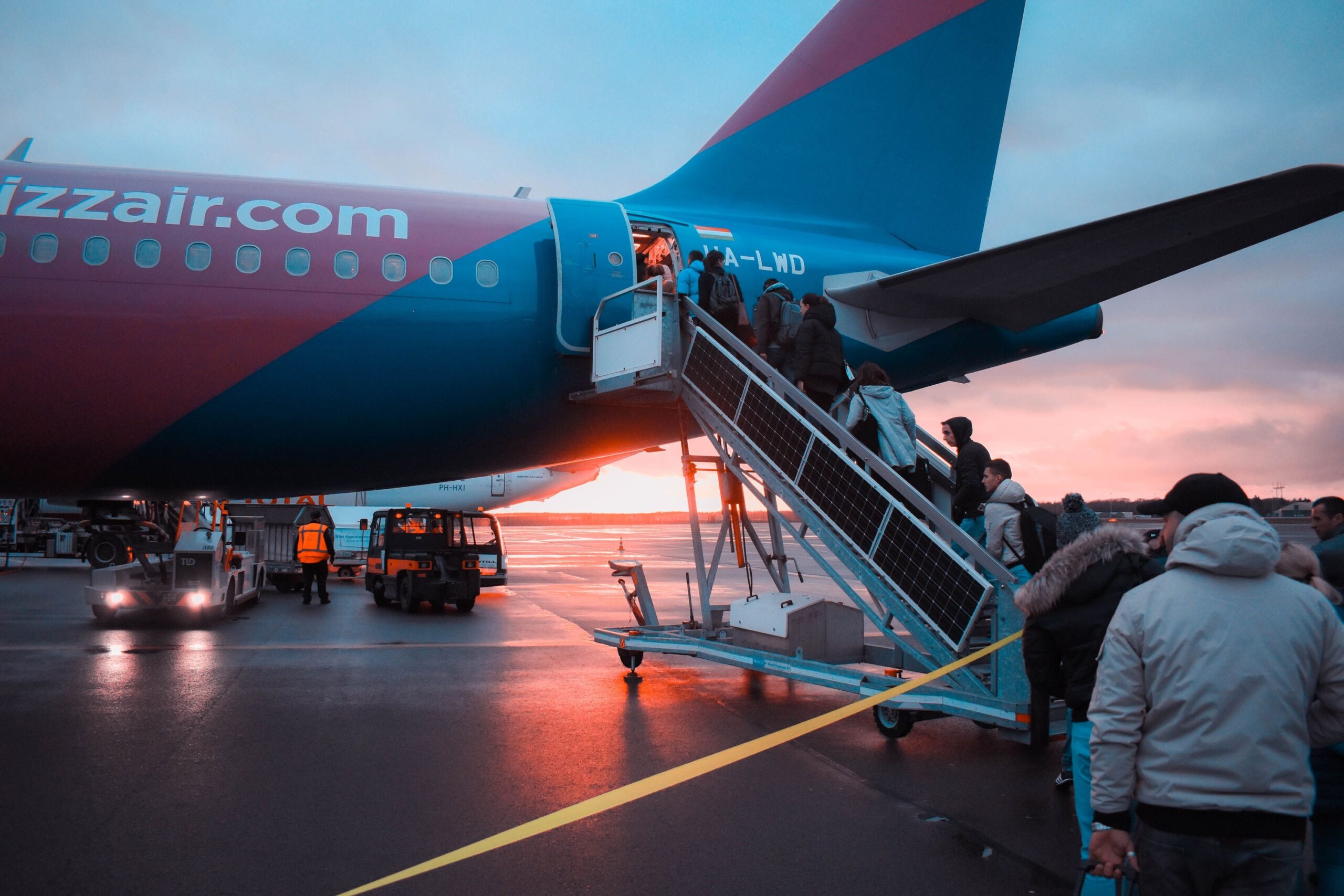

Most of the tension around deplaning starts in the same place: the moment the seatbelt sign clicks off and half the cabin leaps to its feet. It’s chaos with carry-ons, craned necks, and jammed aisles, and very little of it actually saves anyone time. There’s one simple shift in behavior, however, that could change the whole experience, and it starts with the people seated at the window.
The habit is staying seated. Not forever, and not out of passivity, but with intention. Window seat passengers who remain seated while the aisle clears are doing something genuinely useful for every person on the plane. Here’s why it works, what the research shows, and why it’s worth making a permanent part of how you travel.
The Core Habit Explained: Staying Put Until the Aisle Clears
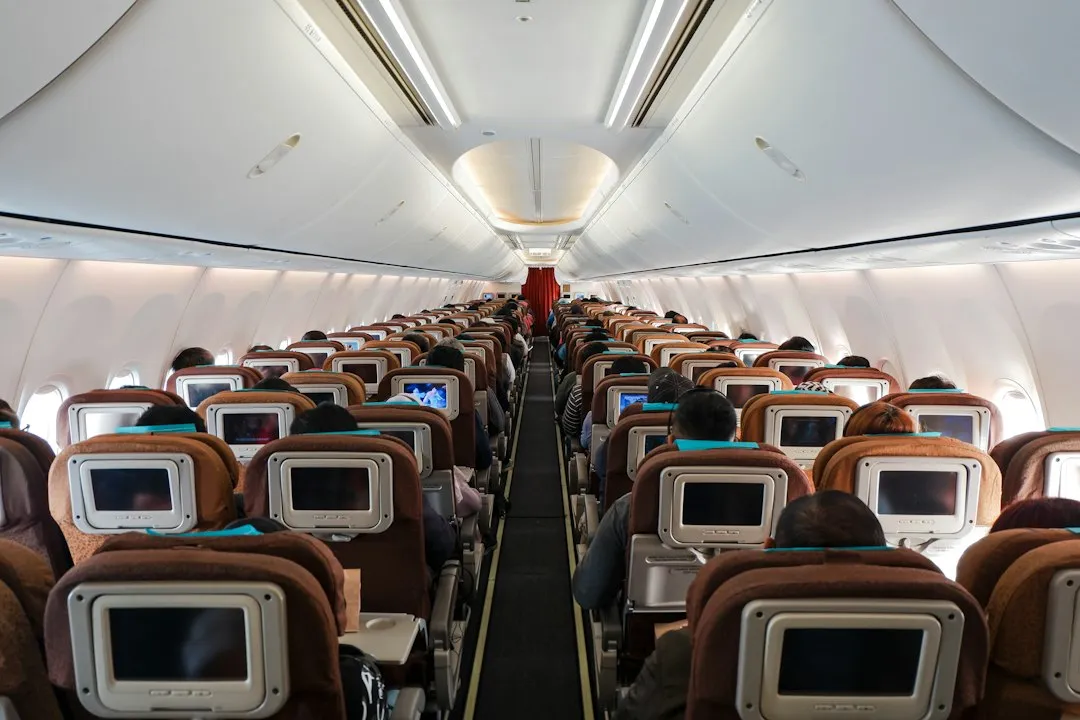
The idea is straightforward. When a flight lands and the seatbelt sign turns off, window seat passengers who stay seated allow the natural row-by-row flow to move more smoothly. People in window seats who stand crane their necks for twenty minutes waiting to move, accomplishing nothing except blocking their row from functioning efficiently. The aisle simply can’t absorb more bodies until the rows ahead have cleared.
The impulse to stand and gather belongings before the appropriate time appears driven by a variety of motivations, including a perceived urgency to exit, anxiety about connecting flights, or simply discomfort from prolonged sitting. Understandable as those feelings are, acting on them too early is what creates the bottleneck. Staying seated until the row in front has genuinely cleared is, in practice, one of the most considerate and effective things a window seat passenger can do.
What the Research Actually Shows About Deplaning Time
According to one aircraft turn-time study, it takes about an average of thirty seconds to disembark per row in a three-three configuration, meaning that on an average commercial airplane with twenty-four rows, the full process takes roughly nine minutes. That might not sound long, but congestion caused by premature movement consistently stretches that window. A 2024 European aviation research simulation found that average disembarkation time can be reduced by forty-five percent through structured deplaning, bringing it from nine minutes down to five minutes.
Those four saved minutes matter more than they might seem. That reduction is crucial for passengers with tight connections, allowing about thirteen percent more of them to successfully catch their onward flights. Multiply that across thousands of daily departures and the collective impact on real travel outcomes becomes significant.
The Column Style Principle and Why Window Passengers Are Last for Good Reason
Research concluded that deplaning in a “column style” is fastest, meaning that starting from front to back, all aisle seats exit first, then all middle seats, and then all window seats. This isn’t arbitrary. It reflects the physical reality of cabin geometry: window passengers can’t reach the aisle without the middle and aisle seats already being vacated. A 2007 study from the National University of Defense Technology in Changsha, China, found consistent results across one hundred simulations, with the column style taking just 9.9 minutes compared to 14 minutes with the more typical front-to-back approach.
Window passengers who stay calm and let the natural sequence unfold are, in effect, already following the logic of this faster model. Depending on the size and occupancy of the aircraft, saving rates with structured deplaning vary between five and fifty percent. That’s a meaningful range, and the higher end is only achievable when passengers cooperate with the process rather than working against it.
Standing Early Creates Real Safety Risks, Not Just Inconvenience
The rush to stand and position oneself in the aisle creates an environment of elevated cognitive load, and research examining incident reports has indicated that a significant percentage of minor injuries occurring during deplaning are associated with movement within the cabin prior to official clearance to exit. This isn’t just a question of etiquette. It’s a documented safety concern. Individual impatience degrades the collective efficiency and safety margin.
For window seat passengers specifically, standing early tends to push them awkwardly into a half-standing posture, leaning over seated neighbors while their bags are still overhead. That contortion achieves little while creating friction for everyone around them. Staying seated until the path is genuinely clear is both safer and faster in practice.
How This Connects to the Broader Delay Problem in Air Travel
A 2025 analysis of United States flight data found that more than 234 million travelers departing from U.S. airports in 2024 experienced a disruption, including delays and cancellations, out of roughly one billion total passengers, equating to nearly one in four travelers encountering a measurable interruption to their journey. Gate congestion and slow aircraft turnarounds are part of that picture. Chaotic deplaning doesn’t cause all of those disruptions, but it consistently adds unnecessary minutes that cascade downstream.
Airlines operate on tight ground schedules. Every minute a plane sits at the gate past its target turnaround window affects the next flight’s departure. The window seat habit is one small, voluntary act that contributes to a larger system working the way it’s supposed to.
Carry-On Luggage Is the Multiplier That Makes Everything Worse
One factor that contributes to an increase in passenger boarding and deplaning time is the increase in the amount of carry-on luggage. Passengers have increased their carry-on baggage for a number of reasons, including the implementation of checked baggage fees by airlines, and during the process, finding available overhead storage bin space becomes increasingly time-consuming and frustrating. This is now a structural feature of commercial flying, not a temporary trend.
For window seat passengers, this makes staying seated even more valuable. When they wait for the aisle and middle seats to clear before reaching for their overhead bag, they avoid the layered delay of multiple passengers reaching across one another in a packed cabin. While storing your bag above your seat is ideal, stowing it toward the front of the plane is the next best approach for maximizing deplaning efficiency. Combining good bag placement with the seated habit compounds the benefit considerably.
Why Most Travelers Still Jump Up Anyway
Over half of Americans, roughly fifty-eight percent, prefer window seats, which means the window seat deplaning habit, if widely adopted, would affect the majority of economy cabin passengers on any given flight. Yet the instinct to stand immediately is near-universal, even among people who logically know it won’t help. When the seatbelt sign is turned off, passengers leap up from their seats as if standing will get the ground crew to move the bridge faster, despite most people knowing it takes time for deplaning to commence. Yet most people stand as soon as they can.
Part of this is cabin psychology. The enclosed space, the anticipation of finally moving, the fear of being last, all of it creates pressure to act even when action is counterproductive. Recognizing that dynamic is the first step toward changing it, and window seat passengers are uniquely positioned to lead the shift simply by staying calm.
Row Order Still Matters, Even Without a Formal System
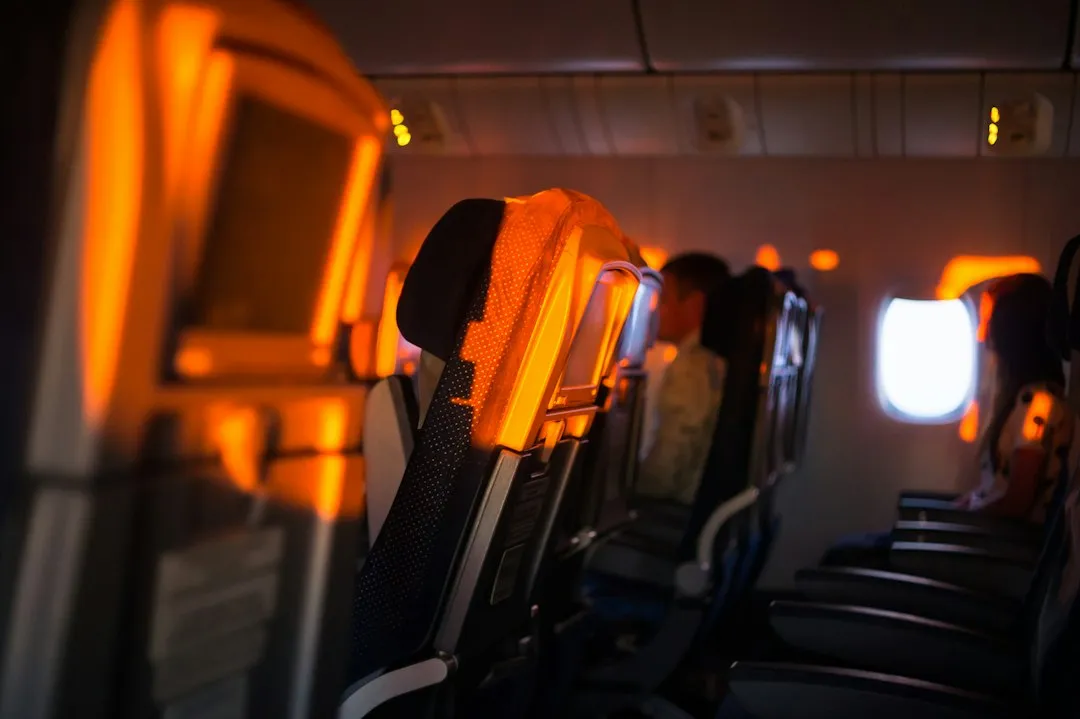
The basic principle is clear: you should wait for the row ahead of you to empty before moving into the aisle. If you’re seated in row 21, you should not leave until row 20 is empty. This applies to everyone, but window seat passengers who jump up before their row is even called force middle and aisle passengers to contort around them, stalling the row entirely. A window seat passenger staying patient keeps their own row functional and supports the rows behind them as well.
Data suggests that adherence to the seated exit order correlates with demonstrably faster deplaning times overall, highlighting the operational benefit that is forgone when the system is not followed as designed. No airline has to enforce this. It works when passengers simply follow the logic that has already been built into how rows are sequenced.
The Practical Mindset Shift: Use the Wait Productively
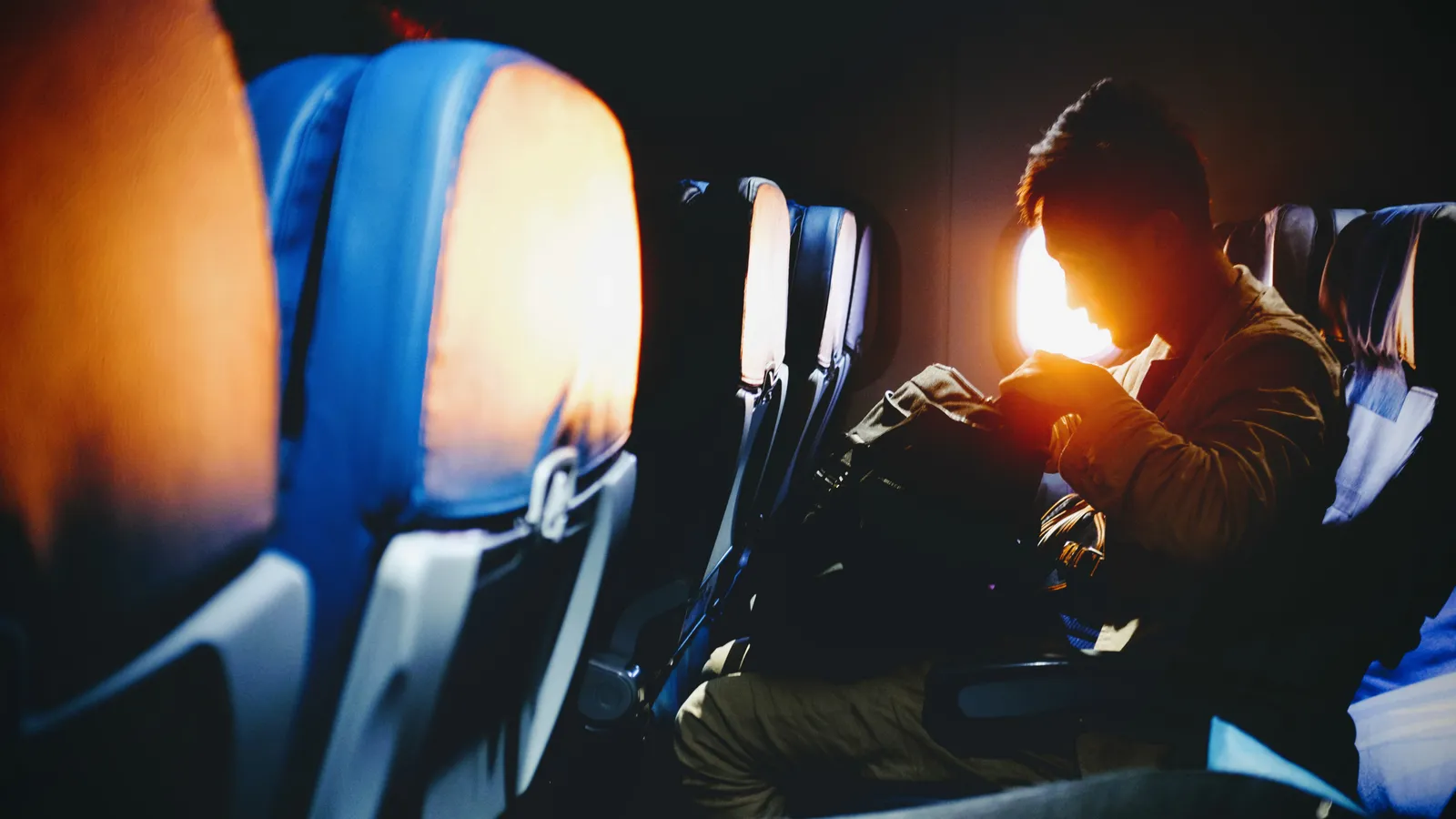
Staying seated doesn’t mean being passive or losing anything. Frequent travelers who sit in window seats have described allowing the crowd to get up and leave before disembarking, using those extra few minutes to check their phone or simply relax calmly. That framing matters. The window seat passenger who stays seated isn’t being left behind. They’re choosing a more deliberate exit while the congestion ahead resolves itself.
This also creates space to double-check that nothing has been left behind, to gather belongings without rushing, and to stand up into a clear aisle rather than a blocked one. The wait is rarely longer than a few minutes, and the exit itself tends to be smoother. It’s a quiet trade-off that costs almost nothing and gives back something real.
When Flight Attendants Ask Everyone to Wait, It Works
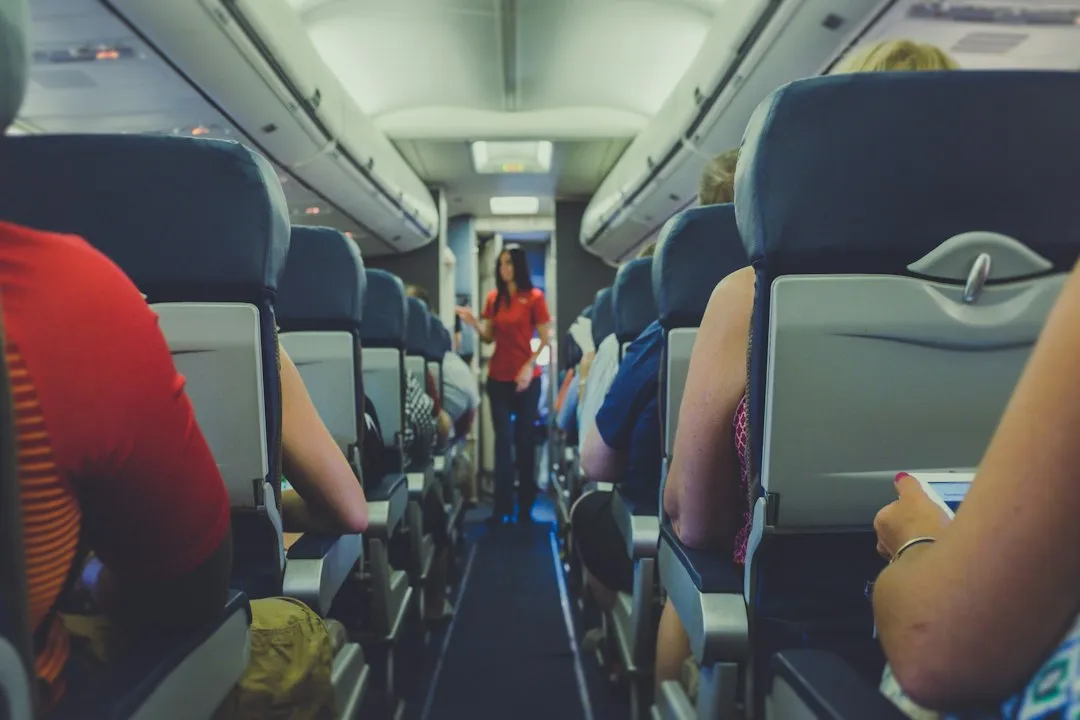
Occasionally, especially on delayed flights, cabin crew ask passengers to remain seated so that travelers with tight connections can deplane first. When a flight attendant makes an announcement asking those with tight connections to raise their hands and then asks everyone to wait, and most passengers comply, roughly two dozen people can deplane in under five minutes. That outcome depends entirely on the rest of the cabin choosing to stay seated voluntarily.
It’s a small, collective act that tends to produce genuine relief and gratitude. When flight attendants have asked passengers to remain seated because others have very tight connections, no one moved, allowing those people off the plane quickly. The window seat habit, at its best, is simply that cooperative spirit applied as a personal default, not just in emergencies. It doesn’t require a flight attendant’s announcement to be effective. It just requires a bit of patience.
The Takeaway
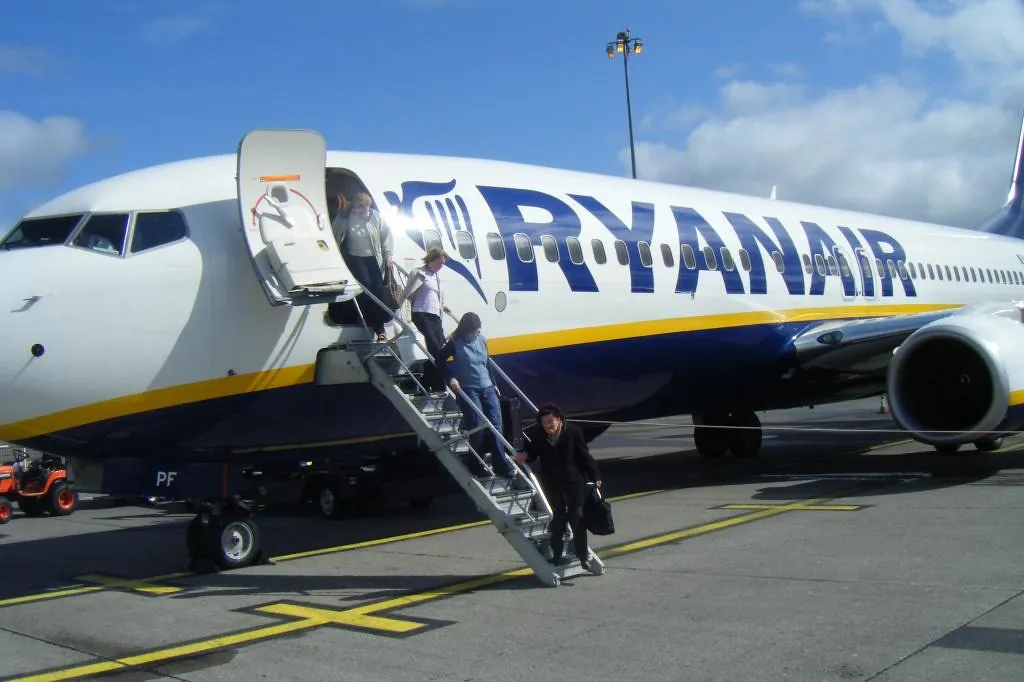
Deplaning isn’t a competition, even though it can feel like one. Window seat passengers who stay seated while the aisle and middle rows clear aren’t losing ground. They’re doing something genuinely useful: keeping the flow moving, protecting the aisle from unnecessary congestion, and making the experience a little less frantic for everyone on the plane.
The research is consistent on this point. Structured, column-based deplaning is measurably faster, and window passengers are the last piece of that puzzle by design. The habit costs nothing and requires no coordination. It just takes a willingness to sit still for two or three minutes and let the system work the way it actually can.
AI Disclaimer: This article was created with the assistance of AI tools and reviewed by a human editor.