
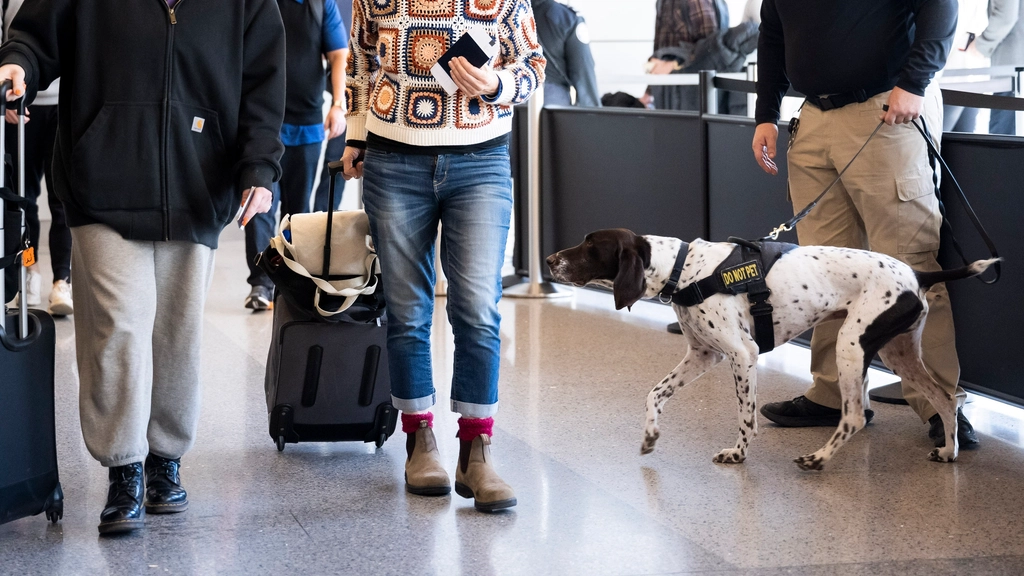

Most travelers who pass a working dog at the airport barely give it a second thought. The dog looks calm, maybe even bored, working its way along a row of bags or past a line of passengers. What’s easy to miss is just how precisely that dog’s nose is calibrated, and how much training goes into every single alert it makes.
These aren’t general-purpose sniffer dogs. They’re specialists. Each one is trained for a narrow, highly specific job, and understanding what that job actually is changes how you see the whole system.
Explosive Compounds Are the Primary Target
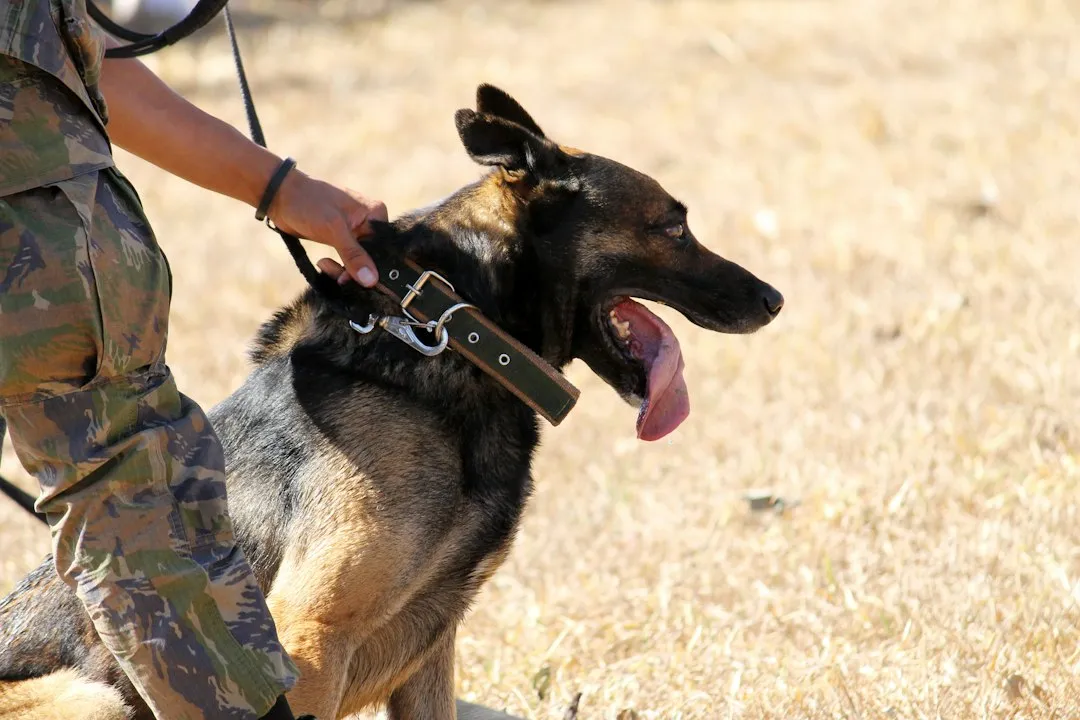
Explosive detection dogs are the teams most travelers encounter at security checkpoints. These single-purpose dogs are trained to recognize the scent signatures of explosive materials and components, working both on stationary luggage and on moving passengers. Because explosives are known to be the greatest threat to the aviation system, these highly trained canines serve as a reliable resource for detecting explosives as well as providing a visible deterrent to terrorism.
The dogs sniff the air currents surrounding travelers and their belongings as they pass through the airport terminal in an effort to detect anyone who may be carrying explosives. A dog finds explosives by honing in on the volatile chemical substances used in bomb production. These chemicals are usually undetectable by the human nose but are easy for a dog to find. Bomb detecting dogs can even sniff out explosives if someone makes an effort to disguise the smell.
Passenger Screening Dogs Go Further Than Bag Checks
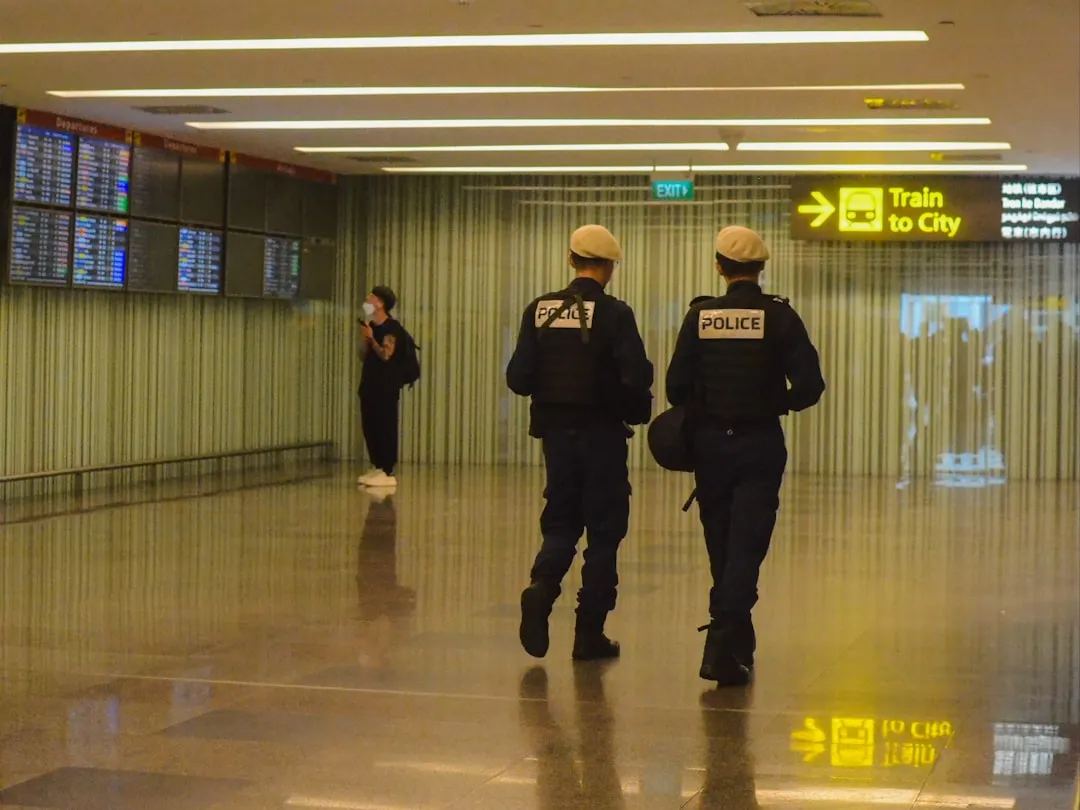
Passenger screening canines go through additional training so they can detect explosive odor directly on a person moving through a crowded terminal, not just on stationary bags. This is a meaningful distinction. A standard explosives detection dog works around luggage and cargo, while a passenger screening canine is cleared and trained to move directly among people.
The first use of TSA-led explosives detection canine teams was in March 2008 to screen air cargo, and in 2011, TSA expanded the program to screen passengers. Canines are an important layer in airport security because they increase TSA’s explosive detection capability. The procedures involve the increased use of the canines and the reconfiguration of checkpoint lines to allow passengers to walk past the dogs.
The Scale of the Program Is Larger Than Most People Realize
In 2025, TSA deployed 1,076 transportation security specialist canine teams and traditional explosives detection canine teams to conduct over 430,000 explosives sweeps and dedicate 160,000 hours to intensive training exercises. These teams strengthened the nation’s defenses by actively detecting and responding to explosive threats, helping ensure the safety and resilience of U.S. transportation systems.
According to TSA, it has the largest explosives detection program in the world. Canine teams work at more than 100 of the nation’s airports, mass transit and maritime systems. The annual TSA Canine Calendar honors the agency’s more than 1,000 explosives detection canines working at airports across the United States.
Each Dog Is Trained for Only One Category of Scent
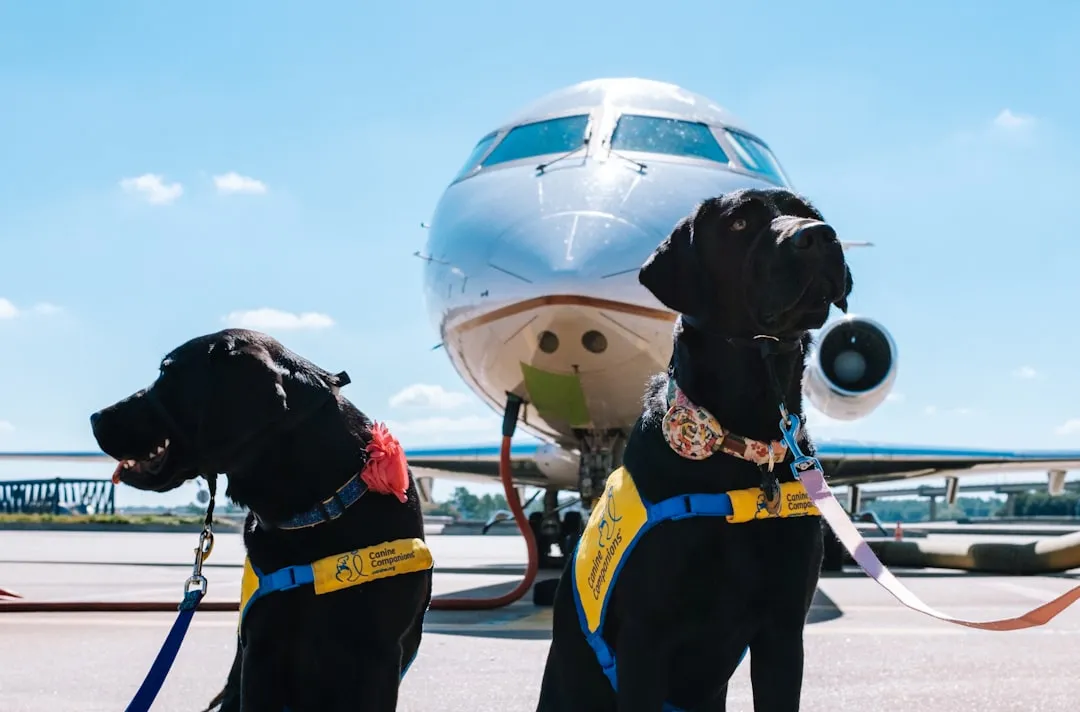
Airport K9 dogs are not generalists. A single detection dog is trained to recognize one category of odor, whether that’s explosive compounds, narcotics, undeclared agricultural products, or concealed currency, and nothing else. This is a deliberate design choice, not a limitation.
Each dog is trained on one category of target odor only, so an explosive detection dog will not alert on food, and an agriculture detection dog will not alert on explosives. This single-purpose training is what keeps detection reliable. At airports, detection dogs are trained to detect target scents and alert their handlers to them. This is known as imprinting.
Narcotics Detection Is a Separate, Parallel Mission
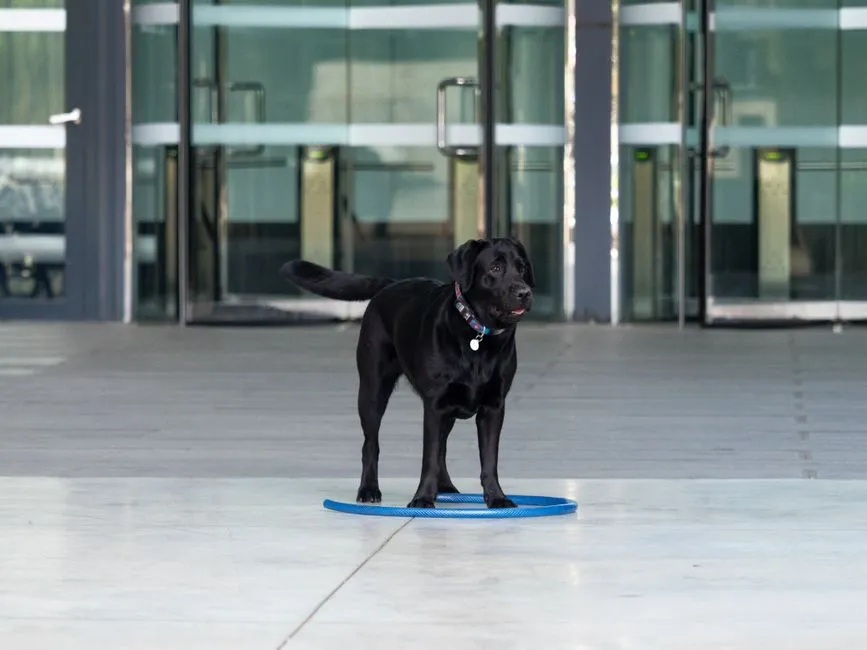
Drug sniffing dogs are the most commonly recognized form of canine security assistance. Dogs can find all sorts of narcotics, like marijuana, opium, cocaine, and heroin. These drug dogs always work in conjunction with a handler. At international airports, narcotics detection teams often operate alongside customs officers rather than TSA personnel specifically.
Because of the dogs’ incredible sense of smell, the list of detectable scents varies, but the main targeted scents include explosives, illegal narcotics, firearms, fire accelerants, cash, and other contraband. Currency detection is a lesser-known part of the canine toolkit, used primarily to flag large undeclared amounts of cash being moved across borders.
Agricultural Detection Dogs Guard the Food Supply
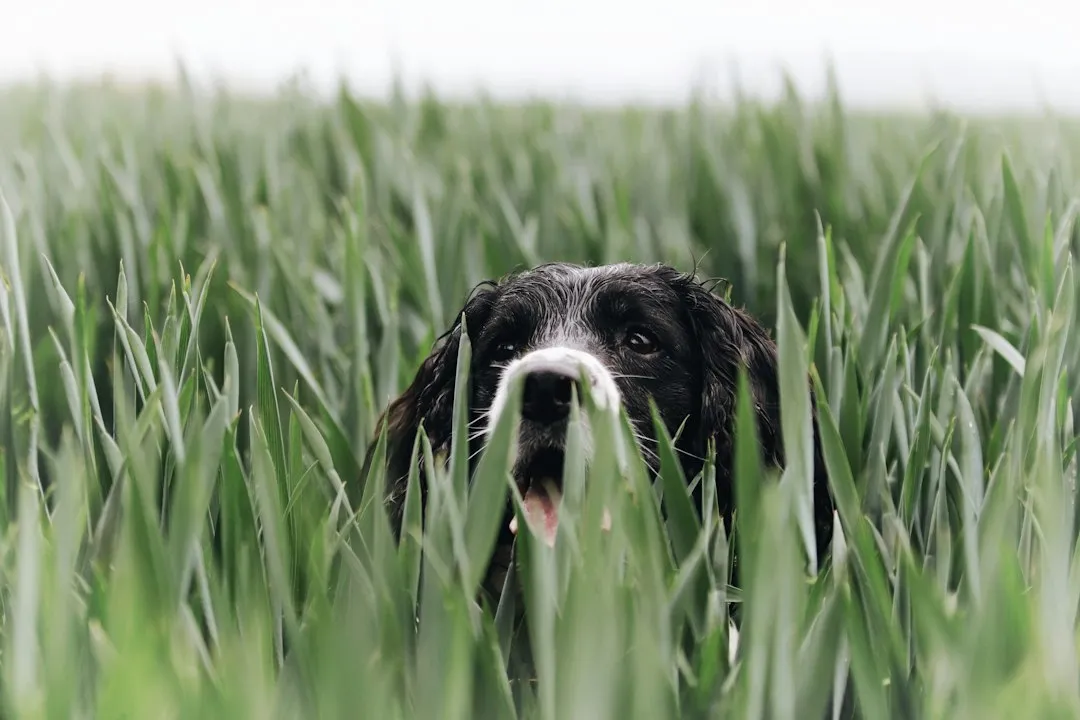
At international arrivals, a different type of detection dog is at work, and its target is food, plants, and animal products rather than threats to safety. In the United States, this is the job of the agriculture canine program, informally known as the Beagle Brigade, run jointly by the USDA and Customs and Border Protection. These dogs are trained to recognize a defined set of odors, commonly meat, citrus, apple, mango, and pork, since these products can carry pests or diseases capable of doing serious damage to domestic agriculture.
In 2022, the agricultural canine program was responsible for the interception and subsequent confiscation and inspection of more than 150,000 agricultural items. These dogs play a vital role in safeguarding the roughly one trillion dollar U.S. agriculture industry from foreign threats like pests, diseases, illegal bushmeat, invasive plants and insects, and contaminated produce.
The Beagle Brigade: Why Breed Matters
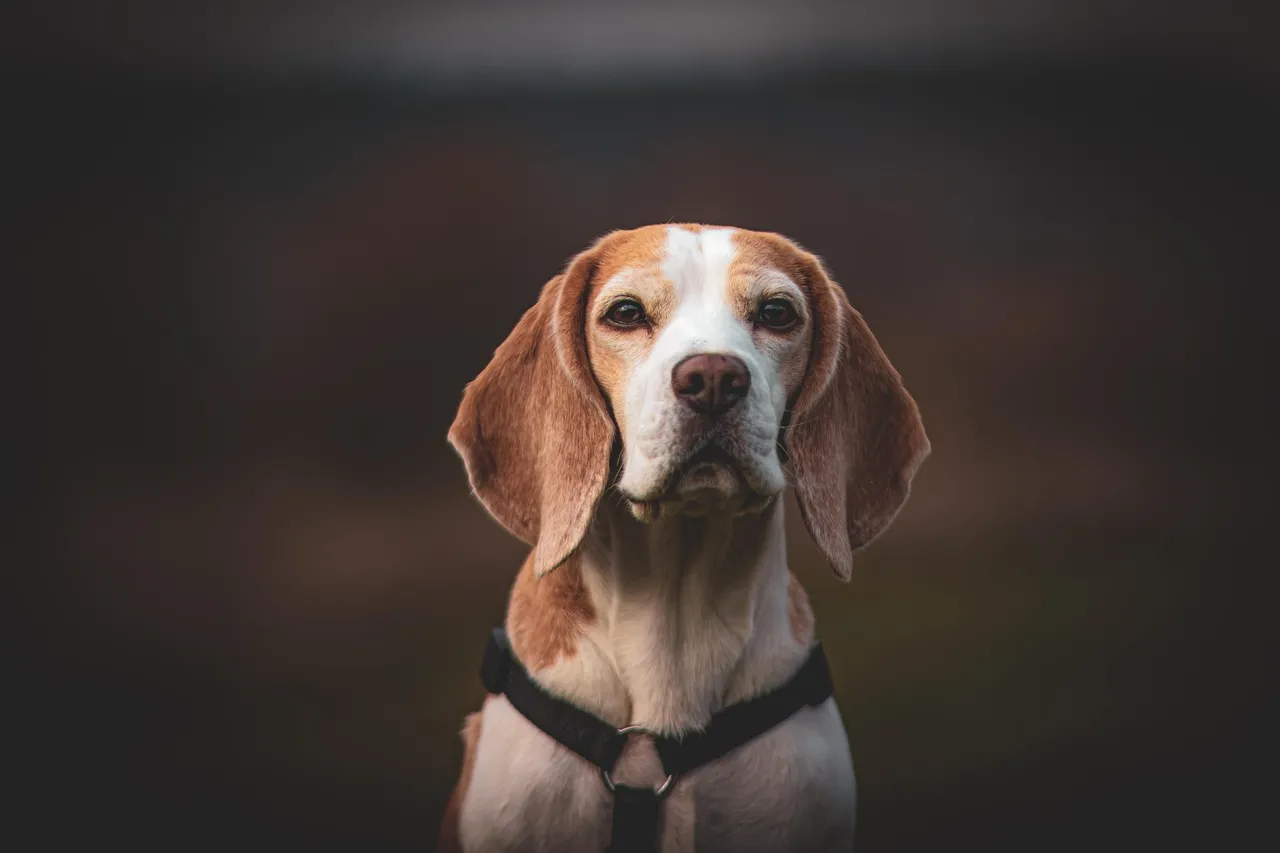
In 1984, the U.S. Department of Agriculture established its detector dog program, the “Beagle Brigade,” at Los Angeles International Airport with one beagle trained to sniff out plants and animal products in luggage and carry-on items arriving on international flights. What started with a single dog has grown into a nationwide operation.
Beagles and beagle mixes are the preferred breed of dog at the airport because of their keen sense of smell, non-threatening size, high food drive, and gentle disposition with the public. Labrador Retrievers and other larger breeds are typically used in cargo warehouses and mail facilities, where working in close quarters with the public isn’t a factor. All the detector dogs at the NDDTC are adopted from rescue shelters in the United States, or come to the program from private donations.
Training Is Rigorous, Expensive, and Ongoing
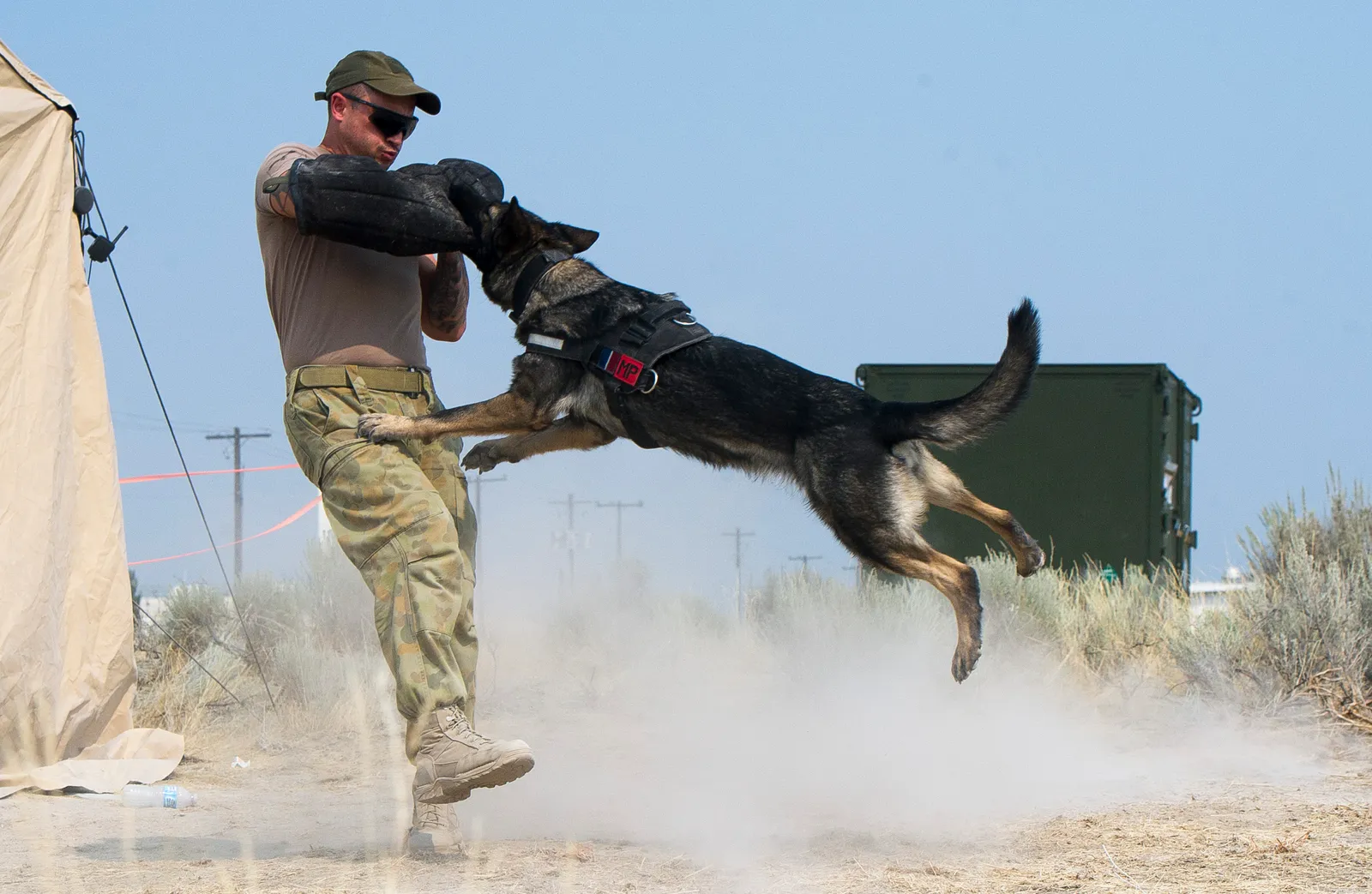
An average 300 canines per year complete an intensive 16-week training program where they learn to deter, detect, and respond to threats. Each canine recruit spends 16 weeks in training where they meet their handlers, socialize to adapt to busy airport environments, and learn their craft of detecting a variety of explosive odors before reporting to their duty stations.
The average cost to train a passenger screening canine and handler is around $65,000, while a traditional explosives detection canine and handler costs approximately $26,000. Around four out of every five assigned canines successfully graduate from the TSA Canine Training Center program. Training center instructors are responsible for ensuring the canines are properly trained to a certain level of proficiency before they are paired with students. Only candidates, both human and four-legged, who show an aptitude toward becoming a successful partner join TSA Explosives Detection Canine teams.
Five Breeds Do Most of the Work
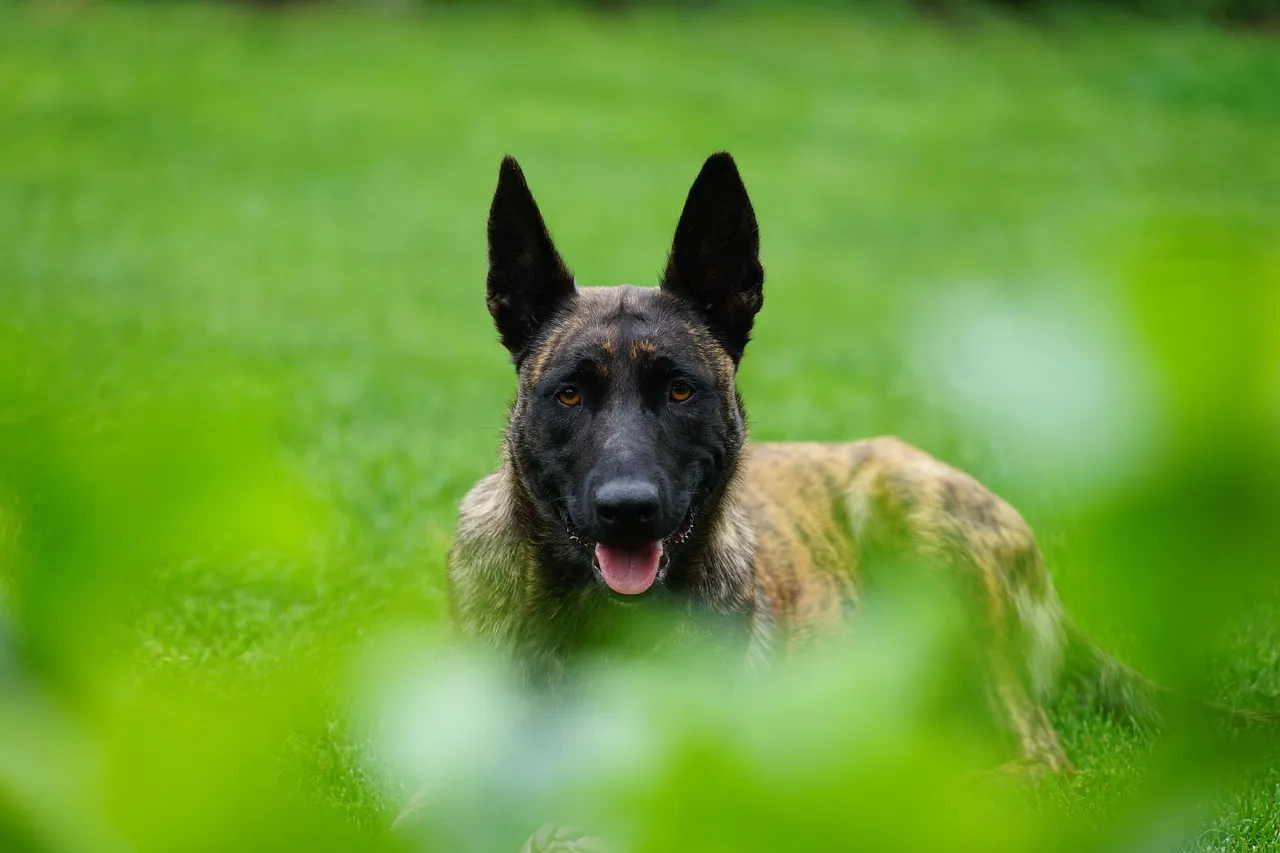
There are five breeds of canines in the TSA program, including German Shepherds, Labrador Retrievers, German Shorthaired Pointers, German Wirehaired Pointers, and Belgian Malinois. Each brings different strengths to the role, and handlers are matched to dogs based on working style and temperament compatibility as much as breed.
Today, the TSA works with five dog breeds, from pointers to Belgian Malinois. On average, dogs have hundreds of millions of scent-detecting cells in their nasal cavities, compared to humans who only have about five million. That biological advantage is the foundation everything else is built on.
The Handler Relationship Is Central to Accuracy
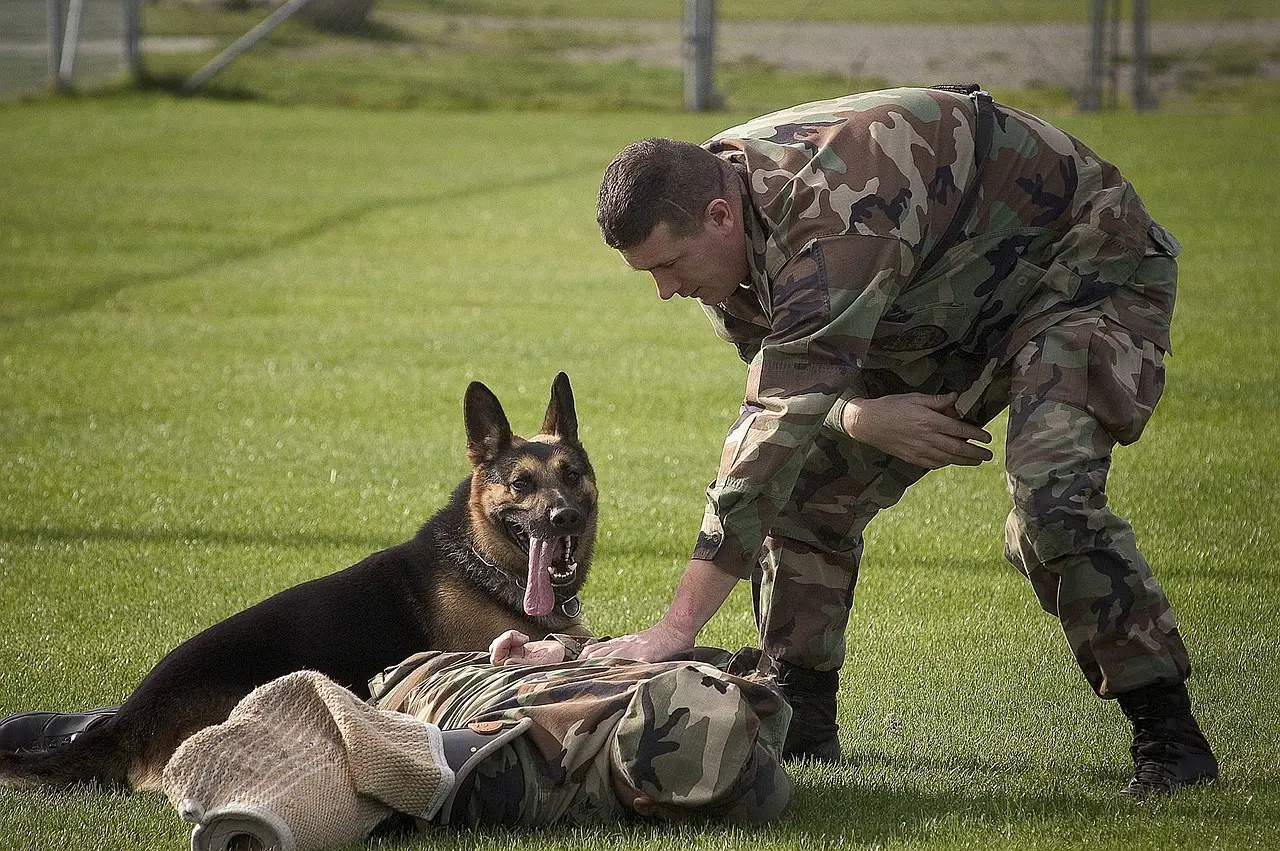
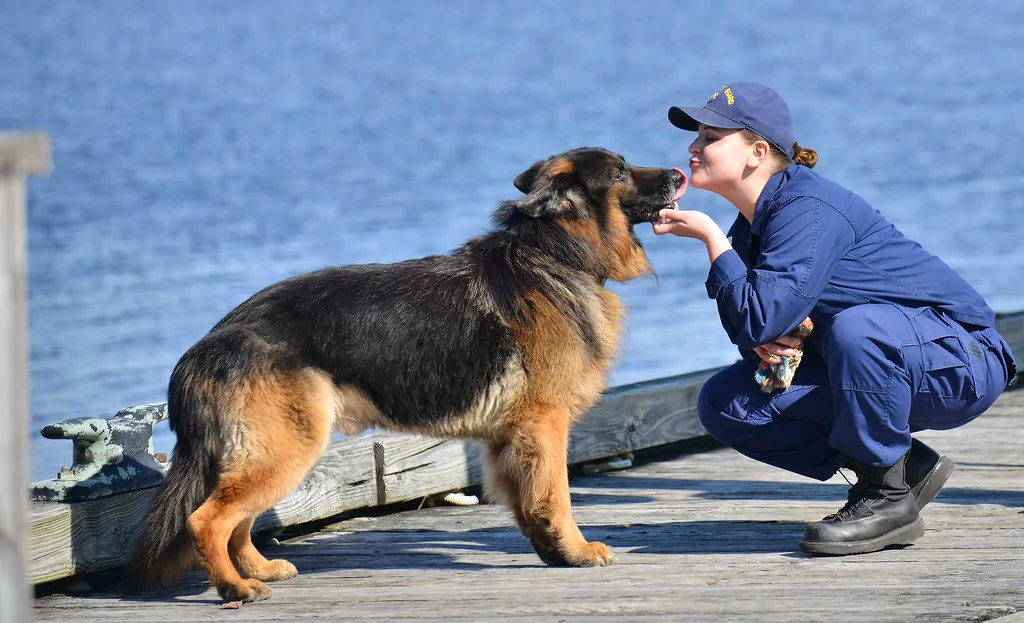
These specially trained dogs are paired with handlers who utilize the working canine’s keen sense of smell when working in busy transportation environments. A dog’s alert means nothing without a handler who can correctly read it, and that relationship takes months to calibrate properly after initial training ends.
Training center instructors half-jokingly say it’s easier to train the dog than the handler, since dogs don’t talk back. When you look at the full picture, it’s easy to see the canines’ actions and reactions do the talking for them. Teams regularly screen passengers, baggage, aircraft, and airport facilities for explosives and are evaluated yearly for continued proficiency. The certification never stops. It’s a working relationship that requires constant upkeep from both ends of the leash.
The Takeaway
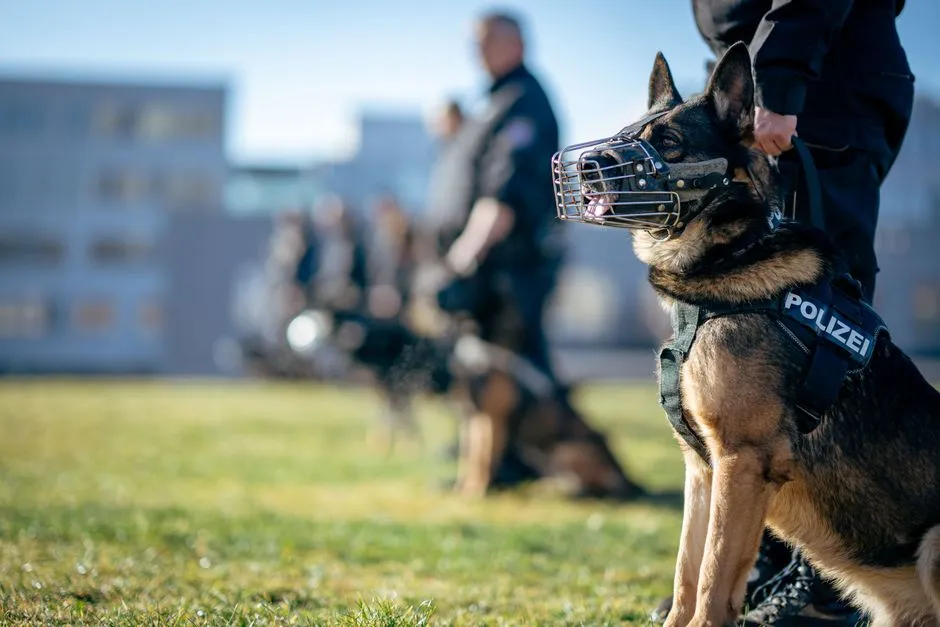
Airport K9 teams are one of the more quietly sophisticated parts of modern aviation security. The calm dog moving through arrivals isn’t wandering. It’s working a precise, well-rehearsed scan built on years of program development, biological capability, and a genuine bond between animal and handler.
What makes these programs effective isn’t any single element in isolation. It’s the combination of breed selection, scent-specific training, handler expertise, and ongoing certification that keeps the system reliable. Understanding what these dogs actually sniff for helps explain why they remain one of the fastest and most reliable screening methods available to security and customs agencies worldwide. The nose, it turns out, is still the most advanced detection tool in the building.
AI Disclaimer: This article was created with the assistance of AI tools and reviewed by a human editor.