
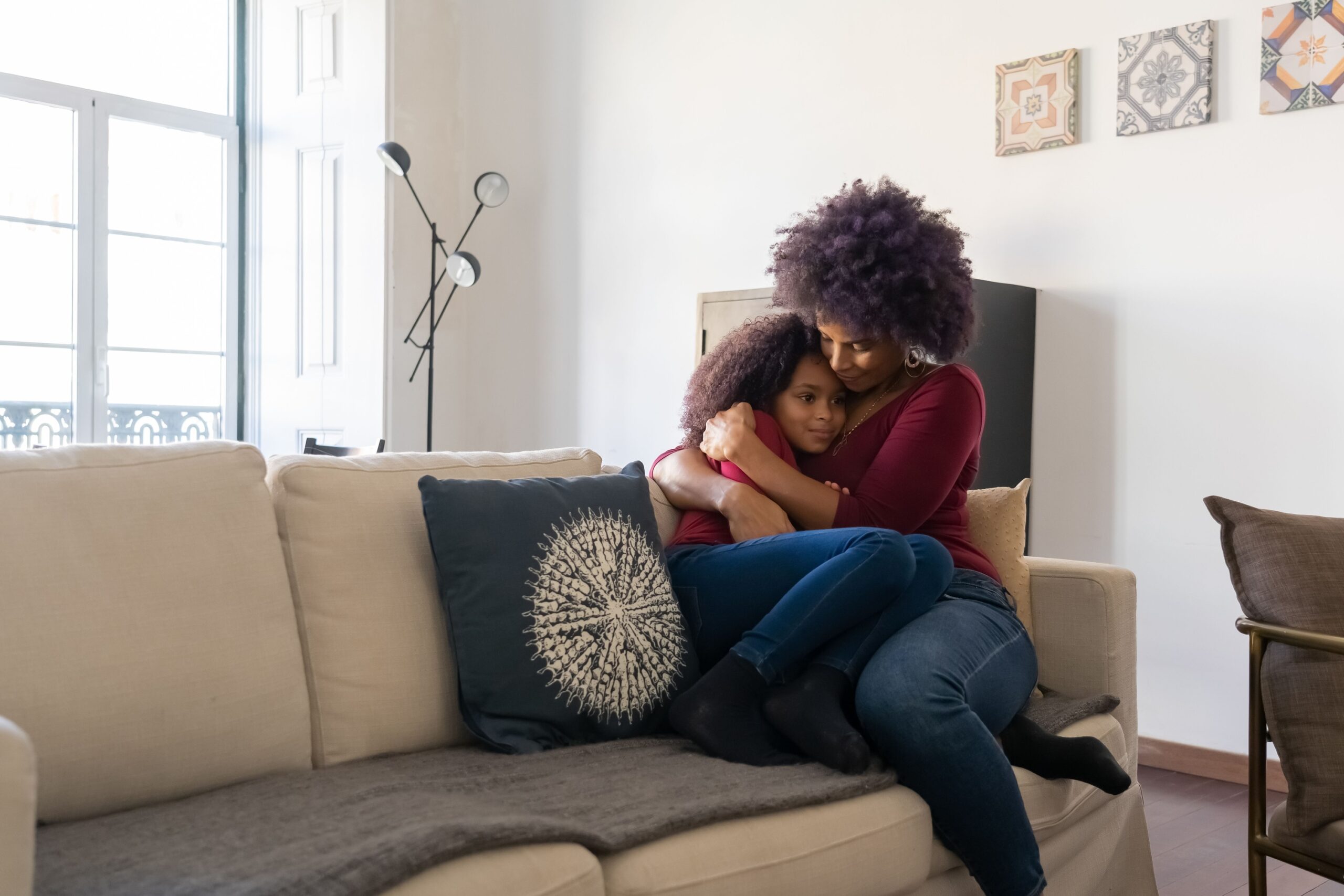
Airports move fast. For solo parents, they move even faster. You’re the only adult managing the carry-ons, the passports, the snacks, and the small human who just announced they need the bathroom twenty feet before the security gate.
It doesn’t have to feel like controlled chaos, though. The right packing system changes the entire rhythm of your airport experience. Not a list of vague tips, but an actual repeatable structure that means fewer decisions, fewer panicked moments, and far more time to breathe.
Why Airport Stress Hits Solo Parents Differently
A June 2026 study examining 30 major U.S. airports found that families traveling with children face measurably higher stress loads at airports, rating facilities and delays across nine distinct factors including security wait times, children’s play areas, and annual flight cancellations. Solo parents carry that stress without anyone to hand a child to while they tie a shoelace or dig for a boarding pass.
The living situation of single parents is often characterized by sole responsibility for family and household, and problems in reconciling work and family life. The airport simply amplifies what’s already a demanding daily reality. Understanding this honestly, rather than brushing past it, is the foundation for building a smarter packing system.
The Core Principle: One Bag to Rule the Terminal

Airports and train stations are where solo parent travel feels most challenging, and the key is minimizing what you carry. That insight sounds obvious, but most parents over-pack out of anxiety rather than genuine need.
Don’t try to carry a diaper bag, laptop, and purse. Instead, consider buying a backpack that will hold everything and keep your hands free. Free hands are not a luxury for solo parents. They’re a safety requirement. One well-organized backpack plus a single rolling carry-on is the most functional setup for most trips.
Assign Every Bag a Role Before You Pack a Single Item
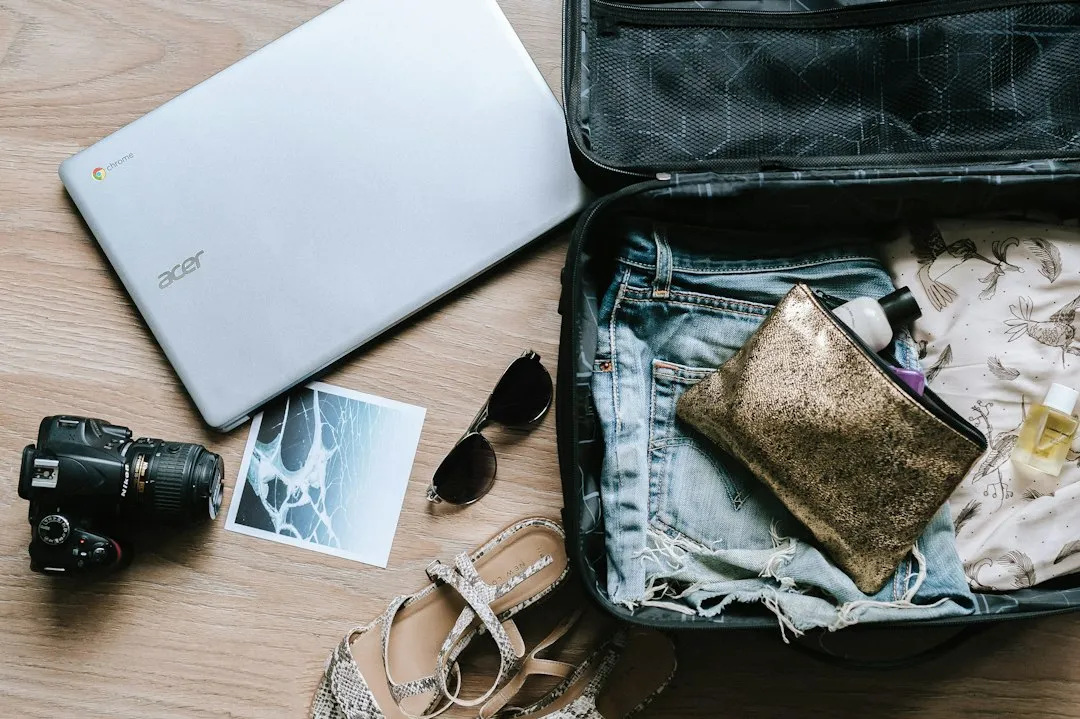
Use luggage with wheels, consider a backpack as your personal bag to keep hands free, and if children are old enough, give them their own small rolling bag with their entertainment and a change of clothes. This division of labor matters enormously when you’re moving through a busy terminal.
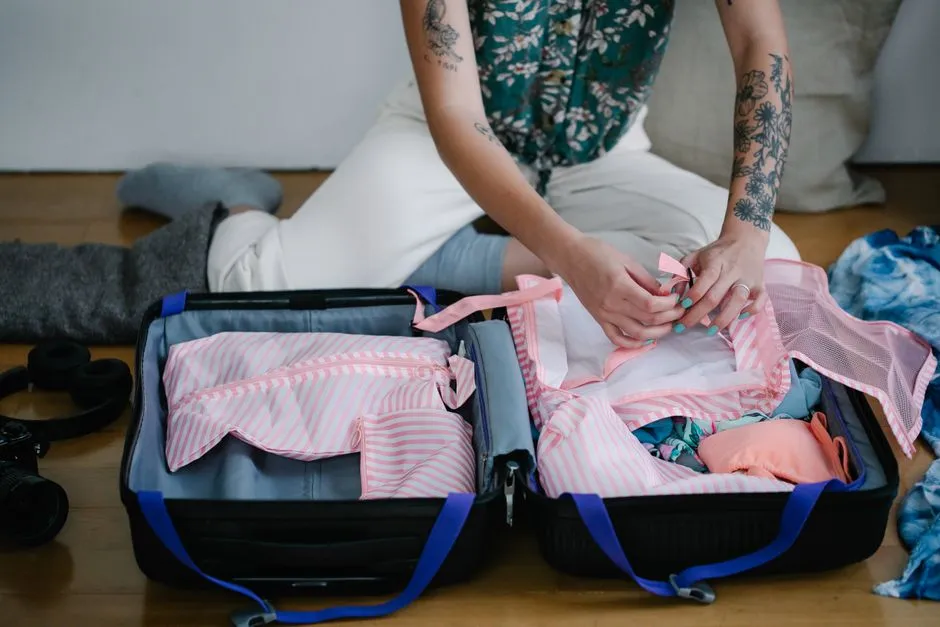
The key isn’t just what you pack, it’s how you pack. Using packing cubes and sealable bags for organization, one for socks, one for swimwear, one for tops, one for bottoms, lets you keep your suitcase essentially packed and pull out only what you need. When every bag has a defined job, you stop rummaging. You stop guessing. You just reach and go.
Use Packing Cubes to Create a Color-Coded System
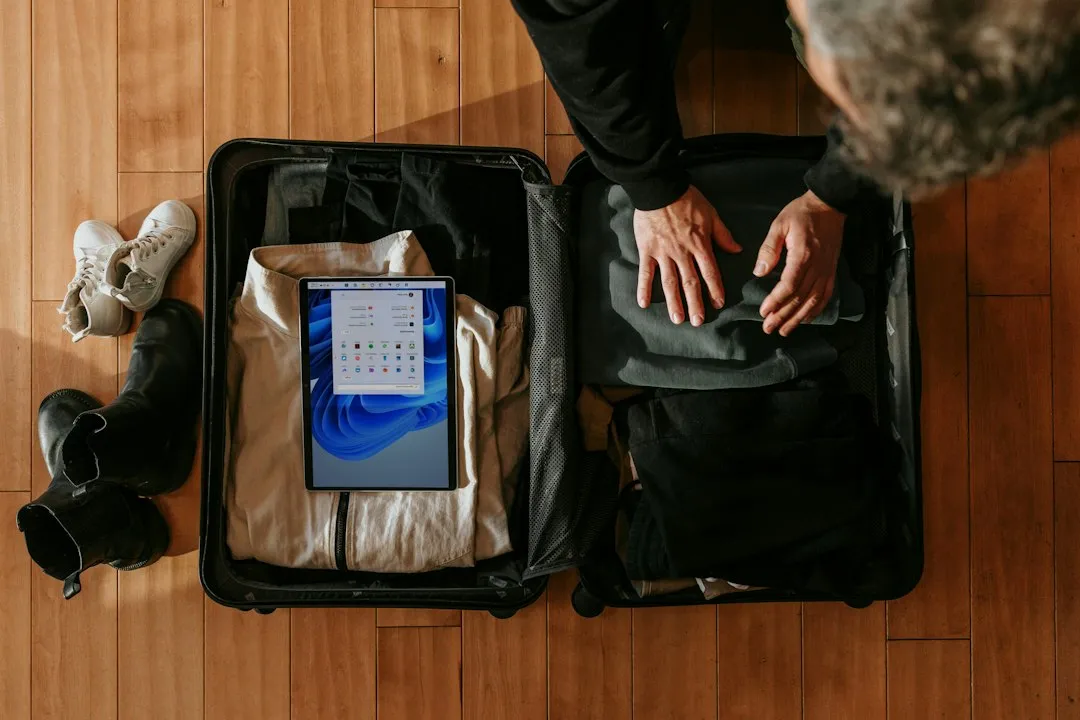
The real advantage of packing cubes is their ability to use vertical and awkward suitcase spaces wisely, with smaller cubes fitting into corners. Compression cubes go further by squeezing air out and maximizing every inch, and they help you spot what’s missing at a glance, making unpacking at your destination far easier.
Assign one cube color per child and one for yourself. Bright green for your six-year-old, navy for your toddler. When you’re at the gate and need a spare shirt fast, you don’t search. You grab the right color and you’re done. Whether you try packing cubes for the first time or roll your clothes instead of folding them, or both, these strategies make packing less stressful while saving space.
Carry-On Only Whenever Possible
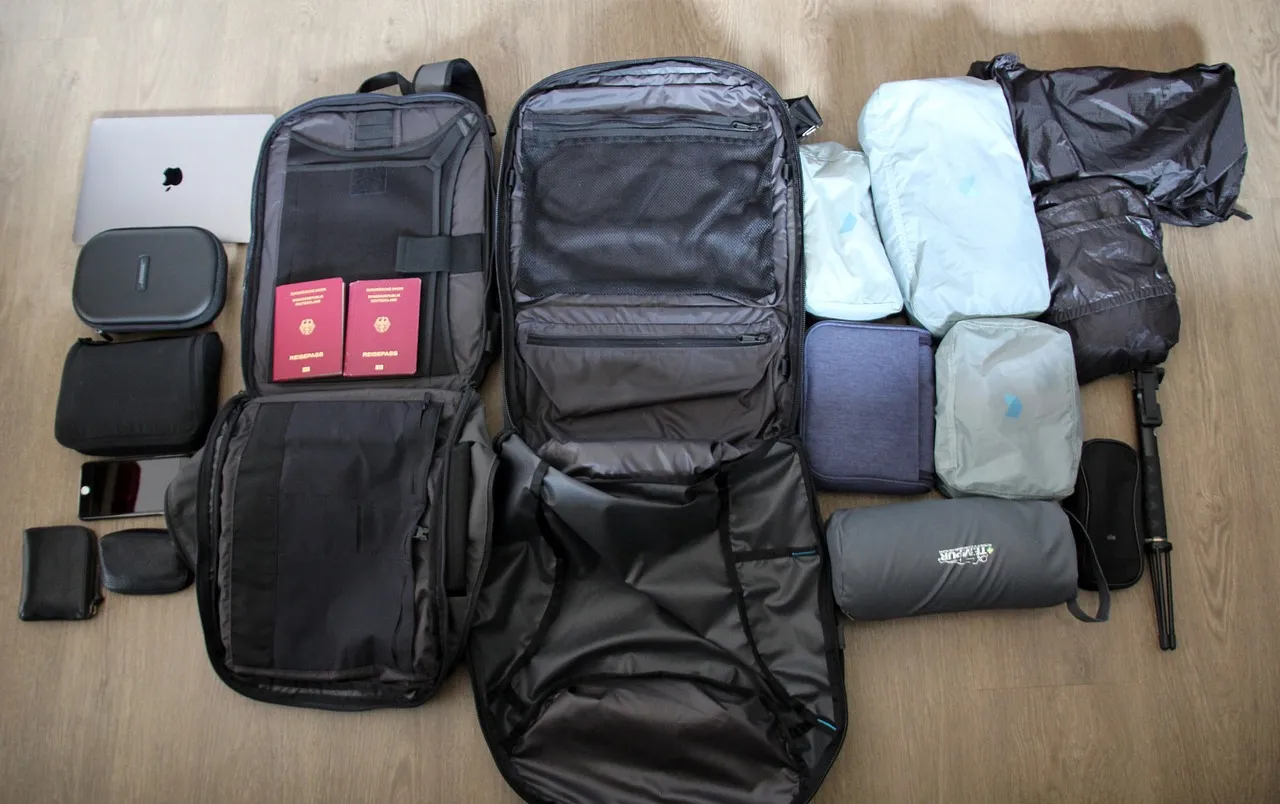
Solo parents who travel frequently with children often pack a single carry-on bag plus a backpack for international flights, and only a backpack with a snack bag for domestic flights, bringing only absolute necessities. This is not deprivation. It’s freedom.
Checking a bag only delays you as a traveler, since you’ll have to wait to retrieve that bag at the carousel. For a solo parent managing restless children after a flight, standing at baggage claim is exactly the kind of unnecessary friction that a good packing system eliminates entirely. Some experienced traveling parents never pack bulky consumables like diapers for infants and instead purchase them at the destination to save space, especially when committing to carry-on only travel.
The “Security Layer” Method for Moving Through Checkpoints Fast
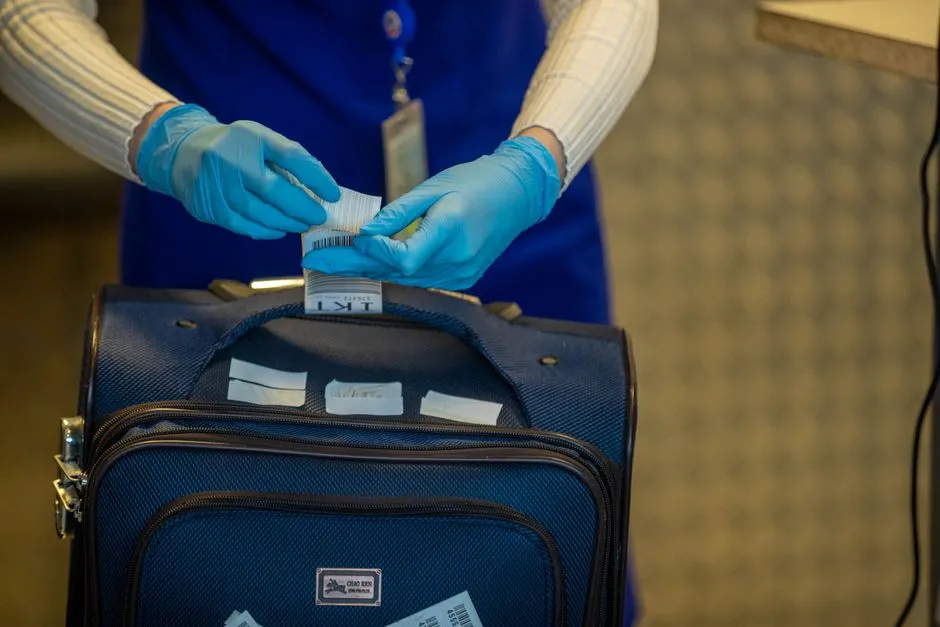
At security, have everything organized in advance: liquids bag accessible, devices ready to remove, and boarding passes easy to reach. The whole checkpoint slows to a crawl when a parent is digging through a disorganized bag while a toddler squirms nearby.
TSA has modified procedures for children under 12 years old, and children under 12 do not need to remove their shoes or jackets. Knowing this saves real minutes. You can help yourself have a smooth TSA experience by packing appropriately and having computers, tablets, and liquids easily available to pull out of your bag for a scan. Pack your liquids bag at the very top of your backpack before you leave home, not as an afterthought at the terminal.
Build a “First 30 Minutes” Pouch
When flying solo with young children, a well-organized pre-flight routine is your best friend, and having a small “magic pack” of extra clothes readily available in your carry-on is essential, because accidents happen and it’s far better to be prepared with a change of clothes than to face a messy situation mid-flight.
A small zippered pouch inside your backpack, dedicated entirely to the first thirty minutes of the journey, can hold boarding passes, snacks, a change of underwear for each child, wipes, and headphones. You never open the main bag until you’re settled at your gate or in your seat. This one habit reduces the number of times you have to unpack and repack at the worst possible moments.
Let Kids Carry Their Own Weight (Literally)
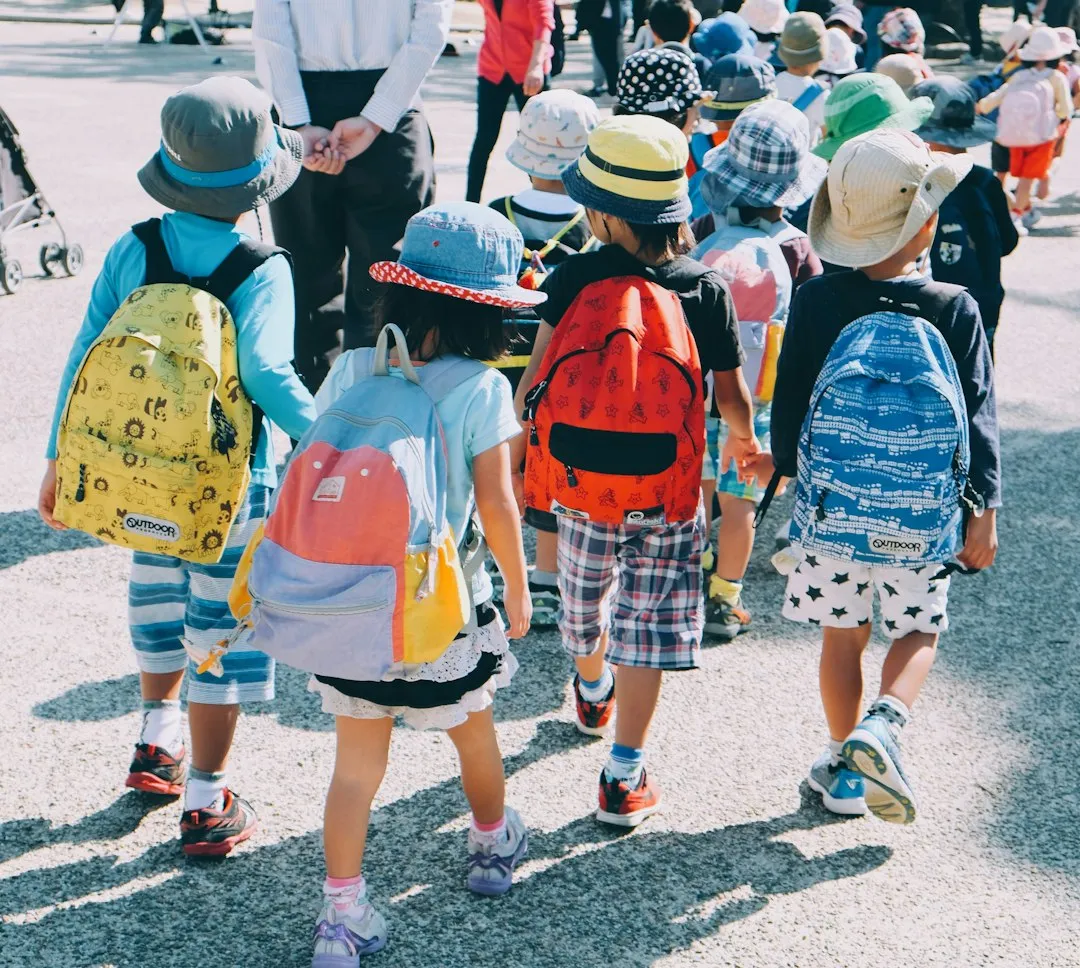
Once older children reach around four years old, they can begin carrying their own backpacks onto the plane. A child-sized backpack containing their tablet, a small toy, their own snacks, and a change of clothes is not a burden at that age. Most kids genuinely enjoy the responsibility.
Depending on your child’s age, you can pack their favorite toys or snacks or a change of clothes in their bag so they don’t go hungry or bored during the trip. This shifts a meaningful portion of the carry-on load off your shoulders, physically and mentally. It also gives children a sense of ownership over the trip, which tends to make them calmer and more cooperative in busy environments.
Check In Online and Know Your Priority Boarding Rights
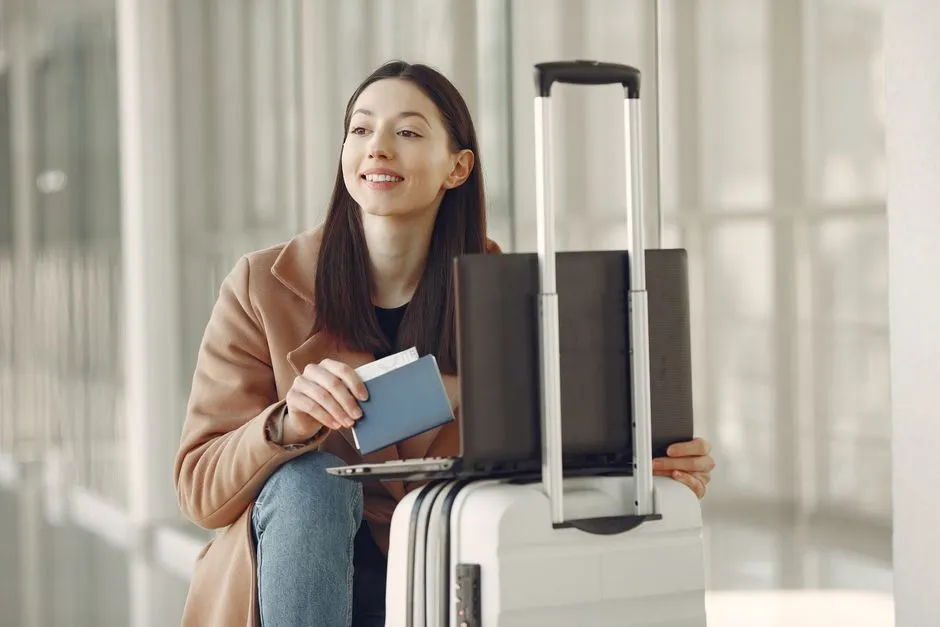
On many flights, checking in in advance before you arrive at the airport makes the airport process go much more smoothly. Some airlines also offer boarding priority for single parents, so it’s worth checking whether you are eligible for this option. Priority boarding is genuinely significant when you’re traveling alone with small children. Those extra minutes to stow bags and get settled before the main boarding crowd arrives make a real difference.
Board the plane as early as possible to settle in without rushing. Making sure you have quick access to all your travel documents, passports, and boarding passes, is crucial for a smooth airport experience. Security lines, check-in counters, and gate changes all require documentation, and having your documents readily available will help you move through these steps without added worry.
Request Airport Assistance Without Hesitation
Check in online, use family lanes at security where available, and do not be afraid to ask airport staff for help. Most airports have family assistance services. Many solo parents feel reluctant to ask for help in public spaces, treating it as an admission of struggle. It isn’t. It’s smart logistics.
If traveling with a toddler and luggage, requesting wheelchair assistance at the gate is a service available to anyone who needs help navigating the airport. This is a legitimate, widely used airport service, not a last resort. Using available infrastructure is part of the system, and there is absolutely no reason to navigate a long terminal alone when support exists.
Avoid Checked Baggage Fees by Packing Smarter, Not Less
Airlines state their baggage allowances clearly on their websites, and some allow a diaper bag and hold luggage while others offer no allowance for infants, meaning everything must fit within your personal allowance. Knowing this before you pack determines your entire strategy. A five-minute check of your airline’s policy can save you a significant fee at the counter and entirely reorganize how you distribute weight across bags.
Try to combine as many items as you can, for example by packing a single large suitcase for you and the kids. Also consider renting or borrowing equipment like a travel crib at your destination. Destination rentals for bulky baby gear have become far more accessible in recent years, with rental services operating in most major cities. Shipping gear ahead through services like luggage-forward providers is another option worth factoring into your planning.
The Takeaway
Solo parent travel isn’t about achieving perfection at the airport. It’s about reducing the number of decisions you have to make in real time, under pressure, with small people depending on you. A consistent, color-coded, role-assigned packing system does exactly that.
The parents who move through airports most calmly aren’t the ones who packed the least. They’re the ones who packed with the most intention. Set up your system once, refine it after your first trip, and it becomes second nature faster than you’d expect.
AI Disclaimer: This article was created with the assistance of AI tools and reviewed by a human editor.