
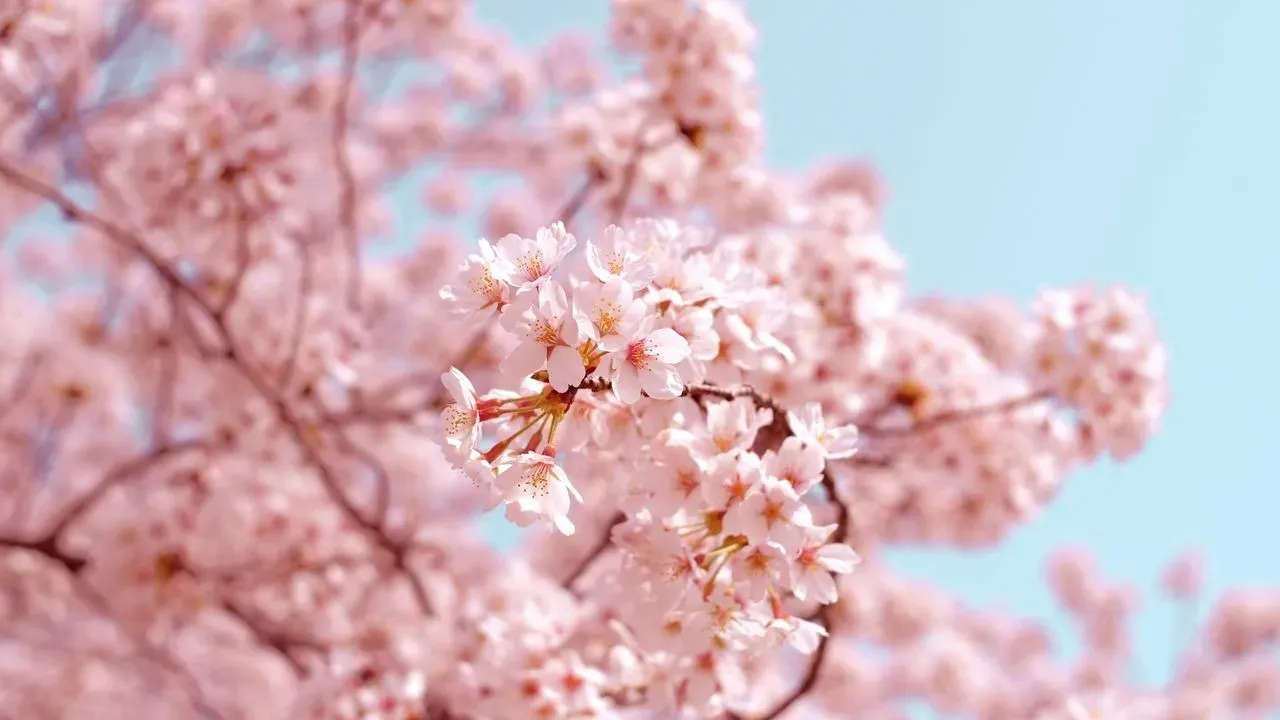

Japan’s landscape transforms with each passing season, offering visitors a chance to experience its mountains, temples, and cities in ways that shift dramatically depending on the month. Many travelers focus on the well-known peaks of spring cherry blossoms or winter ski periods, yet those windows bring larger crowds and higher costs. Thoughtful timing can open quieter paths to the same cultural and natural highlights. ([1])
Four Distinct Seasons Shape Every Journey
Japan’s climate creates clear divisions across the year, each bringing its own light, colors, and rhythms to daily life. Spring arrives with fresh greenery and gradual warming that awakens gardens and trails. Summer brings longer days and vibrant festivals, while autumn paints forests in rich reds and golds.
Winter settles in with crisp air and occasional snow that transforms temples and villages into serene scenes. These changes influence everything from local produce at markets to the pace of city streets. Travelers who align their visits with these natural cycles often find more space to linger at historic sites or join small community events. The result is a journey that feels more connected to the places visited rather than rushed between popular attractions.
Popular Windows Draw the Largest Crowds
Early spring cherry blossom season attracts visitors from around the world eager to see the brief, celebrated bloom. Ski resorts in regions such as Hokkaido and the Japanese Alps also see strong demand during school holiday periods when snow conditions are reliable. Both times deliver memorable experiences, yet they coincide with peak pricing for flights, lodging, and guided activities. Advance planning becomes essential during these periods, and popular viewing spots can fill quickly.
Still, the underlying appeal of Japan’s seasonal beauty remains strong year-round. Many seasoned visitors note that adjusting dates by just a few weeks can preserve the essence of those highlights while easing logistical pressures.
Shoulder Periods Offer Comparable Depth
Late autumn stands out as one rewarding alternative, when foliage reaches its height in many regions without the intensity of spring crowds. Forests around Kyoto and Nikko display layered colors that draw photographers and hikers, yet trails and temples often feel more open for quiet reflection. Cultural festivals tied to harvest traditions continue in smaller towns, providing authentic encounters with local customs.
Early summer, before the height of rainy season patterns, presents another window for exploring coastal areas and rural onsen towns. Mild temperatures support extended walks through countryside paths, and markets feature fresh seasonal ingredients that highlight regional cuisine. These months allow travelers to engage more fully with everyday life, from morning temple visits to evening strolls along lantern-lit streets.
Practical Considerations for Thoughtful Timing
Checking regional weather patterns and local event calendars helps refine dates that balance comfort with availability. Shoulder periods frequently align with lower demand for accommodations, freeing resources for experiences such as private cultural workshops or multi-day hikes. Sustainable choices, including slower travel between destinations, become easier when crowds are lighter.
Respect for local communities grows naturally from these adjusted schedules. Visitors can support smaller businesses and participate in conservation-minded activities that protect fragile ecosystems around popular sites. The outcome is a trip that honors both the destination and the traveler’s desire for meaningful connection.
AI Disclaimer: This article was created with the assistance of AI tools and reviewed by a human editor.