
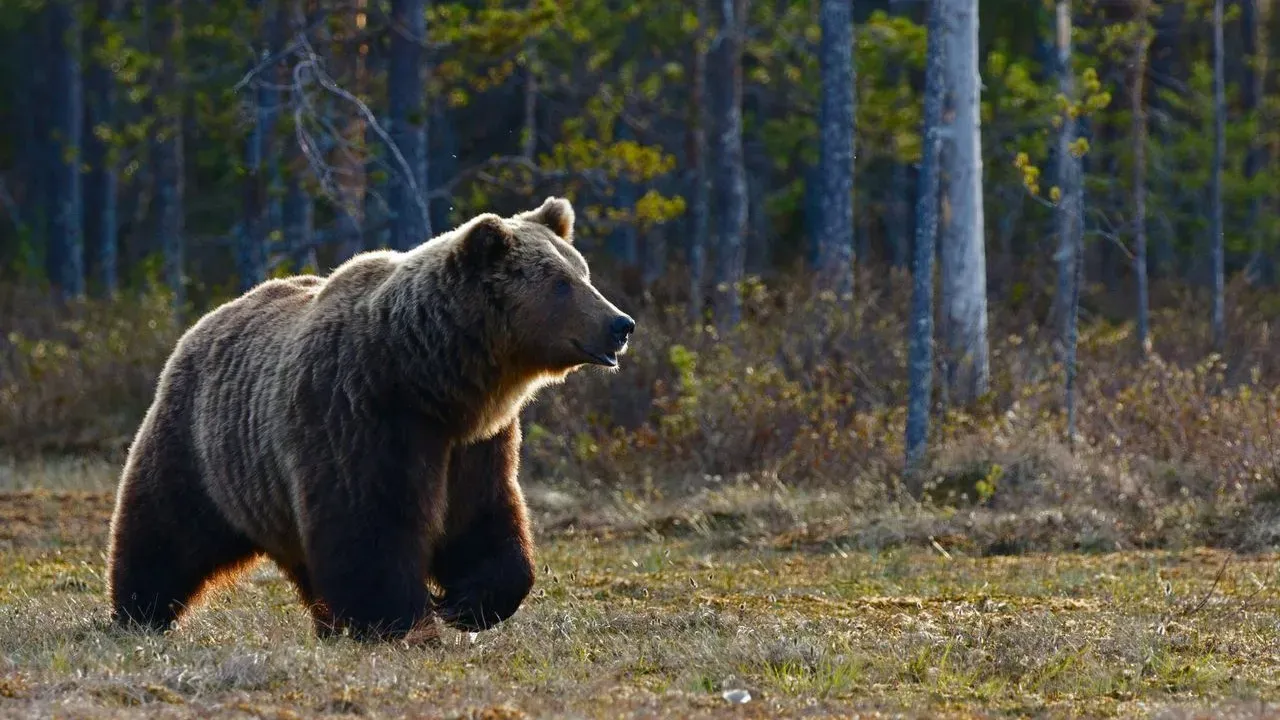

Katmai National Park, Alaska – Each fall, brown bears along the coast prepare for hibernation by building substantial fat reserves, and Fat Bear Week offers a structured way for the public to follow that process. The event began in 2014 as an interactive effort to share information about these animals, the coastal relatives of grizzlies. Viewers can observe the bears through live cameras and participate in voting that highlights the scale of weight gain required before winter.
The Purpose Behind the Annual Tradition
Fat Bear Week centers on education rather than competition alone. Organizers designed the program to illustrate how brown bears in Katmai National Park accumulate the energy stores necessary for months of dormancy. Participants learn about the bears’ feeding patterns along rivers rich with salmon and the physical changes that occur in the weeks leading up to hibernation. This approach encourages appreciation for the animals’ natural cycles without disturbing their habitat.
Chunk and the Scale of Preparation
Among the bears followed during the event is Chunk, noted as a returning champion estimated at 1,200 pounds. His size reflects the remarkable capacity of these animals to gain weight rapidly during the peak feeding season. Observers track multiple individuals through remote cameras positioned at key fishing spots, allowing remote audiences to witness the transformation in real time. The focus remains on the bears’ survival strategies rather than individual rankings.
Responsible Ways to Follow the Event
Many people engage with Fat Bear Week through official online streams managed by the National Park Service. This virtual access supports conservation goals by reducing physical pressure on the park while still sharing its wildlife. Those planning future visits can consult park guidelines on maintaining safe distances and minimizing impact on the ecosystem. Such practices align with broader efforts to protect the brown bear population and the salmon runs that sustain them. The event continues to connect distant audiences with one of North America’s most visible examples of seasonal adaptation in the wild.
AI Disclaimer: This article was created with the assistance of AI tools and reviewed by a human editor.