
The Rule Itself: Middle Gets Both
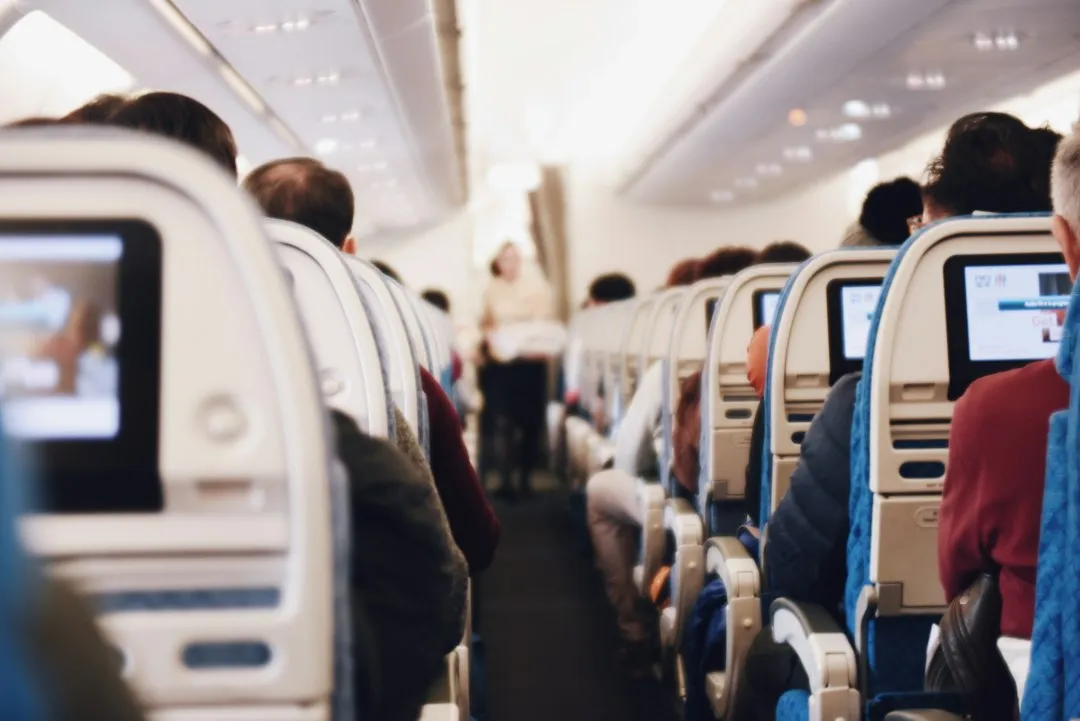
When sitting three across on a plane, the person in the middle has dominion over both armrests, as the window passenger can lean against the window and the aisle passenger can move freely. The logic is straightforward compensation: the middle passenger gets none of the perks either side enjoys, so the two shared armrests serve as a small but meaningful concession.
Etiquette expert Thomas Farley, known as Mister Manners, says the middle-seat passenger should get both armrests in a three-seat configuration, since adjacent passengers in the window and aisle seats will still each have one armrest. It is a genuinely fair arrangement when you think it through carefully.
What the Etiquette Experts Actually Say
Jodi R.R. Smith, the president of Mannersmith Etiquette Consulting, states that for a row with three seats, both middle armrests belong to the person in the middle. The rule has consistent backing from the professional etiquette community, though not everyone phrases it identically.
Diane Gottsman, an etiquette expert and corporate trainer specializing in adult behavior, takes a slightly softer position, noting that the middle seat generally has their choice but should only use one armrest or the other. Meanwhile, the Emily Post Institute notes that the middle seat armrests are “shared property,” though it is “generous for the aisle and window seat holders to give the middle passenger a chance to claim them first.”
The Survey Data That Should Surprise You
Here is where things get genuinely interesting. Despite clear expert consensus, public opinion tells a very different story. A survey from flight aggregator Kayak around the “Unspoken Rules of Air Travel” found that armrests are essentially up for grabs, with roughly three in five respondents saying the middle seat passenger is not entitled to both armrests.
A YouGov survey commissioned by The Points Guy found that Americans do not agree with the rule that the middle-seat passenger gets both armrests, as only eleven percent say the middle-seat passenger should automatically get both. The largest group, nearly a third of respondents, said everyone should simply share the armrests equally, and more than a quarter said they weren’t even sure what the etiquette should be.
Why the Gap Between the Rule and Reality Is So Wide
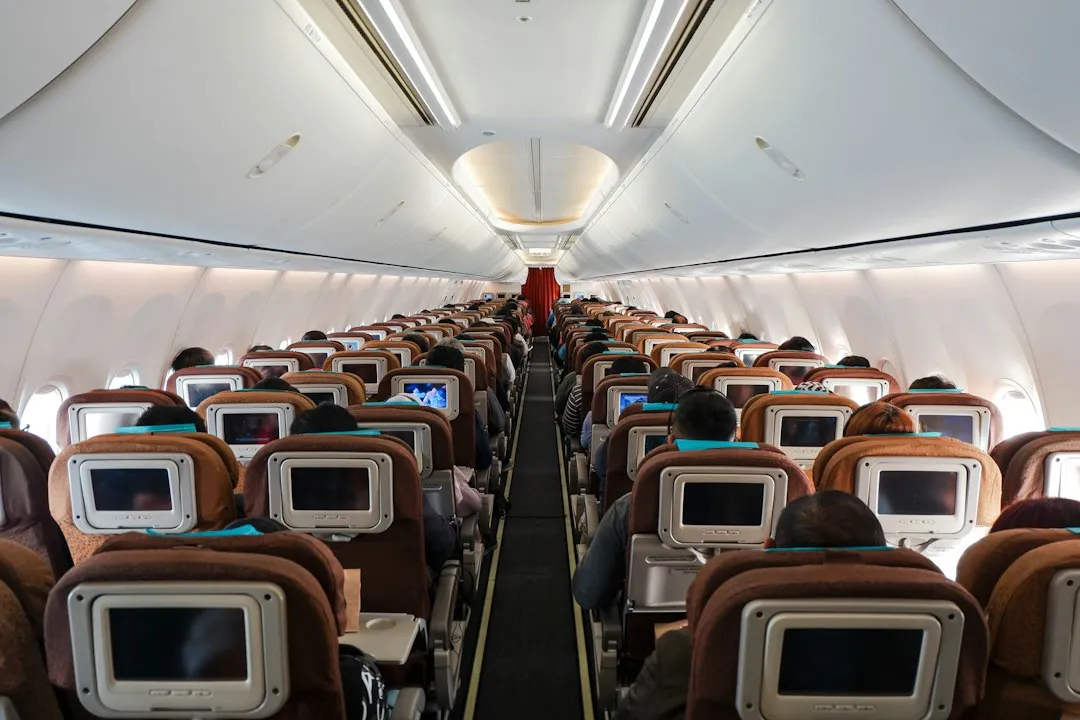
That widespread uncertainty suggests that one of the travel world’s most repeated “rules” may not be nearly as universally accepted as many frequent flyers assume. Part of the problem is that no airline formally writes this into its passenger guidelines, so it exists in a grey zone between social norm and wishful thinking.
Travel analyst Timothy O’Neil-Dunne takes a frank position, telling USA Today that the middle seat armrests “belong to no one” and that the situation is up for negotiation. When experts themselves land on different sides of the debate, it is little wonder that cabin behavior stays inconsistent.
The United Airlines Viral Moment That Reignited the Debate
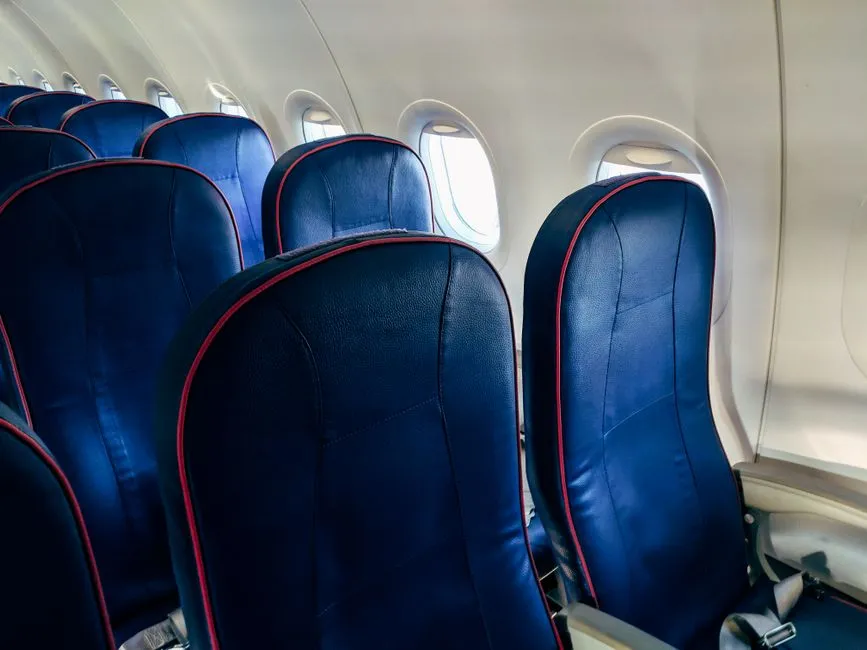
A puzzled United Airlines passenger took to Reddit after a flight where a flight attendant supposedly announced rules stating which passenger has the right to an armrest, and contrary to basic etiquette, the employee asserted that no traveler gets two armrests. The post spread quickly and touched a nerve precisely because so many people recognized the underlying tension.
The announcement was reportedly made before takeoff and declared that every passenger should use the armrest on their right, or their left, depending on their positioning in the aircraft. It remains unclear whether the account is entirely accurate, and the instruction does not reflect an official airline regulation. Still, the episode illustrated how unresolved this question really is, even among cabin crew.
The Four-Seat Row Makes Everything More Complicated
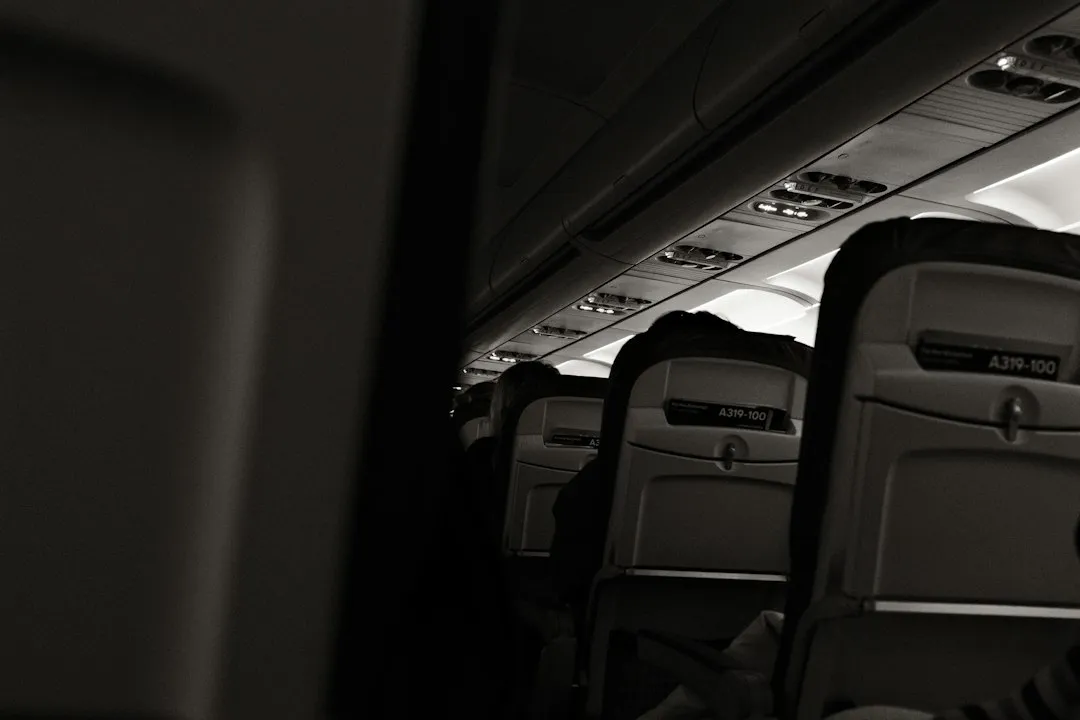
The only thing worse than being stuck in the middle seat in a row of three is being stuck in one of two middle seats in a row of four, since that configuration means the two inside passengers have to jockey for control of the middle armrest. Wide-body aircraft on international routes frequently use this layout, which is where the most frustrating standoffs tend to happen.
In a four-seat configuration, the armrest between the two middle seats is shared, but those two middle-seat passengers also have ownership of the armrest between their seats and the passengers on either end. Practically speaking, that means both middle passengers in a four-seat row hold a reasonable claim on three out of four armrests between them. Few people know this, and fewer still act on it.
Shrinking Seats Are Making the Armrest More Valuable

The average legroom or pitch in economy has decreased from a comfortable 35 inches to a cramped 28 inches on low-cost carriers, and seat width has shrunk by as much as four inches over the past 30 years, leaving many seats with a narrow 16-inch width. As the seats get tighter, every inch of shared territory matters more.
Economy seat widths range from 16 to 18.5 inches, with no FAA minimum in effect as of 2025, leaving configuration decisions to individual carriers. As of 2026, the FAA has not established any binding minimum seat size for commercial airline passengers. The armrest debate, in other words, is partly a symptom of an unregulated squeeze that has been building for decades.
Passenger Behavior Is Getting Worse, Not Better
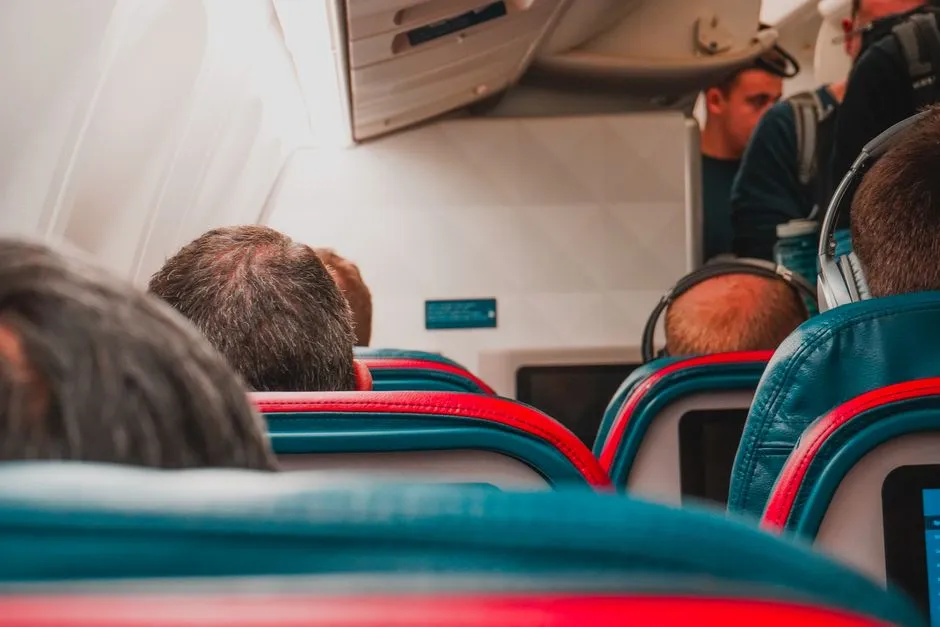
A full 42 percent of Americans say passenger etiquette has noticeably worsened over the past five years, with a majority placing the blame squarely on bad passenger behavior rather than crowded airline cabins. The armrest conflict is one small but visible part of that broader deterioration in cabin civility.
After analyzing survey data, one clear takeaway is that Americans generally don’t want more rules – they want more courtesy. That distinction matters. Courtesy is self-enforcing in a way that rules never quite are, especially at altitude with nowhere else to go.
When the Rule Has Exceptions
Etiquette expert Smith noted that she is “very militant” about the topic of airplane armrest ownership but emphasized that there are exceptions to the rule of the middle seat passenger having ownership of both armrests. Physical size is the most common one – a very tall or broad neighbor may genuinely need a portion of the shared rest just to sit without discomfort.
The sensible baseline approach is to give the person sitting in the middle seat first choice of the armrest, and if it is obvious they are not going to take it, feel free to use it. Flexibility and awareness of your neighbor’s comfort go a long way. No armrest is worth a two-hour standoff.
How to Handle It When Someone Ignores the Rule

One flight attendant put it plainly: she believes the middle seat has the right to both armrests and views them as boundary lines, though in her experience she has almost never been asked to step in and fix a dispute regarding seat space. Most conflicts stay silent and passive, which is arguably worse for everyone involved.
If you find yourself next to someone ignoring the etiquette, simply ask politely if they would mind you taking an armrest – this approach works the vast majority of the time. If it doesn’t, the better move is to let it go rather than escalate. A quiet word almost always works better than stewing in silence for the duration of the flight.
The Bigger Lesson This Small Debate Teaches
The armrest situation is a useful lens on shared public space more broadly. When rules are informal and unwritten, most people default to whatever benefits them personally, often without realizing there is an established norm pointing in the other direction. A Kayak poll found that more than half of people flying think the rules work differently from what etiquette experts recommend, which explains every awkward armrest standoff you have ever experienced.
The right to armrest use is an all-too-common dilemma today, as seat sizes slim and cabin configurations grow dense, and simply swapping seats is not always an option. The rule exists, the logic behind it is sound, and the etiquette community is largely aligned on it. The real question is whether the rest of us will catch up.
Final Thoughts
The middle seat armrest rule is one of those things that feels obvious once you hear it explained, but is rarely communicated before someone is already sitting in that uncomfortable center position. Knowing the rule doesn’t guarantee your neighbors will follow it. What it does give you is the quiet confidence to claim what is, by most reasonable accounts, rightfully yours.
Travel brings out both the best and the worst in how people share tight spaces with strangers. A small act of awareness, sliding your elbow back so the person in the middle has room, costs nothing and makes the flight noticeably better for someone who drew the short straw. That’s a trade worth making every time.
AI Disclaimer: This article was created with the assistance of AI tools and reviewed by a human editor.