
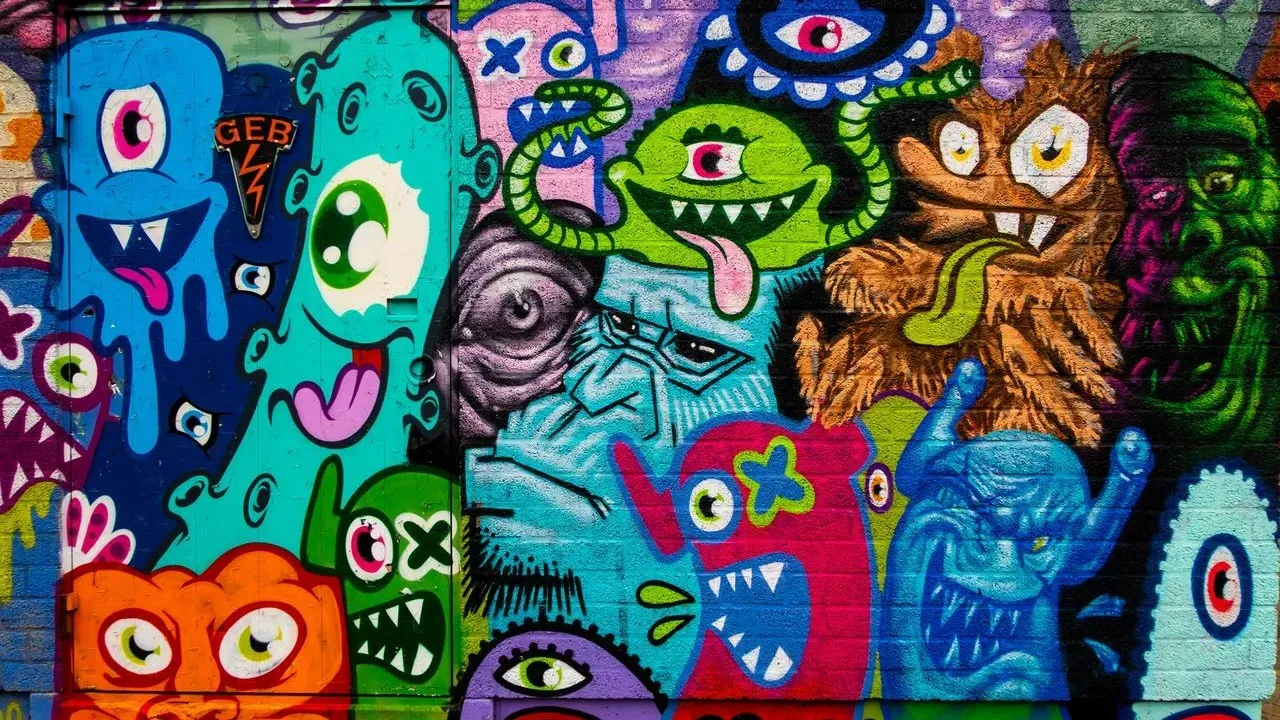

Along the Mississippi River in St. Louis, a utilitarian floodwall takes on an entirely different identity once a year. More than 400 artists from around the world gather there for Paint Louis, an annual event that celebrates graffiti and hip-hop culture over Labor Day weekend. The result is a temporary open-air gallery that stretches along the riverfront and invites visitors to experience the city through its evolving public art. ([1])
A Riverfront Tradition Rooted in Creativity
Paint Louis began as a way to honor the expressive power of graffiti while highlighting the cultural significance of hip-hop in St. Louis. Each September the floodwall, normally a quiet barrier against the river, becomes a shared workspace where artists work side by side. The event draws participants who travel specifically to contribute to the collective canvas, turning a single weekend into a concentrated burst of color and form.
Visitors who arrive during the gathering often find themselves walking a corridor of fresh work that changes hour by hour. The scale of the wall allows large-scale pieces to coexist with smaller, intricate details, creating a layered visual experience that rewards slow movement and repeated viewing. Local residents and out-of-town travelers alike discover how the riverfront setting amplifies the work, with the Mississippi providing a constant backdrop.
Experiencing the Wall as a Cultural Landmark
Approaching the site on foot or by bike offers a gradual reveal of the artwork. The floodwall runs parallel to the river, so the art unfolds in a linear sequence that mirrors the flow of the water itself. Many pieces incorporate references to the city’s history, music, and community stories, giving the temporary gallery a distinctly local voice even as international artists add their perspectives.
Travelers who plan a visit around the event can combine the wall with other riverfront walks, nearby parks, and neighborhood explorations. The timing over Labor Day weekend aligns with pleasant late-summer weather, making it comfortable to spend extended time outdoors. The gathering also creates natural opportunities to meet artists and learn about their processes directly from those at work.
Why the Floodwall Matters as Public Space
The transformation of an essential flood-control structure into a celebrated art venue demonstrates how cities can reimagine infrastructure for cultural use. The wall remains functional while serving as a rotating exhibition space that changes with each edition of Paint Louis. This dual purpose underscores the event’s respect for both engineering needs and artistic expression.
Because the artwork is created in public view, the process itself becomes part of the experience. Spectators witness the progression from blank concrete to finished murals, gaining insight into the skill and planning required for large-scale graffiti. The result is a deeper appreciation for the medium and for the communities that sustain it year after year.
Planning a Thoughtful Visit
Those considering a trip to St. Louis for Paint Louis benefit from checking the official schedule in advance, as the precise painting windows and any related performances can shift slightly from year to year. Arriving early in the weekend allows time to watch initial outlines take shape, while later visits reveal completed works under different light conditions. Comfortable walking shoes and an open mind help visitors fully engage with the mile-long stretch of art.
Respect for the artists and the site remains central to the experience. Staying on designated paths, asking permission before photographing individuals at work, and supporting local vendors all contribute to a positive atmosphere. The event’s emphasis on community and creativity extends naturally to those who come to observe as well as those who come to create.
In St. Louis, the Mississippi River floodwall offers more than protection from seasonal waters. Once a year it becomes a powerful reminder that public infrastructure can also serve as a stage for global artistic exchange, inviting travelers to witness a city that continues to write its story in bold, colorful strokes along the river’s edge.
AI Disclaimer: This article was created with the assistance of AI tools and reviewed by a human editor.