
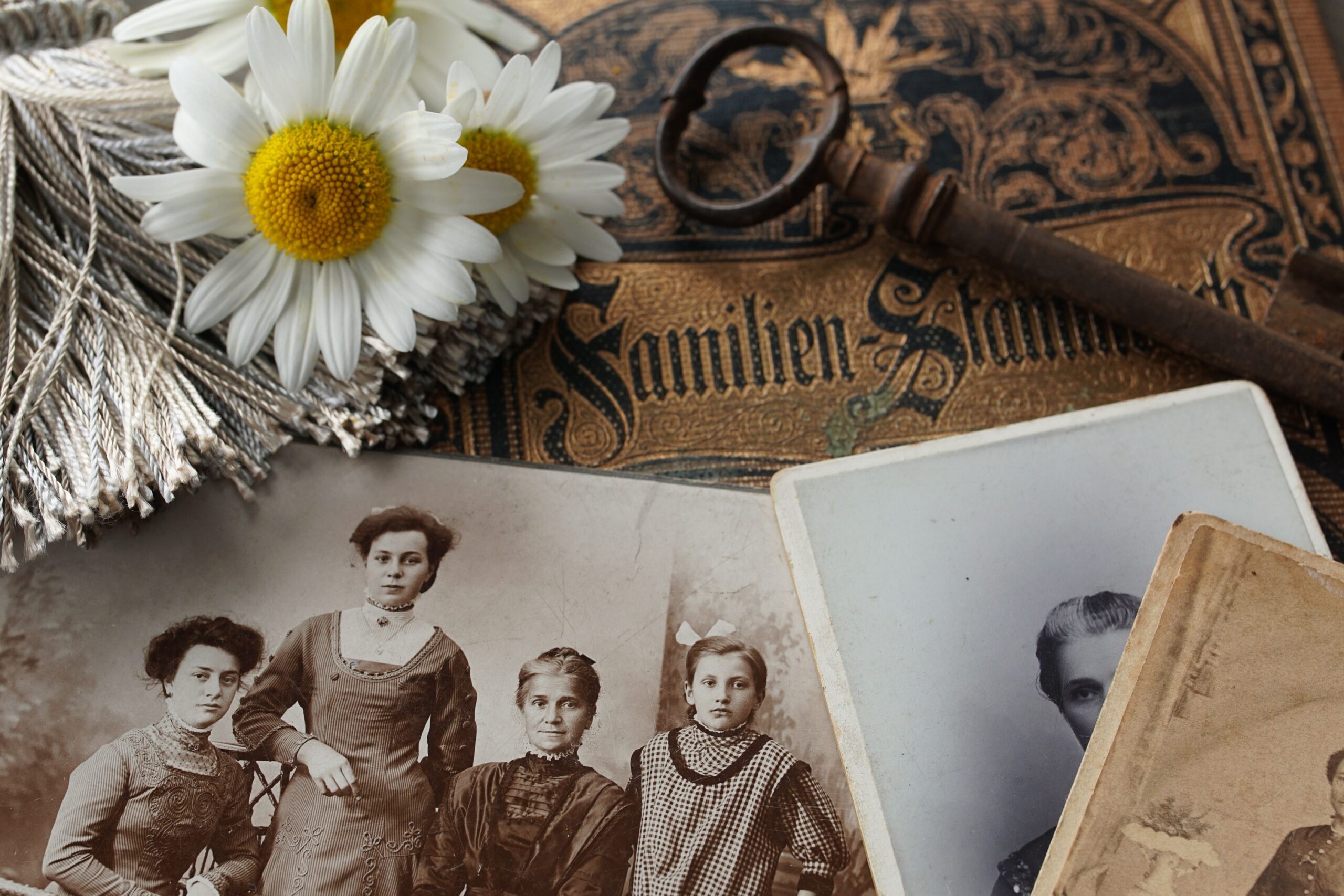

There’s a particular feeling that washes over you when you stand on a cobblestone street in a town your great-grandparents once called home. It’s not quite nostalgia, because you’ve never been there before. It’s something closer to recognition, a sense that the story you carry in your name has a physical address somewhere in the world.
Research from Bókun, a Tripadvisor company, found that searches for “ancestry travel” increased by over sixteen hundred percent in a single year, while demand for “DNA travel” rose by more than seven hundred and fifty percent year-on-year. Numbers like that don’t happen by accident. They signal a genuine cultural shift, one where millions of people are moving their family history research off the screen and into the world.
The question is: what should you do first? Before booking flights, before pulling parish records, and before wandering through a cemetery with a photograph in your hand, there’s one essential stop that experienced heritage researchers keep circling back to. It isn’t a website. It’s a mindset, a method, and very often a building.
Understand Why This Moment Feels So Different

While traveling to homecoming events and historical sites to discover a personal heritage is nothing new, ancestral tourism has gained added significance in recent decades as a social phenomenon, powered by the affordability of DNA testing, digital archiving, and platforms to create virtual family trees. What changed is accessibility. Genealogy used to require connections, specialist knowledge, and significant financial resources.
Amateur genealogy has surged from being historically an elitist practice used to bolster one’s pedigree into a democratic one that encourages its practitioners to find multiple horizontal connections with unknown relatives. That democratization matters because it means more travelers are arriving at archives and ancestral villages without a deep background in historical research methods.
Research from the Family History Federation indicates that roughly two thirds of people who discover unexpected ethnic origins through DNA tests plan heritage trips within eighteen months. The emotional impulse is real and powerful. Channeling it wisely is what separates a meaningful journey from a frustrating one.
Start With Living Memory, Not Databases

Your relatives can help fill in the blanks on your family tree. Older relatives especially might remember generations that are no longer alive, and other family members may have already researched your family history and might be willing to share their work. A conversation at a kitchen table can unlock decades of searching on any platform.
Oral history is a legitimate and respected form of genealogical evidence. Details that never made it into any official record, a grandmother’s maiden name, the region of a country where a family originated, or the religious community they belonged to, can only come from the people who lived inside those stories. These details become essential navigation tools once you land in an ancestral country or region.
Approach these conversations with care and patience. Some family histories carry grief, displacement, or events that relatives prefer to leave unspoken. Respecting that boundary while still gathering what you can is a form of cultural and familial sensitivity that will serve you well throughout the entire journey.
The Local Historical Society: Your Most Underused Resource

Your local historical society may be able to give you resources or point you in the right direction when it comes to constructing your family tree. This is the first physical stop every ancestry traveler should make before anything else, and it’s one that far too many people skip entirely in their rush to book flights or pay for online subscriptions.
Historical societies and archives often hold records that haven’t yet been digitized, such as ethnic newspapers and other local papers, and archival research means discovering family stories that you would never see anywhere else through unique items that will never appear online. The internet is vast, but it represents only a fraction of the preserved historical record.
Your main local contacts are county or town clerks, who can direct you to archives and explain how to access public documents. Local libraries and historical societies often hold valuable collections or can provide guidance. A single phone call or visit to one of these institutions can redirect your entire research strategy before you’ve spent a cent on travel.
Grasp the Limits of What’s Online

Becoming familiar with the repositories in the areas where your ancestors lived, including academic archives, courthouses, genealogical and historical societies, and libraries, is essential. Keep in mind that most records have not been digitized. This is one of the most important facts in genealogy research, and it catches many first-time heritage travelers entirely off guard.
It’s a common misconception that everything’s online. In reality, there are treasure troves of undigitized records and resources in libraries and archives that can help you break down family history brick walls and take your research to the next level. Walking into a physical repository often reveals documents that simply do not exist in any searchable database anywhere in the world.
Knowing this before you travel changes how you plan. It shifts the emphasis from a checklist mentality to a more patient and exploratory approach. You stop expecting to find everything in advance and start preparing to discover it when you arrive in person.
Let Your DNA Results Guide Geography, Not Conclusions

The combination of affordable DNA testing and digitized historical records transformed occasional family history research into dedicated travel experiences. Major platforms like Ancestry, MyHeritage, and 23andMe now partner directly with tour operators, creating seamless pathways from test results to curated heritage journeys. This is genuinely useful. Still, DNA ethnicity estimates are best treated as a compass, not a map.
DNA results highlight ancestral origins that can go back over a thousand years, and test-takers can also discover places where their ancestors may have lived in the last two hundred years. The difference in that timeframe matters enormously when you’re trying to locate a specific village, a church registry, or a family surname in a particular region.
Use DNA results to narrow your geographic focus, then hand that focus over to documentary research. Triangulating a DNA region with a surname record and an oral family story creates a far more reliable starting point than any single source on its own.
Build Your Research Questions Before You Arrive

Define your questions and your goals before you begin. Consider what questions you want to answer, where you will look for records, and how you will share and preserve your research results. These are deceptively simple questions, but answering them honestly transforms a vague heritage trip into a structured and productive one.
Don’t look at genealogy as a “more is better” process. Instead, develop good research practices at the beginning so you only learn what helps. The temptation to pursue every lead is real, especially when you’re emotionally invested in the story. Focus produces far better results than breadth, particularly when archives offer limited access hours.
Write down your three most important questions before any trip. Knowing your primary objective shapes which archives you contact in advance, which local experts you hire, and how you structure your days. It also makes the experience far less overwhelming.
Contact Repositories Before You Travel
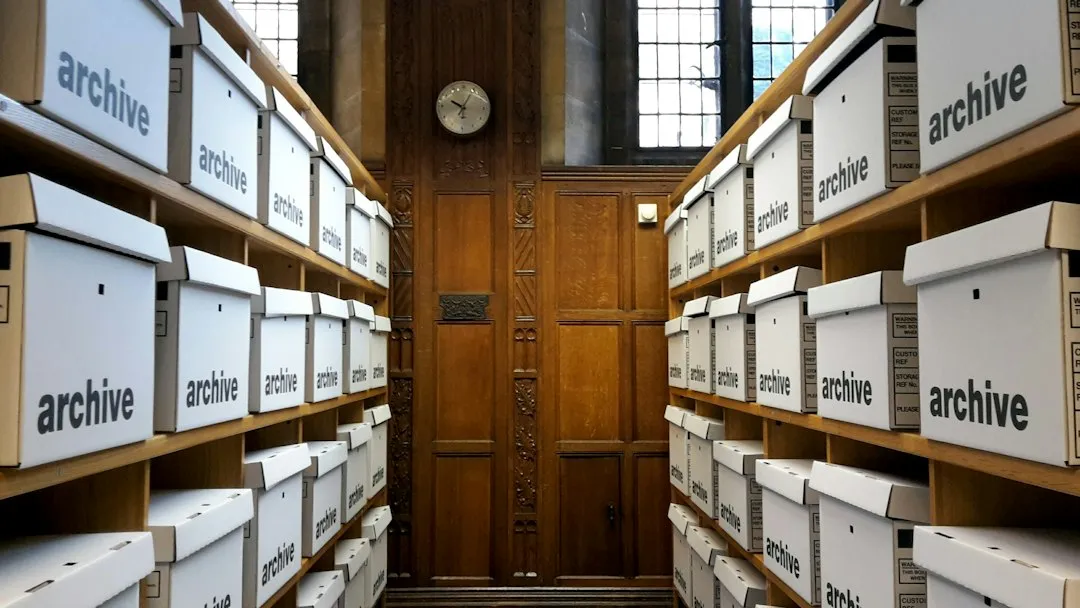
Practical tips include preparing possible spelling variations of surnames and historical place names, and contacting the correct archive for digitization policies and appointment rules. Many archives have introduced searchable indexes, but others require on-site queries or local researchers. Showing up unannounced to a regional archive in another country is a plan with a low success rate.
Some ancestral parishes lie in rural areas that require car travel, so allow extra time in your itinerary. This kind of logistical reality, the kind that only surfaces when you research carefully in advance, is exactly what separates a productive ancestry trip from a disheartening one. Physical access to records is not always guaranteed even when the records exist.
Email archives several weeks before your trip. Ask specifically about access requirements, appointment availability, and whether a professional local researcher can be hired in advance to pull documents on your behalf. This groundwork is the most valuable preparation you can do.
Consider Hiring a Local Genealogist or Guide

You can get expert assistance through professionals such as genealogists who live in the area where your relatives once lived. The benefit of hiring someone local is that these experts are on the ground, know the territory, and speak the language. This is particularly valuable in countries where records are written in languages or scripts that most heritage travelers cannot read.
Identity-driven travel increasingly involves hiring local guides, historians, and cultural experts who can provide deeper context and a more meaningful connection to the places being visited. A skilled local genealogist doesn’t just find records. They translate them, contextualize them, and often know which local institutions hold materials that never appear in guidebooks or online directories.
Both the Association of Professional Genealogists and Ancestry have genealogist directories you can easily search to see whether one meets your needs. Reaching out to one of these professionals before booking your trip, rather than after you arrive confused and jet-lagged, is a straightforward way to dramatically improve your outcomes.
Understand the Record Landscape of Your Ancestral Country
Industry data from the World Tourism Organization shows genealogy tourism now contributes over two and a half billion dollars annually to destination economies, particularly in Ireland, Italy, Scotland, and Eastern Europe where immigration records remain well-preserved. These destinations are popular precisely because their record survival rates are relatively high. Other regions present different challenges.
Italy declared 2024 the “Year of Italian Roots in the World,” drawing visitors of Italian descent from across the globe, and that momentum has continued into 2026 with dedicated heritage programs and archive access initiatives. Ireland and Scotland have similarly built structured ancestry tourism infrastructure over many years. Eastern European countries vary considerably in what is publicly accessible depending on historical and political context.
Knowing the record landscape in advance prevents disappointment and helps you set realistic expectations. Some countries have rich, intact civil and church records stretching back centuries. Others experienced wars, border changes, or deliberate record destruction that created gaps no researcher can bridge. Understanding this before you arrive is a form of respect for both the history and your own time.
Organize What You Find Along the Way
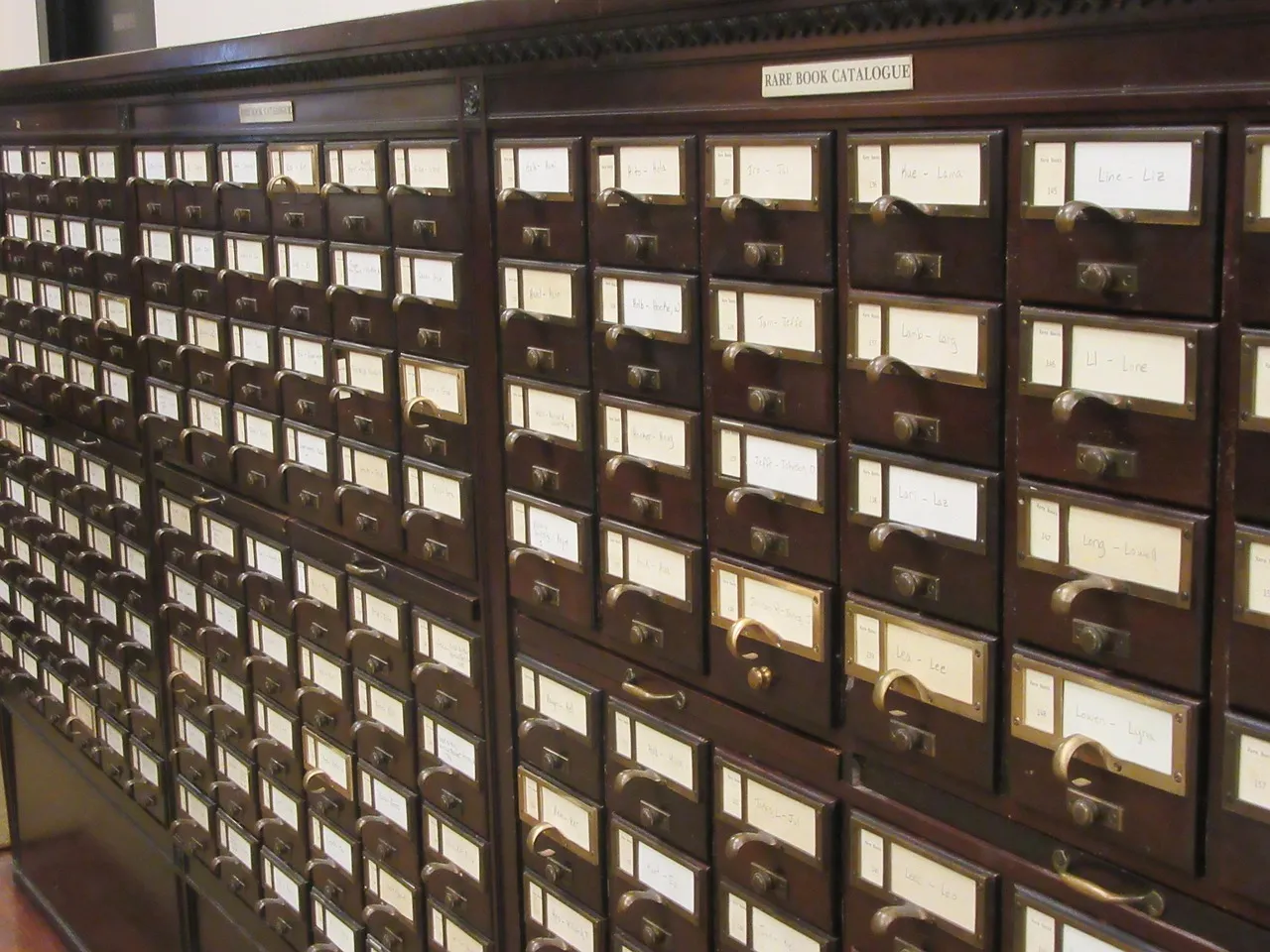
The secret to a successful family history research project is staying organized. Too often, genealogists become overwhelmed by the quantity of information collected. This is even more true when you’re traveling, when time is limited and emotional responses to discoveries can make careful documentation feel like an afterthought.
Create labeled folders, both physical and digital, for organizing documents, photos, and records. Use a research log to track the sources you’ve explored and the findings made. A simple system set up before you leave home will keep your discoveries coherent and usable long after you’ve returned.
Starting with local records before moving on to state-level archives creates more specific and manageable searches. The more documents you find from different sources, the easier it becomes to cross-reference data and confirm facts. That habit of cross-referencing, built early and kept consistent throughout your journey, is what turns a collection of interesting documents into a credible, meaningful family history.
The Takeaway

Ancestry travel at its best is not a search for proof. It’s a search for understanding. The records, the village, the church, the coastline, these are not the destination. They are the vocabulary of a story that was always partly yours.
This form of experiential travel combines emotional discovery with cultural immersion, offering profound personal connections that traditional sightseeing rarely matches. But that depth only reveals itself when the groundwork is done carefully and honestly before the journey begins.
The first stop, then, isn’t an archive in another country. It’s a clear-eyed, organized, and well-prepared version of yourself, one who has spoken to family, contacted institutions, understood the limits of online databases, and asked the right questions before ever boarding a plane. Everything meaningful you find along the way flows from that single, quiet act of preparation.
AI Disclaimer: This article was created with the assistance of AI tools and reviewed by a human editor.