

Most people return from vacation feeling rested for maybe a week. Then the familiar restlessness creeps back in – the sense that the trip was nice, but fleeting. Something was missing, though it’s hard to put a finger on exactly what.
What’s often missing is a feeling of growth. A skill-based trip changes that equation in a way that a beach week simply cannot. It turns time off into something that stays with you, not just in photos, but in what you’re genuinely able to do when you get home.
What a Skillcation Actually Is
Industry roundups of travel trends now highlight skillcations alongside wellness retreats and purpose-driven journeys, describing them as holidays intentionally built around learning a new hobby, honing a craft, or advancing a career-friendly skill. The concept sounds deceptively simple, but the shift in intention changes the whole character of a trip.
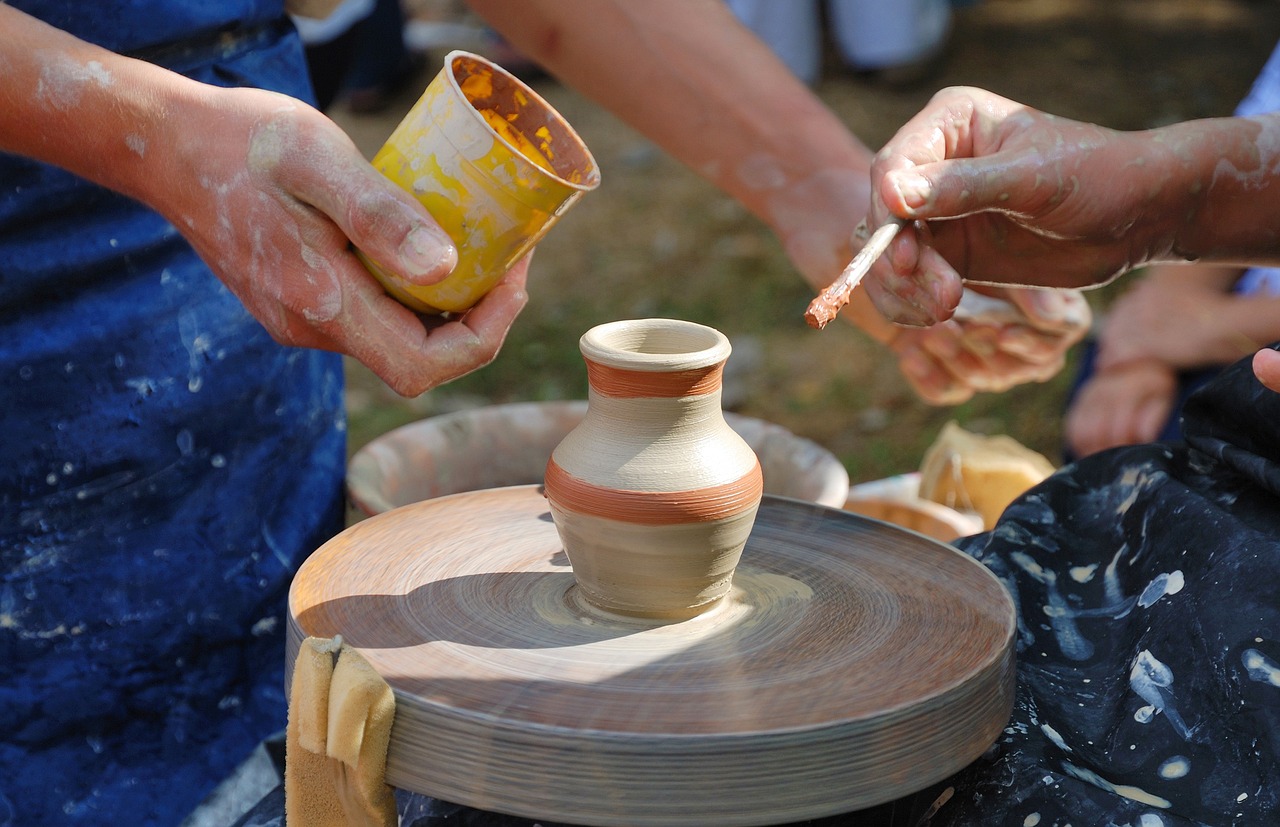
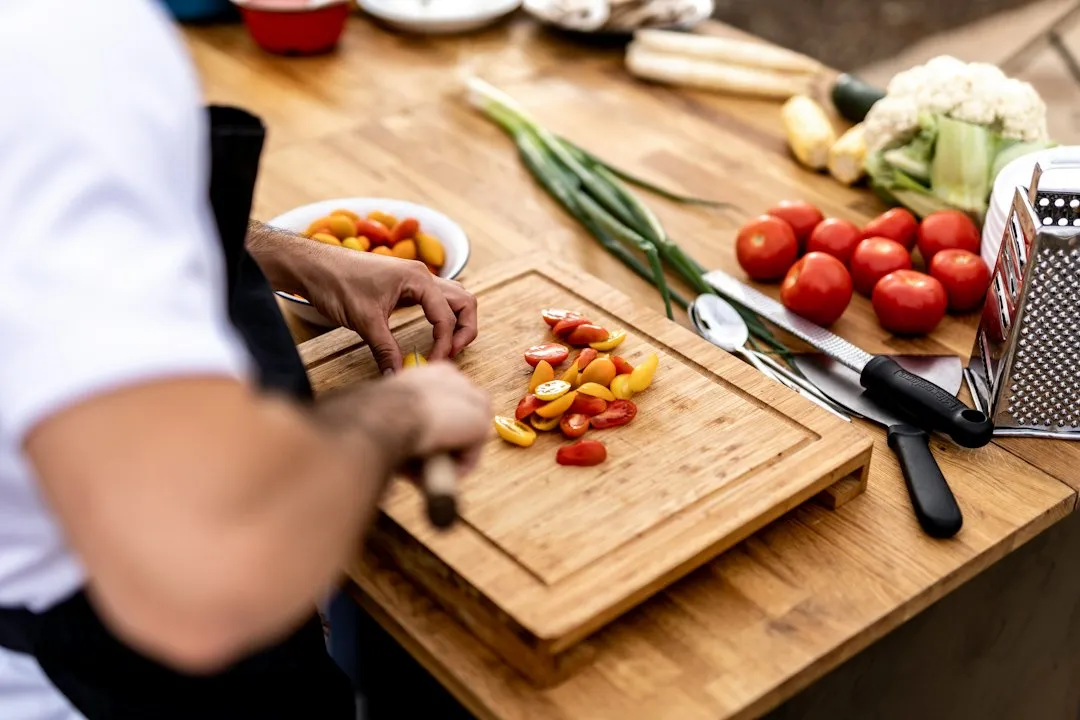
A skillcation blends a getaway with hands-on experiences like cooking regional dishes, learning pottery, studying photography, foraging, sailing, or even picking up a new language. Rather than moving passively through a destination, you’re actively participating in it. What makes skillcations so appealing is intention – travelers want to come home with more than photos.
The Numbers Behind the Movement
GetYourGuide, a major platform for booking travel experiences, recorded a sixty-six percent jump in workshop bookings in summer 2025 compared with summer 2024. That’s not a marginal uptick – that’s a decisive, measurable shift in how people are spending their travel budget.
Hilton’s 2026 Trends Report found that nearly three quarters of respondents would consider a skillcation, with Gen Z leading the way in seeking solo, experience-driven travel. Meanwhile, the global educational tourism market was estimated at nearly 460 billion dollars in 2024 and is projected to nearly double by 2030, growing at a compound annual growth rate of 13.5 percent between 2025 and 2030.
Why the Brain Responds So Well to Learning While Traveling
One study published in Frontiers in Psychology found that routine-disrupting novelty and hands-on challenges – what psychologists often refer to as “mastery experiences” – during a vacation boost creativity, confidence, and overall well-being in ways that stick with you well past your scheduled days off.
Research results revealed that people who traveled had higher subjective wellbeing than those who did not, and out of four elements of the recovery experience, mastery was the only one that influenced subsequent subjective wellbeing. Put simply, experiencing new and challenging events during a vacation was the most significant predictor of vacationers’ subsequent wellbeing.
The Sense of Accomplishment That Outlasts the Trip
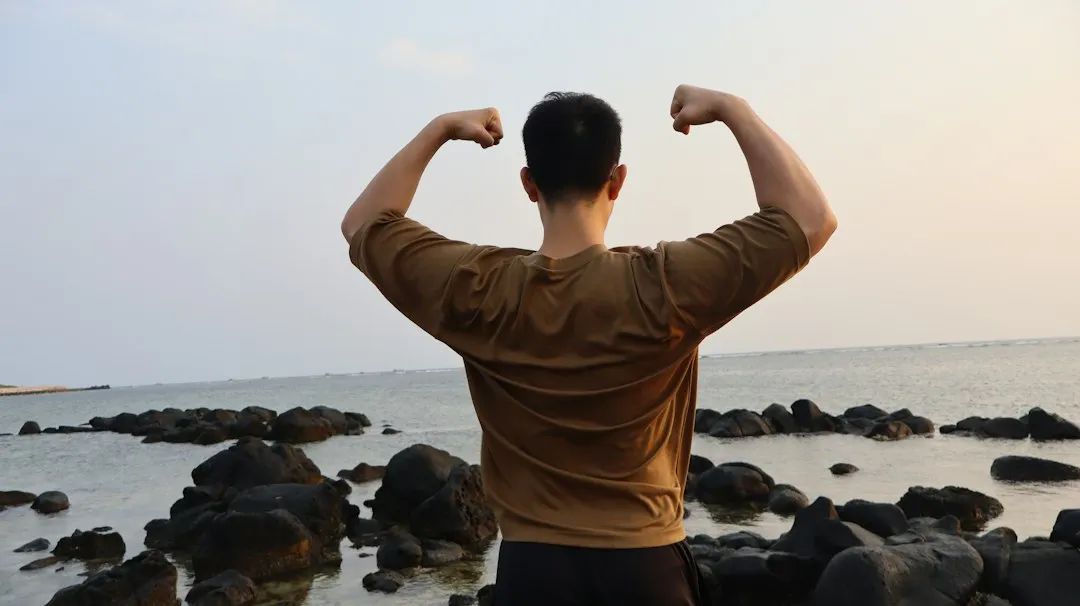
Mastery experiences refer to activities performed during time off work, which distract from the job by providing challenging experiences and learning opportunities in other domains, offering opportunities to experience competence and proficiency. This is a meaningfully different kind of rest than passive relaxation alone provides.
People place a high value on learning new skills and knowledge and hard-won experiences while on vacation, and such experiences may help improve wellbeing. Vacations allow people to reflect on their lives and for the benefits gained from travel to be transferred back into everyday life in new relationships, abilities, and changed perspectives. That carry-over effect is precisely what makes these trips feel like something more than escapism.
The Well-Being Benefits Can Last Longer Than Expected
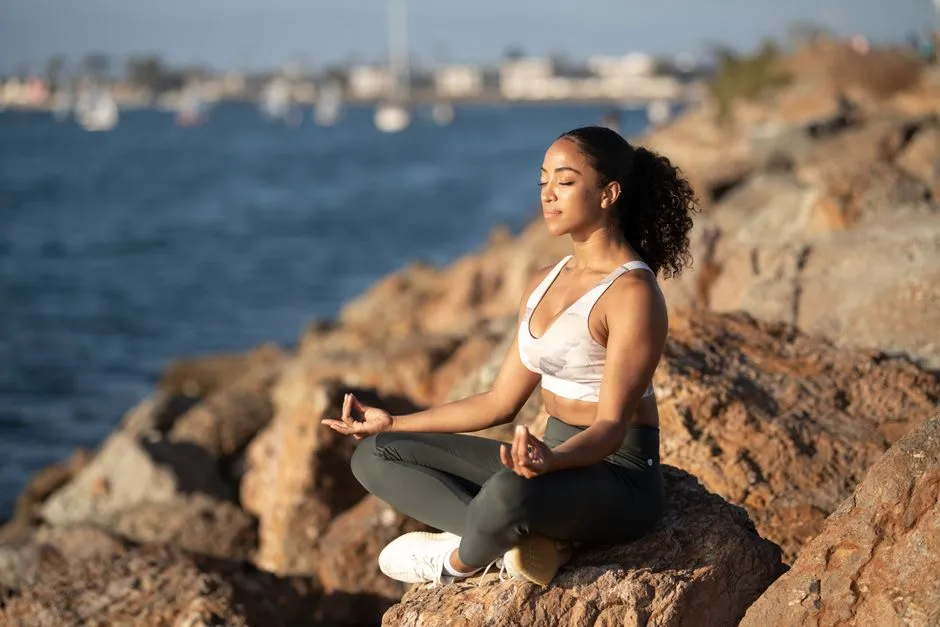
Wellbeing did decline moderately after participants returned to work, but importantly it remained higher than before their holiday. While previous research suggested that post-holiday benefits vanish quickly, one study found that wellbeing stayed elevated even 21 days after returning.
Researchers estimated that the positive effects could, in fact, last up to 43 days. For a trip structured around genuine learning and personal challenge, that window may feel even more substantial – because you’ve brought something concrete home with you.
How the Hospitality Industry Is Responding
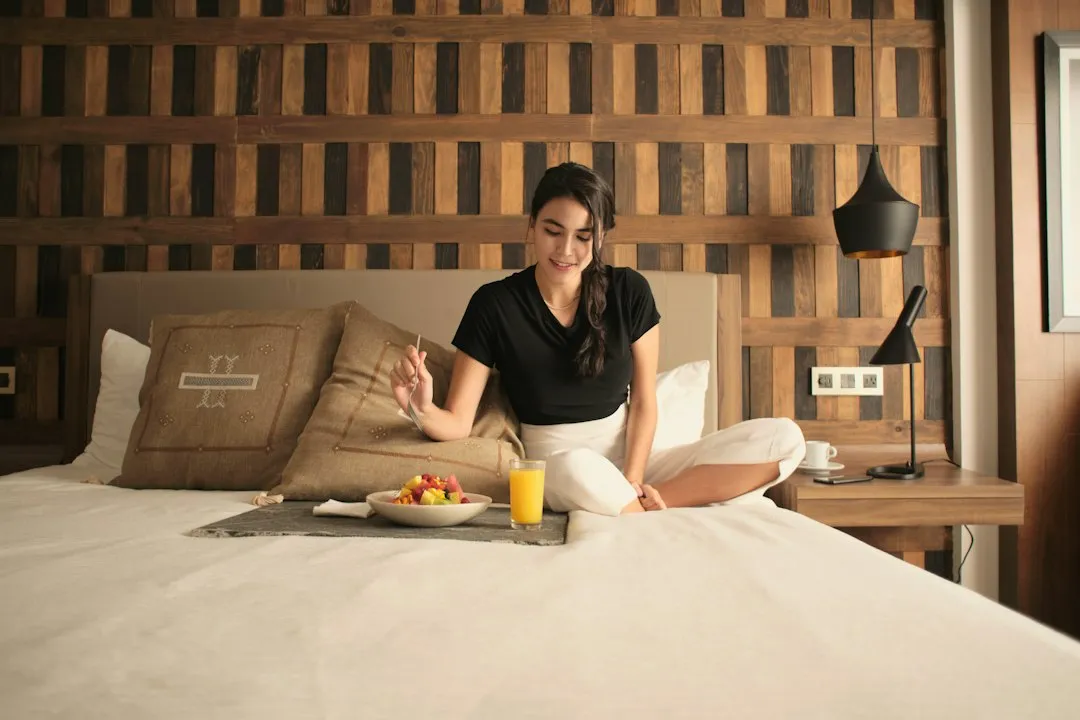
Hotel groups and tour operators are responding by packaging experiences that go beyond standard excursions. Instead of simply marketing beaches or city breaks, more providers are promoting structured learning components such as multi-day workshops, guided practice sessions, and small-group mentorship built into itineraries.
Guests at Hyatt Vacation Club locations in Santa Fe are engaging in pottery classes, while guests in San Antonio locations try tortilla-making classes. From cooking classes to self-guided art walks to salsa dancing lessons, each of these unique offerings provides a chance for guests to engage, learn, and grow as travelers and as people. The fact that major hotel brands are embedding this into their core offerings signals that this is now a mainstream expectation, not a niche perk.
Where in the World to Go for a Skill-Based Trip
Among the destinations drawing the most attention in 2026 are Tuscany, Italy, known for culinary workshops and painting retreats; Kyoto, Japan, offering traditional crafts including pottery, textile arts, and calligraphy; Queenstown, New Zealand, for adventure sports instruction; and Barcelona, Spain, attracting those interested in tapas cooking and modern art techniques.
Imagine learning to make pasta from a nonna in Tuscany, taking a photography workshop in the wilds of Patagonia, or joining a language immersion program in Spain. Other popular skillcations include wine blending in France, pottery in Mexico, and learning artisan crafts from local experts around the world. Each of these experiences is grounded in genuine local culture, which is part of what makes the learning feel authentic rather than performative.
The Social Dimension of Learning Together
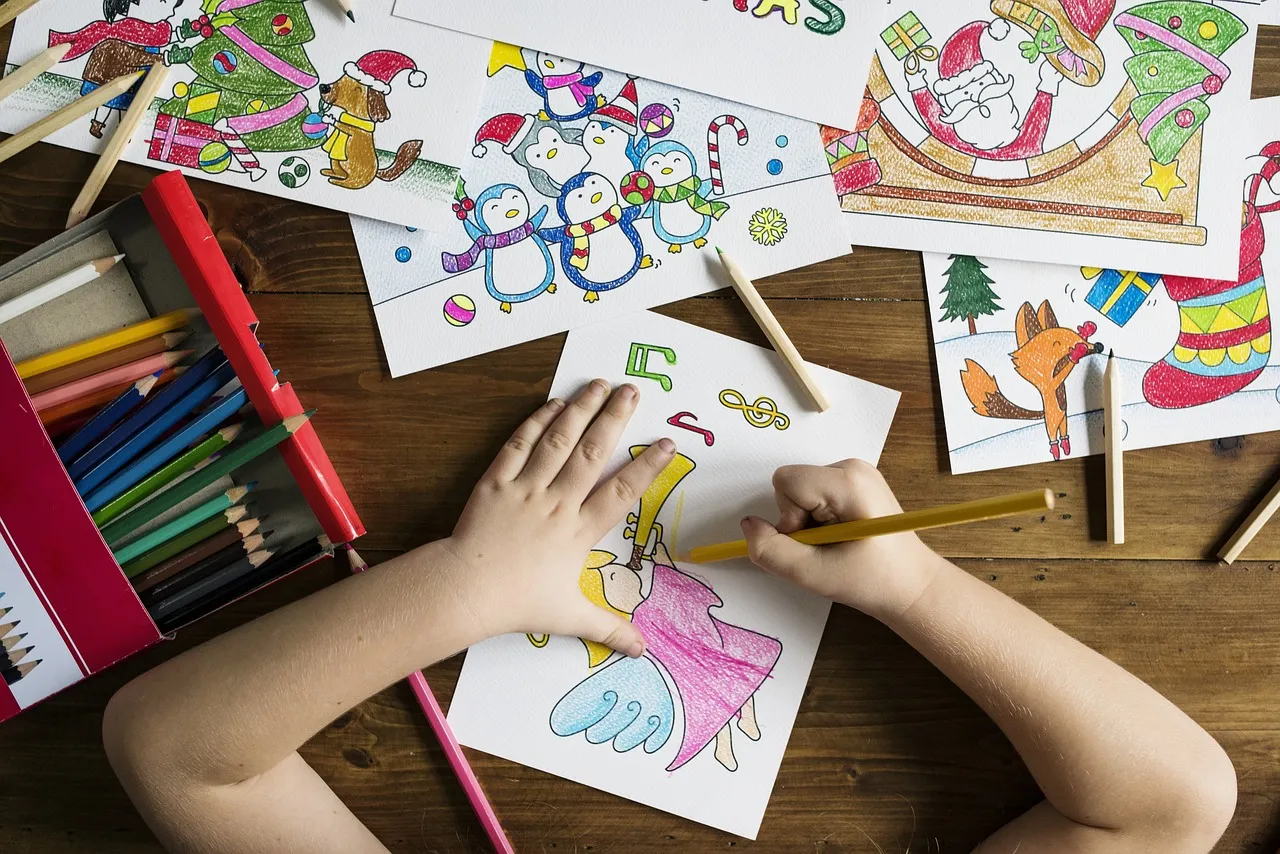
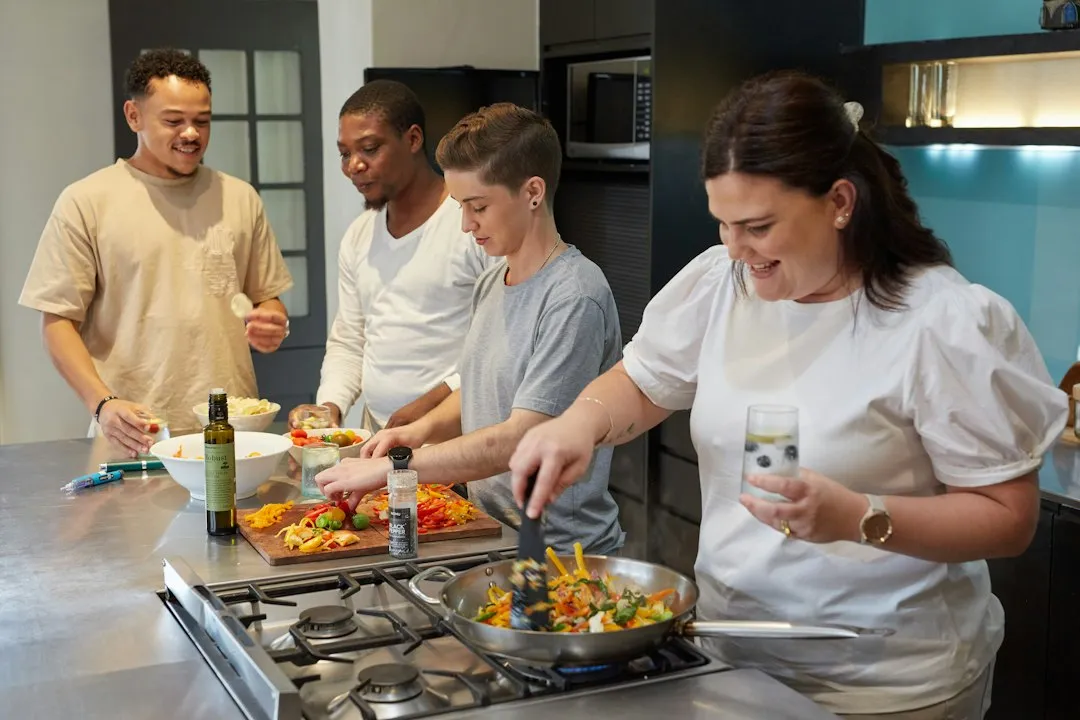
Across generations, the shared experience of learning something new alongside strangers often becomes just as meaningful as the destination itself. There’s a particular kind of camaraderie that forms in a workshop or a cooking class, where everyone is equally uncertain, equally trying.
A learning holiday creates a different form of social value. Instead of simply posting a photograph from a famous attraction, travelers can document progress: preparing a dish, completing a surf lesson, creating a piece of pottery, or learning part of a language. The journey itself becomes a story. That story has a natural arc, a beginning where you knew nothing, and an end where you made something real.
The Wellness Dimension: Play as a Serious Force
This ties into the science of play as a rejuvenating force during vacation. Scientific studies show that humans need play in their everyday lives, and a growing body of research highlights how play improves cognition, supercharges creativity, and helps people connect.
Travel analysts are also seeing a shift in wellness travel, where the intention is not just to feel great but to train the mind and body while there, so that travelers can take the benefits back home after the vacation ends. Instead of simply heli-skiing or remote desert treks, there is now the option of seeking out expert-led training in stress inoculation to build psychological fortitude. The wellness and the skill-building are increasingly one and the same.
How to Build Your Own Skill-Based Trip Formula
Travelers can build their itinerary around activities such as cooking, photography, surfing, pottery, painting, language learning, crafts, or other practical experiences. The key is choosing one anchor skill rather than stacking too many workshops – depth over breadth almost always wins.
With trips becoming more expensive, travelers are increasingly treating their time away as an “investment” that should generate benefits long after they return, whether in the form of better sleep, improved confidence, or a concrete new capability. Framing the trip this way from the start shifts how you plan it, where you stay, who you learn from, and what you prioritize on any given afternoon. Research from American Express confirms that the vast majority of travelers – roughly four in five globally – say learning a new skill while traveling creates a more memorable experience.
A Different Kind of Souvenir
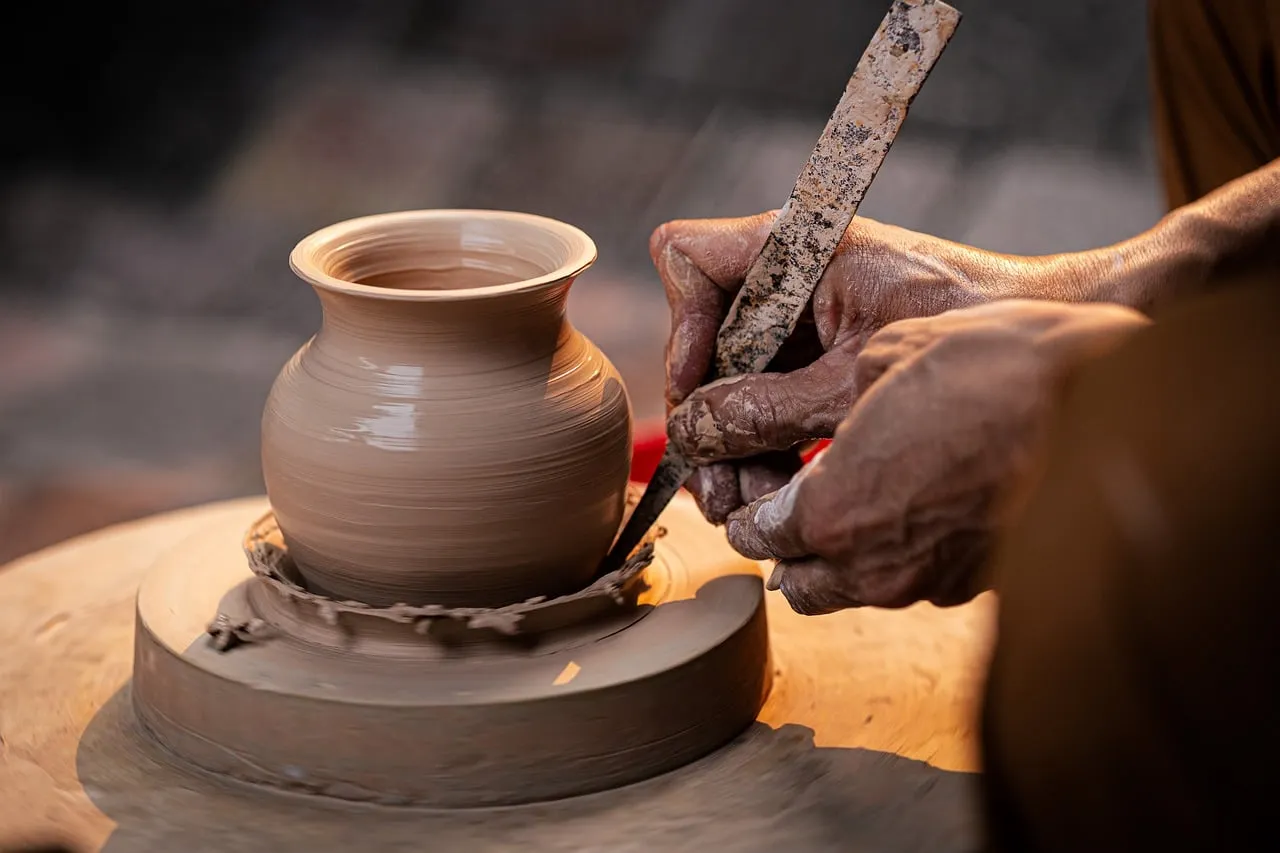
Around two thirds of surveyed European travelers believe taking a skillcation could have a life-changing effect, highlighting growing demand for holidays that offer personal development alongside relaxation and exploration. That’s a striking figure – and it reflects something real about what people are now hoping travel can do for them.
The formula isn’t complicated. Pick a skill that genuinely interests you. Find a destination where that skill has cultural roots. Give yourself enough time to go beyond surface level. You return home with more than just souvenirs – you come back with new confidence, a sparked sense of creativity, and a much deeper understanding of the culture you visited. That, ultimately, is what makes a trip feel like an accomplishment rather than simply a break from ordinary life.
AI Disclaimer: This article was created with the assistance of AI tools and reviewed by a human editor.