

Every year, countless travelers land at a foreign hub, sprint through unfamiliar terminals, and watch helplessly as their connecting gate closes just ahead of them. The experience is disorienting, expensive, and – more often than people realize – entirely preventable. The mistake at the root of most international connection disasters is not a random stroke of bad luck. It follows a predictable pattern, usually involving one of a handful of planning errors that seem harmless at booking and catastrophic at the airport.
Understanding what those errors actually are, and how modern airline systems interact with them, can mean the difference between a smooth onward journey and a very long, uncomfortable night on an airport bench. The numbers are more sobering than most people expect.
The Single Biggest Error: Trusting the Minimum Connection Time at Face Value

The Minimum Connection Time (MCT) is set by airports – not airlines – and represents the minimum amount of time required to transfer from an incoming flight to another flight by an able-bodied person, given the circumstances of that specific transfer. That sounds reasonable until you understand what “minimum” truly means in practice. It is a floor, not a comfortable buffer. MCTs typically run 30 to 90 minutes for domestic connections and up to 3 hours for international transfers involving customs and immigration.
Experts recommend giving yourself at least 60 to 90 minutes for domestic connections and closer to two hours for international transitions. The gap between what is technically allowed and what actually works is where most missed connections happen. An EU academic study found that a 30-minute incoming delay causes roughly two-fifths of passengers to miss their connection entirely.
Separate Tickets: The Protection Trap Nobody Warns You About
According to the UK Civil Aviation Authority, self-transfers on separate tickets are considered a passenger’s own risk and are not legally protected. If you arrange your own connection by booking two completely independent flights, the airline treats these as two separate contracts. This single booking decision can strip you of nearly all recourse if the first flight runs late. Book on separate tickets, and you’re generally not protected if you miss a self-transfer.
If the first flight is delayed and you miss the second, you will not have the same legal protections as you would if all flights were on one itinerary. The second airline owes you nothing. If a missed connection results from a personal error in scheduling or a tight connection, you may face additional expenses, including finding your own lodging and meals until you can get on the next flight. That can add up fast, especially in an expensive transit city.
How On-Time Performance Makes Tight Connections a Gamble
Nearly one in four flights across the U.S. ran late or were canceled between July 2024 and June 2025. In 2024, reporting carriers posted an on-time arrival rate of roughly 78 percent, down slightly from the year before. Put plainly, one in five flights arrives late – and that systemic unreliability makes a tight connection not a calculated risk but closer to a coin flip.
U.S. DOT data shows international flight delays caused 127,000 missed domestic connections in just the first quarter of 2025 alone. That figure covers a single quarter and a single country. Scale that globally and the scope of the problem becomes clear. Statistics show that up to ten percent of passengers miss their connections during peak travel times.
The Month You Travel Matters More Than You Think
Seasonal timing matters just as much as time of day. July is statistically the riskiest month to book a tight connection, with only about 68 percent of U.S. flights arriving on time in July 2024, while October is the safest at around 86 percent. That is an enormous swing in reliability depending purely on when you travel. Choosing your travel months with this in mind is one of the easiest ways to reduce your exposure to a stranding.
Certain global hubs see missed-connection rates up to 20 percent higher during peak hours, according to a 2024 U.S. DOT report. A midday connection through a congested hub can carry meaningfully worse odds than the same layover length at 7 a.m. If you have any flexibility in scheduling, a morning connection through a major hub is a genuinely different proposition from an afternoon one.
Terminal Changes and Airport Size: The Hidden Time Thieves
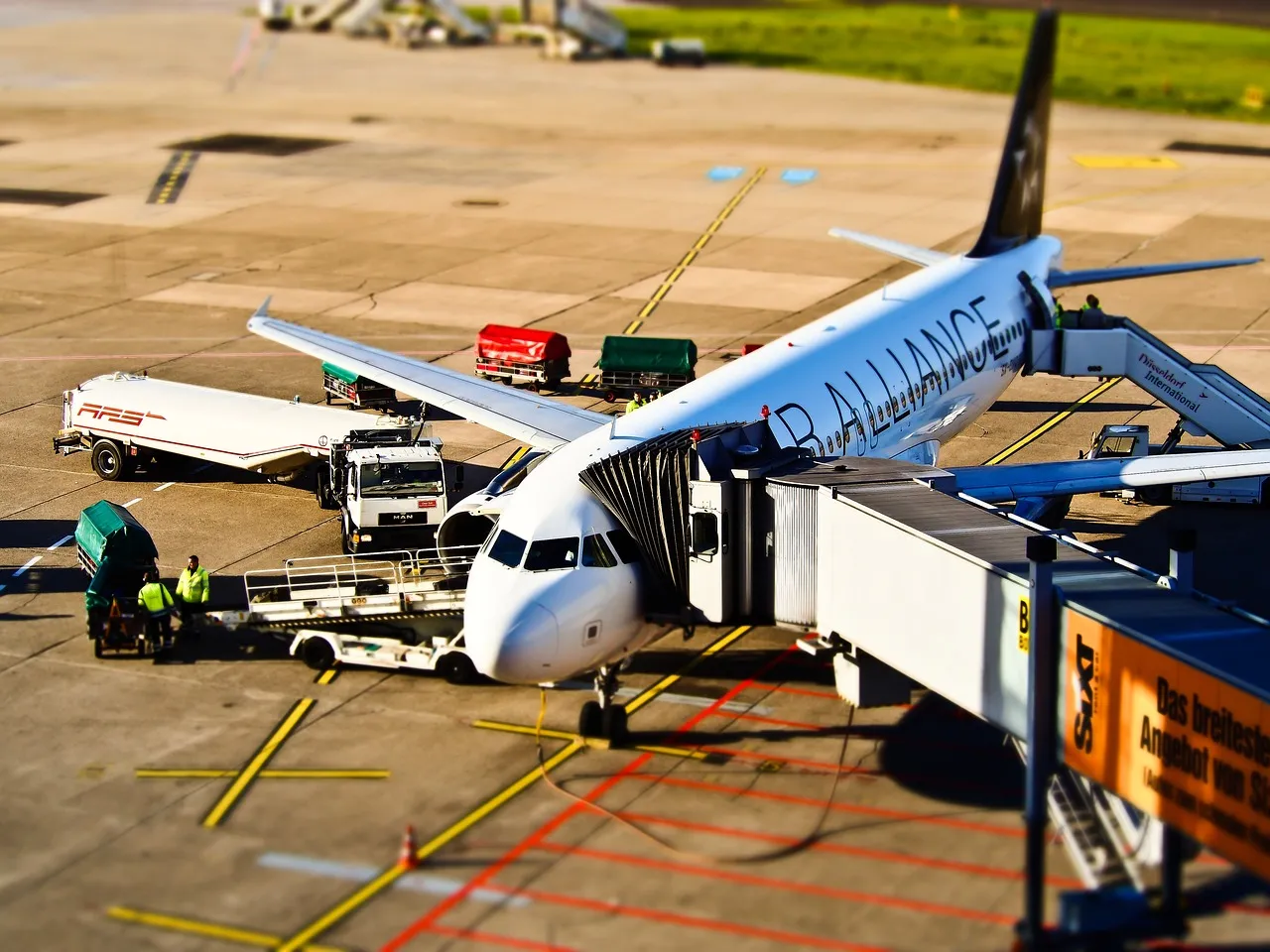
The minimum buffer time between connecting flights depends on the airport, your connection type, and whether you’re on a single ticket, with times ranging from 20 minutes at Dubai to over two hours at JFK for international-to-domestic connections. These extremes exist for good reason. Large hubs like Chicago O’Hare and Tokyo Narita set longer MCTs because walking distances between concourses exceed those at compact regional airports.
JFK has no airside terminal connections, meaning every transfer requires the AirTrain and fresh TSA screening. JFK’s standard MCT for international-to-domestic is 120 to 135 minutes, but many experts recommend padding to two and a half to three hours if terminals change or immigration is involved. Travelers who book a two-hour connection at JFK thinking it generous often discover the airport had other plans.
Customs and Immigration: The Wildcard Nobody Can Fully Control
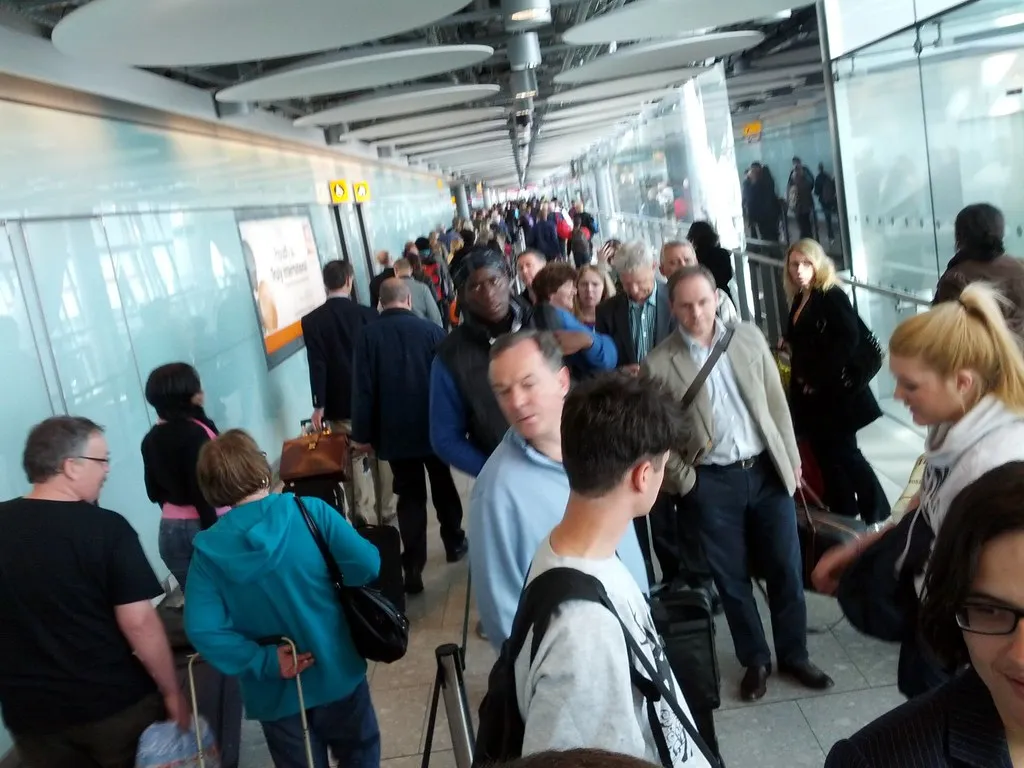
International arrivals entering a new customs zone face variable queue times that airports build into MCT estimates. The problem is that those estimates are averages. On a busy afternoon in summer, reality can look very different from the model. From autumn 2024, non-EU nationals are required to have their fingerprints and photograph taken either on entry or exit to the Schengen area as part of strengthening the exterior border. This biometric data gathering adds time.
Missed flights or connections caused by long immigration delays are generally not considered the airline’s responsibility. While airlines may still rebook passengers, travelers are not always protected by travel insurance, credit card protections, or passenger rights laws such as EU261. This is a gap that catches people completely off guard, particularly when they believe a generous-looking layover makes them safe.
What Airlines Actually Owe You When They Are at Fault
When a missed connection results from an airline delay on a same-ticket booking, the carrier is generally responsible for rebooking passengers on the next available flight at no extra cost. That is a meaningful protection, but it does not automatically guarantee overnight accommodation. For overnight delays within the airline’s control, every major carrier except Frontier has committed to providing complimentary hotel accommodations, according to the U.S. DOT’s airline dashboard.
Six carriers – Alaska, American, Delta, Hawaiian, JetBlue, and United – also commit to rebooking stranded passengers on partner airlines at no additional cost for controllable delays. Allegiant, Frontier, Southwest, and Spirit do not make that commitment. Knowing which airline you are flying before you book can determine whether you sleep in a hotel bed or on a terminal floor.
EU Regulation 261 and How It Protects – or Doesn’t
EU261 compensation, ranging from €250 to €600, is a right that passengers are entitled to when flights departing from or arriving in the EU are delayed by over three hours, cancelled, or overbooked, unless the disruption was caused by extraordinary circumstances beyond the airline’s control. This is significantly stronger protection than U.S. rules. Despite its importance, only roughly two-fifths of European travelers consider themselves well informed about their rights, according to a 2024 Eurobarometer survey.
For flights departing from or within the EU or the UK, passenger rights are much stronger thanks to EU Regulation 261/2004. The regulation requires airlines to provide cash compensation when you missed a connecting flight due to a delay, cancellation, or overbooking, both flights were booked under the same reservation, and you arrived at your final destination three or more hours late. The key phrase there is “same reservation.” Once again, separate tickets break this protection completely.
The New U.S. Automatic Refund Rule and What Changed in Late 2024
The October 2024 automatic-refund rule requires U.S.-based airlines to provide automatic cash refunds when a flight is cancelled and the passenger does not accept rebooking, a domestic flight is delayed three or more hours and the passenger chooses not to travel, or an international flight is delayed six or more hours and the passenger chooses not to travel. This is a real improvement in passenger standing, but it applies to refunds, not to compensation payments in the European sense.
For missed connections specifically, the U.S. DOT does not require compensation payments equivalent to EU261 – just rebooking and, in some cases, a refund if you choose not to travel. A December 2024 proposed rulemaking would go further, potentially requiring airlines to pay passengers cash compensation, rebook them for free on the next available flight, and cover meals, overnight lodging, and transportation expenses in cases when disruptions are caused by the airline. Those rules, however, have not yet been finalized.
What to Actually Do If You Get Stranded
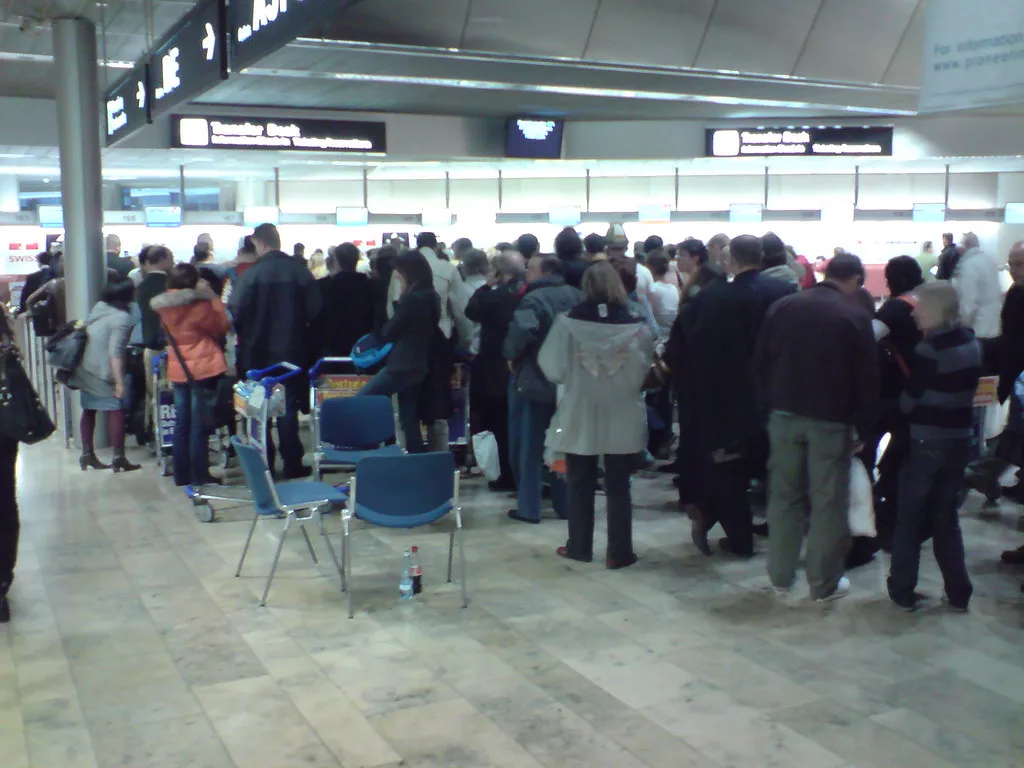
If you are traveling on a single ticket and miss a connection, head directly to the airline’s transfer desk or customer service counter and ask to be rebooked to your final destination. If you are stranded overnight, it is worth inquiring about meal vouchers, hotel accommodations, and getting written documentation explaining the delay for a potential travel insurance claim. Speed matters here. The gate agents handling rebooking are working through a queue, and arriving early in that line can be the difference between a hotel room tonight and a flight tomorrow night.
American Airlines Connect Assist, launched in May 2025, and United Connection Saver have together helped hundreds of thousands of passengers in 2025 alone. These tools actively monitor tight connections and sometimes hold onward flights for a few minutes when a large group of passengers is affected. Experts recommend giving yourself far more than the stated minimum, because no app or airline tool can fully substitute for the simple, underappreciated buffer of extra time.
The Takeaway
The international connection mistake that strands travelers overnight is rarely one dramatic error. It is usually a quiet accumulation of small ones – trusting a published minimum time, booking across separate tickets, traveling in peak summer, connecting through a sprawling hub, and not fully understanding what the airline owes when things go wrong. Each of those choices, in isolation, might be fine. Stack them together and the odds shift dramatically against you.
The simplest and most durable piece of advice remains the same across all the data: build in more time than you think you need, book all legs on one itinerary, and know your rights before you need them. Airports are complicated, delays are routine, and the protections available to stranded passengers are narrower than most people assume. A longer layover is rarely wasted time. Sometimes it is the only thing standing between a smooth trip and a night you did not plan for.
AI Disclaimer: This article was created with the assistance of AI tools and reviewed by a human editor.