

From Pilot Program to Dozens of Airports
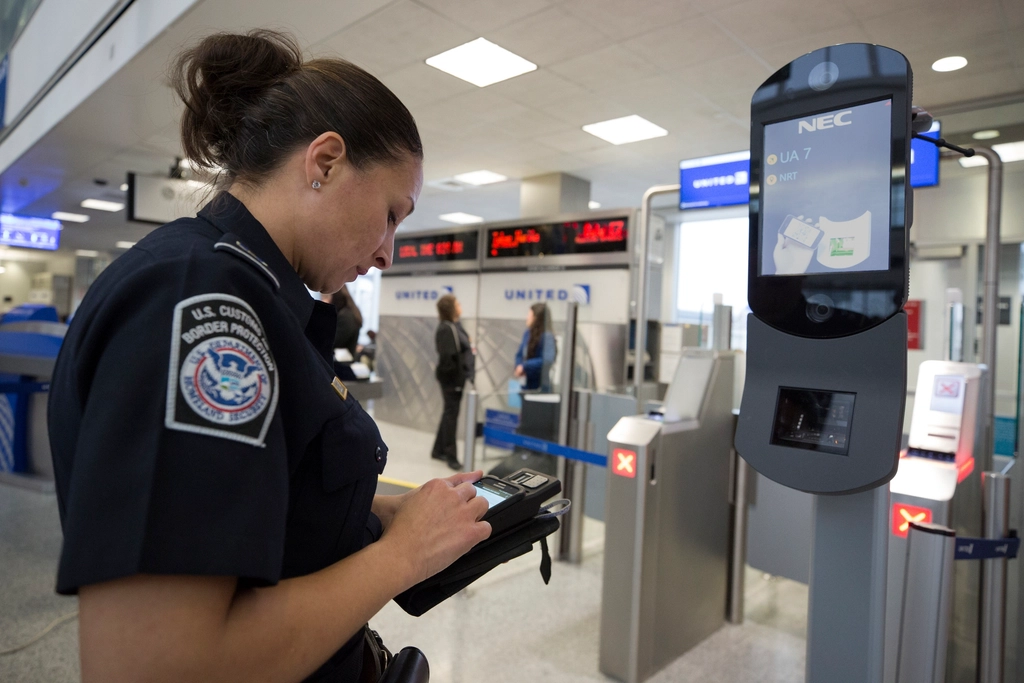
TSA began rolling out the technology in 2022 and accelerated expansion through 2024 and 2025. The growth has been striking. TSA has deployed facial recognition technology at 84 US airports as of early 2026, as part of a program called CAT-2, which stands for Credential Authentication Technology, version 2.
A separate Touchless ID program was rolled out as a pilot in the summer of 2025, and checkpoint lanes became available at 15 US airports, with TSA announcing plans to expand to 50 more airports in spring 2026. TSA ultimately plans to bring CAT-2 systems to more than 400 US airports in the years ahead.
How the Technology Actually Works at the Checkpoint
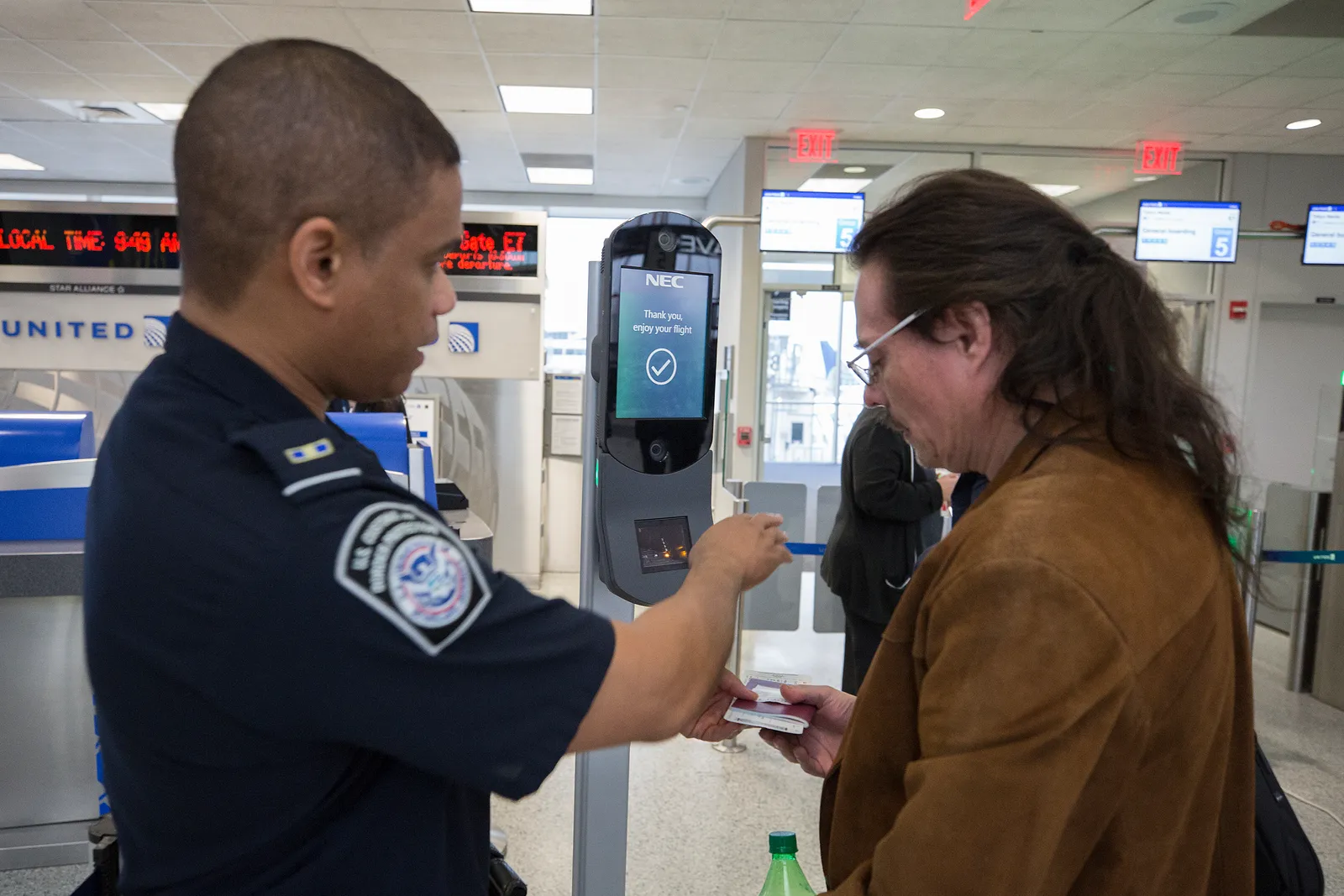
When you reach a TSA checkpoint at one of these airports, a camera captures your face and compares it against the photo on your government-issued ID, pulled from a federal database in real time. If the system confirms a match, you move through without a TSA officer manually inspecting your ID. If it does not match, or if you opt out, an officer performs a manual check.
Passengers traveling with TSA PreCheck membership, an active profile with the airline, and a valid passport uploaded to their profile are eligible. Passengers must opt in to the program, and they do not need to show any form of physical identification. Instead, travelers’ faces are photographed by TSA using biometric cameras.
The Accuracy Numbers TSA Is Citing
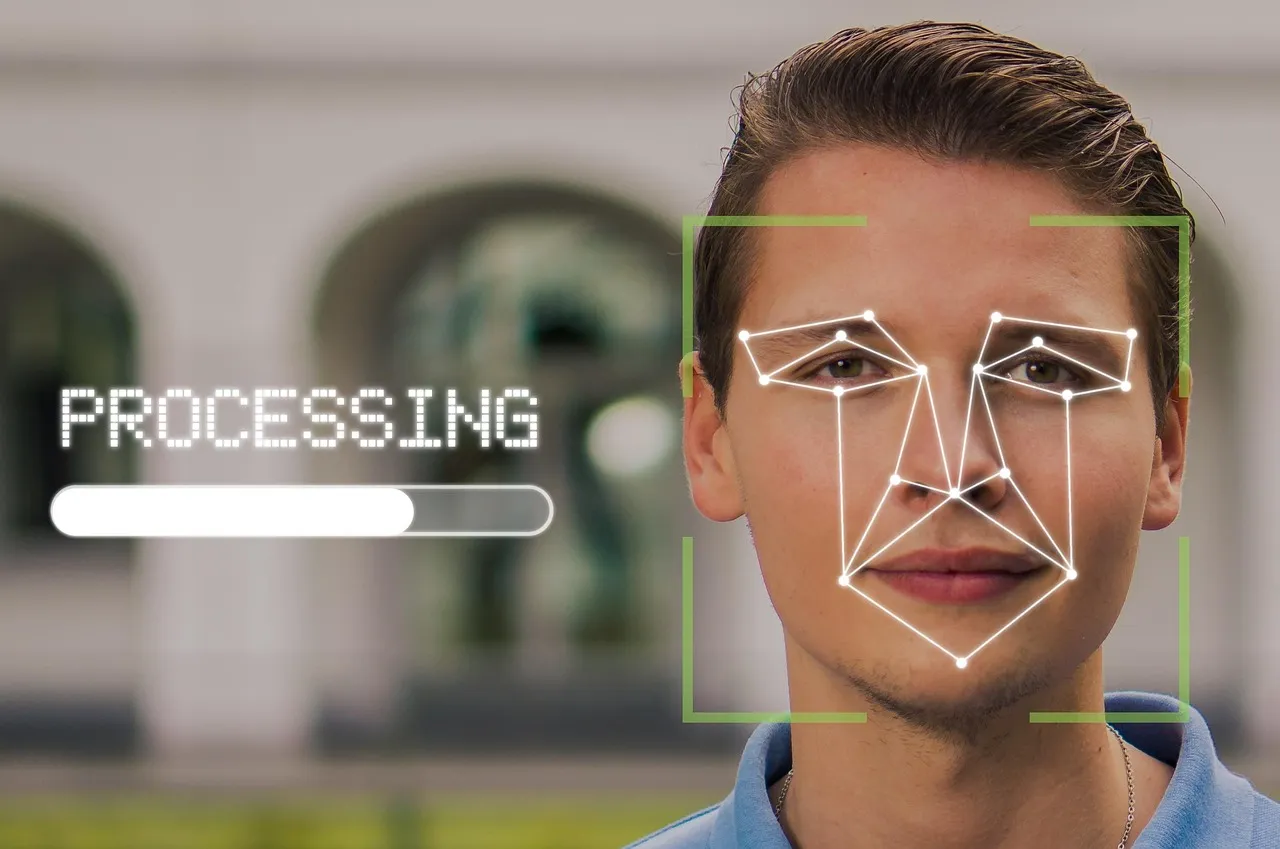
The biometric technologies used at some US airports to verify the identities of travelers are more than 99% accurate, according to a Department of Homeland Security report released in January 2025. TSA reports false positives below 0.001% and capture rates above 99% for CAT-2 facial scans.
The DHS report was conducted after the agency released a directive in September 2023 requiring that all face recognition and face capture technologies be tested to ensure they comply with federal standards and do not produce biased or inaccurate results. Still, accuracy is not perfectly uniform across all demographics, as the data makes clear further below.
Airlines Are Joining the Push

Major airlines have embraced similar technologies, with Delta Air Lines implementing its Digital ID system at six major hubs, including Salt Lake City International Airport, where passengers can move through check-in, security, and boarding using only facial recognition. United Airlines has also deployed biometric verification systems for TSA PreCheck members following successful pilot programs.
The five largest US airlines, including Alaska Airlines, American Airlines, Delta Air Lines, Southwest Airlines, and United Airlines, are participating in the facial recognition program at select airports. The industry’s broad participation signals that this is no longer a fringe experiment. It has become a mainstream operational strategy.
The Real ID Act Connection
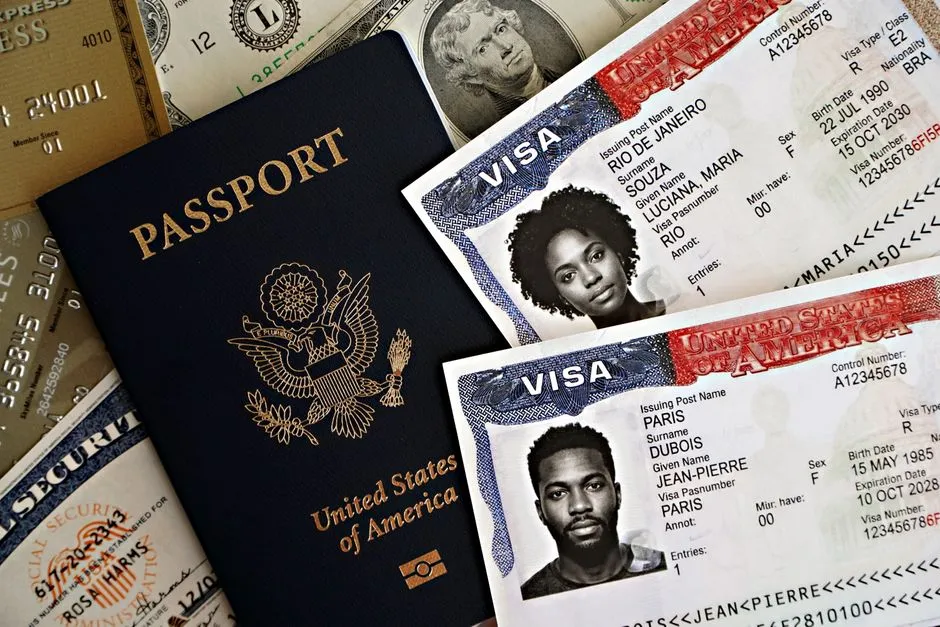
A significant regulatory change took effect on May 7, 2025, requiring US domestic air travelers to present Real ID-compliant identification. The requirement stems from the REAL ID Act of 2005, implemented in response to the September 11 terrorist attacks, and the 2025 date marked the final implementation phase after multiple extensions.
TSA was expanding CAT-2 facial recognition at airports, reaching 80 sites by December 2024 and aiming for nationwide deployment by mid-2025, with the rollout timed directly to align with the Real ID enforcement date. The biometric expansion and the REAL ID deadline are deeply intertwined, each reinforcing the other as parallel tools for modernizing identity verification in US airports.
DHS Is Also Expanding Biometrics at the Border
On October 27, 2025, the US Department of Homeland Security posted a final rule to the Federal Register outlining its plan to expand facial photo collection of non-US citizens entering and leaving the country beginning December 26, 2025. This rule applies to all non-US citizen travelers, regardless of age, entering or exiting the US at air, land, and sea ports of entry.
Technology is being phased in at major ports of entry throughout 2026 and possibly beyond. Canadian citizens, while generally exempt from fingerprinting, are included in the new facial photo collection protocol. This marks a significant expansion of biometric reach beyond the airport checkpoint and into the full spectrum of border management.
Demographic Accuracy Gaps Are a Real Concern
A DHS analysis found that self-identified Black volunteers who participated in testing of TSA’s biometric tools had the lowest face matching success rate of any demographic group, with an overall accuracy of 98%. While 98% may sound high in isolation, it translates to real consequences when applied across millions of travelers.
Facial recognition systems are known to show different failure rates for different demographic groups, a phenomenon known as “demographic differential performance,” where rate disparities of false negatives mean that the burden of additional scrutiny arising from a failure of the system falls unevenly. Researchers have also found that facial recognition tools can produce biased results, with Black individuals misidentified at much higher rates than other ethnicities. These findings have become a central point in the broader policy debate.
Your Right to Opt Out Still Exists – but Few Know It
For domestic US travel, biometric facial comparison at TSA checkpoints is voluntary for all US citizens and lawful permanent residents. No federal statute currently mandates biometric facial scanning for domestic air travel. TSA has expanded CAT-2 deployment under its existing authority to verify traveler identity, but the facial recognition component has never been enacted into law by Congress.
By spring 2026, TSA facial recognition cameras are scanning travelers at 65 US airports, up from just 15 in 2025. According to DHS’s own November 2024 analysis, only about one in a hundred passengers are verbally told they can decline the scan. The gap between a legal right and travelers actually knowing about it remains one of the most documented problems with the rollout.
Congressional Pushback and the Privacy Impact Gap
An August 2023 GAO report found that TSA expanded its facial recognition program without completing a legally required privacy impact assessment. Federal agencies are required under the E-Government Act of 2002 to conduct such assessments before collecting new types of personal information at scale, yet TSA began expanding CAT-2 to additional airports without completing this step. As of 2025, that updated assessment remains pending.
Senator Jeff Merkley’s Traveler Privacy Protection Act, which passed the Senate Judiciary Committee in 2024, would formally prohibit TSA from using facial recognition at domestic checkpoints, and it remains awaiting a full Senate floor vote as of September 2026. Senators have warned that this technology will soon be in use at hundreds of major and mid-size airports without an independent evaluation of the technology’s precision or an audit of whether there are sufficient safeguards in place to protect passenger privacy.
Data Deletion Promises and the Questions That Remain
TSA has said it would put strong privacy protections in place, including deleting images of travelers once they leave the checkpoint. Images are reportedly deleted within 24 hours of a flight and are not used for law enforcement or surveillance, according to TSA’s stated policy.
Several independent audits have found TSA’s deletion claims hard to verify, and the opt-out process is not clearly posted at checkpoints. Legislative proposals such as the Traveler Privacy Protection Act of 2025 would require affirmative consent before any biometric data is collected, bar passive surveillance, and set firm deadlines for deleting stored images. Until clear legal standards are codified, travelers largely depend on agency policy rather than enforceable law.
The Road to 400 Airports
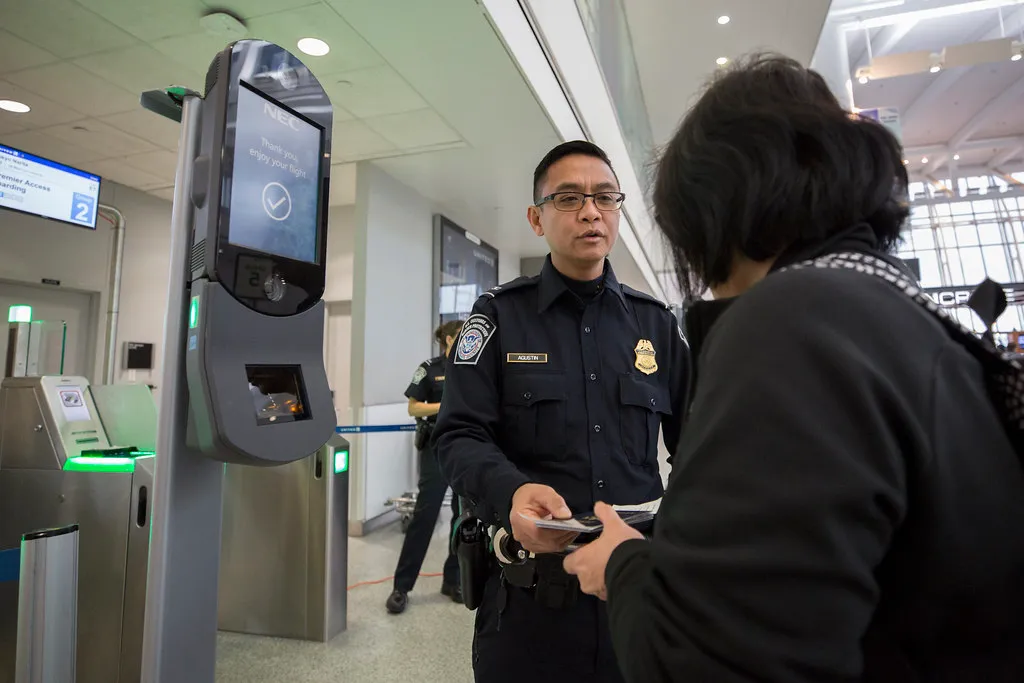
TSA reports that CAT-2 devices are installed at 84 airports across the country, and the agency plans to expand the devices to more than 400 federalized airports in the coming years. Beyond facial recognition, TSA is broadly exploring the use of artificial intelligence, including to aid with luggage screening.
The voluntary system aims to speed checkpoints with reported high accuracy, while oversight groups continue to demand transparency, consent improvements, and safeguards against misuse of biometric data. The tension between operational efficiency and civil liberties is unlikely to resolve quickly. What is clear is that facial recognition is no longer a future-facing concept in US airports. It is already here, already expanding, and already shaping how tens of millions of people move through some of the busiest travel hubs in the world.
A Quiet Shift With Lasting Implications
The rollout of facial recognition across US airports represents one of the most significant changes to air travel infrastructure in decades. It happened quickly, somewhat quietly, and without the kind of broad public debate that a technology of this scale arguably deserves.
Whether you find it convenient or concerning likely depends on how much weight you put on speed versus privacy. Both are legitimate values. The more important thing, for now, is simply knowing what is happening the next time you step up to a security lane and a camera looks back at you.
AI Disclaimer: This article was created with the assistance of AI tools and reviewed by a human editor.