
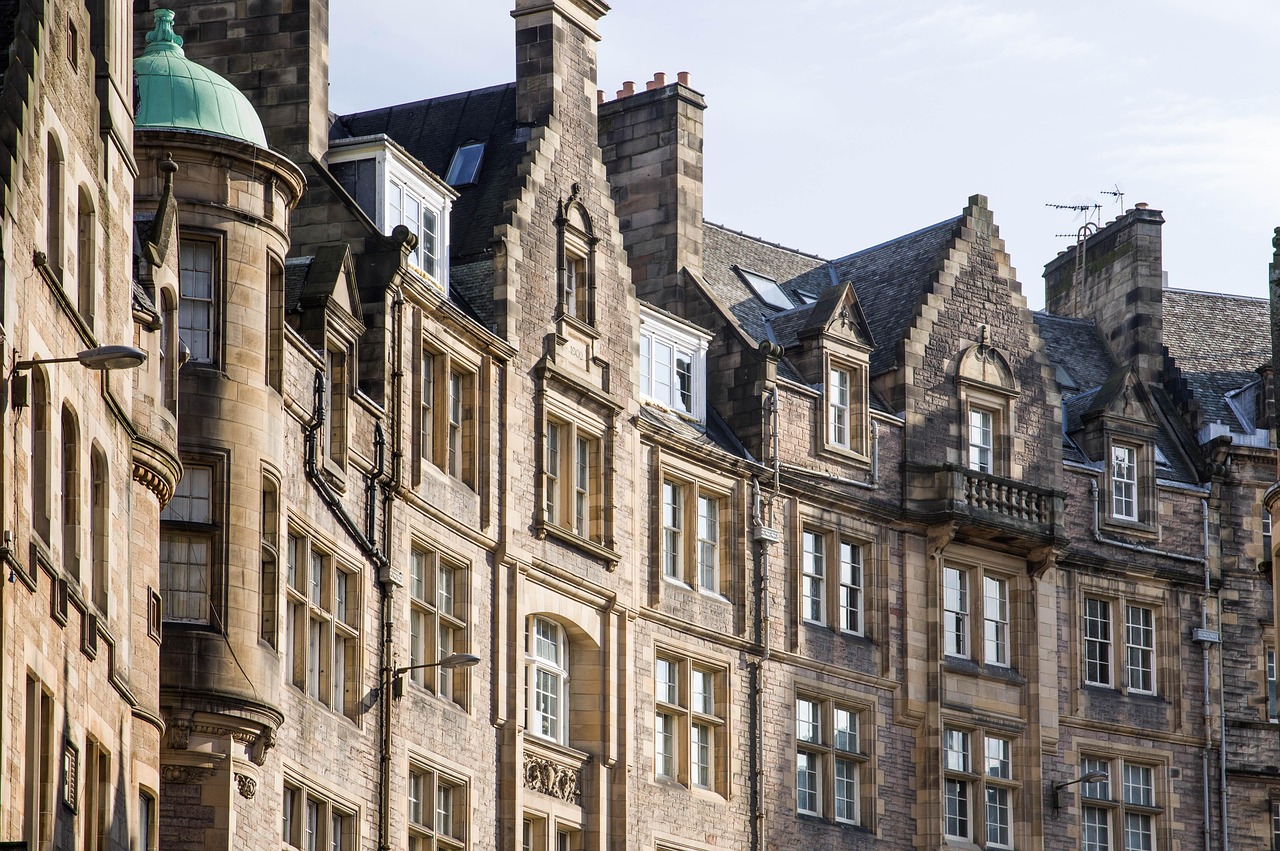

Walk the Royal Mile on any given morning and you’ll pass a dozen narrow openings in the stone without a second glance. Most visitors do. These are Edinburgh’s closes, the ancient alleyways that slice down and away from the main thoroughfare like veins from an artery, each one holding a distinct chapter of the city’s story.
In Edinburgh’s Old Town, particularly leading off the Royal Mile, these narrow alleyways and passageways are known as closes, or sometimes wynds, entries, or courts. They were often named after prominent residents or the trades that took place there, and that naming convention alone tells you a great deal about how the city once worked. With over 80 of these surviving passages and alleyways, there’s plenty to discover as you wander through the Old Town.
Mary King’s Close: The Street That Was Buried Alive
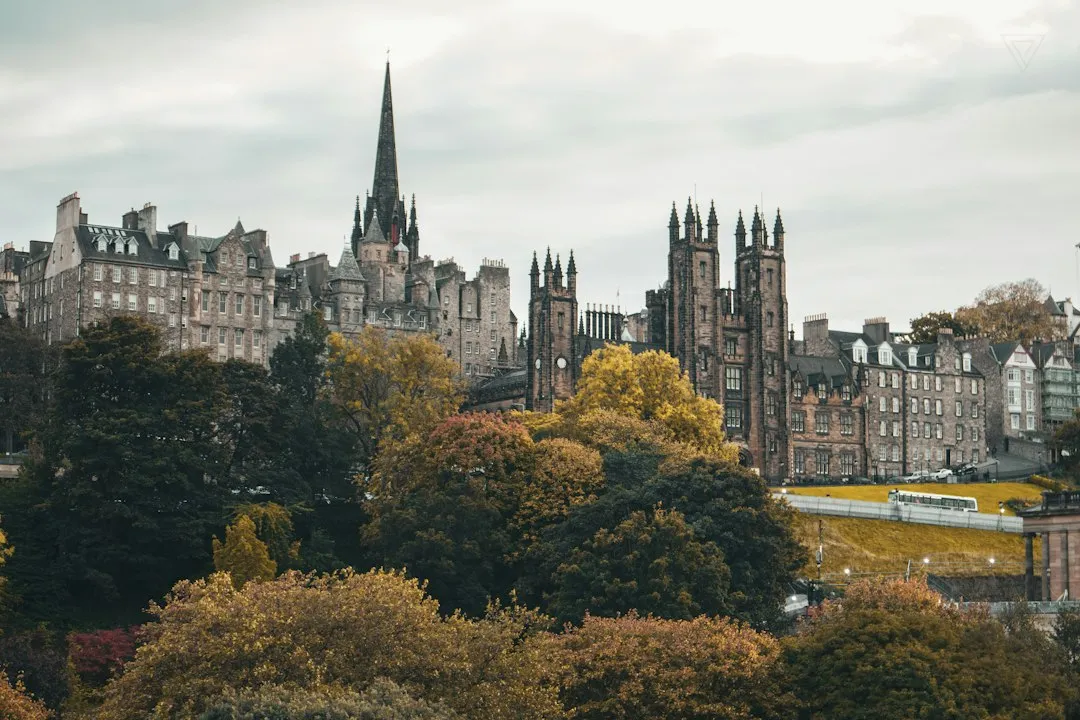
Mary King’s Close was named after a prominent businesswoman in the 1630s, who owned several of the properties within it. The close was buried under the Royal Exchange building on the Royal Mile and closed off to the public for 250 years, during which time locals spread rumours about the hidden streets, including ghost stories, crime tales, and stories of plague victims boarded up and left to die.
When archaeologists re-opened and explored it in the early 2000s, they revealed several shops, houses, and artefacts from its 17th-century residents. Reopened to the public in 2003, Mary King’s Close reflects the poverty and ill-infested Edinburgh of the sixteenth and seventeenth centuries.
The attraction’s scale of popularity speaks for itself. The Real Mary King’s Close recorded 106,477 guests across just one summer season, with admissions increasing by twelve per cent year on year across June and July. The close attracted visitors from more than 100 countries and territories in that same summer, underlining both Edinburgh’s continued international appeal and growing interest in the city’s hidden history.
Advocate’s Close: A View That Rewards the Climb
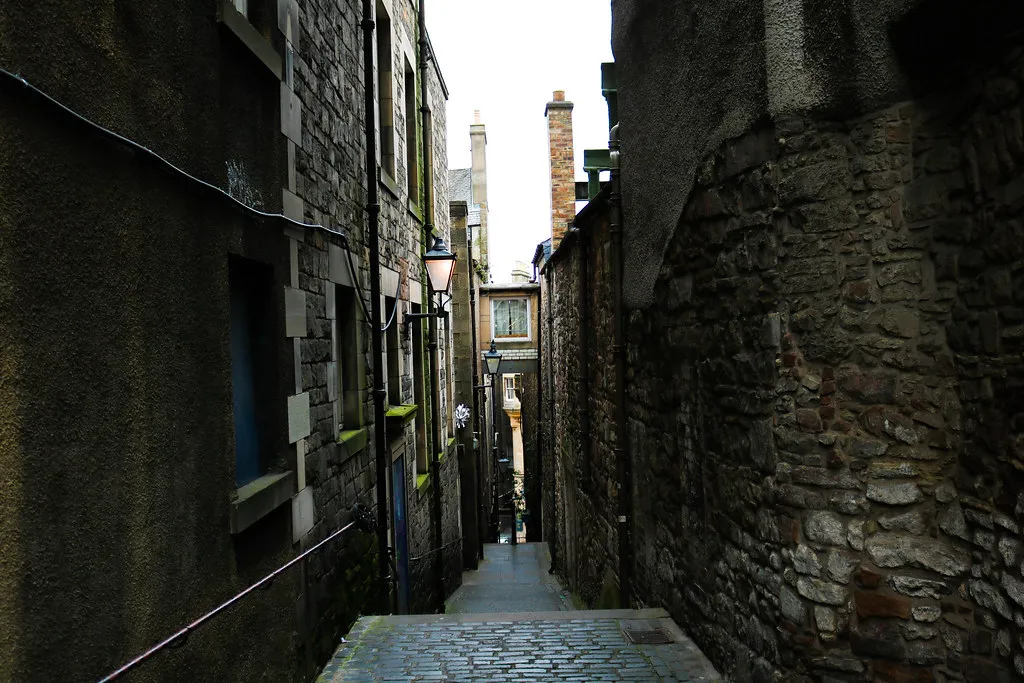
Advocate’s Close is a narrow and steep alley in Edinburgh of medieval origin, redeveloped in the early 21st century. The street dates from at least the 15th century, and at this time it was a fashionable address, where the Scottish gentry and professionals would live with their families and servants.
Advocate’s Close descends steeply from the High Street towards Cockburn Street and offers a famous framed view of the New Town and the Firth of Forth through its narrow gap between towering tenements. Viewing from the Royal Mile down the close, it perfectly frames the Scott Monument. It’s one of those rare spots in the city where the architecture itself becomes the lens.
The name comes from the Lord Advocate of Scotland, whose house was located there. Many buildings on the west side of the close were removed in the 1920s, which revealed that celebrated framed view of the Scott Monument from the Royal Mile. That removal was a loss in one sense and a gift in another.
Fleshmarket Close: Blood, Trade, and Crime Fiction
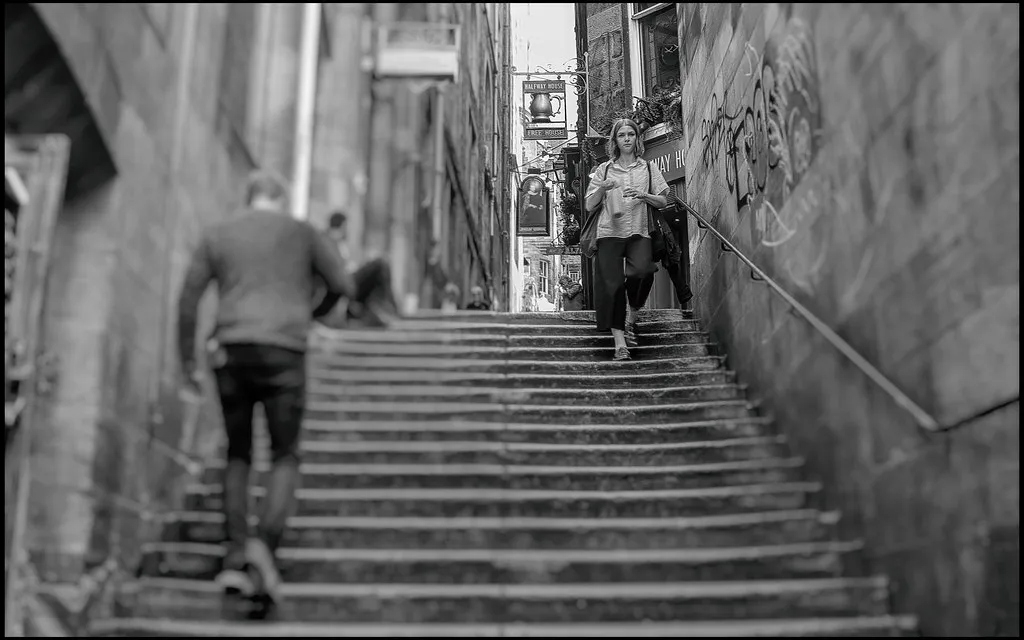
Fleshmarket Close in Edinburgh’s Old Town is named after the former meat market and slaughterhouse located there, a significant part of the city’s history. The close was a vital part of the city’s food supply, with meat often being hung down the alley and blood dripping down the steep incline of the lane to drain naturally down to the lake in the valley to the north of the city. It is, without question, one of the more visceral origin stories attached to any alley in Britain.
Fleshmarket Close is a narrow alley of medieval origin that leads up from Edinburgh Waverley Station’s Market Street exit and joins with Cockburn Street leading to High Street and the Royal Mile. Historically, it was also the residence of Henry Dundas, Viscount Melville, one of the most powerful political figures Scotland has ever produced.
Crime writer Ian Rankin, who lives in Edinburgh, sets his Inspector Rebus stories in the city and often uses its real-life locations, including one novel entitled Fleshmarket Close after this dark and brooding passageway. The close now carries two layers of history: the medieval and the literary, each lending weight to the other.
Riddle’s Court: Where a King Once Dined
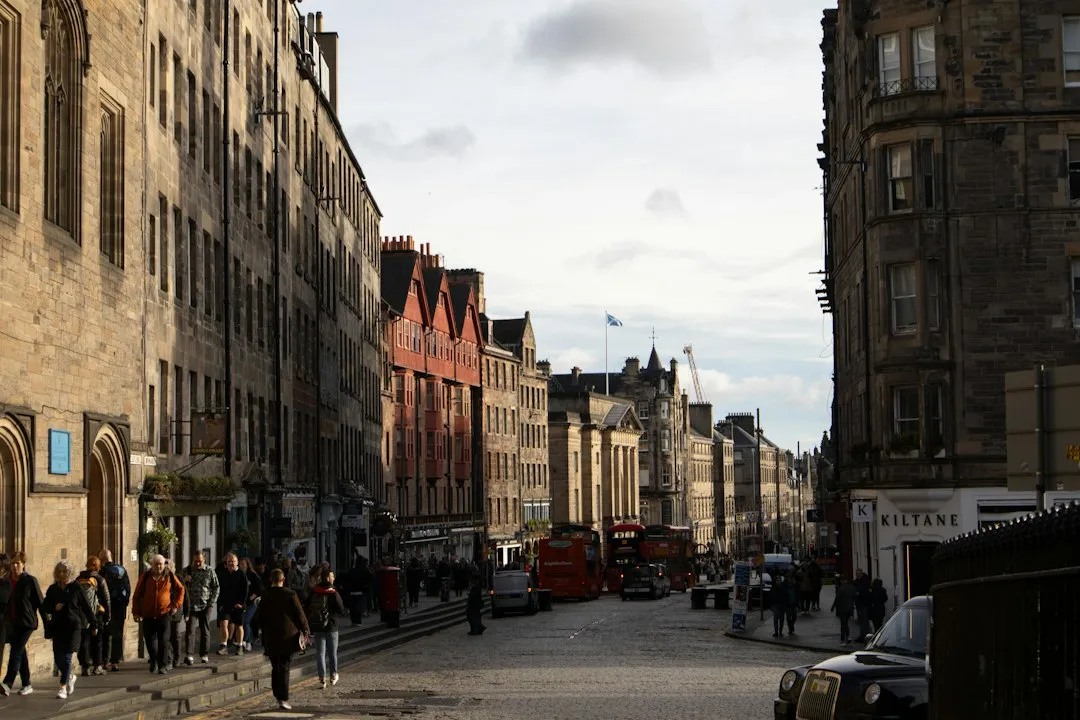
Riddle’s Close, located on Lawnmarket, was initially a mansion house complex built by Baillie John McMorran in the 1590s, later becoming known as Riddle’s Court after George Riddle’s reconstruction in 1726. Few structures on the Royal Mile carry that kind of layered ownership history, and fewer still have hosted royalty.
Riddle’s Court has a distinguished history, including playing host to King James VI and his wife Anne of Denmark at a royal banquet in 1598, and it also became the residence of David Hume, philosopher and historian, in 1751. Two of Scotland’s most consequential intellectual and political eras, connected by a single courtyard.
The building is also closely linked to Patrick Geddes, the philanthropist, educator, and town planner, whose principle of conservative surgery aimed to preserve the most historically significant parts of Old Town buildings by demolishing more dilapidated sections, making what remained more hygienic. He converted the main part of the building into one of Edinburgh’s first student halls of residence.
Dunbar’s Close and Its Secret Garden
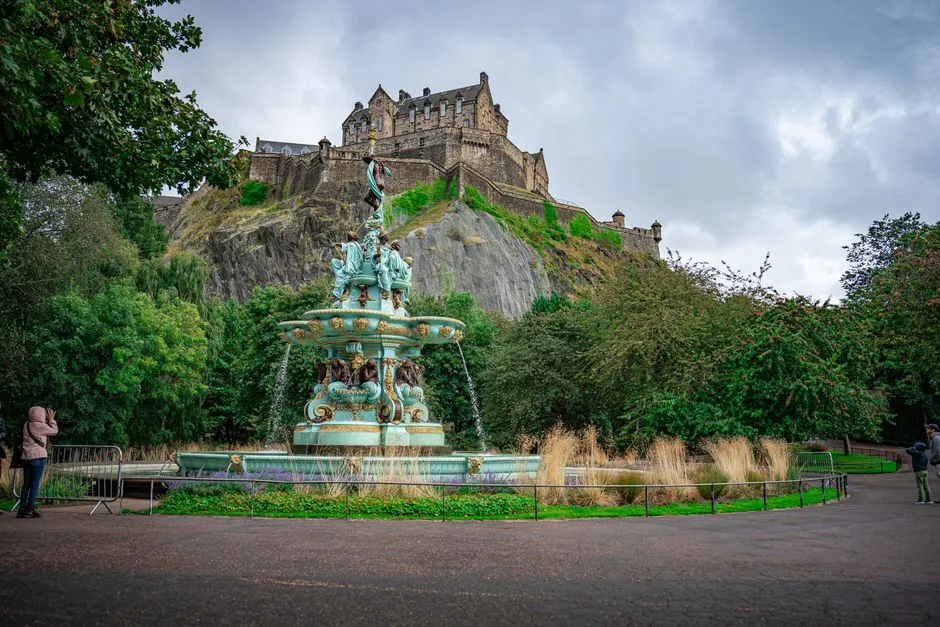
Dunbar’s Close is named after a solicitor and writer, David Dunbar, who owned the buildings around it in the late 1700s. Nearby, in 1786, Robert Burns is known to have visited Mrs. Love’s oyster cellar to enjoy the wine, women, and song. That detail alone makes it worth a slow wander.
The close leads to one of the city’s hidden gems, a quiet formal garden just off the bustling Royal Mile. Tucked away behind the close, Dunbar’s Close Garden is designed in a 17th-century style, although it was actually created in 1979. The garden is free to enter and provides a peaceful escape from the busy city.
In recent years, the close has gained recognition as a filming location for the Outlander TV series, where it became the setting for an old-fashioned print shop. Its atmospheric, cobbled passageways make it a picture-perfect spot, taking you back in time to the 16th century. The overlap of a free hidden garden and a recognizable filming location makes this one of the most rewarding stops on the Royal Mile for those who take time to step off it.
What a “Close” Actually Means
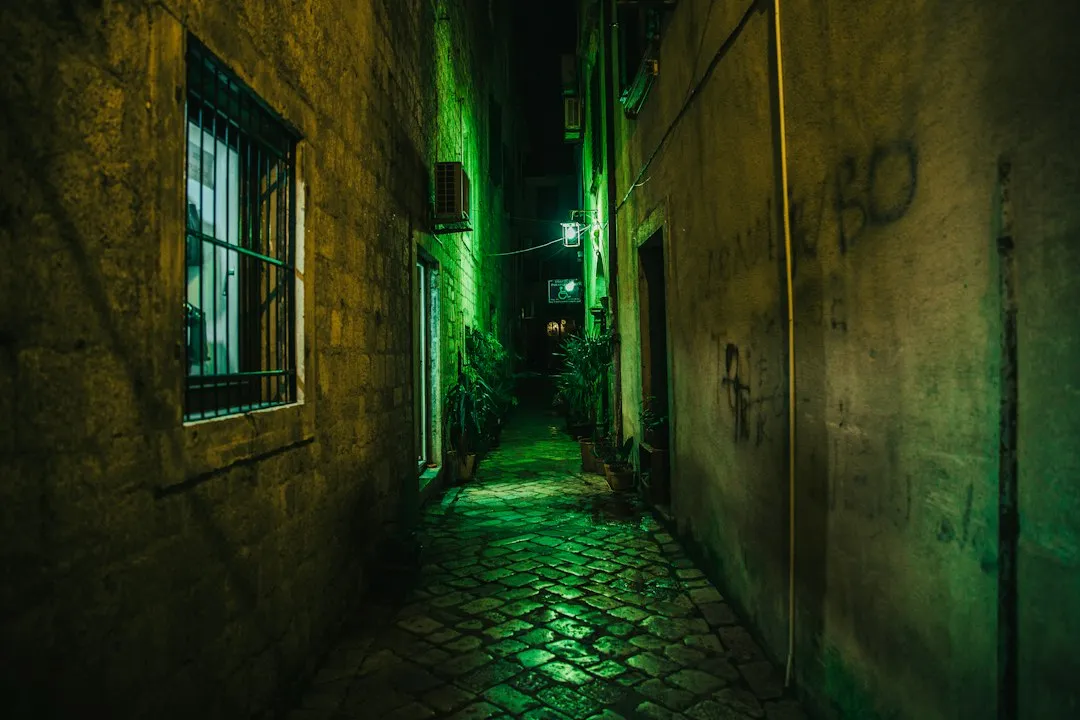
The closes date back to medieval Scotland and were narrow access paths for residents whose homes were deeper off the Royal Mile. Since these passageways were intended to access private residences, their entranceways would be closed at night. That nightly closing is where the name itself likely originates.
A close was otherwise an alleyway that was privately owned and often gated, more often than not named after the owners of that specific location, who were usually distinguished families or families of a reputable trade. The closes reflect medieval town planning, where space was at a premium within the city walls and vertical expansion and tight passages optimized land use.
The Social History Written Into Stone
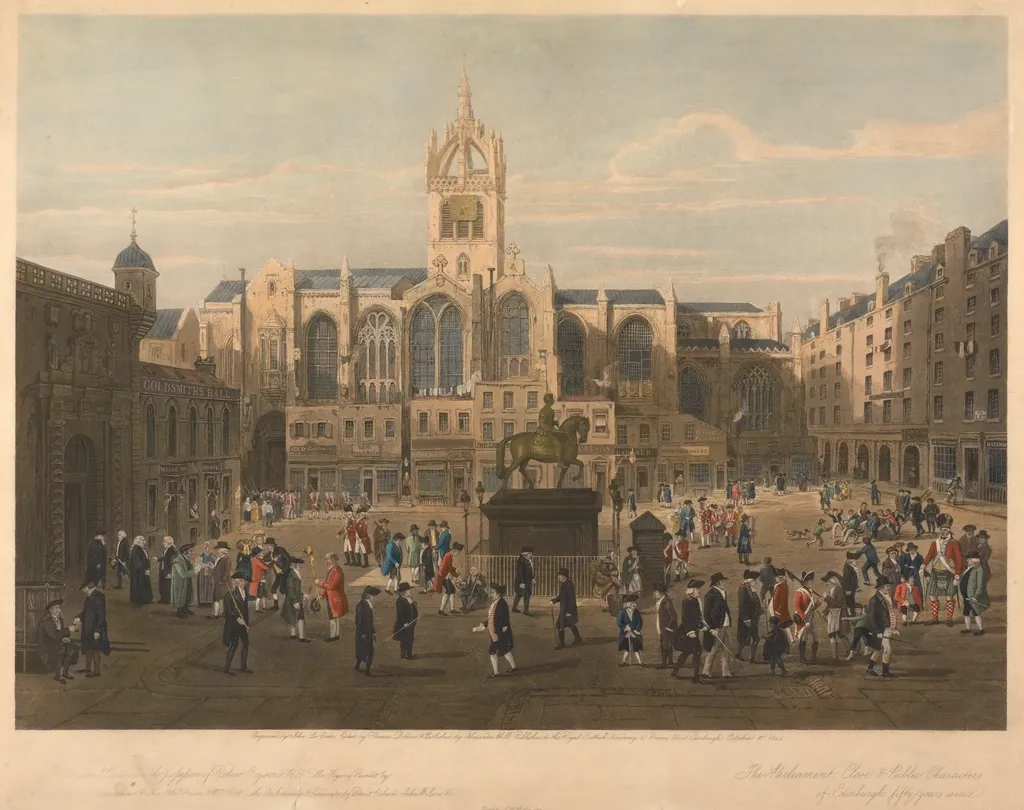
The closes date back to medieval Scotland and were narrow passageways connecting homes to the Royal Mile. Once home to Edinburgh’s wealthy residents before becoming overcrowded slums, many were demolished over time. That social slide, from fashionable address to impoverished overcrowding, played out within a few generations in some cases.
Closes are a defining feature of the medieval layout in the oldest parts of the city. At one time, residents would have been densely packed into these narrow streets and alleyways. The sheer verticality of Edinburgh’s Old Town tenements, stacked many stories high along these slim passages, was a direct response to the city’s need to house more people within confined walls.
The Lost Close: Rediscovered Beneath a Police Station
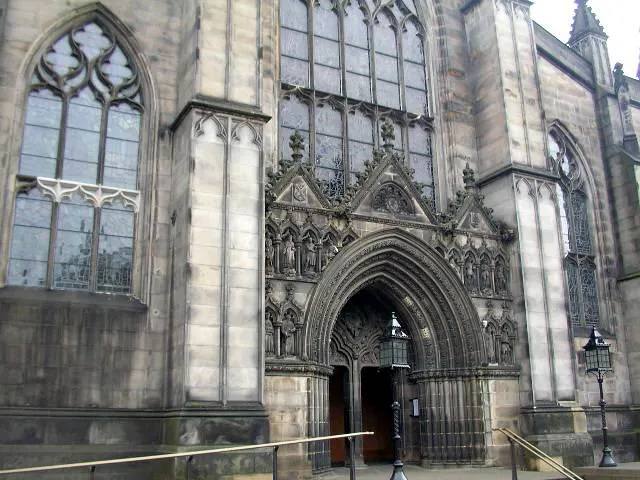
The site of the Lost Close is situated in Edinburgh’s historic Old Town, in a building that has served multiple functions over centuries. Much of the area around Parliament Square was devastated by the Great Fire of Edinburgh in 1824, which destroyed buildings east of the square and led to redevelopment and expansion of civic facilities.
In 1846, new courtroom and jail cell facilities were opened, part of which included what is now the Lost Close. A subterranean passage and series of vaults remained hidden for decades and were rediscovered during refurbishment works in the 2010s. The Lost Close was specifically rediscovered in 2019 during the refurbishment of the former Edinburgh police chambers and courtroom buildings to create CoDE Pod Hostel. History, in Edinburgh, tends to surface when you least expect it.
Lady Stair’s Close and the Writers’ Museum
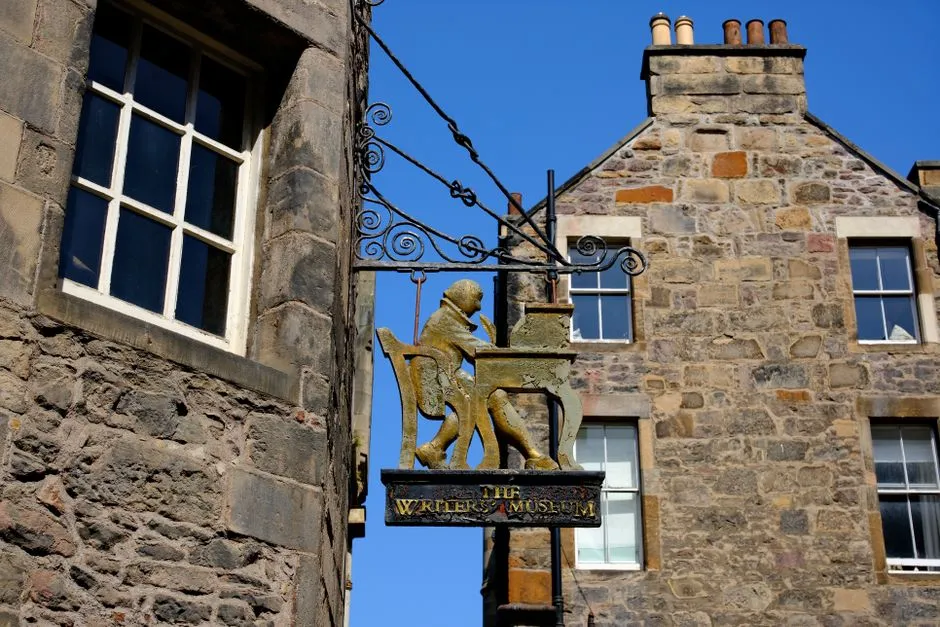
Lady Stair’s Close leads from the Lawnmarket to a beautiful courtyard containing the Writers’ Museum, which is housed in a 1622 townhouse called Lady Stair’s House. The museum is free to enter and focuses on the lives of Scotland’s three greatest literary figures: Robert Burns, Sir Walter Scott, and Robert Louis Stevenson.
The close itself is paved with flagstones inscribed with literary quotations from Scottish writers, so the instruction is simply to look down as you walk through. It’s one of those quiet, understated details that makes Edinburgh’s Old Town feel unlike anywhere else. The city doesn’t just remember its writers; it literally builds them into the ground beneath your feet.
How to Walk the Closes Responsibly
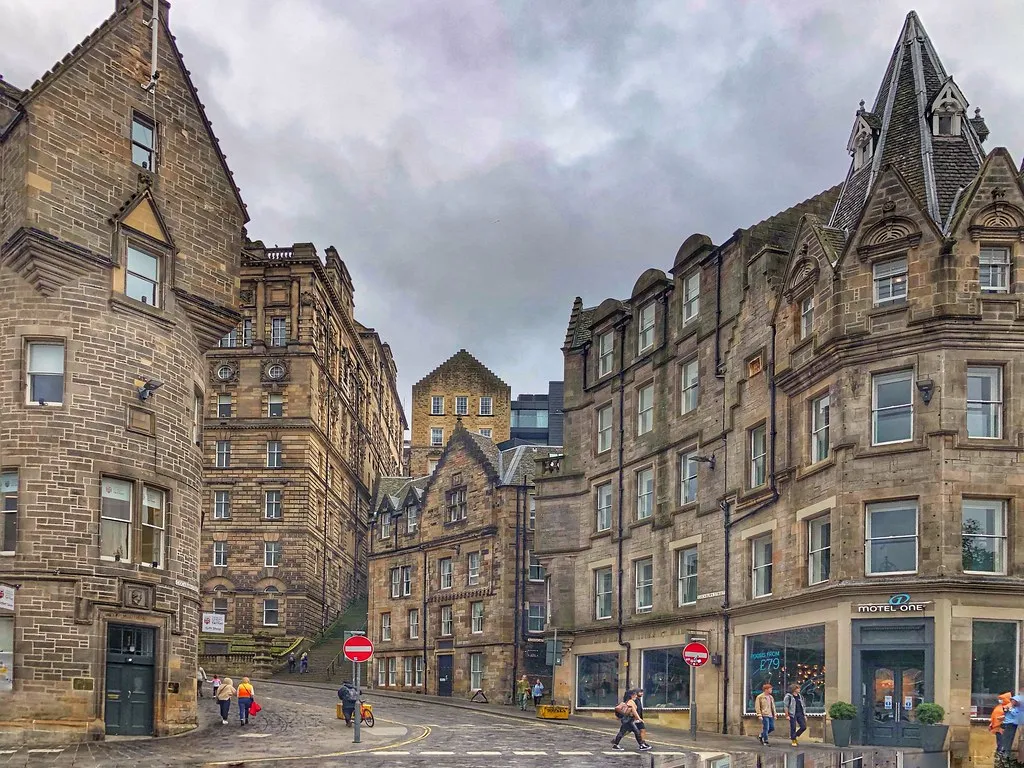
The Royal Mile is Edinburgh’s busiest tourist street, and during summer and the August festivals it can feel genuinely crowded. The most effective approach is to explore the closes and parallel streets rather than walking the main thoroughfare. This isn’t just practical advice; it’s how you actually see Edinburgh rather than simply passing through it.
Many closes offer free access to visitors, which means a thoughtful afternoon of self-guided walking costs nothing beyond a comfortable pair of shoes. The closes themselves are almost always quiet, even when the main street is packed. That contrast, between the noise of the Royal Mile and the sudden stillness of a stone-walled close just a few steps away, is something no guidebook fully captures.
Respecting these spaces matters, too. Many closes still serve as access routes for residents, and a few lead to private courtyards. Tread quietly, photograph thoughtfully, and remember that living communities sit behind these ancient walls, not just history.
The Takeaway
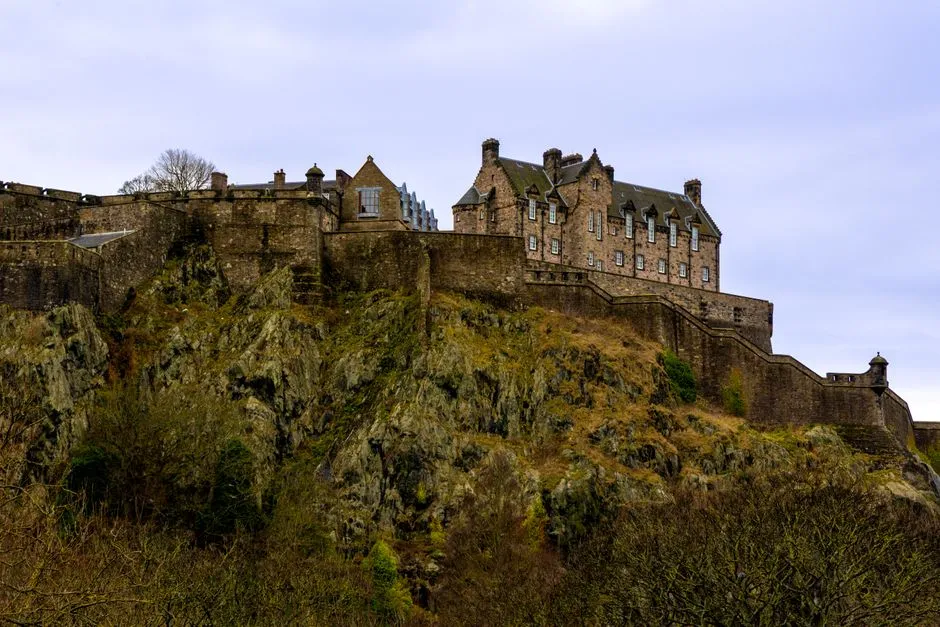
Edinburgh’s closes are not a tourist product. They are the city’s actual skeleton, the original bones of a medieval capital that simply kept building upward and forward without ever quite erasing what came before. The five profiled here each carry a distinct character: royal banquets, buried streets, medieval trade, hidden gardens, and rediscovered vaults.
What they share is an instinct worth borrowing. The best of Edinburgh doesn’t announce itself. It waits in the gap between two buildings, at the top of a steep stone stair, or beneath a pavement you’ve walked over a dozen times without knowing what lies underneath. All you have to do is turn off the main road.
AI Disclaimer: This article was created with the assistance of AI tools and reviewed by a human editor.