
Saunas are one of those rare places where people genuinely go to feel better, and they usually do. The research backs it up, the tradition goes back centuries, and the ritual itself is beautifully simple. So it’s a bit ironic that walking into one for the first time can feel quietly stressful if nobody told you the rules.
Most first-timers assume sauna etiquette is intuitive. It isn’t. The rules are unwritten, culturally specific, and vary more than most people expect. These ten points cover exactly what gets people into trouble, and how to get it right from your very first visit.
Skipping the Pre-Sauna Shower

Showering before you enter is the single most important hygiene habit in a public sauna, and it’s non-negotiable in Finnish sauna culture and in most Australian gym and spa facilities. Most first-timers walk straight in from the locker room without a rinse, which is the most common mistake there is.
Sweat, deodorant, body lotion, and strong fragrances are all amplified by the hot air. What’s barely noticeable at room temperature becomes a real problem for everyone else at 170°F.
A thorough shower with soap, along with removing all jewelry and metal accessories, forms the foundation of proper prep. Showers remove oils and lotions, helping the body sweat effectively.
Not Sitting on a Towel

At minimum, bring a towel to sit on. It’s mandatory in most public saunas. This surprises more first-timers than you’d expect, since it seems like an optional comfort thing. It isn’t.
It’s good etiquette to lay down a towel before planting yourself on the bench. Not only is this hygienic, but it provides a buffer between you and the hot wood, and it soaks up your sweat as you sit, which everyone around you will appreciate.
Staying Too Long on Your First Visit
Mayo Clinic Proceedings recommends first-timers start with five to ten minute sessions and build up to 15 to 20 minutes as heat tolerance increases. Trying to outlast the regulars on your very first go is one of the more common and avoidable mistakes.
Most research studies showing cardiovascular and mental health benefits used sessions lasting 20 to 30 minutes. Beginners should start with 10 to 15 minute sessions and progressively extend duration as heat tolerance improves. Sessions exceeding 30 minutes don’t necessarily provide additional benefits and may increase dehydration risk.
Passing out in the sauna can happen if you stay too long or stand up too quickly. Fainting is dangerous because you could fall and hit your head on hard surfaces. Always listen to your body and step out if you feel dizzy.
Bringing Your Phone Inside

Phones are rarely allowed inside the hot room, as heat damages electronics. Many lounges also maintain strict no-photo policies to protect the privacy of other guests. This rule exists for practical and ethical reasons, yet plenty of first-timers still walk in with their phones in hand.
Temperatures above 150°F damage batteries and screens, so the hardware argument alone should settle it. Beyond that, the social contract of a shared sauna space is one of calm and mutual respect, and a glowing screen disrupts that quickly.
Research published in March 2025 in JMIR Mental Health found that quiet environments measurably reduce cortisol levels and improve heart rate variability. Noise cancels those benefits.
Ignoring the Dress Code

In traditional Finnish, Swedish, and Norwegian saunas, nudity is the norm and swimwear isn’t expected. This differs sharply from Australian and US facilities, where swimwear is typically required.
In Korean jjimjilbangs and Japanese onsen, nudity is customary in the bathing areas, and swimwear typically isn’t allowed at all, according to the Korean Tourism Organization. Walking in with the wrong assumption in any direction creates an awkward moment for everyone.
Dress codes vary significantly by country and facility. The safest move is to observe first and ask staff if you’re unsure. A quick question at the front desk takes about ten seconds and saves genuine embarrassment.
Not Hydrating Before You Go In
Sweating in a sauna can cause significant fluid loss. Drinking water at least 30 minutes before your session helps you stay hydrated. Alcohol and caffeine should both be avoided, as they can dehydrate you further.
According to the American Council on Exercise, gentle dehydration can occur after just 15 minutes in high heat, so topping up fluids beforehand makes cooldowns more pleasant. Most first-timers only think about water after the session, which is too late to fully compensate.
The National Athletic Trainers’ Association cautions that alcohol can compound dehydration and affect blood pressure after heat exposure. It’s worth treating pre-sauna hydration as seriously as you would before any physical activity.
Adding Water to the Stones Without Asking

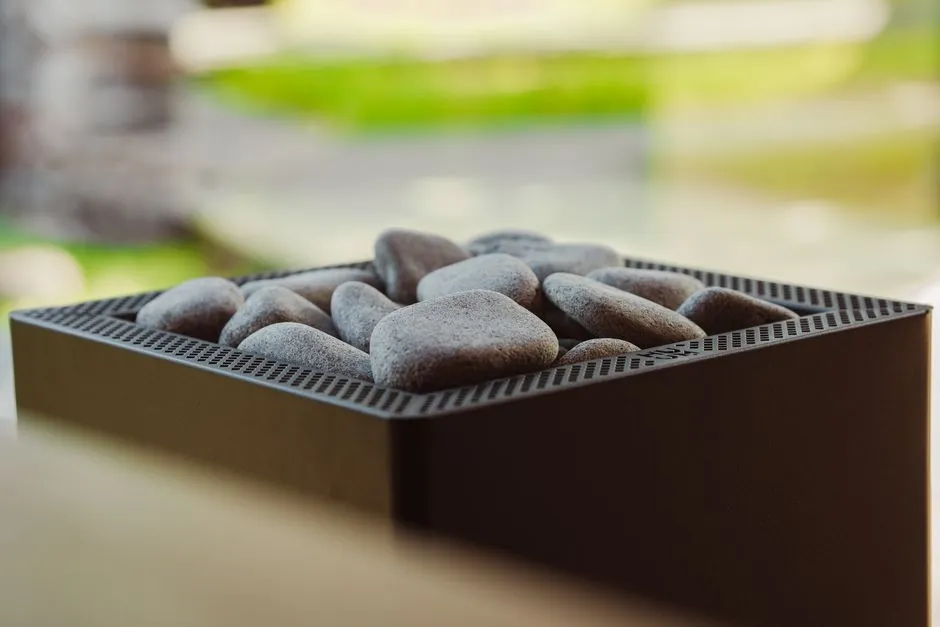
Steam is divisive in a shared sauna. Some people love a sudden burst of löyly, the Finnish word for the steam produced when water hits the heated rocks. Others find it overwhelming, especially if they’re already close to their heat limit.
Some people like pouring water on the rocks to release a soothing burst of steam. Others aren’t so keen, so for that reason you should ask everyone if it’s okay before dousing the stones with water.
Keep noise low, leave your phone outside, and ask before adding water to sauna stones. That last point is consistently underestimated. One quiet question to the other people in the room takes seconds and shows real consideration.
Holding the Door Open or Leaving Abruptly

The sauna door might seem like a minor thing, but it’s one of the most disruptive things you can do in a shared space. Every second the door stays open sends carefully built-up heat straight out of the room.
Hot air escapes to cold. It’s basic physics. A 2025 study published in Nature Communications showed that temperature fluctuations stress your cardiovascular system more than steady heat. Lingering in the doorway while chatting disrupts everyone else’s session and poses a real physiological concern.
Enter quickly, let the door click shut, and exit the same way. It takes a moment to get used to, but once you’re aware of it, the habit forms fast and the other regulars will notice the difference.
Making Too Much Noise

Quiet, low-key conversation is generally accepted, but the sauna is considered a space for reflection rather than socialising. Save longer conversations for the changeroom or lounge area.
A gym sauna in the US usually tolerates quiet conversation. A Finnish public sauna expects silence and means it. The safest move is to match the energy already in the room. If everyone is sitting quietly with their eyes closed, take that as your cue.
Studies from Luleå University of Technology found that people who take saunas regularly report better general health, higher energy, and reduced incidence of high blood pressure compared to those who do not. Those benefits are tied to full relaxation, and loud environments work against the very state you’re trying to reach.
Skipping the Cool-Down Between Rounds
Fifteen to twenty minutes per round, with two or three rounds and cooling breaks between, is the traditional Finnish approach and it holds up well in practice. Your body temperature needs time to regulate between sessions. Don’t push past lightheadedness trying to set a record.
Stand up gradually when exiting to avoid sudden drops in blood pressure. After stepping out, rest for a moment before showering or re-entering for another round. Quick, calm transitions help your heart rate stabilise.
A 2018 University of Eastern Finland study of more than 1,600 people analyzed over 15 years found that compared with people who took saunas once a week, those who used them two to three times weekly were notably less likely to have a stroke, and those using a sauna four to seven times a week reduced stroke risk dramatically. That kind of long-term benefit depends on using the sauna correctly and consistently, not aggressively.
The Bigger Picture
Sauna etiquette isn’t about rigid formality. It’s about protecting a shared ritual that genuinely works when people respect it. Saunas are increasingly popular worldwide, and the global sauna market is projected to grow from $126.55 billion in 2023 to $181.06 billion by 2028, which means more first-timers entering these spaces every year.
Three related 2026 studies from UK researchers, including teams from the University of Oxford and the University of Greenwich, showed that regular sauna use was linked to improved physical and mental wellbeing. Weekly sauna use was especially associated with higher physical wellbeing.
None of those benefits come from gritting your teeth through heat for as long as possible. They come from steady, respectful, consistent practice. Get the etiquette right from the start, and the sauna becomes one of the most rewarding habits you can build into a week.
AI Disclaimer: This article was created with the assistance of AI tools and reviewed by a human editor.