
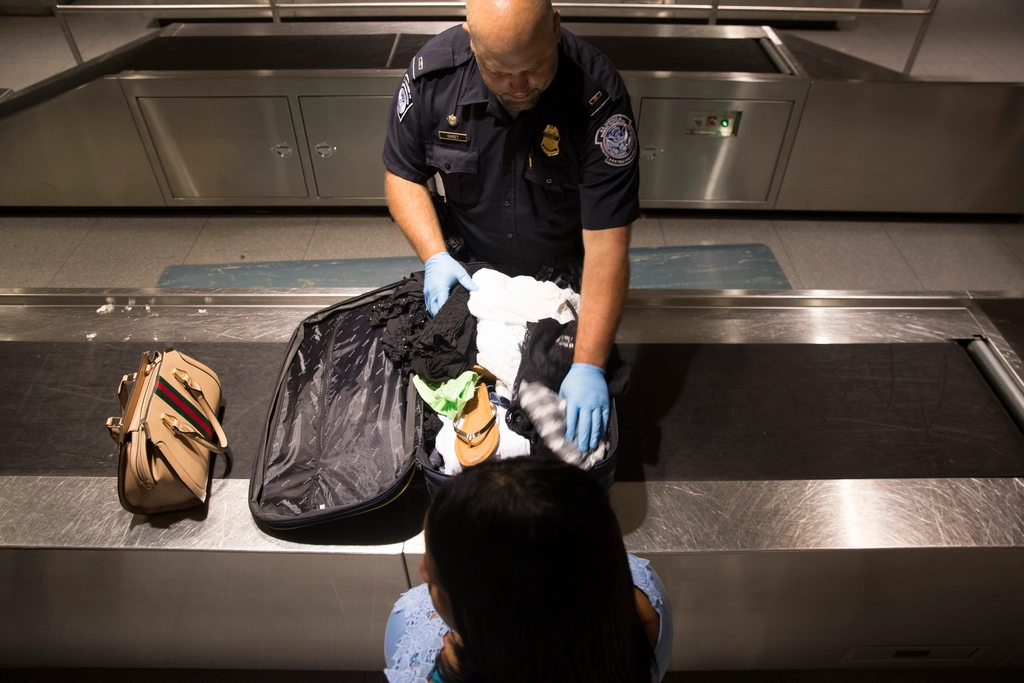

There’s a particular kind of freeze that happens at airport security. Someone steps up to the checkpoint and only then starts thinking about what they need to do. Belt comes off slowly, shoes follow, a jacket gets bunched into a bin, and the whole line behind them quietly exhales. That freeze is almost universally a sign of someone who doesn’t fly often.
The security line has a rhythm. Experienced travelers move through it almost automatically, having internalized a set of small habits that cost nothing to learn but make an enormous difference in how smoothly the process goes. Here are the ten dead giveaways that mark someone as a newcomer to the checkpoint, drawn from current TSA guidance and what actually happens at airports in 2026.
Waiting Until the Bin Area to Start Preparing
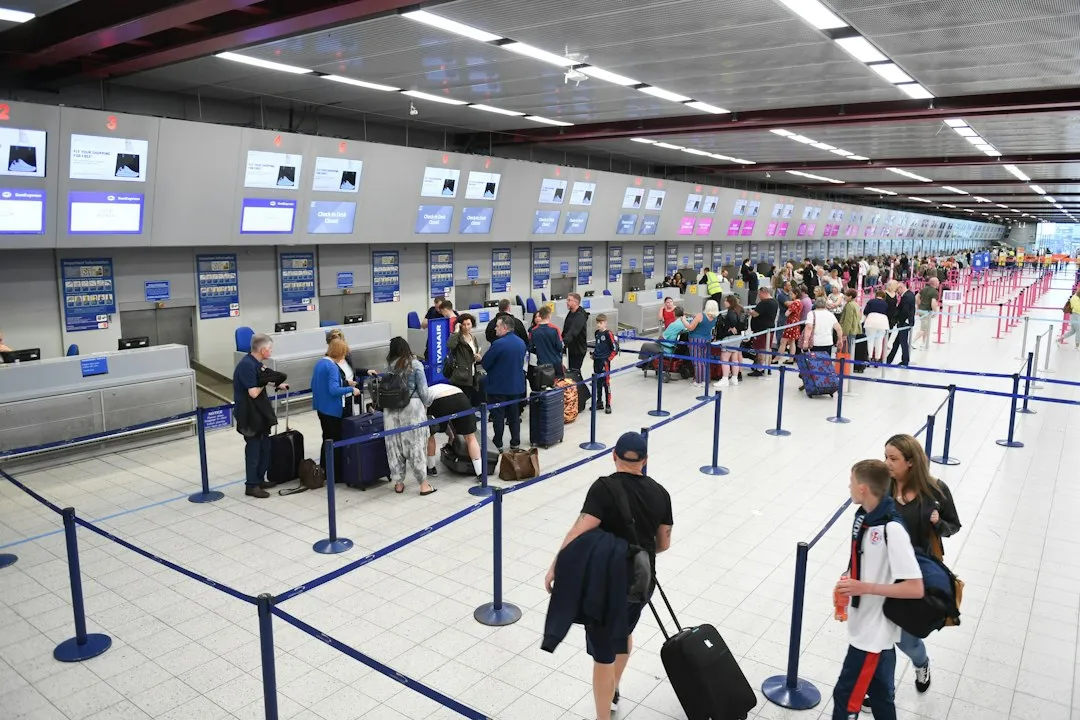
Nothing stalls a security line faster than someone reaching the bin area and only then realizing they’re wearing a belt with a metal buckle, a heavy jacket, or a watch that’s going to set off the metal detector. Experienced travelers start prepping two or three people back in line, pulling off layers and pocketing jewelry before it’s their turn.
Frequent flyers empty their pockets into their bag or a jacket before they’re even in line, not after the officer tells them to. It’s a small habit, but it’s the difference between walking straight through and standing there while a line of strangers waits behind you.
The prep happens in the queue, not at the belt. That single shift in timing is what separates the seasoned traveler from someone the line will remember.
Taking Off Your Shoes Out of Old Habit
The most visible change to the checkpoint in recent years is shoes. In July 2025, the Department of Homeland Security ended the shoes-off mandate that had been standard since 2006, and the change took effect nationwide and immediately. For most travelers at most checkpoints, your shoes now stay on.
TSA officers might still ask some travelers to remove shoes if extra screening is needed. The new regulations give officers flexibility based on security needs. So the default has genuinely changed, even if a small minority of lanes still operate the old way.
First-time flyers who’ve done their homework might actually get this right. It’s often the infrequent flyer who last flew a few years ago, still conditioned by a two-decade-old rule, who reflexively sits down to untie their boots while everyone else walks through.
Showing Up With a Non-Compliant ID
REAL ID enforcement is no longer a threat looming on the horizon; it’s the current reality at every domestic checkpoint. REAL ID enforcement began in May 2025, and as of February 1, 2026, travelers without a REAL ID-compliant driver’s license or acceptable alternative such as a passport face a $45 non-refundable ConfirmID fee to pass through security.
The ConfirmID process can take up to 30 minutes. That is a significant penalty in both money and time for something that is entirely avoidable with a bit of planning ahead of a trip.
Frequent travelers checked this once, updated their license or started carrying a passport, and haven’t thought about it since. People who are still surprised by it at the counter, asking what REAL ID even means, are revealing they haven’t paid attention to a change that’s now over a year old.
Fumbling for a Boarding Pass at the Document Check
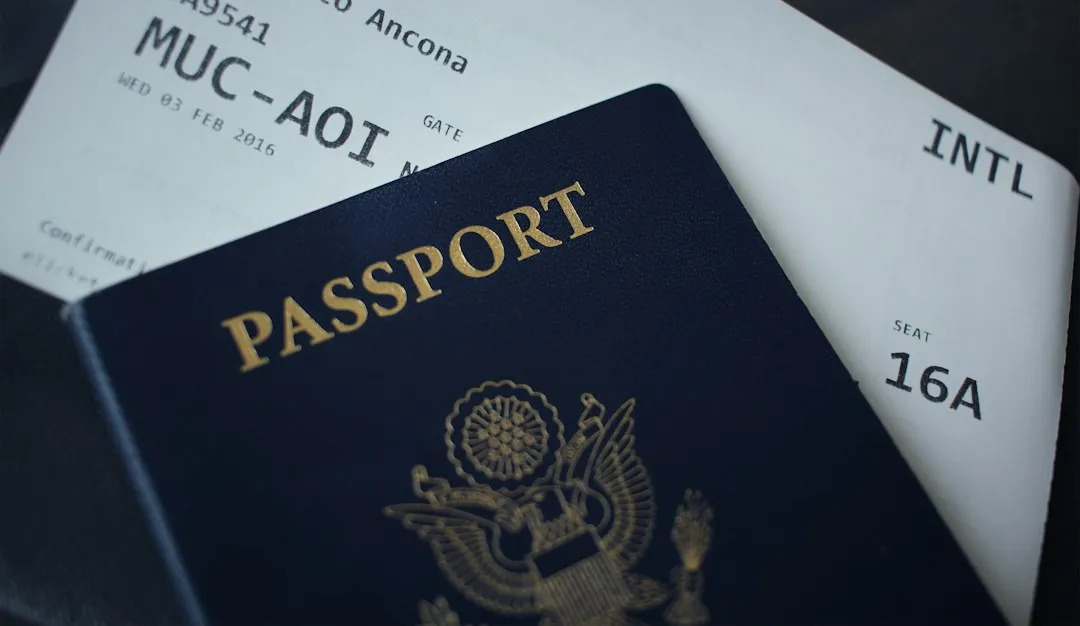
You had it on your phone 20 minutes ago. Now you’re swiping past 47 apps at the document check while the line backs up behind you. Incorrect booking details or unorganized documents lead to extra checks and missed flights.
The officer can’t wave you through until your pass is verified, and every second you spend searching gets shared with everyone behind you. Seasoned travelers have their boarding pass pulled up and their ID already in hand before they even reach the agent.
This one has become easier to solve with digital wallets, but only if you set up your pass before you’re standing at the podium. Pulling it up in line, not at the podium, is the move.
Not Knowing the Liquids Rule Still Applies at Most Lanes
New CT scanners at some airports create a 3D rendering of your bag’s contents, so at those locations, you may not need to pull liquids or laptops out. The standard 3-1-1 liquid rule, containers under 3.4 oz/100ml in one quart bag, is still the nationwide baseline everywhere else.
Laptops are the clearest tell of all. If the lane has a CT scanner, the laptop stays in your bag. If you are asked to take it out and lay it flat in its own bin, you are at an older machine, and your liquids almost certainly need to come out too.
The confusion is understandable given how much press the CT scanner rollout has received. The safe approach is to keep your liquids packed correctly regardless, then follow whatever the officer or signage says when you arrive at the lane.
Packing Prohibited Items Without Checking First
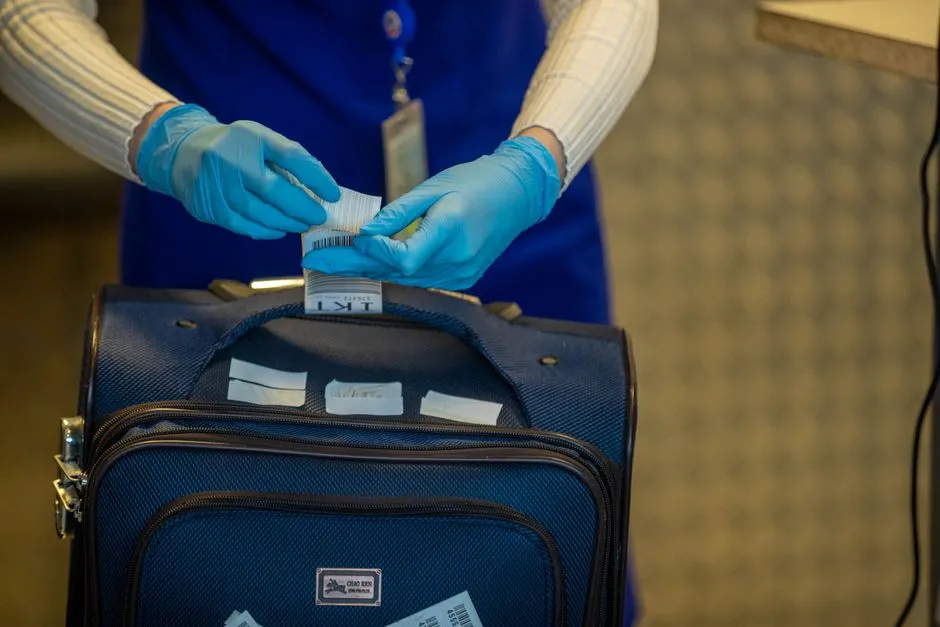
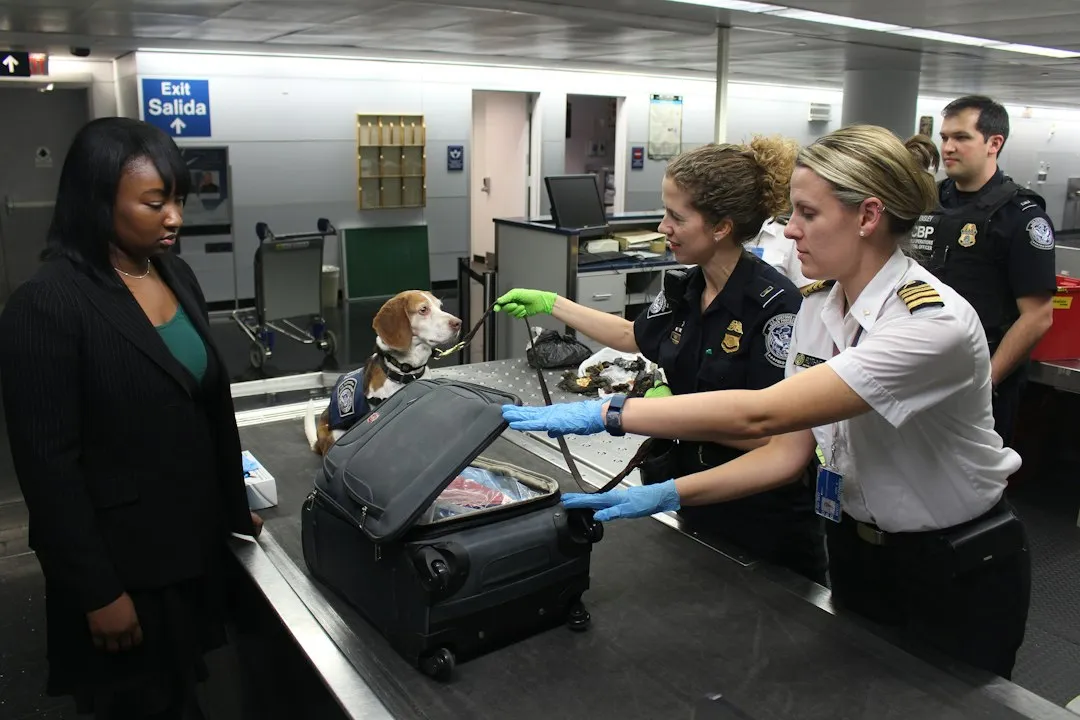
Prohibited items remain one of the biggest causes of delays at airport security, and TSA’s list is longer than most passengers realize. Many infrequent travelers pack banned items by accident, and some do it on purpose, betting they’ll slip through unnoticed, a gamble that almost always backfires.
In 2024, TSA officers screened 494 million checked bags and intercepted 6,678 firearms at checkpoints, most of them loaded. Most of those travelers reportedly said they were unaware the firearm was even in the bag, which is a stark illustration of how little some people review what they’re carrying.
If TSA detects a prohibited item, expect a long delay: a TSO will search every inch of your bag, and you may face an intrusive secondary screening with an enhanced pat-down. Checking TSA.gov before packing takes about two minutes and can save an hour of your morning.
Packing Battery-Powered Devices in Checked Luggage
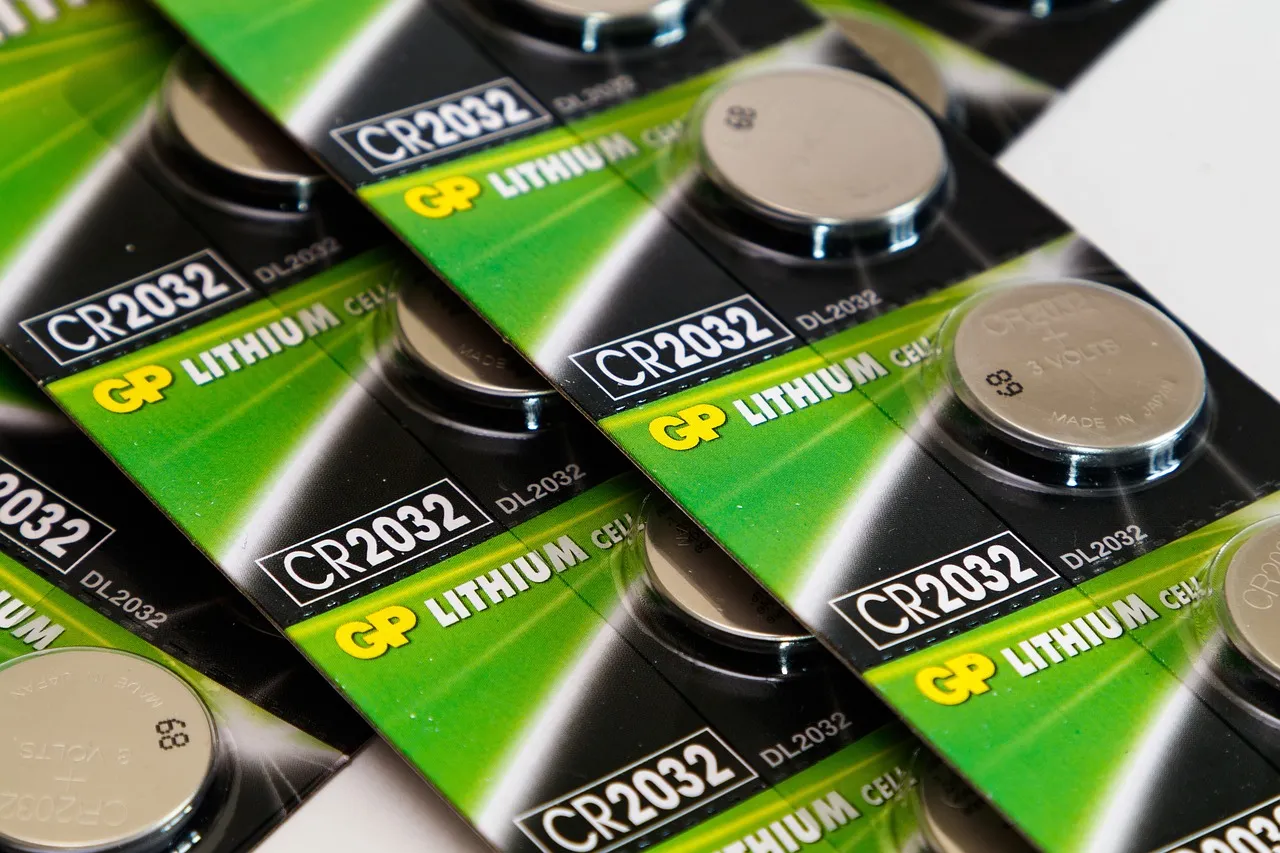
Electric toothbrushes, cordless flat irons, and curling wands seem harmless enough to toss in a suitcase that gets checked. That instinct is backwards, and safety officials have been increasingly vocal about it. Electric toothbrushes, cordless flat irons, and curling irons all contain lithium-metal or lithium-ion batteries, and the FAA issued a safety alert in 2025 after recording at least 50 incidents involving smoke, fire, or extreme heat from these batteries on flights.
The logic is that lithium battery fires in a cabin can be observed and suppressed. The same fire in a cargo hold is a much more serious problem. Any device with a lithium battery belongs in your carry-on, not your checked bag.
This isn’t a new rule, but it catches first-time packers off guard regularly. If you’re flagged for it at the check-in counter or the security lane, your bag gets pulled and the line behind you notices.
Forgetting That Name Mismatches Cause Real Delays
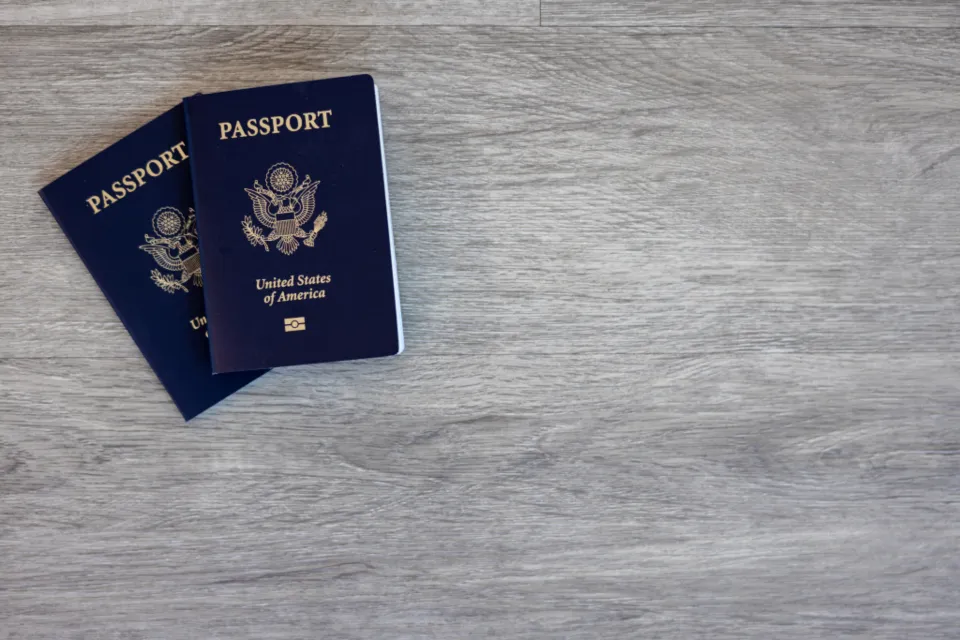
Name mismatches cause significant headaches. Booking a ticket exactly as your name appears on your government ID, with no shortcuts or nicknames, takes ten seconds to check and can save twenty minutes at the checkpoint. It’s a tiny detail that gets overlooked constantly, especially when people book through third-party travel sites where autofill can quietly shorten or alter a legal name.
A middle name dropped here, a hyphenated surname split there. These small discrepancies are enough to prompt additional verification and slow a whole line. The fix is checking the name field before confirming any booking.
Ignoring the Benefits of TSA PreCheck
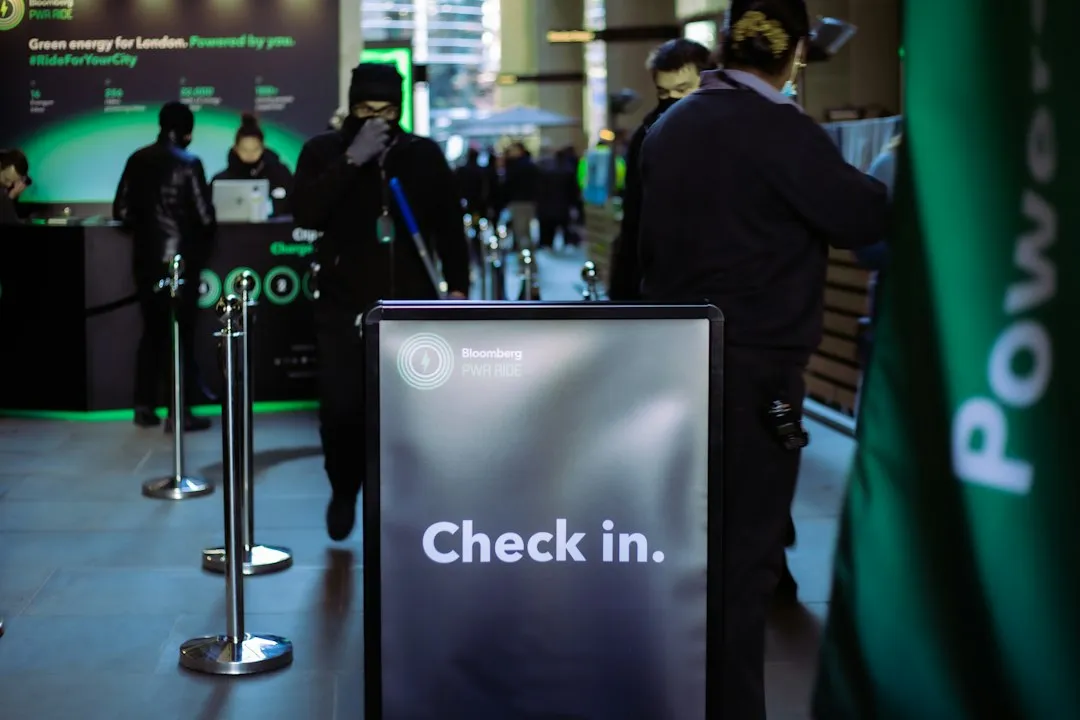
TSA PreCheck has passed 20 million members, part of more than 40 million people enrolled across all DHS Trusted Traveler programs. PreCheck lanes are designed to keep waits under 10 minutes, versus a 20-minute target for standard lanes.
Programs like TSA PreCheck, CLEAR, and Global Entry help, but even PreCheck holders suffer when they pick the worst travel windows. Still, for anyone who flies more than two or three times a year, the enrollment cost pays for itself quickly in time alone.
First-time flyers rarely sign up in advance because they don’t know what they don’t know. That’s fair. The second flight is the moment to look into it. The difference between a standard lane during a peak-hour surge and a PreCheck lane is something you feel immediately.
Underestimating How Long Security Will Actually Take
Over two million passengers a day were screened during the 2025 Christmas and New Year’s season. Airports are handling record crowds, and even on an unremarkable Tuesday morning, a standard security lane can move slower than expected.
Every mistake on the checkpoint list shares one root cause: people wait until they’re standing at the checkpoint to start thinking about what it requires. Former officers, current TSA spokespeople, and checkpoint data all agree on the same thing: your choices before you reach the scanner decide how fast you get through.
Most experienced travelers build in a buffer they almost never need. That’s the point. Arriving with time to spare means that even if something goes sideways, you still make your flight. First-timers tend to calculate the minimum. The minimum almost always turns out to be wrong.
The Takeaway
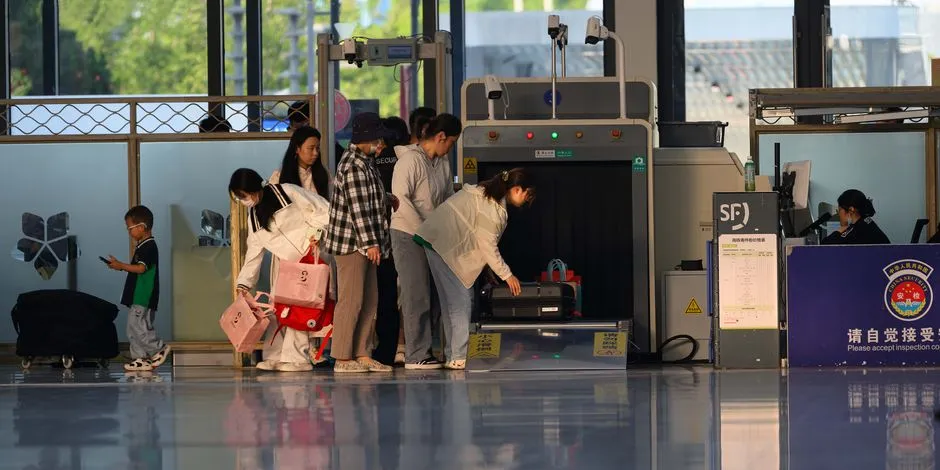
None of these habits are hard to learn. They’re just invisible until someone shows them to you, or until you’ve made each mistake once yourself. The security line is a system, and like any system, it rewards people who understand how it works before they step into it.
The good news is that most of these lessons only need to be learned once. A single trip where you prepped your ID in advance, had your boarding pass ready, and packed your liquids correctly will recalibrate how you approach every flight that follows. The checkpoint stops being stressful and starts feeling like a smooth transition between the terminal and the gate.
That ease isn’t a talent. It’s just experience, and it’s available to anyone willing to do a small amount of homework before they fly.
AI Disclaimer: This article was created with the assistance of AI tools and reviewed by a human editor.