


Road trips are back, in a big way. Recent data shows that nearly twice as many travelers chose to drive instead of fly in 2024, with road trips accounting for roughly two in five travel choices. That is a meaningful shift, and it reflects something real: the appeal of setting your own pace, pulling off when something looks interesting, and arriving somewhere on your own terms.
The challenge, of course, is the actual driving. A long stretch of highway can wear you down fast if you’re not prepared for it. But it doesn’t have to. The difference between a drive that grinds on you and one that flows has a lot to do with habit, not luck. These five practices, grounded in research and real experience, genuinely change how a long drive feels.
1. Build a Thoughtful Audio Experience Before You Leave
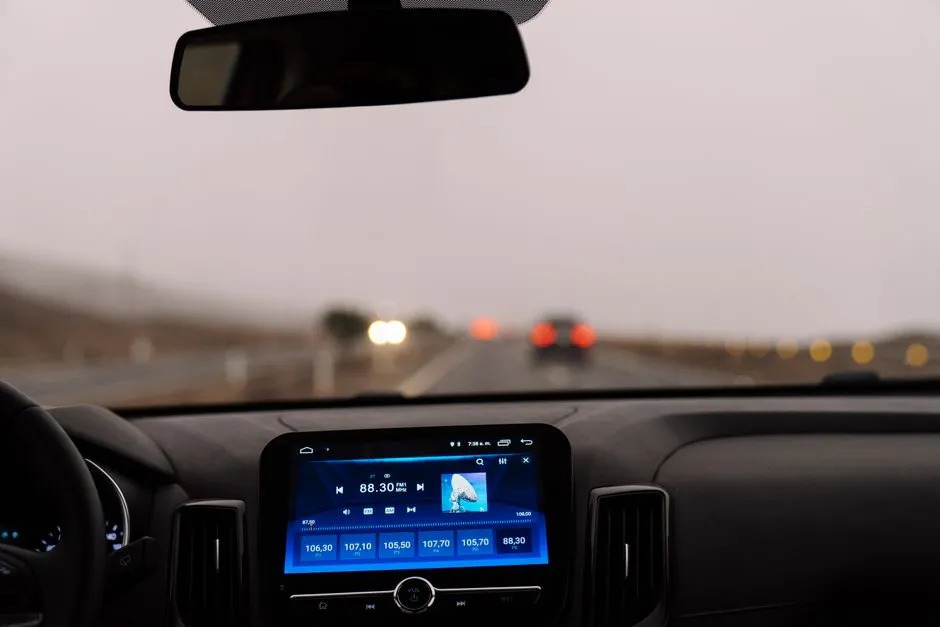
The audio you choose for a road trip matters more than most people realize, and the right book, podcast, or app can make a six-hour drive feel like two. That’s not an exaggeration. Engagement is the key word here. When your mind is pulled into a story or a compelling conversation, time stops feeling like something you’re measuring.
The road trip audio landscape in 2026 breaks into three distinct categories: audiobooks for sustained narrative immersion, podcasts for episodic variety, and location-based audio apps that sync stories to your GPS position. Mixing all three across a long drive keeps things from getting stale.
There’s a bit of nuance worth knowing, though. Low-tempo instrumental music at moderate volume is generally the least disruptive option for drivers, as it provides background stimulation without demanding active mental engagement. For more cognitively demanding stretches, like navigating a city or merging through heavy traffic, switching from a dense podcast to familiar music is a smart move. Download more episodes than you think you’ll need, because streaming in areas with poor cell coverage is unreliable, and buffering kills the mood.
2. Take Structured Breaks, Not Just Reactive Ones

Most drivers stop when they feel desperate: a full bladder, heavy eyes, or a gas gauge hitting low. Waiting that long is actually counterproductive. Most safety organizations recommend taking a 15-minute break every two hours of continuous driving. The logic behind this is physiological, not just common sense.
Driver alertness declines measurably after two continuous hours behind the wheel, impairing reaction time, hazard recognition, and decision-making speed, with cognitive deficits increasing crash probability at a rate comparable to alcohol-induced impairment at certain fatigue levels, according to AAA Foundation for Traffic Safety research. That’s a sobering fact.
Stepping out of the vehicle, even briefly, reduces eye strain and refreshes your focus, and planning scenic or interesting stops can turn rest breaks into enjoyable moments rather than interruptions. This reframe matters. When a break becomes something to look forward to rather than a concession to tiredness, the entire drive feels different. A combination of short 15 to 20 minute breaks every two hours, with longer 30 to 60 minute breaks every four to six hours, is the approach that best addresses both immediate fatigue and cumulative exhaustion.
3. Fuel Your Body With the Right Things

What you eat on a long drive is a decision you’ll feel in your body and your focus. What you eat and drink before and during a road trip has a direct impact on your energy, concentration, and reaction time. Most people don’t think about this until they’re already fighting a post-lunch slump somewhere in hour five.
Heavy meals loaded with carbs and sugar can leave you feeling sluggish, while dehydration can cause headaches and impair concentration. Dehydration alone leads to fatigue and reduced concentration, so drinking water consistently throughout the drive helps maintain energy levels.
Foods rich in protein, like nuts or yogurt, can provide a steady energy supply without causing drowsiness. The best road trip foods provide slow, steady energy instead of quick sugar spikes, and fruit is rich in natural sugars, fiber, and vitamins that support sustained alertness. Pack your own bag of snacks before you leave. Depending on a gas station for nutrition is a gamble you’ll usually lose.
4. Break the Drive Into Meaningful Segments

One reason long drives feel long is that they’re treated as a single, undifferentiated block. Eight hours is a brutal thought. But eight hours broken into four two-hour legs, each with a destination or a small reward at the end, feels entirely different. It’s the same psychology behind any goal you break into steps.
Limiting driving time keeps things easy and relaxed. It means you have time for a nice breakfast wherever you wake up. It means you can drive a couple of hours and stop for a leisurely lunch. That’s not wasted time. That’s the texture of the trip itself.
Research on time perception supports this, too. An unexpectedly long drive in one direction can create an illusion that the drive home is shorter, even when the time spent traveling is exactly the same. Expectation shapes experience. When you set realistic expectations for each segment and give each one a small purpose, the mental math changes completely. The miles accumulate faster when you’re not staring at how many remain.
5. Start Early and Work With Your Body’s Rhythms

Departure time is one of the most underestimated variables in a long drive. Starting early in the morning after a full night’s sleep is often a safer choice than beginning late at night. There’s also a practical bonus: early departures mean lighter traffic on most routes, cleaner air, and the quiet pleasure of watching a landscape slowly wake up.
Night driving between midnight and 6 AM, and afternoon driving between 2 PM and 4 PM, require more frequent breaks due to circadian rhythm effects. These are the windows when the body naturally wants to rest, and pushing through them is where fatigue becomes genuinely dangerous. Planning your drive so that the longest, most demanding stretches fall in the mid-morning or early evening can make an enormous difference.
There’s also a mental freshness factor at play. Spending hours behind the wheel places physical and mental demands on your body, and poor posture, constant road noise, vibration, and mental fatigue can build up quickly, even for experienced drivers. Starting fresh means those cumulative effects hit later, giving you more good hours on the road before they do.
The Takeaway

A long drive is, at its core, a management problem. You’re managing attention, energy, comfort, and time perception all at once. The good news is that none of these habits require much preparation. A downloaded playlist, a bag of almonds, a rough plan of where you’ll stop, and a sensible departure time can transform hours of monotonous highway into something that actually passes.
Long drives can be some of the most rewarding travel experiences, but they become tiring when comfort and planning are overlooked. Whether you’re heading out on a weekend getaway or crossing multiple states, how you prepare for the journey matters just as much as the destination. The road is still one of the best ways to see a place. It just asks a little intentionality in return.
AI Disclaimer: This article was created with the assistance of AI tools and reviewed by a human editor.