


There’s an unspoken art to choosing the right cabana row. Most beachgoers grab whatever is available, set down their towels, and call it a day. Meanwhile, the people who work these beaches for a living, the attendants who spend entire summers reading the wind, the sand, the tide, and the sun, know something the average visitor simply doesn’t.
Their collective wisdom points to one consistent truth: not all rows are created equal, and the difference between a sweltering afternoon and a breezy, comfortable one often comes down to a few dozen feet of positioning.
Why the Ocean Breeze Behaves the Way It Does
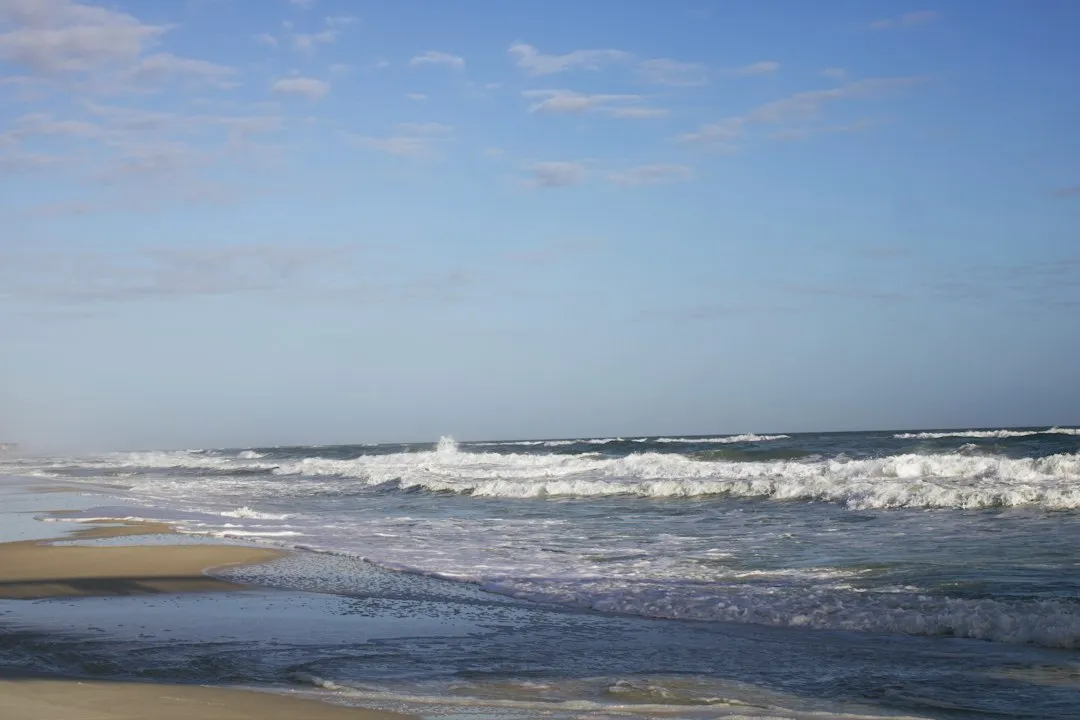
Understanding where the best breeze sits on any given beach starts with understanding what creates it. The difference in air pressure above the beach and the ocean is what causes the air movement we perceive as wind, and in an attempt to balance those pressures, air from the high-pressure ocean zone rushes toward the low-pressure beach zone, producing the cool breeze that blows from the ocean toward the shore.
The strength of the sea breeze depends on the difference in temperature between the land and ocean, with higher temperature gradients leading to stronger winds. This is why on an intensely hot summer day, the breeze often arrives with more force than on a milder one.
The land heats up first in the morning, creating a low pressure zone, while the ocean heats up much slower and becomes relatively cooler, making it a high pressure zone. The air moves from the water to the land each morning forming a sea breeze, though these pressure zones might equal out later in the day and the winds may diminish.
The Front Row Is Not Always the Winner
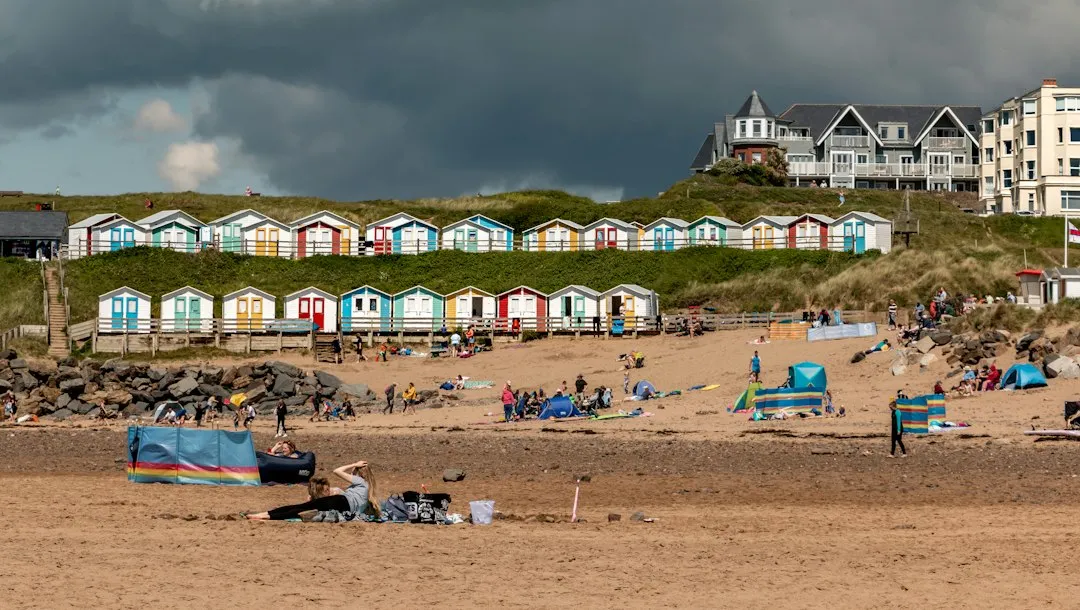
Many guests assume the front row, closest to the waterline, must receive the strongest and most consistent breeze. Experienced cabana attendants tell a more nuanced story. The very first row of cabanas is often exposed to salt spray and occasional wave wash, especially during high tide or windy days.
Thinking carefully about distance from the water matters greatly, and aiming to set up at least ten to fifteen feet from the shoreline gives you great ocean views without risking exposure to high tide or spray. The sweet spot, according to seasoned attendants, tends to sit in the second or third row back, where the breeze still flows unobstructed but the chaos of the shoreline is less intrusive.
Before setting up any structure, taking a few moments to scout the ideal location is critical, because where you place it can make or break your beach day. Attendants who know their beach well do exactly that assessment, every single morning, before the first guests arrive.
How Topography Quietly Shapes the Wind
Mountains or hills near the coast can enhance or disrupt sea breezes by blocking or channelling the airflow. On flat, open beaches, this effect is minimal. On beaches backed by dunes, boardwalks, or coastal buildings, however, the terrain changes everything.
Cabana rows that sit in the shadow of a boardwalk structure or a high dune wall lose significant airflow. The wind gets deflected upward or pushed sideways, leaving those back rows warmer and considerably stiller than the open rows closer to the water’s edge. Attendants at such beaches consistently steer guests away from these sheltered positions if comfort is the priority.
On beaches with a straight, open coastline, the breeze behaves more predictably. The sea breeze system occurs at coastal locations throughout the world, and cool marine air propagates inland when a cross-shore pressure gradient is created by daytime differential heating. A clear, unobstructed shore gives that gradient the best possible runway.
The Role of Wind Direction in Choosing Your Row
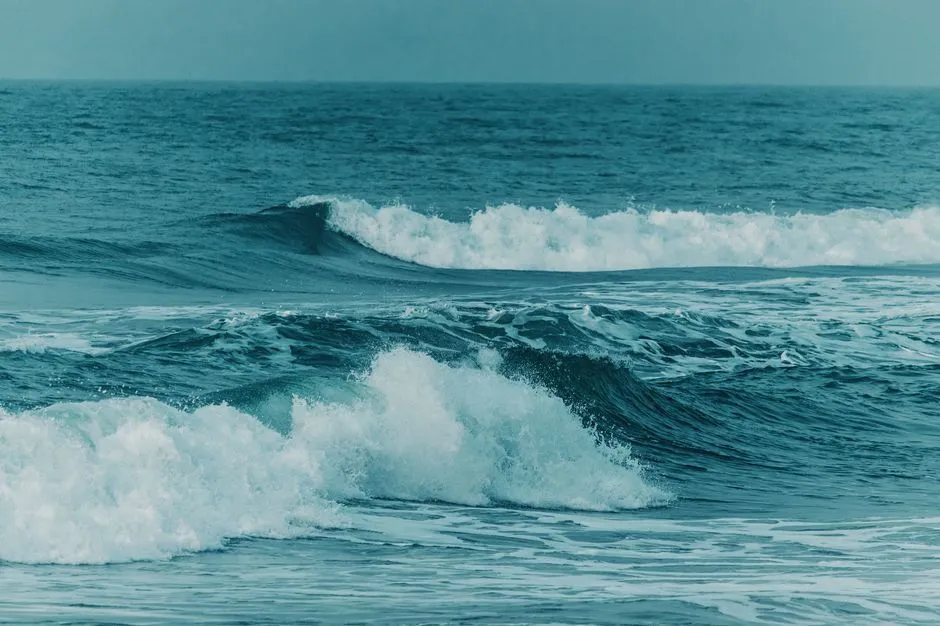
Wind direction is surprisingly pivotal in determining the ocean temperature off the shore each summer, and it plays a significant role in setting the overall beach conditions each day as well. Attendants who pay attention to the morning forecast use this information to recommend specific rows before the day even heats up.
On the sand, a wind from the southeast is a sea breeze, keeping the shore refreshingly cool compared to the mainland. Rows oriented to receive that directional flow directly, rather than at an angle, will feel noticeably more comfortable over the course of a long afternoon.
In summer, an ocean breeze from the northeast, east, or southeast brings in warm surface water heated by the sun to the coastline, and this direction of wind brings warmer water temperatures even though the air itself feels cooler. Knowing this distinction helps both guests and attendants calibrate expectations about comfort versus water temperature.
Middle Rows and the Breeze Channel Effect
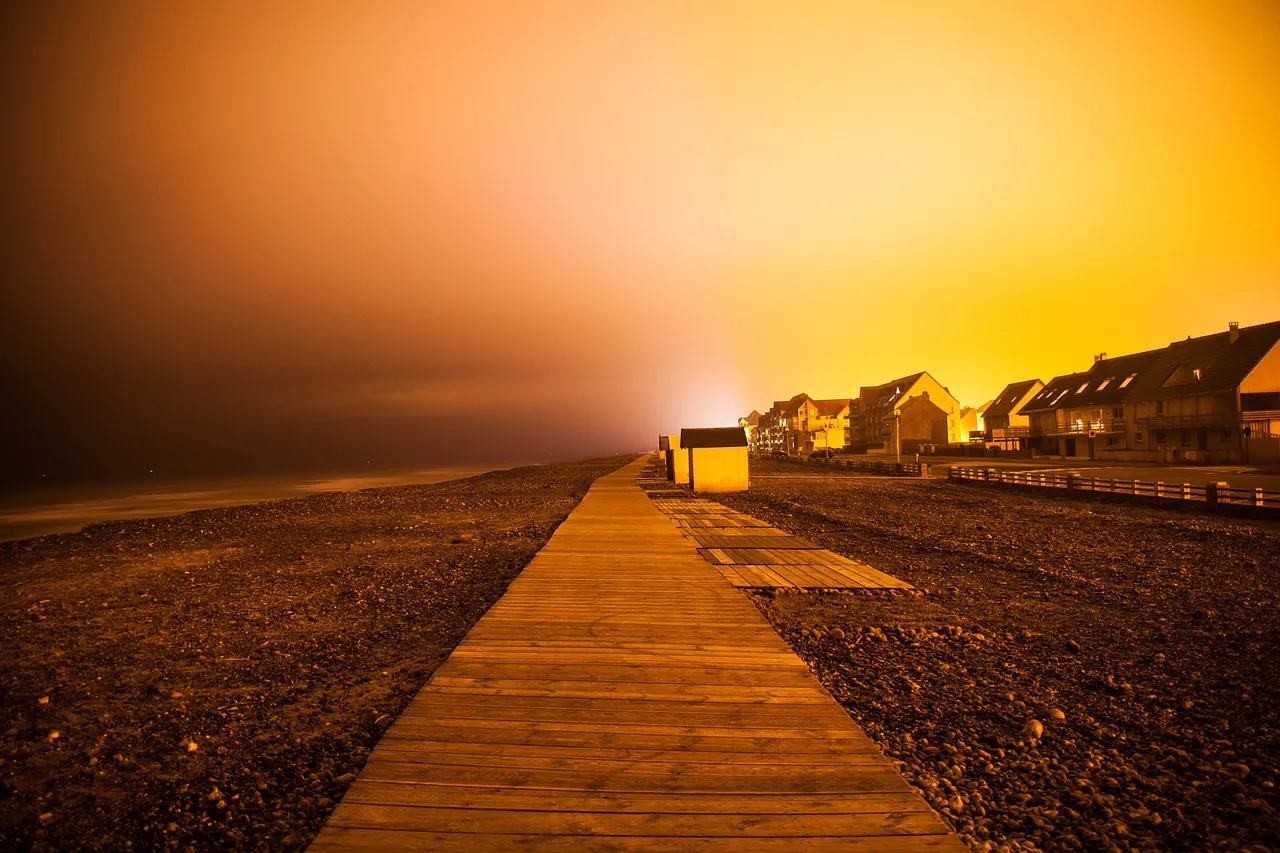
One of the most consistent insider observations from experienced beach staff is what might informally be called the “channel effect.” When cabana rows are arranged in a grid, the open lanes between parallel rows act almost like funnels, directing the ocean breeze down the corridor and toward guests seated mid-row.
Beach shade structures that provide large areas of coverage without fully enclosing the sides are the most useful precisely because they provide shade without blocking the breeze. A fully enclosed row of tall cabana walls can inadvertently create a wind shadow, cutting off airflow for guests in adjacent spots.
Attendants at resorts with open-sided cabana designs consistently report that guests in the center lanes of the layout stay cooler than those at the far edges, where neighboring structures or vegetation can disrupt the flow. The geometry of the layout matters more than most guests realize.
Morning vs. Afternoon: When Each Row Shines
A sea breeze typically occurs during summer along the coastline of an ocean or a lake, and if you are at the same spot during summer, the sea breeze is steady and consistent on some days, filling in almost like clockwork and guaranteeing a good time on or near the water.
The front rows tend to catch the earliest morning air as the breeze begins to establish itself. By midday, when the temperature gradient between land and ocean peaks, the breeze strengthens and penetrates further inland, meaning the second and third rows become equally well served. Attendants often describe midday as the “great equalizer” across most row positions.
During the night, the sea breeze turns into a land breeze, as after sunset the sand cools down much faster than the water due to its lower heat capacity, and once the sand becomes colder than the ocean, the air flow pattern reverses entirely. For late afternoon guests, the back rows near the dunes can catch the tail end of this reversal pleasantly.
What Cabana Attendants Actually Watch For
Cabanas often come with dedicated staff whose sole purpose is ensuring the day is as enjoyable and relaxing as possible, and a cabana attendant is always within reach, ready to meet guests’ needs at a moment’s notice. Part of that readiness is knowing the beach’s microclimate intimately.
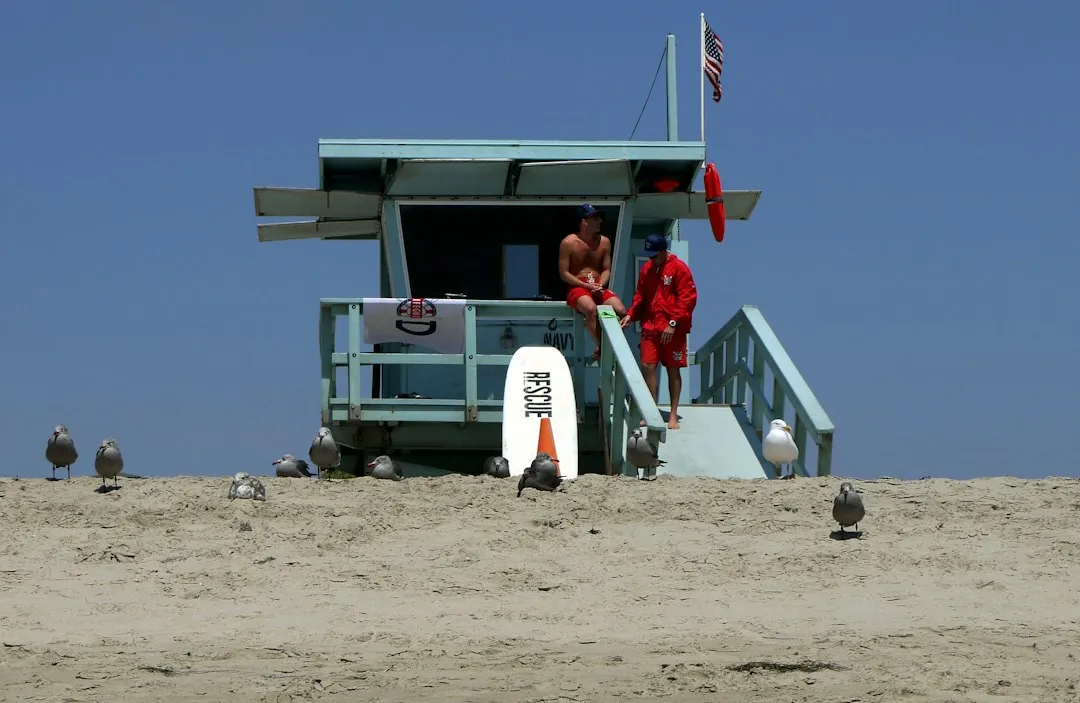
Experienced attendants look at the flag at the top of the lifeguard stand first thing each morning. The flag direction tells them immediately where the primary breeze is coming from and lets them calculate which rows will be most sheltered or most exposed that day. It’s a quiet, practiced habit that most guests never notice.
They also watch the water surface. A slight chop or ripple on the ocean moving perpendicular to the shore tells a trained eye that the cross-shore gradient is active, meaning the sea breeze is already beginning to push inland and the front two rows are about to get comfortable.
The Impact of Surrounding Structures on Airflow
Accurate understanding of local wind patterns, such as sea breezes, is essential for optimizing conditions in coastal areas. While that principle applies to wind energy, it holds equally true for beach comfort. A resort hotel tower, a concrete seawall, or even a dense row of palm trees can significantly disrupt how the breeze moves across the cabana layout.
Rows positioned on the leeward side of a large structure essentially live in a wind shadow for part of the day. Attendants at large resort beaches with significant built infrastructure are often the most specific about recommending particular rows, precisely because the variables are so localized. What works on one section of the beach may not work thirty meters away.
Choosing a level, firm surface that is not too soft or uneven matters, and avoiding areas with dips or wet patches affects not just stability but also the micro-level airflow at ground level. Low-lying depressions in the sand can accumulate still, warm air and feel noticeably hotter than surrounding spots.
Cabana Design and How It Affects the Breeze You Feel
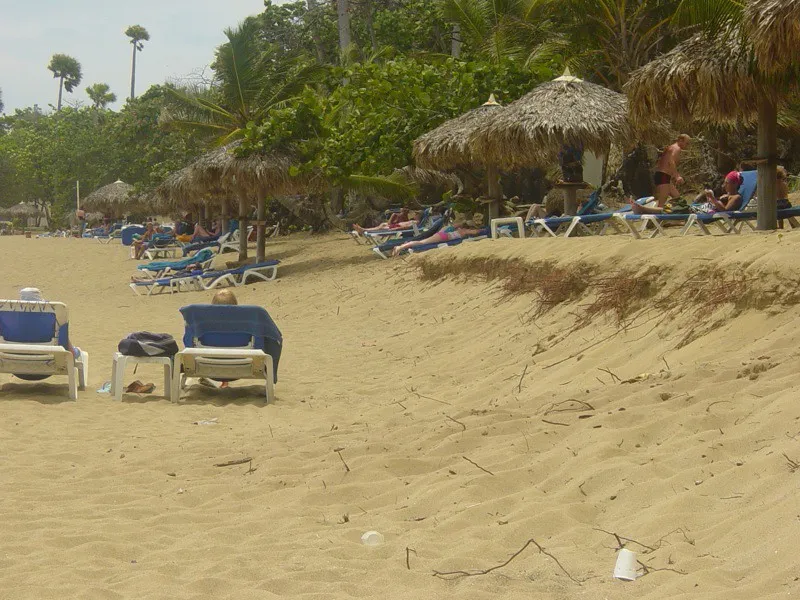
The structure of the cabana itself plays a real role in how much breeze actually reaches the guests inside it. If a beach canopy or cabana is a tent-style structure, it is helpful to have windows or mesh portions that allow the breeze to pass through, and mesh windows in particular allow the breeze to flow freely.
Full cabana reservations at some resorts include a pavilion with curtained sides, cushioned patio-style furniture, chaise lounge chairs, a ceiling fan, and other amenities, which suggests that even in prime breeze-facing positions, the design assumes some supplemental airflow is needed. Ceiling fans exist precisely because natural air movement cannot always be relied upon alone.
Open-sided designs clearly outperform enclosed ones when it comes to natural airflow. Whether it is keeping a cooler stocked, helping set up beach mats, or arranging gear, attentive cabana staff take care of all the details, and this level of personalized attention makes a genuine difference in the beach experience. That includes guiding guests toward structures that will actually keep them cool throughout the day.
How to Ask the Attendant for the Best Row
Most guests feel hesitant to ask for a specific row, worried it seems demanding. Experienced attendants are almost universally happy to discuss it. The question simply requires a bit of specificity. Rather than asking for “a good spot,” asking where the breeze tends to be strongest between noon and three o’clock on a calm day gets a far more useful answer.
Many cabana services go beyond the basics, and guests can often request special services, including customizations that make the day more comfortable and suited to individual preferences. A request for a breezier position is entirely within the spirit of that personalized service.
Timing the ask also matters. Arriving early and speaking to the attendant before the beach fills up gives them actual flexibility to accommodate. By mid-morning, the most coveted middle rows tend to be claimed, and the options narrow considerably. The guests who get the best breeze are almost always the ones who showed up prepared and asked politely before anyone else thought to.
The Takeaway
The row with the best ocean breeze isn’t a fixed address on any beach. It shifts with the season, the hour, the daily wind direction, the shape of the coastline, and the layout of the structures around it. What stays constant is the value of local knowledge accumulated through dozens of seasons of watching, adjusting, and paying close attention to how a particular stretch of coast breathes.
Beach cabana attendants carry that knowledge quietly, and they’re usually glad to share it when asked. The science backs up what they’ve learned through experience: sea breezes are a well-documented mesoscale phenomenon with measurable, predictable daily patterns that anyone who works alongside the ocean long enough begins to read intuitively.
A great beach day is rarely accidental. It’s the product of small, informed decisions, and knowing which row to choose is one of the simplest ones you can make.
AI Disclaimer: This article was created with the assistance of AI tools and reviewed by a human editor.