
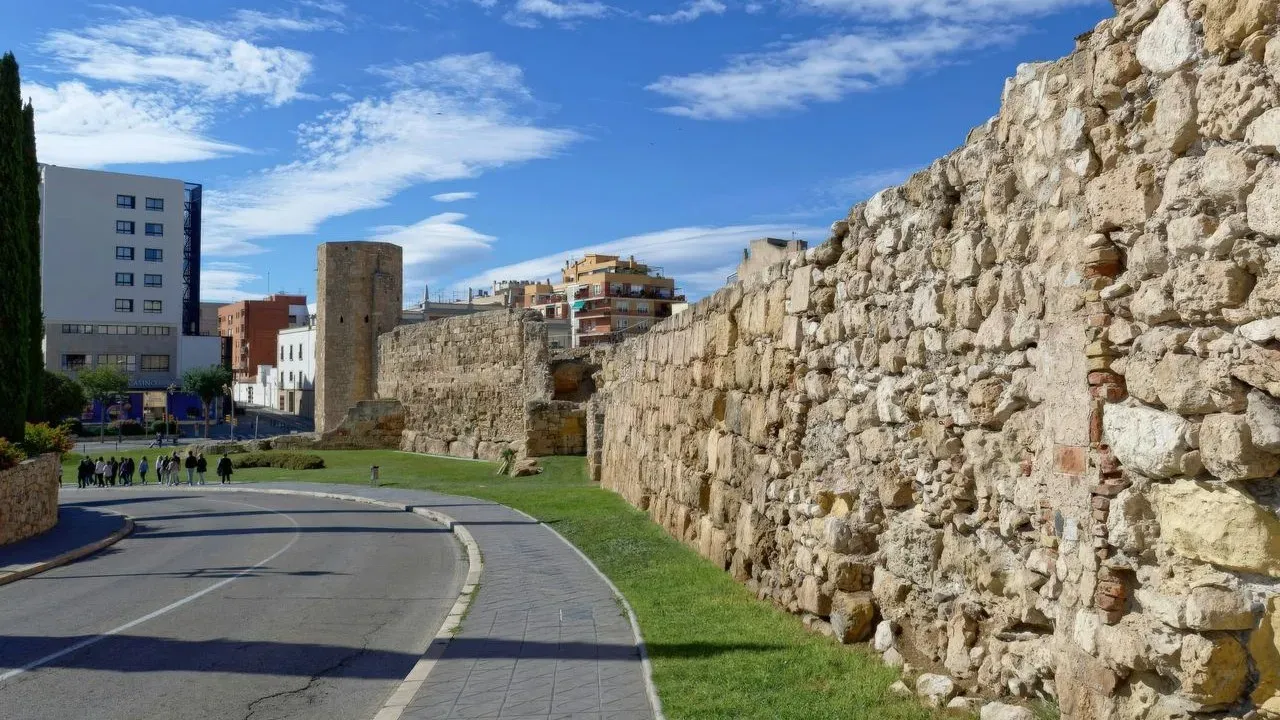

Paris – A roughly 65-foot stone-and-wood wall uncovered this summer beneath a hotel on the Ile de la Cite has drawn attention from France’s culture ministry as a potential key to locating the original settlement of Lutetia, the ancient predecessor of Paris. The find sits just steps from Notre Dame Cathedral and dates to the Gallo-Roman era, offering travelers who explore the island’s historic core a tangible connection to the city’s deep past.
The Find and Its Immediate Context
Archaeologists working at the Hotel-Dieu site on the Ile de la Cite encountered the wall during routine excavations. The structure shows clear signs of charring, which aligns with historical accounts of the Gallic Parisii tribe burning their settlement ahead of conflict with Roman forces. Carbon dating places the charred material between 10 and 200 B.C., a window that includes the Battle of Lutetia in 52 B.C.
The discovery has prompted measured optimism from officials. Culture Minister Catherine Pegard noted that the remains could rank among the most significant for understanding Gallic Lutetia, while stressing that further verification of function and chronology remains necessary. The convergence of location, materials, and dating evidence has nonetheless prompted renewed discussion about where the city’s earliest inhabitants established their stronghold.
Why the Ile de la Cite Matters
For centuries the Ile de la Cite has been viewed as the heart of ancient Lutetia, an island settlement along the Seine that later became the nucleus of Roman Paris. A competing theory has placed the original center farther west in Nanterre, supported by earlier archaeological work. The new wall strengthens the case for the island location and adds physical evidence to long-standing textual references, including Julius Caesar’s descriptions in the Gallic Wars.
Travelers who walk the narrow streets around Notre Dame already encounter layers of history at every turn. This latest find deepens that experience by anchoring the island’s visible medieval and modern landmarks to an even earlier chapter. The proximity of the discovery site to the cathedral itself underscores how successive generations have built upon the same ground.
Practical Implications for Visitors
The wall’s location beneath an operating hotel illustrates the everyday reality of archaeology in a living city. Excavations occur alongside ongoing urban life, and the findings will inform future preservation and interpretation efforts. For those planning trips to Paris, the development adds a quiet but meaningful dimension to time spent on the Ile de la Cite.
Visitors can appreciate the broader context by exploring the island’s public spaces and the cathedral’s surroundings, where earlier digs have also yielded artifacts from Roman and medieval periods. The cumulative record of discoveries encourages a slower, more attentive pace of travel – one that notices how the present city rests directly on its ancient foundations.
A Layered Legacy Worth Honoring
Archaeological work of this kind reminds travelers that Paris did not begin with its famous monuments but with earlier communities whose choices shaped the city’s enduring geography. The wall’s survival beneath a modern structure speaks to both the fragility and the persistence of such traces. As research continues, the find invites visitors to approach the Ile de la Cite with fresh curiosity.
Walking its quays and squares now carries the added awareness that the ground underfoot holds stories still being read. This quiet revelation rewards those who travel with patience and respect for the places where history remains very much alive.
AI Disclaimer: This article was created with the assistance of AI tools and reviewed by a human editor.