
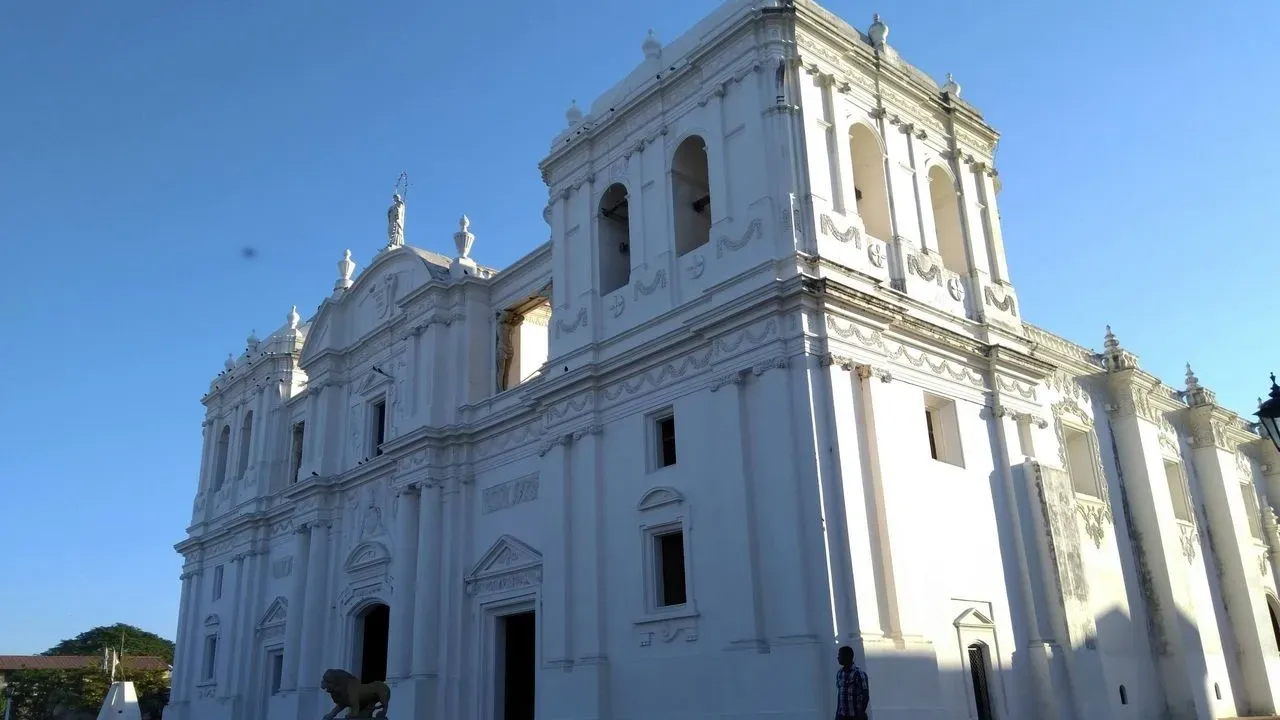

León stands as one of Nicaragua’s most distinctive urban centers, where layers of colonial construction, political upheaval, and dramatic natural surroundings continue to shape daily life. The city’s historic core retains an unpolished vitality that sets it apart from more polished destinations in the region. Travelers who arrive often find themselves drawn into a place that balances preserved architecture with an active connection to the country’s past. ([1])
The Enduring Colonial Framework
León’s colonial buildings form the physical backbone of the city, with wide plazas and thick-walled structures that have withstood centuries of use. The central cathedral, one of the largest in Central America, anchors the historic district and offers visitors a tangible link to the Spanish colonial era. Its interior spaces and surrounding streets reveal details of craftsmanship that remain largely intact. Walking these blocks provides a direct sense of how the city’s layout was planned centuries ago and how residents continue to inhabit those same spaces today.
Many of the churches and civic buildings nearby display similar architectural restraint, with facades that speak to both religious and administrative functions from earlier periods. The scale of these structures encourages slow exploration rather than hurried sightseeing. Local preservation efforts have kept much of this heritage accessible without turning the area into a static museum. The result is a neighborhood that feels lived in while still conveying its historical depth.
A City Shaped by Revolutionary Events
León’s identity is inseparable from Nicaragua’s revolutionary history, with murals, monuments, and public spaces that commemorate the struggles of the 20th century. The city served as a focal point for political movements, and traces of those periods remain visible in everyday surroundings. Residents often share stories that connect personal family histories to the broader national narrative, giving visitors context that goes beyond textbook accounts.
These historical layers add dimension to the urban experience without dominating every conversation. Public art and preserved sites allow travelers to understand the sequence of events that influenced the city’s development. The approach remains one of quiet acknowledgment rather than overt display, letting the architecture and street life carry much of the story forward.
Access to Active Volcanic Terrain
Just outside the city limits, the landscape shifts dramatically to volcanic terrain that offers a different kind of engagement with Nicaragua’s geography. Cerro Negro, one of the region’s most accessible volcanoes, has become known for the distinctive activity of volcano boarding, where participants descend the slopes on specialized boards. The short journey from León makes this a practical day excursion that pairs urban exploration with a direct encounter with the area’s geological features.
The surrounding volcanic zone includes several other cones and craters that contribute to the region’s distinctive skyline. Guided outings emphasize safety and environmental awareness, allowing visitors to appreciate the power of the landscape while minimizing impact. These excursions provide a clear contrast to the colonial streets, illustrating how close the city remains to the forces that formed the land itself.
Moving Through León Today
Daily rhythms in León combine the historic core with neighborhoods that reflect ongoing community life. Markets, cafes, and cultural venues operate alongside the older buildings, creating a setting where past and present coexist without friction. Travelers who spend several days here often note the ease of moving between these elements on foot or by local transport.
The city’s scale supports unhurried visits that reward attention to detail over checklists. Evening walks reveal how lighting and activity change the character of the plazas and streets. This measured pace aligns with a form of travel that values observation and respect for local routines.
Considering a Visit
León rewards travelers who arrive with an interest in layered histories and natural settings that remain closely connected to urban life. The combination of preserved colonial structures, revolutionary context, and nearby volcanic landscapes creates an experience that feels specific to this corner of Nicaragua. Those who plan time here tend to leave with a clearer sense of how one city can hold multiple eras in balance.
Practical arrangements for lodging and local guidance are straightforward, supporting visits that prioritize cultural exchange and environmental care. The city continues to welcome visitors who approach it with curiosity and consideration for its ongoing story.
AI Disclaimer: This article was created with the assistance of AI tools and reviewed by a human editor.