

There’s a particular kind of travel that doesn’t start with a city or a country. It starts with a moment in nature so rare, so overwhelming, that the destination arranges itself around it. The flight, the timing, the lodging – all of it in service of one encounter that photographs simply cannot replicate.
According to a survey of 25,000 travelers by Expedia Group, roughly four in five travelers said it’s important that they stay in a place offering a prime viewing spot for natural phenomena. That number reveals something quietly profound: people aren’t just adding nature to their trips anymore. They’re building entire journeys around it.
The Northern Lights: A Sky That Changes Everything
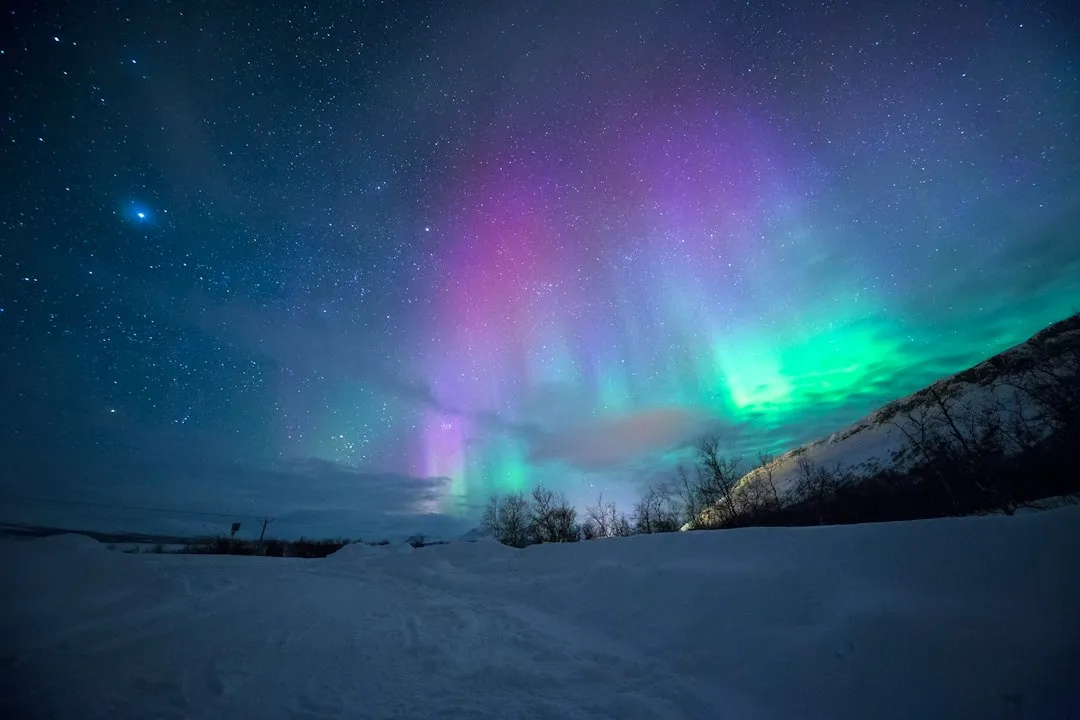
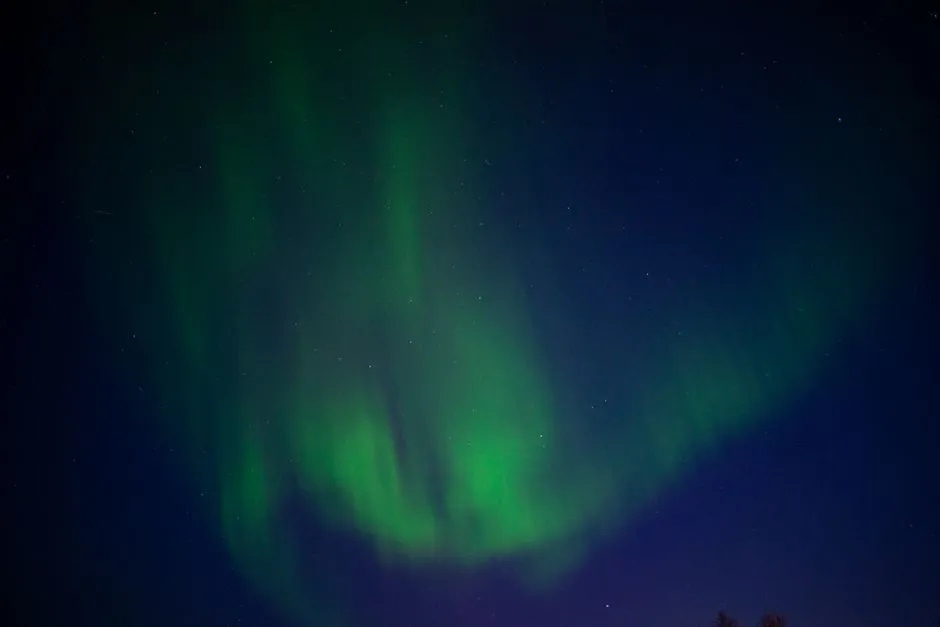
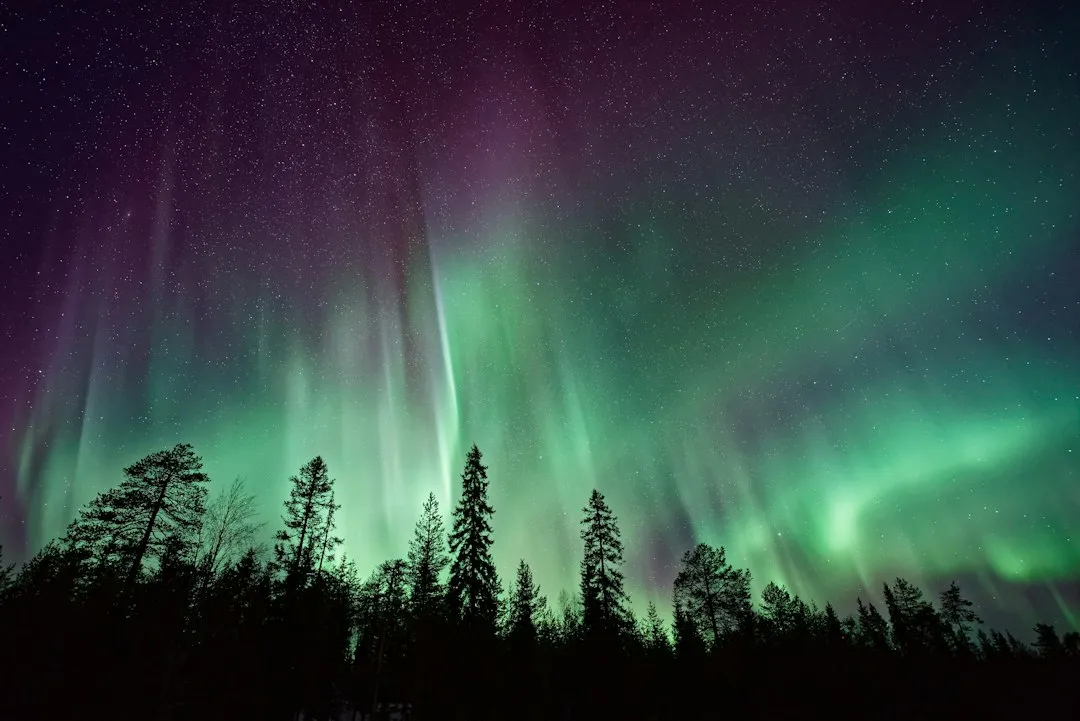
The Northern Lights, or aurora borealis, have long captivated travelers with their shifting curtains of green, purple, and red light dancing across the night sky. There’s no adequate substitute for standing under them. Photos flatten the movement and dim the colors, and no description quite captures the silence that surrounds the display.
With the sun in solar maximum through 2026, this is one of the best multi-year stretches in two decades to see the lights, and the geographic window for viewing is unusually large. Solar maximum produces more frequent and more powerful coronal mass ejections, which means more frequent aurora and displays visible at lower latitudes than during quieter years.
Northern Norway, including Tromsø, the Lofoten Islands, Alta, and Svalbard, is a top destination for aurora viewing. From mid-November to January, Svalbard undergoes polar night, when the sun never rises and darkness lasts 24 hours a day, creating near-constant opportunities for aurora displays at any hour.
Around the equinoxes in March and September, geomagnetic activity ramps up, making the Northern Lights easier to spot. At these times, Earth’s orientation allows solar wind to interact more directly with the magnetosphere, enhancing geomagnetic storms that fuel the auroras. The Northern Lights remain the most popular natural phenomenon among travelers, garnering interest from nearly two thirds of those surveyed.
The Great Wildebeest Migration: Two Million Animals on the Move
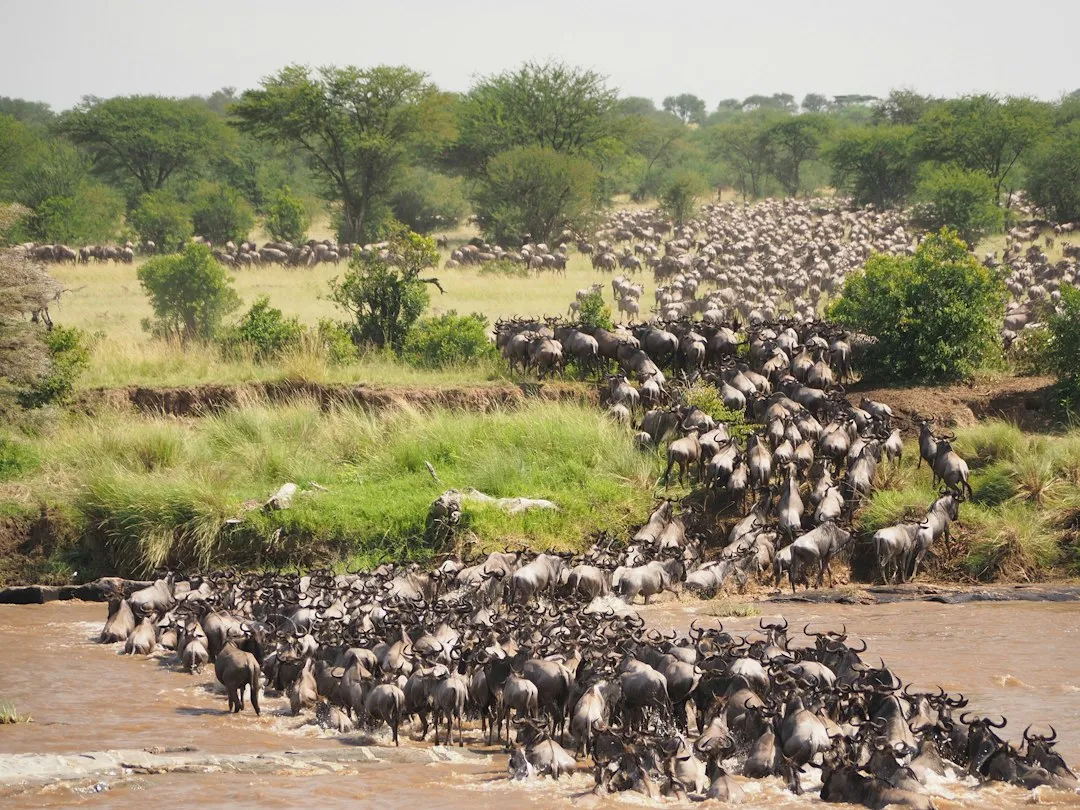
The Great Wildebeest Migration is the largest animal migration in the world. Every year, more than two million animals, including wildebeests, zebras, and gazelles, migrate across the ecosystems of the Serengeti National Park in Tanzania and the Masai Mara National Reserve in Kenya.
The migration is made up not only of roughly 1.5 million wildebeest, but also 200,000 zebra, and smaller numbers of Grant’s gazelle, Thompson’s gazelle, eland, and impala. The migration is triggered by East Africa’s rains and the animals follow an age-old route in search of fresh grazing and water, taking the wildebeest across the Masai Mara plains in Kenya all the way south into Tanzania’s Serengeti and the edge of the Ngorongoro Crater, before circling up and around in a clockwise direction.
The migration kicks off with the calving season in Ndutu, where over 8,000 calves are born daily from January to March. This period is critical for survival, as the abundance of newborns attracts predators. Key river crossings occur at the Mara River during the dry season and the Grumeti River during the wet season, and these crossings are widely considered the dramatic pinnacle of the entire cycle.
The Great Migration has played a vital role in the Serengeti ecosystem for more than one million years, long before modern man first walked the savannah. Witnessing it in person demands patience and good timing, but that uncertainty is precisely what makes it feel so alive.
The Bioluminescent Bays of Puerto Rico: Living Light on the Water
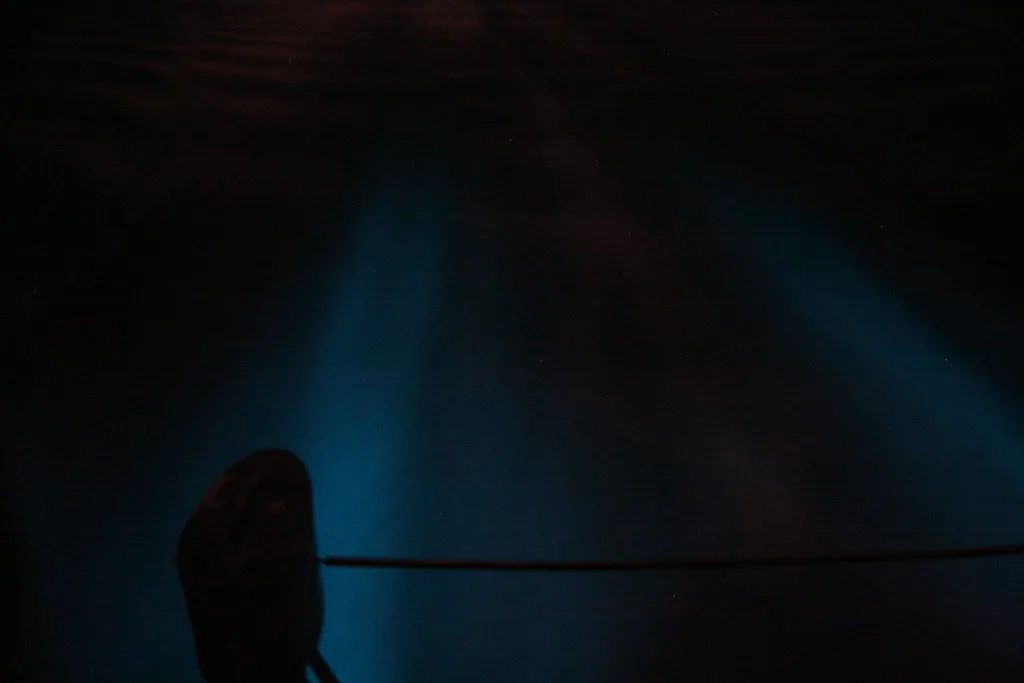
Puerto Rico is home to three of the world’s brightest permanent bioluminescent bays, more than any other destination on Earth. While bioluminescence can be found in dozens of locations worldwide, from Jamaica to the Maldives, Puerto Rico’s bays offer year-round glow thanks to ideal conditions for the microscopic organisms that create this natural light show.
The water in bioluminescent bays lights up thanks to millions of single-celled microorganisms called dinoflagellates. The primary species in Puerto Rico’s bays is Pyrodinium bahamense. Whenever these microorganisms are disturbed, from a paddle, a kayak gliding through, or even fish swimming, they produce a brilliant blue-green glow through a chemical reaction involving luciferin and luciferase.
Mosquito Bay on the island of Vieques holds the Guinness World Record as the brightest bioluminescent bay in the world, a title it has held since 2006. With 700,000 to over two million dinoflagellates per gallon of water, it is truly a singular experience. This incredible density makes the glow far more noticeable than anywhere else on the planet.
The Total Solar Eclipse: A Path That Rewrites Your Calendar
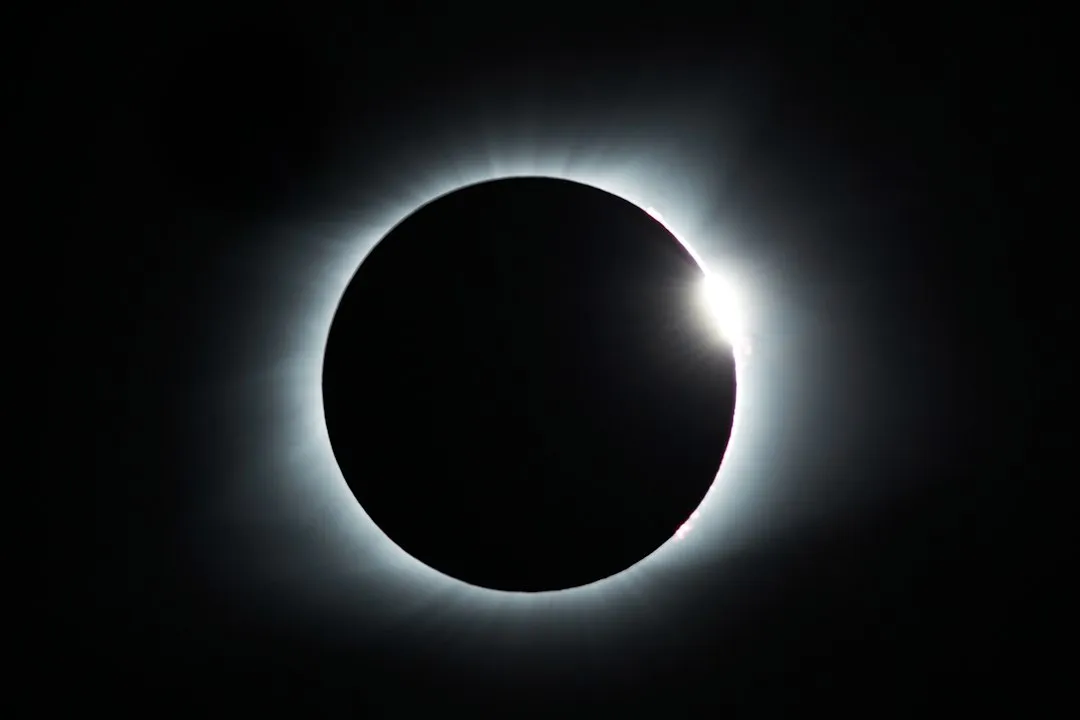
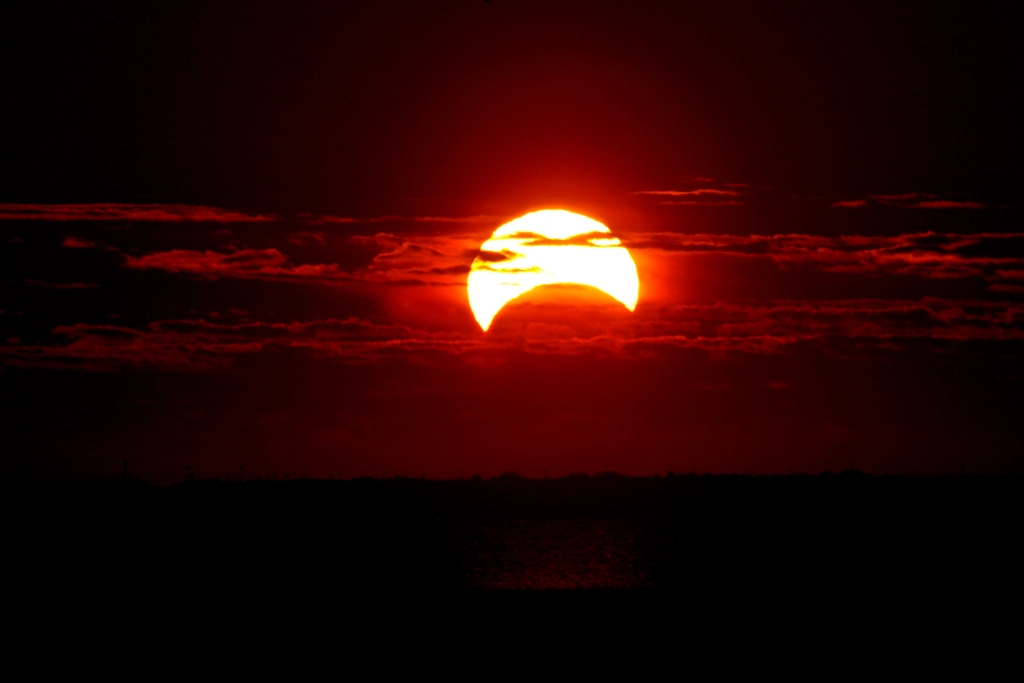
An eerie yet beautiful occurrence, the total solar eclipse happens when the moon passes between the sun and the Earth. When observed from within the path of totality, onlookers are rendered speechless as the once clear blue sky and surrounding landscape are bathed in a dark glow.
In recent years, the total solar eclipse made quite the buzz in the United States as the path of totality bisected the nation in 2017 and again in April 2024. Armed with special eclipse glasses, tens of millions of travelers were prompted to flock to prime viewing areas to experience the wonder. The display in April 2024 marked the last total solar eclipse visible from the U.S. until 2044.
As 2026 arrives, eclipse chasers have another major event to plan around: the path of totality for the August 12 total solar eclipse crosses Greenland, Iceland, northern and eastern Spain, and the Balearic Islands. Totality itself will last around two minutes. For anyone who has never experienced a solar eclipse, two minutes of totality is longer than it sounds and far shorter than you’ll wish it were.
The Monarch Butterfly Migration: An Orange River Through the Forest
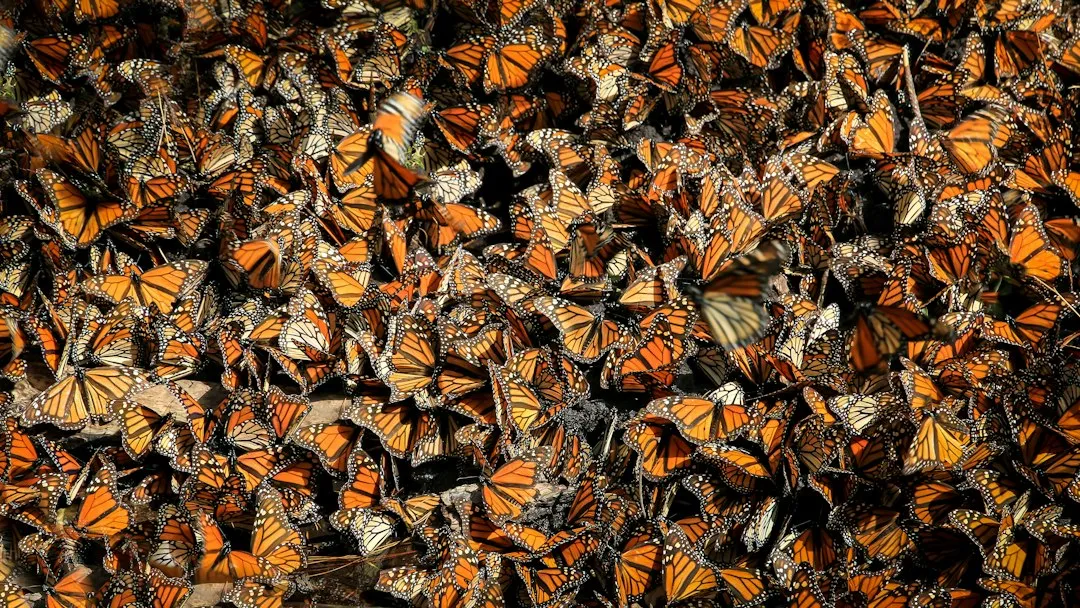
The monarch migration has been recognized as one of the most spectacular natural phenomena in the world. North American monarchs begin their southern migration in September and October, ultimately converging on a small cluster of mountain forests in central Mexico to overwinter in numbers that seem almost impossible for an insect to achieve.
The Monarch Butterfly Biosphere Reserve, located on the Michoacán and Mexico State border, is a UNESCO World Heritage Site containing most of the overwintering sites of the eastern population of the monarch butterfly. It covers over 56,000 hectares in total area.
In encouraging news, the eastern monarch butterfly population nearly doubled in 2025, according to a report announced in Mexico. The population wintering in central Mexico’s forests occupied 4.42 acres, up from 2.22 acres during the previous winter. While monarchs occupied nearly twice as much forest habitat as during the previous year, populations remained far below the long-term average.
Faced with myriad threats to their existence, including climate change and habitat loss, monarch butterflies have an especially uncertain future, making witnessing the annual migration of these delicate creatures to Mexico’s forested central highlands all the more meaningful. Visiting ethically, with a licensed guide and through established reserves, is one of the most direct ways a traveler can contribute to the conservation conversation.
Phenomena Tourism Is Reshaping How People Travel
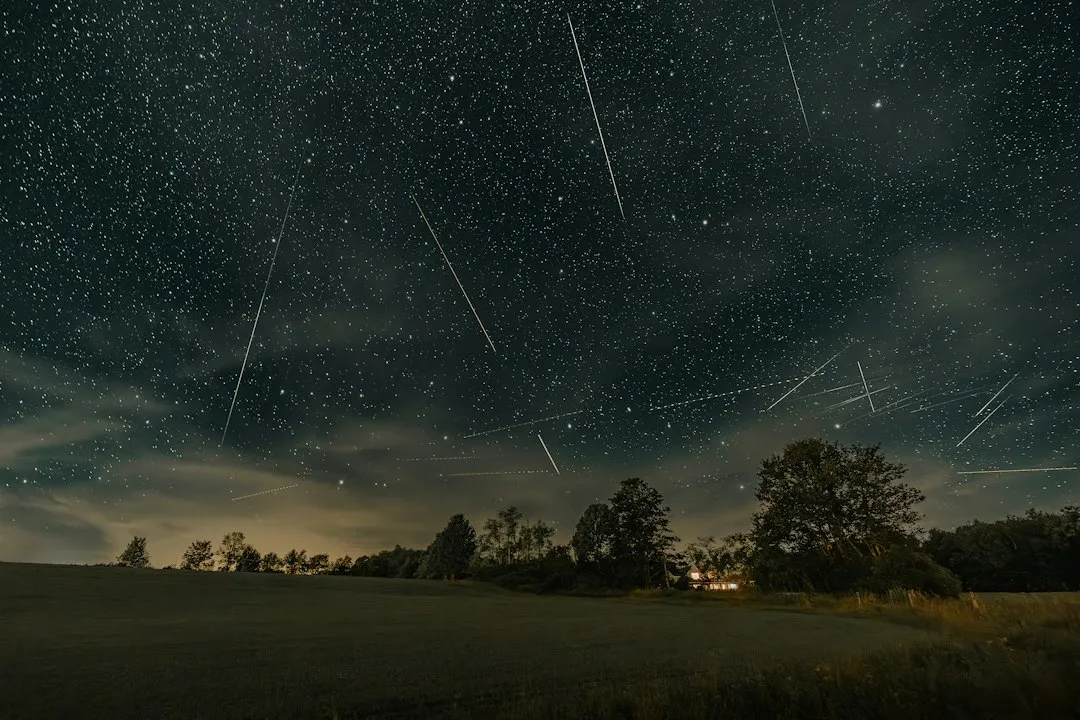
Many travelers now want to see eclipses, meteor showers, volcanic eruptions, penguin migrations, and other natural phenomena, a trend highlighted in Expedia’s Unpack ’25 report. Geological phenomena like volcanoes, geysers, and hot springs came in second place among traveler interests, at roughly one third of those surveyed.
According to Tourism Economics, an Oxford Economics company, travelers reported more interest in adventure travel, rural and nature tourism, and new-to-them destinations in 2024. That appetite for the unfamiliar and the genuinely wondrous hasn’t slowed since.
Why These Five, Specifically
Each of these phenomena shares a defining quality: they demand presence. You cannot consume them passively from a screen or absorb them on a rushed layover. Each one asks you to arrange your life around it, even if just for a week. That is part of what makes them so quietly transformative.
They also represent a range of commitment levels and geographies. The Northern Lights can be seen from multiple countries across a multi-month window. The Wildebeest Migration is a year-round cycle with distinct highlights depending on when you arrive. Puerto Rico’s bioluminescent bays are available on virtually any clear, moonless night throughout the year. There is, genuinely, something here for every kind of traveler.
Planning Ethically and Realistically
Responsible phenomena travel means choosing operators who limit group sizes, avoid disturbing wildlife, and contribute meaningfully to local communities. The Monarch Butterfly Biosphere Reserve, for instance, has strict access protocols in its core zones precisely to protect the overwintering clusters from being loved to death by tourism.
While the aurora borealis is typically visible near the Earth’s polar regions, during periods of heightened solar activity it may be visible at lower latitudes. To maximize your chances, choosing a destination within the Arctic Circle and opting for locations with minimal light pollution and clear, dark skies remains the most reliable approach.
Patience is not optional with any of these experiences. The Great Migration river crossings can be delayed by days. Auroras can vanish behind cloud cover on an otherwise perfect night. Part of what makes these phenomena so precious is precisely that nature does not run on a tour itinerary.
What Timing Actually Looks Like in Practice
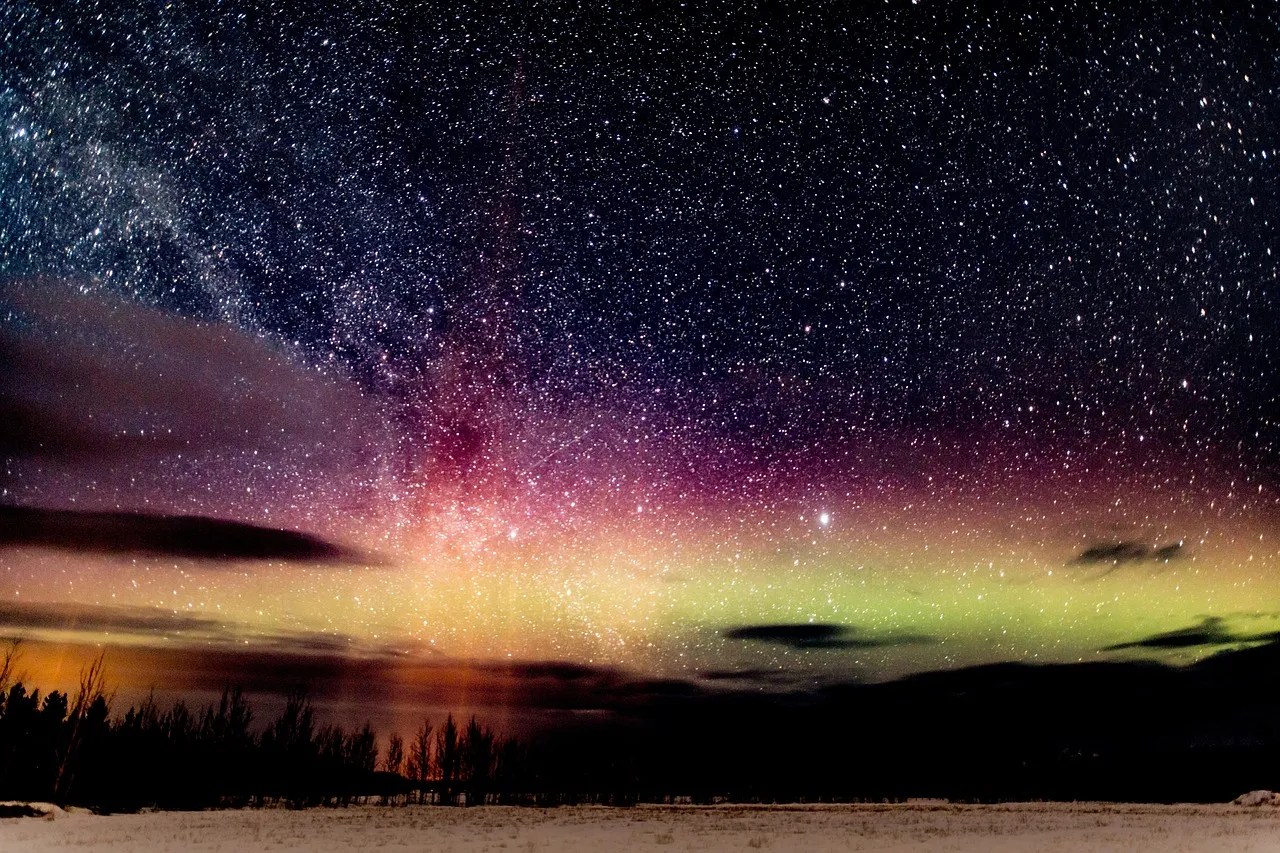
While the Northern Lights are unpredictable, the best time to see them is between September and mid-April, with the months from December to March said to be most ideal as the nights are longer and darker, especially during the solar maximum.
For the Wildebeest Migration, the river crossing spectacle typically peaks between July and October in the Mara River region, while the calving season unfolds in the southern Serengeti from January through March, offering its own quieter but equally moving chapter. The next total solar eclipse will happen over Greenland, Iceland and Spain in 2026, making August 12, 2026 a date already circled on countless travel calendars.
For monarch butterflies, the peak overwintering period in Mexico runs from late November through early March, when the clusters are at their densest and most visually stunning. Puerto Rico’s bio bays require nothing more than a new moon phase and a clear sky – they are ready whenever you are.
The Quiet Case for Rearranging Your Life Around Nature
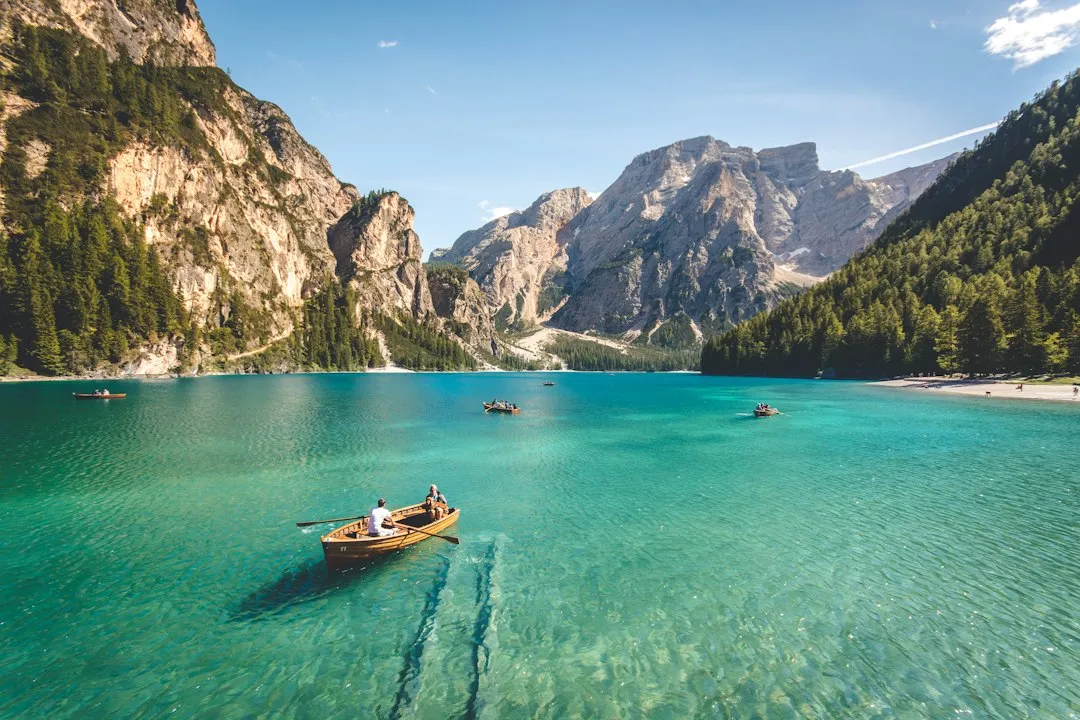
Each year, incredible natural phenomena inspire millions of travelers to pack their bags in hopes of witnessing something amazing. Considering their awe-inspiring beauty, it’s no surprise these events drive big numbers for travel.
There is a real difference between visiting a place because it is beautiful and visiting because something irreplaceable is happening there right now. The latter carries a kind of purpose that tends to stay with people long after they return home. These five phenomena don’t just reward the effort to reach them. They justify it entirely.
A Final Thought on Witnessing Over Scrolling
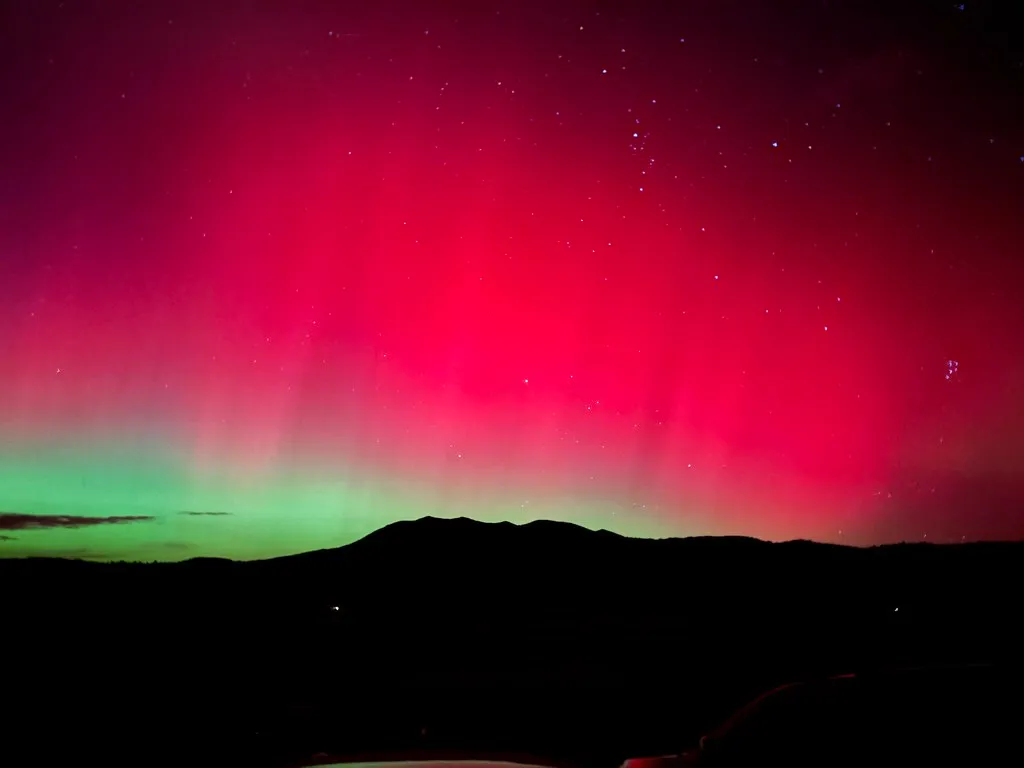
We are living in an era where most encounters with nature are mediated by a screen: a documentary, a viral video, an algorithm-served clip of glowing water or fluttering wings. These things are wonderful in their own right, but they create a kind of familiarity that can feel like experience without actually being one.
Standing under an aurora or watching a million animals churn through a red-brown river is something your nervous system processes differently. The aurora borealis is the most spectacular sky event most visitors will ever see in person. Bands and curtains of green, pink, red, blue, and violet light shift across the sky for minutes or hours, lit from inside by a stream of subatomic particles arriving from the sun. No clip prepares you for that.
The most useful thing any of these five phenomena can teach a traveler is how to wait without impatience and to be present when what you came for finally arrives. That may be the rarest travel skill of all, and nature has always been the best teacher of it.
AI Disclaimer: This article was created with the assistance of AI tools and reviewed by a human editor.