
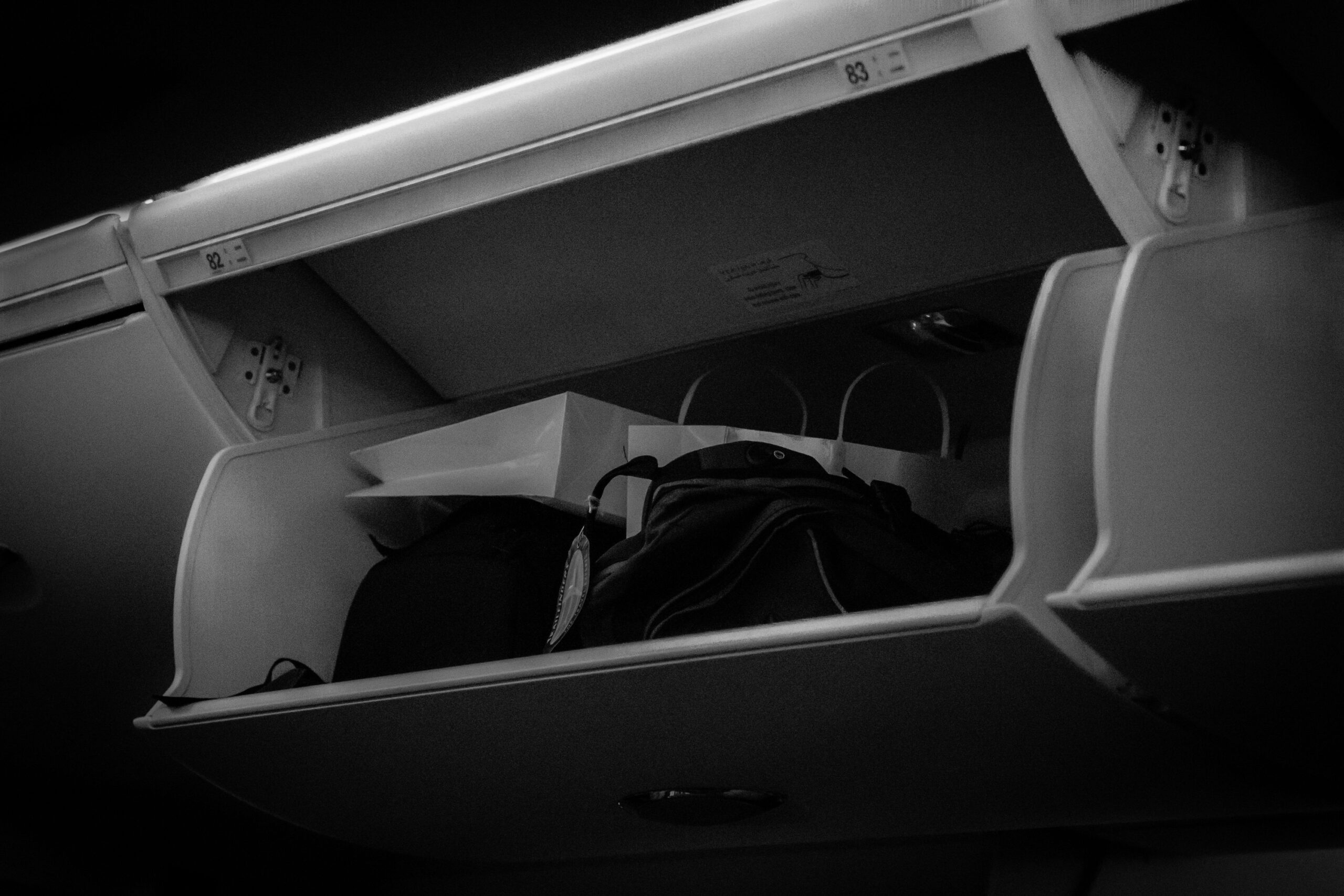

Most travelers feel safe once they’ve made it through security. Bag is overhead, seat is found, flight is boarding. What they don’t realize is that this moment of relief is also one of the most exploited windows for opportunistic theft. Your carry-on is at its most vulnerable not in the terminal, but in the overhead bin and during boarding.
The habit in question is simple: always lock your zipper pulls together. It takes about five seconds, costs very little, and it’s the single most consistent action that separates targeted bags from ignored ones. Here’s why it works, when to use it, and how to do it right.
The Real Scale of In-Flight and Airport Bag Theft
In-flight theft is not new, but recent reports suggest it is becoming more organized, more targeted, and more visible on certain routes, especially overnight and late-night flights into major international hubs. The numbers back this up clearly.
Hong Kong authorities reported 169 theft cases on Hong Kong-bound flights between January and October 2024, compared with just 92 cases in all of 2023. Around 70% of those 2024 cases involved short-haul flights arriving from Southeast Asia, with Malaysia, Thailand, India, and Vietnam among the main departure points.
TSA reported over 2,300 theft claims at U.S. airports in 2025, with an average claim value of $1,800. These aren’t rare edge cases. They’re a consistent pattern across a wide range of airports and routes.
Why Thieves Target the Overhead Bin First
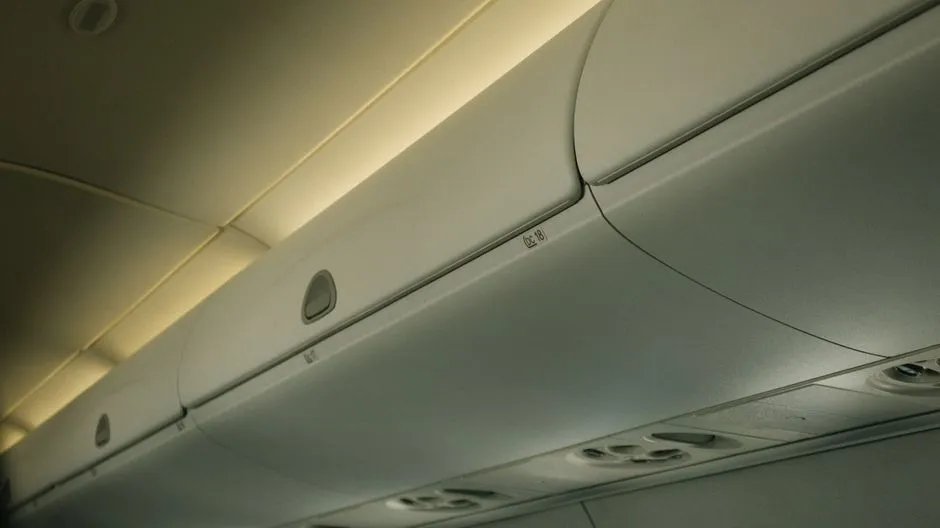
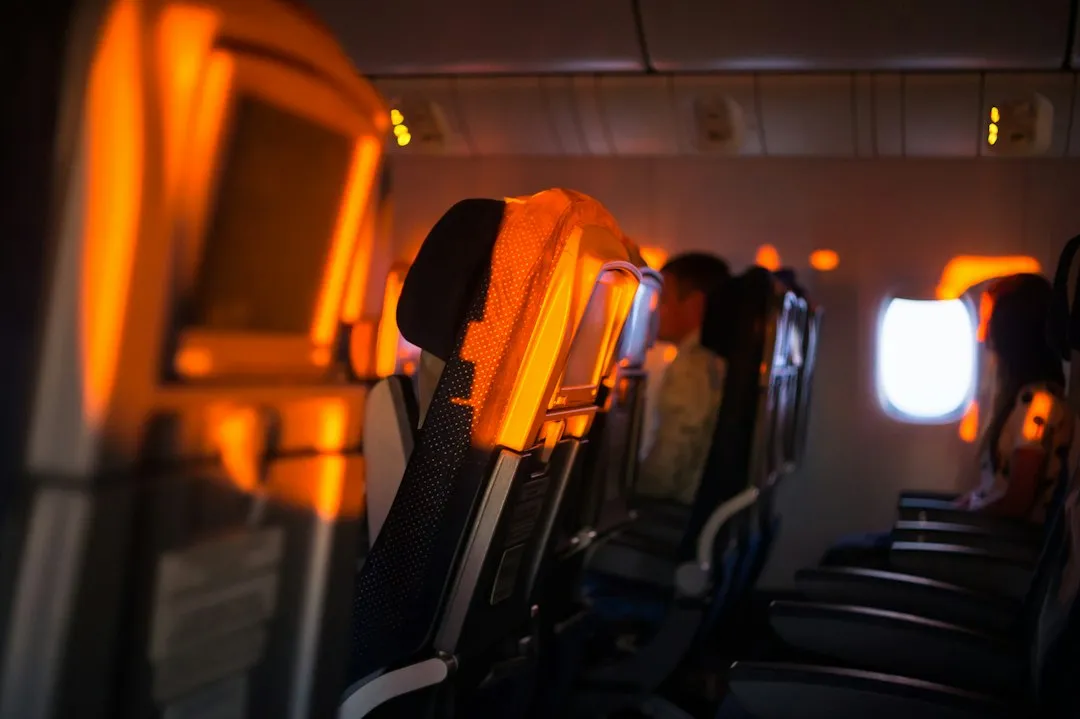
Thieves see the overhead locker as an opportunity: a dimly lit cabin, rows of sleeping passengers, and overhead lockers full of credit cards and cash, watches, laptops, jewelry, passports, and high-spec cameras. The bin is open to anyone who walks past, and that’s precisely the problem.
Approximately 40% of in-flight thefts occur during the initial boarding process. This chaotic period, with passengers jostling for overhead bin space and searching for their seats, provides perfect cover for thieves. They can pretend to be organizing their own belongings while actually scoping out potential victims and easily accessing bags in the overhead compartments.
The math is uncomfortable. Nearly half of all in-flight theft happens before the plane even takes off. Locking your zippers before you stow your bag is the most direct response to that window.
What the Zipper-Locking Habit Actually Involves
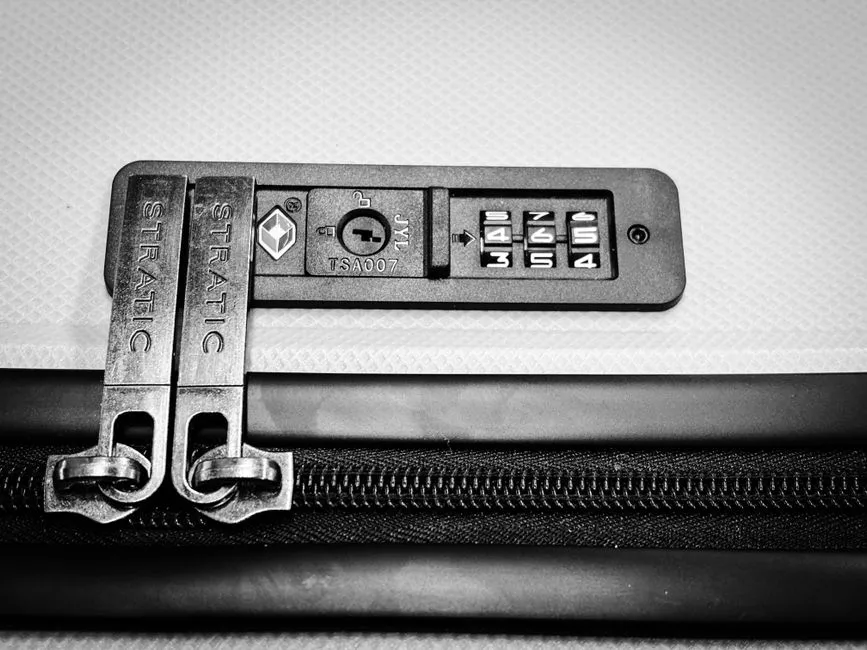
Zipper locks are an effective solution to keep prying hands out of your purse, backpack, or travel bag. These work on bags with a double zipper, meaning two zipper pulls. The gadget holds the two zip pullers together so they can’t be separated to access the bag.
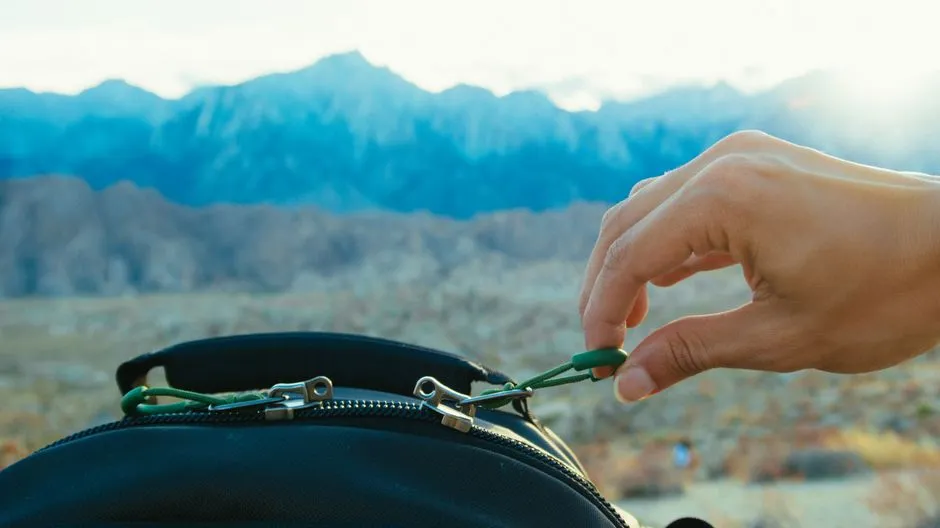
Thread the short end of a cable lock through the zipper pulls on your bag. Lock the two zipper pulls together so they can’t be opened up and your bag can’t be rummaged through. It’s a motion you can do one-handed in seconds. The point isn’t to create a vault. The point is to raise the effort required just enough that an opportunist moves on.
Why Even a Small Lock Works as a Deterrent
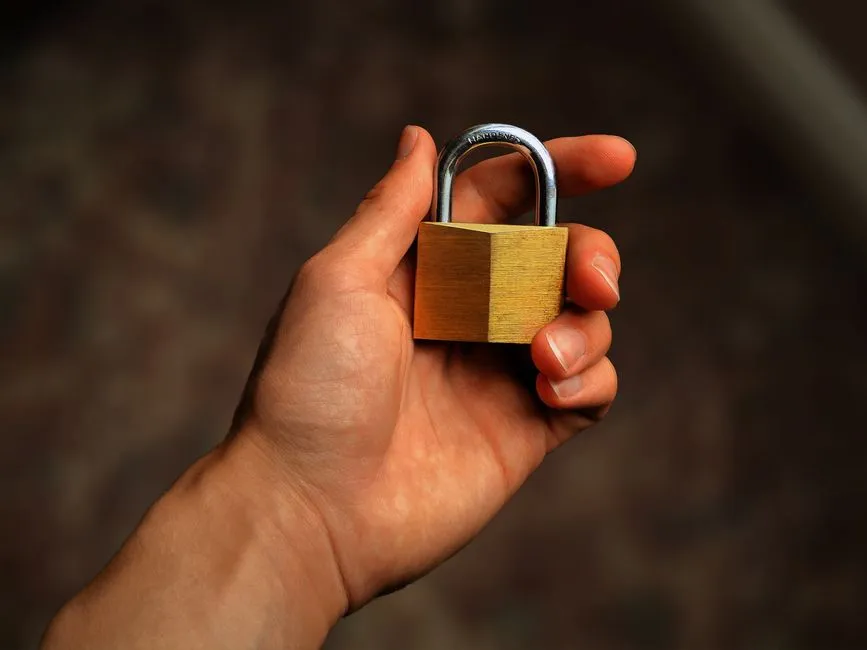
Many cabin bags and backpacks can be locked, either with an included locking system or by using a padlock. A small padlock may not be the most secure item, but it will discourage a lot of opportunistic theft. Deterrence is the operative word here.
Locking your zippers acts as a visual deterrent to a thief scoping out a victim. If your bag looks more difficult to breach because of a lock, even a makeshift zipper lock, a thief just might pass you by and target another victim with an easier-to-open zipper.
The important thing is to make your bag harder to get into than the one sitting next to it. Thieves look for the easy, quick option. A locked zipper doesn’t need to be unbreakable. It just needs to add enough friction to tip the balance.
The TSA Checkpoint Window You’re Probably Ignoring
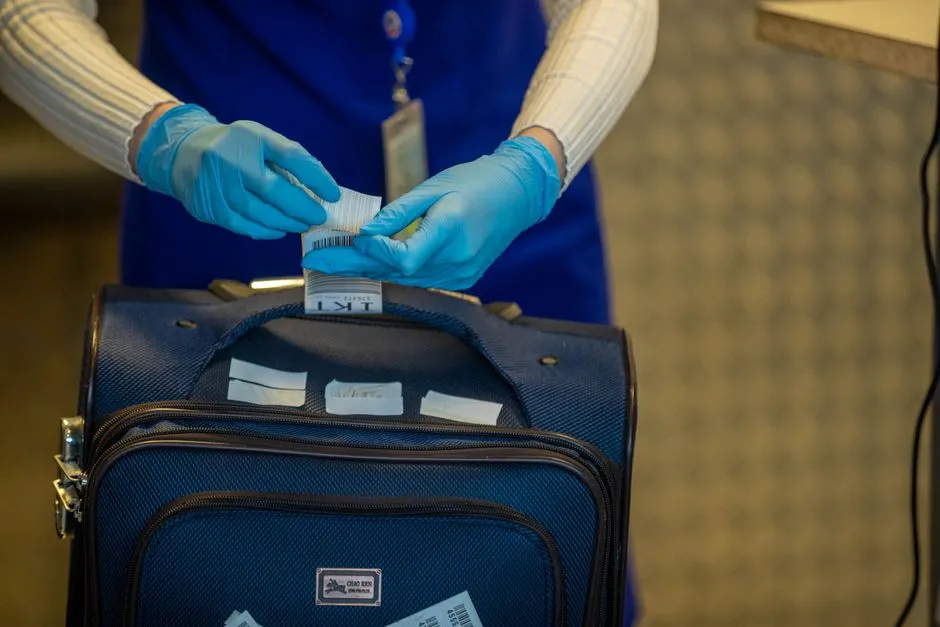
The 60 to 120 seconds your items are on the TSA belt, separated from you, is the highest-risk window in any airport. This is a moment most travelers don’t treat as dangerous because there are agents nearby. That familiarity creates a blind spot.
According to airport police data, over 68% of reported airport thefts occur at security checkpoints and gate areas, and nearly all are preventable. Using TSA-approved locks means your zippers stay secured even through the screening process, with agents able to open them if needed without cutting anything.
Keep your wallet, phone, and passport in your carry-on rather than loose in a bin. Or better still, keep them in a money belt on your body, where they don’t need to be removed. The zipper habit and this small discipline work together well.
Choosing the Right Type of Zipper Lock
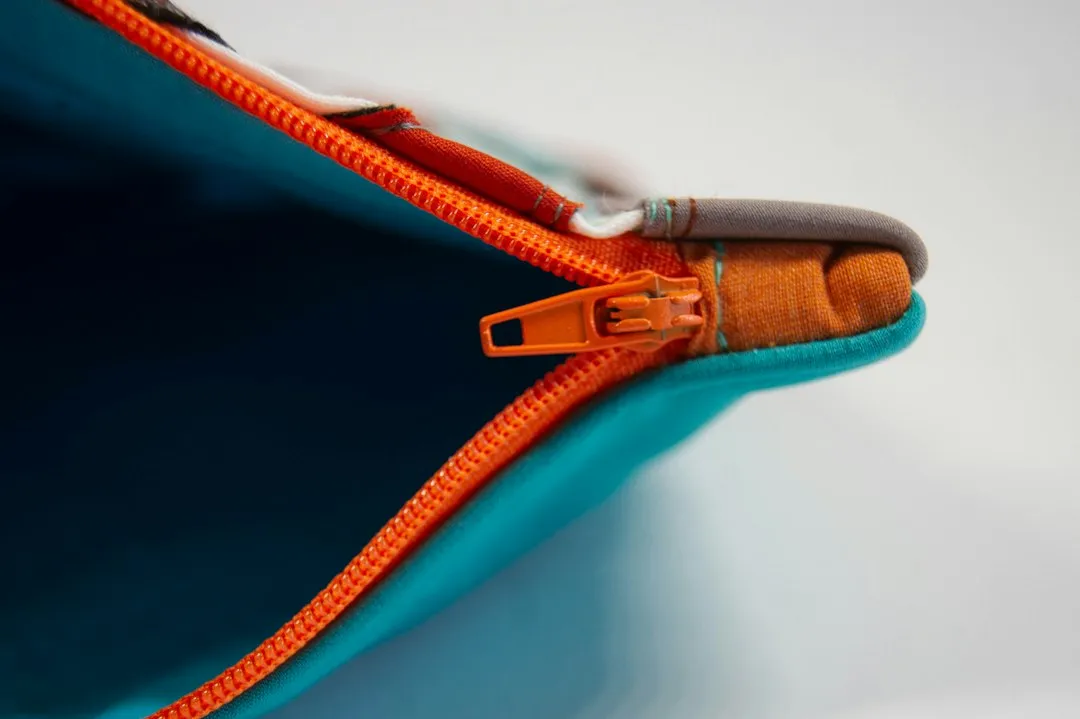
Self-locking zippers have a small mechanism that locks the zipper pulls in place. The mechanism can be automatic so that the zippers lock as soon as there’s no pressure on the pullers, or pin-based so that small pins lock the zipper pull in place. Self-locking zippers are a good solution for everyday carry bags. You don’t have to walk around with a big padlock on your zipper, but your bag is still somewhat protected from thieves.
A standard combination lock doesn’t always work for this purpose. Sometimes the hole in the zipper pull is too small for the metal shackle of the lock to fit through. That’s why it’s important to get a cable lock. The cable is thin and flexible enough to fit through most zipper pulls.
When the Habit Matters Most: Overnight and Long-Haul Flights
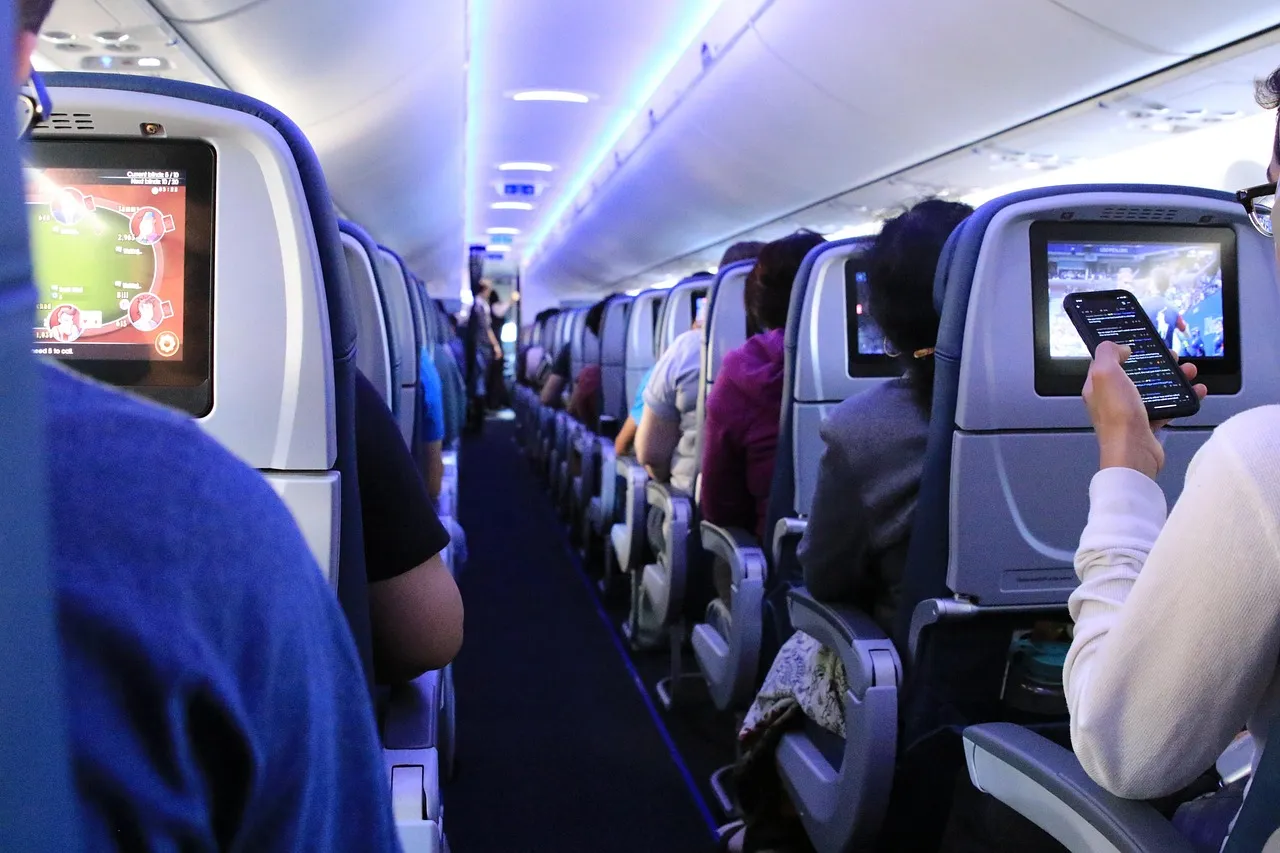
Once you are on board, a TSA-approved lock helps deter opportunistic access in the overhead locker. On short daytime hops, you’re awake and alert. On overnight flights, you’re not. That’s when the risk profile changes significantly.
In-flight theft typically occurs when travelers let their guard down. Theft can happen during boarding, when passengers stow their bags, or even while they sleep. Opportunistic thieves might target gadgets or wallets. Locking the zippers before you settle in for sleep is one of the simplest ways to reduce that exposure.
What Won’t Protect You (Contrary to Popular Belief)
Zippers provide a particular point of vulnerability, as the zipper can be separated using a sharp object, providing direct and unrestricted access to the luggage. Once luggage has been pilfered, moving the sliders of the zipper over the opening can reclose the opening so that there is no indication that the luggage has been tampered with.
Luggage locks are typically low-security locks. The shackles have a small diameter and are easy to clip using bolt cutters. Luggage locks based on a pin tumbler design usually use only three or four pins, making them susceptible to lockpicking. The goal is never to rely on a lock as if it were a safe. The goal is deterrence, not impenetrability.
No anti-theft zippers can protect your belongings from everyone. The point is to deter thieves so that you have more time to catch them in action. Knowing this helps you use the habit correctly, as one layer in a broader approach rather than a standalone solution.
Where to Keep Valuables Even When Your Zippers Are Locked
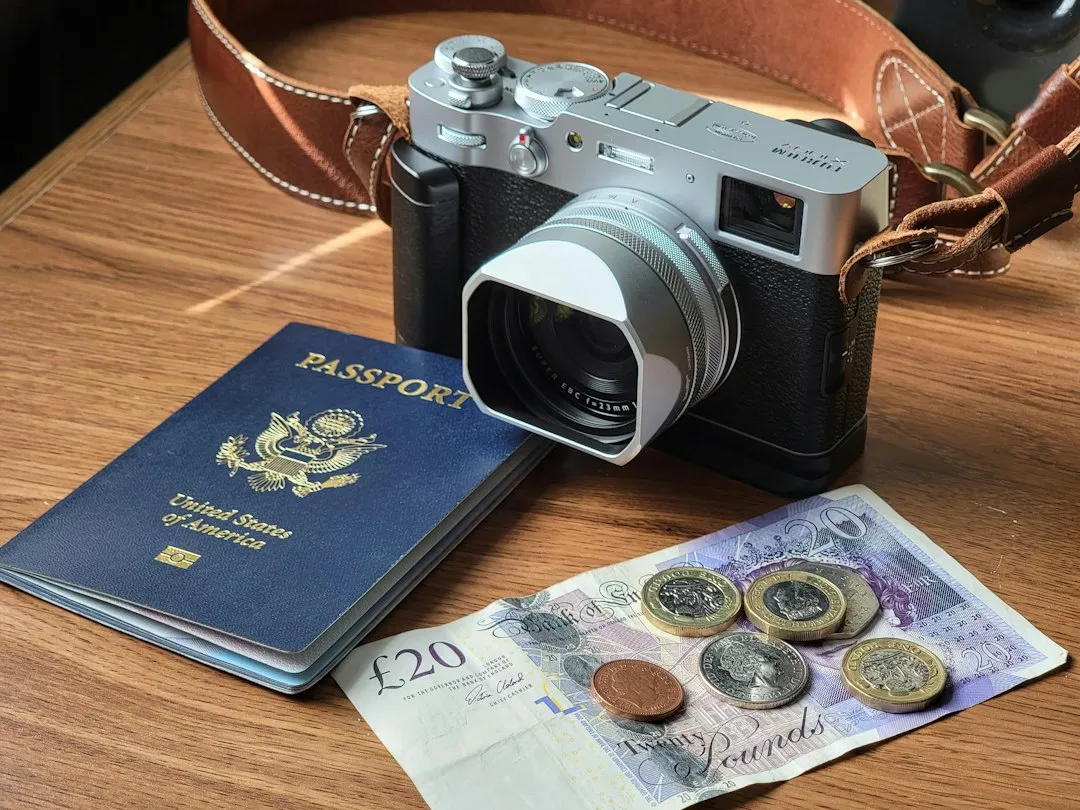
Never leave valuables in the seatback pocket, in the exterior pockets of a bag stowed in the overhead bin, or in the side pockets of the bag under the seat in front of you. Thieves can reach all three without you noticing, especially during boarding, meal service, and deplaning. Keep your passport, cash, phone, and electronics on your body in a cross-body bag or a secured inner pocket.
Most airport theft is opportunistic: a bag left on a chair, a laptop in an overhead bin across the aisle, a passport set on a restaurant table. Almost all of it is preventable with a concealed RFID-blocking money belt, a TSA-aware bin routine, and a few simple discipline rules. The zipper lock habit becomes far more effective when your highest-value items aren’t in the zipped compartment to begin with.
Building the Habit So It Becomes Automatic
Thinking about luggage and security in advance, paying attention to baggage at the airport and onboard, and storing items appropriately on the aircraft will all help protect you. The challenge isn’t knowledge. It’s consistency. Most travelers who get targeted simply forgot, or assumed they didn’t need to bother on this particular flight.
Attach the lock to your zipper pull before you leave home, not at the gate. Treat it the way you treat fastening a seatbelt: it’s not something you think about, it’s just what you do before you go. Keep bags with you at all times at the airport, and don’t assume that venues like cafes or airport lounges are safe places to leave anything unattended.
The Takeaway
The zipper-locking habit isn’t about paranoia. It’s about understanding how theft actually happens, which is quickly, quietly, and usually when you’re distracted or asleep. Almost all of it is preventable with simple, consistent actions.
A small cable lock or zipper clip costs a few dollars and takes a few seconds. The habit costs nothing once it’s formed. In a travel environment where in-flight theft cases nearly doubled in a single year on some routes, that small friction between a thief’s hand and your belongings is worth forming.
AI Disclaimer: This article was created with the assistance of AI tools and reviewed by a human editor.