
Nobody chooses the middle seat. It’s the last piece of the puzzle that gets filled in, the spot that every traveler quietly dreads when the seat map comes up. Yet millions of passengers end up there on every single flight, often wondering if there was something they could have said or done differently.
There usually was. The difference between staying wedged between strangers for six hours and sliding into an aisle seat often comes down to a single, carefully worded ask. The phrasing matters, the timing matters, and the reasoning you give matters more than most people realize.
The Sentence Itself: Why Structure Changes Everything
The most effective version of the request follows a simple formula: state a genuine reason, make the ask specific, and keep the tone completely calm. Something like: “I have a medical reason that makes sitting in a middle seat difficult – is there any chance an aisle seat has opened up?” works well not because it’s clever, but because it gives the person on the other side of the counter something concrete to work with.
Using the word “because” and attaching a reason to your request can make a significant difference, with some studies suggesting that giving a reason has your request granted at a much higher rate than asking without one. The reason doesn’t need to be dramatic. A bad back, a tendency to feel claustrophobic, or needing easy access to the aisle are all reasonable and verifiable to anyone standing across from you.
A phrase that tends to get traction combines acknowledgment with a clear need, something along the lines of: “I booked this seat for a specific reason – I understand you’re dealing with a lot right now, but I’m asking if there’s any way to accommodate what I originally needed.” This works because it respects the agent’s constraints while giving your request a legitimate footing.
Why the Gate Agent Is Your Best Ally
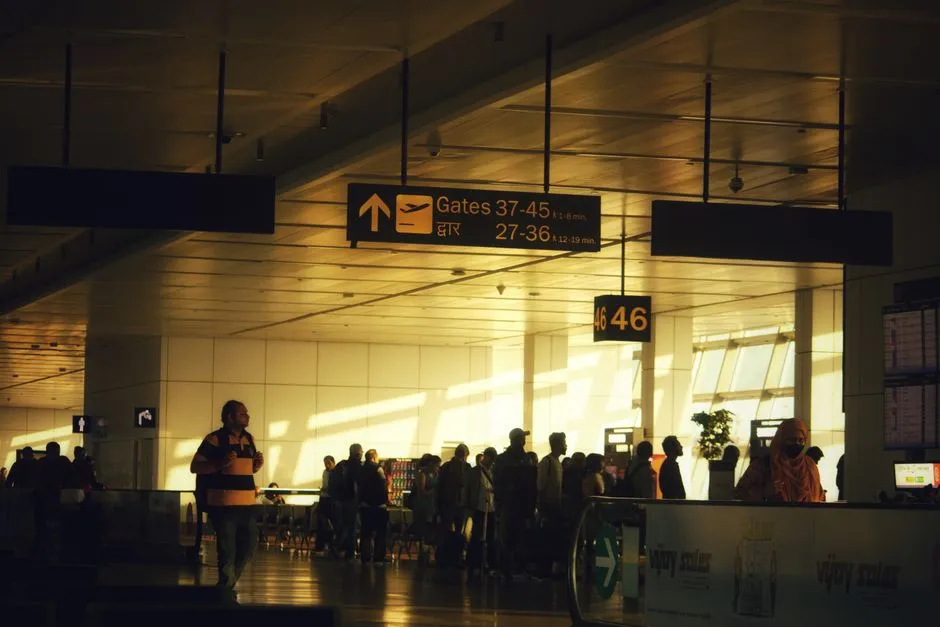
Airport gate podiums look simple from a distance, but behind that screen, gate agents juggle standby lists, seat maps, weight and balance numbers, and a hundred small decisions that shape how a flight boards. Some of those decisions come down to policy, but plenty of others are genuinely up to the person at the counter.
When you get to the gate, you can ask the gate agent to move you to a window or aisle seat, though gate agents have a lot of pre-boarding tasks to complete and may not always be able to fulfill the request. The word “always” is doing a lot of work in that sentence. Plenty of times they can, if you ask early enough and with the right approach.
Gate agents have the final say on seating arrangements, and your odds improve meaningfully if you are among the first in line, are polite, and have some mitigating circumstance, such as being tall or being a frequent flyer on that airline. Timing your approach before the boarding rush makes a real difference.
The Role Planes Being This Full Actually Plays
The overall passenger load factor reached 83.6% for full-year 2025, a record for full-year traffic. That means fewer than one in six seats worldwide sat empty on the average flight. Those numbers matter a lot when you’re trying to get moved. On a packed flight, the agent’s hands may genuinely be tied.
Domestic-only flights ran even tighter, hitting 84.4% full in December 2024, meaning a genuinely empty row is the exception now, not the norm. This is why asking at the right time, rather than hoping for luck, gives you a real edge over most passengers who do nothing at all.
A half-empty plane makes the agent far more relaxed about seat changes and small favors. Asking the gate agent how full the flight is before you make your request is a quiet but smart move. Their answer tells you how hard to push, and how grateful to seem when they come through.
Timing Your Ask: Before the Crowd Forms
Statistically, the best time to request a seat upgrade is usually after booking but before check-in, when airlines begin adjusting inventory and pricing based on demand forecasts. Most travelers ignore this window entirely and wait until they’re standing at the gate in a line of fifty people.
A few days before you fly, contacting the airline to inquire if any better seats have become available, or even whether you can pay for an affordable upgrade, is a smart first step. If this fails, you can try again at check-in, with much better success available via online check-in up to 24 hours before most flights.
Arriving early at check-in to ask if your seat can be reallocated, or failing that, asking politely at the gate when staff will know how full the flight is, gives you the best shot at a better seat. The gate, specifically, is where last-minute changes are most likely to happen, because the full picture of who showed up only becomes clear right then.
What Reasons Actually Work
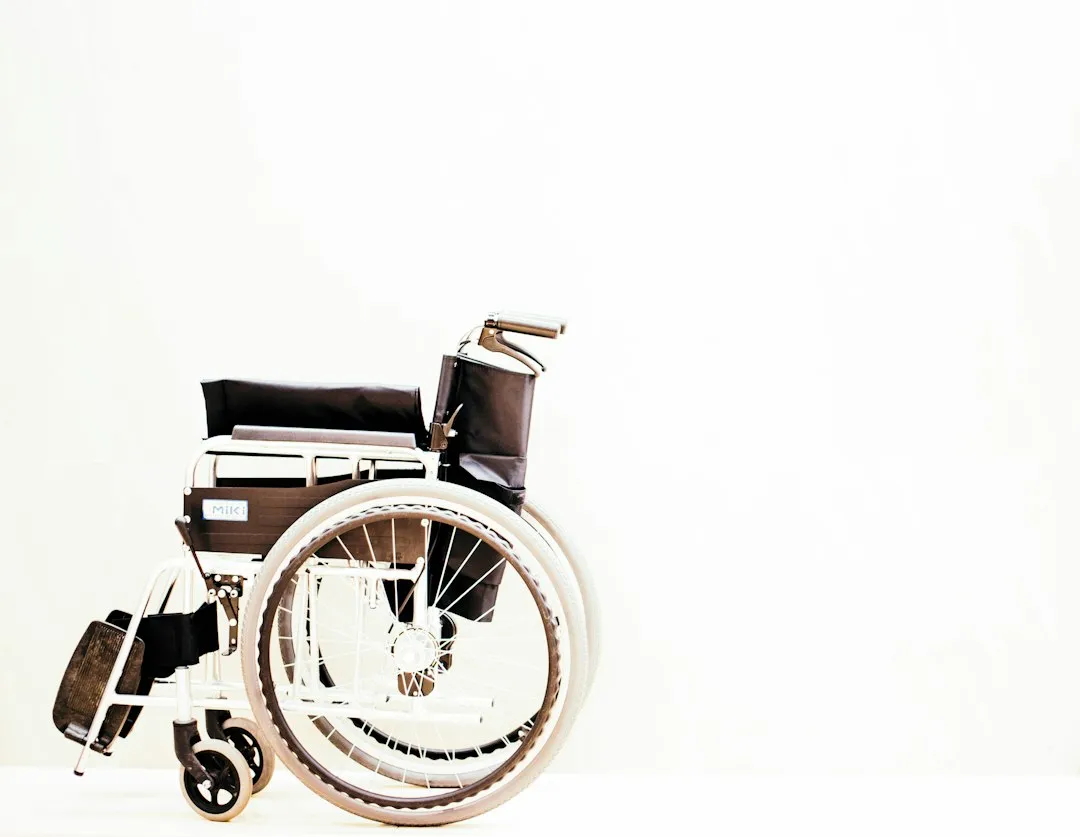
The reasons that get the most traction include traveling with a child under ten, accessibility needs such as a wheelchair or mobility device, a medical accommodation already documented in your file, or having paid for a specific cabin and being moved out of it. These aren’t loopholes. They’re legitimate grounds that agents are trained to respond to.
Beyond formal accommodations, quieter personal reasons also work well when stated plainly. A bad knee, a tendency to need the bathroom frequently, or traveling with a companion who got separated from you are all honest and relatable. The key is that you actually say something, and say it before the gate agent moves on to the next task.
Vague or entitled phrasing tends to fall flat. Saying “I just really don’t like the middle seat” is hard to act on. Saying “I have a circulatory issue and my doctor recommends I stretch regularly during flights” is specific, plausible, and easy for an agent to file under a category they recognize. One sentence, framed properly, does the work that ten minutes of restlessness won’t.
Politeness Is Not Optional, It’s Functional
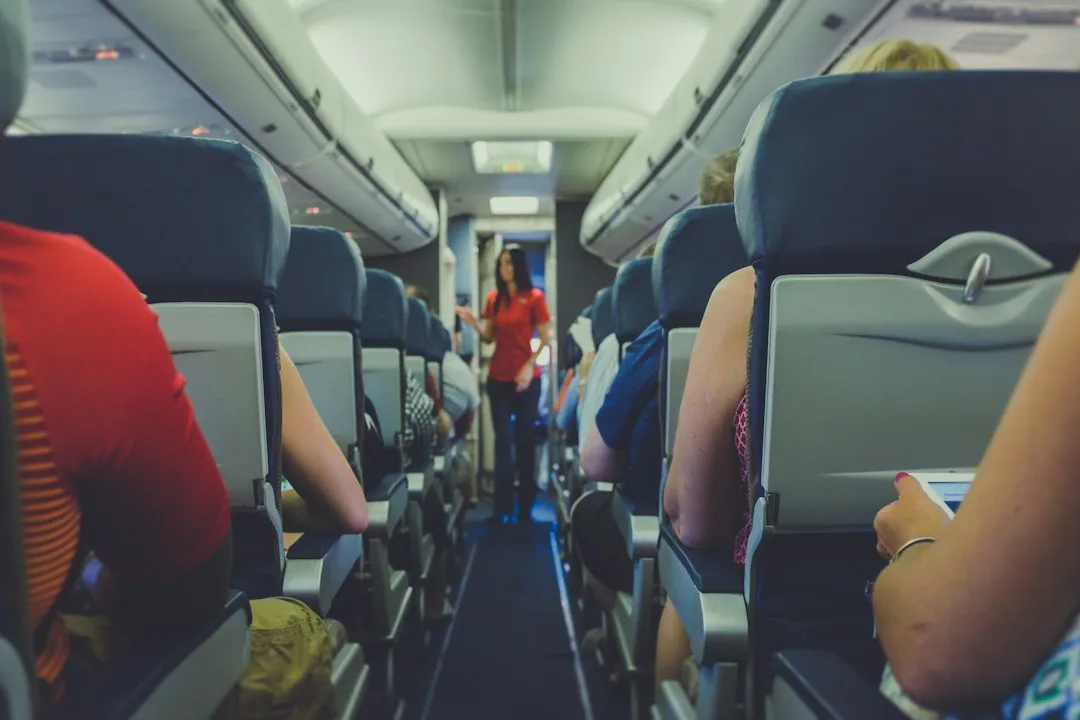
Showing up early, staying visible without hovering, and checking in politely once or twice rather than repeatedly tends to keep a traveler near the top of an agent’s mental priority list. This isn’t about being performatively charming. It’s about being easy to help.
Many U.S. domestic agents have discretionary authority over certain decisions, and a polite, specific request tends to beat silently waiting it out. The same logic applies to seat changes. Agents deal with hundreds of passengers, most of whom either demand or say nothing. The calm, reasonable person who explains their situation once tends to be the memorable one.
Researchers and etiquette experts emphasize the importance of open and respectful communication while adhering to airline rules, noting that always seeking approval from flight attendants or gate agents before initiating a seat switch makes their input part of the process, not an afterthought. This collaborative approach signals that you understand they’re the one with authority, which makes them more inclined to use it in your favor.
Asking a Fellow Passenger: A Different Skill Set
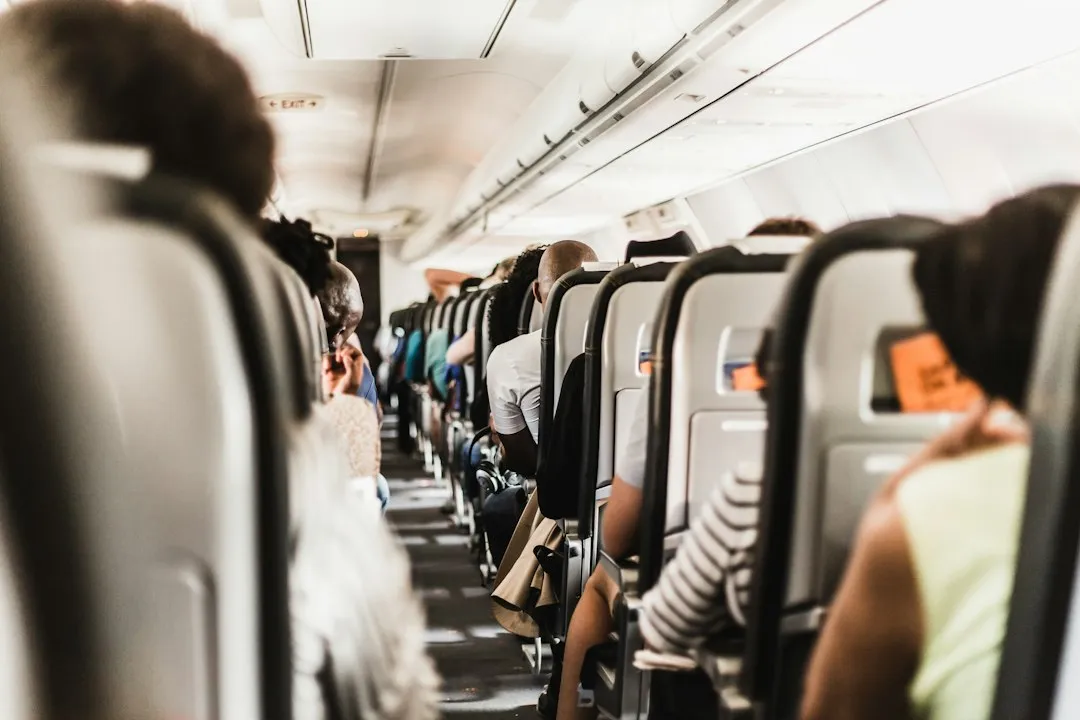
Sometimes the flight is full, the agent can’t help, and the person sitting in the aisle seat next to yours becomes the only option. This requires a different kind of sentence, one that frames a trade rather than a favor. Offering an equivalent or slightly better seat, stated clearly and kindly, is far more effective than simply asking someone to move.
Many experienced travelers are willing to honor a seat change request if it involves a similar type of seat, and will often agree to switch to an aisle or comparable seat if the person is polite and seems to have a legitimate reason. The legitimacy part is crucial. People respond to context.
Politely requesting a seat switch and being understanding if the other person declines, respecting their decision without pushing or making them uncomfortable, is the etiquette standard most aviation experts recommend. A clean, gracious ask that ends with a genuine “no problem at all” if refused is the version that works most often precisely because it carries no pressure.
How Airlines Are Reshaping the Middle Seat Game
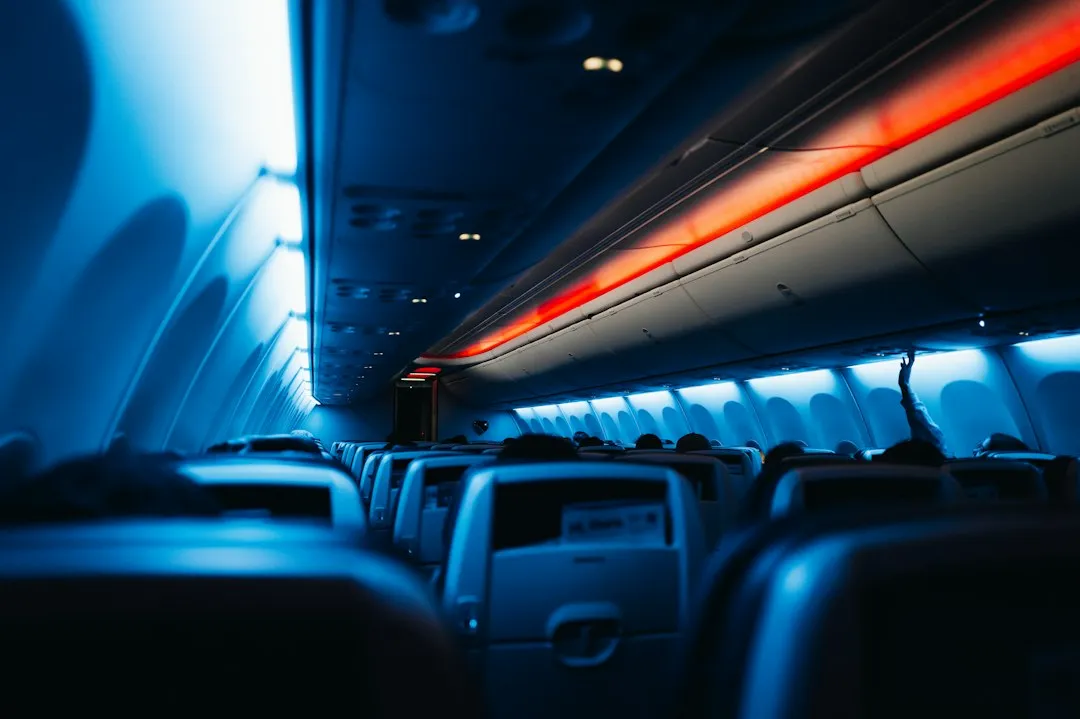
That tiny slice of extra space has become one of the most talked-about topics in air travel, and airlines have noticed. From new premium seating tiers to bidding systems and last-minute upgrades, carriers around the world are turning the empty middle seat into something passengers can chase, plan for, or even buy outright.
In 2024, Frontier Airlines introduced UpFront Plus, an upgraded seating option in the first two rows that guarantees a window or aisle seat with an empty middle seat and extra legroom. It’s a formal product born from a very informal passenger wish. The fact that airlines are building products around this preference tells you everything about how universal the middle seat frustration really is.
First and business class seats are highly coveted by travelers searching for upgrades, and many airlines now offer an additional method to access unsold premium cabin space through bidding. If you’re open to spending a modest amount, a bid upgrade placed well before departure can move you entirely out of the economy middle seat situation before it even becomes one.
The Seat Alert Strategy Most Travelers Skip
Setting a seat alert so you can be notified if an aisle or window seat opens up is a smart move, and they usually do open at the last minute, as passengers cancel, postpone their flights, misconnect, or get upgraded to first class. Dozens of apps and airline websites support this kind of alert, yet most passengers never bother setting one.
Checking your seat status via the airline’s app or website as close to departure as the airline will allow, and moving as needed right up until boarding, gives you a real-time view of what’s available. Seat maps shift constantly in the hours before a flight, and a window seat that was taken two days ago is often free the morning of departure.
The travelers who escape the middle seat most often aren’t luckier than everyone else. They just treat the seat map as a living document rather than a fixed verdict, and they keep an eye on it all the way to the gate.
Loyalty Status: The Quiet Pass Most People Don’t Use Loudly Enough
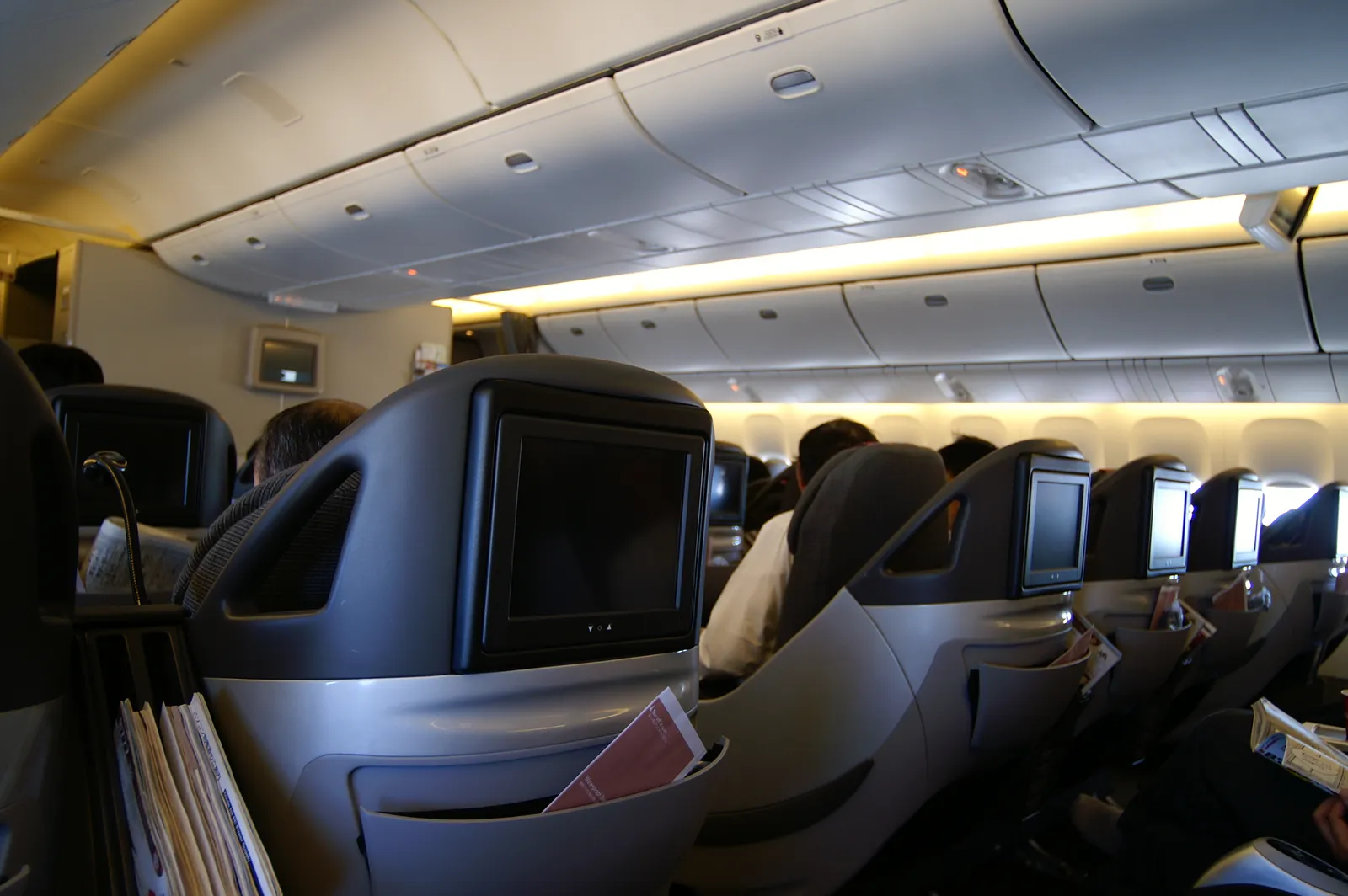
Travelers who hold elite status with a frequent flyer program should generally be able to pre-select a preferred seat for free. If that option isn’t available on the airline’s website, contacting the airline on social media, along with your frequent flyer number, status level, and program name, is a practical next step.
GBTA’s 37th Business Travel Outlook Poll from October 2025 found that roughly four in ten travel managers report employees self-fund upgrades outside company policy, with flight cabin upgrades leading as the most common out-of-pocket expense. This tells you that when people are willing to use their own money to escape a bad seat, they’re serious. If you have status, using it is the smarter first step before spending anything.
Plenty of frequent flyers are on an upgrade list and don’t even know they’re close. Gate agents can see your exact position in the queue, information the app often obscures or delays. Upgrades frequently do clear, but the timing varies wildly, sometimes hours out, sometimes after boarding has already started. Ask the agent directly where you sit on the list. Most passengers never do.
The Takeaway

The one sentence that gets you moved off a middle seat isn’t magic, and it isn’t manipulation. It’s a calm, specific, reason-backed request delivered to the right person at the right time. That’s it. The formula works because it makes the agent’s job easier, not harder.
Being nice and persistent in a friendly way genuinely can get you out of the middle seat and into something a lot more comfortable. The travelers who know this don’t gamble on luck or wait to see what happens. They prepare their sentence, they approach the gate with confidence and courtesy, and they ask.
Most of the time, that’s enough.
AI Disclaimer: This article was created with the assistance of AI tools and reviewed by a human editor.