

Ask anyone who travels regularly for work and they’ll tell you that a bad night’s sleep in a hotel can ruin an entire trip. The room could be gorgeous, the restaurant excellent, the service warm. None of it matters much if you’re lying awake at 2 a.m. listening to an elevator ping, a housekeeping cart roll past, or music thumping from a pool deck below.
It turns out that the floor you sleep on matters more than most travelers realize. Hotel staff and housekeepers know this better than anyone, because they see the requests come in every single day. Here’s what they’ve learned, and what you should know before your next booking.
Noise Is the Number One Complaint – Not a Minor Irritation

According to J.D. Power surveys, noise disturbances rank either first or second among guest grievances, and many travelers report having their sleep disrupted by hotel room noise at some point during their stays. That’s not a niche complaint from high-maintenance guests. It’s widespread and consistent across all hotel categories.
According to a study by the Journal of Clinical Sleep Medicine, over sixty percent of hotel guests have reported disrupted sleep due to excessive noise, making it a critical factor in guest dissatisfaction and negative online reviews. When sleep fails, the whole stay suffers, regardless of how beautiful the lobby is.
Research by Statista has found that “noise from other guests” is the most common complaint of hotel guests from the USA. So choosing the right floor isn’t a luxury preference. For many travelers, it’s what stands between a functional trip and a miserable one.
The Floor Guests Request Most: Upper-Middle, Not the Top
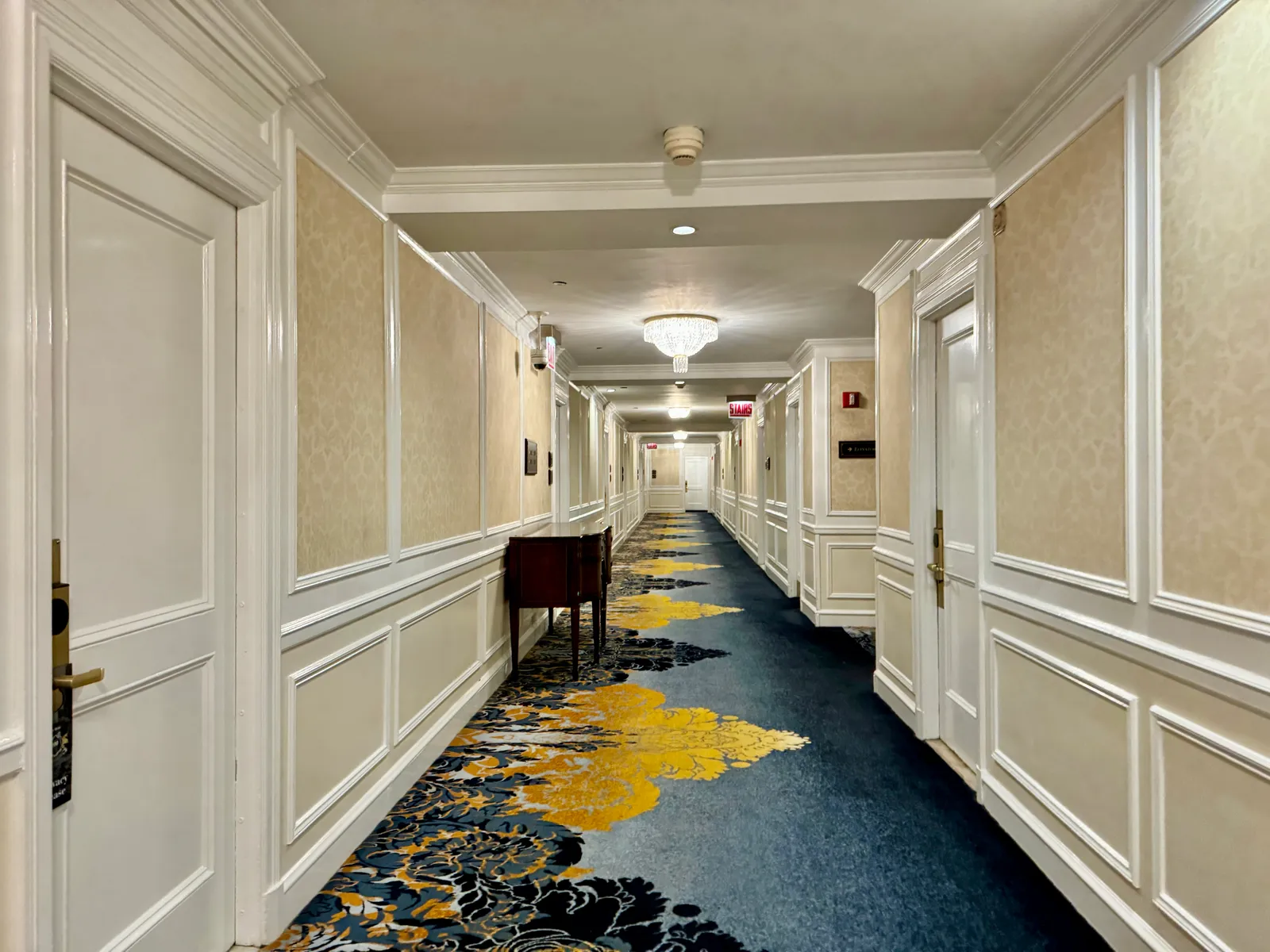
The best floor to stay on in a hotel typically ranges from the third to the sixth floor. These floors offer a balance between convenience and quietness, while also providing a safer environment in case of emergencies. Hotel staff hear this request constantly, and it’s easy to understand why.
For many travelers, the best hotel floor is a middle floor: high enough to reduce street, lobby, and restaurant noise, but not so high that elevators, luggage, or mobility become frustrating. It’s a practical sweet spot that avoids the extremes of both the ground floor and the very top.
The solution often lies in the middle floors, where you can find a sweet spot that balances the convenience of easy access with a quieter atmosphere. These floors are typically far enough from the street to minimize outside noise but not too high to be affected by elevator commotion. This is the logic that housekeepers and front desk staff encounter every day from experienced travelers who know what they want.
Why Higher Isn’t Always Better

Hotels with rooftop bars, restaurants, or event spaces can generate considerable noise, particularly on upper floors. While these amenities offer attractive features, guests seeking quiet should consider floors further removed or inquire about noise levels during specific times. A room on the top floor sounds dreamy until the rooftop bar starts up at 9 p.m.
If a rooftop bar, terrace, or mechanical system sits above you, a mid-level floor may be better. Staff at properties with rooftop amenities know this tension well and will often steer quiet-seeking guests away from those upper levels rather than toward them.
One of the worst experiences can be on the eleventh floor because the rooftop lounge is right above and the bass travels straight down. Floor choice is never just about elevation. It’s about what surrounds the room on every side, including above and below.
The Loud Zones Every Housekeeper Knows to Avoid
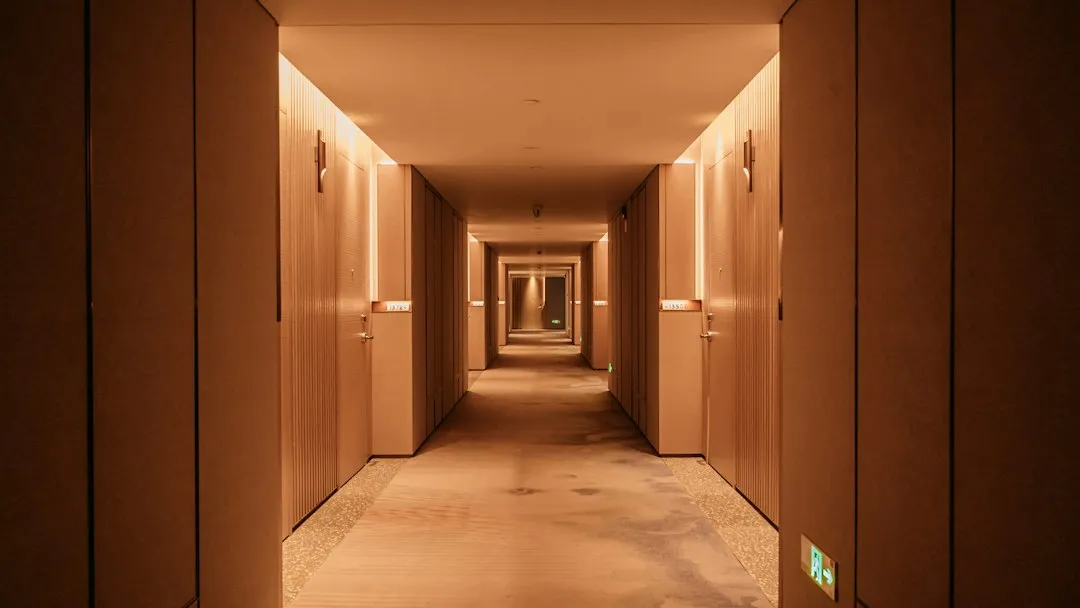
That typically means a room away from elevators, stairwells, ice machines, and swimming pools – in other words, anywhere with heavy foot traffic. Housekeepers move through these corridors all day and know exactly which rooms get the most ambient noise from foot traffic and mechanical systems.
Rooms near housekeeping closets are worth paying attention to. Housekeepers are among the hardest-working hotel employees, but that also means they must always be on the go while cleaning and turning over dirty rooms. Early morning cart movement can easily interrupt sleep. This is one noise source many guests simply don’t anticipate when booking.
Hallway traffic, including loud footsteps, door slams, and conversations outside guest rooms, can disrupt sleep. Rooms close to elevators, ice machines, or HVAC systems often receive negative mentions. Guests who are sensitive to sound should avoid rooms at the ends of corridors near these high-traffic service points.
The Midpoint of the Hallway Is the Quiet Insider Tip
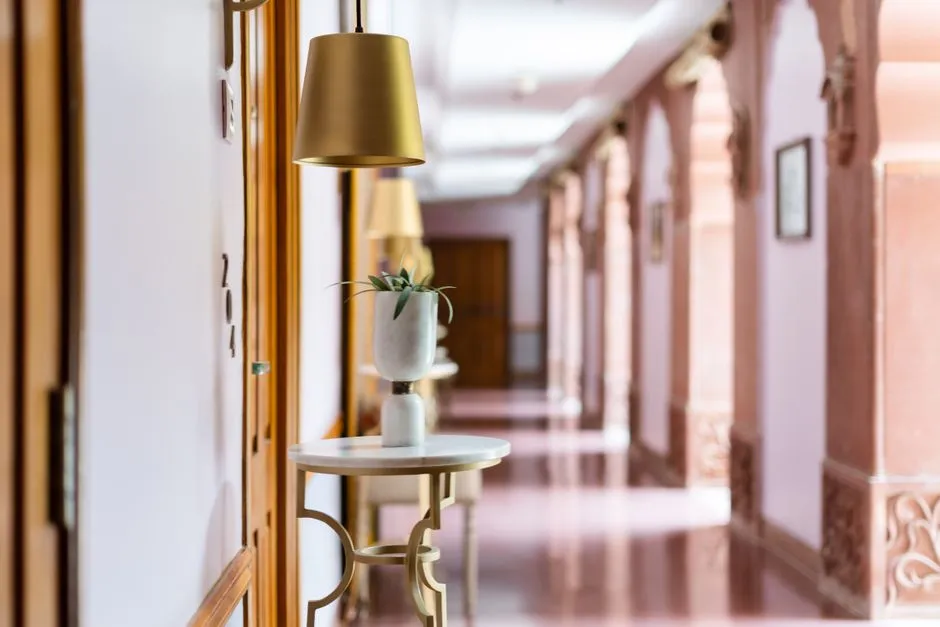
Booking a room midway along a hallway is generally the quietest part of the floor, as it’s away from the ice and vending machines, guest laundry facilities, exits, housekeeping closets, and other on-floor locales where noise can be made. Experienced hotel guests know this trick, but it rarely makes it into mainstream booking advice.
Rooms at the end of the hallway tend to get less foot traffic than rooms near elevators or stairwells. That said, rooms at the very end can sometimes be near stairwell doors, so it’s worth asking the front desk specifically which end of a corridor is quieter at their property.
The middle-of-the-hallway rule works across most hotel layouts. It’s a simple, free adjustment that requires only a clear, specific request made before you arrive.
Requesting Quiet Early Makes All the Difference
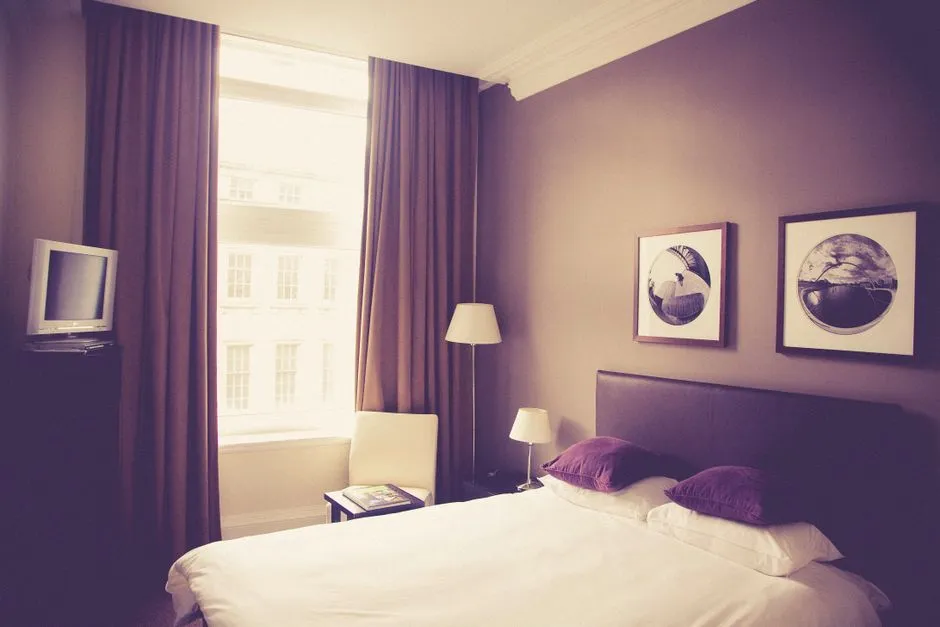
Requesting a quiet room well before your stay is always the best strategy. Keep in mind there’s no guarantee, as it all depends on availability. That said, the guests who ask in advance have significantly better odds than those who mention it at check-in when the hotel is full.
A specific request like “a quiet room on a high floor away from the elevator” is far more actionable than “the best room you have.” Staff will work through your list in order and get as close to your ideal as possible. Vague requests lead to guesswork, and guesswork rarely ends well for a light sleeper.
The trouble starts when a guest demands a particular floor after arriving, especially when the hotel is full. Room assignments depend on availability, reservations, maintenance issues, accessibility needs, and other factors. Front desk employees may have very little room to change things around. Timing and politeness, paired with a specific ask, are the real tools here.
What Housekeeping Staff Notice About Sound on Each Floor
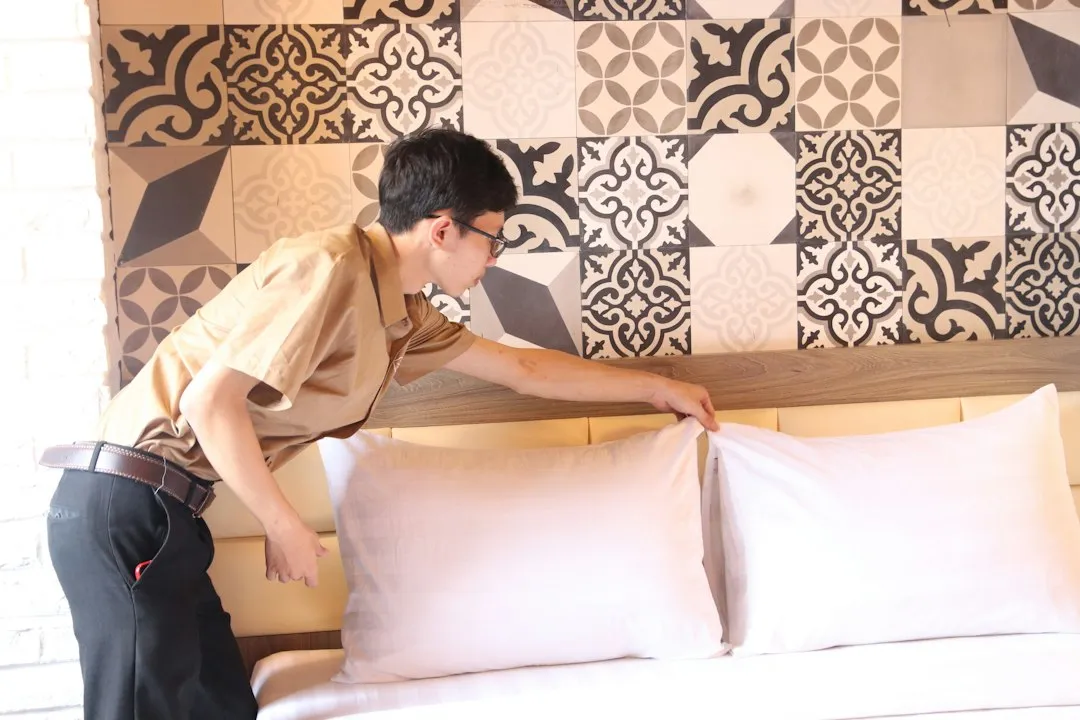
Hotel staff are trained to note a guest’s preferences clearly in the guest profile or reservation system so that requests during quiet periods get routed correctly. This means your floor preference from a previous stay may already be on file at hotels where you hold a loyalty profile.
Hotel management will move staff members to other rooms on other floors as needed to complete their shifts. Declining a room cleaning could actually make more work for the housekeepers if they need to change floors multiple times with all their equipment, rather than just cleaning the same rooms on the same floor each day. Housekeeping operations are floor-based for efficiency, and understanding this helps guests work with staff rather than against them.
You can request housekeeping later in the day if you’ve left the “Do Not Disturb” sign on your door. Many larger hotels, including both the Hyatt Regency San Francisco Downtown Soma and the Sheraton Princess Kaiulani, offer housekeeping on request, up until 9 p.m. each night. For light sleepers, arranging service for the afternoon rather than the early morning can remove one key source of disruption entirely.
How Noise Levels Actually Vary by Location Type

Field measurements revealed average noise levels ranging from 32.5 dB(A) in suburban hotels to 36.6 dB(A) in urban areas, and 42 dB(A) near interstate highways. That difference is significant. A room near a highway in an urban hotel can experience noise levels that are nearly a third louder than a room in a quieter suburban property.
Better sleep quality was associated with staying at a hotel in a less urbanized neighborhood and in a room on a higher floor. Both factors may be linked to less noise, so keep them in mind when making reservations. The combination of location and floor level, taken together, gives travelers the best chance of a genuinely restful night.
A hotel in the very center of nightlife will rarely be truly quiet, no matter how elegant it looks online. In many beach destinations, the most energetic blocks are also the loudest, especially at night. A slightly tucked-away address often delivers a better balance, close enough to walk to restaurants and the beach, but removed from clubs, traffic, and late-night foot traffic.
The Real Cost of a Noisy Stay
Industry surveys show that eighty-six percent of travelers are less likely to recommend a hotel after a bad noise experience. That’s not a number hotels can afford to ignore, and increasingly, they aren’t. Properties are investing in acoustic design and noise monitoring systems specifically because of how directly sleep quality ties to guest loyalty.
Seventy-four percent of travelers say a quiet room is key to a good night’s sleep. Despite this, many guests still don’t ask for a specific floor or room location when they book, leaving the outcome entirely to chance.
When problems occur during the stay, guest satisfaction plummets, a correlation backed up by a J.D. Power 2025 North America Hotel Guest Satisfaction Index Study. Cranky guests mean bad reviews, something no hotel general manager wants. For hotels, the noise issue has become as much a business problem as a hospitality one.
Some Hotels Are Now Officially Marketing Quiet Floors
Some hotels are marketing their quietest rooms to travelers who are looking for an especially restorative sleep experience. This shift reflects how seriously the industry now takes the link between floor selection, room placement, and overall guest satisfaction.
In addition to requests for quieter, less occupied parts of a hotel, you can consult websites, including The Quiet Hotels and another similarly named Quiet Hotels, that give hotels scores based on how quiet they are. Third-party resources now exist specifically to help travelers find properties where noise management has been taken seriously at the architectural and operational level.
While most hotels implement soundproofing measures, some noise transfer can still occur. Selecting a room away from high-traffic areas or on a floor known for quieter guests, like executive floors, can minimize this issue. Executive or concierge-level floors are worth considering at business hotels in particular, since the guest profile on those floors tends to favor quieter, earlier-to-bed travelers.
The Takeaway
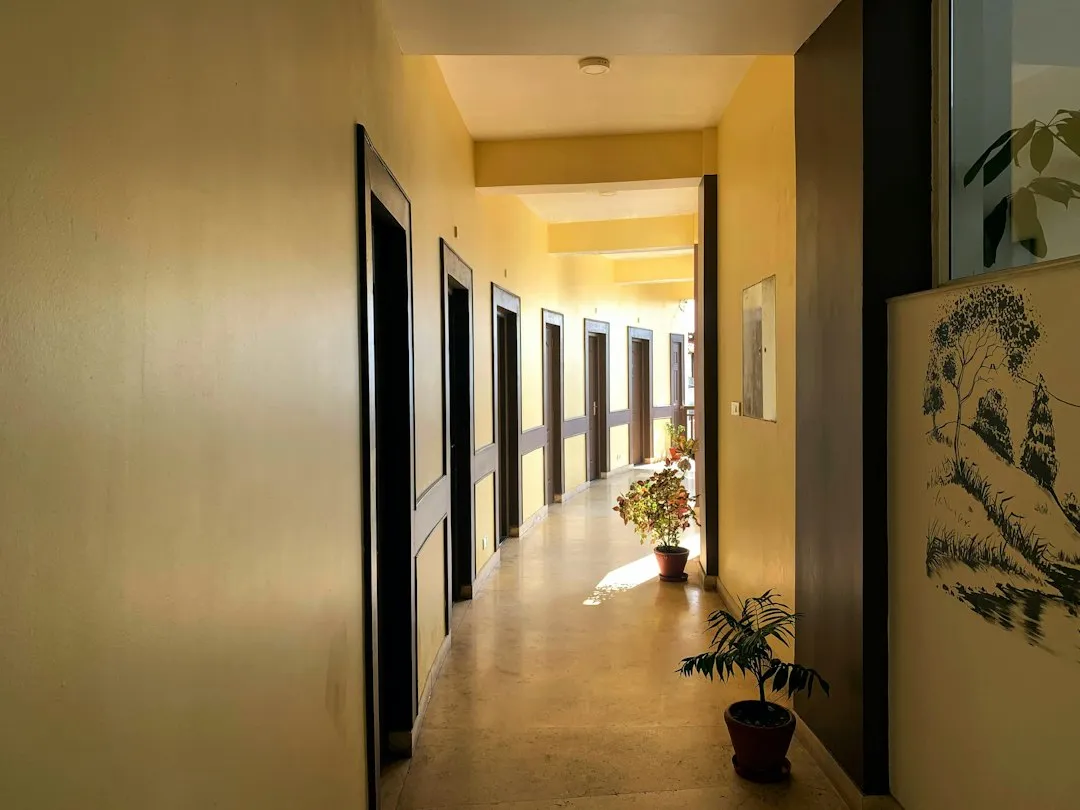
The floor guests request most for a quiet stay tends to land in that practical middle zone, high enough to escape street-level noise, low enough to avoid rooftop activity, and positioned mid-corridor away from the mechanical hum of elevators and service areas. It’s not a glamorous answer, but it’s an honest one, backed by what hotel staff observe every day.
The guests who sleep best aren’t always the ones with the highest loyalty tier or the biggest budget. They’re usually the ones who asked clearly, asked early, and knew what they were looking for. That’s a habit worth developing before every trip.
AI Disclaimer: This article was created with the assistance of AI tools and reviewed by a human editor.