
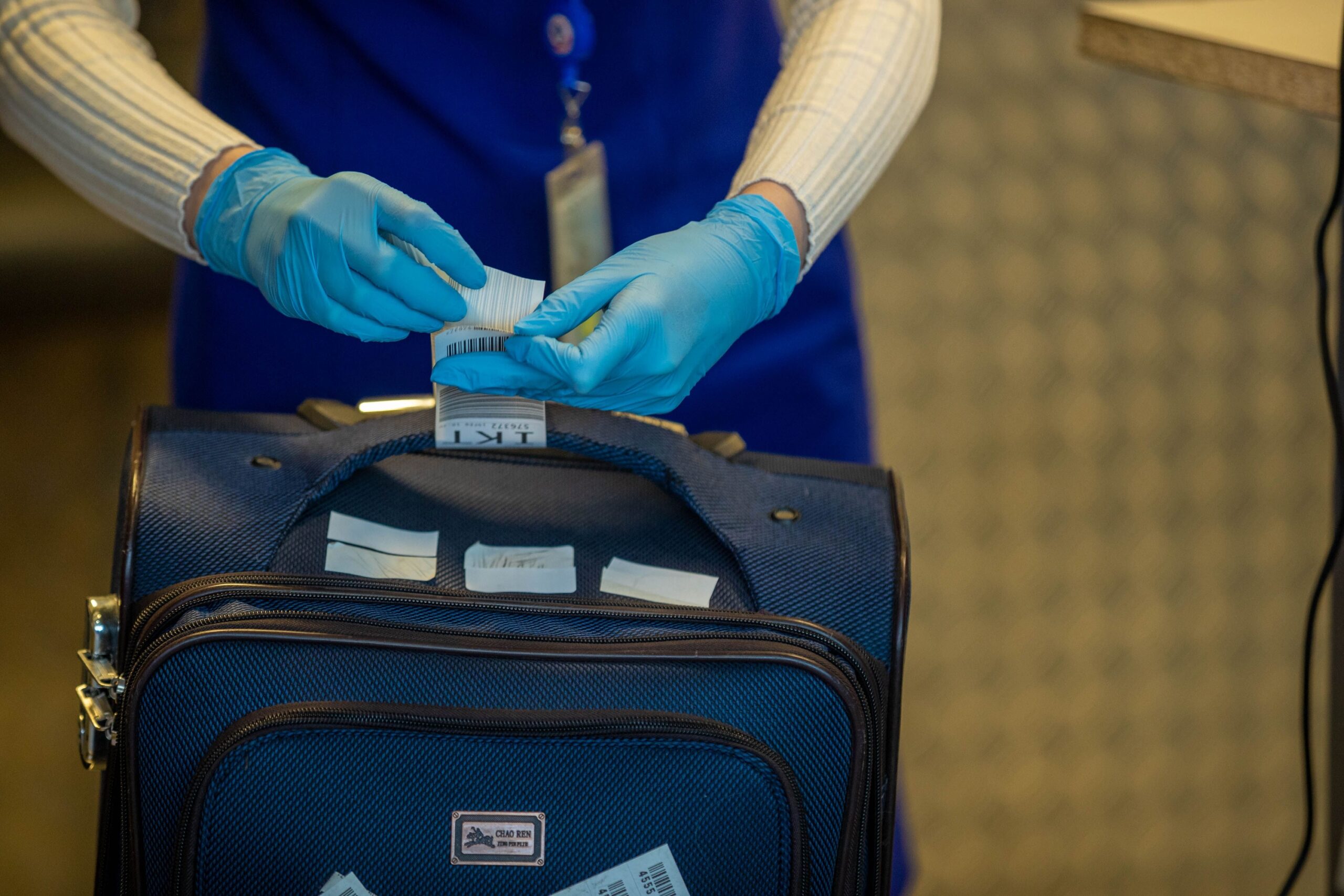

1. Understand the Habit First, Then the Four That Matter
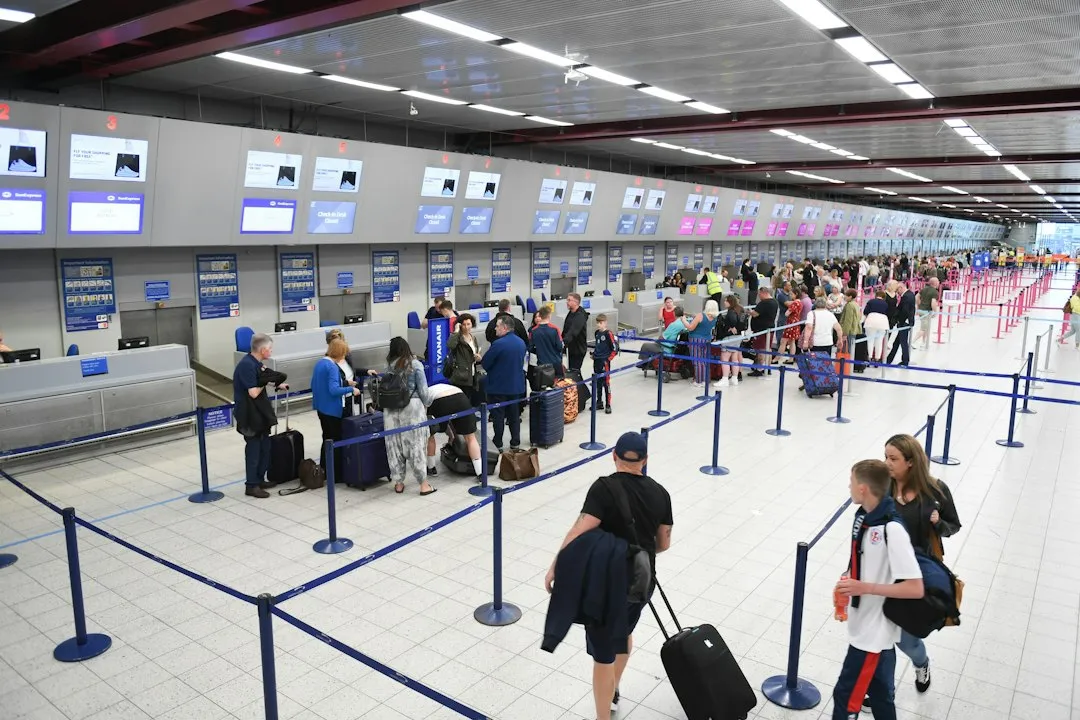
Before diving into the specific habits, it helps to understand the scale of what security checkpoints are managing every day. The lines feel personal, but the system is designed around volume, throughput, and consistency.
Security-related delays affect roughly two out of every thousand flights nationwide, and while those interruptions are relatively rare, when they do occur, they tend to stretch from 40 to nearly 60 minutes. That time doesn’t just affect you; it ripples through the gate area, the boarding process, and connections.
Although security-related delays account for a small share of overall disruptions, their impact can be significant, typically lasting 40 to 50 minutes on average, and because they’re caused by unpredictable events like equipment failures or security incidents, they’re among the hardest for travelers and airlines to anticipate.
Habit 1: Pack Your Bag With the Checkpoint in Mind
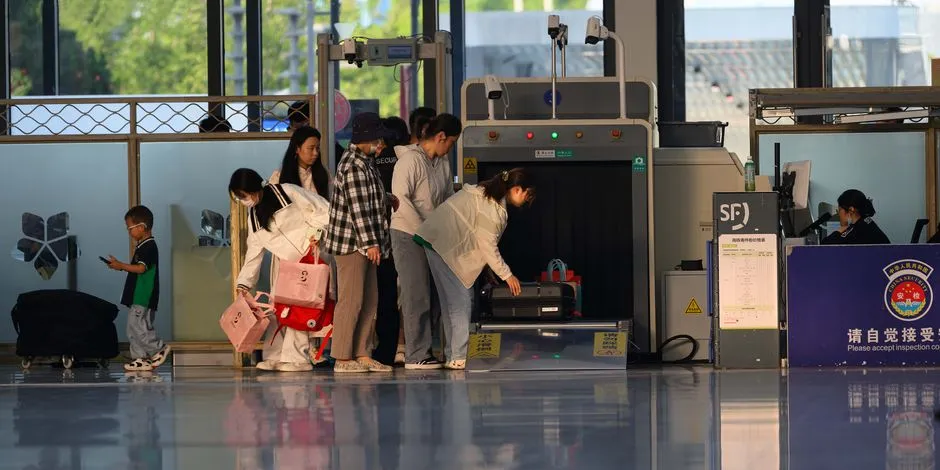
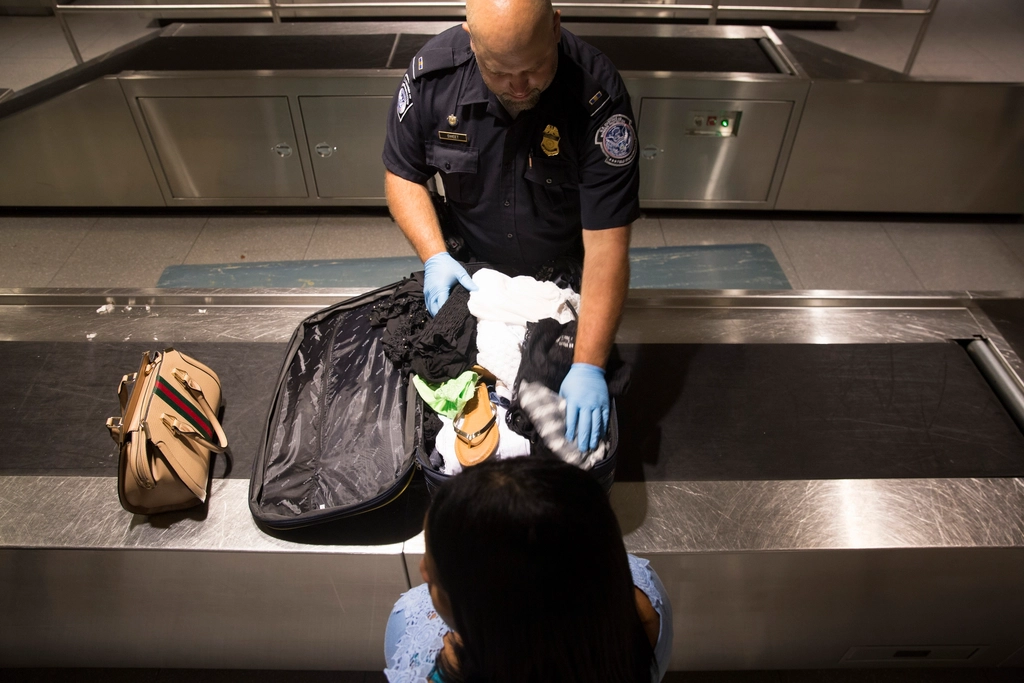
Most bag rescreens happen because travelers packed without thinking about what a scanner operator actually sees. Dense, disorganized bags trigger secondary checks, which slow the conveyor belt for everyone.
Liquids, gels, and aerosols packed in carry-on bags must follow the 3-1-1 liquids rule, meaning each container must be 3.4 ounces or less. All those small containers must fit into one quart-sized, approximately 7 by 8 inch, clear plastic bag, and you are limited to a single transparent quart bag per traveler.
Remove personal electronic devices larger than a cell phone from your carry-on bag and place them into a bin with nothing placed on or under them for X-ray screening. Keeping a laptop in an easily accessible pocket and placing your liquids bag near the top of your carry-on are small habits that take seconds at home and save real minutes at the checkpoint.
It’s never fun when your bag is pulled aside for additional screening, which requires more time in the security line. To avoid this, know what you can carry on board and what must go in a checked bag.
Habit 2: Master the 3-1-1 Liquids Rule Before You Arrive

The liquids rule is one of the most consistently misunderstood parts of the screening process, and it causes a disproportionate number of slowdowns.
The TSA’s liquid limit for carry-ons, known as the 3-1-1 rule, allows 3.4-ounce or 100 milliliter liquids to be carried by one passenger in one quart-size bag. If your liquids are stored in containers larger than 3.4 ounces, even if only 3.4 ounces remain in the bottles, you cannot bring them through security.
The TSA’s 3-1-1 rule applies to liquids, including gels, creams, pastes, aerosols, and consumable goods like salsa, honey, and peanut butter. That last category surprises many travelers. Anything spreadable or pourable, even food items, falls under the rule. Checking in advance rather than at the bin saves everyone time.
At airports with new CT scanners, you might not need to remove liquids from your bag, because TSA officers can see through bags more clearly with the new machines. Always check your specific airport’s rules before you travel.
Habit 3: Enroll in a Trusted Traveler Program
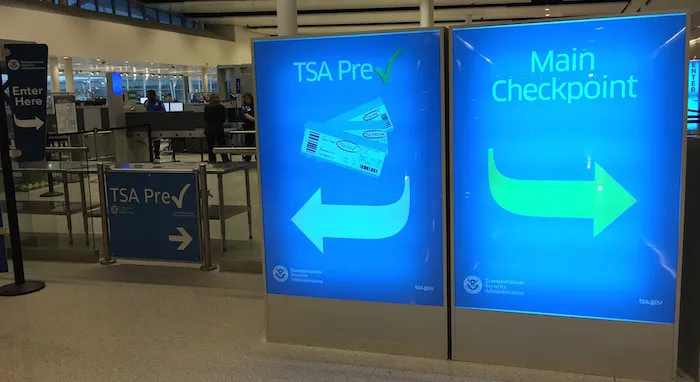
This is the single most impactful individual investment a frequent traveler can make, not just for personal convenience but for the flow of the entire checkpoint.
TSA PreCheck is a program that allows its 20 million pre-screened members to pass through airport security faster than at standard lanes. During normal security operations, the agency estimates that roughly 99 percent of passengers with PreCheck wait less than 10 minutes.
With TSA PreCheck, you can go through a dedicated security lane where you don’t need to remove your quart-size liquids bag or your laptop, and you can keep your shoes and jacket on. This streamlines the process significantly. Membership lasts five years and costs $78 to $85, depending on where you enroll, and you can join without paying out-of-pocket as it is an included benefit of many travel credit cards.
TSA PreCheck is available at over 200 U.S. airports, and to enroll, you must apply online and then visit an enrollment center for fingerprints and a photo. The process is straightforward, and the return on that single appointment compounds with every trip you take.
Habit 4: Have Your ID and Boarding Pass Ready Before You Reach the Agent
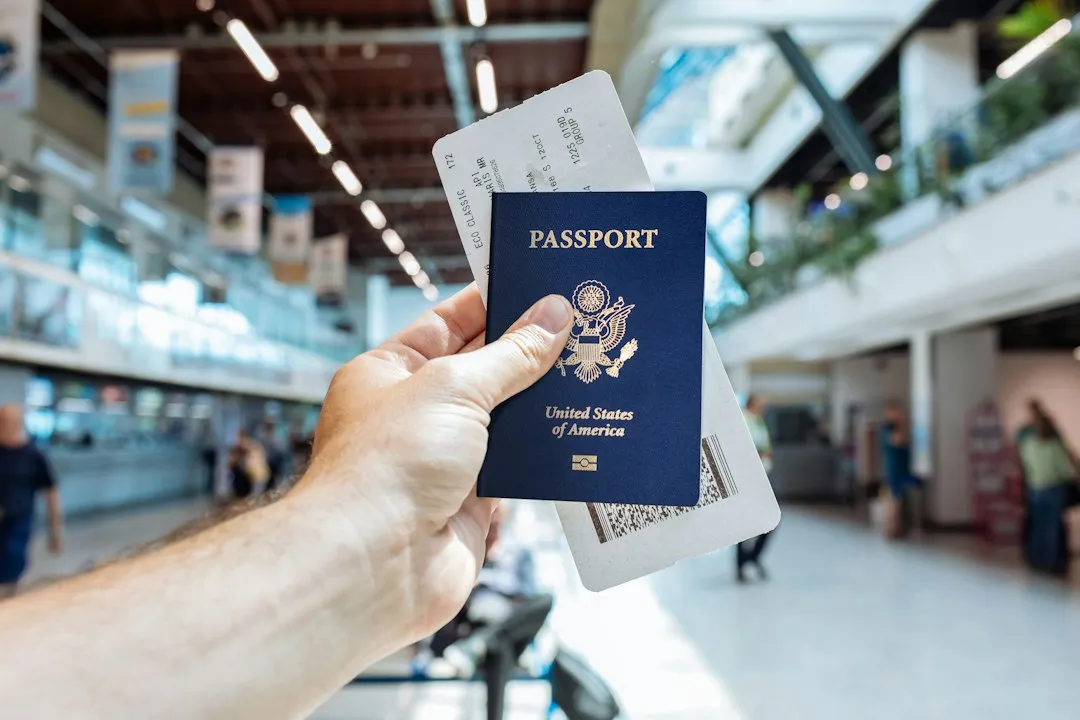
This one seems obvious, and yet it may be the most common source of small, cumulative delays at the front of every line.
Beginning May 7, 2025, every air traveler 18 years of age and older needs a REAL ID-compliant driver’s license, state-issued enhanced driver’s license, or another acceptable form of ID to fly within the United States. Arriving at the agent and then searching through a bag for your ID introduces a bottleneck that compounds with every person who does the same thing.
Having your ID and boarding pass out for inspection before you reach the document check point is a habit that takes zero extra effort and costs absolutely no additional time. It just requires thinking one step ahead.
Ensure pockets are empty, including keys, tissues, currency, wallets, and cell phones, and remove bulky jewelry before stepping into the scanner. Doing this while waiting in line, rather than at the conveyor belt, is exactly the kind of small behavior that keeps the whole line moving.
The Shoes Rule Has Changed, Know the Current Policy
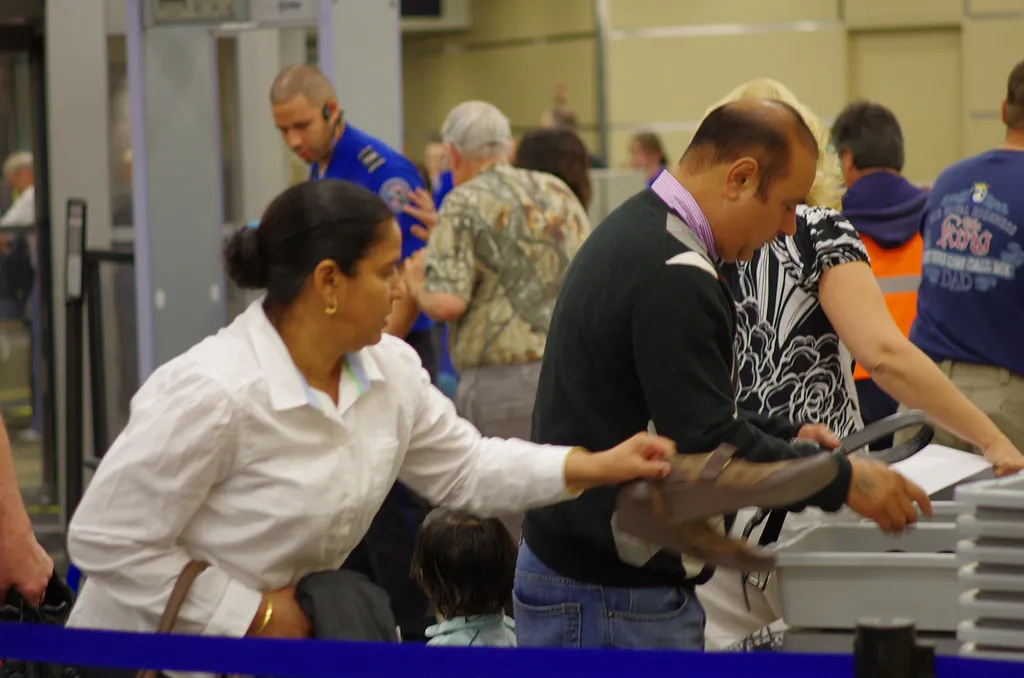
For nearly two decades, removing shoes was a universal requirement at U.S. checkpoints. That changed in 2025, and many travelers haven’t caught up.
In July 2025, after nearly 20 years, TSA ended the shoe rule, allowing passengers to keep their shoes on during airport security screenings. This is a meaningful shift in the checkpoint experience, but it also means that travelers who haven’t followed the news may still be removing shoes unnecessarily, creating awkward shuffles at the conveyor belt that slow the pace.
With PreCheck, you can keep shoes, belt, laptop, and liquids in place in a faster lane. Even in standard lanes, the new policy removes one of the more time-consuming steps. Knowing this before you travel avoids confusion at the checkpoint itself.
Use the MyTSA App to Know What to Expect
Going in blind is still a choice many travelers make, even though better tools now exist. Real-time wait information is available before you even leave for the airport.
You can download the MyTSA application to check and post airport delays reported by fellow travelers in real time, confirm what items can be brought through security, and review other tips from TSA. Major U.S. airports, including Atlanta, Orlando, Dallas-Fort Worth, JFK, and Chicago O’Hare, now publish checkpoint updates designed to give passengers a clearer picture of what to expect before arriving.
If you’re ever unsure about an item, use the TSA’s “What Can I Bring?” tool or the MyTSA app on your phone. You can search any item, from peanut butter to nail polish to snow globes, and it will tell you if it’s allowed, restricted, or banned in carry-on or checked bags.
Arrive With Enough Time to Be Calm, Not Rushed
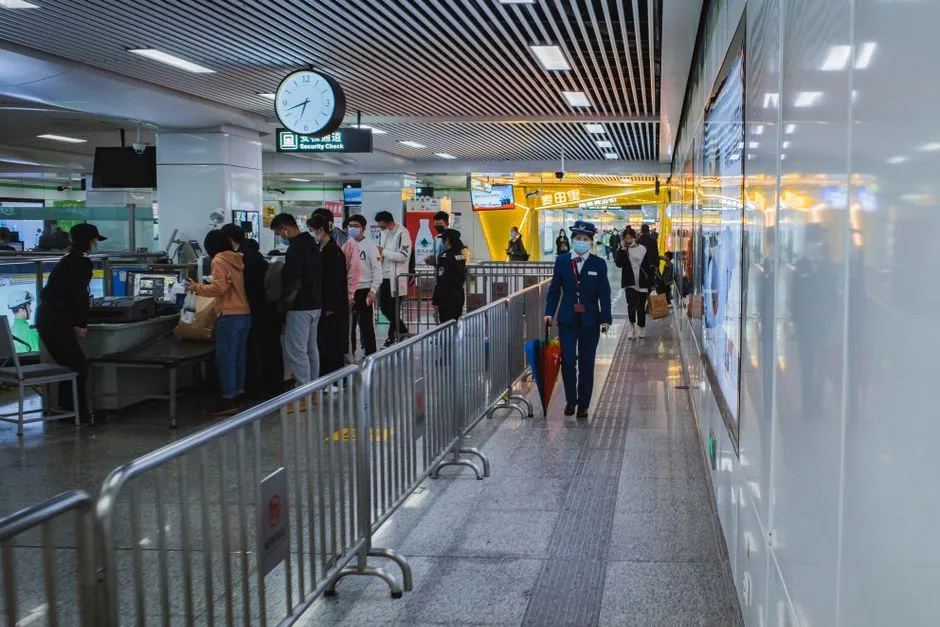
Rushed travelers are scattered travelers, and scattered travelers slow lines. Margin matters more than people tend to admit.
TSA usually advises travelers to arrive at the airport two hours early for domestic flights and three hours before international flights. These aren’t arbitrary numbers. They account for check-in, baggage drop, and the variability of checkpoint wait times across different airports and times of day.
The time required to get through security lines can vary greatly based on the airport you’re departing from, the day of the week, and the time of day. A Tuesday morning departure from a mid-size regional airport is a completely different experience from a Friday afternoon at a major hub. Treating them the same is where many travel plans start to fracture.
Empty Your Pockets Before You Reach the Belt, Not After
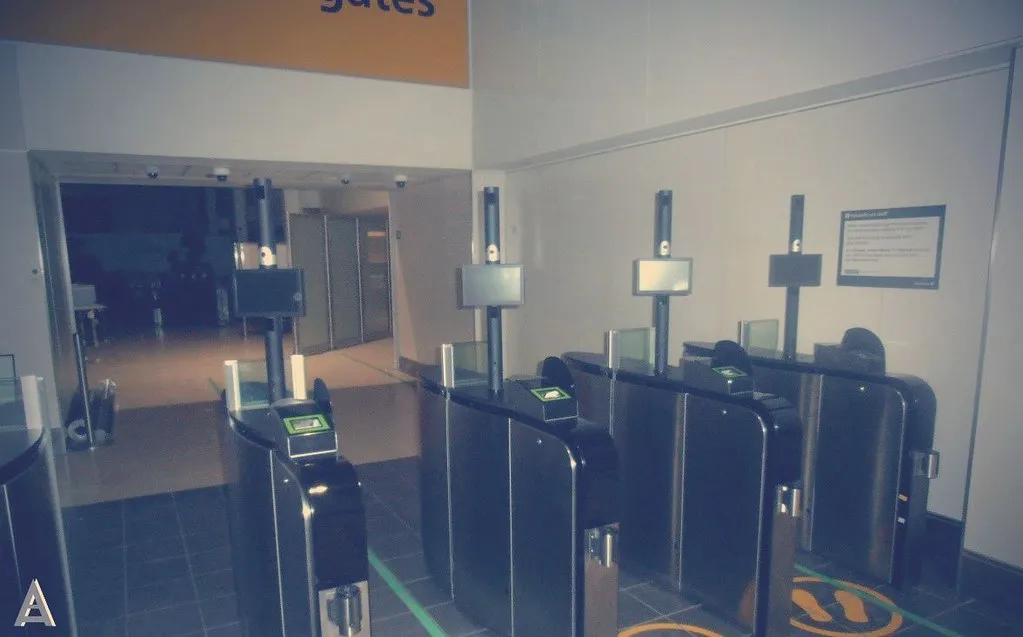
The conveyor belt is not the place to figure out what’s in your pockets. That discovery process, repeated by thousands of travelers daily, is one of the quieter drags on checkpoint throughput.
Ensure pockets are completely empty, including keys, tissues, currency, wallets, and cell phones, and remove bulky jewelry before stepping up to the screening area. Doing this while you’re still in the queue, before your bags go on the belt, keeps the line moving at the pace it’s designed for.
A small personal tip that travels well: use a dedicated travel pouch or the inside pocket of your carry-on to hold keys, phone, and wallet while in transit. When you reach the checkpoint, everything goes directly into the bag, nothing into a bin, and the belt keeps moving cleanly.
Understand What Still Slows Things Down at Scale
Even when individual travelers do everything right, systemic factors still shape the experience. Understanding this prevents frustration and helps you plan smarter.
A 2025 study found that more than one in five U.S. flights were delayed during a recent twelve-month period, with an average delay of about 73 minutes. Security is not always the cause, but the checkpoint remains a critical pressure point in the broader travel system.
Security-related slowdowns typically last 40 to 50 minutes and, while uncommon nationally, tend to cluster at just a handful of airports. According to the data studied, security delays occur at roughly two per one thousand flights nationwide. That means the overwhelming majority of security interactions go smoothly, especially when travelers arrive prepared.
The Takeaway
Security lines feel like something that happens to you. Mostly, though, they’re something that happens with you. Four habits, consistently practiced, cover the bulk of what slows checkpoints down: packing with the scanner in mind, knowing the liquids rule cold, enrolling in a trusted traveler program, and having your documents ready before you reach the agent.
None of these require much effort. They require a small shift in how you think about the time between your front door and your gate. That shift is easy to make once, and then it becomes automatic.
The version of you who walks through security calmly, bag organized, ID in hand, is also the version who makes it a little easier for everyone behind you. That’s not a small thing in a system that moves millions of people every single day.
AI Disclaimer: This article was created with the assistance of AI tools and reviewed by a human editor.