


The Rise of Heritage Tourism Is Reshaping the Map

The heritage tourism market was worth roughly 675 billion USD in 2026 and is growing at a compound annual rate of nearly six percent, projected to reach around 888 billion USD by 2031. That’s an enormous economic current flowing toward history, culture, and lived experience. This growth is driven by rising demand for experiential travel, improved visitor experiences at heritage sites, and greater awareness of cultural preservation and sustainable tourism.
Cultural tourism led the market in 2024 with a substantial share, supported by demand for festivals, art, and authentic traditions, while historical and religious tourism also showed strong traction. Small village archives sit comfortably at the intersection of all three. They are not theme parks or staged experiences – they hold the actual, unfiltered paper trail of a community’s entire existence.
Ancestry Travel Has Become a Force of Its Own
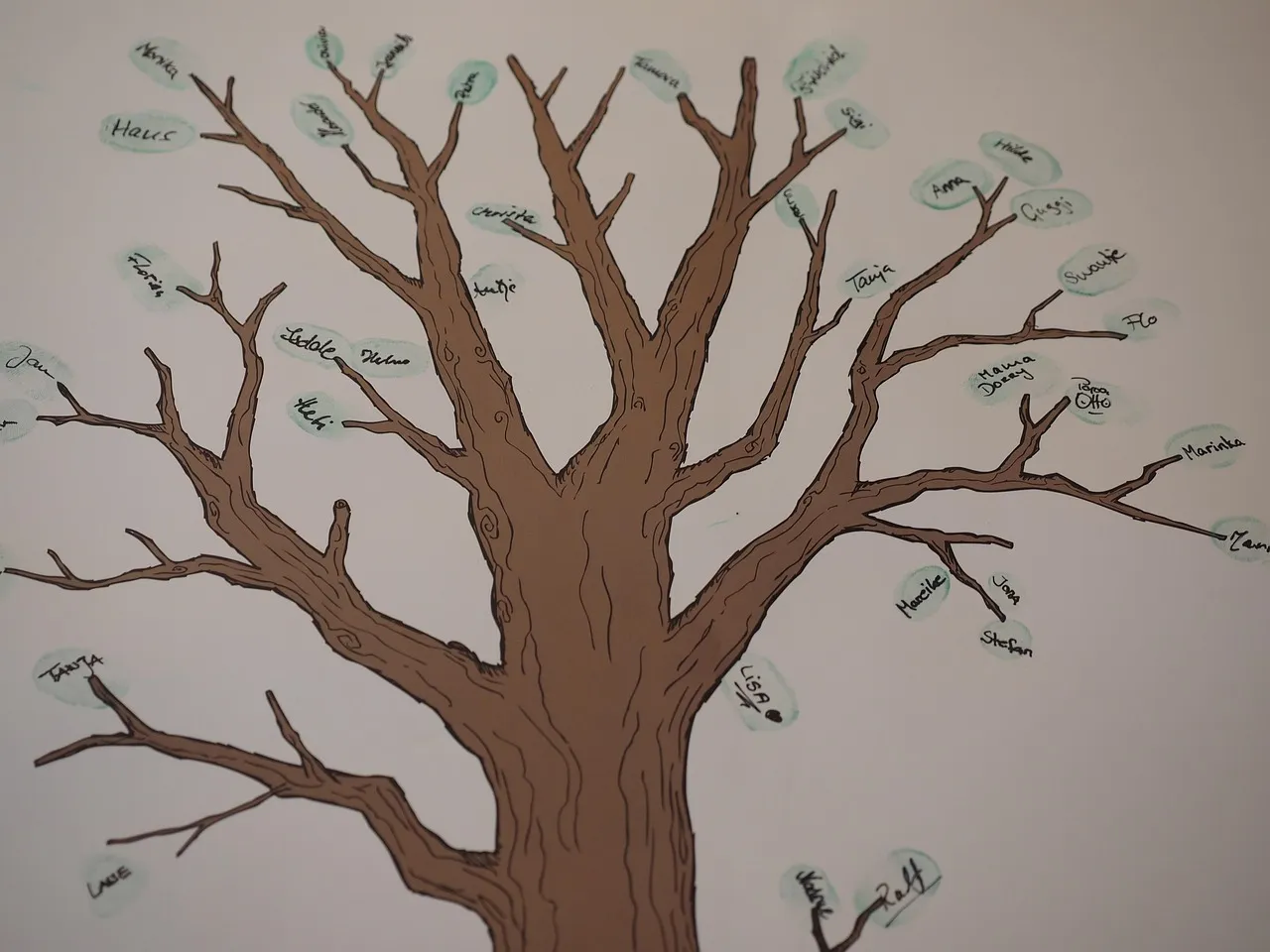
New research from Bókun, a Tripadvisor company, found that search demand for ancestry-related travel experiences increased dramatically over the past year, with searches for “ancestry travel” rising by over sixteen hundred percent, while demand for “DNA travel” rose by more than seven hundred and fifty percent year-on-year. These are staggering numbers for what was once considered a niche hobby.
Genealogy tourists often participate in tracing their ancestral lineages, and digital access to historical records, as well as DNA studies in recent years, have allowed an increasing number of people to identify the homelands of their ancestors. Once someone learns that their great-great-grandmother came from a specific village in County Clare or a hamlet in the Peloponnese, the desire to actually stand there, and to see the records that prove it, becomes remarkably concrete.
Ancestral and genealogy travel is among the fastest-growing segments within heritage tourism, recording a compound annual growth rate of nearly ten percent. Village archives are the physical anchor for this entire movement.
The UN Is Formally Recognizing Village Cultural Destinations
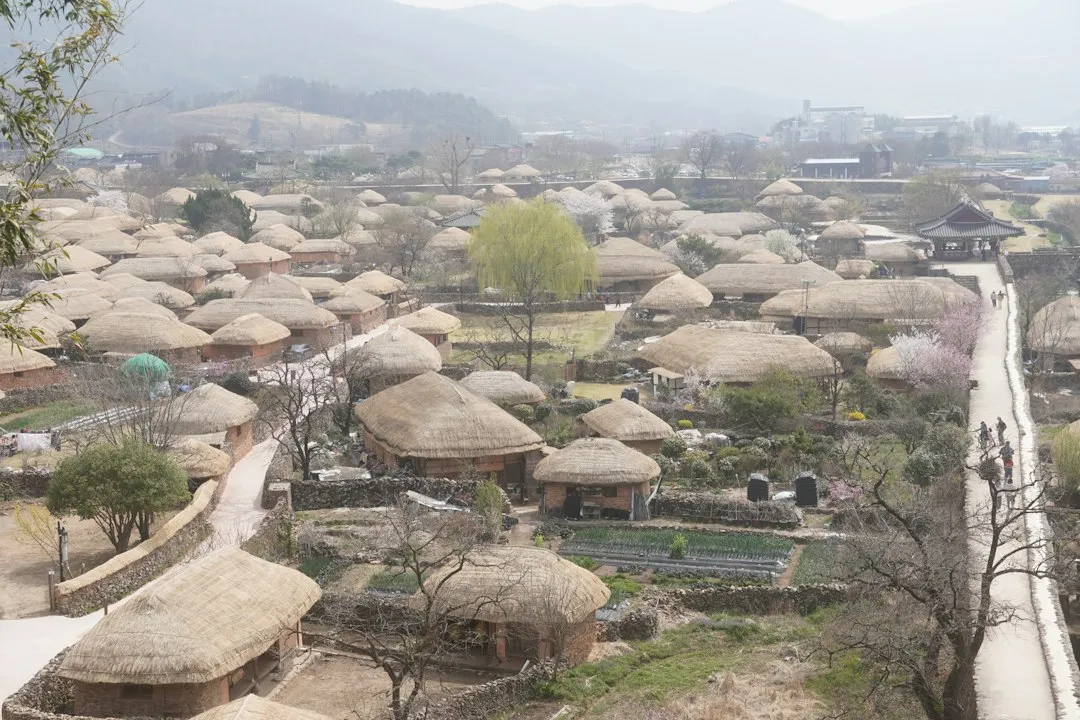
The UN named its 52 Best Tourism Villages for 2025, bringing the total network up to 319 destinations. First announced in 2021, the initiative aims to promote communities that are protecting their natural resources and cultural heritage while sharing them with visitors in a responsible way.
2025 marked the fifth year that the UN has been spotlighting rural communities around the world working to embrace tourism sustainably. The villages that applied for inclusion were assessed on nine different areas, including infrastructure and connectivity, cultural and natural resources, and environmental sustainability. Local archives are increasingly part of the cultural infrastructure being assessed and valued in this process.
Community-based heritage experiences, including those anchored in local records and archives, record a compound annual growth rate of over nine percent under the UNWTO’s Best Tourism Villages framework. Recognition from a body like the UN carries genuine weight when small communities apply for investment in preservation.
Italy’s ITALEA Program Shows What’s Possible

With more than 80 million people of Italian descent scattered across the globe, Italy is among the most sought-after destinations for roots travel. To meet this demand, the Italian government launched ITALEA, a project offering guided tours of places of origin, support with genealogical research, and experiential itineraries through the historical heritage of Italy’s smaller municipalities.
A 2024 survey conducted by Analytics and Arts found that Italian villages involved in the ITALEA project saw an average fifteen percent growth in tourist arrivals linked to roots tourism, with positive knock-on effects on local economies, particularly for family-run accommodation and culture-related services. That kind of targeted growth, flowing directly to small businesses in rural areas, is exactly what local governments have been hoping to generate.
Genealogical tourism in Italy could genuinely offer a valuable remedy for overtourism, drawing visitors away from the most crowded areas and directing curious people of Italian descent toward less-trafficked regions. Village archives are the cornerstone that makes the whole itinerary coherent.
Archives Are Becoming Active Community Spaces, Not Passive Repositories
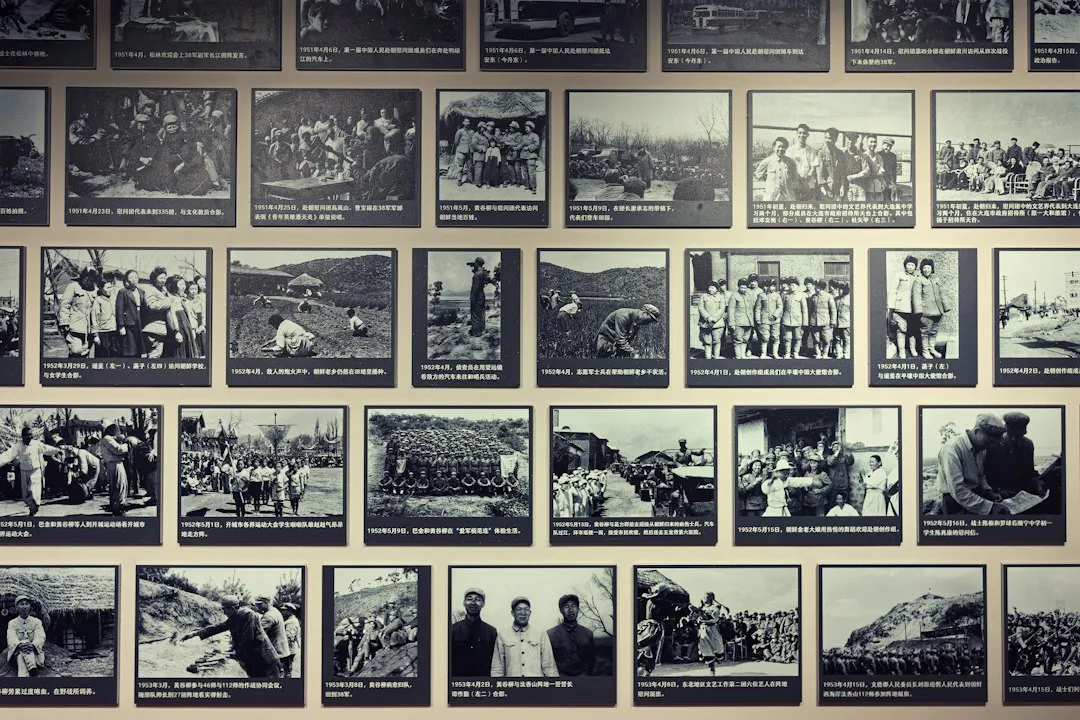
The Bedfordshire Archives in England ran a National Archives engagement grant project called “In Step with History,” focused on providing archivist-led guided walking tours in villages like Stotfold, Houghton Regis, and Langford, specifically designed to “connect archives with their communities” and give people an insight into the history of the local area.
The walks were a big hit and well attended by both locals and people from further afield. Eleven walks had been completed with over a hundred participants joining in. People from the walks were then inspired to contact the archive office to carry out their own research or contribute to research for the website. That’s a visitor engagement loop that museums spend considerable resources trying to achieve.
The St. Landry Parish Clerk of Court Archives in Louisiana holds free public genealogical tourism workshops monthly, helping visitors access historical documents stored in civil, conveyance, and mortgage records that link the past to the present. The archives assist the public with genealogical research, deeds to property, probates, wills, family successions, and marriage records, all stored both digitally and physically. Programming like this transforms what might once have been a bureaucratic office into something genuinely worth traveling for.
Younger Travelers Are Driving the Shift Toward Authenticity

Roughly six in ten millennials prioritize an authentic cultural experience when they travel, with a rising interest in heritage tourism. This trend is driven by a desire to reconnect with cultural roots, especially among those shaped by global migration and the growing availability of genealogical information.
The 26 to 35 age group was the dominant segment in heritage tourism in 2024, driven by affordable travel packages, digital platforms, and immersive experiences. This is a demographic that grew up with ancestry DNA kits and online family tree platforms. Many of them already know which village their family came from before they ever book a flight.
Digital Digitization Is Opening Village Archives to the World

The Royal Berkshire Archives launched a new digital repository, which took five years of development. The process involved procuring a secure, cloud-based system for storage of electronic archives, actively collecting digital records, customizing the storage system, and designing a public-facing interface to allow online access. Efforts like this are replicated in smaller archives across Europe, North America, and beyond.
The Bristol Record Society Collection on the Internet Archive received around 2,100 views and downloads per month between February and June 2025, about 200 higher than the previous period. Even as general web traffic declines in the AI era, archive-specific content is holding and growing its audience. That’s a meaningful signal about genuine, sustained interest.
Digitization doesn’t replace the physical visit. If anything, it sharpens the motivation to go in person. Seeing a scan of your ancestor’s name in a parish register online is one thing. Holding the actual book, in the town where they lived, is another entirely.
Rural Economies Are Benefiting Directly
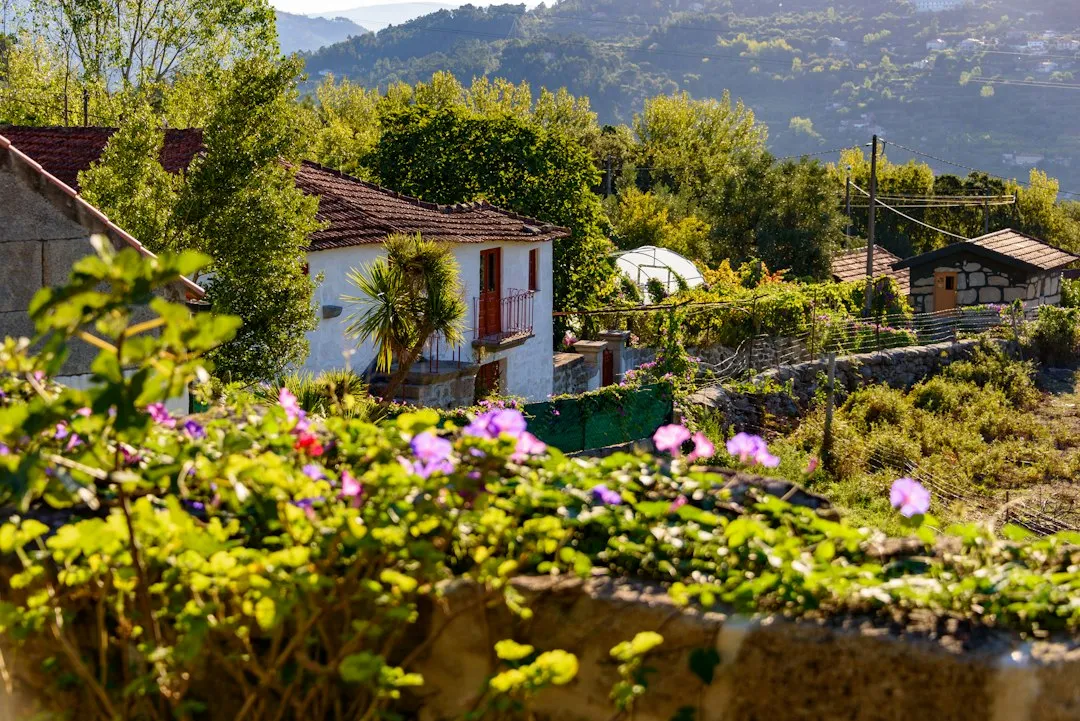
In China, one village that embraced rural cultural tourism saw its collective income surge from just 174,700 yuan in 2021 to 853,800 yuan in 2024, demonstrating the actual economic impact of rural revitalization anchored in heritage. The pattern repeats itself in different forms across continents.
Small-population destinations in the United States, from Hartford in Vermont to Galena in Illinois, are emerging as primary travel alternatives to major metropolitan hubs, with communities capturing significant visitor spending by focusing on historic preservation, local culinary scenes, and outdoor recreation. Archives and historical record offices often serve as the backbone narrative that gives these towns their specific identity and visitability.
Parish Records as Living Chronicles of Place

English parish registers listing baptisms, marriages, and burials are rarely examined holistically, yet they functioned as local chronicles showing the continued vibrancy of the chronicling tradition across centuries. Analysis of registers across the long seventeenth century reveals how the memories they contained – of individuals, communities, and the nation – were produced and understood.
This matters for tourism because it reframes what an archive actually is. It’s not a storage room for old paper. It’s a living narrative of a place, layered across centuries, waiting for someone with the right question to unlock it. Heritage tourism, at its core, aims to educate and inspire visitors while preserving and celebrating the distinctive aspects of various cultures, fostering a deeper understanding of historical contexts, and promoting the conservation of valuable cultural assets while enhancing community pride. A village archive delivers all of that in a single visit.
Responsible Tourism Finds a Natural Home in the Archive

Visiting sustainable, off-the-beaten-path travel destinations that are preserving their heritage and conserving the environment is increasingly seen as crucial to the long-term future of travel. Village archives fit this model perfectly. They don’t require new infrastructure. They generate low footfall. They pull visitors into quiet, respectful engagement with a community’s history rather than overwhelming it with crowds.
More travelers want to visit destinations that aren’t being negatively impacted by large crowds, and they’ll actively seek out destinations in which their presence can play a positive role, either economically, environmentally, or both. An archive visit is inherently that kind of travel. The visitor’s presence is almost always an asset, not a burden, to the community hosting them.
The UN’s Best Tourism Villages program highlights communities that are working to safeguard their cultural heritage, preserve their natural resources, and create economic opportunities through tourism. Archives, wherever they exist, are doing precisely that work every single day, often without any formal recognition at all.
The Takeaway

The appeal of the village archive is, at its heart, deeply personal. People don’t travel to a small town in Tuscany or rural Louisiana purely for academic reasons. They go because they want to feel connected to something older and more rooted than their daily life allows. An archive provides exactly that, without spectacle, without a gift shop at every corner, and without the need to compete for a photograph.
As heritage tourism continues to grow steadily into the late 2020s, the communities with the wisdom to treat their archives as assets, rather than dust-gathering obligations, are the ones that will build sustainable, respectful tourism economies. The records were always there. What’s changed is that travelers are finally ready to come looking for them.
AI Disclaimer: This article was created with the assistance of AI tools and reviewed by a human editor.