
The Middle of the Train Is Where the Noise Drops
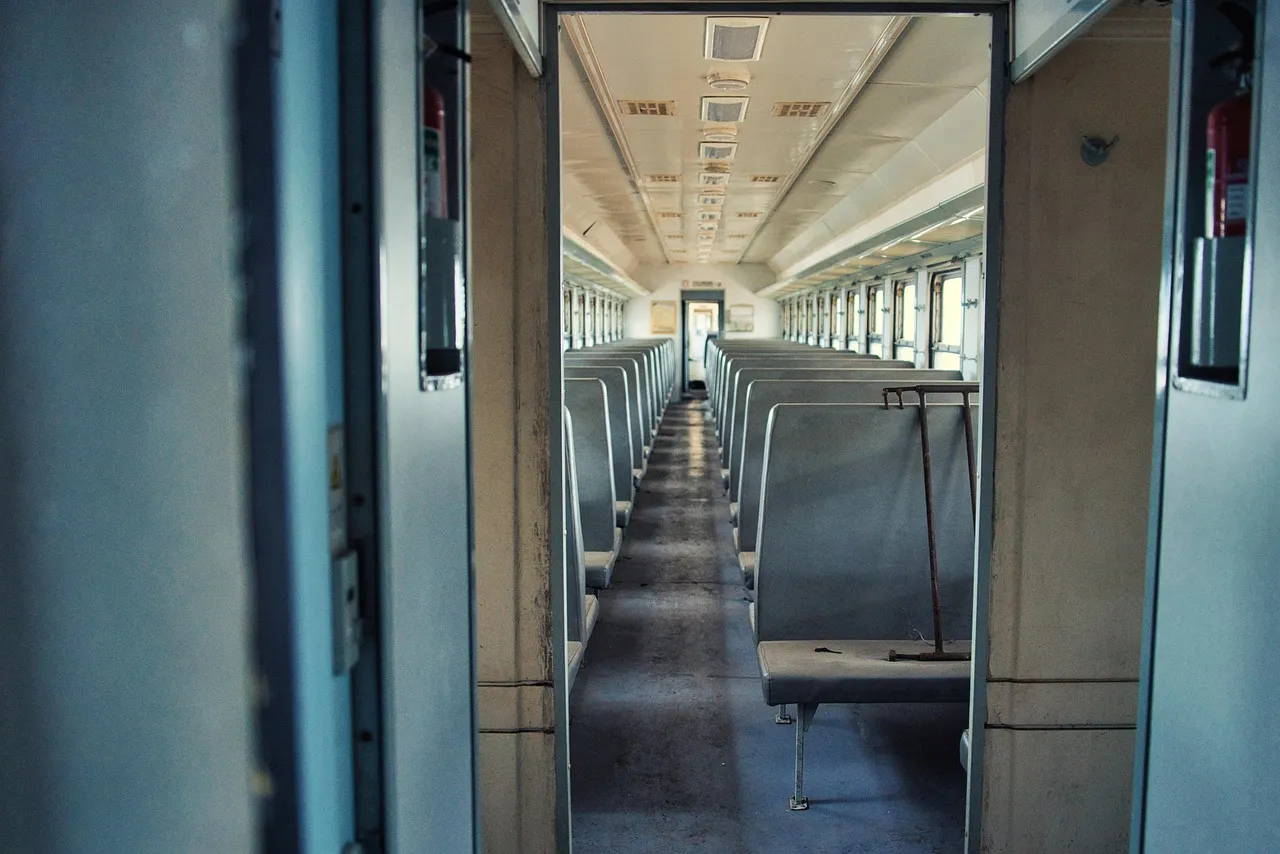
Sitting in the middle of the coach, away from the bogies (the wheel sets at either end), provides the smoothest and quietest ride by minimizing vibration and track noise. This isn’t just folk wisdom passed along by frequent travelers. It reflects the basic mechanics of how sound and vibration travel through a train’s structure.
Middle-coach seating keeps you away from the high-traffic areas near the doors and toilets, where noise and drafts are most common. Those of us who’ve made the mistake of sitting directly above a bogie on a bumpy commuter line will need no further convincing.
What the Bogies Are Actually Doing to Your Ears
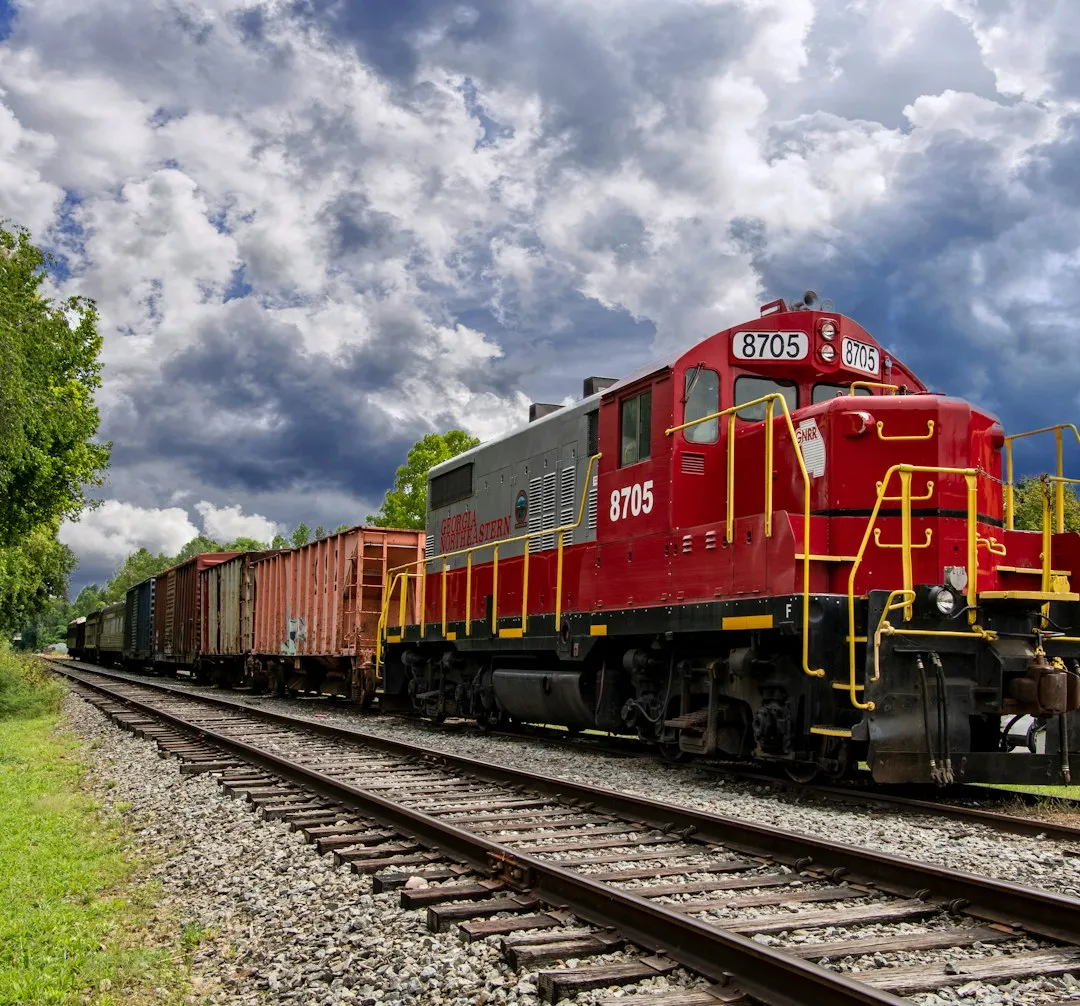
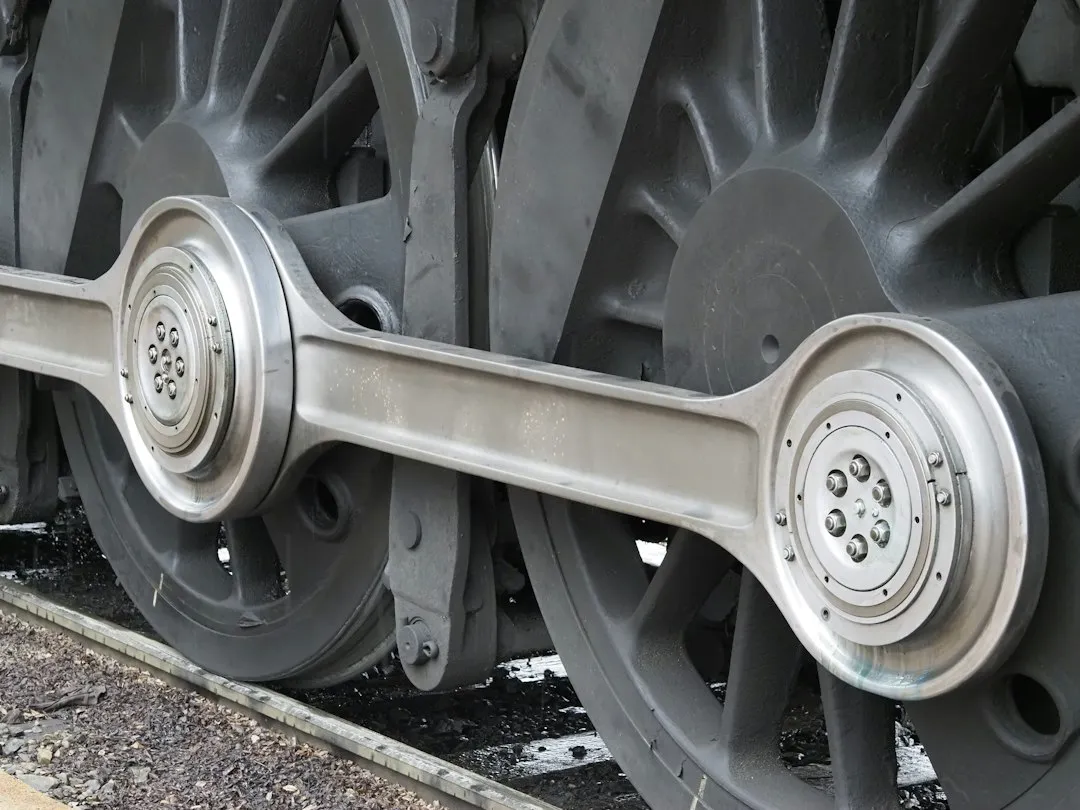
The three types of noise caused by wheel-rail interaction are rolling, impact, and curve squeal noises. All three radiate directly upward through the car floor, which is why seats positioned directly over wheel assemblies are consistently the loudest spots on board.
The noise of subway and rail vehicles mainly refers to the vibration of the train bogie transmitted to the vehicle body and the vibration generated by the impact and friction of the wheels and rails. Sitting between the bogies places a meaningful buffer of structural distance between you and those two primary sources of mechanical noise.
Among the various aerodynamic noise sources associated with high-speed trains, the bogie regions, and particularly the leading bogie, contribute most to the overall noise. That finding from acoustic research published in ScienceDirect clarifies why the front car of a fast train can be noticeably louder than cars further back.
Why the Seat in the Center of the Carriage Wins
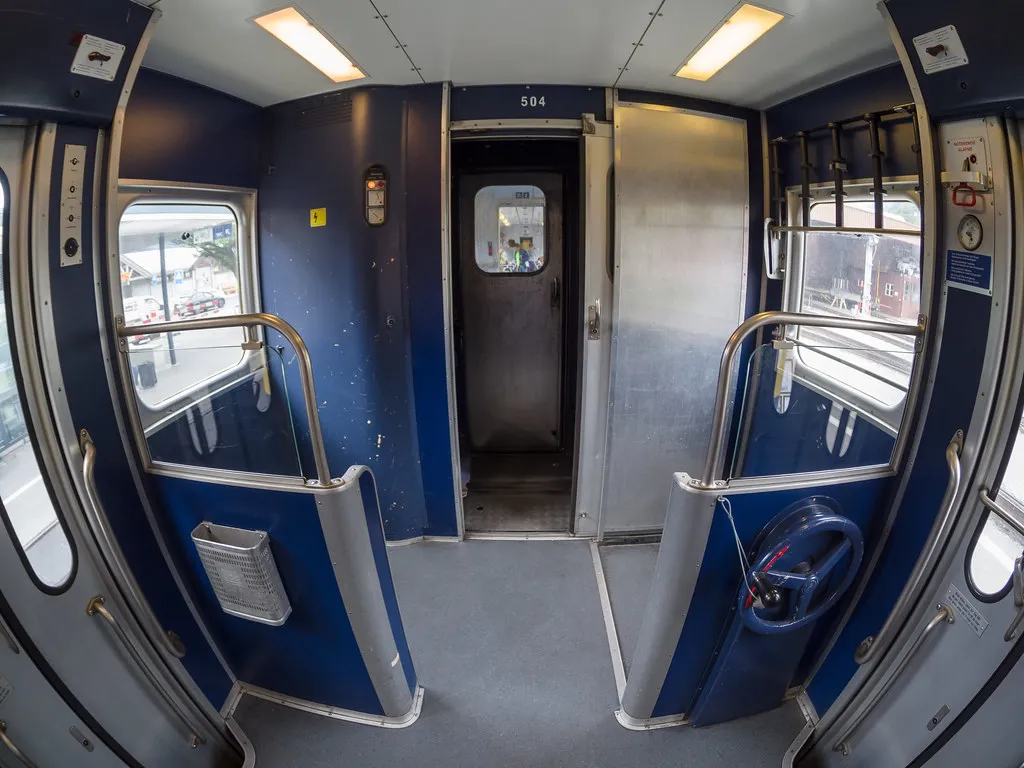
The seats in the middle of a car are generally the quietest, since they are not over the wheels. They also tend to be smoother riding, as the jolt when the wheels hit a bump is only half as much in intensity. They are also away from the end doors, which let in a lot of track noise.
The logic compounds nicely. Less wheel noise from below, less draft noise from the ends, and less foot traffic through the aisle all concentrate in the same central zone. If you can combine this with a middle carriage in the overall consist, you’ve found the sweet spot.
The Leading Car Is the Loudest – Here’s Why
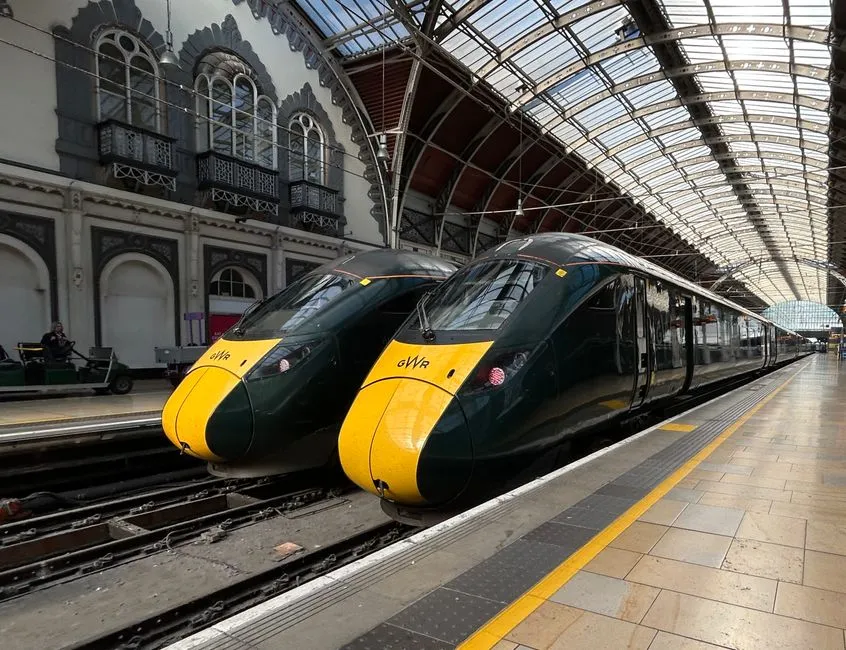
Research on train radiated noise has shown that the head car and leading bogie of a high-speed train generate complex turbulent noise, with the bogie bottom displaying complex streamlines with turbulence and vortices, particularly around the wheelsets. Published in Physics of Fluids in January 2025, this study makes clear that the very front of a high-speed train is an acoustically demanding environment.
Research indicates that parts of the bogie interacting with the shear layer jet experience substantial pressure variations, leading to pronounced noise generation characterized by a wide frequency range. Passengers sitting in the lead car are essentially riding alongside the loudest aerodynamic surface on the whole train.
What Conductors on Commuter Lines Recommend
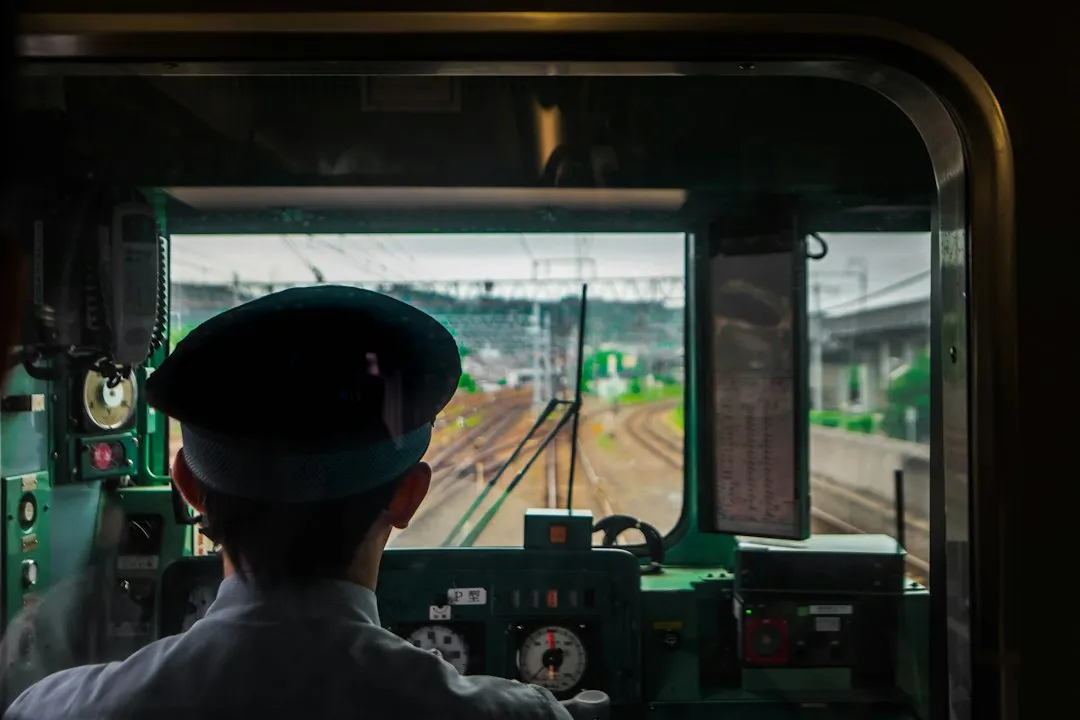
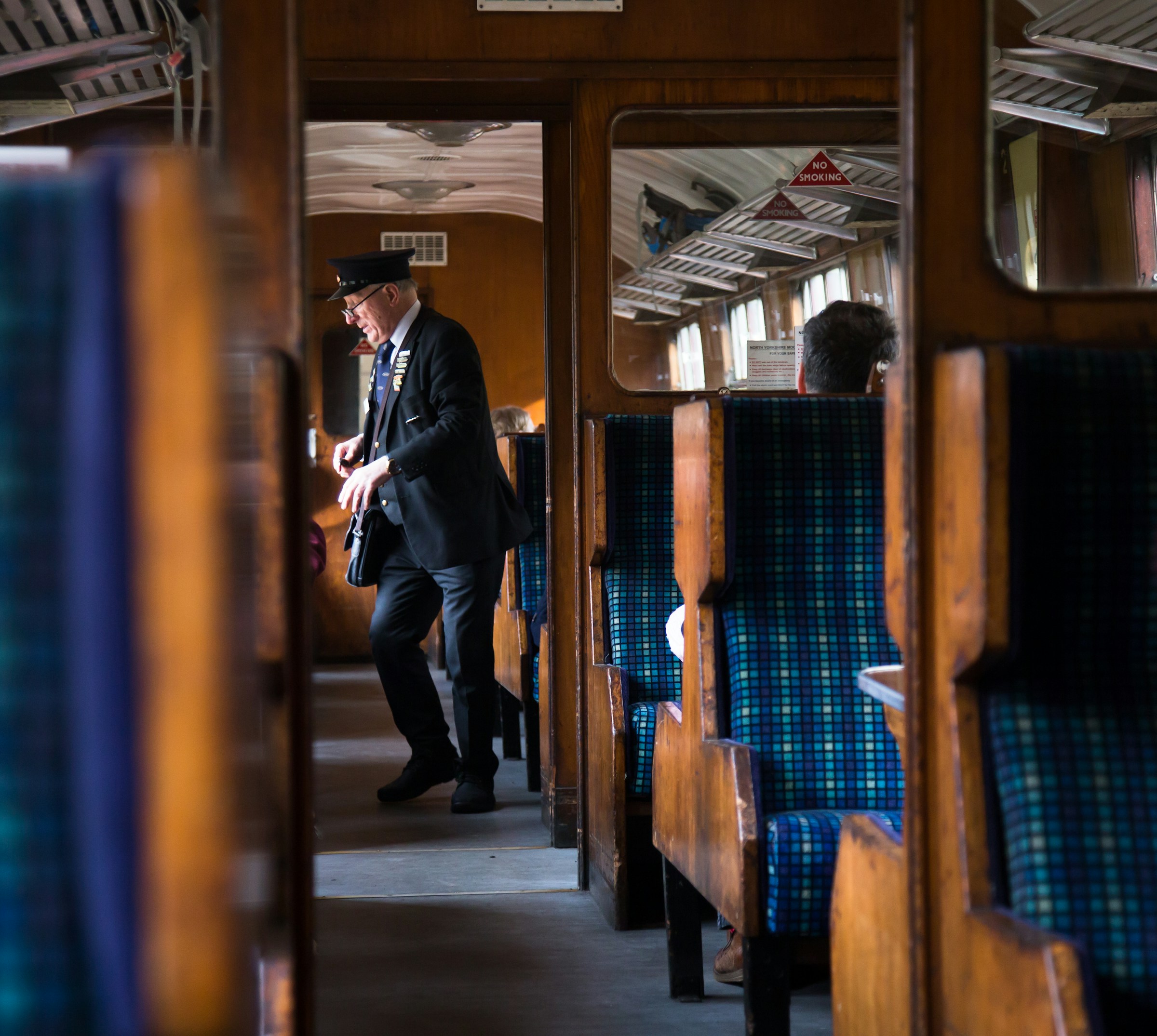
You can always look for posted signs that indicate which car is the official Quiet Car aboard the train, or ask your conductor. On many commuter systems, conductors know the train’s acoustic personality from daily experience, and they’re a genuinely useful resource when you’re trying to find a calm seat.
Asking your conductor if there are seats available elsewhere is a straightforward move. They know the train better than anyone and may be able to direct you to another location. That practical tip applies whether or not a formal Quiet Car exists on your route.
How Amtrak’s Official Quiet Car System Works
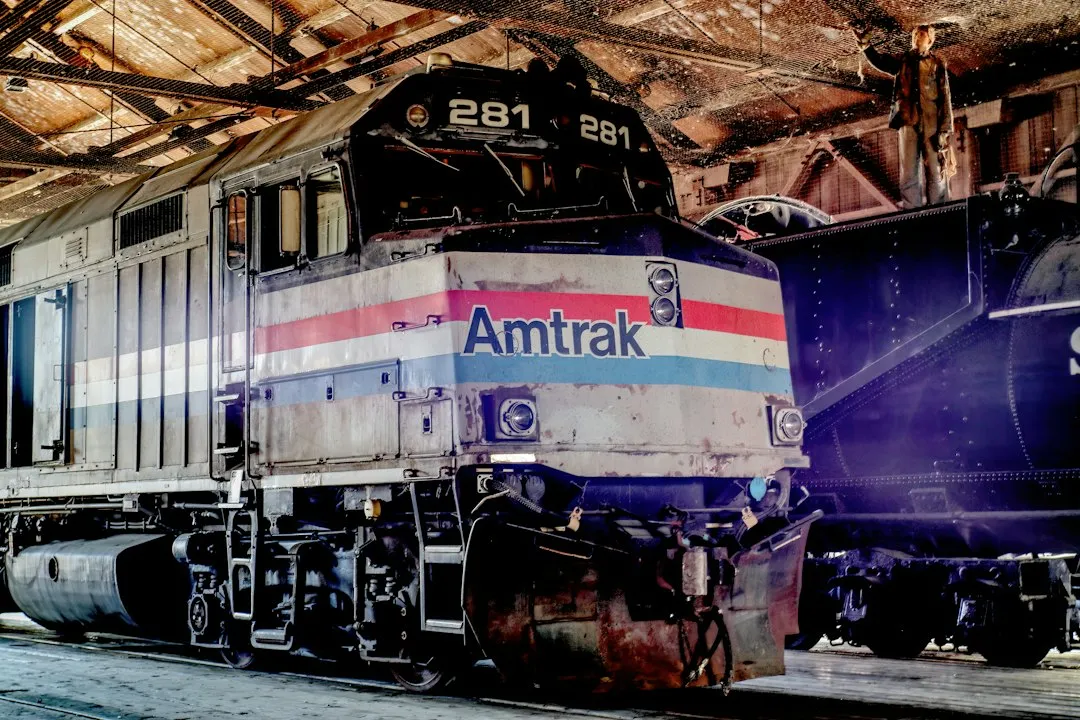
Amtrak designates Quiet Cars on Acela, Northeast Regional, Keystone Service, Hiawatha, Blue Water, select Wolverine trains, select Capitol Corridor trains, and select Empire Corridor trains. The program addresses social noise, meaning conversations and phone calls, rather than mechanical noise from the tracks.
On the Northeast Regional, the Quiet Car is often the first or last coach car. On Acela, it’s always Car 2 in Business Class. Unless your trip is on Acela, seating in the Quiet Car is on a first-come, first-served basis and cannot be reserved, and there’s no additional charge to sit there.
Amtrak introduced Quiet Cars back in 2001 after feedback from business travelers and commuters who wanted a peaceful space to work or rest during their journey. More than two decades later, the program remains one of the simplest free upgrades in U.S. rail travel.
China’s High-Speed Quiet Car Expansion
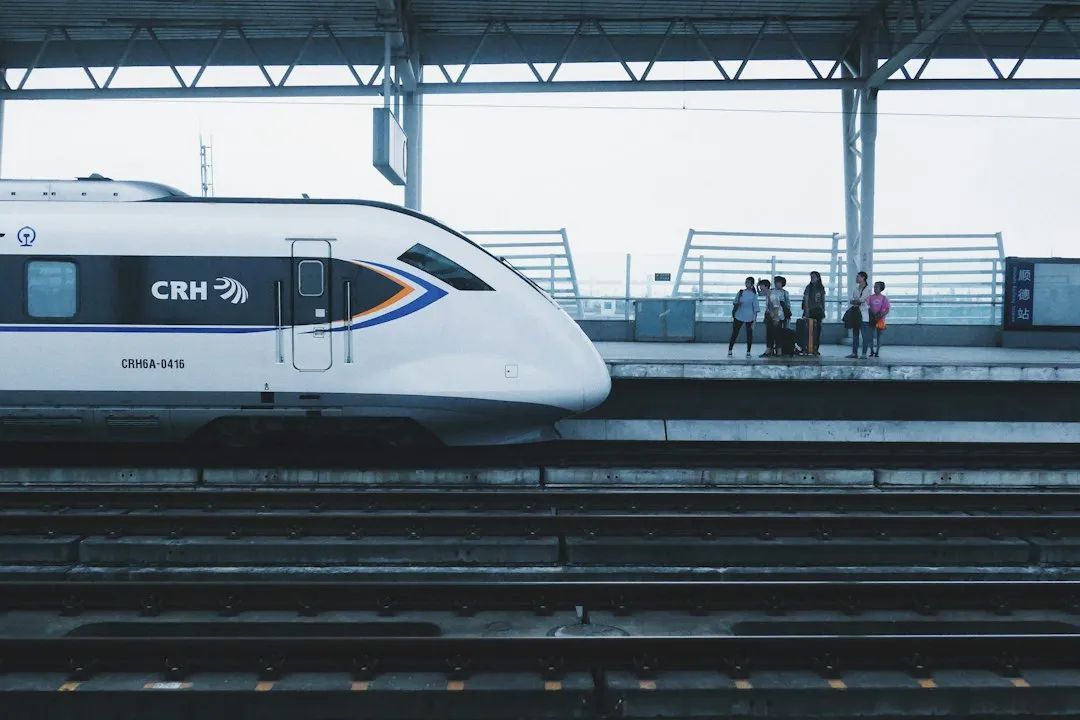
As early as 2020, Chinese railway authorities started a trial run on quiet cars. By January 2024, the number of trains with quiet cars expanded to 72, covering several major high-speed rail lines like Beijing-Shanghai, Beijing-Guangzhou, Beijing-Harbin, Shanghai-Kunming, and Xi’an-Chengdu, all using Fuxing bullet trains.
While passengers enjoy the quiet environment, they also need to abide by the regulations: headphones must be worn when using electronic devices, mobile phones should be on silent or vibration mode, and passengers needing to make phone calls must leave the quiet car. It’s a stricter standard than most Western equivalents, and by most accounts it works.
How the Window Seat Fits Into the Equation
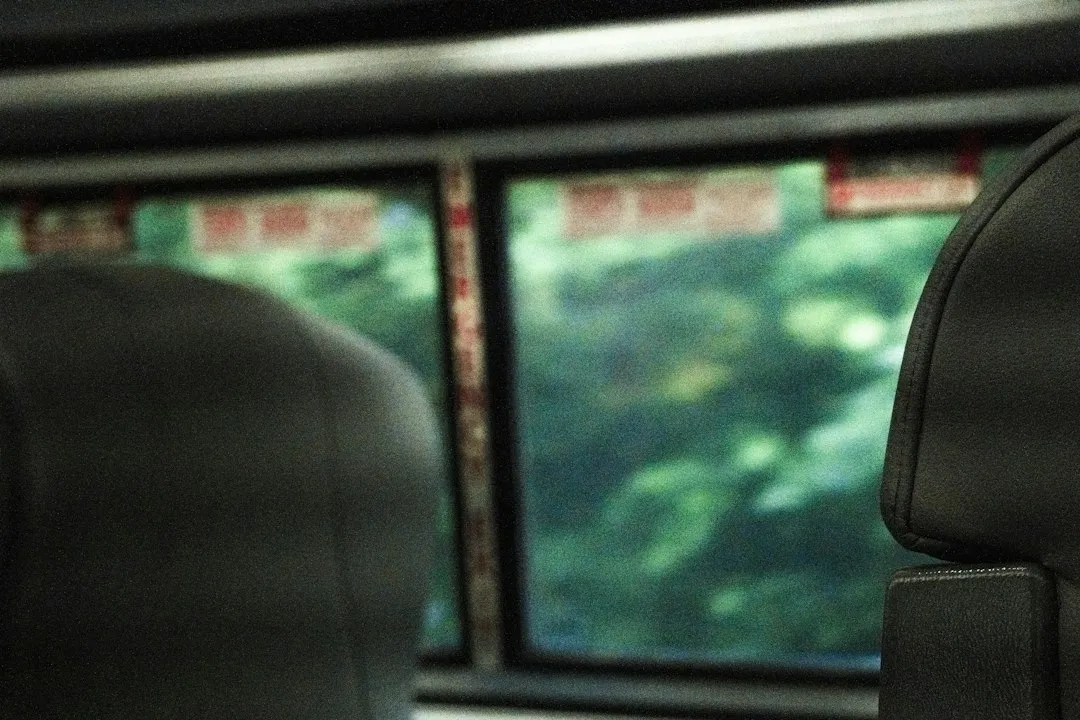
Where you sit and how many other riders there are makes a difference in terms of sound. For a slightly quieter ride on a full train, sitting away from the windows and walls helps. This may seem counterintuitive since windows are often seen as the desirable seat, but the exterior walls of a carriage transmit more external noise directly to passengers seated right beside them.
The generally recommended best seat on a train is a window seat in the middle of the carriage, preferably facing the direction of travel. Whether the window edge is a net gain or loss acoustically will depend on the specific rolling stock and how well the windows are insulated, so this is a judgment call that varies by train type.
What Speed Does to Interior Noise Levels
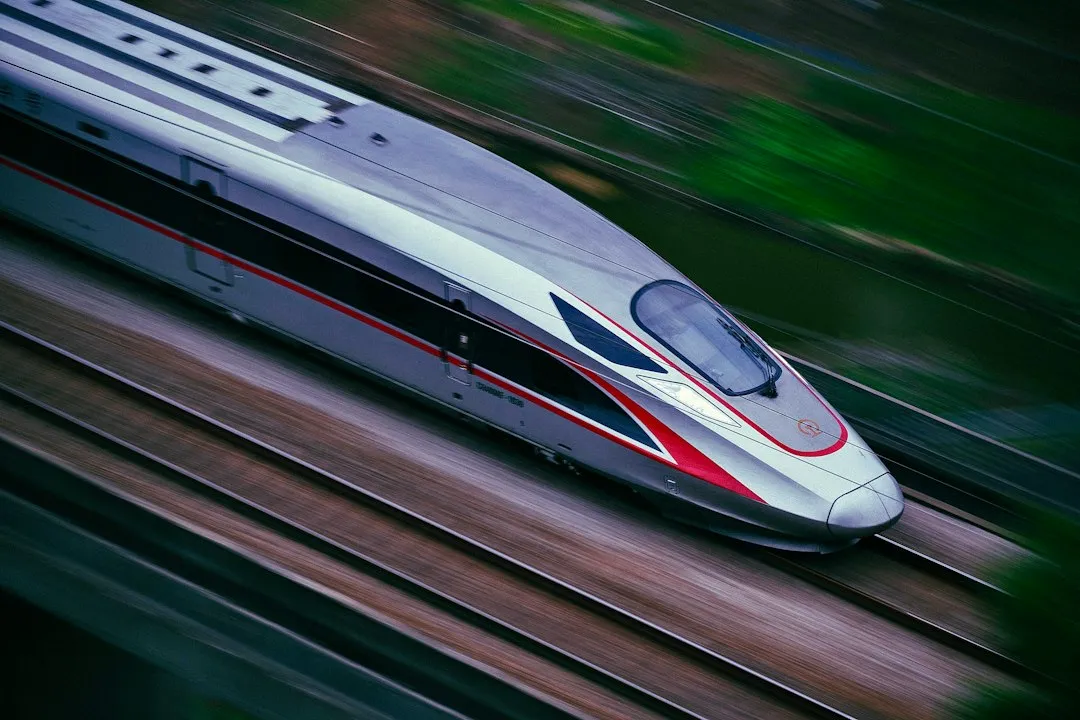
Measurement of interior noise in a high-speed train was performed when the train was operating at speeds of 100 km/h and 300 km/h. The difference in acoustic experience between those two speeds is substantial, and passengers on faster intercity routes face a fundamentally different noise environment than those on slower commuter lines.
Wheel-rail noise and aerodynamic noise produce sound radiation in an ultra-wide frequency range, and with a lighter car body and higher running speed, the noise level increases. This matters for seat selection: on a high-speed line, the aerodynamic advantage of sitting away from the lead bogie becomes even more pronounced as speed climbs.
Acoustic discomfort significantly varies depending on spectral differences in noise, and it increases with the increment of the sound pressure level ratio at high frequencies. In plain terms, high-pitched noise is more fatiguing than low rumble, which is why the squeal from a leading bogie on a curve is so particularly unpleasant.
Modern Engineering Is Narrowing the Gap
BART engineers cited improvements to the cars themselves, including modified wheel profiles on the newer Fleet of the Future cars and better sound insulation on the doors. Across rail systems globally, the engineering gap between the loudest and quietest positions on a train is slowly narrowing thanks to better materials and design.
Interior noise levels in the driver’s cab and passenger car, even when running on a curve with corrugated rails, drop below required limits when using new types of resilient wheels. Research published in Vehicle System Dynamics in 2024 confirms that resilient wheel technology is meaningfully reducing noise at the source rather than just managing it after the fact.
According to test results, active steering control reduced the equivalent noise level by 6.6 dB for wheels and 4.7 dB for the car body in curved sections. That’s a meaningful reduction, roughly comparable to moving from a busy café to a quiet room, achieved through engineering rather than seat selection.
The Takeaway for Your Next Journey
The quietest position on a train is not a mystery. It’s a middle carriage, in the center of that carriage, away from the end doors and direct window walls. The evidence from acoustic research, commuter rail policy, and practical conductor knowledge all points in the same direction.
Social quiet programs like Amtrak’s designated Quiet Cars address conversation noise, but they don’t change the underlying physics of wheel-rail interaction. For that, your best tool remains simple geometry: distance from the bogies, distance from the doors, and distance from the loud leading end of the train.
Next time you board, take an extra thirty seconds to walk past the first car. The middle of the train is waiting, and it’s noticeably calmer than you might expect.
AI Disclaimer: This article was created with the assistance of AI tools and reviewed by a human editor.