


The Market Is Growing Fast – and the Numbers Prove It

The global voluntourism market reached USD 3.2 billion in 2024, demonstrating robust growth driven by increasing interest in meaningful travel experiences. That’s not a niche hobby anymore. The market is projected to expand at a compound annual growth rate of 8.7% from 2025 to 2033, with projections pointing toward USD 6.7 billion by 2033.
The sector’s resilience was tested and confirmed during the post-pandemic recovery phase, when pent-up demand for experiential, socially constructive travel translated into a 26% surge in program enrollments between 2022 and 2024 alone. That kind of growth suggests something more lasting than a passing lifestyle trend.
Younger Travelers Are Driving the Shift
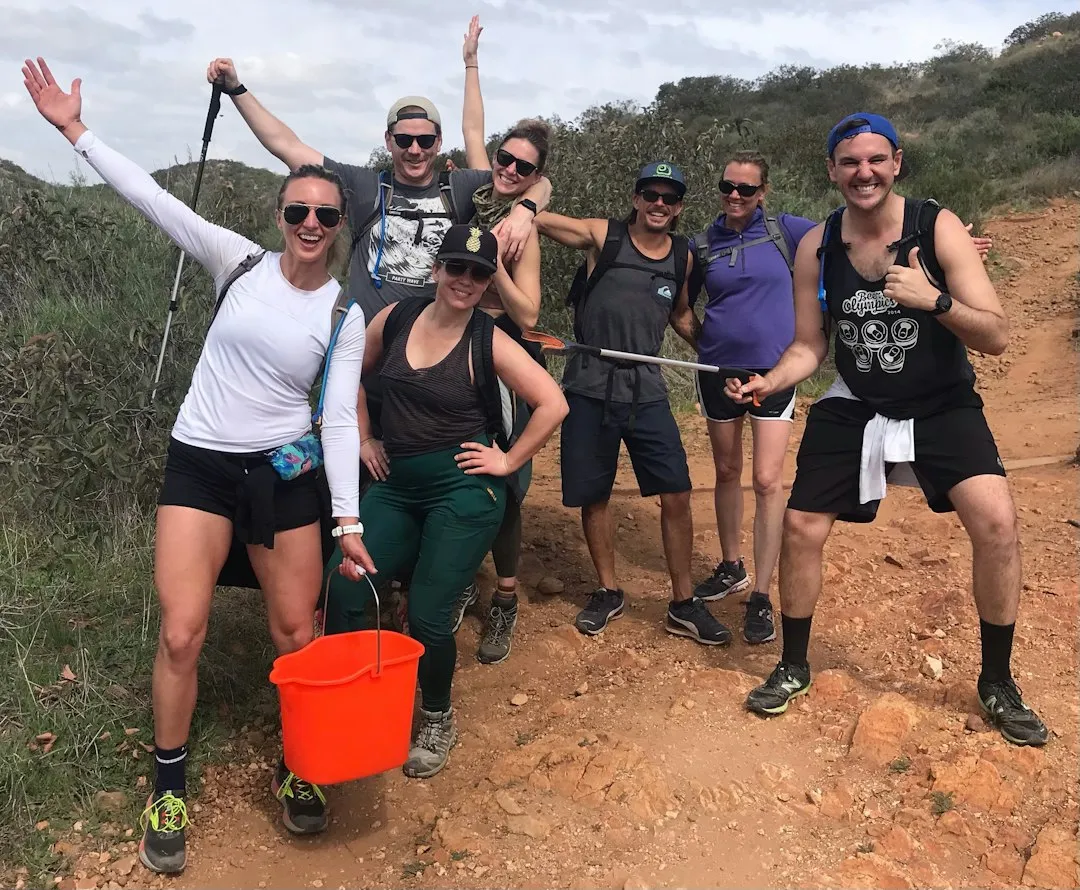
Travelers aged 18 to 34 accounted for more than two fifths of the volunteer tourism market in 2023, and that proportion has continued to climb. The sector has particularly attracted younger generations, such as millennials and Gen Z, who prioritize sustainability and social impact.
Gen Z values experiences and volunteering as it allows them to give something back to the destination they’ve traveled to and immerse themselves in the local culture. Millennials posted some of the strongest gains in 2025, and Gen Z is highly active in virtual, hybrid, and skills-based roles. These generations aren’t volunteering less than their predecessors. They’re just doing it differently, and they’re taking that impulse with them when they travel.
Community Development Is the Most Popular Category

The community development segment captured a market share of roughly a third of the global volunteer tourism market in 2023, making it the single largest category by far. Unlike conventional tourism, volunteer tourism allows participants to contribute directly to community development, wildlife conservation, education, and healthcare initiatives.
Tour operators are increasingly incorporating volunteer programs into travel packages, and according to the International Trade Centre, over 500 travel companies in 2023 offer “voluntourism” packages, especially in Africa and South America. The infrastructure is now mature enough that a first-time volunteer traveler can find a structured, well-supported program without much difficulty.
Asia-Pacific Is the World’s Top Destination Hub

The Asia-Pacific region dominates the global volunteer tourism market, accounting for approximately 37% of total market share in 2024, driven by its diverse ecosystems, rich cultural heritage, and high demand for community development and conservation projects. Countries such as Thailand, India, Nepal, and Indonesia are popular destinations for international volunteers, offering a wide range of programs in education, healthcare, wildlife conservation, and disaster relief.
The Asia-Pacific market is projected to grow at a compound annual growth rate of 9.2% through 2033, driven by increasing inbound tourism, government support, and the expansion of digital platforms connecting local NGOs with international volunteers. For travelers seeking a destination that combines real cultural depth with impactful work, the region remains unmatched in the breadth of available programs.
The Older Demographic Is Catching Up Too

The volunteer travel story isn’t only about youth. The 55–64 age demographic is poised to significantly increase its participation in volunteer tourism, driven by an expected compound annual growth rate of 7.6% from 2024 to 2030, as individuals in this group experience a unique set of motivations and seek engaging, purposeful activities that allow them to stay active and connected.
Volunteer tourism offers a distinctive platform for older travelers to leverage their skills and life experience to make a meaningful difference, and many in this age group also reflect on their past achievements and desire to leave a lasting legacy. Emerging research demonstrates measurable mental health benefits from volunteer service, including reduced depression rates and improved cognitive function in older participants.
Corporate Travel Programs Are Fueling Participation

Corporate and skills-based volunteering increased significantly, with nearly four out of five companies reporting higher employee engagement. Companies have started recognizing that volunteer travel isn’t just a personal benefit. It’s a talent retention and corporate responsibility strategy at the same time. Volunteer Time Off programs are increasingly popular as companies recognize the value of supporting employees in their community engagement efforts, and these programs not only benefit the community but also enhance employee satisfaction and retention.
Sixty-one percent of corporate social responsibility professionals reported increased employee participation in workplace volunteer programs in 2025, marking the third straight year of growth since pandemic lows. When companies normalize volunteer travel as part of employee benefits, the pipeline of participants grows considerably wider.
What a Volunteer Vacation Actually Costs
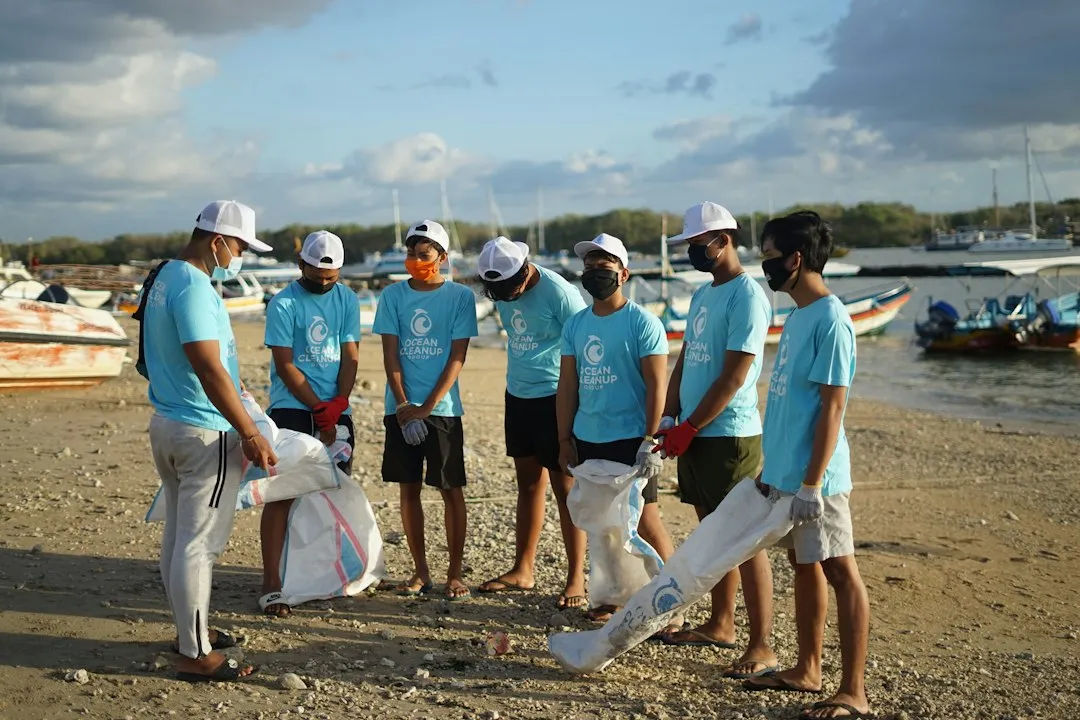
The average fee for a one-month volunteer program ranges from $2,000 to $5,000, according to a 2024 report from the UNWTO. These costs typically cover accommodation, food, and a donation to the hosting project. Shorter programs of one to two weeks tend to cost proportionally less, and many organizations offer tiered pricing based on program length and location.
The emphasis on short-duration volunteer programs caters effectively to professionals and students who can’t commit to a month away from work. The rise of these shorter formats has been one of the most important factors in making volunteer travel accessible to people with standard vacation time rather than only those on sabbatical or gap years.
Responsible Voluntourism: An Ethical Conversation Worth Having

Not all volunteer programs are created equal, and the growth of this sector has come with legitimate criticism. Growing awareness around ethical voluntourism, including safeguarding standards for child protection and community consent protocols, has accelerated consolidation around responsible operators, boosting trust and repeat participation. This is a positive development, though it means prospective volunteers need to research programs carefully before committing.
Lack of awareness affects roughly a quarter of potential tourists, and safety concerns affect close to one in five participants, which is why vetting an organization’s track record, community relationships, and ethical standards matters as much as choosing the destination itself. A good rule of thumb is to look for programs where the community has a direct voice in shaping the work, not just receiving it.
The Mental Health Case for Purposeful Travel

Ninety-three percent of Gen Z agreed that travel experiences can positively impact their mental health, and 89% reported that returning from a vacation leaves them feeling less anxious and more positive. Volunteer vacations appear to amplify this effect specifically. Emerging research demonstrates measurable mental health benefits from volunteer service, and a 2024 Stanford Social Innovation Review study found that structured voluntourism participation correlated with a 34% improvement in subjective wellbeing scores among participants aged 55 and above.
This growth is primarily fueled by rising awareness of social responsibility, the desire for immersive travel, and the proliferation of digital platforms connecting volunteers with global opportunities, with one of the most significant growth factors being the increasing emphasis on responsible and sustainable travel. Purpose, it turns out, is a surprisingly effective form of rest.
How Digital Platforms Are Changing Access

The demographic shift toward younger travelers, combined with technological advancements in connecting volunteers with opportunities, has significantly expanded the market’s reach. This shift is especially evident on platforms like Catchafire, which connect volunteers with short-term, high-impact projects. In November 2024 alone, Catchafire facilitated over 14,000 volunteer engagements, compared to its 2,700 engagements in 2020.
Digital innovations, including online remote volunteering, contributed to a 10% participant increase in 2024. The widespread adoption of technology has further facilitated the connection between volunteers and various opportunities, thereby expanding the market’s reach and potential for growth. What once required a travel agent and months of planning can now be researched, booked, and coordinated entirely through a smartphone.
A Different Kind of Return Home
AI Disclaimer: This article was created with the assistance of AI tools and reviewed by a human editor.