

The Art and Science of Affinage
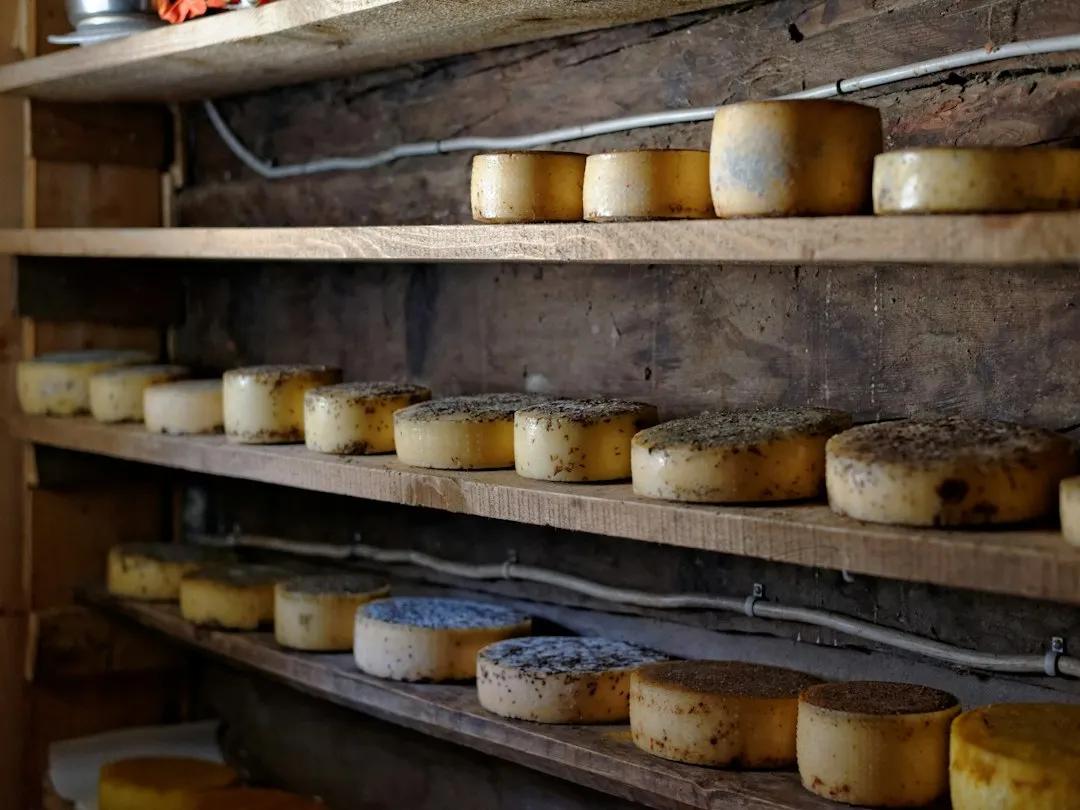
The people who age cheese are called affineurs, and the best among them spend decades mastering the art and science of the craft, caring for wheels day after day through washing, brushing, coating, and flipping. It is a genuinely slow form of attention that most visitors barely register when they walk through a cave tour.
Cheese caves are carefully controlled environments where wheels are stored and aged, with specific conditions such as temperature, humidity, and ventilation contributing to the development of each cheese’s unique characteristics. These are not passive storage rooms. They are living, breathing spaces where microbial communities do the real work.
The controlled environment of caves, with their stable temperature and high humidity levels, allows for slow and even aging, resulting in cheese with complex flavors and textures. The use of wooden shelves and racks provides additional benefits, absorbing excess moisture and imparting subtle aromas and flavors.
What Visitors Almost Always Reach For First
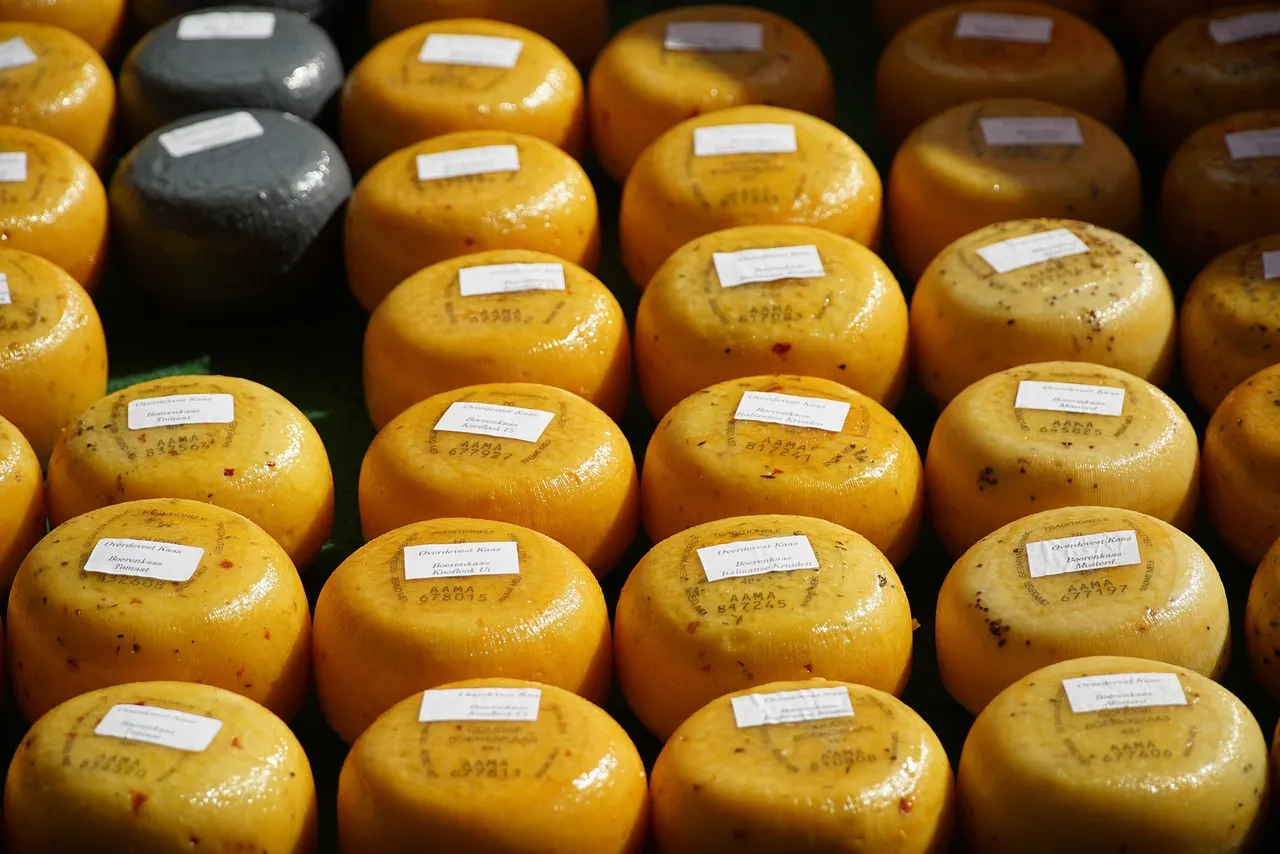
A variety of cheeses can be aged in caves, including cheddar, Gouda, blue cheese, Parmesan, and Camembert, among others. These are the expected crowd-pleasers, and for good reason. They are consistent, approachable, and carry the weight of cultural familiarity.
Many cheese cave tours include a tasting component, offering visitors the opportunity to sample cheeses at different stages of aging, allowing them to appreciate the evolution of flavor and texture. Even then, most guests gravitate toward the youngest samples, the ones closest to what they recognize from the grocery shelf.
The Clothbound Cheddar That Cave Guides Keep Recommending
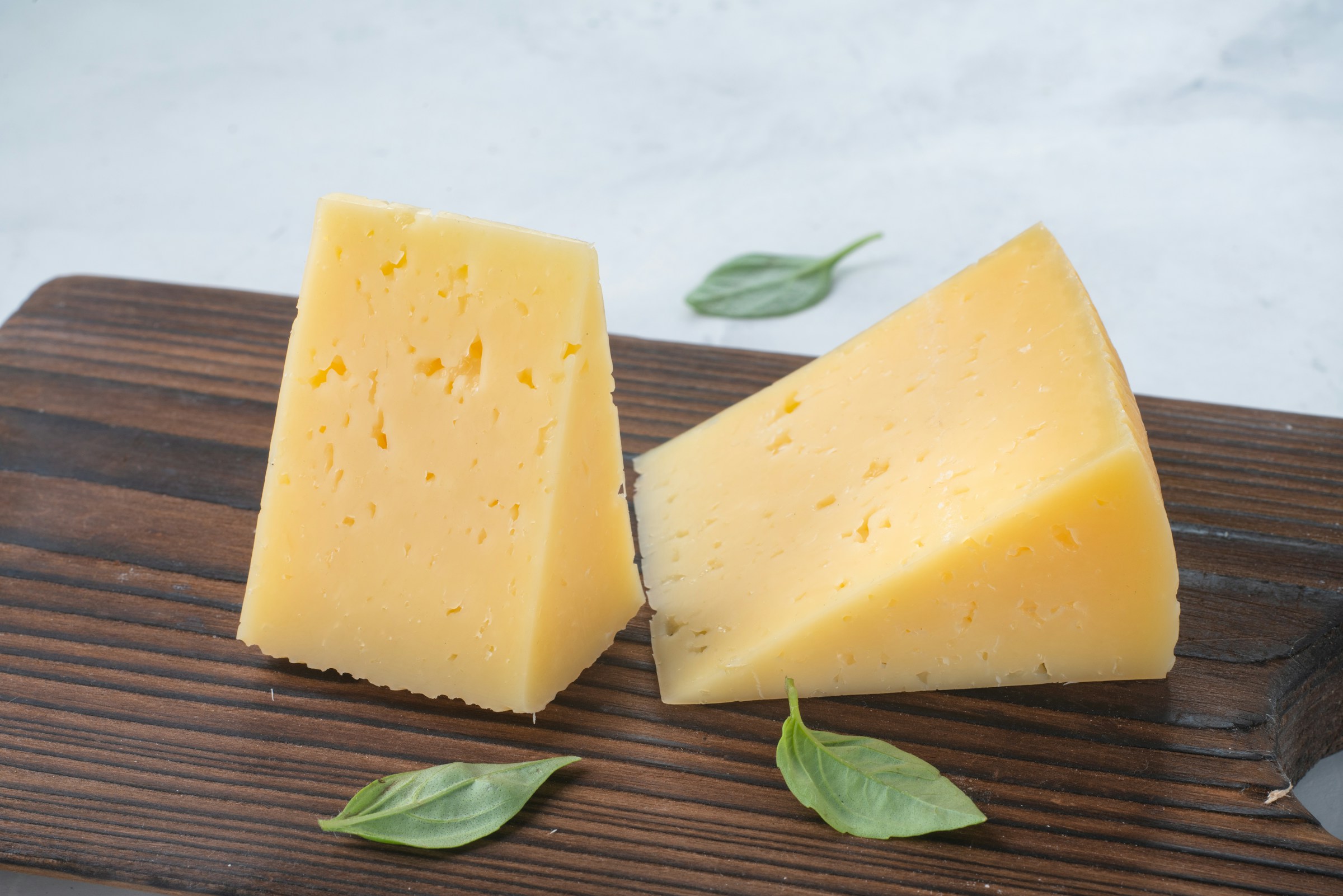
The classic pale yellow color and crumbly texture and sharp flavor of cheddar are achieved after it has been properly aged from nine to twenty-four months. Most visitors assume all cheddars are essentially the same thing in different wrappers. Clothbound is a different creature entirely.
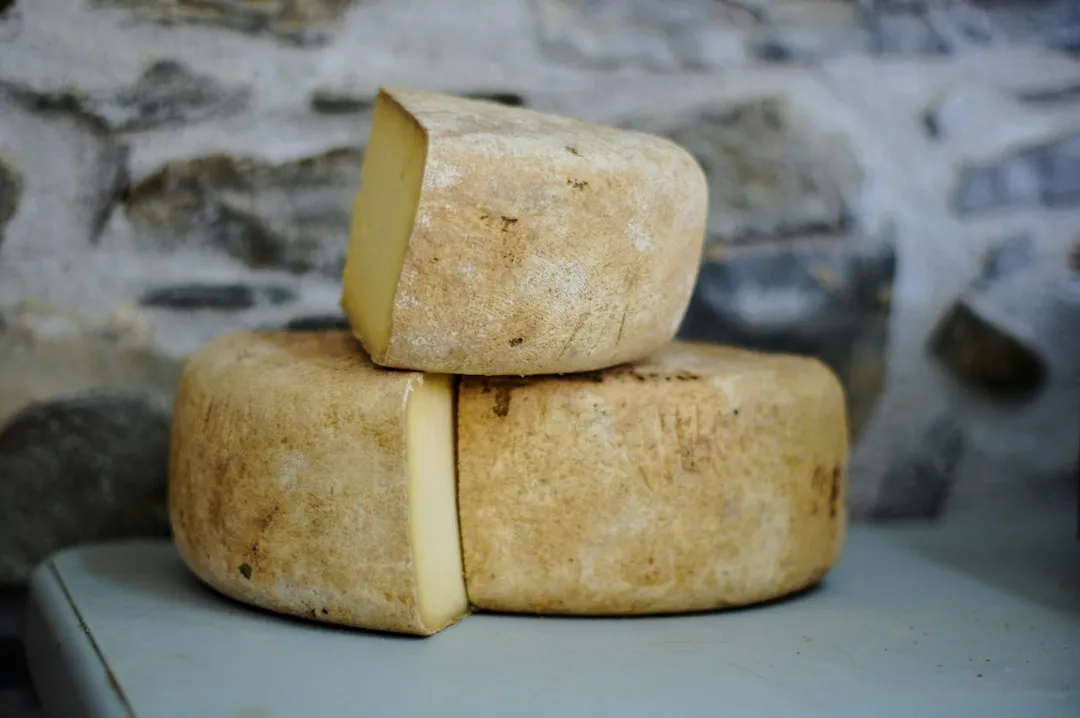
A cloth-wrapped cheddar ages differently from other styles, and this process limits moisture loss while creating a hard rind that protects the wheel – a method usually only practiced by smaller cheesemakers due to its labor-intensive nature. The result is a cheese with far more earthiness, more personality, and far less predictability than its plastic-wrapped counterpart.
Very young wheels are cloth-bandaged and then aged for one year in a natural rind cave. Murray’s Stockinghall Cheddar, one prominent example, was recognized at the 2025 World Cheese Awards as Best Cheddar and Best American Cheese, combining meaty bacon and sour cream flavors with surprising hints of pineapple.
The Alpine Wheel Most Cave Tours Overlook
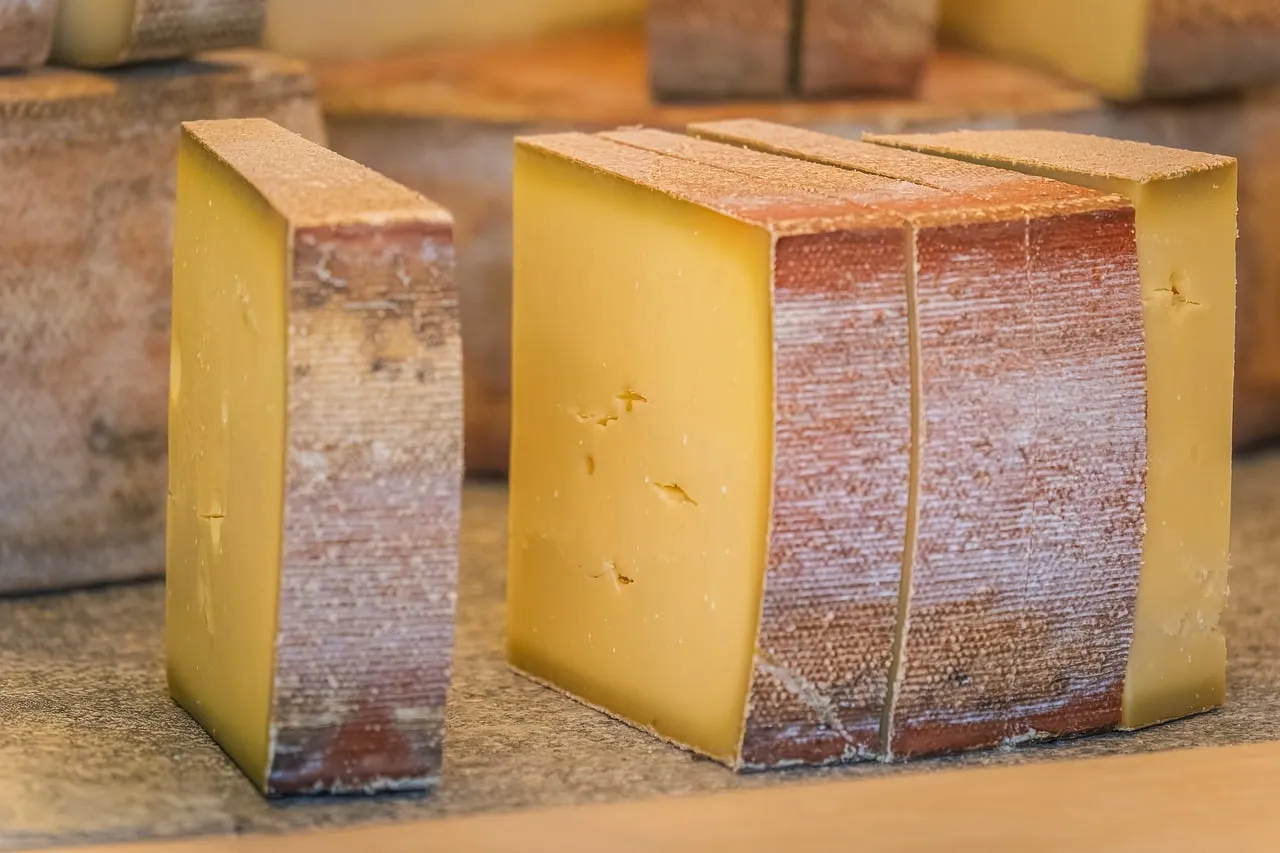
The nutty and earthy Swiss cheese called Gruyère is prepared with cow’s milk and is traditionally aged for a minimum of five months, though it can be ripened to bring out its flavors for ten to sixteen months as well. Ask a cave guide which wheel tourists consistently skip over, and Gruyère-style alpine cheeses come up time and again.
According to the Appellation d’Origine Contrôlée, the cellars used to mature Swiss Gruyère must have a climate close to a natural cave, with humidity required to sit between ninety-four and ninety-eight percent. That level of precision is what separates a truly cave-aged alpine wheel from anything approximating it.
At facilities like the Cellars at Jasper Hill, tall racks tower overhead filled with mountain-style cheeses inspired by mid-elevation cheeses from the Swiss and French Alps, with environments specifically suited to the months-long affinage these varieties require.
Bayley Hazen Blue: The Cave Wheel Hiding in Plain Sight
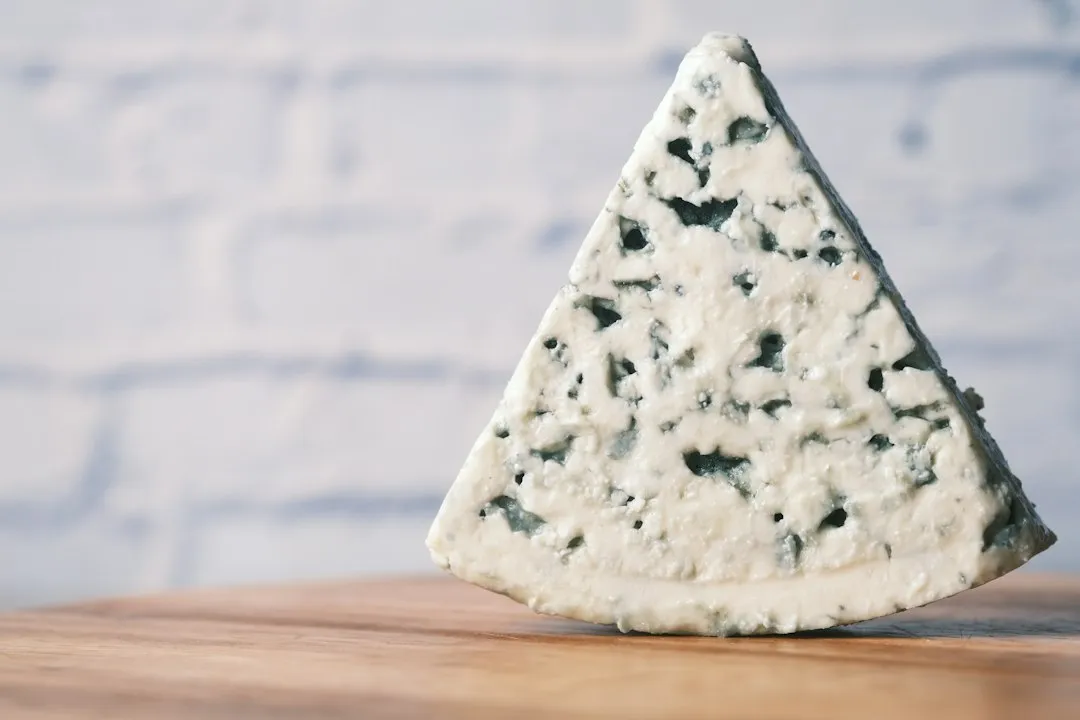
Bayley Hazen Blue has defined Jasper Hill Farm’s approach to blue cheese for nearly two decades, and has collected significant accolades including a spot in the top fourteen at the 2024 to 2025 World Cheese Awards. Despite that pedigree, it remains among the cheeses visitors walk past on cave tours, assuming blue cheese is not for them.
Jasper Hill ages its blues at a warmer temperature than most producers, around fifty-seven to fifty-eight degrees Fahrenheit, which encourages proteolysis over lipolysis. The result is sweet, umami depth without the harsh chemical flavors that can be unappealing in lesser blue cheeses. That distinction in process is precisely what makes this wheel worth seeking out.
In 2024, Jasper Hill introduced two new variations: Withersbrook Blue, aged in a cryovac pouch with a splash of local Eden Ciders Ice Cider, and Barnstorm Blue, a collaboration with the Murray’s Cheese Caves team, washed in malty ale from Focal Point Beer Co. Both are examples of the kind of cave innovation that never quite makes it onto the standard tour talking points.
The Sandstone Cave Legacy That Most Travelers Miss Entirely
The Caves of Faribault is an artisan cheese company headquartered in Faribault, Minnesota, utilizing sandstone caves to age a variety of raw milk products, including several styles of blue cheese, Gouda, and cheddar. Few travelers know the caves exist, let alone what they produce.
In 1936, the Treasure Cave Cheese Company, the first commercial manufacturer of blue cheese in the United States, opened in Faribault and took advantage of natural and man-made riverbank sandstone caves to mature its products. That history is remarkable, yet it rarely surfaces in mainstream cheese conversations.
The Saint Peter Sandstone beneath Faribault provides stable year-round conditions for aging, maintaining a constant temperature and humidity level of nearly one hundred percent. No climate system on earth replicates that geology.
The Vermont Underground: What the Cellars at Jasper Hill Actually Age
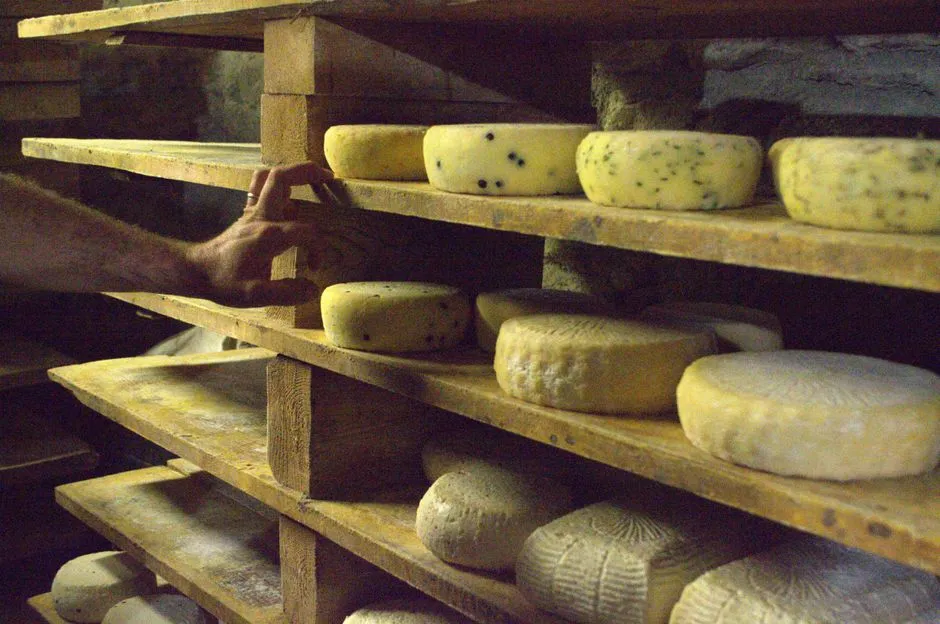
Inspired by the success of Cabot Clothbound Cheddar, the founders of Jasper Hill went on to build the Cellars, a 22,000-square-foot cheese aging facility built into the hillside of Jasper Hill Farm. The Cellars became operational in 2008 and now ages cheese made by Jasper Hill Farm as well as products made by other creameries local to northern Vermont and New Hampshire.
The complex spans 22,000 square feet, with seven unique vaults built specifically for each distinct style of cheese they age. Each vault has its own microclimate, its own population of beneficial microbes, and its own set of rules. Visitors who tour the facility rarely realize they are moving through seven entirely separate aging ecosystems.
Each wheel of cheese is brushed and turned regularly, some by hand and many by a dedicated robot, with each batch monitored by a vault specialist who decides if more or less brining will positively impact the cheese. That level of daily attention is part of why the cheeses produced here keep winning international recognition.
The Wheel That Takes the Longest and Gets Tasted the Least
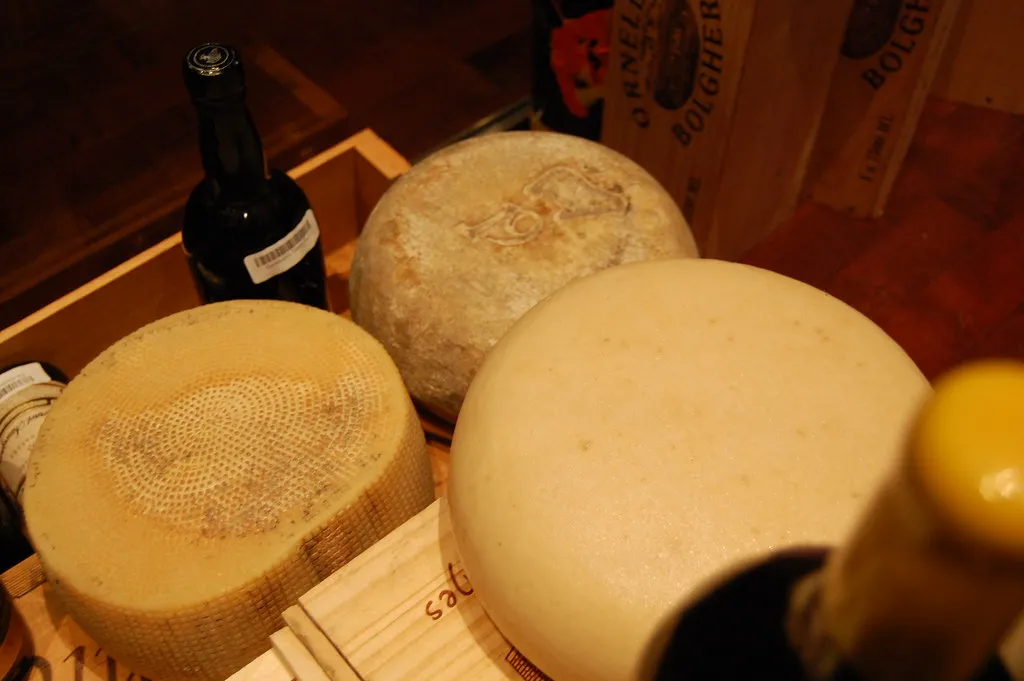
The deep, nutty component of most aged cheese arrives at about the eighth month in the cave, and it is the oldest wheels, compiled specifically for their maturity, that deliver the most memorable explosion of flavor. Most cave visitors never reach that point in the tasting lineup.
Very few wheels make it to sixteen to eighteen months, and those that are reserved tend to be crumbly, powerful, and earthy, with a palate that almost stings with sharpness. That intensity is precisely what discourages the casual taster and rewards the curious one.
Why the Cave Environment Cannot Be Faked
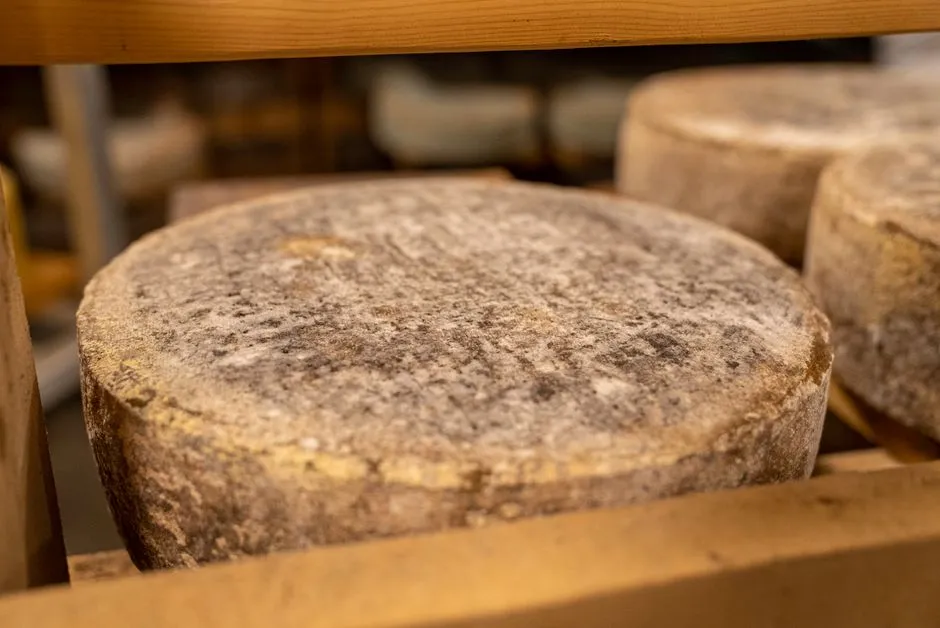
Cheeses ripened in natural caves or carefully controlled environments that mimic them develop complex flavors, unique textures, and earthy aromas that cannot be replicated elsewhere. The cool, humid atmosphere allows the cheese to mature slowly, enhancing its depth of character while producing a smooth, refined finish.
Visiting a natural cheese cave is a truly special experience, as these caves often have unique geological features and microclimates that contribute to the distinctive characteristics of the cheeses aged within them. The air alone carries something that no laboratory can reproduce.
The practice of aging cheese, known in French as affinage, was relatively rare in the United States when Murray’s Cheese built its first set of caves in 2004. Two decades later, American affinage has matured into a serious discipline with genuine global standing, producing wheels that now win at the highest levels of international competition.
What the Guide Actually Wants You to Try
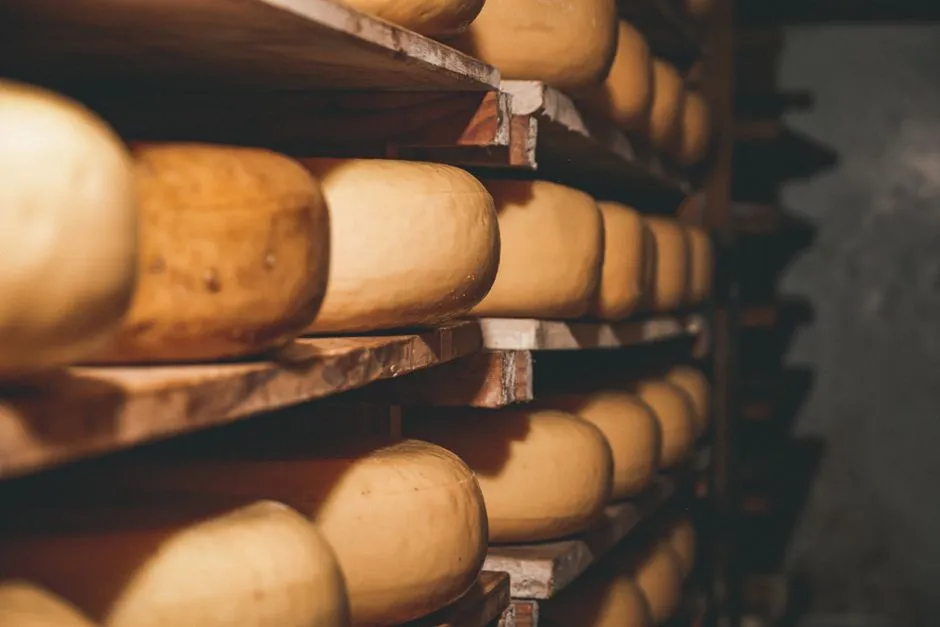
Many cheesemakers offer their products for sale directly to visitors, providing a unique opportunity to purchase freshly aged cheese and support local artisan producers. The guide standing in the cave knows exactly which wheel the shop rarely sells out of, and it is almost never the one on the featured tasting board.
Through their practice of regenerative agriculture, producers like Jasper Hill Farm ensure not only the quality of their cheese but also the quality of their land, creating a sustainable creamery that produces cheeses defined as much by their recipes as by the microflora of the farm itself. The cheese is inseparable from the place it came from. That context changes how it tastes.
Simply ask the guide what they personally eat on their day off. The answer to that question, quiet and offered without ceremony, is usually the wheel most visitors never think to request.
A Quiet Case for Slowing Down at the Cave
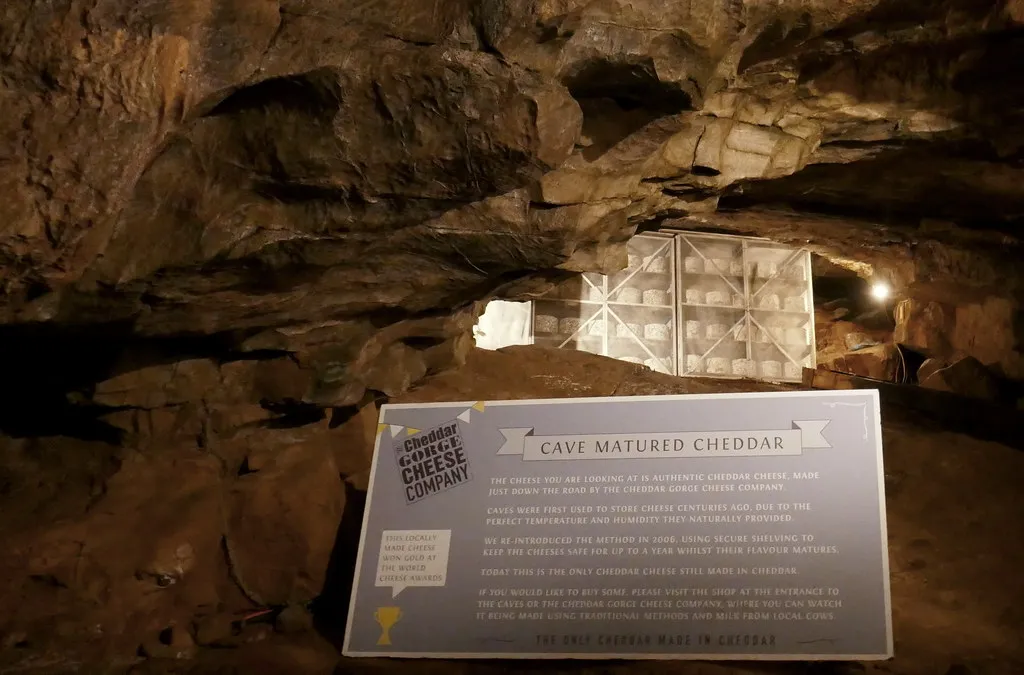
There is a reliable pattern in cave tours: the first sample goes fast, the second prompts a few questions, and by the third, most people have already decided what they want to buy. The wheel that deserves a fourth consideration rarely gets one.
Cave aging cheese is truly an art form that celebrates the natural processes of fermentation and maturation, resulting in exquisite and flavorful cheeses. That description sounds promotional until you taste a wheel that has been tended by the same hands for over a year in the dark.
The best thing a cave guide can offer a visitor is not the most popular wheel on the shelf. It is permission to slow down, ignore the familiar name, and trust the one that has been waiting the longest. That cheese, more often than not, is the one worth the trip.
AI Disclaimer: This article was created with the assistance of AI tools and reviewed by a human editor.