
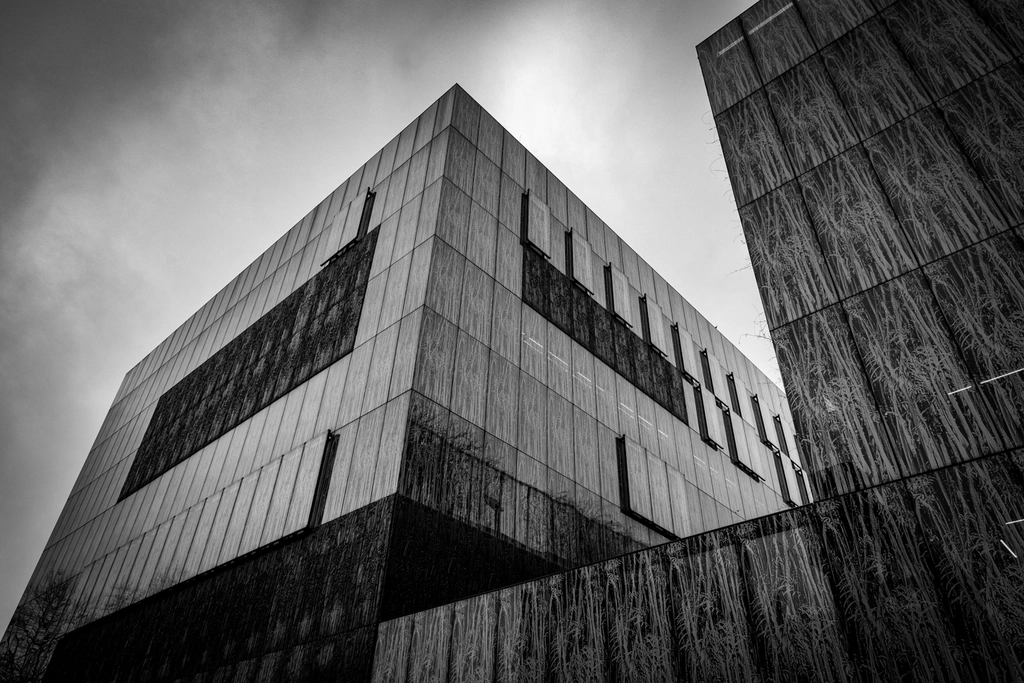

Something quiet has shifted in the way people think about concrete. Buildings that were once dismissed, protested against, and even slated for demolition are now drawing devoted visitors with cameras. They’re lined up at odd angles in the early morning light, waiting for shadows to fall just right across a textured facade. Brutalism, it turns out, photographs beautifully.
Interest in brutalist architecture has surged in recent years, driven partly by social media photography, preservation campaigns, and the 2024 Oscar-winning film The Brutalist. The timing makes sense. In an era of algorithmically smooth travel content, raw concrete offers something genuinely different to look at.
Why Brutalism Became the Internet’s Favorite Architecture
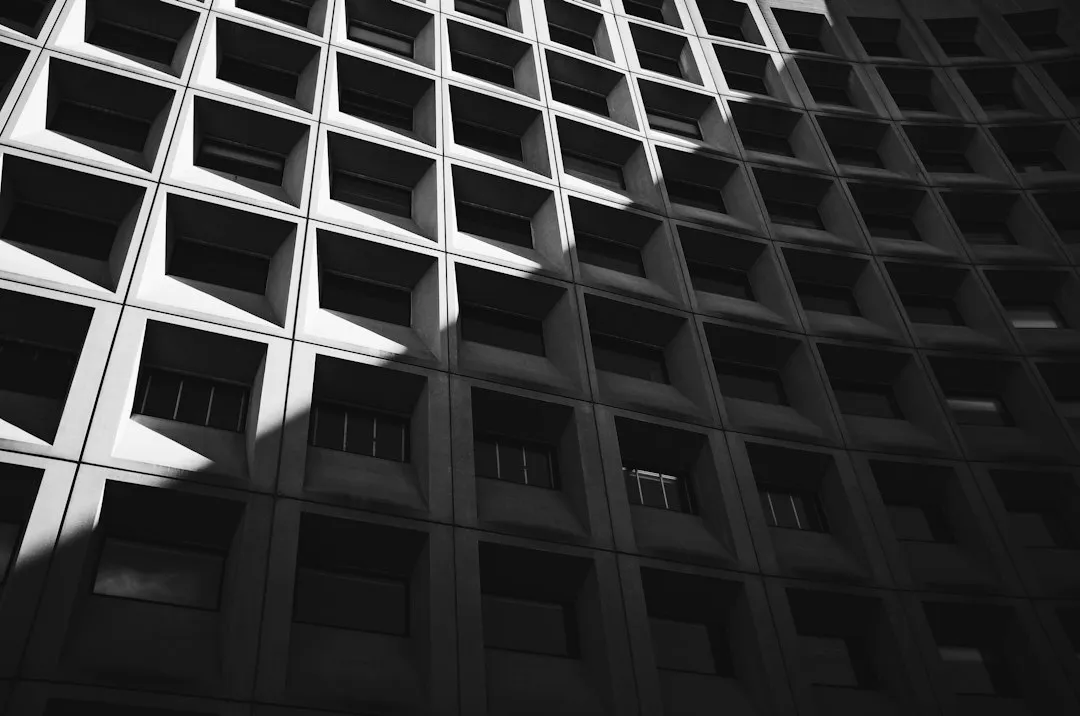
The Instagram account @_brutalism has amassed over 5.6 million followers, and the style’s photographic qualities, from dramatic chiaroscuro to geometric repetition and weathered concrete texture, are particularly well-suited to smartphone cameras, creating a self-amplifying cycle of appreciation that has driven preservation activism, architectural tourism, and property premium across multiple countries.
With over 869,000 posts on Instagram under #brutalism, the style is now considered cool again, and the popularity of these massive concrete structures has risen greatly, becoming a trend among social media users.
The 2024 film The Brutalist, starring Adrien Brody, won major awards including an Oscar and introduced the style’s aesthetic and social meaning to millions of viewers who might never have encountered these buildings otherwise. That mainstream exposure sent curious travelers searching for the real thing.
The Barbican Estate, London: A City Within a City
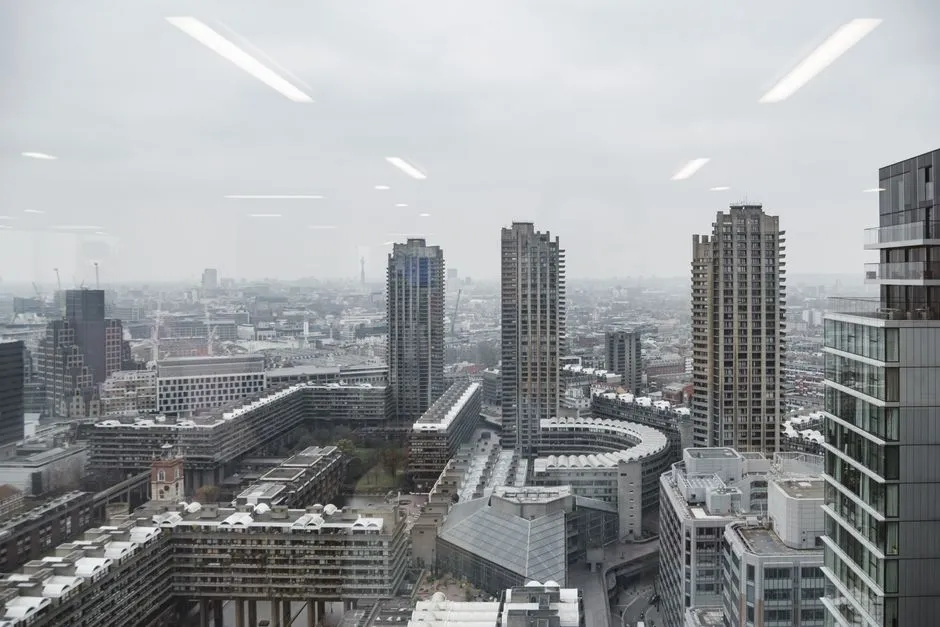
The 35-acre Barbican Estate in London is the largest brutalist complex in the UK. It was one of the city’s most ambitious post-war projects, and the vast concrete complex took 11 years to build, conceived as a “city within a city.”
It features 2,000 apartments arranged around gardens, interconnected walkways, an artificial lake, and the Barbican Centre, a multi-arts hub known for its varied program of exhibitions, screenings, and performances. It’s also home to London’s second-largest conservatory, where the concrete is almost disguised by tropical plants.
The Barbican’s theatre and concert hall go deeper underground than the nearest Tube line, and the estate has hosted some of the world’s most celebrated cultural figures, from the Royal Shakespeare Company to the London Symphony Orchestra. Architecture tours run regularly and are a genuinely rewarding way to experience the space beyond a single photograph.
Trellick Tower, London: From Troubled Past to Coveted Address
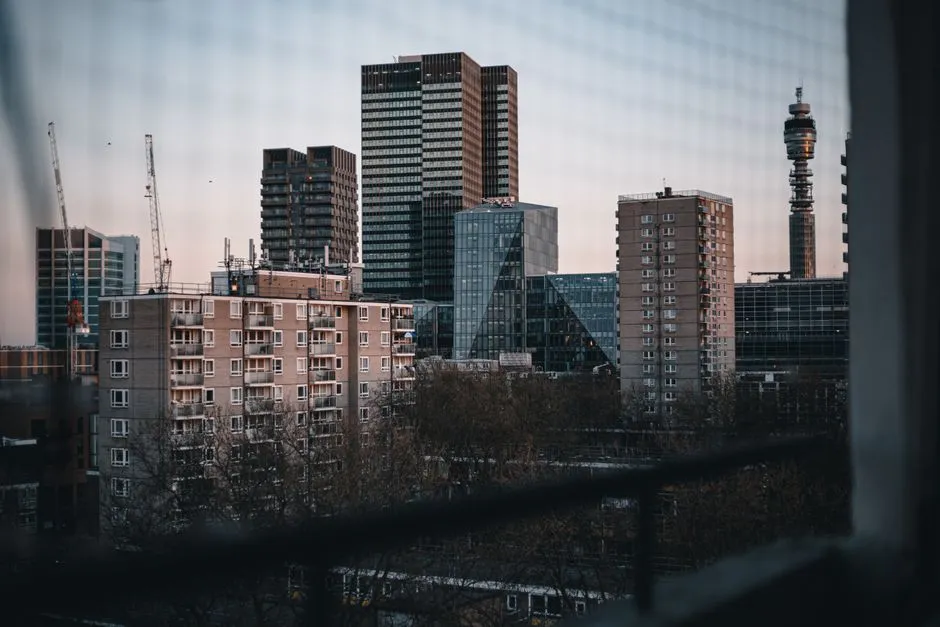
Rising above North Kensington, Trellick Tower was the tallest social housing block in Europe when it was completed in 1972. The 31-storey estate, designed by Hungarian architect Ernő Goldfinger, has a striking silhouette thanks to its separate tower containing the lift and stairs.
By the 1980s, Trellick had gained a reputation for crime and poor maintenance. By the 1990s, a resident-led management committee had reversed that decline entirely, and the building was Grade II* listed in 1998. Today its flats are sought after and command premium prices, a reversal that tracks closely with the broader rehabilitation of brutalism as a cultural phenomenon.
The tower’s distinctive separate service tower, connected to the main building by walkway bridges at every third floor, creates a dramatic silhouette that has made it one of the most photographed buildings in London. Early morning is widely considered the best time to visit, when the light catches the concrete at a low angle and the walkways cast sharp geometric shadows.
Habitat 67, Montreal: The Thesis That Became an Icon
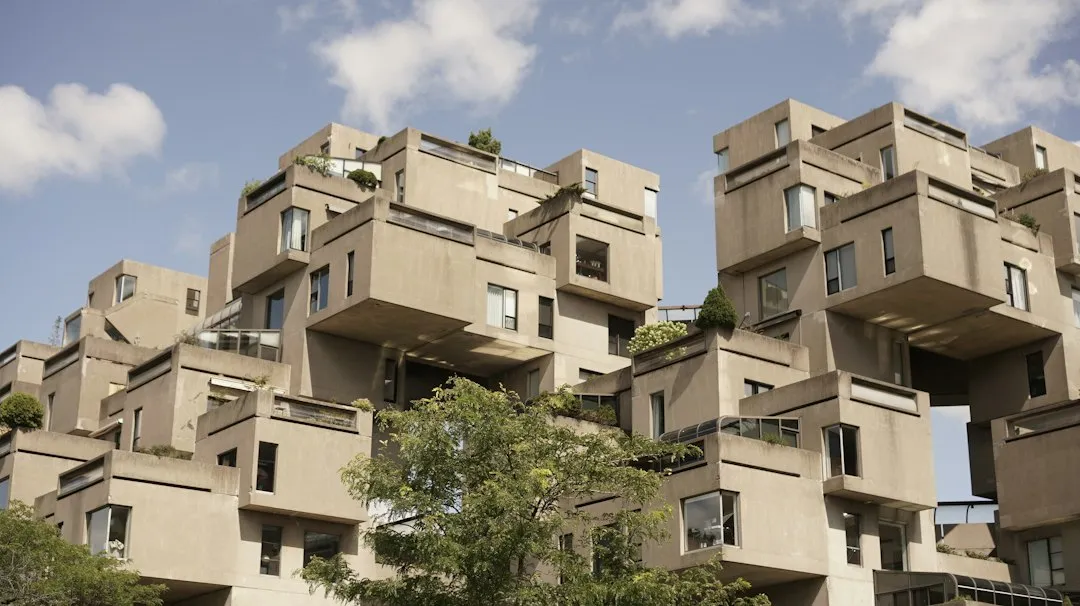
Architect Moshe Safdie designed Habitat 67 for his thesis at McGill University, making it the launchpad for his entire career. What began as an academic proposal became one of the most recognizable residential structures in the world.
Perhaps the most visually distinctive brutalist building in the world, Habitat 67 looks more like a colossal three-dimensional puzzle than a housing complex. Completed in 1967, this striking modular structure of prefab concrete units stacked in unique configurations represents a utopian modernist ideal of urban living, and every unit has its own private garden and access to natural light.
It sits along the St. Lawrence River, and the views from the waterfront walkway below are genuinely spectacular. Photographers tend to circle the structure multiple times, each angle revealing a different rhythm of stacked boxes and open sky.
Unité d’Habitation, Marseille: Where the Name Was Born
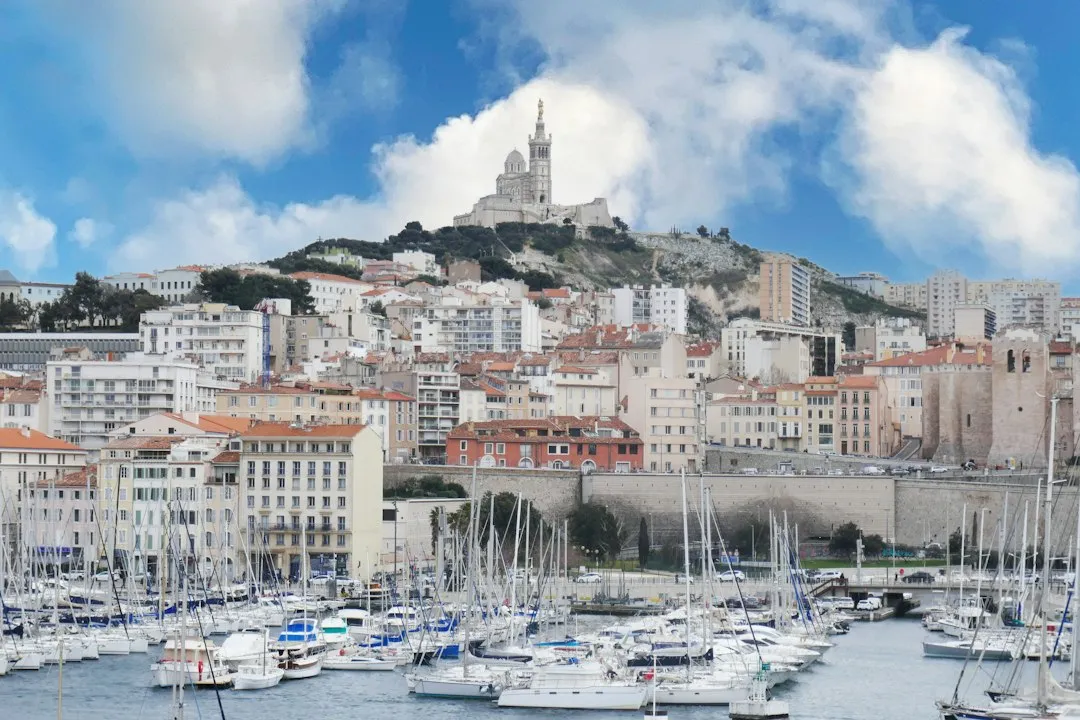
Le Corbusier’s Unité d’Habitation in Marseille, completed in 1952, is widely regarded as the most famous and influential brutalist building in the world. Its place in architectural history is difficult to overstate.
The Unité d’Habitation was designed by Le Corbusier and built in 1952. The béton brut, or raw concrete, used in the building’s construction ultimately gave rise to the term “Brutalism” itself, cementing the building as a founding work of the movement.
The rooftop is one of its great rewards. An outdoor gym, a running track, and a children’s school sit above the city, all rendered in raw concrete with views of the Provençal landscape stretching out in every direction. Guided tours run regularly, and they’re worth booking in advance.
The National Theatre, London: Culture Carved in Concrete
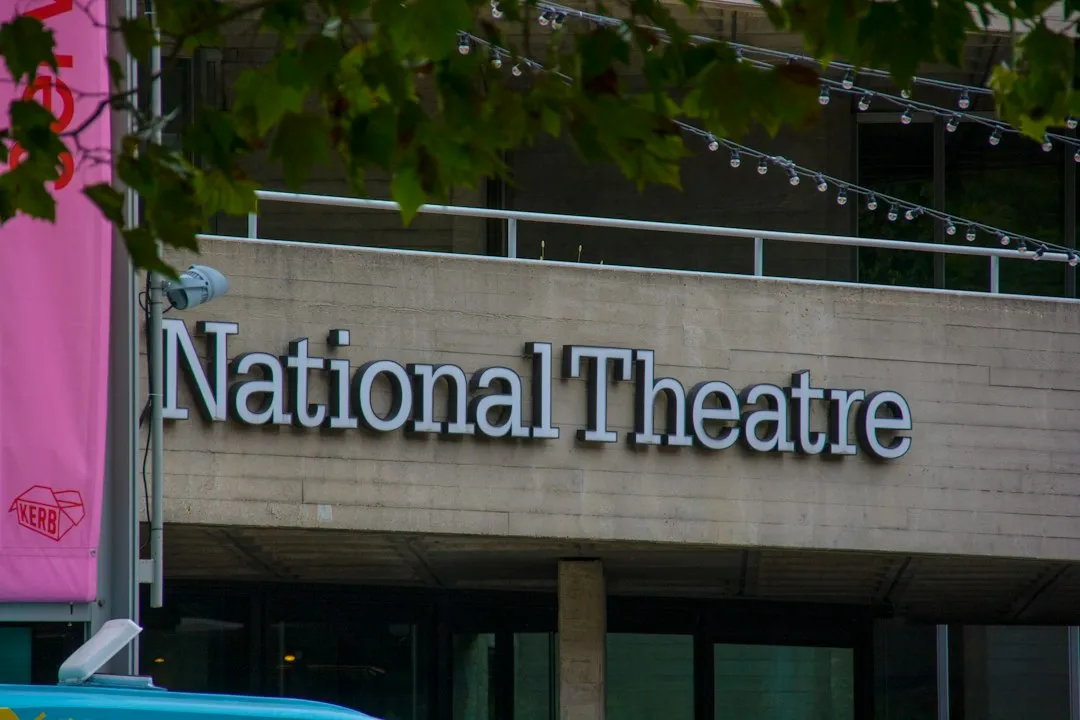
Situated on the South Bank, the National Theatre was designed by Denys Lasdun and opened in 1976. Its layered concrete volumes create dramatic terraces and open spaces, making it both a cultural landmark and a sculptural work of art. The theatre continues to host world-class productions, serving as a hub for the performing arts in London.
The Southbank Centre, including the Hayward Gallery, Queen Elizabeth Hall, and Purcell Room, represents London’s largest concentration of brutalist cultural buildings. These venues, clustered along the Thames near the National Theatre, form a cultural precinct in raw concrete that attracts millions of visitors annually.
The riverside walkway beside the National Theatre is one of the best free architecture experiences in Europe. The way Lasdun layered the building’s volumes, terrace above terrace, rewards patient observation far more than a quick photograph ever captures.
Park Hill Estate, Sheffield: Europe’s Largest Listed Building
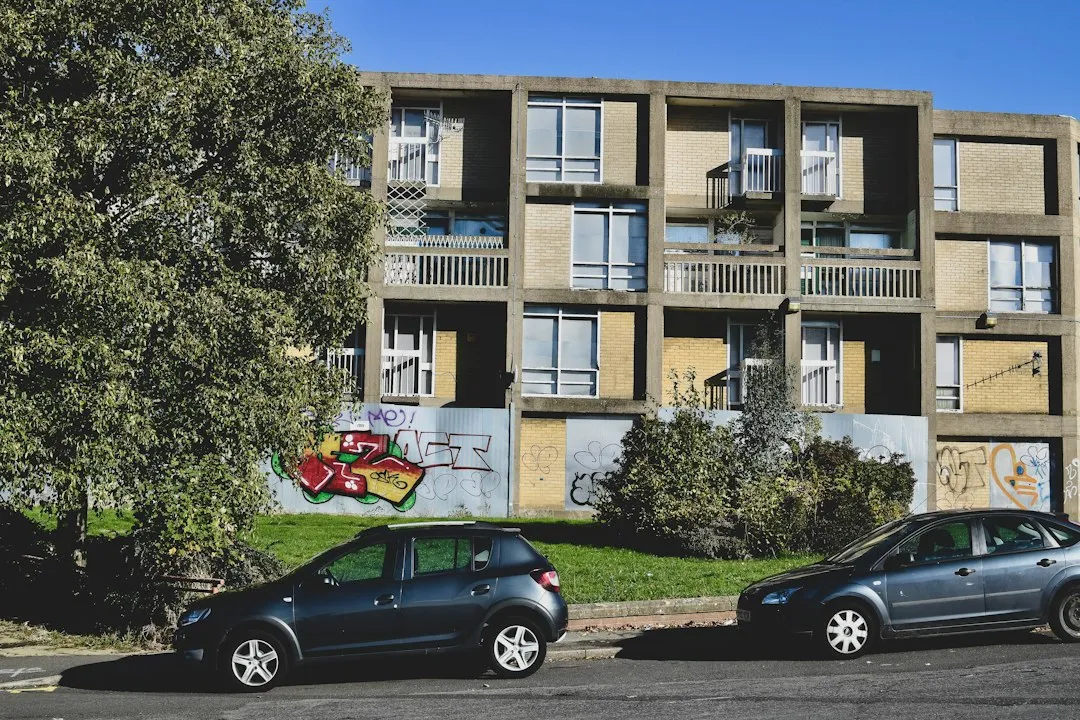
Park Hill is a housing estate in Sheffield, South Yorkshire. The estate is a brutalist concrete icon and the largest listed building in Europe. Park Hill was one of Britain’s first complete post-war slum clearances and is considered the most ambitious contemporary inner-city development. The estate stands proudly at the top of a hill overlooking Sheffield city centre.
Parts of the estate are currently undergoing phased regeneration, which has made it a fascinating subject for documentary photographers interested in how cities negotiate the line between preservation and renewal. The contrast between restored and unrenovated sections is itself a kind of architectural narrative.
Skopje, North Macedonia: The City That Became a Brutalist Pilgrimage
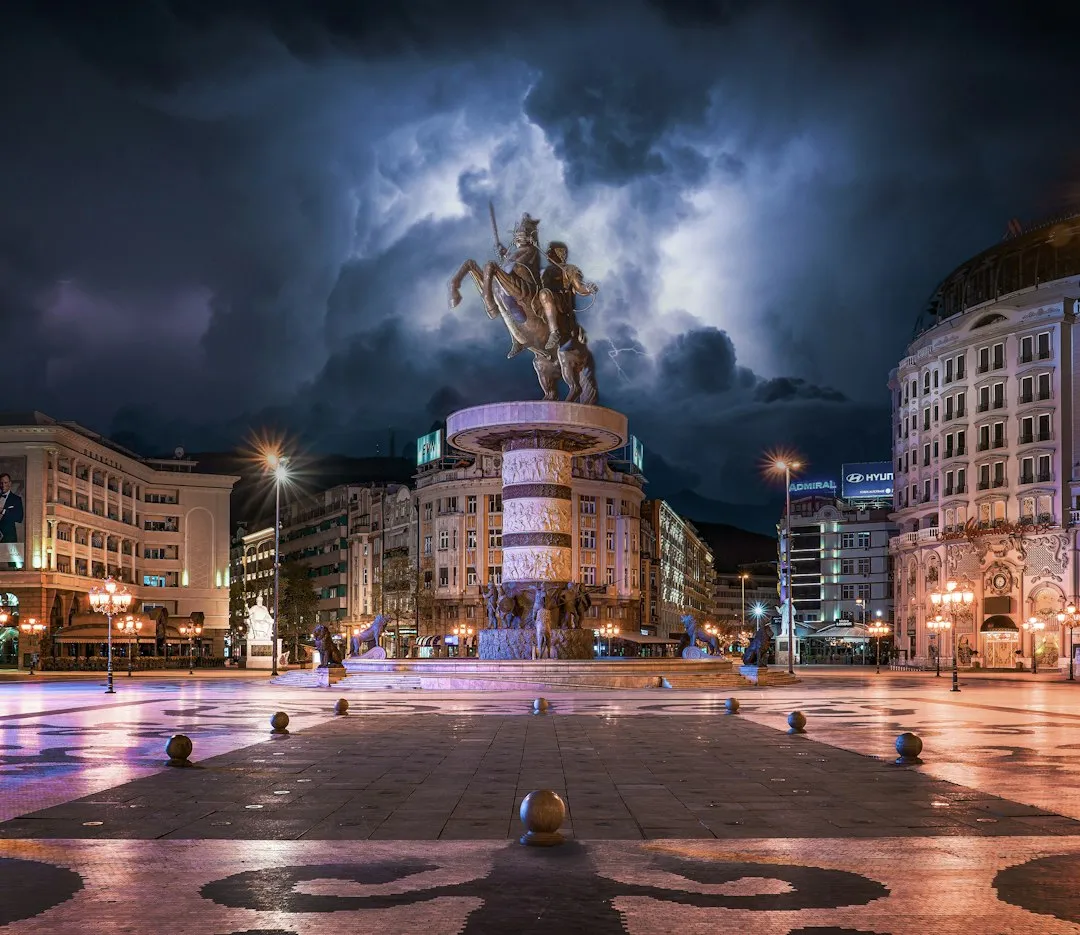
The brutalist style is best explored on a walking tour in Skopje in North Macedonia, and the city has emerged as one of the most compelling destinations for those embracing the photography trend. The Post Office headquarters is a spectacular example of brutalist architecture in the city.
The Macedonian Academy of Sciences and Arts is one of the spots visitors encounter on the brutalist architecture tour, as Skopje, the capital of North Macedonia, has been cashing in on the growing trend. The city’s concentration of government buildings, cultural institutions, and civic structures from the 1960s and 1970s makes it unusually rich for a single urban walk.
Unlike London or Montreal, Skopje remains off the heavily touristed circuit, which means you can often photograph these buildings without crowds or barriers. That accessibility is part of what makes it compelling for serious architectural travelers.
Boston City Hall, USA: The Most Debated Building in America
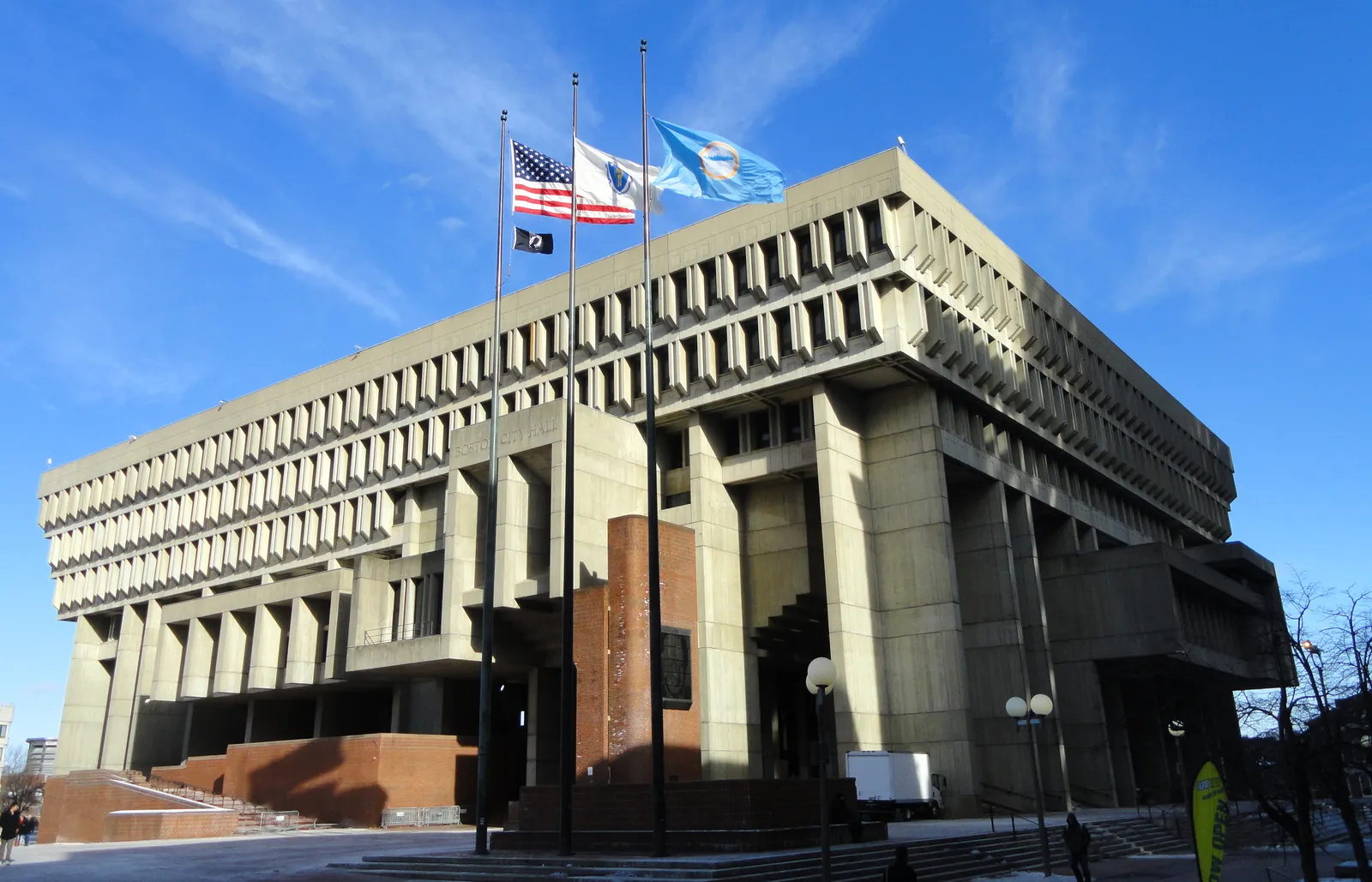
Boston City Hall is the most debated brutalist building in the world. Completed in 1968 and designed by Kallmann, McKinnell and Knowles, it has survived multiple demolition campaigns and remained one of the most polarizing civic structures in the United States.
Photographer Leonid Furmansky traveled specifically to photograph Boston City Hall as part of a body of work documenting American brutalist buildings, placing it alongside Dallas City Hall and the Yale Architecture Building as a key subject for serious architectural study. That kind of artistic attention has a way of reshaping how the public sees a building over time.
City Plaza surrounding the building offers an unobstructed approach from multiple directions, and the heavy cantilevers above the entrance create a particularly striking photograph in low winter light. Whatever one thinks of the building’s politics, the geometry is genuinely arresting.
The Brutalism in Colour Exhibition and the New Generation of Fans
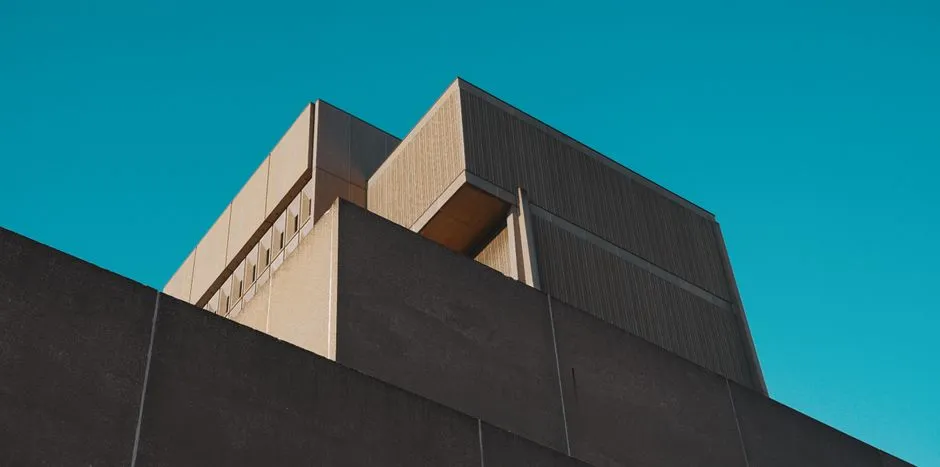
The photography exhibition “Brutalism in Colour” by Christopher Hope-Fitch, hosted at London’s Gareth Gardner Gallery as part of the London Festival of Architecture’s 20th edition, featured over 100 locations of brutalist architecture that Fitch documented over the course of seven years.
Fitch presented these buildings as a kaleidoscopic collection of colourful planes and surfaces, imagining an alternate reality for the inhabited “concrete jungles” through digital photography captured at night, with bold and bright colours enhanced during post-production. The exhibition reframed brutalism not as grey and austere but as dynamic and full of visual possibility.
Since the mid-2010s, brutalism has experienced a significant cultural resurgence driven by social media photography, dedicated coffee-table books, preservation campaigns like SOSBrutalism, and a new generation of architects exploring neo-brutalist design. The movement’s reach now extends well beyond architecture enthusiasts into mainstream travel culture.
Preservation, Protection, and the Ethical Side of Photographing These Places
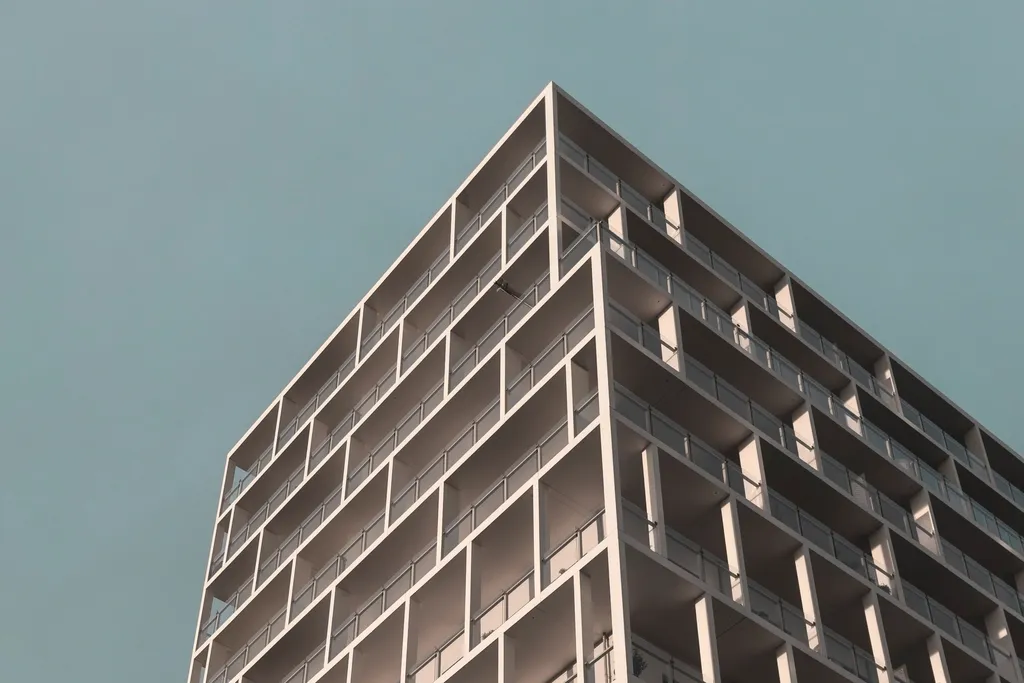
Buildings that faced demolition campaigns in the 1990s and 2000s are now being listed, restored, and reconsidered. Architectural critics and historians have come to recognize that the best brutalist buildings are not failures of taste but genuine achievements of civic ambition.
The brutalist revival extends far beyond buildings into graphic design, fashion, furniture, photography, and digital culture. Still, the buildings themselves remain the heart of it. Many are still functioning civic spaces, housing estates, and cultural venues, not set pieces designed for Instagram. Visiting them with that in mind matters.
The SOS Brutalism website maintains a global database of brutalist buildings searchable by location, and Docomomo International catalogs modernist and brutalist heritage by country. Both are excellent resources for planning a thoughtful visit before you arrive, rather than relying on a single viral image as your only reference point.
The Takeaway
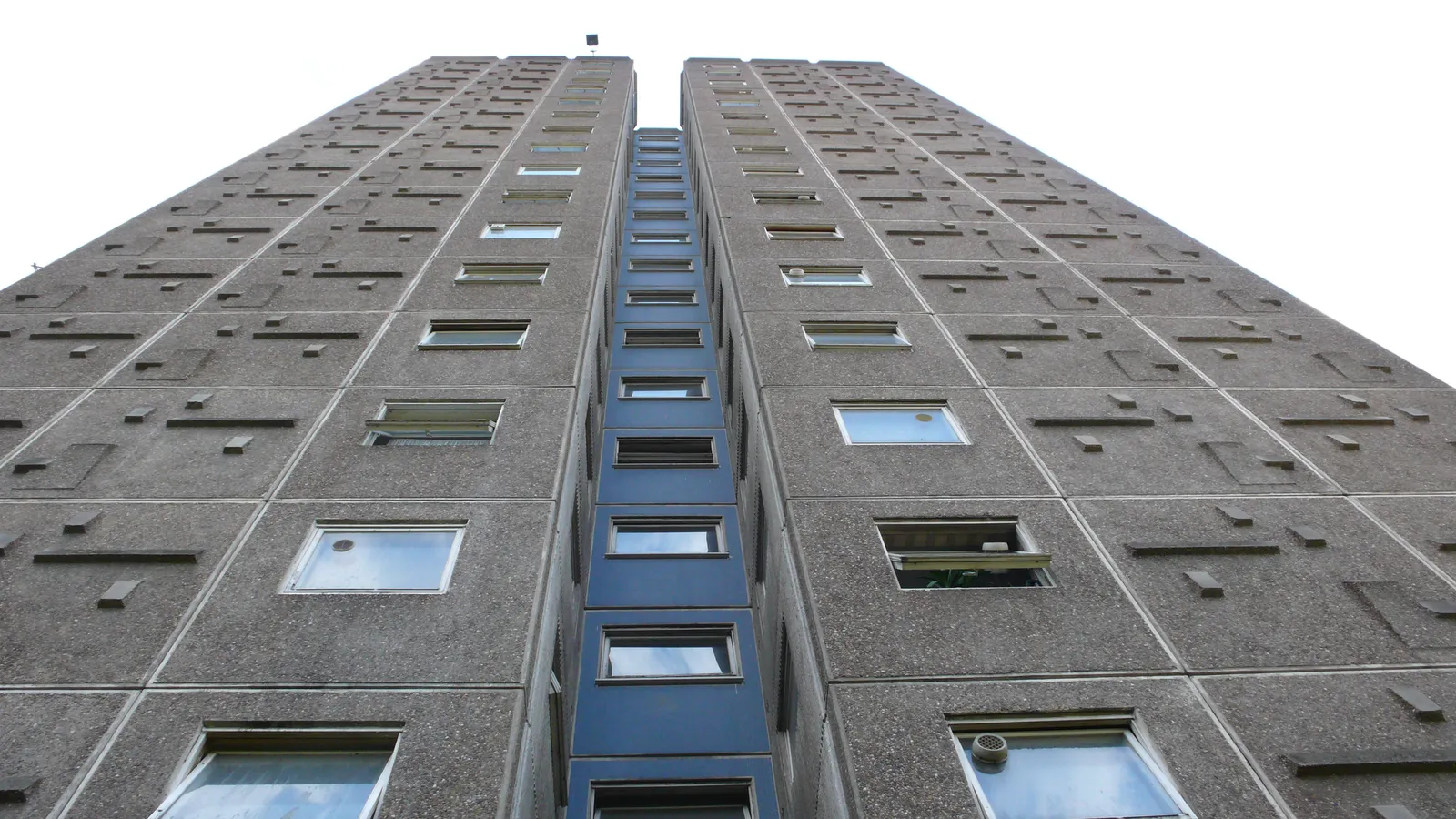
Brutalism’s return to favor isn’t really about nostalgia. It’s about looking again, more carefully, at buildings that were never designed to charm you on first sight. These structures ask something of the viewer. They reward patience, context, and a willingness to stand in an awkward spot at the right moment.
The traveler who seeks out a brutalist building isn’t just looking for a striking photograph. They’re engaging with a chapter of architectural history that was very nearly erased, and with the communities that still live and work inside these structures every day. That combination of visual drama and genuine human story is, ultimately, what makes these buildings worth the journey.
AI Disclaimer: This article was created with the assistance of AI tools and reviewed by a human editor.