
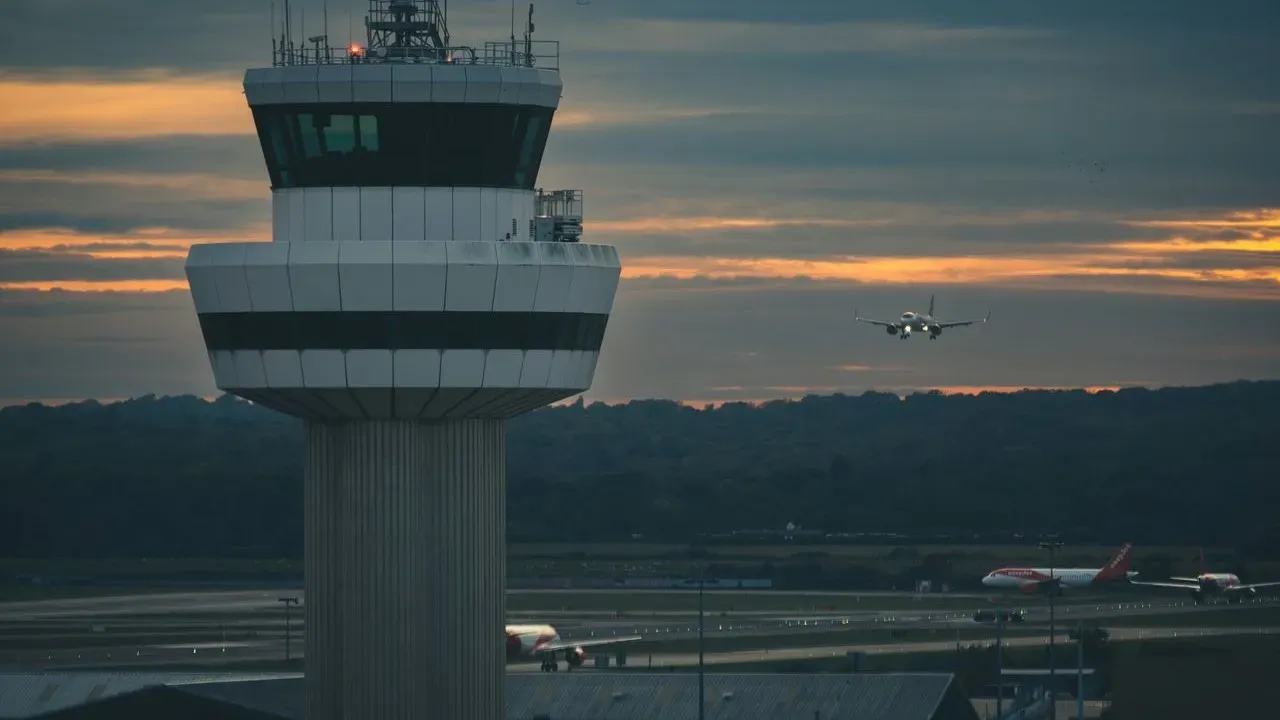

Travelers across the United States have encountered more frequent ground stops and extended waits at major airports in recent months, largely tied to staffing levels among air traffic controllers. A recent account from Denver International Airport illustrated the practical effects when a scheduled evening departure stretched well into the night because of a temporary halt in operations. Such situations highlight how systemic pressures in the national airspace system translate into real disruptions for passengers heading into the busier fall travel period.
The Mechanics Behind Recent Ground Stops
Air traffic control facilities that oversee busy corridors have operated with fewer fully certified controllers than needed for peak demand. When staffing falls short, authorities issue ground stops that prevent additional departures until the workload can be managed safely. These measures protect the integrity of the system yet ripple outward, pushing later flights into extended holding patterns or overnight delays. The Denver example showed how an afternoon decision at one center can leave passengers on the jet bridge for hours without immediate recourse from their airline. Recovery often occurs by absorbing the backlog into subsequent schedules rather than by adding capacity, which means evening banks at constrained airports feel the effects most acutely. Travelers planning connections or tight itineraries have learned to factor these patterns into their choices.
Understanding Compensation Rules and Reason Codes
Department of Transportation guidelines distinguish between delays attributed to the airline and those stemming from air traffic control or weather. When the official reason code lists air traffic control, carriers are not required to provide hotel rooms, meal vouchers, or other compensation, even if the wait exceeds several hours. Passengers who assume every long delay qualifies for assistance may find themselves covering unexpected costs. Requesting the specific reason code in writing from the gate agent before making alternative arrangements clarifies obligations on both sides. A code tied to crew or maintenance typically shifts responsibility back to the airline, while an air traffic control designation leaves the traveler responsible. Checking this detail early helps avoid disputes once the situation has already unfolded.
Practical Steps for Smoother Journeys
Several targeted habits reduce exposure to the most disruptive outcomes. Avoiding the final departure bank out of slot-controlled airports such as Newark or LaGuardia limits the chance of cascading delays that persist until operations cease for the night. Earlier flights often sit ahead of daily congestion and offer more flexibility if adjustments become necessary. Comparing options across multiple carriers on the same route also proves valuable when a cancellation occurs. Frequency on a given corridor, rather than loyalty to a single airline, frequently determines how quickly rebooking becomes possible. In addition, reviewing personal credit card benefits for trip delay coverage and confirming whether a ticket allows refunds provides layers of protection that operate independently of airline policies. – Confirm the reason code in writing from the operating carrier.
– Verify refund eligibility and the currency in which any return would be issued.
– Identify the next available departure on any airline serving the route.
– Check card benefits for trip interruption or delay protection.
– Note whether the departure airport operates under slot controls that affect recovery speed.
Preparing for Ongoing Conditions
The staffing situation within the air traffic control system is not expected to resolve quickly, which means travelers will continue to encounter occasional ground stops and schedule adjustments through the coming months. Building modest buffers into itineraries, monitoring airline apps for real-time updates, and maintaining awareness of alternative flights on competitive routes all contribute to greater resilience. A spare phone charger and basic provisions in carry-on luggage remain simple yet effective safeguards during extended waits. While no individual can alter airspace capacity, informed planning allows passengers to navigate these realities with greater confidence and fewer surprises.
AI Disclaimer: This article was created with the assistance of AI tools and reviewed by a human editor.