
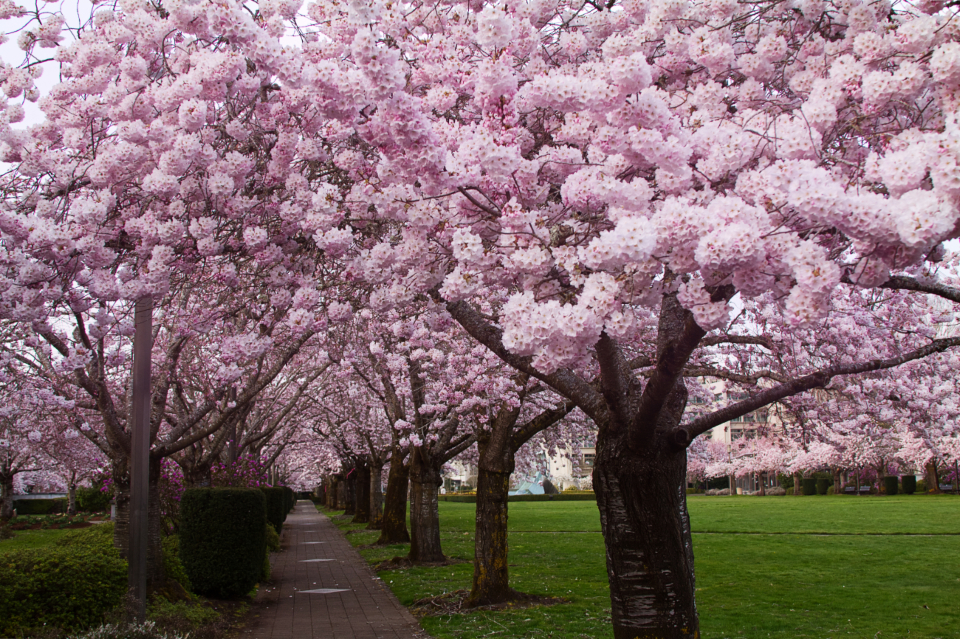

1. Japan in Spring: When Cherry Blossoms Repaint the Country
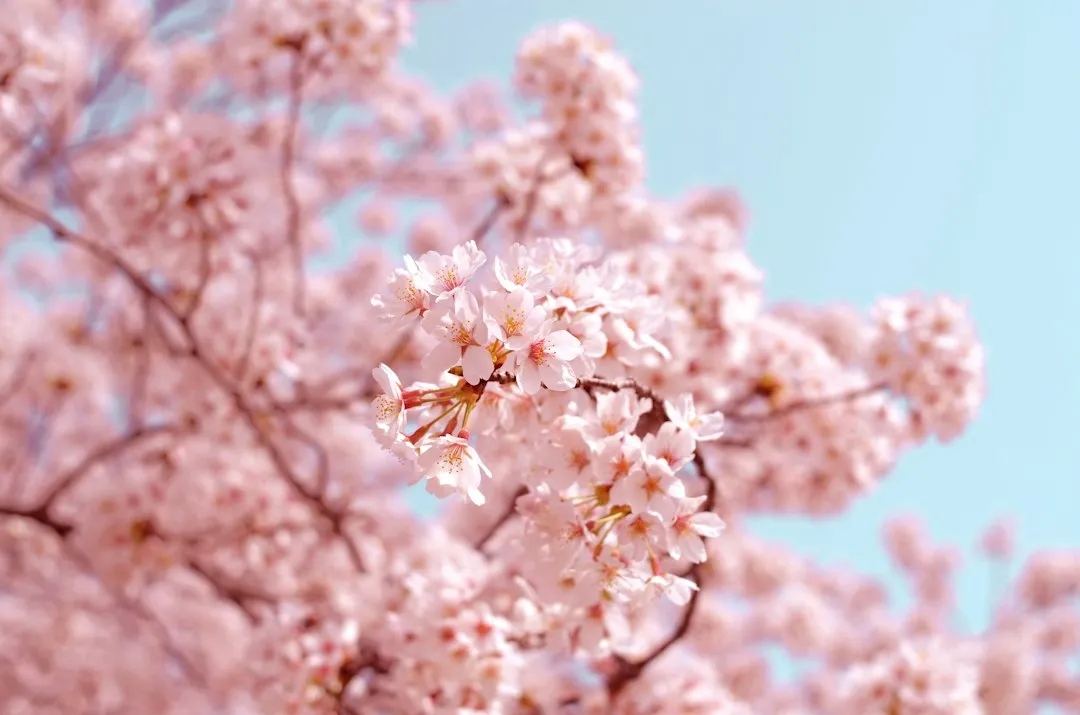
From the second half of March through early May, Japan’s famous sakura paints the country in shades of blush and white. The scale of this change is remarkable. Parks, riverbanks, castle grounds, and mountain paths all shift from bare-branched grey to clouds of pale pink in a matter of days.
The blossoms generally last ten to fourteen days once flowers begin opening, though Yoshino cherries, the most common variety in Japan, usually last for just two weeks. That brevity is part of what makes the season so compelling, and so intensely visited.
Japan welcomed 42.68 million international visitors in 2025, with 11.3 million arriving between March and May alone. Mount Yoshino in Nara Prefecture has long been celebrated as Japan’s most famous cherry blossom viewing spot, with over 30,000 cherry blossom trees spread across a mountain ridge. Even within a single city, the transformation creates micro-landscapes: the festival centered around Hirosaki Castle showcases over 2,600 cherry trees, with petals blanketing the castle moat and walkways.
2. Cappadocia, Türkiye in Winter: Stone Spires Beneath Snow
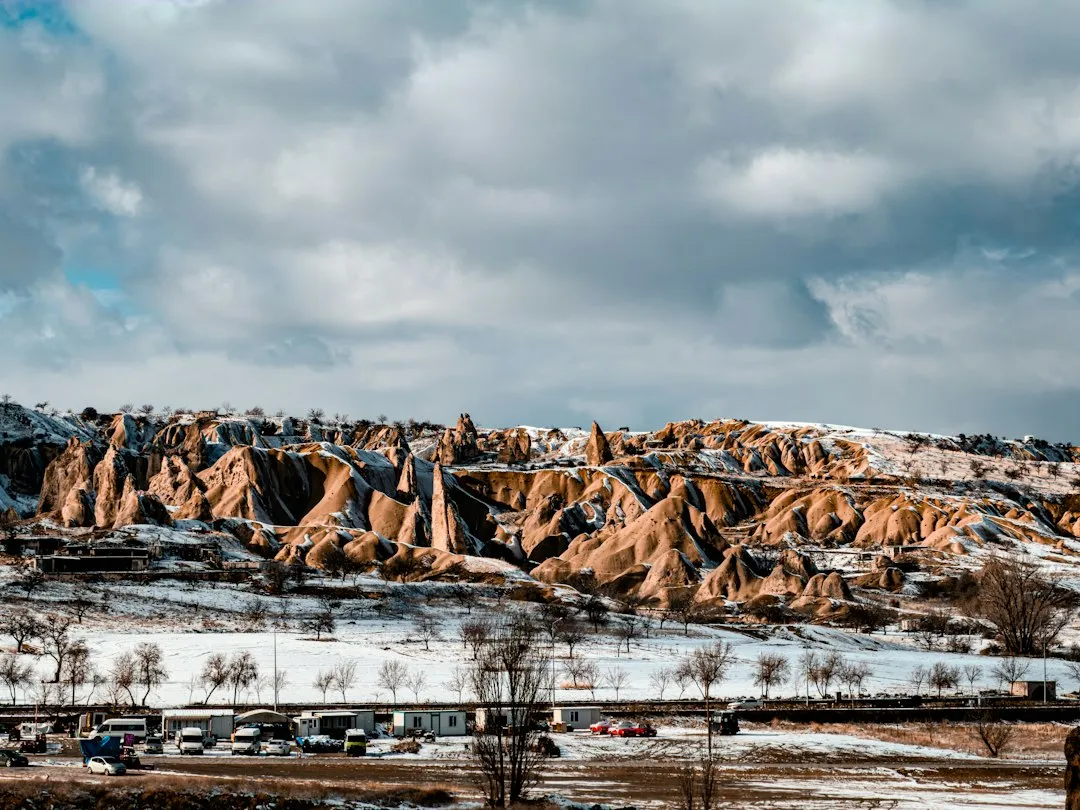
Cappadocia in central Türkiye turns white after snowfall crosses the province of Nevşehir. The tourism region, known for rock formations shaped millions of years ago, carries a distinct winter atmosphere rarely seen in peak travel seasons. Most people picture Cappadocia in warm, amber light, with hot air balloons drifting above honey-colored valleys. Winter delivers something completely different.
Cappadocia’s rock formations were created by volcanic eruptions and shaped over time by wind and erosion. Snow now settles into their crevices, revealing contours that are less visible during warmer seasons. The contrast between white snow and beige volcanic tuff makes the geological layers more pronounced.
The area is listed as a UNESCO World Heritage site and draws millions of visitors each year for its fairy chimneys and cave dwellings carved into volcanic stone. Cappadocia has a continental climate, with warm summers and cold winters. It lies in central Anatolia at over 1,000 metres above sea level, with volcanic peaks that reach 3,916 metres. The elevation is precisely why winter hits as hard as it does, and why the snowy version of this landscape feels so startlingly different from the one that appears on most travel posters.
3. Finnish Lapland in Winter and Midsummer: Two Opposing Extremes
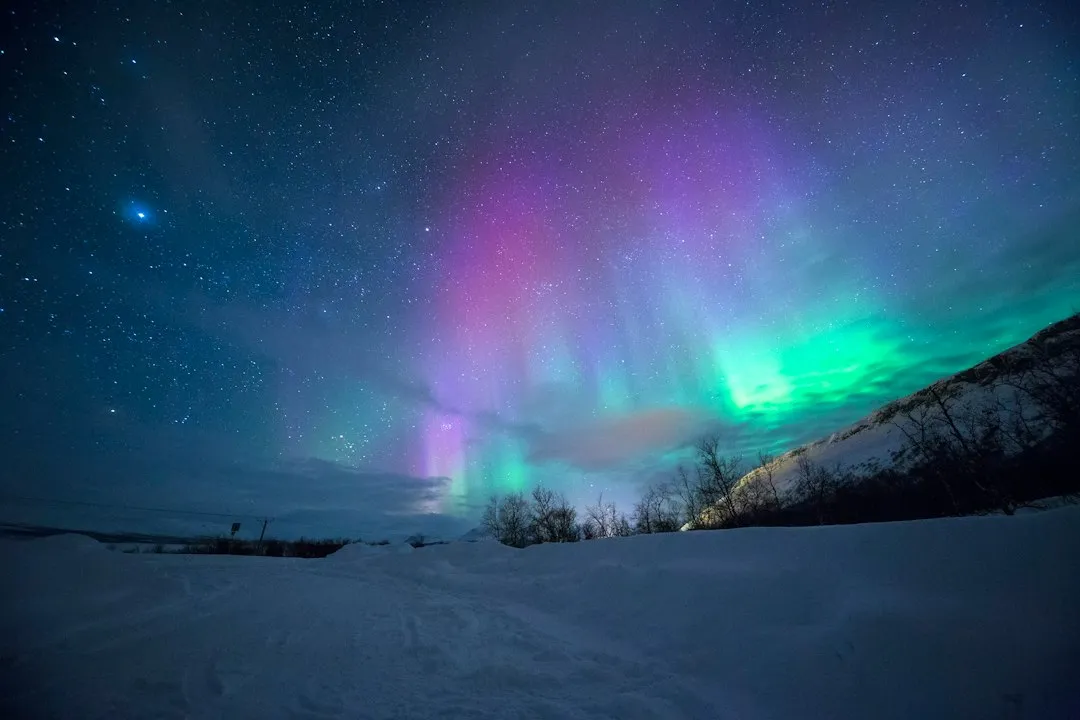
Seasonal variations in Lapland are pronounced. The deep snows and darkness of midwinter contrast dramatically with the light, mild summers of the Land of the Midnight Sun. Few places on Earth offer a seasonal swing this wide within the same geography.
The polar night is a period occurring during winter when the sun does not rise above the horizon at all. It only occurs inside the polar circles, and in Finland, the farther north you are, the longer the polar night lasts. In Utsjoki and Nuorgam, the polar night starts at the end of November and can last as long as 52 days.
A layer of clean white snow increases brightness by as much as 80 per cent, because artificial lights and moonlight are reflected off it. Then summer arrives and inverts everything. Autumn in Lapland brings a stunning transformation as the region’s forests explode into vibrant hues of red, orange, and gold. This change in foliage is particularly striking in September and October, when the birch trees and pine forests are at their most colorful. The Ruska season, the Finnish term for the autumn foliage period, is celebrated as a national treasure, and many visitors come specifically to enjoy the landscapes during this time.
4. Patagonia in Autumn: The Steppe Catches Fire
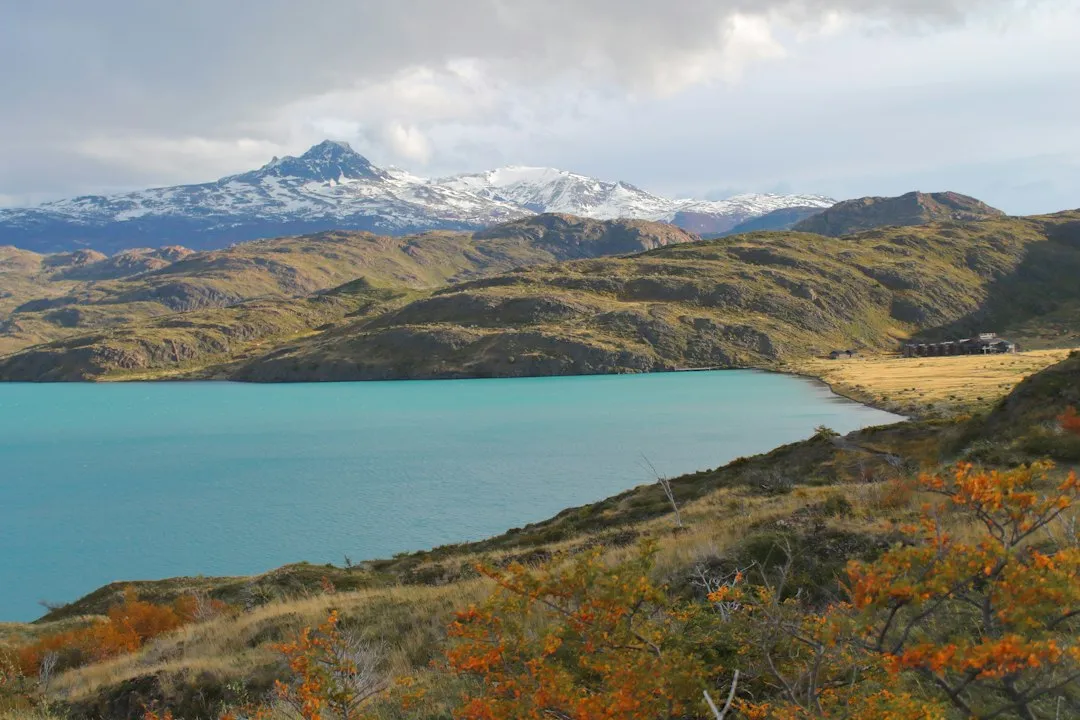
Autumn in Patagonia falls between March and May, and it is peak photography season. Most professional tours visit during these months, and tripods are almost as common a sight as walking poles. The autumn foliage draws photographers at this time of year, and the landscape around El Chaltén is particularly transformed by the autumn colours.
Although all seasons have their advantages, the type and amount of trees in Patagonia make the autumn landscape a truly incredible sight. The lenga beeches that line the valleys shift from deep green to vivid amber and scarlet, with the jagged granite towers of the Andes rising behind them in sharp contrast. It’s a combination that’s difficult to describe without sounding like you’re exaggerating.
Spring in October and November is when the Patagonian landscape reactivates most quickly. The snowline retreats, the first wildflowers appear on the steppe, and the light has a quality that is specific to this transitional moment. Snowfall blanketed the Patagonian Desert in April 2026, as NASA satellites captured a brief transformation of this typically dry landscape, underscoring just how dramatically this region responds to seasonal shifts, sometimes within a matter of days.
5. Iceland in Summer: The Midnight Sun Rewrites Everything
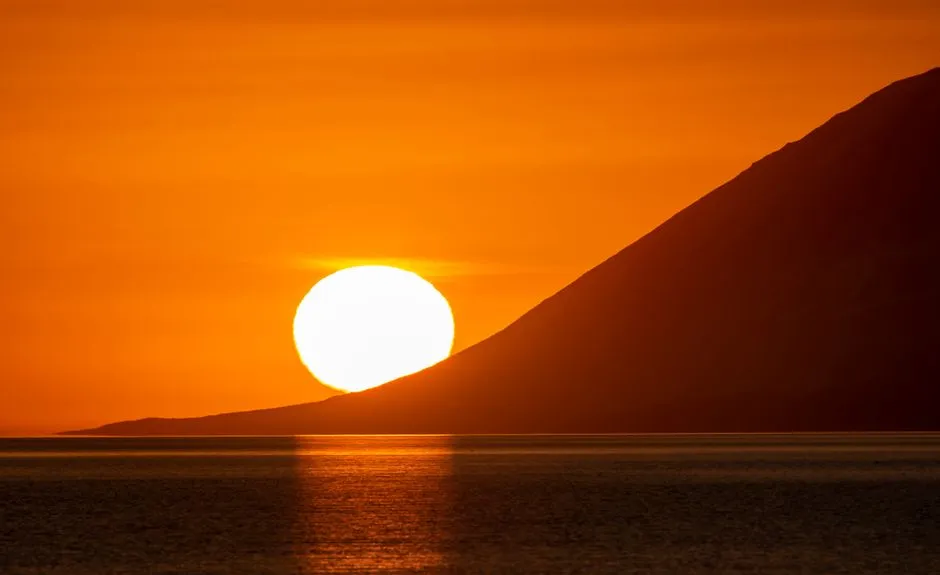
Iceland’s appearance in winter photography has become so dominant that many people are surprised by how different the country looks in summer. Both versions are genuine, and the gap between them is one of the widest of any populated landscape on Earth. The combination of volcanic geology, Atlantic climate, and extreme light cycles means Iceland in January and Iceland in July are almost incomparable.
Summer in Iceland is defined by the midnight sun. Between late May and late July, the sun doesn’t set, and the landscape is bathed in a continuous golden-orange light that shifts slowly around the horizon throughout the night. Waterfalls swell with glacial melt. Green moss spreads across lava fields. Lupine blooms purple across entire hillsides that, just months earlier, were locked under ice.
The Faroe Islands in November, for example, receive a fraction of their summer traffic, yet the combination of dramatic Atlantic storms and rare winter light produces photographs that summer tourists can’t replicate. Iceland follows a similar logic. Travelers who choose destinations based on off-peak seasons often find smaller crowds, lower costs, and encounters with landscapes that most visitors never see. In Iceland’s case, the off-peak winter version is its own complete and striking world, one that just happens to look nothing like June.
The Bigger Picture: Why Seasonal Landscapes Matter
There’s something worth pausing over in all of this. These five places don’t just change cosmetically between seasons. They shift in character, in emotional tone, and in what they ask from the traveler who visits them. The same valley in Patagonia feels contemplative in autumn and urgent in spring. The same rock formations in Cappadocia feel otherworldly under snow and sun-drenched in August.
The “best” season to visit a destination is often a matter of what you want from a place, not an objective fact handed down by travel guides. Timing shapes the experience more than any other single variable, and in these destinations, that truth is impossible to miss. Choosing your season is, in a real sense, choosing which version of the place you want to know.
Traveling with that awareness, being deliberate about when you go and why, tends to produce the kind of encounters that stay with you. Not because the landscape was dramatic, but because you were present for the right moment of its change.
AI Disclaimer: This article was created with the assistance of AI tools and reviewed by a human editor.