
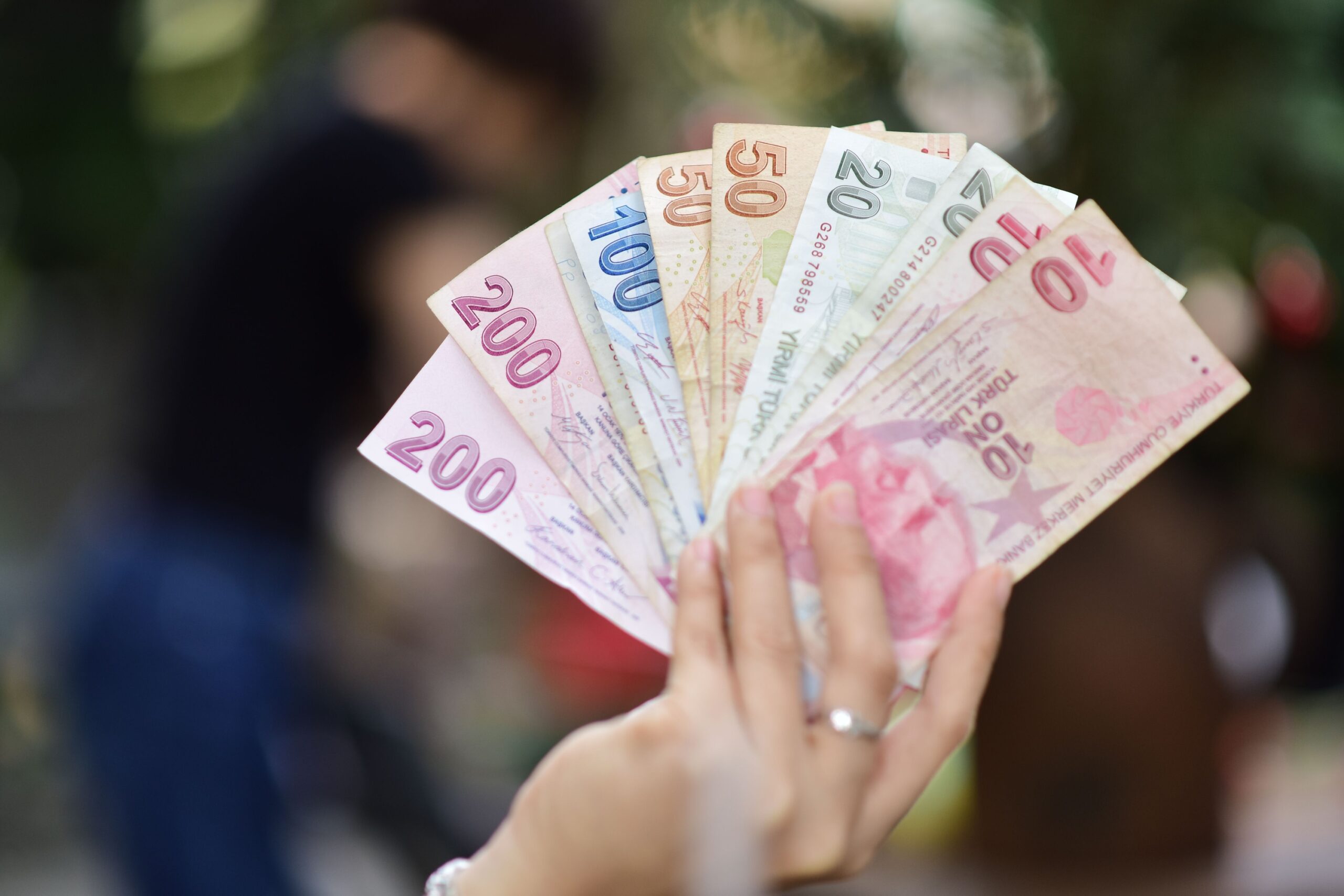

The Rate on the Board Is Not the Real Rate
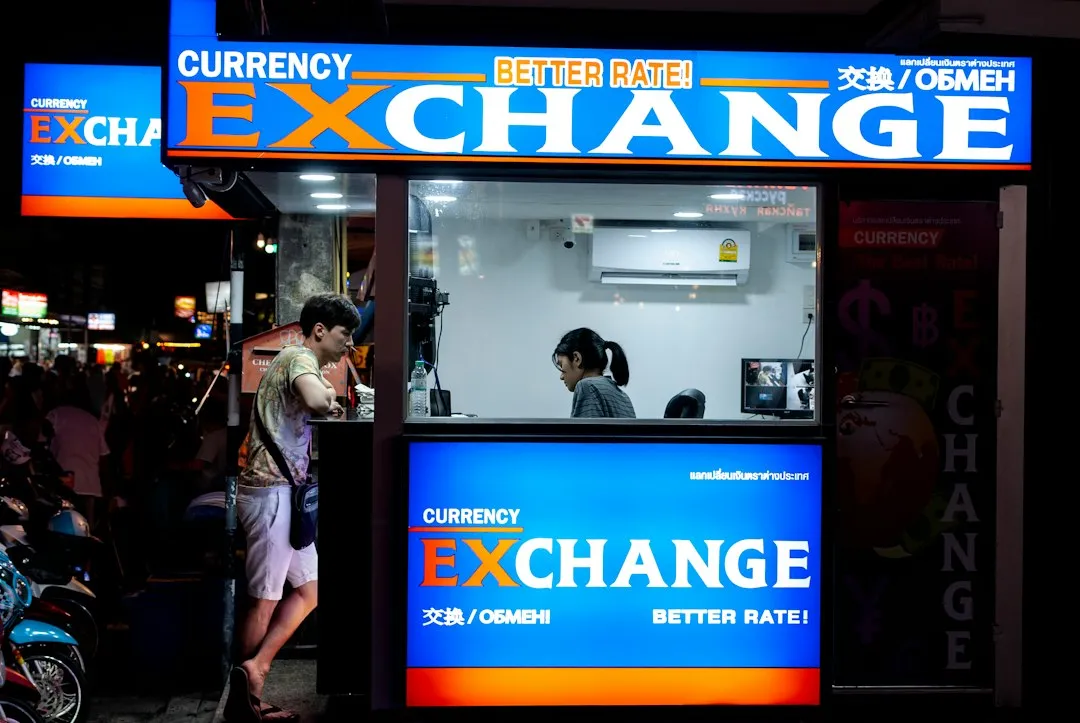
The real cost of airport currency exchange hides in the difference between the mid-market rate – what you’d see on Google – and the rate the kiosk actually offers you. That gap is where the kiosk makes its money, and it’s rarely disclosed in plain language. Most airport kiosks charge between five and fifteen percent above the mid-market rate, and some advertise commission-free exchanges while building the entire fee into the rate spread, making it hard to detect without a comparison tool.
For example, if the mid-market rate is 1.10 and the airport offers 1.00, you’re losing about 9.1% of your money to the spread – far more than most travelers realize. It’s a structure designed to look simple while being anything but transparent.
The “No Commission” Sign Is Misleading

Airport kiosks prominently advertise “no fees” but make their profit on exchange rates marked up far above market prices. This is a deliberate marketing choice, and it works precisely because most travelers don’t know the difference between a commission and a rate spread. Commission-free doesn’t mean free – providers embed their profit in the exchange rate spread instead.
Travelex, the largest airport currency exchange operator globally, has faced consumer complaints in multiple countries over the clarity of its fee disclosure. Its “no commission” marketing at some locations refers specifically to the transaction fee, while a larger-than-average spread generates the actual margin. Knowing this distinction is the single most useful thing any traveler can carry through a departure terminal.
How Much You’re Actually Losing Per Transaction
Airport kiosks typically charge exchange rates that are five to ten percent worse than market rates, plus additional fees that can range from five to fifteen dollars per transaction. For a typical five-hundred-dollar currency exchange, this means you could lose between twenty-five and sixty-five dollars compared to better alternatives.
Exchanging five hundred dollars at a typical U.S. airport currency kiosk before an international departure will cost you between forty-five and seventy-five dollars in spread and fees combined. If you’re exchanging a thousand dollars, a five to ten percent difference means an extra fifty to one hundred dollars in your pocket – money that could cover a night’s accommodation or several local meals.
Frequent Travelers Face a Compounding Problem
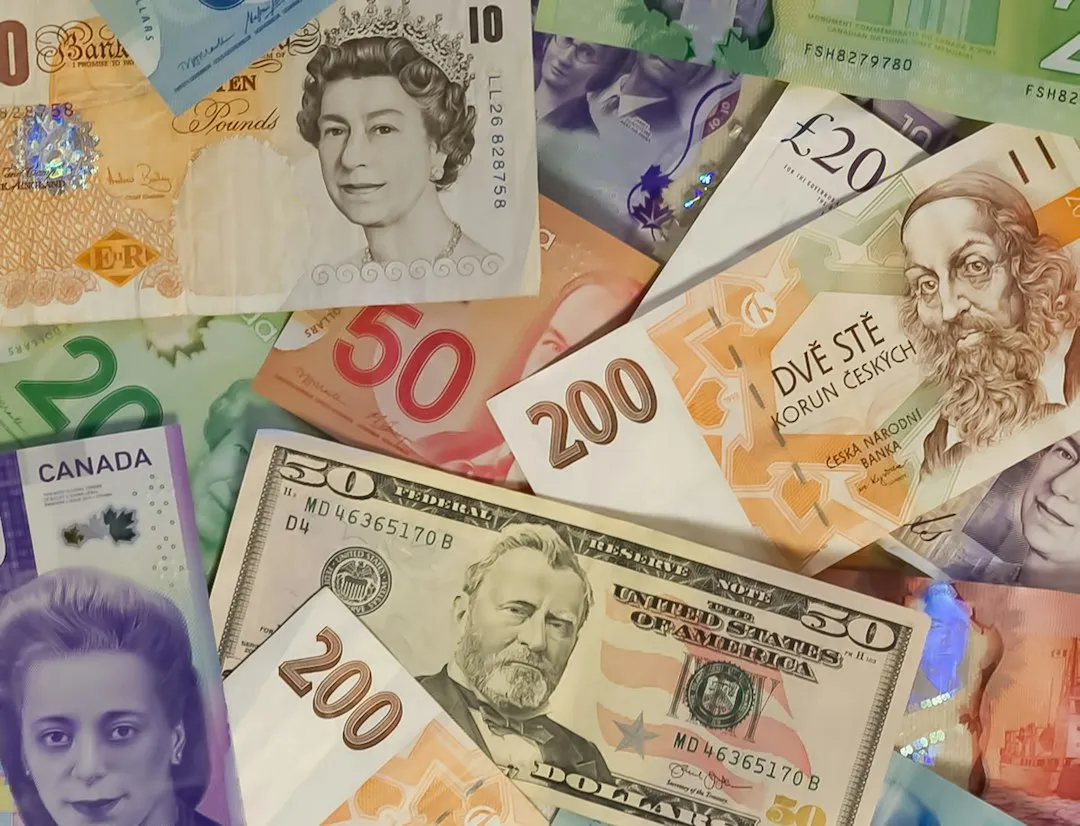
On larger amounts or frequent trips, these costs compound significantly. A business traveler making monthly international trips could easily spend hundreds of dollars annually in unnecessary exchange fees. This is one of those expenses that stays invisible precisely because it arrives in small, forgettable chunks spread across a calendar year.
The hidden nature of these costs makes them particularly problematic. Unlike airline baggage fees or hotel resort charges, poor exchange rates aren’t clearly disclosed. There’s no line item on a receipt that says “markup.” The money simply disappears into the rate.
Why Travelers Keep Using Kiosks Anyway
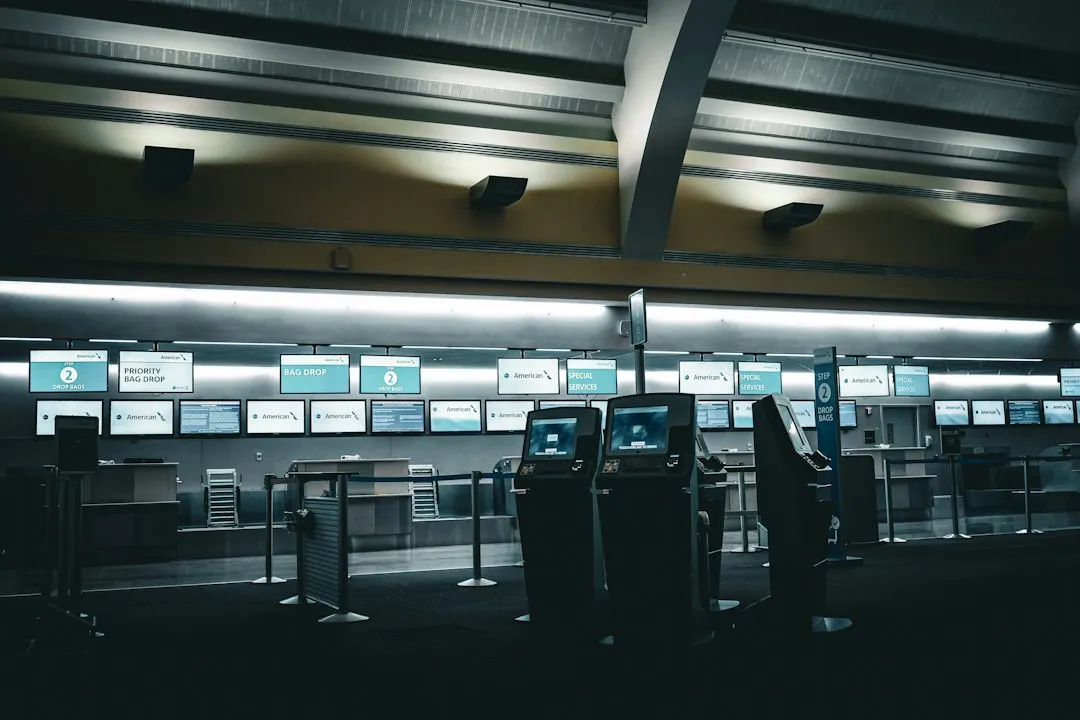
Despite having weeks to prepare, millions of travelers find themselves frantically exchanging money at expensive airport kiosks. This common ritual costs travelers five to ten percent more than necessary, but the psychology behind these last-minute decisions reveals why convenience often trumps cost when people are stressed and pressed for time.
Airport kiosks pay high rent and face a captive audience of travelers who need cash immediately. With little competition and high demand, they can charge wide spreads. Their business model relies on convenience rather than competitive pricing. In short, the kiosk doesn’t need to compete on price. It already has you.
Less Common Currencies Carry Even Steeper Costs
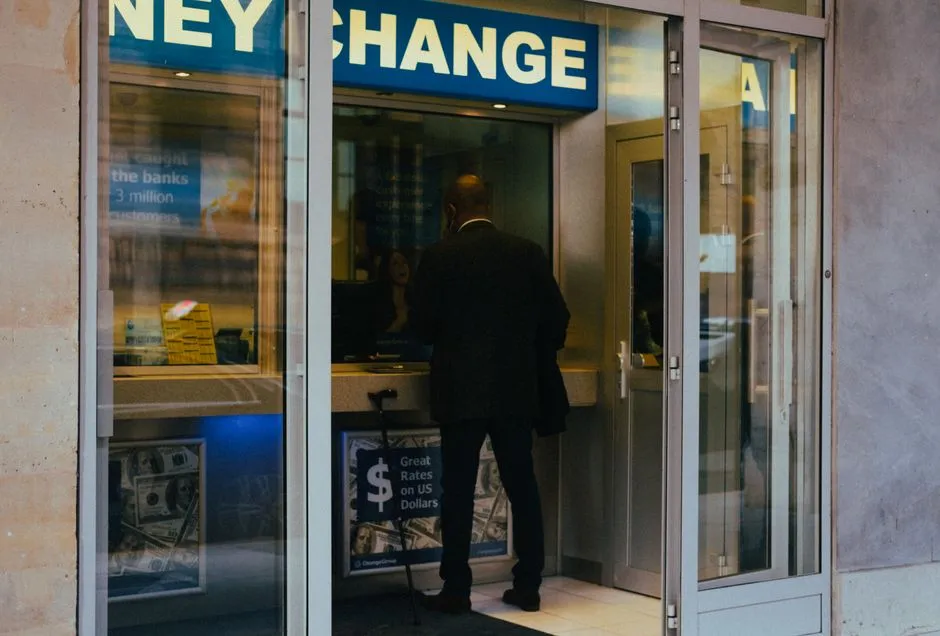
Industry observers have documented spreads varying widely by currency pair – common currencies like USD or EUR typically see smaller markups, while less-traded currencies face steeper spreads. If you’re heading to a destination with a less globally traded currency, the kiosk’s leverage over you increases considerably.
This is worth knowing before you travel to Southeast Asia, Eastern Europe, or parts of Africa. Airport exchange counters do offer a wide range of currencies, which can be particularly useful if traveling to multiple countries or a less common destination – but that breadth comes at a price that rises the further you stray from major currency pairs.
NerdWallet Found Premiums Exceeding 17 Percent
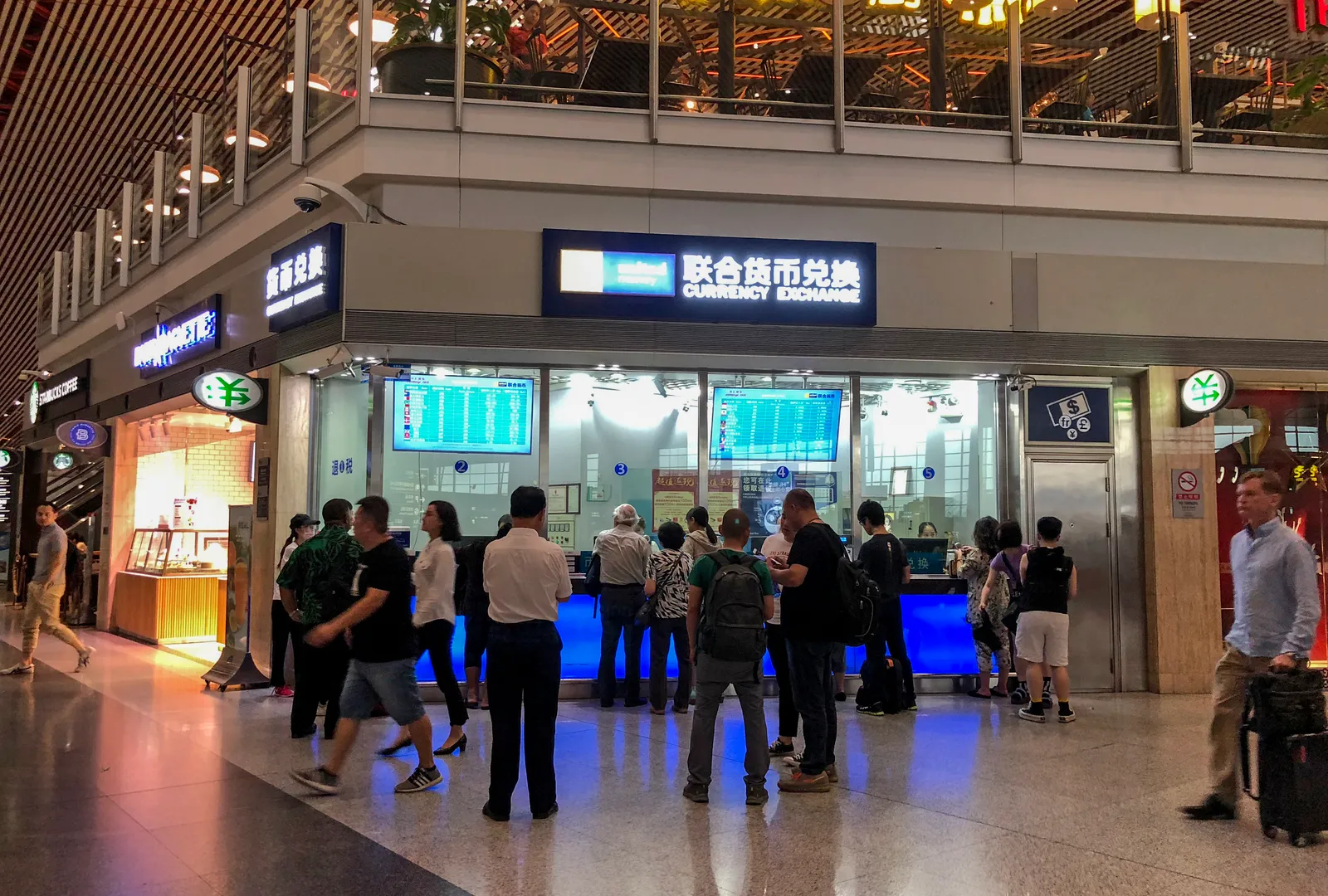
Airport currency exchange rates are among the worst you’ll find. It’s not uncommon to see airport exchanges charging fourteen percent more than the current International Monetary Fund (IMF) exchange rate. NerdWallet even found some premiums exceeding seventeen percent. Some also charge additional fees on top of the poor exchange rate.
At Bank of America, exchange rates checked in January 2024 averaged roughly six percent more than IMF rates – less than half of what the airport currency exchanges were charging. The comparison is stark, and it doesn’t require a finance background to understand it.
The Walk-Up Counter vs. Ordering Online
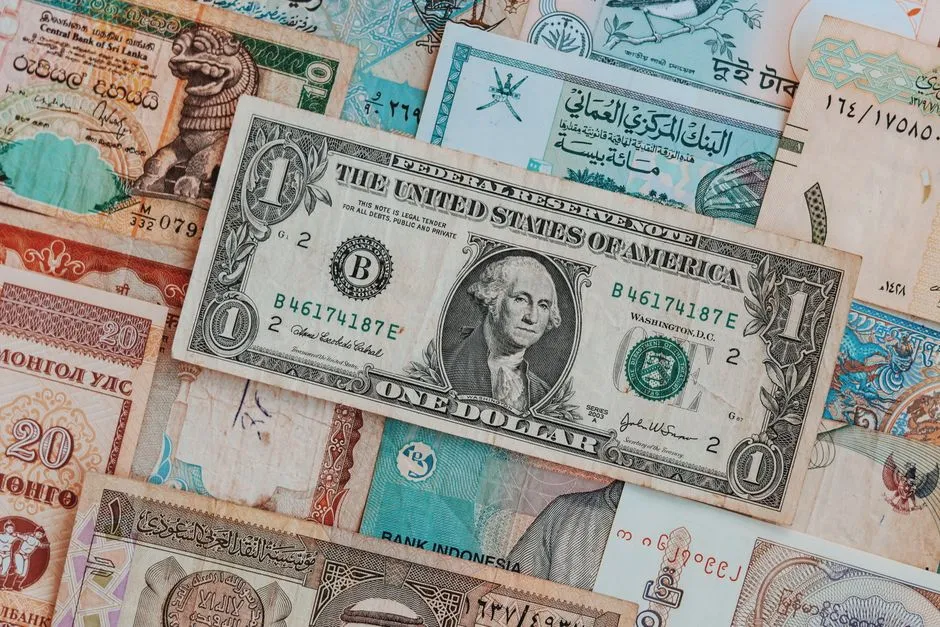
Order online and the rate is fair, around two percent above the mid-market. Buy at an airport counter on the day and the rate is far worse, often five to ten percent off. This gap exists even within the same company. The same brand that offers you a reasonable rate online charges a meaningfully higher markup the moment you walk up to their airport counter unannounced.
Ordering currency from your bank three to five days before departure, using a travel debit card at an in-network ATM upon arrival, or paying with a no-foreign-transaction-fee credit card wherever possible are all consistently better options than the walk-up kiosk exchange. The planning window doesn’t need to be large – just a few days is enough.
Some Major Hubs Are Changing the Model
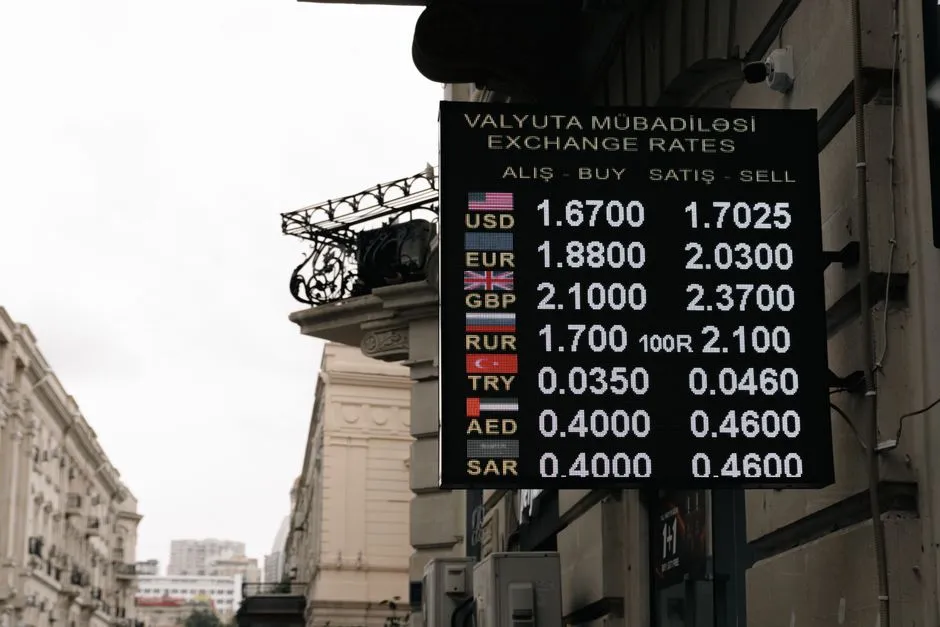
Airport currency exchanges have long had a reputation as the most expensive option for travelers. While traditional airport kiosks still charge premiums of eight to ten percent above market rates, major hubs now offer automated exchange systems that beat many bank rates. At London’s Heathrow and Frankfurt’s terminals, new digital kiosks provide rates within two to three percent of interbank rates – significantly better than the five to seven percent markup at traditional exchange counters.
This is a genuine shift worth noting. Automated systems handle thousands of transactions daily with minimal overhead, allowing airports to offer more competitive rates. Still, these upgraded kiosks remain the exception, not the rule, and travelers at smaller or regional airports should not assume they’ll find the same options.
What to Do Instead – Practical Alternatives That Work
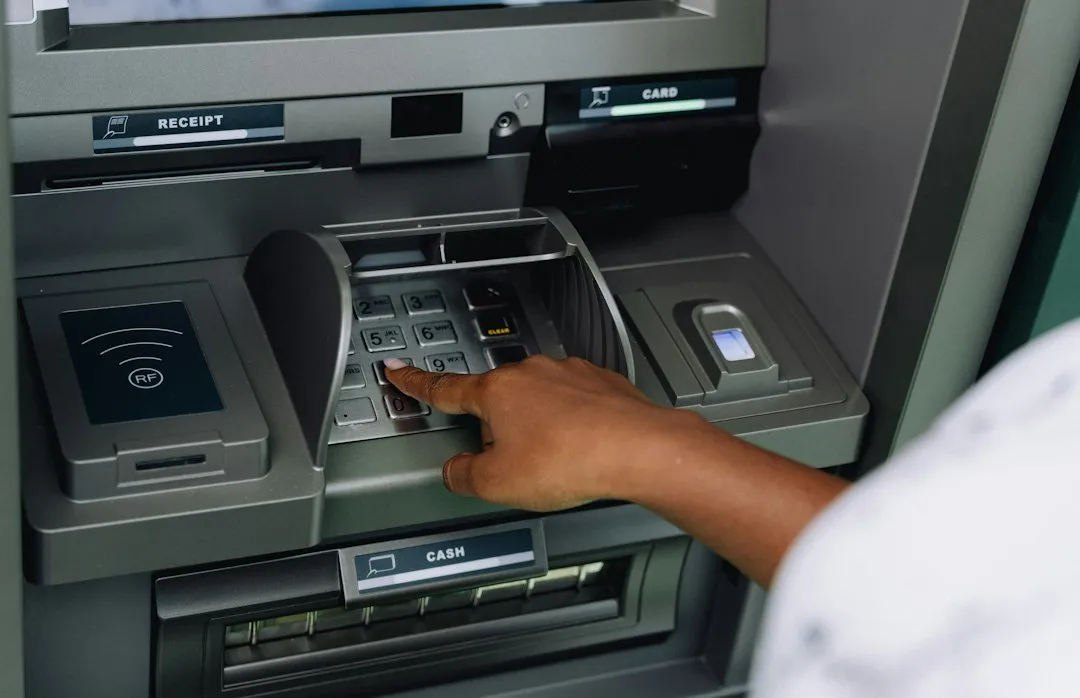
If you need to use a currency exchange bureau, exchange only a small amount to cover your immediate needs. Once you reach your destination, seek better rates at a local bank or ATM. This approach limits your exposure to kiosk markups while still giving you cash for the taxi or bus on arrival.
Using ATMs to withdraw local currency in your destination country is one of the most convenient ways to get cash while traveling. Many banks are part of global ATM networks, allowing you to withdraw money with minimal fees if you use ATMs associated with their partner banks. When using ATMs abroad, stick to machines from reputable banks and avoid independent ATMs found in tourist-heavy areas or small shops.
The Takeaway
The airport currency exchange kiosk isn’t a trap in the dramatic sense. It’s simply a service priced for people who haven’t planned ahead, offered in a location where planning is no longer possible. The cost is real, documented, and consistent across multiple studies and consumer finance sources.
A modest amount of preparation – ordering from your bank in advance, identifying a local ATM at your destination, or carrying a no-foreign-transaction-fee card – removes most of the risk entirely. Exchanging a small emergency amount at the airport and saving the bulk of your conversion for a bank ATM or a no-fee credit card is a simple step that can save you hundreds of dollars on a major trip. The kiosk will always be there. You just don’t have to use it the way most people do.
AI Disclaimer: This article was created with the assistance of AI tools and reviewed by a human editor.