


Most people approach a layover the same way: find a seat, stare at the departures board, and silently will time to move faster. It’s a deeply human response to an uncomfortable situation, but it’s also a missed opportunity.
A layover is simply the waiting period between connecting flights at an airport, and according to the Bureau of Transportation Statistics, roughly one in five domestic flights involves at least one connection. That’s a lot of people sitting in a lot of plastic chairs when they don’t have to be.
Airports in 2026 are genuinely more interesting than they used to be. From spa treatments and sleep pods to rotating art exhibitions and city tours, there’s a real argument that your layover hours can become some of the more memorable moments of your trip. Here are five activities worth seeking out the next time you’re stuck between flights.
1. Explore the Airport’s Art Collection or Museum
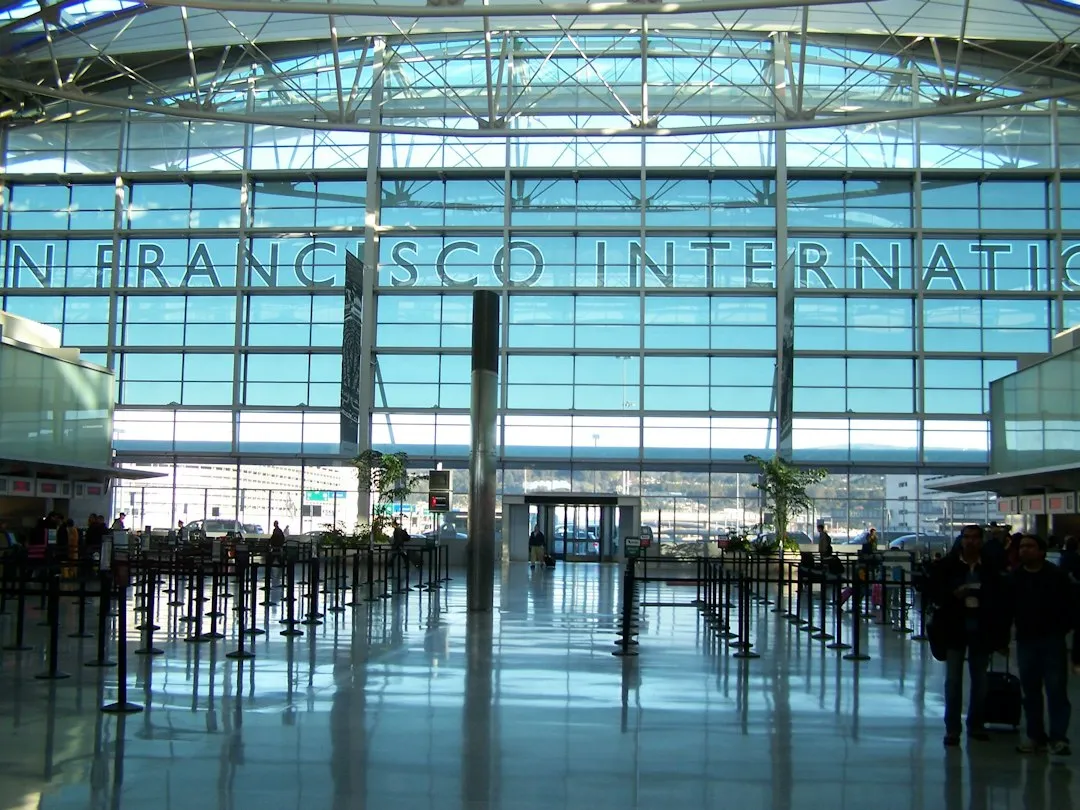
Few travelers think of airports as cultural institutions, but a growing number of them genuinely are. For decades, art programs at airports around the country and the world have transformed once-unadorned transit hubs into welcoming and relaxing spaces, offering calm, joy, and inspiration through world-class collections and regular commissions of public art.
San Francisco International Airport is home to one of the world’s only accredited museums within a commercial airport, the SFO Museum, which houses rotating exhibitions covering topics from aviation history to contemporary art. In Istanbul, the iGA Istanbul Airport Museum unveiled a new exhibition series in June 2025 and features a display of 316 items from 29 museums, including the Kadesh Treaty, considered the first peace treaty in the history of humanity, concluded over 3,000 years ago between the Egyptian Empire and the Hittite Empire.
In 2024, 48 million passengers traveled through Houston’s IAH, more people than visited the Louvre, the Metropolitan Museum of Art, and the Museum of Modern Art combined over a similar period. That comparison says something meaningful about where people actually spend their time, and why airports are investing in making it worthwhile.
2. Book a Sleep Pod or Rest Suite
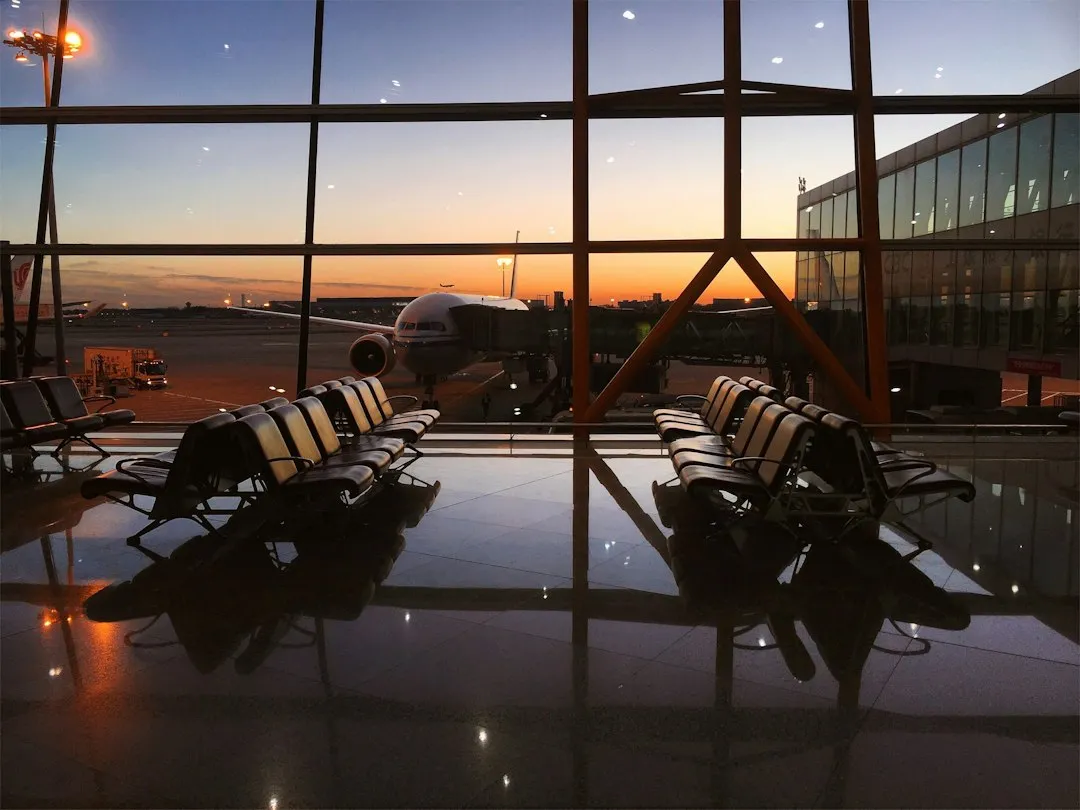
Fatigue is one of the most persistent challenges of long-haul travel, and the traditional remedy of slumping across a row of armrests rarely does the job. Sleep pods offer a genuine alternative. Airport sleeping pods, also known as nap pods or sleep capsules, are pay-per-use short-term accommodations available at several airports, typically offering luggage storage, power outlets, reading lamps, public Wi-Fi, and occasionally TVs and showers.
These mini-rooms for rent provide amenities ranging from basic reclining chairs to fully equipped tiny hotel rooms, complete with beds, showers, and entertainment options, with airports like Atlanta Hartsfield-Jackson and London Heathrow offering paid sleeping pod accommodations. South Korea’s Incheon International Airport goes further still: it offers four free Nap Zones with lounge chairs, four free Relax Zones with charging areas, and free shower facilities.
For layovers in the three-to-six-hour range, a lounge or sleep pod helps, while six hours or more warrants a day-use hotel room near the airport for a real bed, a shower, and quiet. Knowing which option fits your window before you land makes all the difference.
3. Treat Yourself to an Airport Spa

Airport spas have quietly moved beyond the basic foot rub. The global airport spa services market reached over one billion dollars in 2024, driven by increasing passenger traffic, rising demand for premium travel experiences, and a growing shift toward wellness and relaxation during transit. The numbers reflect a real change in what travelers expect from layover time.
Research cited by Hilton found that half of all travelers would like to address their physical or mental wellness while traveling, while Priority Pass data shows a hundred percent increase in independent airport spas. That growth is visible in the variety of treatments now available. Priority Pass members can now access zero-gravity massage chairs, hydro massage, and therapeutic beds at U.S. and international airports, all designed to support circulation, stress release, and overall wellness.
Qatar’s Al Mourjan Garden Lounge at Hamad International Airport, a 75,000-square-foot space located above the airport’s tropical gardens, includes 24 nap rooms and shower suites for travelers seeking extra peace and quiet. Even a thirty-minute session with a massage chair can reset the body in ways that no amount of gate-area scrolling can.
4. Access an Airport Lounge
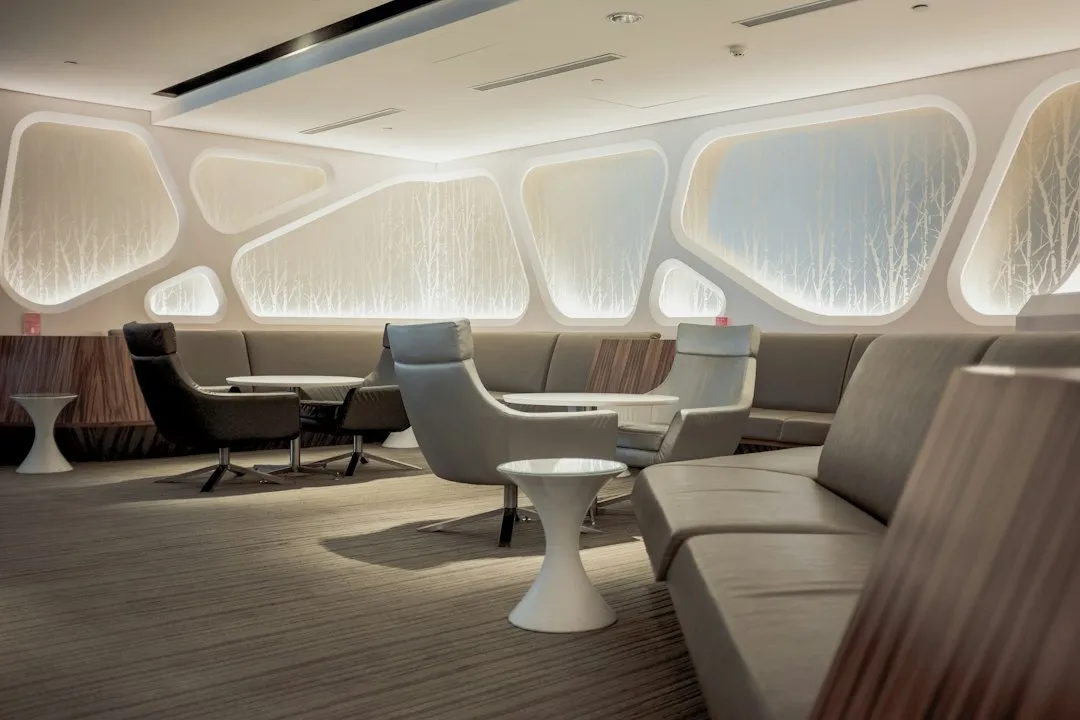
Airline lounges were once the exclusive domain of business class passengers, but that’s largely changed. Access to lounges typically comes through paid memberships, premium tickets, credit card benefits, or day passes. The cost of a single-entry day pass at many independent lounges is often comparable to an airport meal, making the trade-off more reasonable than most people assume.
Airport lounges offer Wi-Fi, food, drinks, comfortable seating, and charging stations, with some including shower facilities, though availability varies by location and time of day, and access can come through airline status, certain credit cards, or a paid day pass. The quality gap between lounge food and gate concessions is significant at most major hubs.
Lounges increasingly provide premium wellness options for travelers seeking relaxation and recovery during transit, including pre-flight facials, Peloton bikes, meditation spaces, massage chairs, and private nap pods. Some, like the Capital One lounge in Dallas, include a dedicated wellness corridor housing a workout space, nap pods, prayer rooms, a nursing chamber, and a shower suite. These aren’t amenities for a rarefied few anymore.
5. Take a Layover City Tour
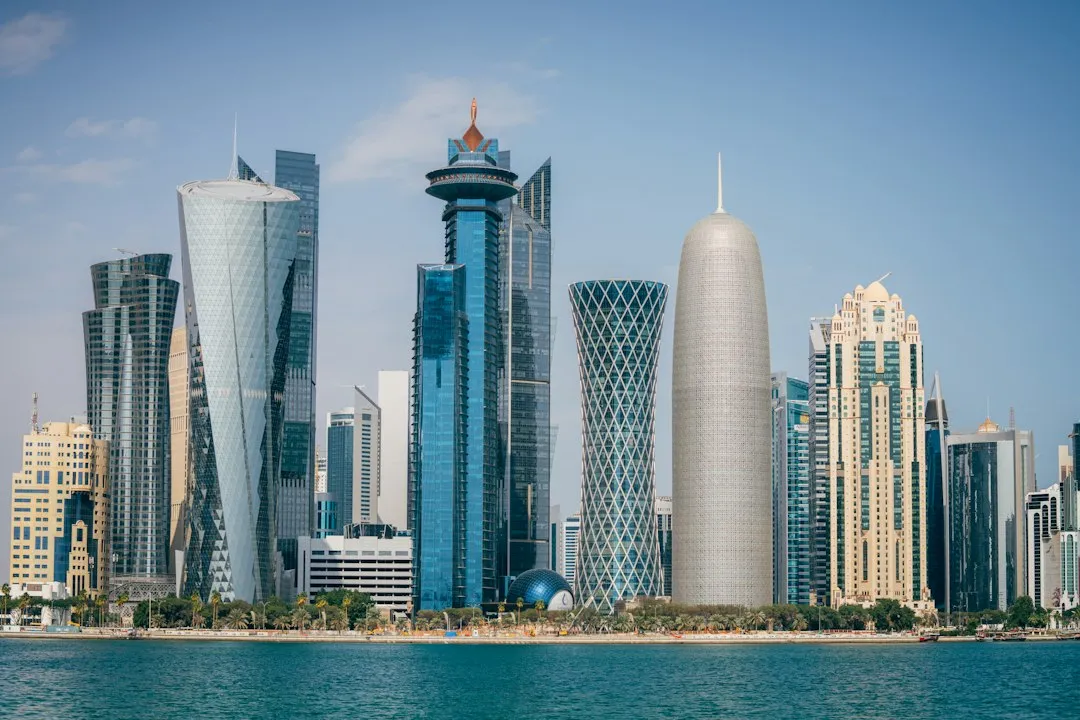
If your connection is long enough, leaving the terminal can transform a layover into a genuine travel experience. Several airlines and airports now organize structured city excursions specifically for transit passengers. For longer stops, travelers can take brief city tours, join guided layover excursions, or explore nearby natural areas, with practical strategies like luggage storage and planning ahead making the process smoother.
Qatar Airways offers Doha layover tours that stop at landmarks like the Museum of Islamic Art, Souq Waqif, Dhow Corniche, and Doha Harbour, with guides providing cultural context throughout the route. The Doha city tour runs around four hours. That’s enough time to genuinely feel somewhere, not just pass through.
The logistics are easier than most people expect. Many layover tour operators handle customs paperwork, ground transportation, and return timing to the airport. The key is matching your available time to the right itinerary, generally allowing at least two hours of buffer before your departure gate closes. For long international layovers especially, stepping into a city for even a few hours is an experience that gate seating simply cannot compete with.
The Takeaway

A layover is time you didn’t choose to have, which makes it worth using well. Whether that means a proper nap in a sleep pod, an hour in a lounge, a walk through an airport art exhibition, a spa treatment, or an organized city tour, the options at most major hubs in 2026 are genuinely compelling. Even short layovers can be rewarding with a premium coffee, a quiet space, or a single memorable experience, and with the right mindset, layovers can become an unexpected highlight of your journey.
The gate will still be there when you need it. Everything else is up to you.
AI Disclaimer: This article was created with the assistance of AI tools and reviewed by a human editor.