
There’s a real difference between someone who drives a long route once a year for a holiday and someone who’s genuinely on the road all the time. Frequent drivers have standards. They’ve been burned by bad detours, overpriced fuel stops, and exits that promised a diner but delivered a shuttered building. They’ve tested things the hard way.
What this kind of driver has figured out, often through hard miles, is that the right combination of apps changes the whole experience. Not just the navigation, but the fuel costs, the planning, the spontaneous stops, and the comfort of knowing what’s coming at the next exit. According to Future Market Insights, the in-vehicle apps market is estimated to be valued at over 68 billion USD in 2025, projected to reach 160 billion by 2035. That’s not a niche. That’s a full-scale shift in how people move through the world.
1. Google Maps: Still the Undisputed Foundation
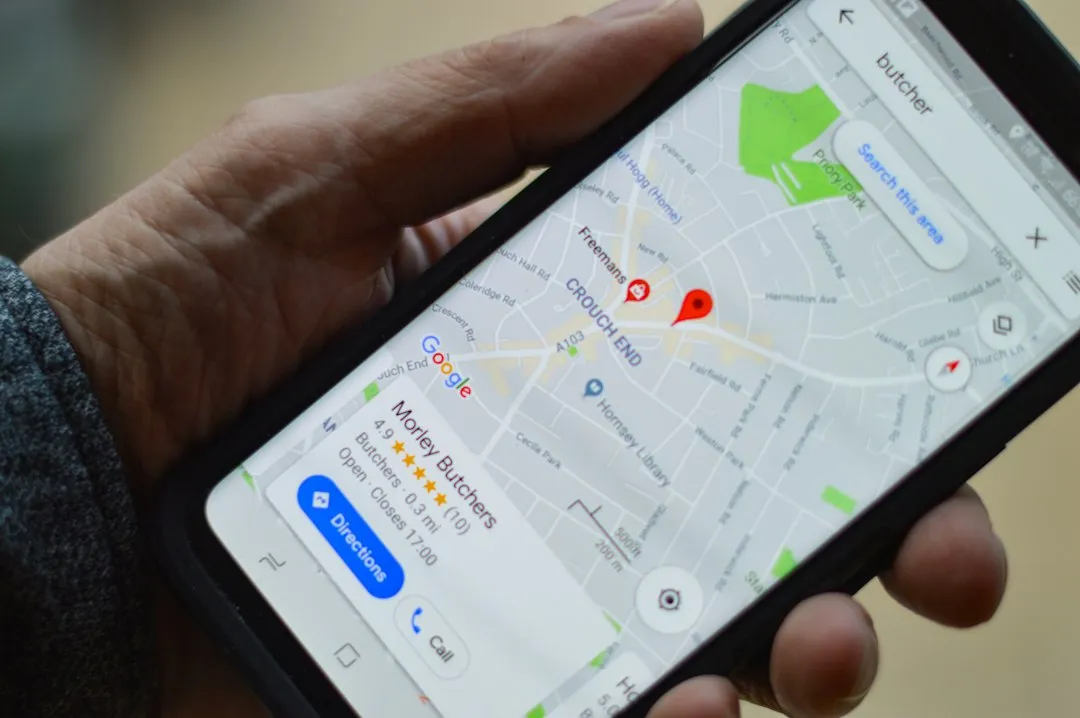
There’s a reason this one comes first. Google Maps surpassed 2 billion monthly users in 2024, and as of 2026, the active monthly user count stays above that mark. No other navigation tool comes close in scale or infrastructure. As of 2026, Google Maps is available in 249 countries and territories, which tells you something about the depth of its mapping data.
It can help you find hotels, gas stations, or landmarks, provides real-time traffic updates, suggests the best route to your destination, and supports multi-stop trip planning. That last feature matters more than people often acknowledge. Planning a route with four or five stops in sequence, with accurate time estimates for each, is genuinely useful for anyone covering serious ground.
Google Maps carries an estimated arrival time accuracy of 97%, which reinforces its reputation as something you can actually trust when you’re deciding whether to stop now or push on. Its integration with Android Auto and connected vehicle systems has contributed to continued growth in automotive settings. For most frequent drivers, it’s the bedrock everything else is built around.
2. Waze: The Driver’s Driver App

Waze is a community-powered navigation app where drivers report hazards, speed traps, road closures, and accidents in real time. That data feeds back into routing decisions, so Waze can reroute you around problems before you see brake lights. That’s its core value, and it’s a strong one.
For long highway drives, the crowd-sourced hazard reports are genuinely useful. Knowing about a speed trap two miles ahead or a lane closure after the next exit gives you time to adjust. Regular commuters and highway frequent flyers treat this feature as non-negotiable. Waze reported 50.5 million average monthly users in the EU alone from July through December 2024.
The honest answer most frequent road-trippers land on is: Google Maps for planning and finding places, Waze for the actual highway driving. That combination sounds redundant, but it reflects how each app genuinely excels in a different moment. Waze is free, ad-supported, and integrates with both major car platforms. The tradeoff is that it’s less reliable on remote rural roads where fewer drivers contribute reports.
3. GasBuddy: Save Real Money at the Pump
GasBuddy is the easiest way to find cheap gas, using crowdsourced real-time data to show you the lowest prices at stations near you or along your route. On a long trip, fuel is one of the biggest variable costs you face. Gas prices can swing 50 cents per gallon between exits, which adds up fast over several hundred miles.
GasBuddy covers more than 150,000 stations across the US and Canada with crowd-sourced, frequently updated prices. The core price-finder is free and, by itself, saves most drivers somewhere between 50 and 200 dollars a year just by routing you to the cheaper station a few blocks over. That’s meaningful savings for anyone putting in consistent highway miles.
The free Pay with GasBuddy+ card knocks 3 cents off every gallon nationwide, while GasBuddy Premium at roughly 10 dollars per month bumps that to 20 cents off your first 50 gallons and includes roadside assistance. For casual use, though, the free version handles the core job well. The trip cost calculator is also useful for budgeting before you leave.
4. Roadtrippers: The Route Planner That Thinks Like You Do
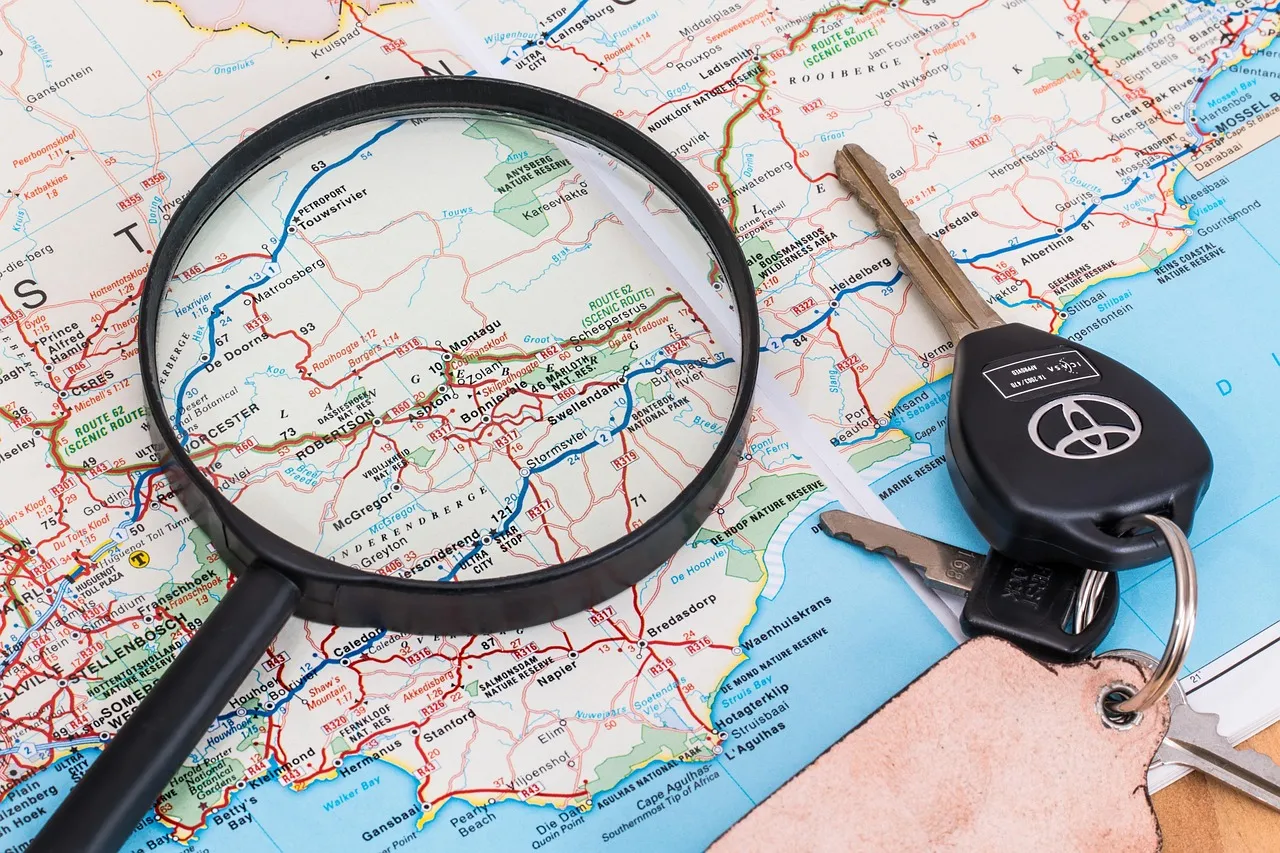
Roadtrippers is one of the best road trip planning apps available, letting you map out your route and discover stops like roadside attractions, national parks, and restaurants along the way. It’s less about getting from A to B efficiently and more about making the space between worth experiencing. That orientation appeals to a specific kind of driver.
In the premium version, you enter your start and end point, optionally specify stops, and the app helps you discover fun places along the way, including quirky roadside attractions, scenic viewpoints, camping sites, and gas and EV charging stations. You can even create a printed itinerary that keeps the plan on hand in case your phone runs out of battery.
It’s worth noting that the Campendium campground database has been folded into Roadtrippers as “Roadpass Pro,” rather than existing as a fully separate standalone app. Roadtrippers Plus is included with Roadpass Pro memberships, priced at 49.99 dollars annually. For RV travelers and long-haul adventurers especially, that bundled value is hard to argue with.
5. iExit: Because Highway Signs Don’t Give You Enough Time
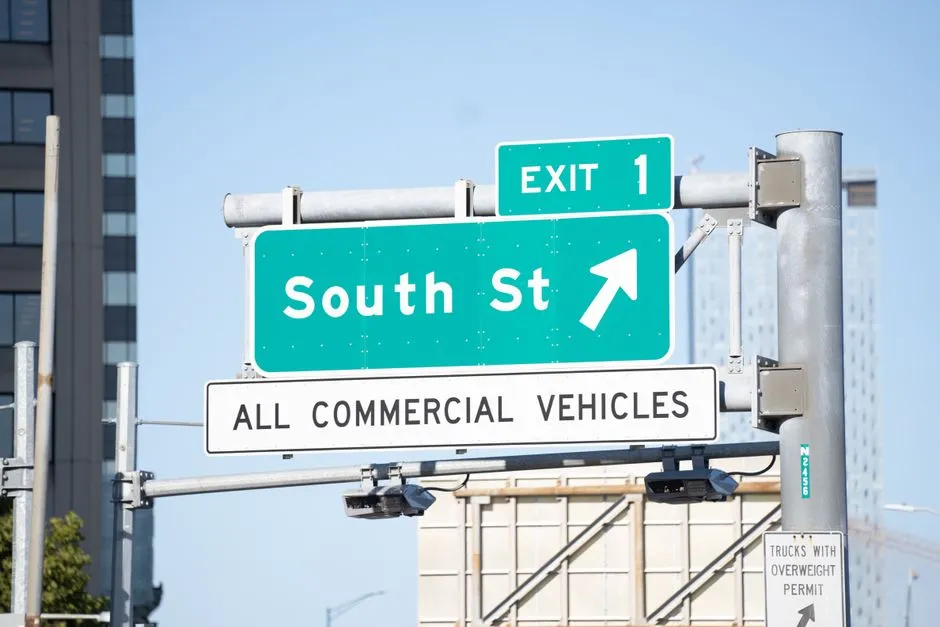
iExit finds your spot on the highway and tells you what gas, food, lodging, or shopping options are available at upcoming exits, complete with hotel rates and Yelp reviews for restaurants. The genius of it is simple: you see what’s coming before you have to decide. That gap, between noticing a sign and committing to an off-ramp, is where most road decisions go wrong.
The app shows every upcoming exit on your route with a breakdown of gas stations, restaurants with drive-through flags, rest areas, hotels, and major retail locations. You can filter by what you need and see results sorted by exit number. iExit holds a strong iOS rating of 4.81, indicating solid product-market fit.
For those times you find yourself driving hours on the interstate, iExit is a great way of finding food, lodging, and gas. Think of it as a preview of all the interstate highway signs you’ll pass. Its one limitation worth noting is that it currently lacks multi-stop trip planning features available in apps like Roadtrippers.
6. Spotify: The Underrated Co-Pilot You Actually Need

With Spotify, you have access to millions of songs, ensuring your favorite hits and new discoveries are just a tap away. The platform’s AI-powered features, including Spotify DJ, recommend songs based on your listening patterns, allowing you to discover new genres and artists while on the move. Long drives demand good sound, and that’s not a small thing.
The app’s music collection is on par with its competitors, including Apple Music, Amazon, and YouTube, but its broad availability across ecosystems differentiates it. Whether you’re on Android Auto or Apple CarPlay, it integrates without friction. Spotify Premium with no ads costs 10.99 dollars a month for an individual account and 16.99 dollars for a family plan.
Beyond music, the platform carries podcasts, audiobooks, and curated playlists by mood, region, and driving tempo. For a solo driver covering five hundred miles, the right audio environment keeps focus and fatigue in check in ways a silent cab simply doesn’t. It’s not the flashiest road trip tool on this list, but frequent drivers rarely leave home without it.
How to Think About Your App Stack

Pairing Waze with Roadtrippers for planning and GasBuddy for fuel savings covers just about everything a road tripper needs. Adding Google Maps for search and business information, iExit for highway exits, and Spotify for the long stretches gives you a complete, well-rounded setup that doesn’t overlap unnecessarily.
The in-vehicle app market is evolving quickly. New advancements in car technology have shifted driver dependence from paper-based directions and radio services to intelligent, app-connected experiences. What’s available today is already meaningfully better than what existed two or three years ago, and the trend isn’t slowing.
None of these apps require a major investment to get started. Most offer capable free tiers that work well for occasional drivers and more than adequately for experienced ones. The premium upgrades make sense only if you’re logging consistent miles and want the extra features to match.
A Few Things Worth Knowing Before You Download

Not every app performs equally in every environment. Waze performs best during highway driving through populated corridors where community reporting density is high, and is less reliable on remote rural roads where fewer drivers contribute reports. GasBuddy’s accuracy depends on how frequently local users update prices in your area.
From real-time navigation and weather alerts to finding affordable fuel and comfortable accommodation, each app plays a specific role in delivering a seamless travel experience. No single app does everything perfectly. The frequent drivers who get the most out of these tools tend to use two or three in combination, each handling a distinct job.
It’s also worth checking app version history before a big trip. iExit, for instance, released version 12.1.1 in May 2025 with expanded CarPlay search, showing that active development continues across the category. Updates can change the experience meaningfully, sometimes for better, occasionally not.
The Bigger Picture on Road Trip Technology

The navigation app sector generated 21 billion dollars in revenue in 2024, an increase of nearly 15 percent on the previous year. That level of investment reflects just how central these tools have become to how people move. In the US market, Google Maps holds roughly 67 percent of navigation market share, Apple Maps sits at about 25 percent, and Waze captures around 8 percent.
The numbers are striking, but they don’t fully capture how these apps get used on the road. Many drivers don’t pick one and stick with it exclusively. They switch based on the situation: planning mode versus driving mode, urban versus rural, familiar route versus somewhere new. That flexibility is actually the point.
Road trips today are smarter, safer, and more connected than ever, and apps are leading the way. The infrastructure around driving has improved faster than most people realize, and the gap between a well-equipped driver and an unprepared one is wider than it used to be.
What Frequent Drivers Actually Say
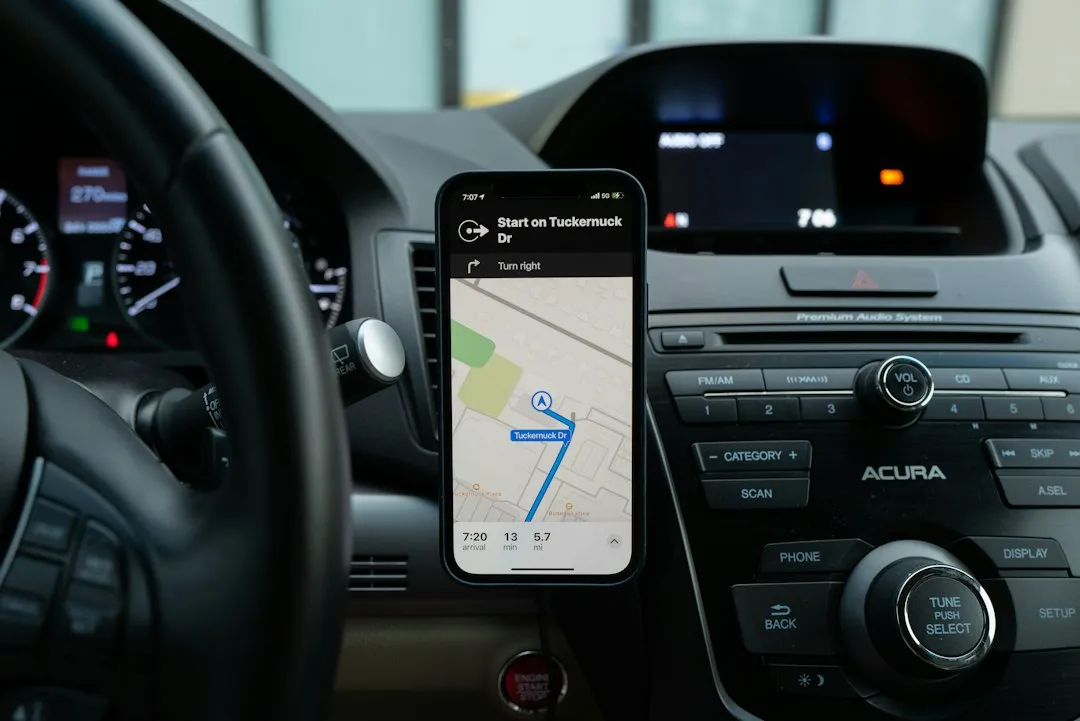
The clearest signal of an app’s real-world value is whether people who drive constantly keep returning to it. Waze users access the app approximately 50 times per month on average, suggesting this isn’t a download-and-forget situation. It’s a daily habit for serious drivers.
Road trip communities consistently surface the same names when discussing what actually works. A December 2025 thread on Reddit comparing navigation apps for road trips revealed a clear pattern: Waze fans swear by it for highway driving and police alerts, while Google Maps fans won’t give up the search functionality and business information. The consensus isn’t that one app wins, but that each earns its place for specific reasons.
Frequent drivers have a way of cutting through marketing language quickly. They care about reliability, battery impact, accuracy under pressure, and whether the app still works when the signal gets patchy. The six apps covered here have earned their reputations the practical way, by holding up across thousands of miles and dozens of trips.
The Takeaway
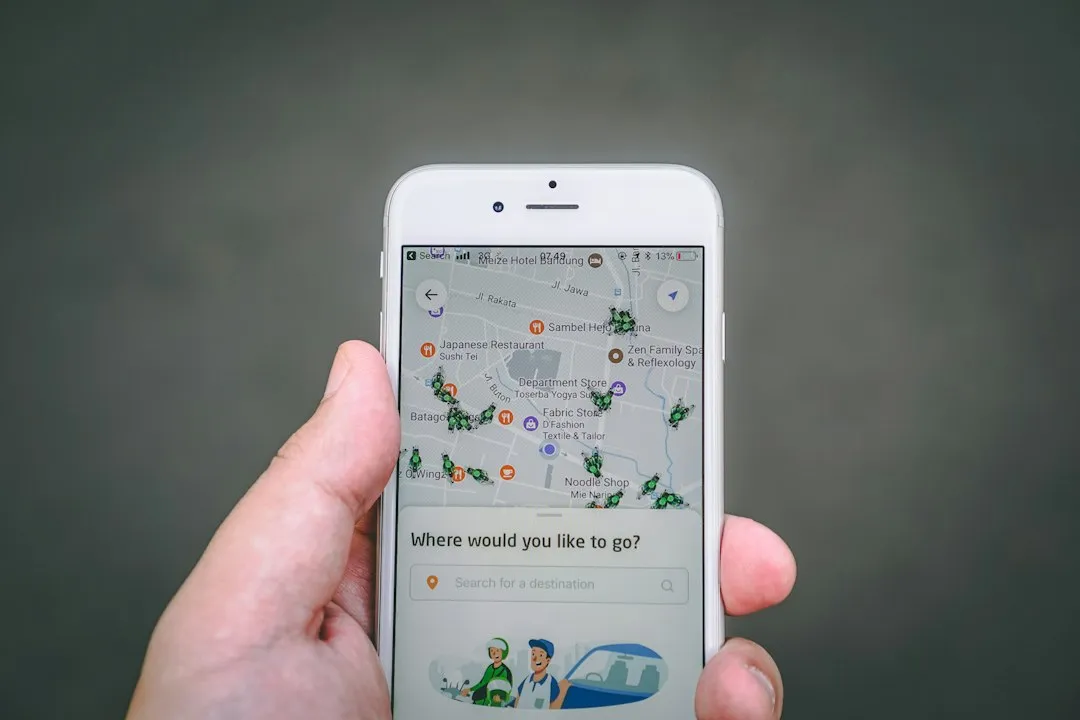
The best road trip toolkit isn’t a single perfect app. It’s a small, well-chosen set of tools that cover different needs without competing with each other. Navigation, fuel costs, exit planning, route discovery, and audio entertainment are each their own problem, and each has a dedicated solution that’s genuinely good at it.
Start with Google Maps and Waze as your navigation core, add GasBuddy before any long drive, use Roadtrippers when you want the journey itself to feel like the destination, and let iExit handle the real-time decisions that happen at highway speed. Spotify handles the rest. That’s a lean, proven stack that frequent drivers have assembled through experience, not theory.
The road is the same as it’s always been. It’s the tools you carry onto it that have changed everything.
AI Disclaimer: This article was created with the assistance of AI tools and reviewed by a human editor.