

There’s a quiet but unmistakable shift happening in the way people plan their time away. The souvenir shop is losing ground to the pottery studio. The hop-on, hop-off bus is being swapped for a Thai cooking class. What used to be a niche preference among academics or retirees has become a genuine mainstream movement, and the numbers behind it are striking.
Call it educational tourism, a skillcation, or simply a trip with more intention. Whatever the label, the idea is the same: to return home not just rested, but genuinely changed. Here’s why this shift is happening, who’s driving it, and where it’s heading.
A Market That Tells Its Own Story
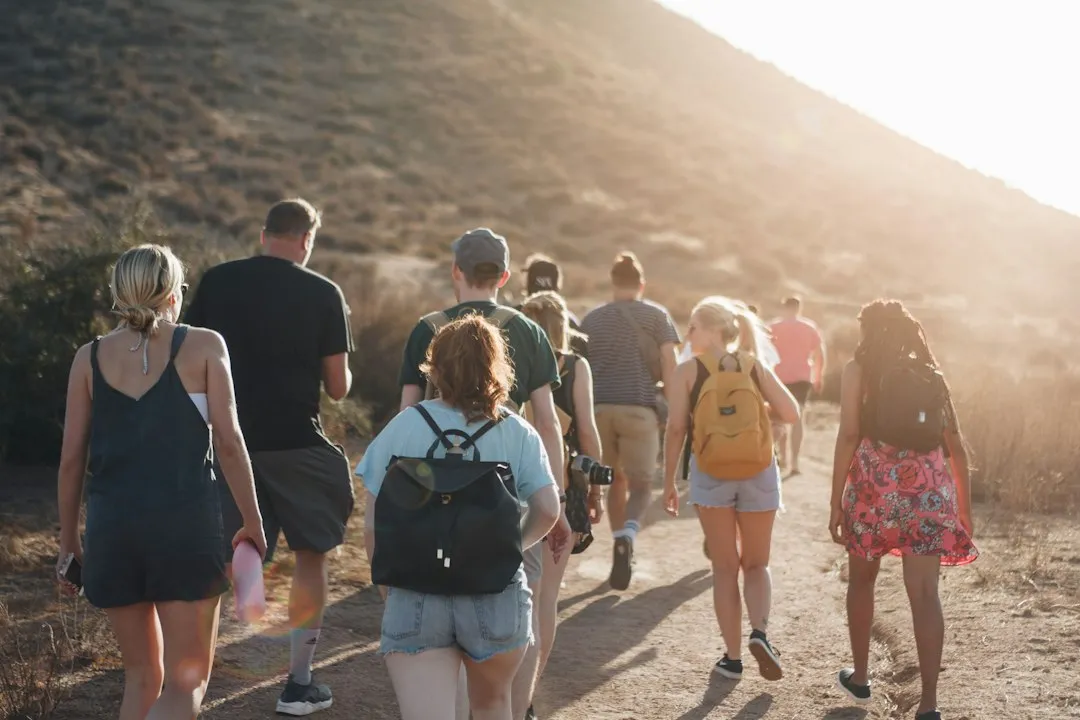
The global educational tourism market was valued at roughly 456 billion dollars in 2024 and is expected to reach 1.4 trillion dollars by 2033, at a compound annual growth rate of over 11 percent. That’s not niche territory anymore. A separate analysis projects the market to reach nearly 975 billion dollars by 2030, registering a compound annual growth rate of 13.5 percent from 2025 onward.
The growth story is particularly stark when you look at experiences specifically. Experiences bookings grew 17 percent in 2024, compared with just 6 percent for travel overall. That gap signals something deeper than a passing preference. People aren’t just traveling more; they’re actively choosing a different kind of trip.
From Passive Tourist to Active Learner
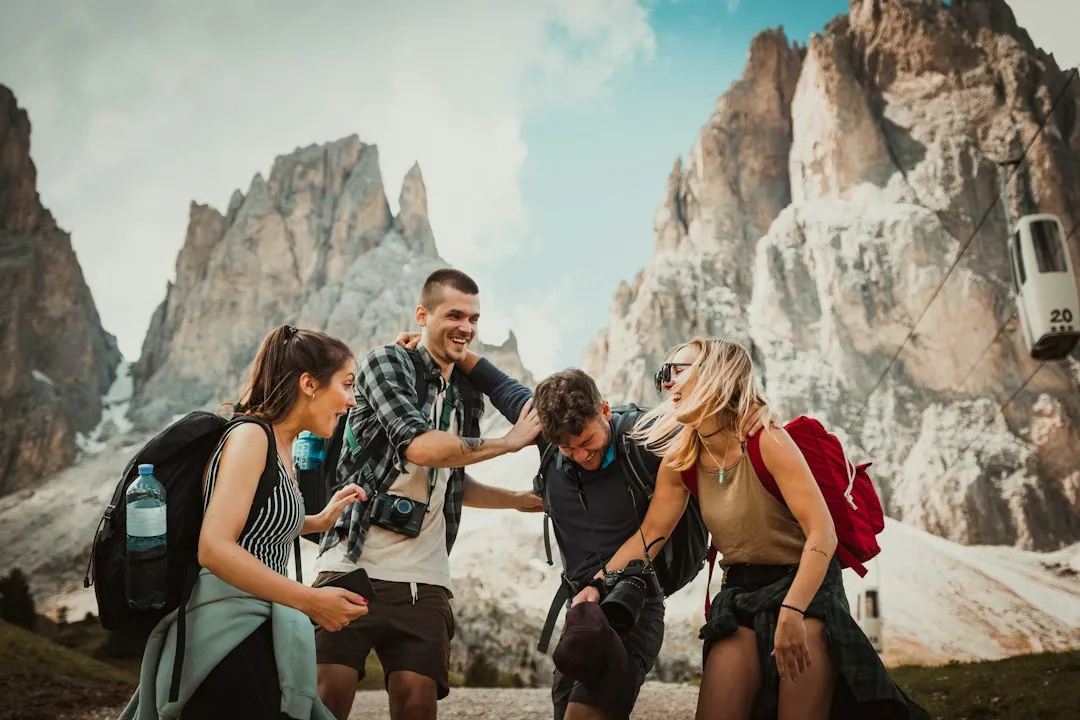
In recent years, travelers have been looking for more immersive, authentic experiences rather than simply sightseeing. The change reflects something fundamental about how people now think about time. A week spent watching landmarks from behind a camera feels different from a week spent learning glassblowing or mastering a regional dialect.
Educational tourism refers to travel where the main objective is acquiring educational experiences, combining education with travel and enabling individuals to discover new locations while participating in activities such as attending lectures, cultural exchanges, language acquisition, or partaking in academic programs. That definition has only widened in practice. Today it includes everything from farm-to-table cooking retreats to wildlife conservation volunteering.
Skillcations: The Term That Captured a Movement
From surf camps that double as business networking hubs to Italian cooking retreats booked as professional development, a growing number of travelers in 2026 are turning their vacations into “skillcations” that promise not just memories, but new competencies to bring home. The word itself has moved from travel blogs into mainstream coverage, which tends to mark the moment a trend solidifies.
GetYourGuide, a major platform for booking travel experiences, recorded a sixty-six percent jump in workshop bookings in summer 2025 compared with summer 2024. Hilton’s 2026 Trends Report found that nearly three quarters of respondents would consider taking time off work to pursue a skillcation. Those figures suggest the idea has well outgrown its early adopter phase.
Gen Z Is Setting the Tone, but Not Alone

Data from GetYourGuide shows more Americans now say they’d rather bring home a new skill than a physical object, with Gen Z driving the change, as roughly a third say they want to learn a new hobby while on vacation. That’s a notable values shift for a generation often stereotyped purely around digital habits.
The appeal is also broad across age groups, with Millennials, Gen X, and older travelers increasingly signing up for immersive programs and workshops. Gen Z may be setting the tone, but the audience has grown well beyond it. Skillcations are not a youth trend alone; they’re a values-based shift that crosses generations.
Where People Are Actually Going
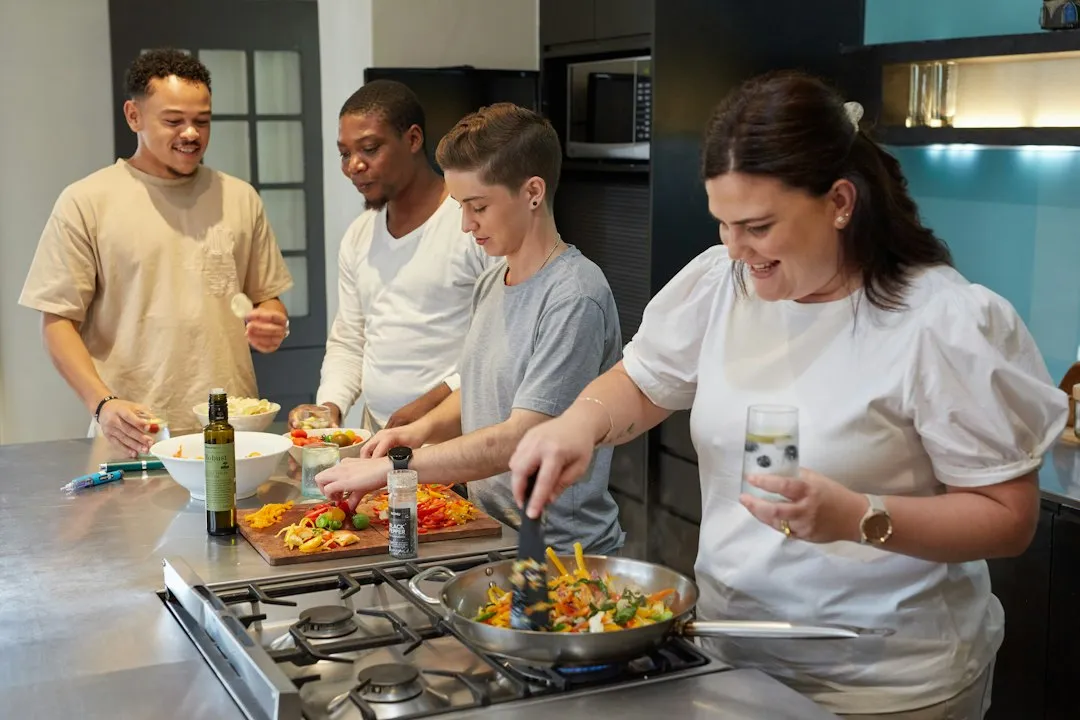
Cooking classes are consistently among the most popular skill-based travel experiences, especially when tied to regional cuisine, think pasta in Italy, green curry in Thailand, and pastries in Portugal, while craft workshops such as making lanterns in Hoi An or pottery in Marrakech are also booming. These aren’t casual add-ons. Many travelers now build their entire itinerary around a single structured learning experience.
Le Cordon Bleu Paris offers short-term classes in cooking, pastry, and boulangerie, with only 16 participants per room under the guidance of chefs who teach recipes from start to finish. Across Asia, Thailand has become a hotspot for travelers who want spice-filled lessons with local cooks. The Chiang Mai Thai Cookery School stands out with half-day courses led by professional English-speaking instructors, where participants prepare five dishes that reveal the nation’s flavors and history.
Language Immersion as a Travel Purpose

For travelers looking to deepen their cultural connection, language immersion trips are transformative. Spending mornings in a small language school and afternoons using that language in markets, cafes, and conversations is a profoundly different experience from reading a phrasebook on a plane. The context does most of the teaching.
Quebec City offers French language programs paired with cultural activities like cooking and history tours, and the city’s European charm and friendly locals make it an inviting place to learn. Similar programs exist across Europe, Latin America, and Southeast Asia, and demand for structured language immersion has grown steadily as travelers seek something more lasting than a stamp in their passport.
The Role of Families and Multigenerational Travel
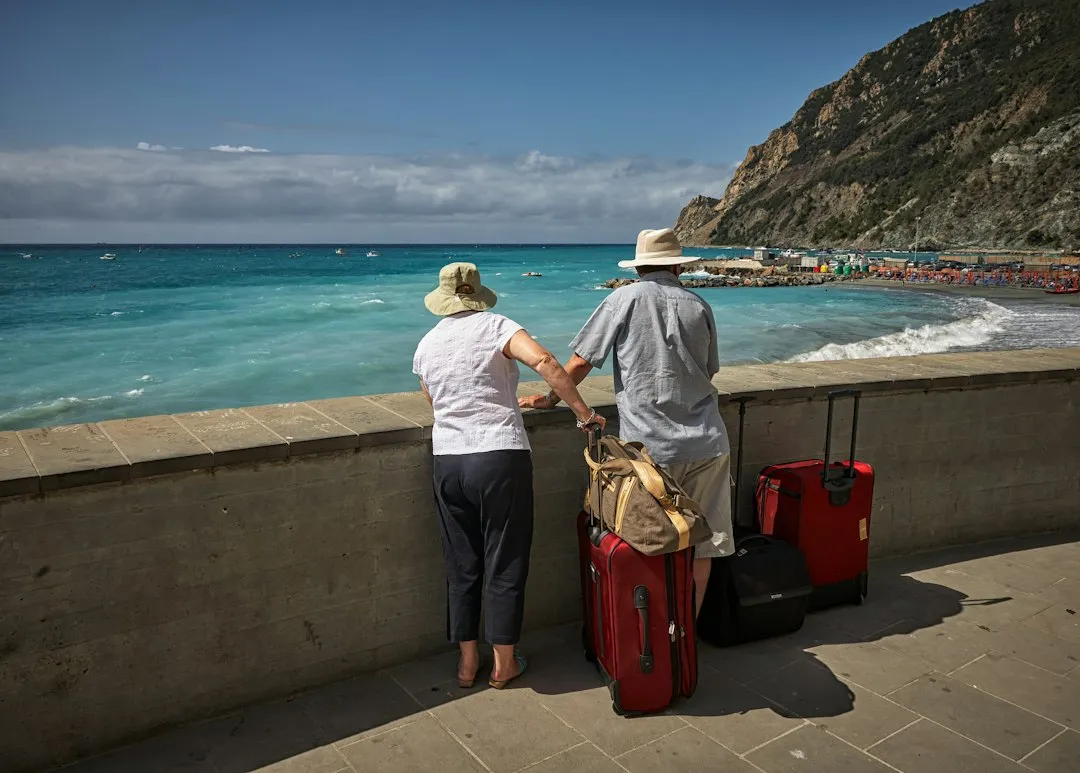
Family experiential travel represented roughly 23 percent of the experiential travel market in 2025, a segment that has grown significantly as parents, predominantly Millennial and Gen X, increasingly replace passive resort vacations with immersive educational and adventure experiences that deliver developmental value to children alongside adult enrichment.
Family-oriented experiential travel products including wildlife conservation volunteering, multigenerational cultural heritage tours, cooking school family programs, and child-friendly eco-lodges are among the fastest-growing product categories. Operators like Backroads and Road Scholar expanded their family program offerings significantly in 2024 and 2025 in response to strong demand from multigenerational travel groups. There’s something genuinely moving about grandparents, parents, and children learning the same skill together in a new place.
The Industry Is Responding Fast

Hotel groups and tour operators are responding by packaging experiences that go beyond standard excursions. Instead of simply marketing beaches or city breaks, more providers are promoting structured learning components such as multi-day workshops, guided practice sessions, and small-group mentorship built into itineraries.
Other top players in the travel industry are adapting to meet the demand for skillcations, such as Celebrity Cruises, which recently launched its first destination-inspired cooking school aboard the Celebrity Xcel, offering guests a chance to prepare new dishes from each destination they visit. Options on board, from hot glass blowing to sushi rolling classes, give travelers a chance to learn new skills and bring home something intangible from their vacations.
Sustainability and Purposeful Travel Are Intertwined

Students and families are prioritizing value, safety, and sustainability over low-cost options, signaling a maturing market focused on purpose and impact. That mindset extends into the broader learning vacation trend, where choosing a small local workshop over a large commercial tour often aligns naturally with ethical and environmental considerations.
According to the World Travel and Tourism Council, 63 percent of educational travel operators now include carbon-reduction or local-impact programs. Learning vacations, by their nature, tend to involve slower travel, smaller groups, and deeper engagement with local economies. That overlap with responsible tourism isn’t accidental; it reflects the same values shift driving both movements.
What This Means for the Future of Travel
Coverage in business and travel publications in late 2025 and early 2026 frames skillcations as part of a wider rethink of paid time off. With trips becoming more expensive, travelers are increasingly treating their time away as an “investment” that should generate benefits long after they return, whether in the form of better sleep, improved confidence, or a concrete new capability.
There is an increasing demand for educational experiences that go beyond traditional classroom learning, focusing on skill-based and experiential education. This trend is driving the growth of programs that offer practical experiences, internships, and cultural immersion. The integration of artificial intelligence into educational tourism is also revolutionizing the industry by enhancing the learning experience, including personalized learning, virtual tours, and data analysis for understanding student performance and travel trends. The infrastructure supporting learning vacations is deepening rapidly, which suggests this isn’t a moment; it’s a direction.
The Takeaway

Something genuine is happening here, and it isn’t about rejecting the pleasure of ordinary travel. It’s about adding a layer of meaning that lasts beyond the return flight. When you come home with a language skill you didn’t have, a dish you can cook, or a craft technique you practiced alongside locals, the trip stays with you in a different way.
The numbers confirm what many travelers have quietly known for a while: a view from a bus window fades. What you actually do with your hands and your curiosity tends to stick around much longer.
AI Disclaimer: This article was created with the assistance of AI tools and reviewed by a human editor.