
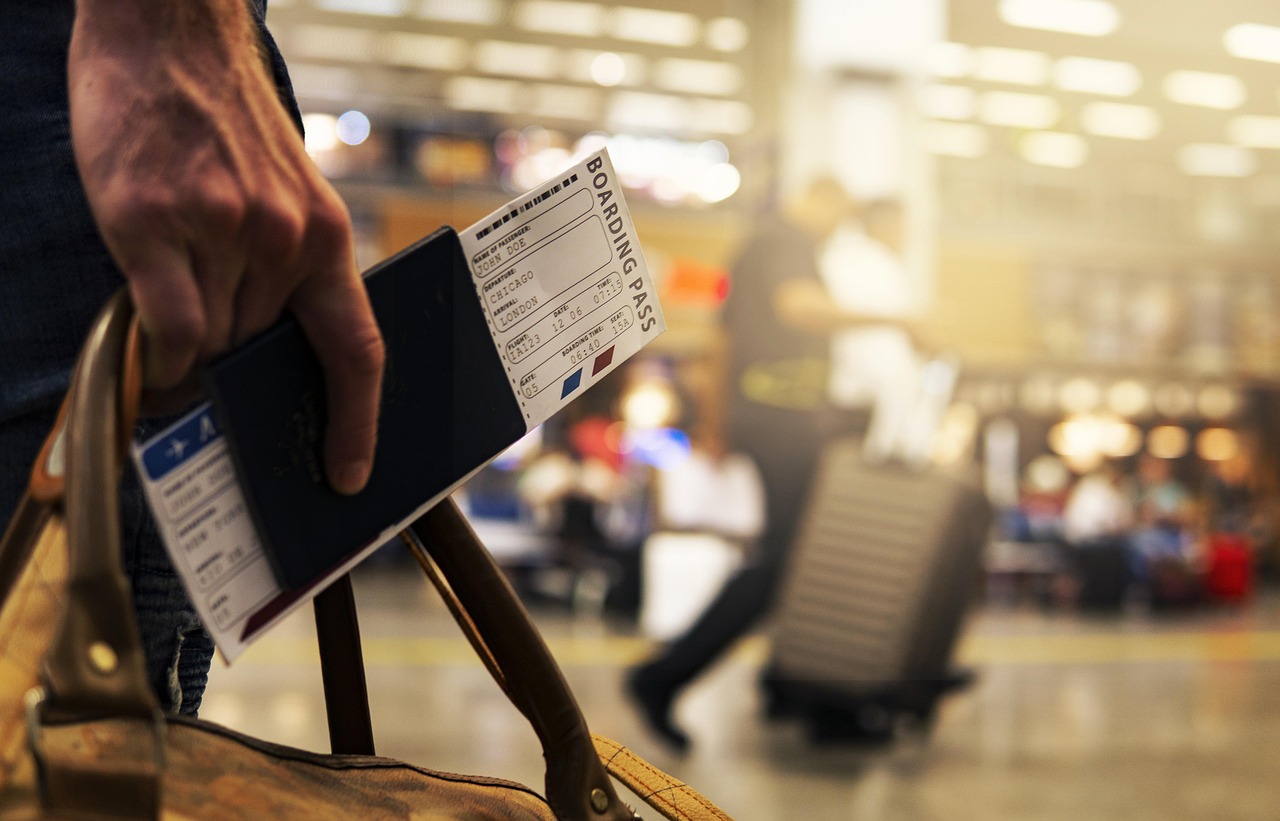
Most travelers check their passport expiry date once, tuck the document into a travel wallet, and consider the job done. That logic is reasonable – but it’s also the exact thinking that gets thousands of people turned away at check-in every year, sometimes with a flight they’ve paid for sitting right there at the gate.
The issue isn’t always an expired passport. Often, it’s a passport that looks perfectly valid on paper but fails to meet the specific validity window a destination country requires. Understanding the difference is one of the most practical things any traveler can do before booking an international trip.
What the Six-Month Rule Actually Means
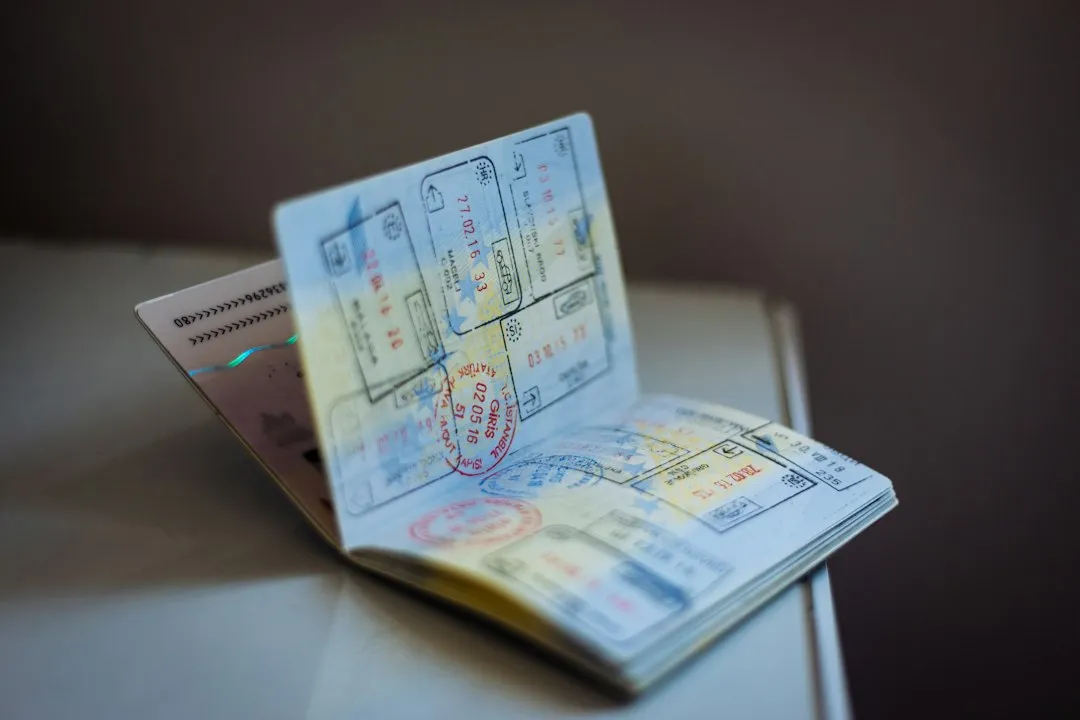
The six-month rule is a common requirement that your passport must be valid for at least six months from the date of your entry or departure to or from the country you are visiting. It serves as the minimum buffer before your passport expires to be accepted by immigration in another country.
This rule also supports immigration and border control efforts by ensuring individuals leave within their permitted timeframe and avoid becoming stranded abroad due to an expired document. In other words, it’s less about your passport being “valid enough for the flight” and more about governments wanting a built-in cushion in case something goes wrong during your stay.
More Than 70 Countries Enforce It
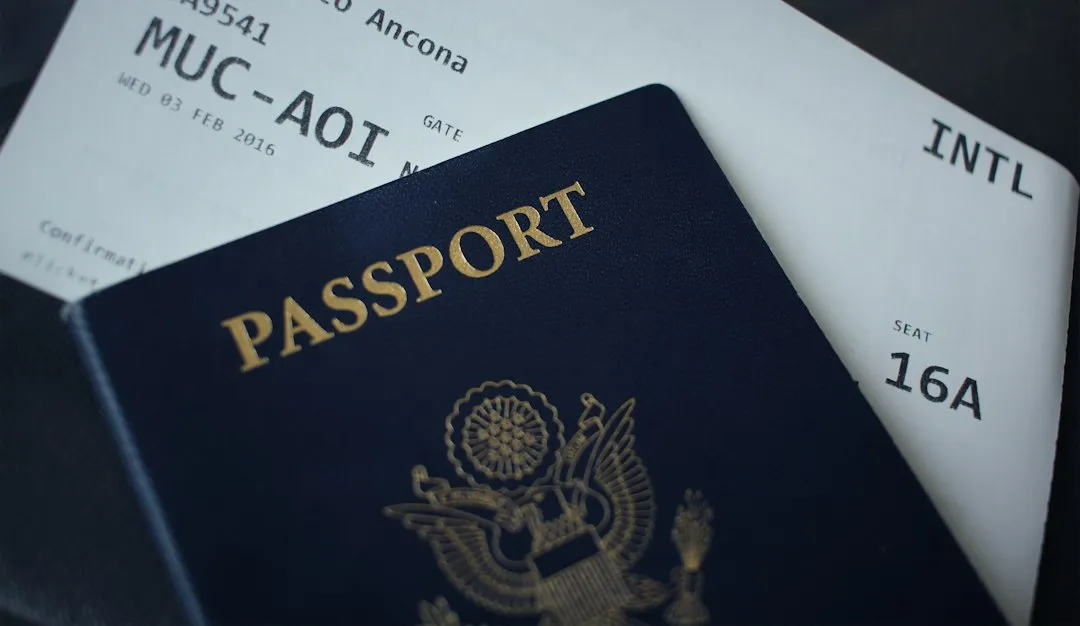
More than 70 countries enforce the six-month passport rule, while Schengen countries require only three months of validity beyond your planned departure date. That’s a significant portion of the world’s most visited destinations, and the numbers are not evenly distributed across regions.
Your passport must be valid for at least six months beyond your departure date from the destination – a standard required by most Asian, African, and Middle Eastern countries. Popular destinations including Egypt, India, and many Southeast Asian nations fall into this category, catching travelers off guard who assume the rule is more obscure than it is.
Ghana requires at least six months of validity from the date of entry regardless of the reason for the visit, while India requires most travelers to hold credentials valid for at least six months upon entry, along with two blank pages for visa stamps.
Europe Has Its Own Rules – and They’re Different
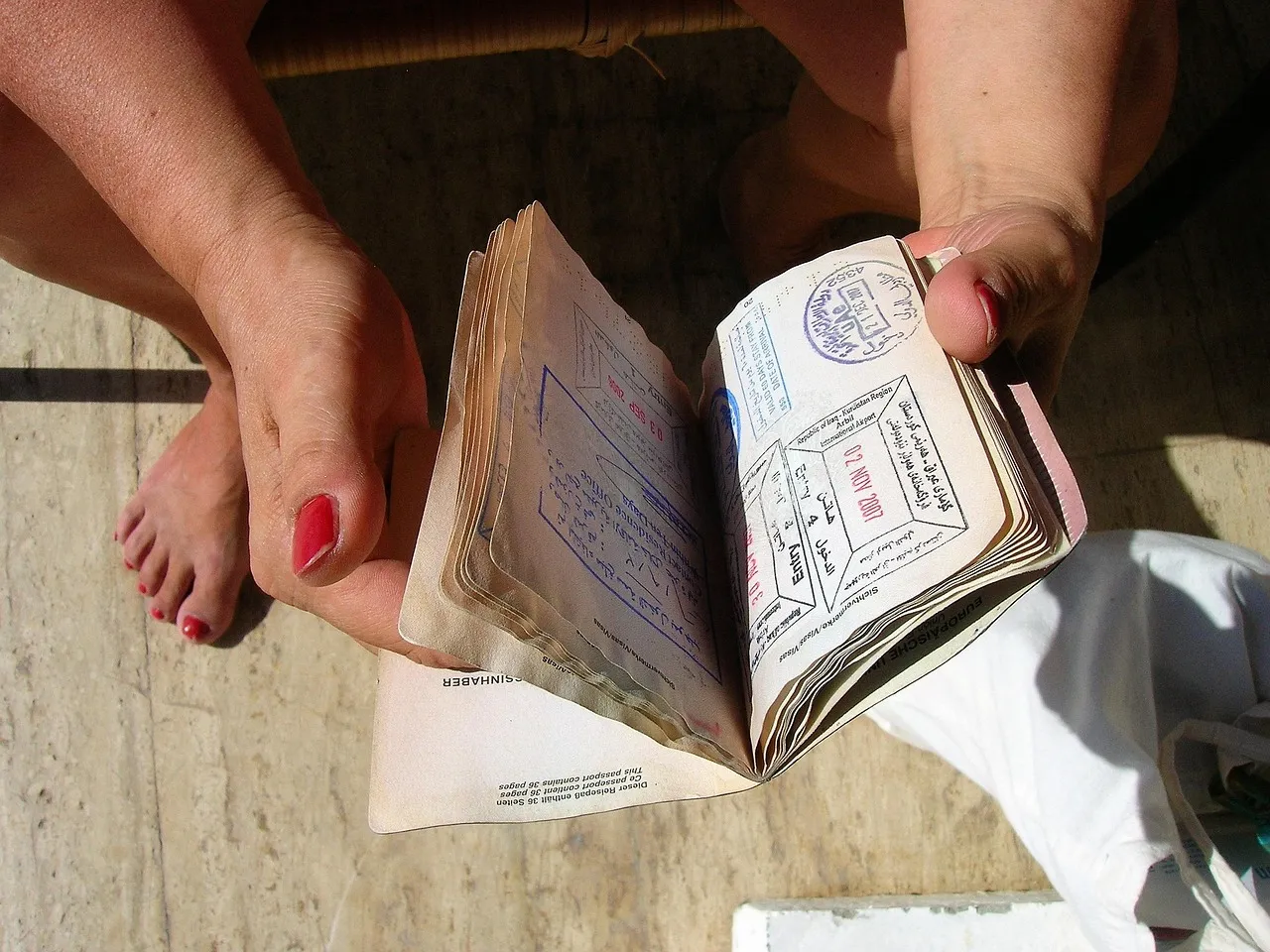
In Europe’s Schengen Area, travelers usually need a passport valid for at least three months beyond their planned departure date from the region. This creates a situation where the Schengen standard is actually less strict than the six-month rule applied elsewhere – but that doesn’t mean European travel is without risk.
The EU’s official entry rules for non-EU nationals also require that your passport was issued within the last ten years at the time of entry, and this applies independently of the validity remaining on the passport. A ten-year passport issued in February 2016 and valid until February 2026 would fail this rule at any Schengen border in early 2026, even though it technically had months of validity left, because it was issued more than ten years prior.
Airlines Check Before You Board, Not at the Destination

Airlines verify passport validity at airports before flight departure to prevent boarding passengers with passports that do not meet the six-month rule. This is the part most travelers don’t anticipate – the denial happens before the plane, not at a foreign border.
Airlines enforce these rules at check-in because they face financial penalties if passengers are refused entry at destination borders. The liability pushes enforcement to the departure gate, where gate agents verify passport validity against destination country requirements before issuing boarding passes. So the airline is acting in its own financial interest, not just yours.
The System Behind the Check: TIMATIC

Timatic, short for Travel Information Manual Automatic, is the database that airlines use to decide whether you have the right documents to board an international flight. It is managed by the International Air Transport Association (IATA) and was first established in 1963, storing entry requirements for over 220 countries and territories, drawing from more than 2,000 government and airline sources.
When you enter your passport details, the system queries Timatic automatically and flags any issues before a boarding pass is issued – whether you’re checking in at the counter, at a self-service kiosk, or on your phone. If TIMATIC shows “boarding not allowed,” the airline has no authority to override the rule. The agent at the counter isn’t making a personal judgment; they’re following a protocol the system has already decided.
The Numbers Are Growing – Not Shrinking

In 2025, approximately 1.2 million travelers worldwide were denied boarding or entry due to passport issues, a fifteen percent increase from 2024. Of those, around 250,000 were US citizens, with roughly forty percent cited for passport validity under six months.
Denials spike during peak travel seasons when travelers retrieve passports they haven’t checked in months. Summer vacations, winter holidays, and spring breaks generate the highest refusal rates, particularly among families traveling with children whose passports may have been issued years earlier. A child’s passport issued five years ago is easy to overlook until someone at check-in flags it.
The Schengen Calculation That Trips Up Experienced Travelers
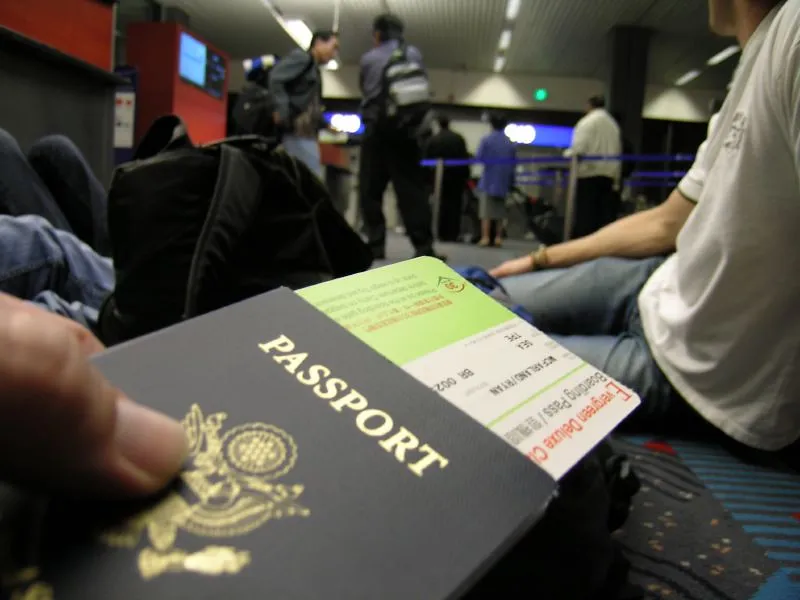
Even travelers with eight months left on their passport have been denied boarding to Italy. The rule that caught them: Italy requires three months of validity beyond your departure date from the Schengen area – and when a return flight was six months away, the math worked against the traveler in a way that the broad “six-month rule” framing doesn’t explain clearly.
Countries that follow the six-month rule can follow one of two standards: your passport must be valid for six months after your arrival date, or your passport must be valid for six months after your departure date. That distinction matters more than most people realize, especially on longer trips where arrival and departure dates sit far apart on the calendar.
Transit Stops Add Another Layer of Risk
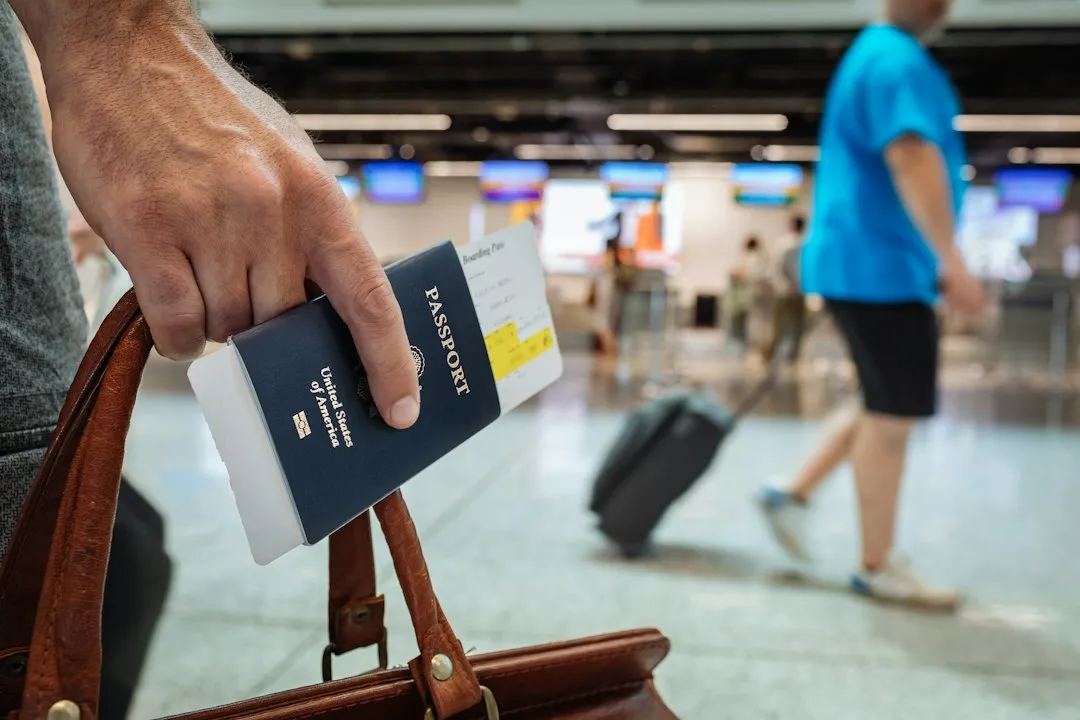
A connecting country may have separate document rules depending on the airport, the itinerary, and whether you pass through immigration. It’s important to check every transit country and confirm the requirements with the airline. This is one of the most consistently overlooked aspects of international travel planning.
Failing to meet these requirements can result in denied boarding, denied entry, or forced early return – even with a valid visa. A valid visa for your final destination offers zero protection if your transit airport’s country has a separate validity requirement your passport doesn’t meet.
What Happens If Your Passport Expires While You’re Abroad
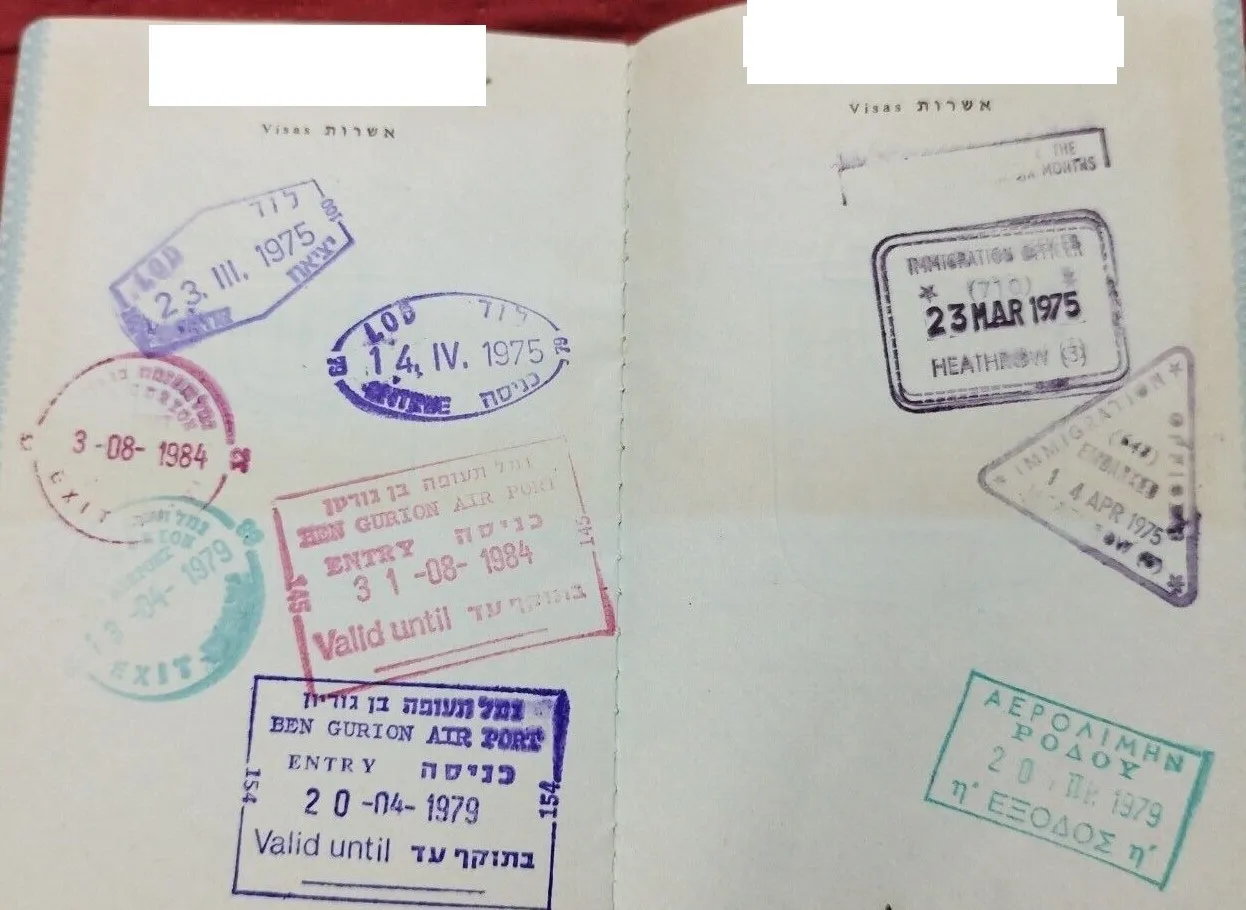
The situation becomes even more severe when your passport expires while you’re abroad. In such cases, you’ll have to visit your home country’s embassy to obtain emergency travel documentation, which leads to both time-consuming procedures and significant stress. Embassy emergency services are not always available quickly, and costs can be substantial depending on your location.
Your financial investment in flights, hotels, and tour bookings will be lost if denied boarding, and you may face difficulties obtaining a visa before starting your trip in the first place. Travel insurance rarely covers losses tied to passport validity oversights, so the financial exposure is typically yours to absorb entirely.
Airlines Are Starting to Flag Issues Earlier

In response to rising denial rates, major US carriers updated their mobile apps in February 2026 to flag passport validity issues at booking rather than at airports. This is a meaningful shift – the worst moment to discover a passport problem is at an airport check-in desk with luggage in hand.
US passport applications hit a record 15.1 million in fiscal year 2025. Processing times improved to four to six weeks for standard service, down from pandemic-era backlogs that stretched to 18 weeks in 2021. Renewing early remains the cleanest solution, and with processing times now more predictable, there’s little reason to wait until the last year of a passport’s validity.
How to Protect Yourself Before Any Trip
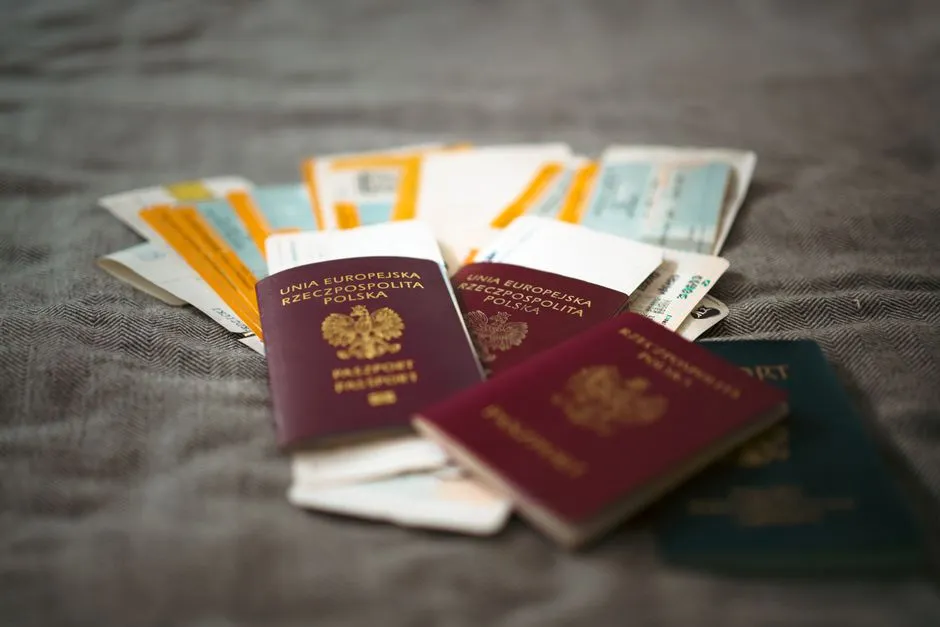
While not every country enforces the six-month rule, it’s a good idea to check the specific entry requirements of your destination well in advance. Some nations are strict about the timeframe, while others only require validity for the duration of your visit. Checking once at booking and again closer to departure is a reasonable habit to build.
In some cases, airlines don’t allow passengers holding passports with a validity period of under six months to board flights even to destinations that may not technically require it. Since different rules apply in many countries and rules sometimes change, you should verify individual country requirements via the U.S. Department of State website as you plan your travel. The State Department’s country-specific pages are updated regularly and are the most reliable public source for this kind of information.
Entry authorization requirements are separate from passport validity – visa, eVisa, and ETA requirements are distinct from the validity window question. Confirm both. One without the other still leaves you exposed.
A Quiet Rule With Loud Consequences

The six-month passport validity rule has been around for decades. It hasn’t changed. What has changed is the volume of international travel and the ease with which travelers plan complex, multi-stop itineraries without always accounting for how each leg of a journey is governed by different rules.
The traveler denied boarding isn’t always careless. Often, they’ve prepared carefully, checked most things thoroughly, and simply didn’t know that validity is measured from departure, not arrival, or that a transit country carries its own requirements. That’s the kind of gap this rule quietly exploits.
Check your expiry date, then check the validity window your destination requires, then check your transit stops. It takes about ten minutes total, and it’s the only travel preparation that can genuinely save an entire trip before it starts.
AI Disclaimer: This article was created with the assistance of AI tools and reviewed by a human editor.