
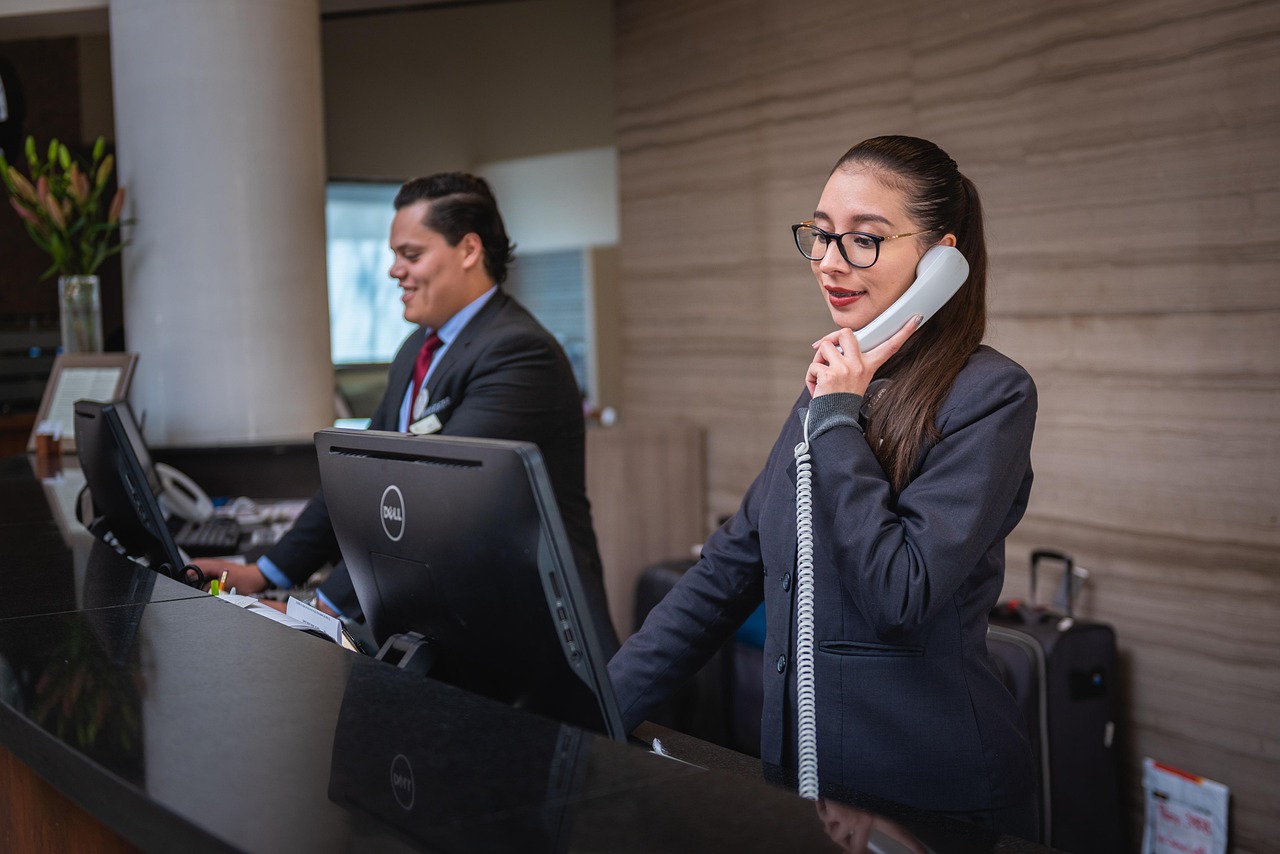

There’s a quiet hierarchy that runs beneath every hotel front desk, invisible to most guests but deeply familiar to everyone who works in hospitality. Not every complaint is treated equally. Some get logged, reviewed, and actioned within a week. Others get fixed within minutes of the first phone call.
That gap is not random. It reflects deliberate priorities, trained instincts, and the hard lessons hotels have learned from bad reviews and lost loyalty. Understanding which complaints move to the top of the queue and why can genuinely change how you travel.
Safety Concerns: The One That Bypasses Every Queue

If a complaint involves safety, flooding, or an electrical failure, the front desk escalates it immediately to the duty manager and engineering. There is no queue for this one. It goes straight to the top.
Safety and security issues including broken locks, suspicious activity, or missing belongings all get the same response: immediate escalation, no exceptions. A guest who doesn’t feel safe is a guest who will never come back. A safety concern is categorized separately from every other complaint type and demands direct manager involvement at once.
Noise Complaints: The 10-Minute Standard

Noise is the single most reported disruption in hotels worldwide, and managers are trained to act on it within minutes, not hours. The standard is to try resolving the issue with the responsible room within ten minutes. If that fails, the affected guest is moved immediately and offered a sleep kit including earplugs, herbal tea, and an eye mask.
Noise complaints are among the most frequent and disruptive issues hotel teams face. They often include reports of loud neighbors, corridor activity, nightlife, or external street noise. Sound issues consistently appear in guest feedback and are frequently cited as a leading cause of sleep disruption and dissatisfaction.
A common policy is a two-strike rule: on a first complaint, staff gives a warning; if there’s a second complaint, the hotel may take stronger action, up to evicting the offending guest without refund. It sounds firm, but it signals clearly to the whole property that other guests’ comfort is protected.
Wi-Fi Problems: Fast Because the Stakes Are Obvious

Slow or unreliable Wi-Fi is a growing source of frustration, a problem that continues to expand as digital connectivity becomes an essential rather than a convenience. These concerns underscore the importance of proactive technology upgrades to support a seamless guest experience.
If guests were charged a connectivity fee, hotels refund it without hesitation, since charging for a service that didn’t work is the fastest way to earn a one-star review. Managers also know that Wi-Fi complaints spike during events and weekends when many devices compete for the same signal, exactly the moments when the hotel is most full and most vulnerable to bad press.
Reliable Wi-Fi has moved from a luxury to a must-have, making connectivity issues one of the most frequent complaints across hotels. Guests get frustrated by slow speeds, dropped connections, complicated logins, and poor coverage. A fix here is usually fast because it’s usually simple to diagnose.
Room Cleanliness: Immediate Re-Service, No Debate

Hotels offer to have the room re-cleaned immediately, preferably with the guest present to ensure standards are met. This approach closes the complaint loop fast and puts control back in the guest’s hands, which matters more than most managers publicly acknowledge.
A 2025 academic review of online guest feedback revealed that the majority of negative comments stem from room-related concerns and staff interactions, identifying these as the most common categories of service failure. Cleanliness sits right at the top of that category, which is exactly why front desk teams are trained to act on it without waiting for management sign-off.
Nearly half of guests will leave a review after a bad hotel experience. This turns a private issue into a public problem that deters future bookings. A dirty room complaint unaddressed by checkout almost always becomes a one-star paragraph online.
Room Temperature and Maintenance Failures

Room condition and maintenance issues are a significant source of guest complaints, often centered on dysfunctional air conditioning or heating, inconsistent hot water, poor water pressure, or broken fixtures and in-room appliances.
A hotel complaint is any feedback a guest raises when their stay falls short of expectations. That can range from the physical room including broken air conditioning, uncomfortable bedding, and no hot water, to interactions with staff, issues at the restaurant, or problems with on-site services. The common thread is the gap between what the guest expected and what they experienced.
Maintenance complaints move fast because the fix is usually binary: the heating either works or it doesn’t. Engineering dispatched to a room can often resolve a temperature issue in under twenty minutes, which makes this one of the more satisfying complaint categories for operations teams to close.
Bed and Sleep Quality: Quiet but Urgent

A good night’s sleep is crucial, so complaints about uncomfortable beds hit hard. Issues include poor mattress quality, bed sizes that don’t match reservations, lack of pillows, or bedding that doesn’t regulate temperature well.
The reason these complaints get fast attention is simple. Sleep is the core reason most guests are there at all. A guest who can’t sleep is not just unhappy that night; they carry that frustration through the entire remaining stay. Hotels with available inventory will often offer a room change rather than attempt to swap mattresses mid-stay.
When problems occur during the stay, guest satisfaction plummets, a correlation backed up by the JD Power 2025 North America Hotel Guest Satisfaction Index Study. Sleep-related failures rank among the highest contributors to that drop.
Check-In Problems: Speed Is the Resolution
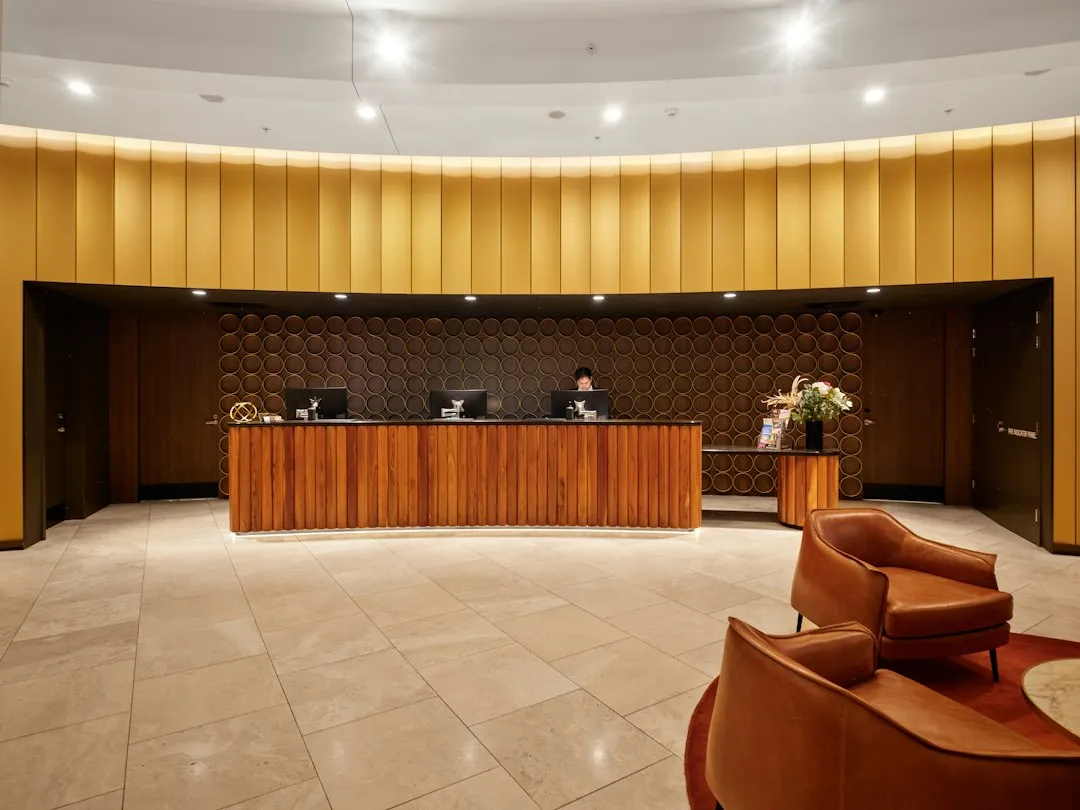
Service-related issues range from slow response times and unprofessional interactions to poor communication. These challenges often surface during moments such as check-in and check-out, where long waits or understaffed desks can quickly erode the guest experience.
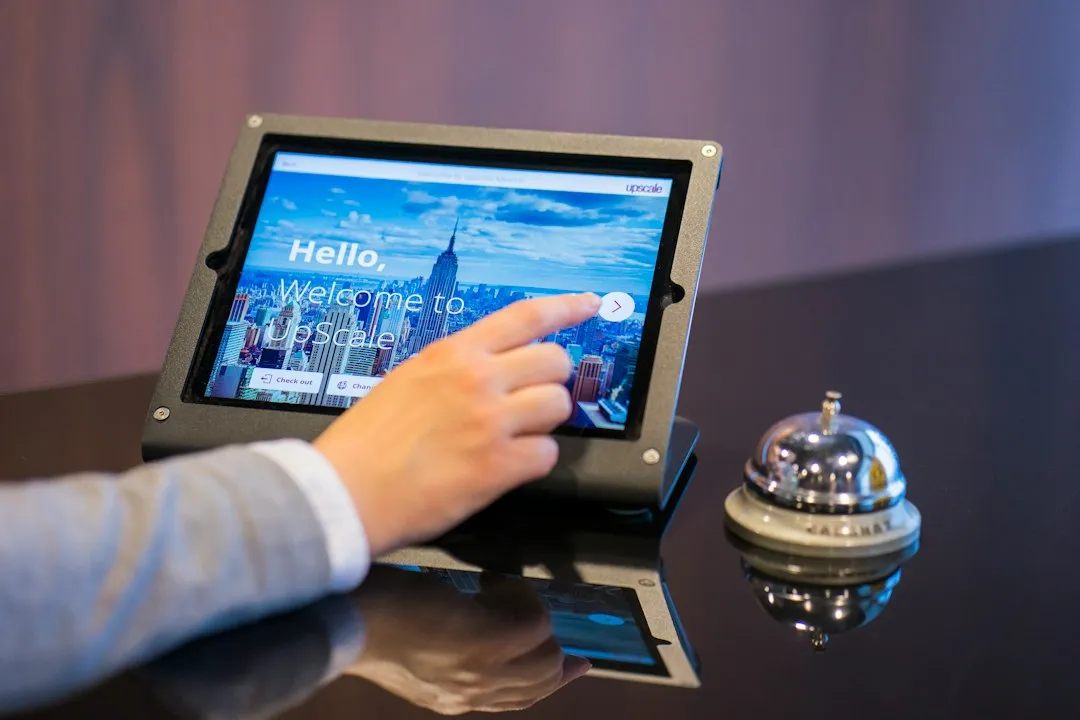
Lengthy check-ins or unclear policies can lead to unnecessary frustration. Digital check-in and check-out options help reduce this pressure, as does training front desk staff to handle busy periods efficiently. The resolution for a check-in complaint is almost always the act of resolving it immediately, skipping the guest to the front of the queue and addressing the problem in person.
The Speed Factor: Why Timing Shapes Everything
Research indicates that staff typically responded to complaints within 30 to 60 minutes, a responsiveness that did not go unnoticed by guests. Such promptness not only signals a proactive approach to problem-solving but plays a crucial role in mitigating frustration, thereby contributing to an overall positive guest experience.
The speed of resolution matters as much as the resolution itself. Empowering employees to offer small fixes immediately, such as a room change or a complimentary drink, speeds up recovery. Service recovery tools such as vouchers, late check-out, or discounts can help regain goodwill.
Studies show that roughly nineteen out of twenty dissatisfied guests will return if their issue is resolved quickly and effectively, according to Harvard Business Review. That figure alone explains why speed is not just a courtesy in hospitality. It’s a revenue strategy.
Empowering Front-Line Staff: The Structural Fix

Ideally, front desk staff are given the authority to offer a free breakfast, upgrade, or restaurant credit without needing manager approval. Fast resolution feels more genuine, because it is.
Hotels with staff trained in complaint resolution report notably higher guest satisfaction scores, according to research from Cornell University. The pattern is consistent: properties that train and trust their front-line teams resolve complaints faster, and the guests feel the difference immediately.
Once a guest is satisfied, the complaint should be logged in the property management system with the category, room number, and shift involved. If the same issue appears three times in 30 days, it signals a process failure, not bad luck. That documentation loop is how fast resolutions lead to fewer future complaints.
The Review Effect: Why Resolved Complaints Can Build Loyalty
Properties that handle complaints effectively often end up with more loyal guests than those who never complained at all. A bad experience, well resolved, can be a stronger retention tool than a flawless stay.
Roughly three in four guests whose complaints were addressed reported satisfaction with both the process and the outcome, pointing to a relatively high guest recovery rate. The implication is meaningful: the complaint itself is less important than the response to it.
A study conducted by TripAdvisor showed that nearly nine in ten users believed that a thoughtful response to a negative review enhanced their impression of a business. That dynamic holds whether the response comes online after the fact or in person at 11 PM in the hallway.
The Takeaway

The complaints that get resolved fastest in hotels share a common trait: they’re urgent in ways that directly threaten comfort, safety, or the hotel’s public reputation. Noise, safety, connectivity, and cleanliness all sit at the top of that list because experienced managers know the cost of letting them linger even one hour too long.
For travelers, the practical implication is worth holding onto. Raise your concern early, stay calm, and go directly to the front desk rather than waiting until checkout. The hospitality industry has quietly built its entire complaint-handling culture around one finding: a problem resolved fast and with genuine care is usually remembered more warmly than a stay where nothing went wrong at all.
AI Disclaimer: This article was created with the assistance of AI tools and reviewed by a human editor.