
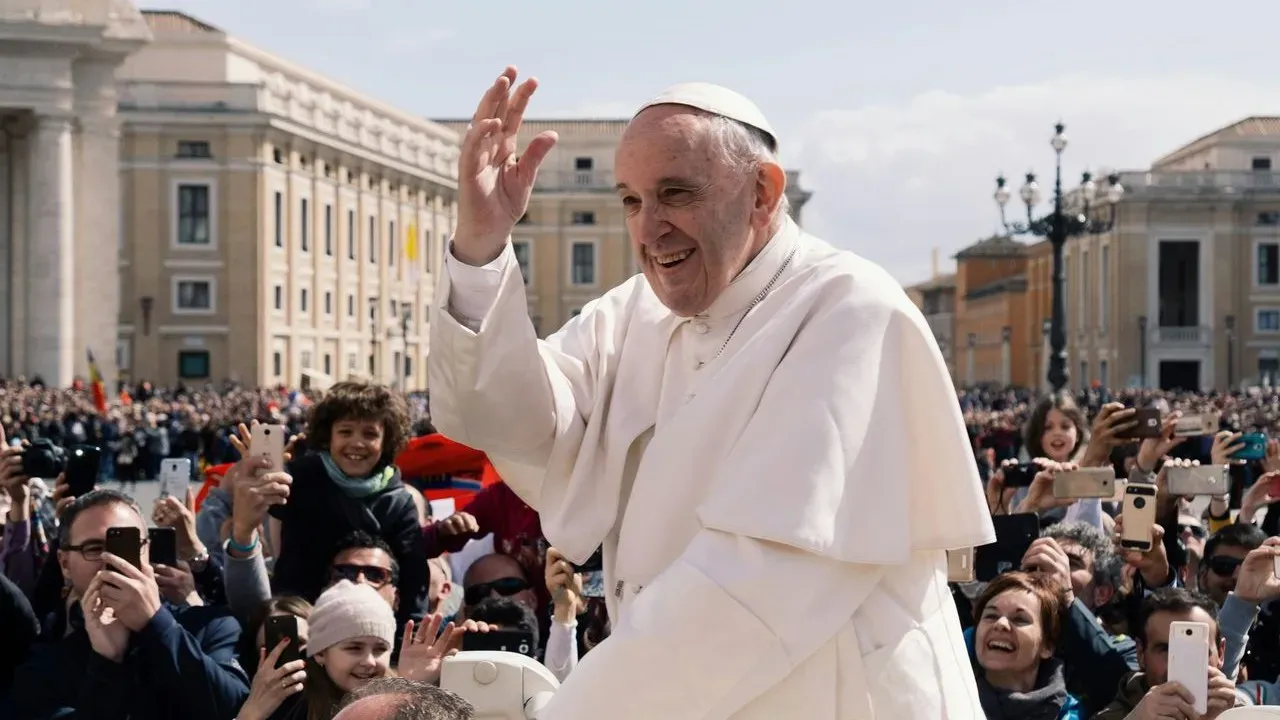

Paris drew an extraordinary assembly of faithful when Pope Leo celebrated Mass during his visit to France. The Vatican placed the attendance at roughly 800,000 people, a figure that underscores the continued strength of religious pilgrimage across Europe. Travelers and worshippers alike converged on the city, many arriving after long journeys by rail, coach, or on foot.
The Scale of a Modern Pilgrimage
Such numbers reflect more than a single event. They point to the practical logistics of moving hundreds of thousands through one city while maintaining order and access to the liturgy itself. Organizers coordinated transportation, security, and medical support on a scale that rivals major international gatherings. For many participants, the journey formed part of a longer personal commitment rather than a one-day outing. The gathering also highlighted how sacred travel continues to shape itineraries for people of faith. Routes that once carried medieval pilgrims now accommodate contemporary visitors who combine prayer with quiet exploration of historic churches and shrines. France’s network of cathedrals and pilgrimage sites provides both spiritual focus and architectural context that rewards careful attention.
Why France Remains a Destination for the Faithful
France holds a distinctive place in the geography of Catholic pilgrimage. Its cathedrals and basilicas stand as enduring landmarks that have welcomed travelers for centuries. The decision to host the Mass in Paris placed the event within a capital already rich in sites tied to centuries of religious history. Visitors often extend their stays to visit nearby locations that carry their own devotional traditions. These extensions turn a single Mass into a broader journey that blends worship with measured cultural engagement. The result is travel that respects both the sacred purpose and the living communities that maintain these places.
Practical Considerations for Future Visitors
Anyone planning similar travel benefits from advance preparation. Booking accommodations early, understanding local transit options, and allowing extra time for security screenings all reduce stress on the day of major events. Pilgrims who arrive with flexible schedules can also incorporate quieter visits to surrounding churches once the larger crowds disperse. Local parishes and pilgrimage offices frequently publish guidance on accessible routes and recommended times for reflection. Following such advice supports both personal spiritual goals and the smooth functioning of the host city. Responsible travelers leave minimal trace while gaining a deeper sense of connection to the places they visit.
What the Numbers Reveal
An attendance of 800,000 demonstrates that large-scale religious travel remains viable even in an era of digital connection. People still choose physical presence when the occasion carries historic weight. The event in France offered one clear illustration of that enduring impulse. For those drawn to purposeful journeys, the experience reinforced how shared ritual can anchor travel in something larger than sightseeing alone. The memory of standing among so many others often lingers long after the return home.
AI Disclaimer: This article was created with the assistance of AI tools and reviewed by a human editor.