
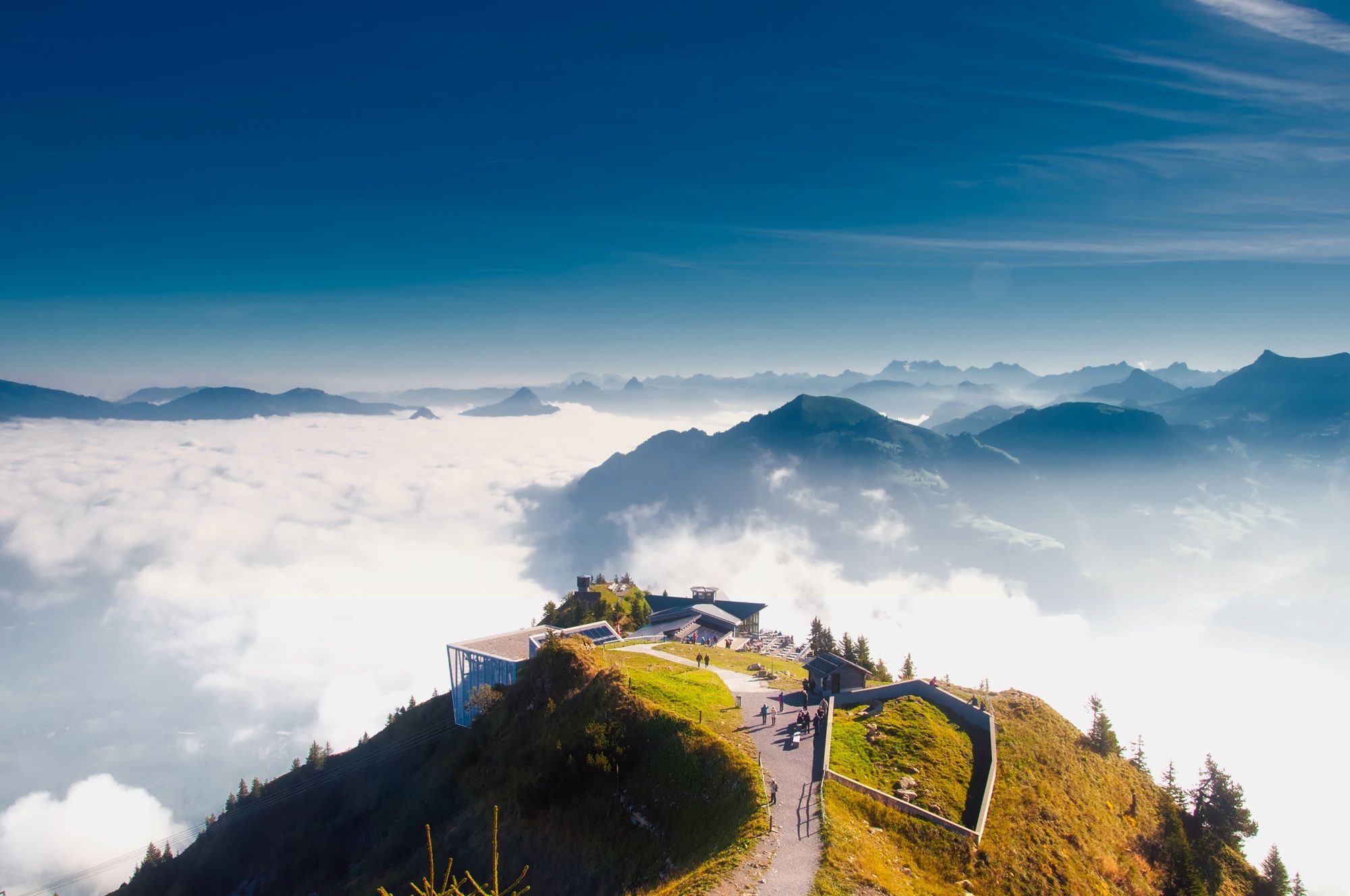
There’s a particular kind of joy that comes from traveling somewhere slowly, steeply, and in a small wooden or steel cabin that feels like it belongs to a different century. Funiculars do exactly that. They don’t just get you somewhere; they make the getting-there feel worth remembering on its own terms.
A cross between a railroad and an elevator, the funicular works on a simple yet elegant design: a pulley system under tension moves people up and down very steep hills by using two cars and a long cable. When one car is going up the mountain, the other is descending at the same time, with each car counterweighting the other. The elegance of that mechanical logic, centuries old and still quietly thrilling, is part of what makes riding one feel so different from anything else.
What follows are five funicular rides worth going well out of your way for – each one a destination in itself, not just a means to an end.
1. Stoosbahn, Switzerland: Where the Laws of Gravity Feel Negotiable
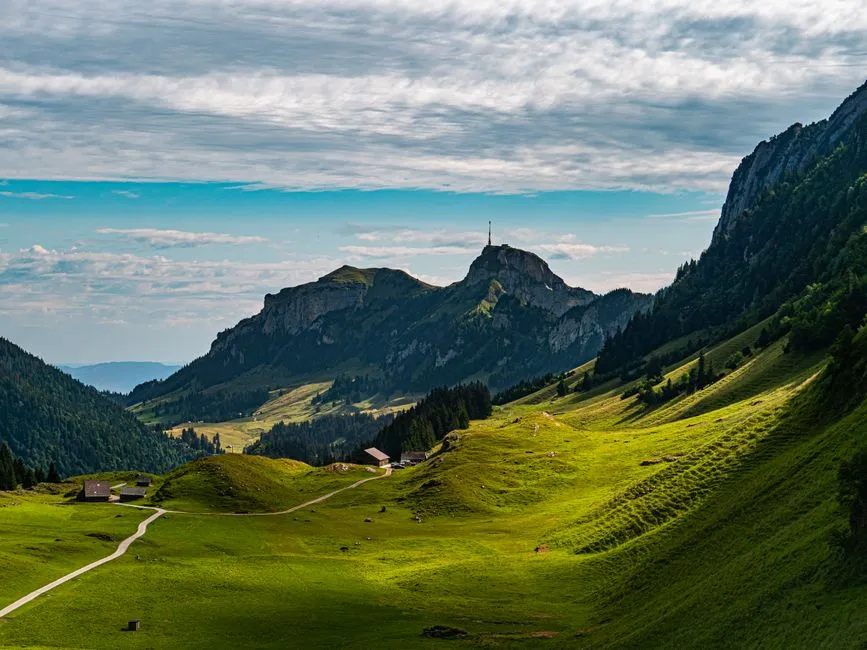
Some engineering achievements earn their records quietly. The Stoosbahn, in the canton of Schwyz, is not one of them. The world’s steepest funicular railway is the Schwyz–Stoos funicular in the Alpine resort of Stoos, Switzerland, where gradients reach 47.7 degrees, or 110%. That number is almost impossible to visualize until you’re actually sitting inside one of its cylindrical cabins, watching the landscape tilt around you.
Opened in December 2017 at a cost of CHF 52 million, the four 34-person carriages are designed as rotating cylinders, which allow passengers to stay upright throughout their four-minute journey, covering 1,740 meters and rising 744 meters from Schwyz-Schlattli to the mountain resort of Stoos.
The four passenger cabins consist of cylindrical elements with large windows and space for 34 passengers each, and each compartment rotates according to the incline being traveled on, so that the passenger level is always horizontal. That detail alone makes the Stoosbahn unlike anything else on rails.
Stoos itself is a car-free mountain village above the town of Schwyz in central Switzerland, perched on a south-facing terrace at around 1,300 metres, with a permanent population under 100, and it has been a ski and walking destination for well over a century. The funicular doesn’t just serve the village; it’s become one of the main reasons people come at all.
2. Peak Tram, Hong Kong: A Victorian Institution With a Skyline View Unlike Any Other
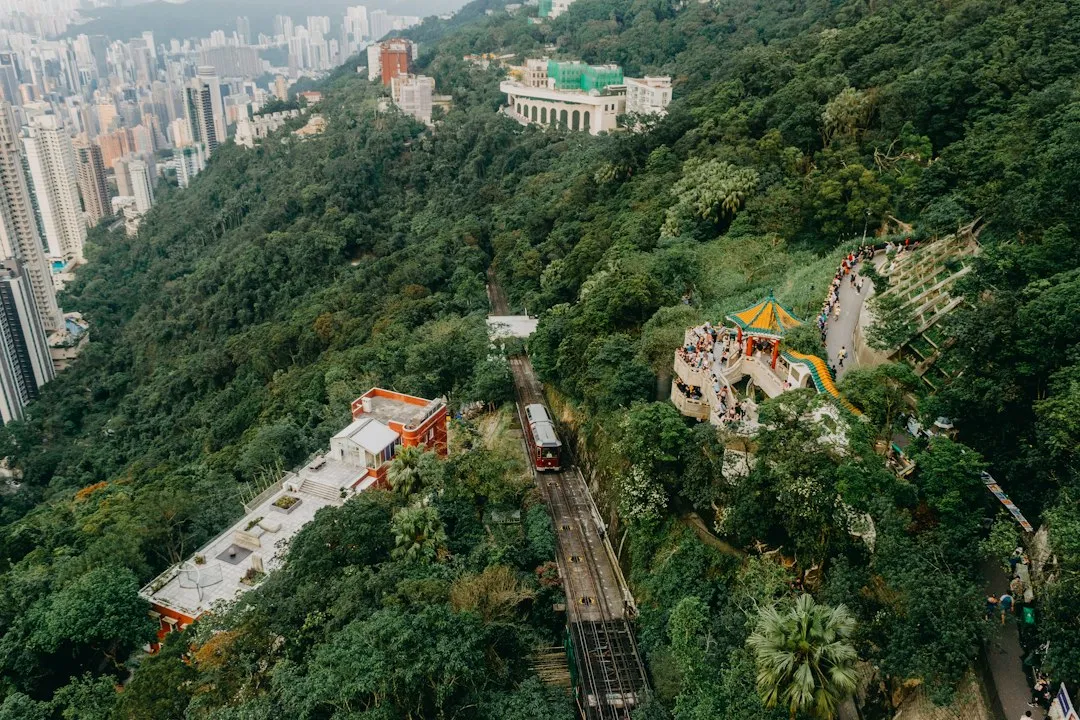
Hong Kong’s Peak Tram has been climbing Victoria Peak for well over a century, and it remains one of the most visually arresting funicular experiences anywhere in the world. The funicular was constructed in 1888 to allow residents of Victoria Peak and guests at the Peak Hotel to get to the top of the 1,811-foot-tall Mount Austin, locally known as The Peak.
Funicular travel was a more convenient method than the previous one: sedan chairs carried up on foot. The now bright red funicular tram, the fifth generation since inauguration, offers ever-expanding views across Hong Kong Island and the lush greenery many visitors are surprised to find in such proximity to the skyscrapers.
What makes the Peak Tram genuinely special is how it reframes Hong Kong entirely. As the tram climbs, the city appears to tilt beneath you in a way that feels almost cinematic. The lush slopes contrast sharply with the dense urban fabric below, and that contrast grows more dramatic with every meter of elevation gained.
3. Funiculars of Lisbon, Portugal: Three Rides, One City, Endless Charm
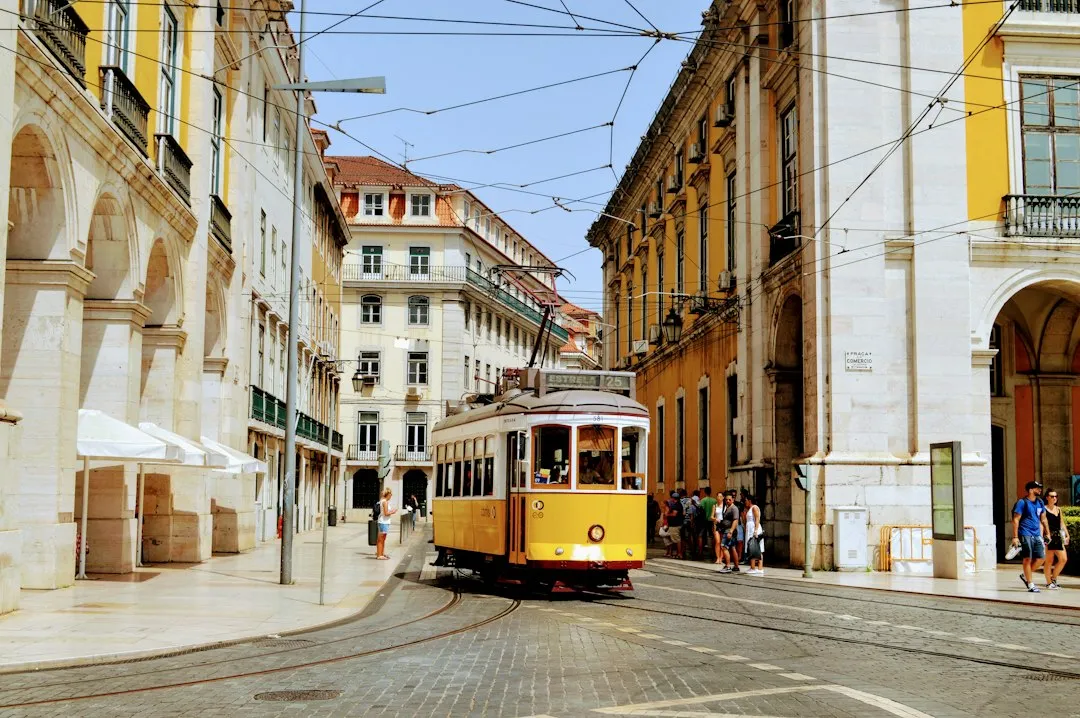
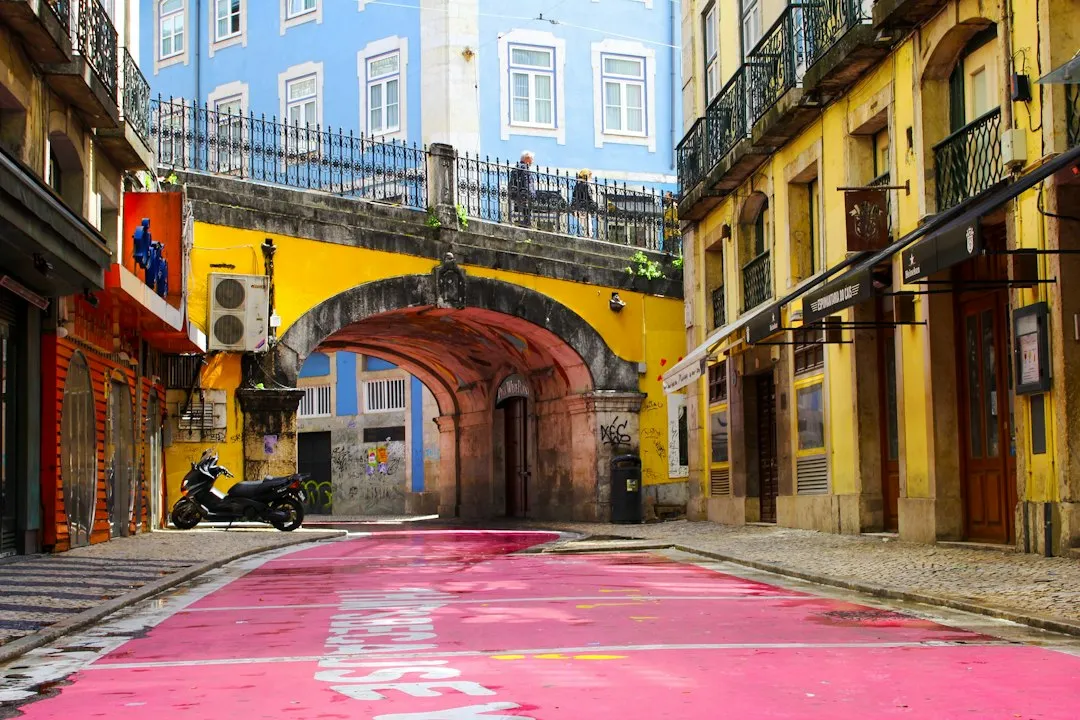
Lisbon is a city that resists being flat. Its hills, known locally as colinas, are steep enough that walking them in summer heat qualifies as genuine exercise. Fortunately, the city solved this problem elegantly long ago. Portugal’s vibrant capital has not one, but three separate funiculars throughout, helping explorers arrive at places high above their reach.
The best way to travel and navigate Lisbon’s lovely and long streets is to take one of the funicular railways, which are all included as part of the daily travel pass, allowing full access to the trams. The Elevador da Bica only lasts a minute or two, but the views are stunning and it is a fun ride as you inch past bar patrons having drinks in pubs inches away from the funicular line.
The Gloria Funicular, dating from 1885, connects Restauradores Square to the Bairro Alto neighborhood and is one of the oldest still in operation anywhere in Portugal. Riding any of the three feels less like tourism and more like borrowing a habit from the locals who have been using them as daily commuter shortcuts for generations.
4. Central Funicular of Naples, Italy: The World’s Busiest Hillside Railway
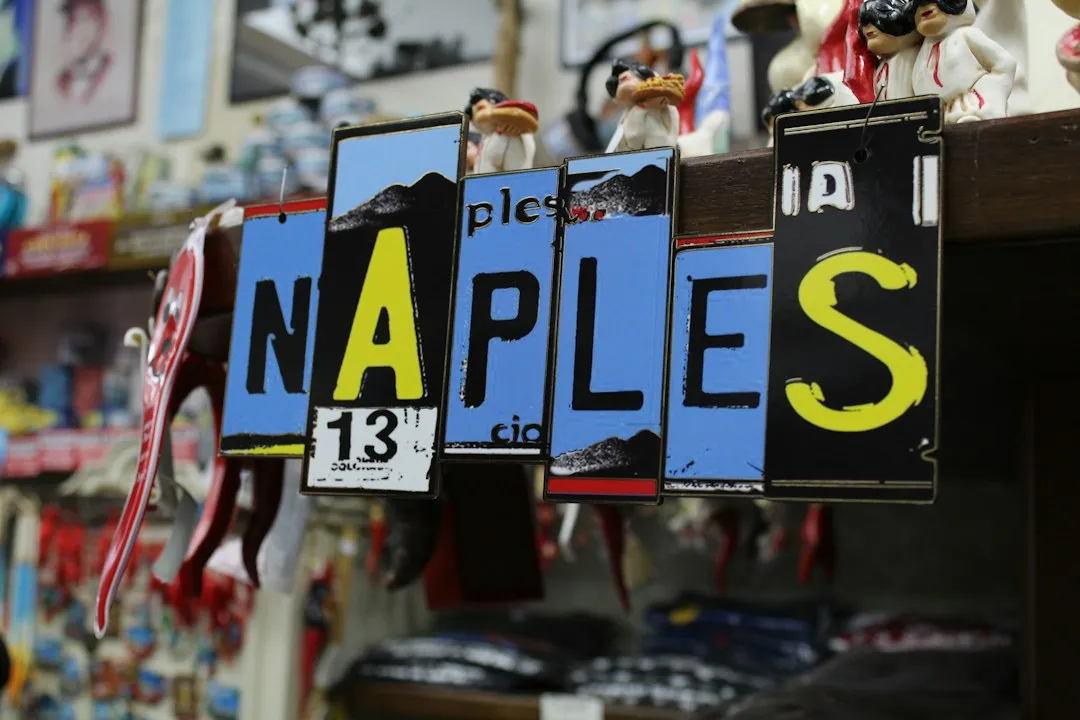
Naples is one of those cities that seems to have been built in deliberate defiance of sensible urban planning, with neighborhoods stacked up the volcanic hillsides in a way that makes the funicular not a novelty but a genuine necessity. Inaugurated in 1928, the Central Funicular of Naples is one of the most used funicular railways in the world, and carries over 10 million passengers per year.
The Central Funicular is one of the longest funicular lines in the world, and with over 10 million passengers carried annually, it has the largest capacity, carrying an average of 28,000 passengers on workdays. Those numbers put it in a different category from most funiculars, which tend to be quiet, unhurried affairs. Naples’ version moves at the rhythm of the city: fast, purposeful, and full of life.
From top to bottom the line is 1,270 metres long but ascends 170 metres in altitude at an average gradient of 13%, and the carriages travel at an average speed of 7 metres per second, completing the entire route in four minutes and twenty seconds. It connects the lower city to the Vomero hill district, a neighborhood of wide promenades and panoramic terraces that overlooks the Bay of Naples and Vesuvius beyond.
5. Montmartre Funicular, Paris, France: Two Minutes of Steep Beauty Above the City
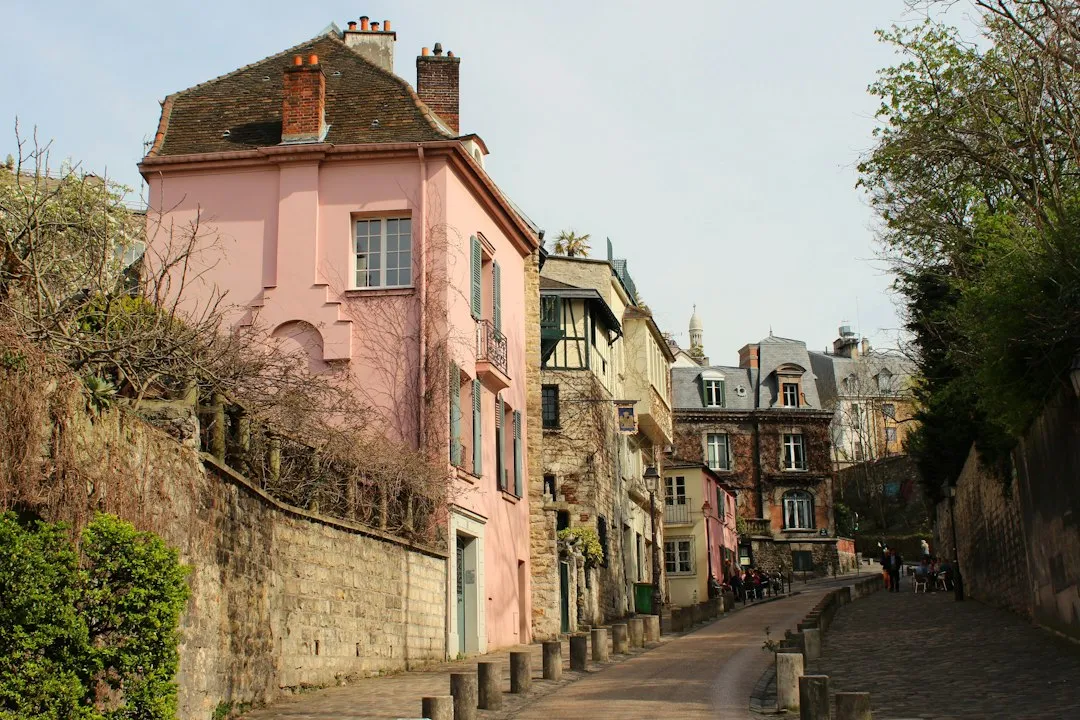
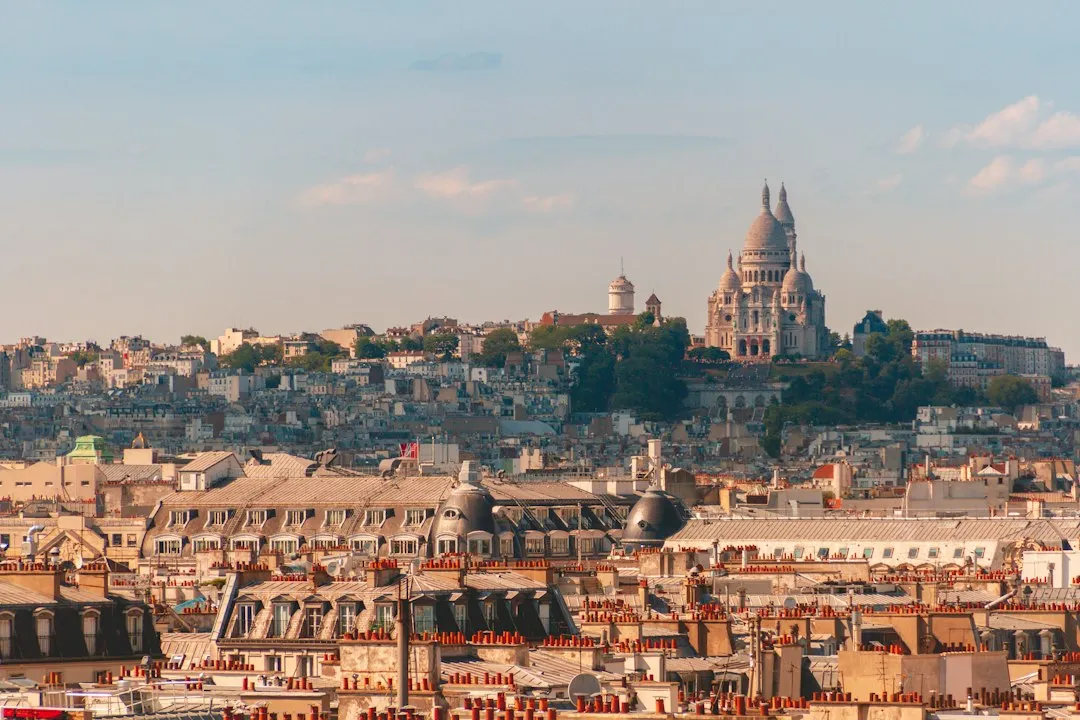
The Sacré-Cœur Basilica crowning Montmartre is one of the most photographed spots in Paris, and most visitors earn their view by climbing the long stairway beneath it. The funicular alongside those stairs offers a gentler ascent, and one with a surprisingly long history. The Montmartre Funicular is an inclined transport system serving the Montmartre neighbourhood of Paris, operated by the RATP, the Paris transport authority, and the system opened in 1900, entirely rebuilt in 1935 and again in 1991.
The funicular carries around 2 million journeys per year, which makes it one of the more quietly significant pieces of infrastructure on the Parisian hillside. It covers just 108 metres of track, making the ride genuinely brief, yet the elevation change is enough to transform the view entirely within those two short minutes.
What makes this funicular worth riding beyond pure convenience is its context. Montmartre is a neighborhood with genuine artistic and cultural depth, and arriving by funicular rather than fighting the staircase leaves you at the top with more energy to actually explore the winding streets, the vineyard, the old cabarets, and the artists’ square that give the hill its enduring character.
How Funiculars Actually Work: The Quiet Engineering Behind the Ride
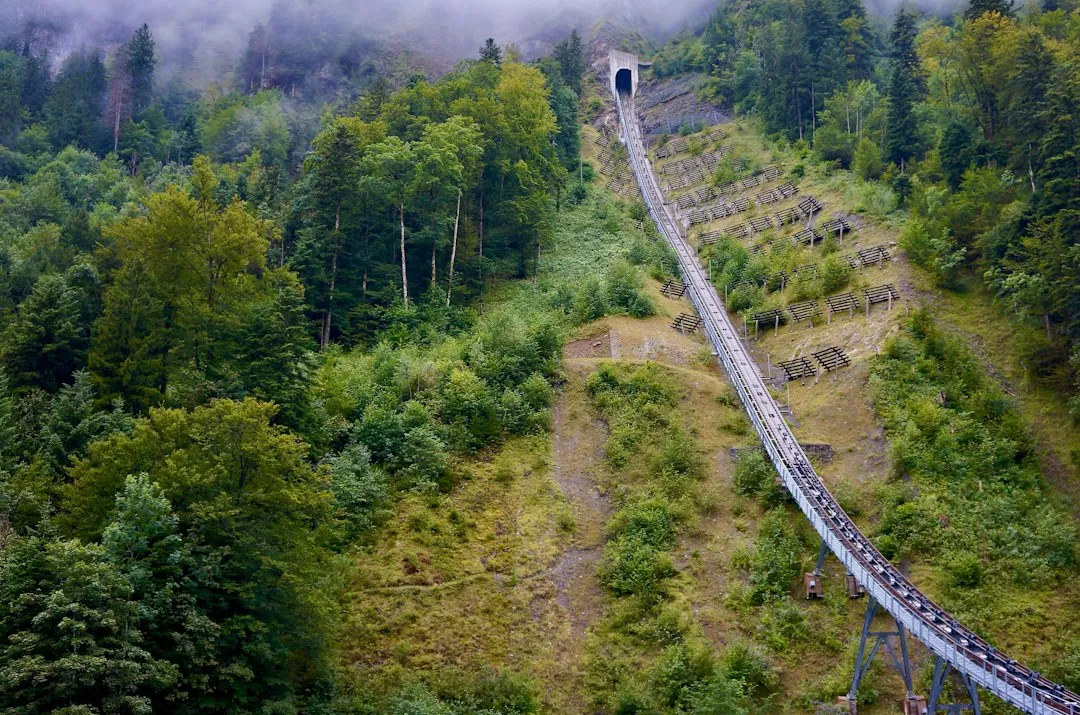
In the realm of rail transport, funiculars stand as a marvel of engineering and a testament to human ingenuity, designed to tackle steep inclines and offer not just a means of transportation but a journey into the heart of scenic beauty. The counterbalancing principle that makes them function is elegant in its simplicity: as one car descends, it provides much of the energy needed to pull the other one up.
The word itself comes from the Latin. The name stems from the diminutive of the Latin word for rope, “funis,” which seems appropriate since diminutives imply something small and precise. Funiculars date to Roman times according to some historians, while others date the first ones back to the 1500s.
Modern funiculars like the Stoosbahn push the engineering far beyond what those early builders could have imagined, with rotating cabins, automated systems, and precision cable drives. Yet the underlying logic, two cars, one cable, gravity doing half the work, has remained unchanged for centuries. There’s something quietly satisfying about that continuity.
What Makes a Funicular Ride Memorable Beyond the Mechanics
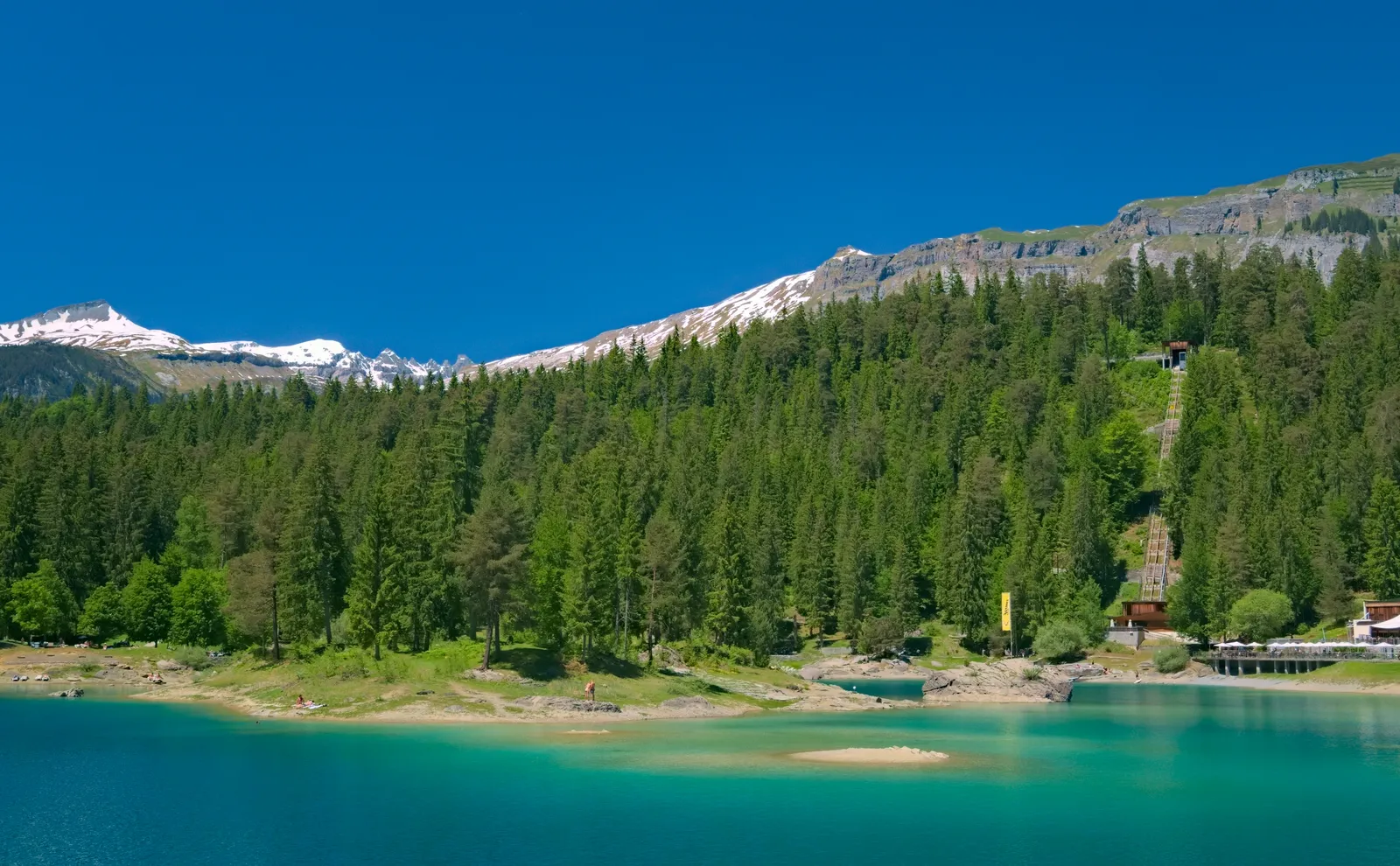
The best funicular rides share something that goes beyond gradient or passenger numbers. They frame a place in a way that no other mode of transport can. The angle of ascent changes how you see a city, a valley, or a mountainside. The slow speed forces you to look. The brief duration makes every second feel deliberate.
These unique railways, designed to tackle steep inclines, offer not just a means of transportation but a journey into the heart of scenic beauty, providing passengers with panoramic vistas that are often inaccessible by other means. That inaccessibility, or rather the way the funicular makes the previously inaccessible feel suddenly intimate, is what separates a truly great ride from a merely efficient one.
There’s also the sensory experience of the car itself: the creak of wood or steel, the hum of the cable, the way the world outside the windows slowly reorganizes itself as you climb. These are small things, but they add up to something that feels genuinely different from any other kind of travel.
Responsible Travel on Historic Funiculars
Many of the world’s most beloved funiculars pass through neighborhoods and hillsides that are home to real communities, not just tourists. In Lisbon, the elevadores are still used daily by locals who live on the upper slopes. In Naples, the funicular is part of the city’s municipal transit network, moving tens of thousands of residents to work every morning. Riding thoughtfully, with awareness of that dual function, matters.
Some of the older lines require ongoing conservation efforts and depend on visitor revenue to fund maintenance. The Montmartre Funicular’s most recent full rebuild in 1991 was a significant investment, and continued ridership supports the infrastructure that keeps historic systems like it running. Choosing to ride rather than skip, and buying a full-price ticket rather than looking for workarounds, is one of the quieter ways to support these places.
Where funiculars pass through ecologically sensitive terrain, staying on marked paths at the upper station and respecting posted guidelines helps protect habitats that exist precisely because they’ve been hard to reach. The funicular gives access; how you use that access is your responsibility.
Planning Your Visit: Practical Notes Worth Knowing
Funicular schedules vary significantly by season, and several of the world’s great lines reduce their hours or close entirely during certain months for maintenance. The Stoosbahn in Switzerland operates year-round, serving both summer hikers and winter skiers, but it’s always worth checking current timetables before making travel plans around a specific ride.
In Lisbon, the funiculars are included in the city’s daily transport passes, making them one of the best-value experiences in the city. In Hong Kong, the Peak Tram operates from early morning until late evening daily, though queues can be significant during peak tourist hours and weekends. Early morning rides on the Peak Tram offer both shorter waits and a clearer view before the afternoon haze settles in.
For the Stoosbahn specifically, holders of the Swiss Half Fare Card receive 50% off the funicular, making the roundtrip cost around CHF 15, which is extremely reasonable for a Guinness World Record-holding ride. Practical details like that can turn a spontaneous detour into a very easy decision.
The World’s Funicular Heritage: A Living Archive
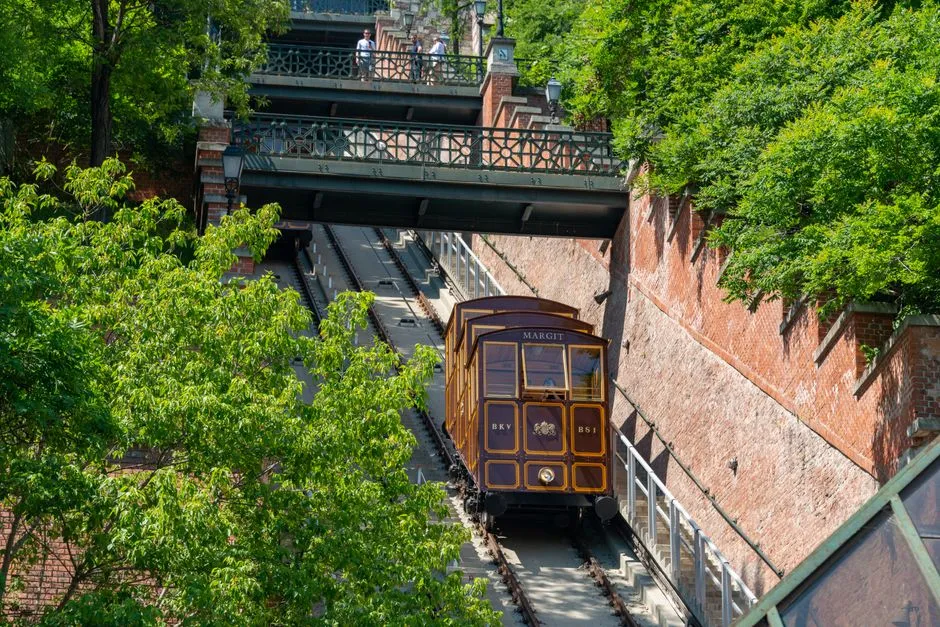
Adorable, fascinating, and quaint, funiculars around the world are a travel attraction that shouldn’t be missed, even when the ride might last less than a minute. That’s true partly because so many of the world’s funiculars are genuinely old, and keeping them running is an act of collective civic and cultural memory. The Budapest Funicular, for instance, opened in 1870 and isn’t the most lengthy or steep, but is a sedate step back in time.
Zagreb’s funicular is not only the city’s oldest form of public transportation, but is also the world’s safest public transportation, and at 216 feet, the shortest funicular ride in the world. Every one of these lines carries a different piece of history, and together they form an unlikely global archive of how cities solved the problem of vertical terrain.
The fact that so many of them are still running, still carrying passengers, and still inspiring the kind of genuine delight that most forms of transit lost long ago, says something worth paying attention to. They’ve survived not because there was nothing better to replace them with, but because nothing better ever quite came along.
A Quiet Case for Slowing Down
AI Disclaimer: This article was created with the assistance of AI tools and reviewed by a human editor.