
Most hikers know to drink water and start early. They pack sunscreen, they check the forecast. What they rarely train themselves to do is recognize the precise moment their body shifts from coping to failing. That gap, between awareness and recognition, is where heat kills.
Heat is not a vague threat. It is the deadliest type of weather, killing on average more than twice as many people each year as hurricanes and tornadoes combined. The numbers have been climbing. More than 2,300 people died of heat illness in 2023 according to a study in the Journal of the American Medical Association, a number that has more than doubled in recent decades as the planet has continued to warm. For hikers specifically, the stakes are compounded by distance from help, physical exertion, and a tendency to dismiss early warning signs as ordinary fatigue.
The Scale of the Problem on the Trail
Between 2007 and 2023, 76 people died in American national parks from heat illness, and hot temperatures cause more hiker fatalities in national forests, Bureau of Land Management holdings, and state and locally maintained parks every year. That figure only captures deaths in managed federal parks. The true toll across trails is considerably wider.
Hiking was the most common cause of heat-related death in national parks data, representing more than 60 percent of all deaths. The activity most people consider safe and healthy is, under the wrong conditions, one of the most heat-dangerous things a person can do outdoors. The combination of sustained physical exertion, sun exposure, and distance from emergency care creates a uniquely high-risk environment.
Stopping Sweating: The Silent Alarm Most People Ignore
One of the most alarming and most missed signs of heat stroke is the moment sweating stops. It feels, counterintuitively, like relief. The drenching sweat is gone, the skin feels drier. For many hikers, this is the moment they feel they are finally cooling down. They are not.
Typically, someone suffering heat stroke has exhausted their reserves of sweat and salt to stay cool, so sweating eventually stops during heat stroke. Their cognitive ability fails, and they cannot remove themselves from danger. Heat stroke occurs when the body is unable to regulate its temperature. The body’s temperature rises quickly, the sweating mechanism fails, and the body is unable to cool down. Body temperature may rise to 106 degrees Fahrenheit or higher within 10 to 15 minutes. That is not a slow deterioration. That is a medical emergency unfolding in the span of a single rest stop.
Mistaking Heat Exhaustion for Normal Tiredness
The problem is that hikers often confuse these signs with ordinary tiredness. During a summer hike, pay attention to symptoms that do not improve with a short rest, that worsen during movement, or that appear together. One symptom may be manageable; several symptoms together require a more cautious decision.
Heat exhaustion can include headache, nausea, dizziness, weakness, irritability, intense thirst, heavy sweating, and elevated body temperature. These are easy to rationalize when you’re already pushing through a long climb. The headache gets blamed on sun glare. The nausea on breakfast. The dizziness on altitude. While some of these symptoms seem common on a strenuous hike in hot weather, it is important to recognize when there are multiple symptoms appearing together, when they become extreme, and when they affect your state of mind.
Thirst That Water Won’t Fix
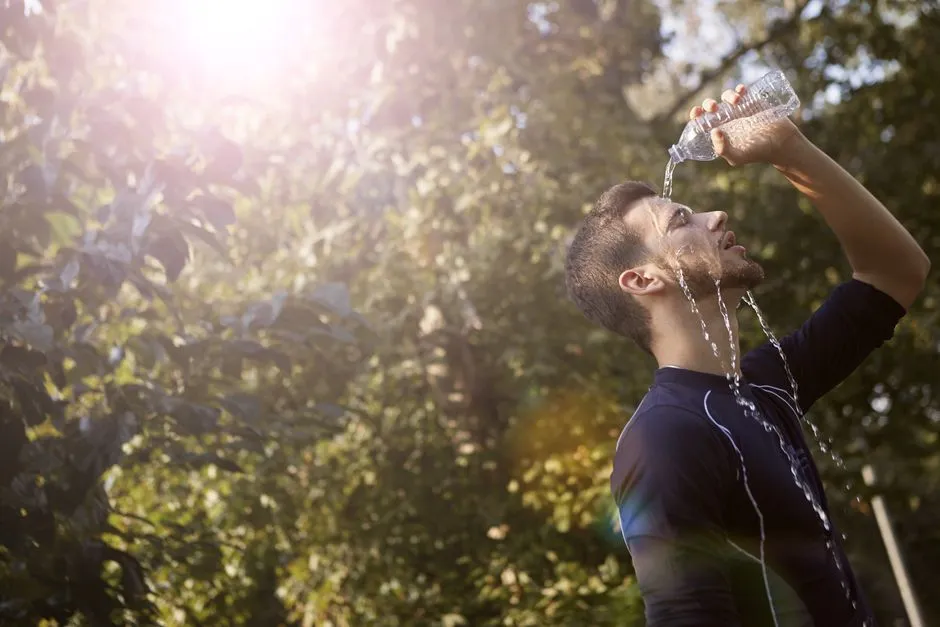
There is ordinary thirst, and then there is heat exhaustion thirst. The difference matters. Feeling extremely thirsty and not being able to curb the thirst by drinking water slowly is a sign that heat exhaustion has begun. This kind of thirst doesn’t ease up after a few sips. It persists, it intensifies, and it signals that the body’s fluid balance is already seriously compromised.
Heat exhaustion is the result of dehydration due to intense sweating. Hikers can lose one or two quarts of water per hour. At that rate, even a well-prepared hiker carrying two liters of water can slip into a deficit faster than expected. UC Davis Health recommends that people working or active in the heat drink eight ounces of water every 20 minutes, a cadence most recreational hikers simply don’t maintain.
When the Brain Stops Working Properly on the Trail
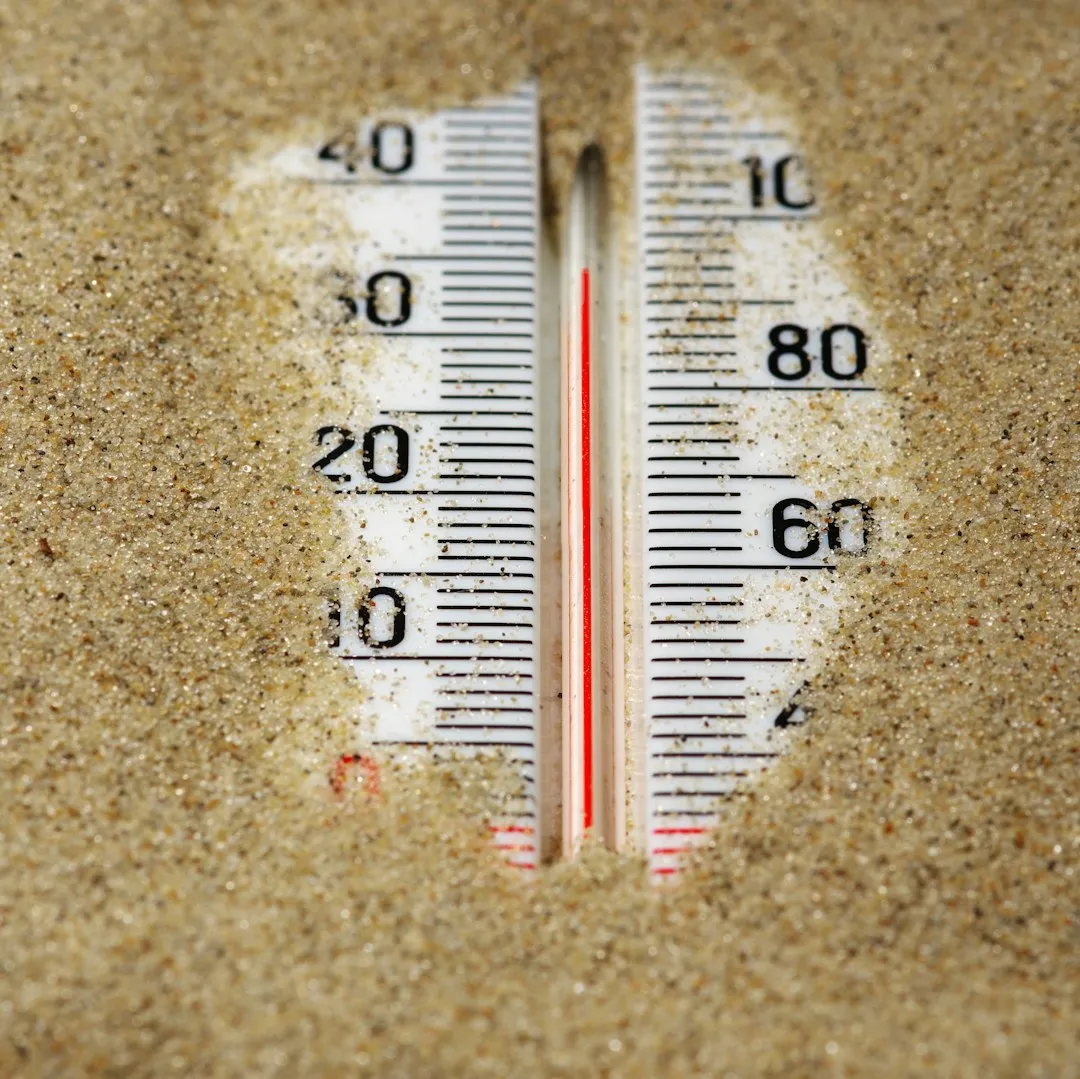
Cognitive changes are among the most dangerous and least noticed signs that heat has crossed from exhaustion into stroke territory. A hiker experiencing mental fog may make poor route decisions, resist help from companions, or fail to recognize how serious their condition has become.
A key difference between heat exhaustion and heat stroke is that with heat stroke, you have signs of brain dysfunction. These include persistent confusion, changes in behavior like aggression or agitation, and slurred speech. Confusion, loss of coordination, altered speech, fainting, seizures, unconsciousness, or rapid deterioration are not normal hiking fatigue. Treat them as emergency signs. The challenge is that the person most affected is usually the last one to realize it.
The Afternoon Window That Catches Hikers Off Guard
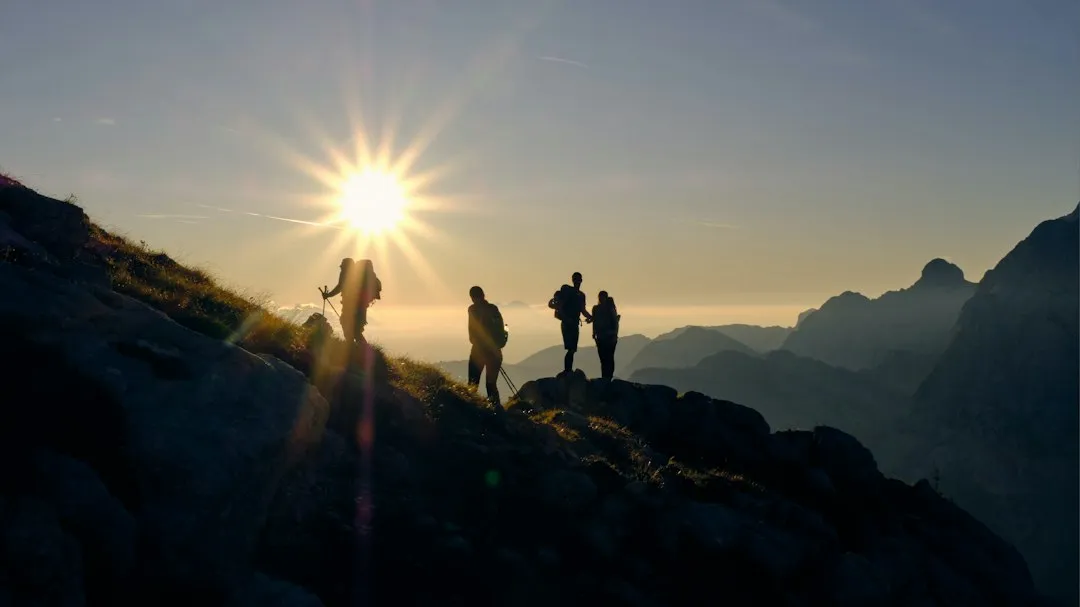
Trail temperatures are not static, and the gap between a comfortable morning start and a dangerous midday ascent can be dramatic. Many hikers plan their departure but not their turnaround time. They begin in cool conditions, gain elevation slowly, and find themselves at the most exposed section of a trail precisely when heat peaks.
Rather than hiking during the afternoon, hikers should head out in the early morning hours or wait until the evening during hot days. This will decrease the amount of sun exposure and the temperature during hikes will be lower, too. In canyon environments, the problem is reversed: radiant heat from rock walls intensifies through the day even in shaded sections. Forecast temperatures in the shade can reach between 105 and 111 degrees Fahrenheit in exposed canyon areas, conditions that overwhelm the body’s cooling systems regardless of fitness level.
Muscle Cramps as a Missed Countdown Signal
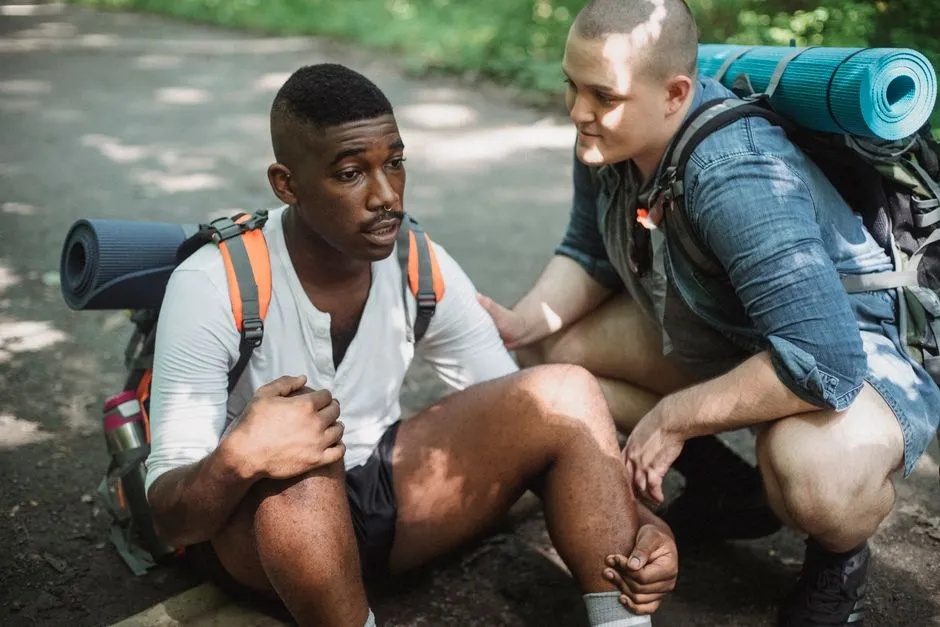
Leg cramps on a hot hike often get attributed to effort, steep terrain, or poor footwear. What they frequently are is an early physiological alarm that electrolyte levels have dropped below a functional threshold. Sodium loss through sweat disrupts muscle function well before a person feels critically unwell.
Cramping muscles are a serious sign of heat exhaustion. These cramps can make it difficult to continue a journey. Headache plus nausea, dizziness plus weakness, cramps plus intense thirst, or irritability plus poor coordination should never be ignored. The body is communicating clearly at this stage. The problem is that most people on a trail interpret cramps as a reason to push through, not as a reason to stop and reassess entirely.
Heat Illness Strikes Faster Than Most People Expect
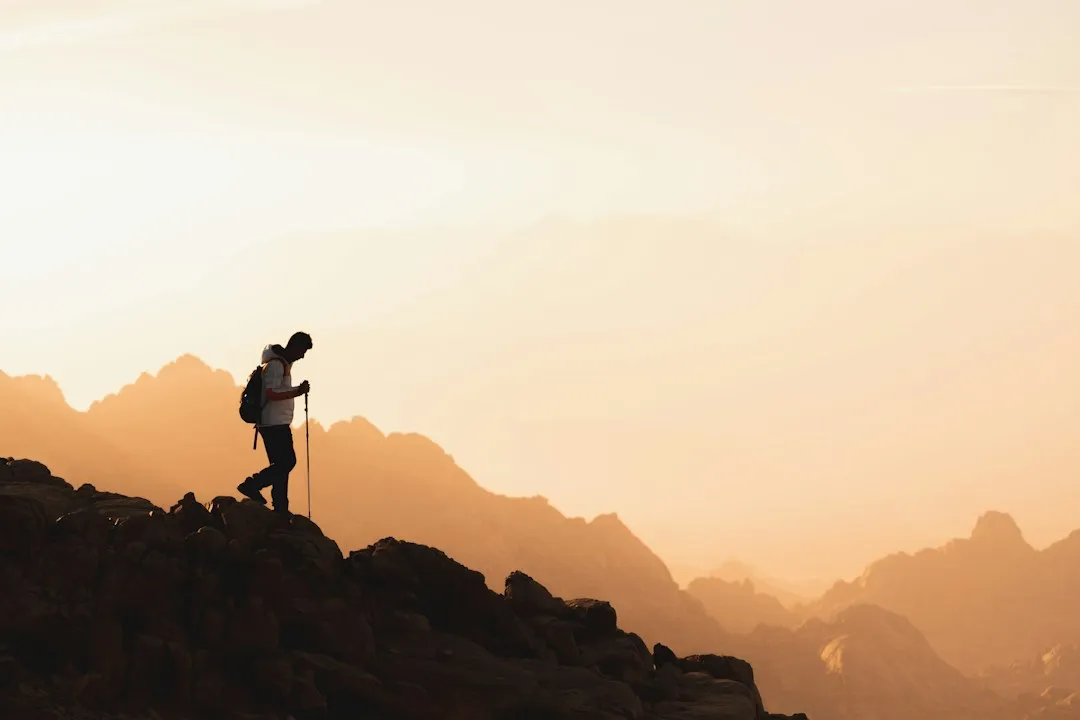
One of the most consistent mistakes hikers make is assuming they’ll have time to react. Heat illness does not follow a slow, visible arc in many cases. Heat illness can strike in less than an hour; not only can it be deadly, it also robs hikers of their ability to think clearly, making it more difficult to deal with a dangerous situation.
Heat stroke in the mountains is especially dangerous because help may take time to arrive. The terrain may be steep, helicopters may depend on weather and visibility, and the injured person may be far from vehicle access. That is why early recognition is essential. By the time a hiker or their companion recognizes true heat stroke symptoms, the window for safe self-evacuation may already be closed. Acting on early signs, not late ones, is what determines outcomes.
The Rescue Data That Tells a Larger Story
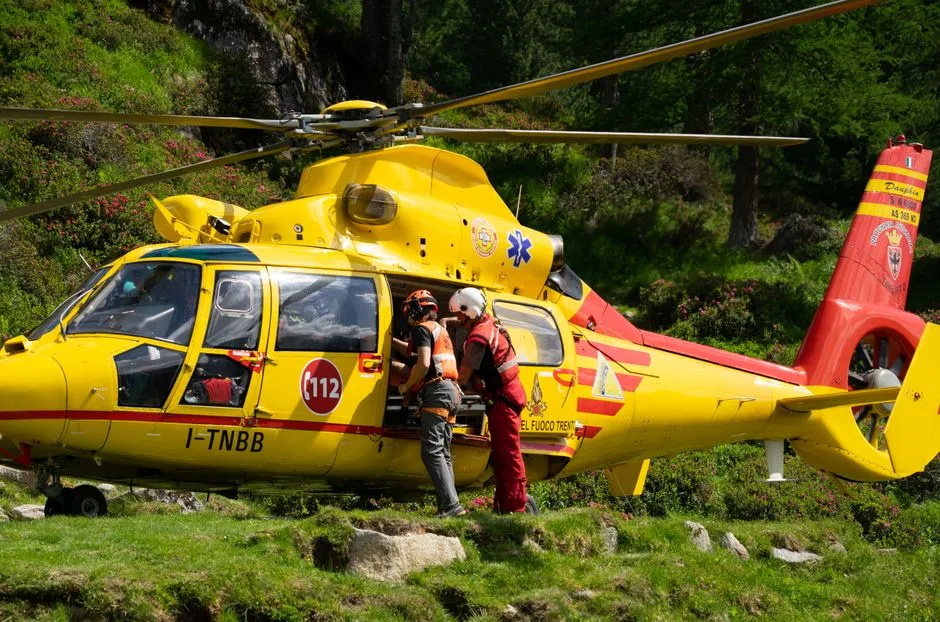
Mountain rescue statistics from across the world paint a picture of just how frequently ordinary hikers find themselves in trouble. Data from the Italian National Alpine and Speleological Rescue Corps show that in 2025, there were 13,037 mountain rescue missions, an 8 percent increase compared with 2024. The same report recorded 528 fatalities and 9,624 injured people.
Hiking was the most involved activity, accounting for more than 43 percent of interventions. These numbers are important because they show that mountain emergencies do not involve only extreme alpinism, climbing, or remote expeditions. A large share of rescue work involves hikers. Walking on trails is accessible and healthy, but it still requires preparation. Heat-related illness is woven into that data even when it isn’t listed as the primary cause of an emergency call.
What to Actually Do When Warning Signs Appear
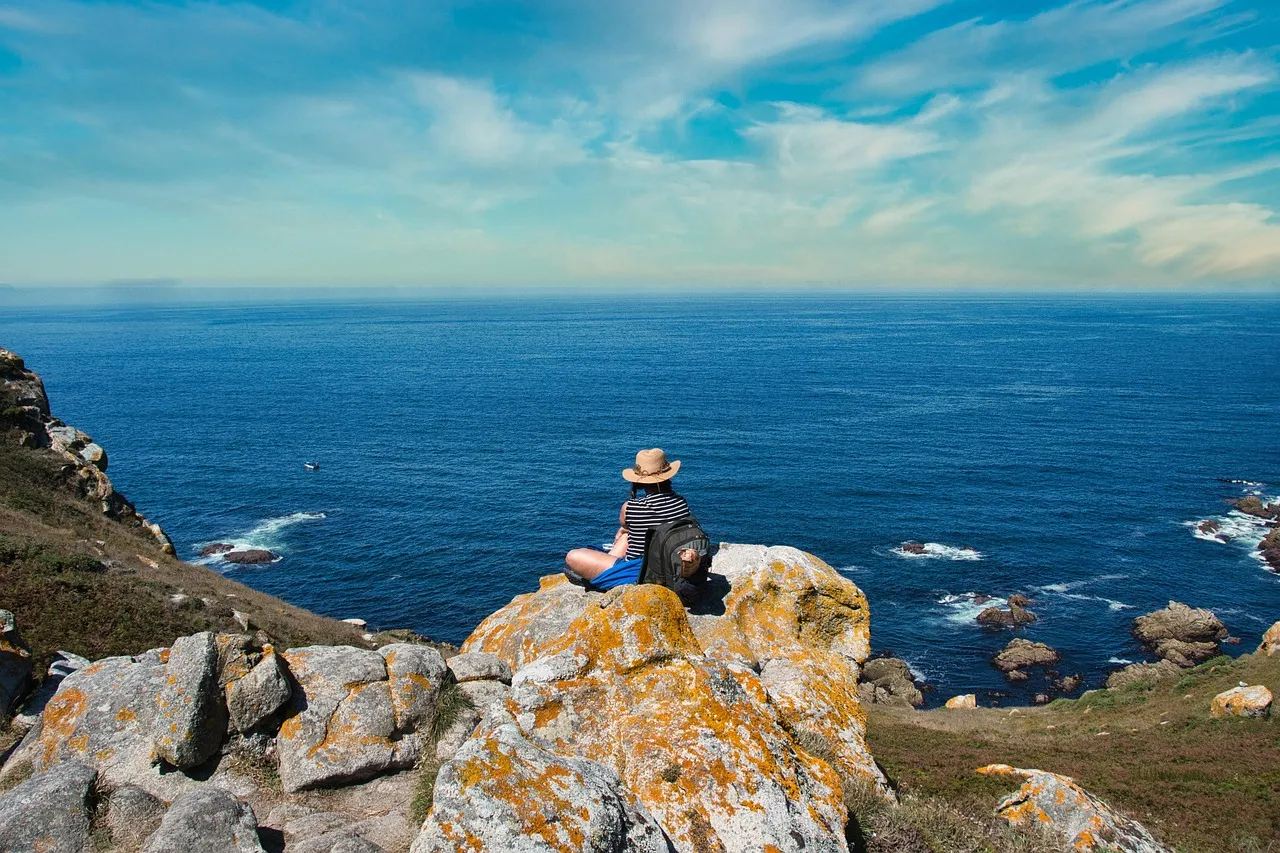
Recognition without action saves no one. The moment heat exhaustion symptoms appear, the response needs to be immediate and decisive. Drink water with electrolytes, eat high-energy foods with fats and sugars, rest in the shade for 30 to 45 minutes, and cool the body by getting wet. That protocol works for heat exhaustion. Heat stroke is a different situation entirely.
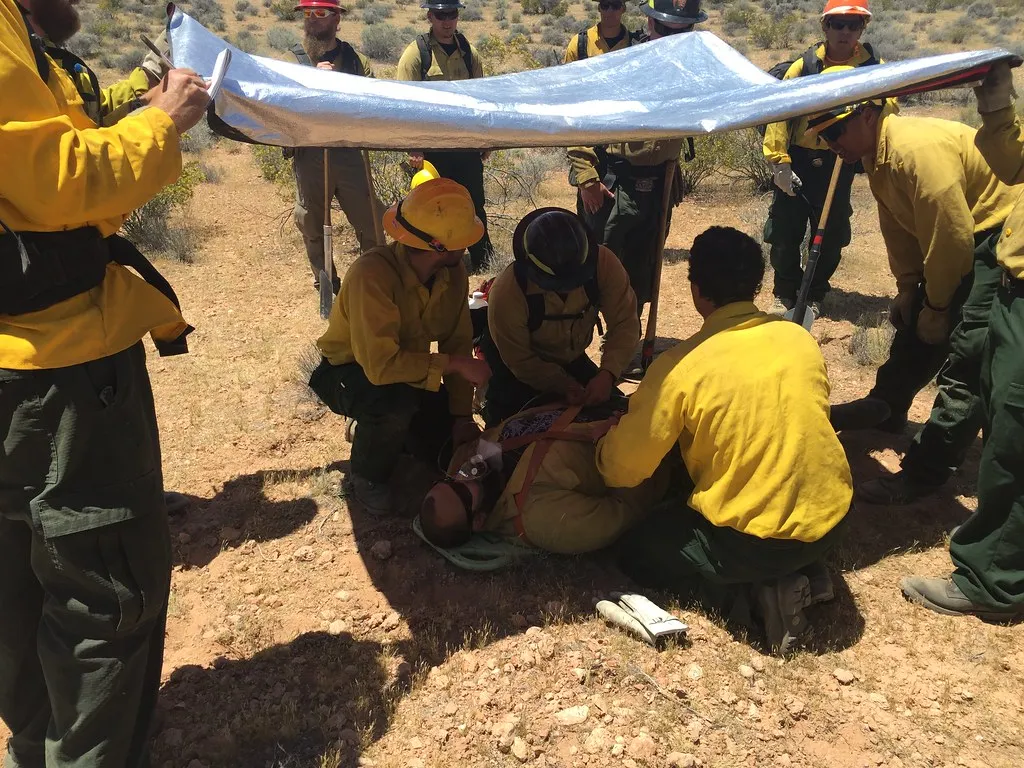
Action must be taken immediately if someone displays heat stroke symptoms. Minutes can decide life or death. Immediately begin trying to cool the person down by any or all of the rapid means available and contact emergency services. Someone experiencing heat stroke requires immediate evacuation to definitive care. Because heat exhaustion can lead to heat stroke, addressing heat-related illnesses before they progress is vital. The goal is never to manage a crisis on the trail. It’s to stop the escalation before a crisis exists.
The Takeaway
Heat doesn’t announce itself with a dramatic warning. It creeps in through the gaps between symptoms that seem minor and judgment that slowly softens. The warning signs hikers miss are not obscure or subtle once you know them. Thirst that won’t quit, sweating that suddenly stops, cramps, confusion, and the quiet fog that settles over decision-making are all the body saying the same thing clearly.
The trail itself doesn’t change on a hot day. The conditions around it do. Respecting those conditions, acting early rather than pushing through, and knowing the difference between tiredness and crisis are the skills that matter most. Heat preparedness isn’t about fear. It’s about giving yourself the time to respond before the choice is no longer yours to make.
AI Disclaimer: This article was created with the assistance of AI tools and reviewed by a human editor.