
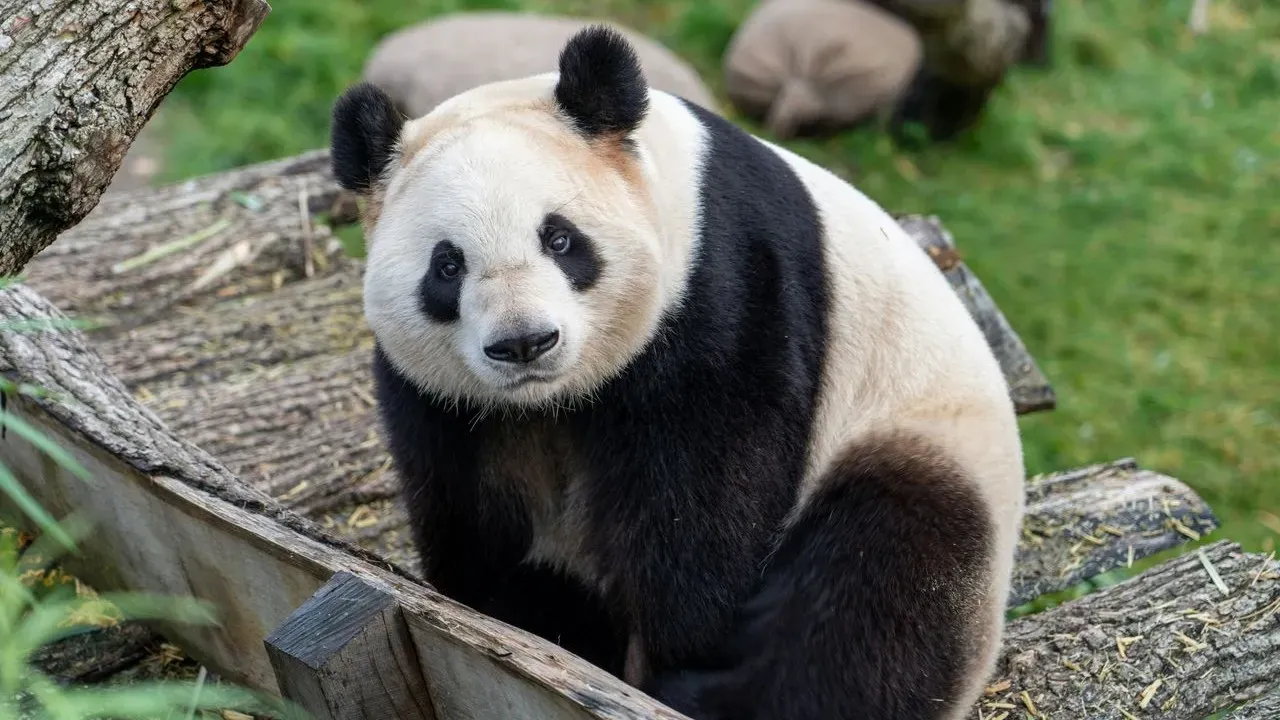

Atlanta – Two giant pandas from China reached Hartsfield-Jackson International Airport on Sunday morning and continued on to Zoo Atlanta, where they will begin their new chapter under the care of the institution’s specialists. The arrival adds a rare and closely watched presence to one of the few American zoos currently home to the species.
A Measured Exchange Between Nations
Giant panda placements in the United States have long followed formal agreements between the two countries. These arrangements typically span a set number of years and include provisions for research, breeding, and eventual return to China. The arrival of Ping Ping and Fu Shuang continues that established pattern rather than marking an abrupt shift. Zoo Atlanta has hosted pandas before, giving its staff experience with the species’ specific needs. The new pair joins an existing program that emphasizes veterinary monitoring, habitat design, and public education. Observers note that each transfer requires coordination among wildlife authorities, airlines, and zoo teams on both sides of the Pacific.
Practical Impact for Visitors
For travelers, the presence of giant pandas creates a distinct reason to include Zoo Atlanta on an itinerary. The animals draw steady interest from families, photographers, and those drawn to conservation stories. Because only a handful of U.S. facilities currently display pandas, advance planning often helps secure timed entry or membership benefits that reduce wait times. The airport arrival itself underscores the logistics involved. Sunday morning flights into Hartsfield-Jackson allowed the pandas to reach the zoo during cooler hours, a detail that reflects standard care protocols for temperature-sensitive animals. Visitors arriving in the coming months can expect updated signage and interpretive programs that place the new residents within the broader context of international wildlife cooperation.
Habitat and Daily Care Considerations
Zoo Atlanta maintains climate-controlled indoor and outdoor spaces designed for the species’ preferences. Keepers prepare bamboo-heavy diets and monitor activity levels through both direct observation and camera systems. These routines remain consistent regardless of which individual pandas occupy the enclosures at any given time. The transition period for new arrivals typically involves gradual introduction to the full exhibit. During those first weeks, public viewing may be limited to certain hours while the animals adjust. Travelers who follow the zoo’s website or app can receive updates on viewing schedules without relying on secondhand reports.
Looking Ahead
The arrival of Ping Ping and Fu Shuang extends Zoo Atlanta’s role in a long-running scientific and diplomatic effort. For those planning trips to the Southeast, the pandas represent one more measured reason to spend time at the facility. Their presence will continue to illustrate how carefully managed international exchanges support both research and public awareness of the species.
What matters now
Check Zoo Atlanta’s current hours and any timed-entry requirements before travel. Memberships often provide the most flexible access during peak periods. Updates on the pandas’ adjustment will appear on the zoo’s official channels as staff share verified information. ([1])
AI Disclaimer: This article was created with the assistance of AI tools and reviewed by a human editor.