

Most Americans assume that stepping off the mainland means one thing: a passport. It’s a reasonable assumption, but it’s not entirely true. There’s a category of destinations that sits in a genuinely interesting middle ground – places that feel unmistakably foreign in landscape, culture, and cuisine, yet are legally treated the same as a domestic flight to Phoenix or Boston.
These locations include the United States territories of Puerto Rico, the U.S. Virgin Islands, Guam, the Northern Mariana Islands, and American Samoa. Each one offers something distinct, and understanding the nuances of travel documents required for each can save you real headaches at the gate.
What You Actually Need Instead of a Passport
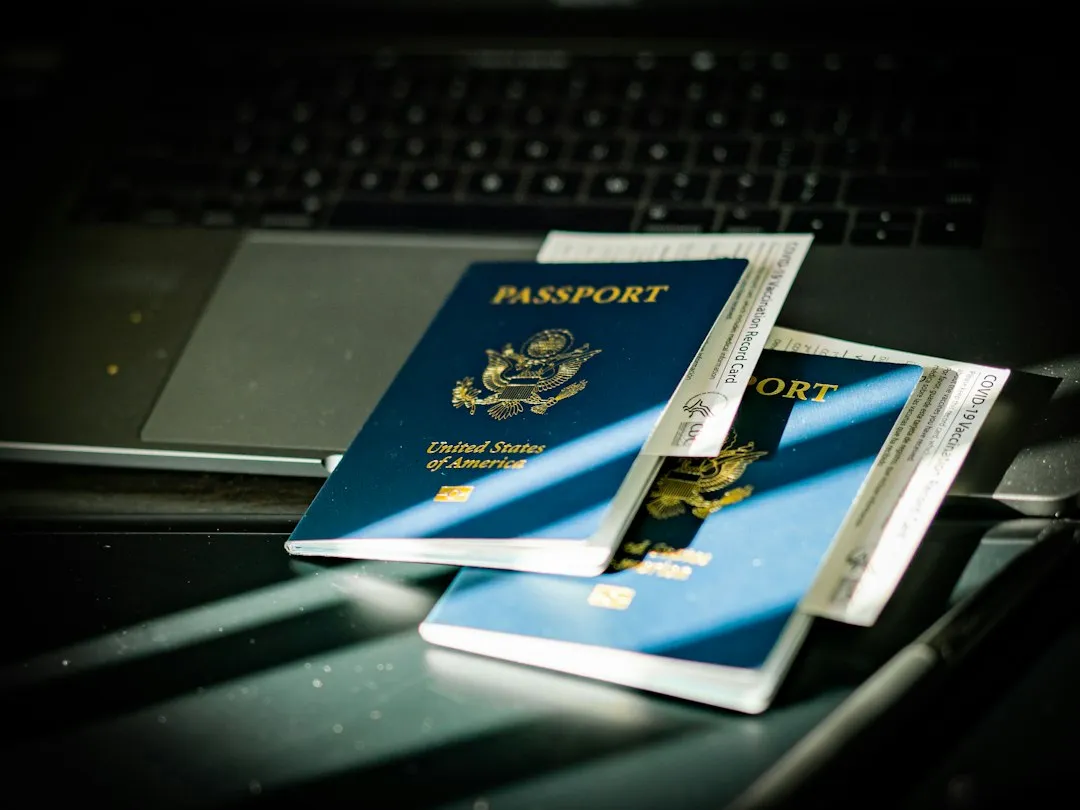
Before diving into each destination, it’s worth understanding the baseline rule. Travel requirements for these places are similar to domestic travel – you only need a government-issued photo ID. That means your REAL ID-compliant driver’s license or state-issued photo ID is enough in most cases.
From May 7, 2025, you must present a REAL ID-compliant identity document to board any domestic flight. Since flights to US territories are treated as domestic, this rule applies to them too. It’s a change that caught some travelers off guard, so double-check that your license has the star marking before you head to the airport.
The important distinction is that not needing a passport does not mean traveling without identification or proof of citizenship. Documents still matter – the requirements just aren’t as involved as an international trip.
Puerto Rico: The Most Accessible Tropical Escape

Puerto Rico is the most visited passport-free destination for Americans. It’s an unincorporated US territory in the Caribbean, so residents are US citizens and the currency is the US dollar. There’s no currency exchange, no customs line, and no second-guessing what your phone plan will cost you.
El Yunque is the only tropical rainforest in the US National Forest System, and the island packs in a remarkable amount of ecological and cultural variety for its size. The island has more than 300 miles of coastline and dozens of public beaches.
Direct flights from Miami, New York, and Orlando take 2.5 to 4 hours, making it a genuinely realistic option for a long weekend. San Juan’s Old Town is a UNESCO World Heritage Site, layering centuries of Spanish colonial architecture onto a Caribbean backdrop that feels unlike anywhere else in the US sphere.
US Virgin Islands: Three Islands, One Great Trip
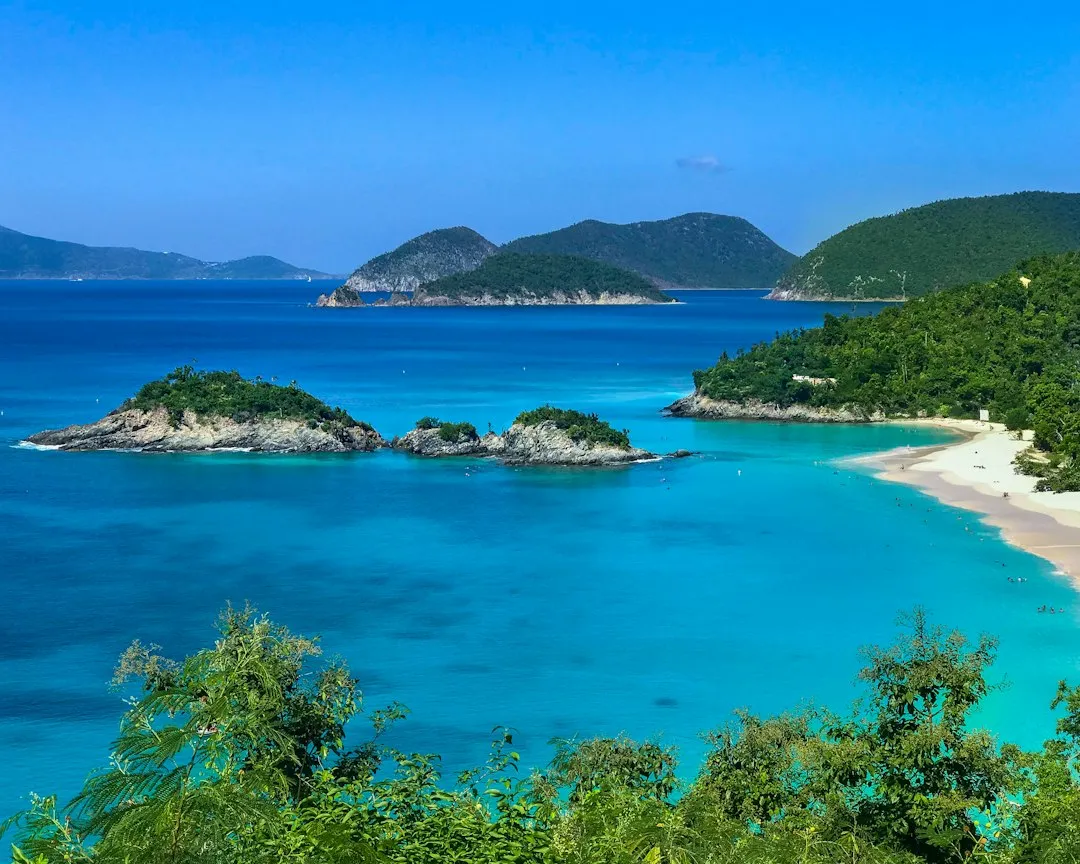
The US Virgin Islands are one of the best Caribbean destinations open to Americans without a passport. The islands of St. Thomas, St. John, and St. Croix are surrounded by some of the most beautiful beaches and healthiest coral reefs in the region.
St. John is largely protected as Virgin Islands National Park, covering about 60% of the island. St. Thomas has the busiest cruise port in the Caribbean and is known for Magens Bay, consistently ranked among the world’s best beaches. St. Croix is the largest of the three and is known for Buck Island Reef National Monument, a protected snorkeling site.
Flights usually connect through San Juan or Miami, with total travel time around 4 to 5 hours from the East Coast. High season runs from December to April, when prices peak alongside mainland winter demand. Traveling in the shoulder season – May or November – can make the whole trip considerably more affordable without sacrificing much in terms of weather.
Guam: A Pacific Destination Unlike Any Other
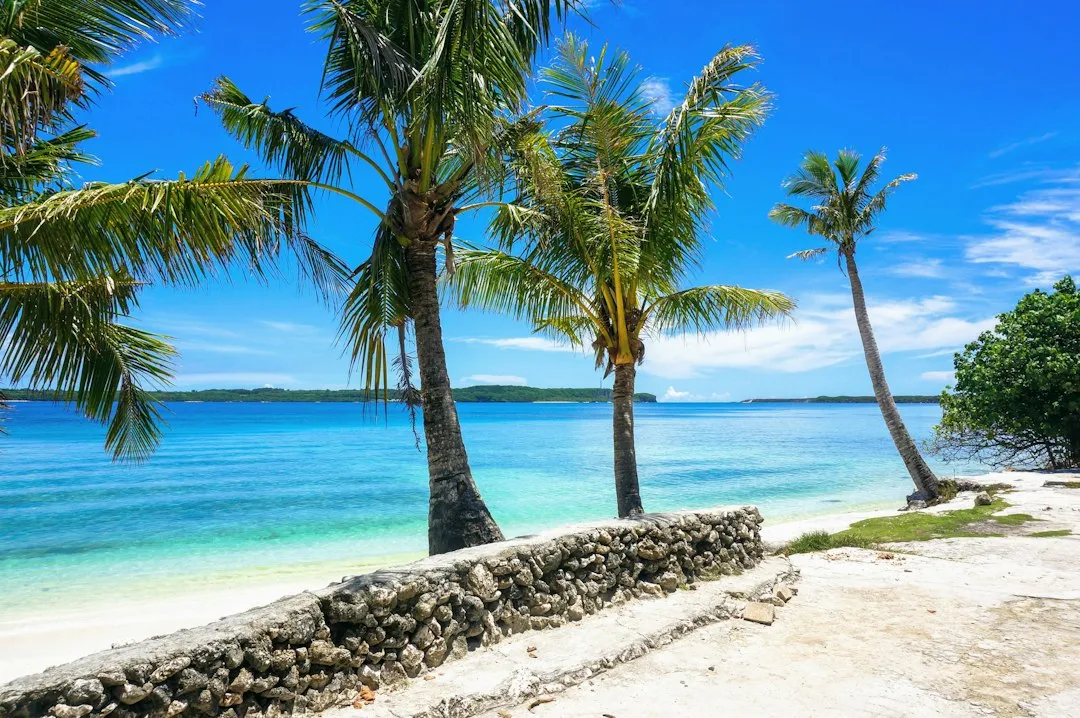
Guam is a US territory in the western Pacific, closer to Japan and the Philippines than to the US mainland. That geography alone tells you something important: this is genuinely far-flung travel, not a quick Caribbean hop. The flight from the mainland is long, but the payoff is real.
Micronesia’s most populous island, more than 6,000 miles southwest of Los Angeles, has all the trappings of paradise: golden sand beaches, swaying palms, cascading waterfalls, and a laid-back culture. It also carries significant World War II history, with memorials and museums that add a layer of meaning to the visit.
Since Guam is a US territory, US citizens are considered domestic travelers and no passport is required – if you connect through Honolulu. You will, however, need a Real ID and an original or certified birth certificate. That routing through Hawaii is an important detail worth building into your planning from the start.
Northern Mariana Islands: The Pacific’s Quieter Corner
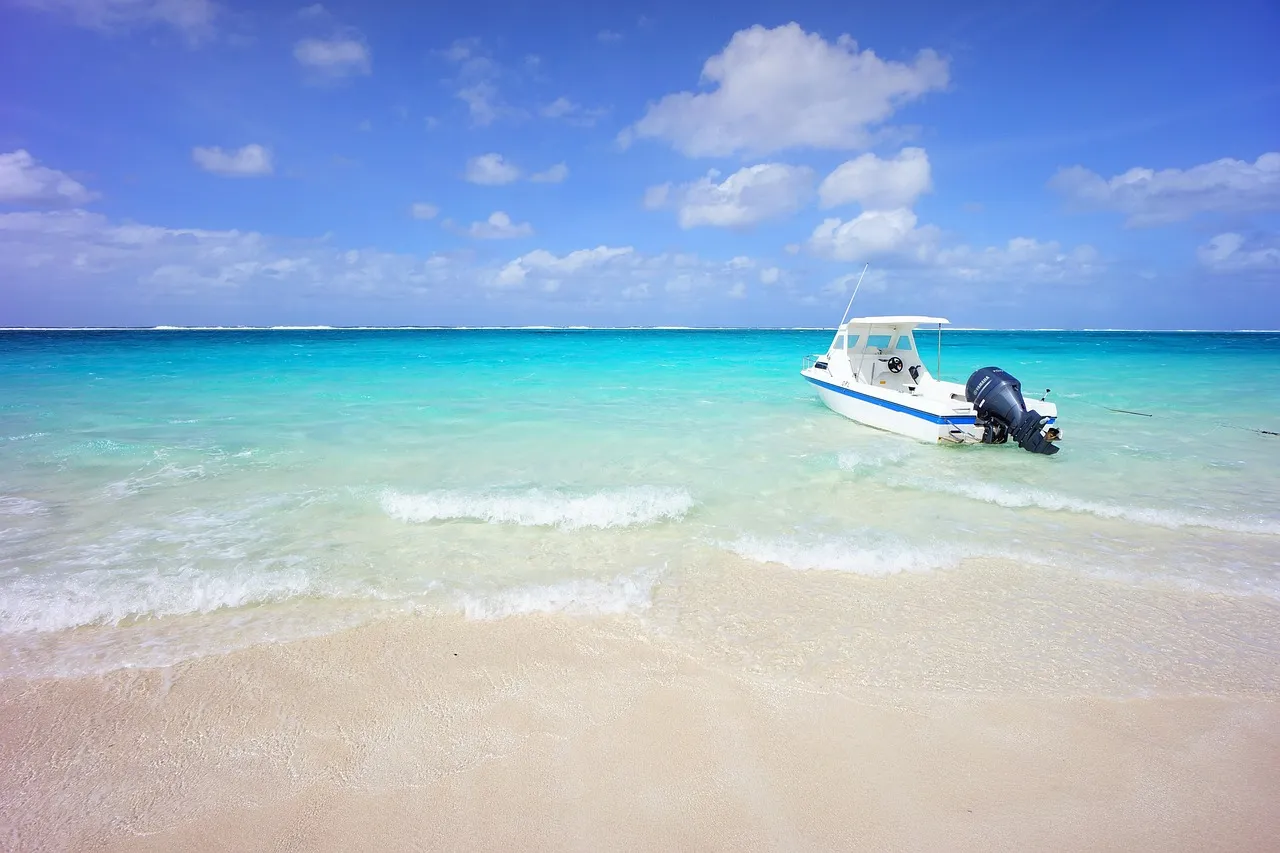
The Northern Mariana Islands are a self-governing commonwealth in association with the United States, which allows US citizens to travel to and from without a passport. These 14 islands are located in the west Pacific. They sit just north of Guam and share some of its geographic personality, though the crowds are far thinner.
These islands, including Saipan, Tinian, and Rota, offer historic sites, underwater reefs, and less crowded beaches. Saipan is the most developed and the easiest to reach, while Rota is often considered a hidden gem for divers who prefer unspoiled reef systems over busy resort beaches.
This is a US territory, so you just need a valid ID card and birth certificate to enter. Guam and the Northern Mariana Islands are additional territories where US citizens can travel without a passport, and these islands offer unique cultural experiences and beautiful scenery, making them attractive travel destinations.
American Samoa: The Special Case

American Samoa is the most complex entry on this list, and it deserves careful attention before you book. American Samoa is the only United States territory that has retained oversight of its own borders, and the Department of Legal Affairs is tasked with protecting its borders and regulating travel to and from the territory.
Because American Samoa maintains sovereign control over its own borders, even US citizens traveling to one of the most remote national parks in America must pass through local border control. Entry requirements dictate that all non-resident travelers present a valid US passport, proof of sufficient funds, and a confirmed return or onward ticket to their place of origin.
In practical terms, this means American Samoa effectively requires a US passport from most mainland visitors, unlike every other territory on this list. A valid US passport, travel document, or a certified birth certificate along with a round-trip ticket is required. Still, for those who do make the journey, the reward is extraordinary: a largely untouched South Pacific landscape with one of the most ecologically rich national parks in the entire US system.
The REAL ID Rule: What Changed in 2025
Starting May 2025, Real ID requirements took effect for domestic air travel, as outlined by the US Department of Homeland Security. This applies to flights to all US territories, since they are treated as domestic routes. If your driver’s license doesn’t have the star marking, it won’t get you through TSA.
According to US Customs and Border Protection, acceptable alternatives can include an Enhanced Driver’s License, currently available only to residents of Michigan, Minnesota, New York, Vermont, and Washington. For everyone else, a REAL ID-compliant license is the practical solution. While a Real ID-compliant driver’s license is needed for domestic flights, it does not replace a passport for international travel.
What About the Cost of Getting a Passport Instead?
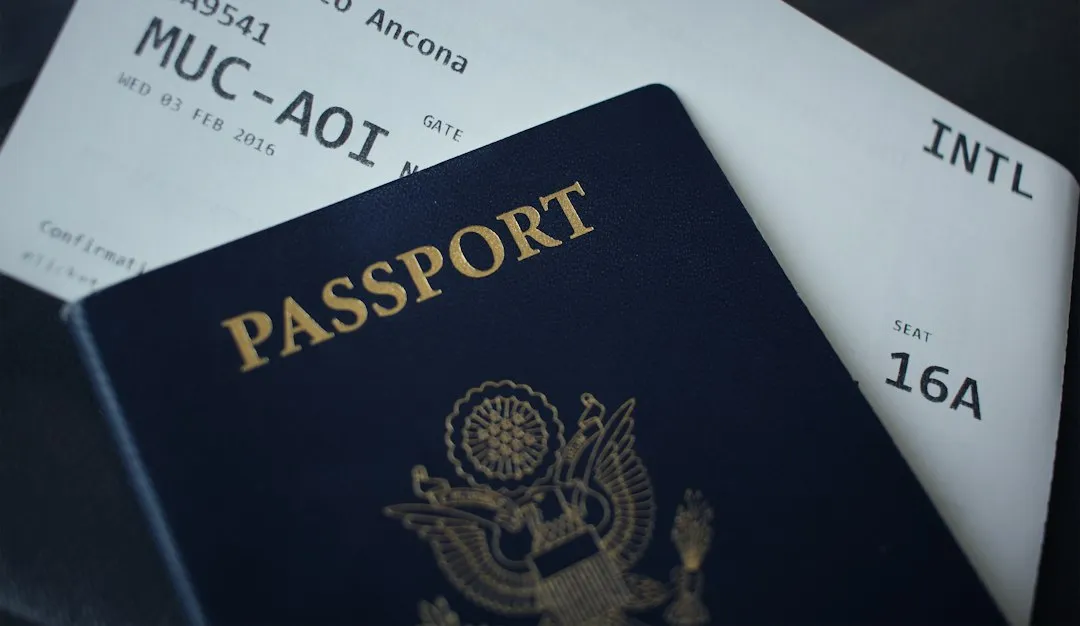
It’s worth knowing why passport-free travel matters practically for so many Americans. The application for a passport book carries a fee of $130, accompanied by an additional $35 acceptance charge. Standard processing usually takes four to six weeks, a timeline that does not include mailing periods, as reported by the US State Department.
Travelers seeking faster processing can pay a $60 fee to expedite the application, but even then, processing times range from three to five weeks. That kind of timeline rules out a lot of spontaneous trips. For families with multiple children or travelers who simply haven’t gotten around to applying, the US territories become genuinely important options.
Why Traveling to a Territory Still Feels Different
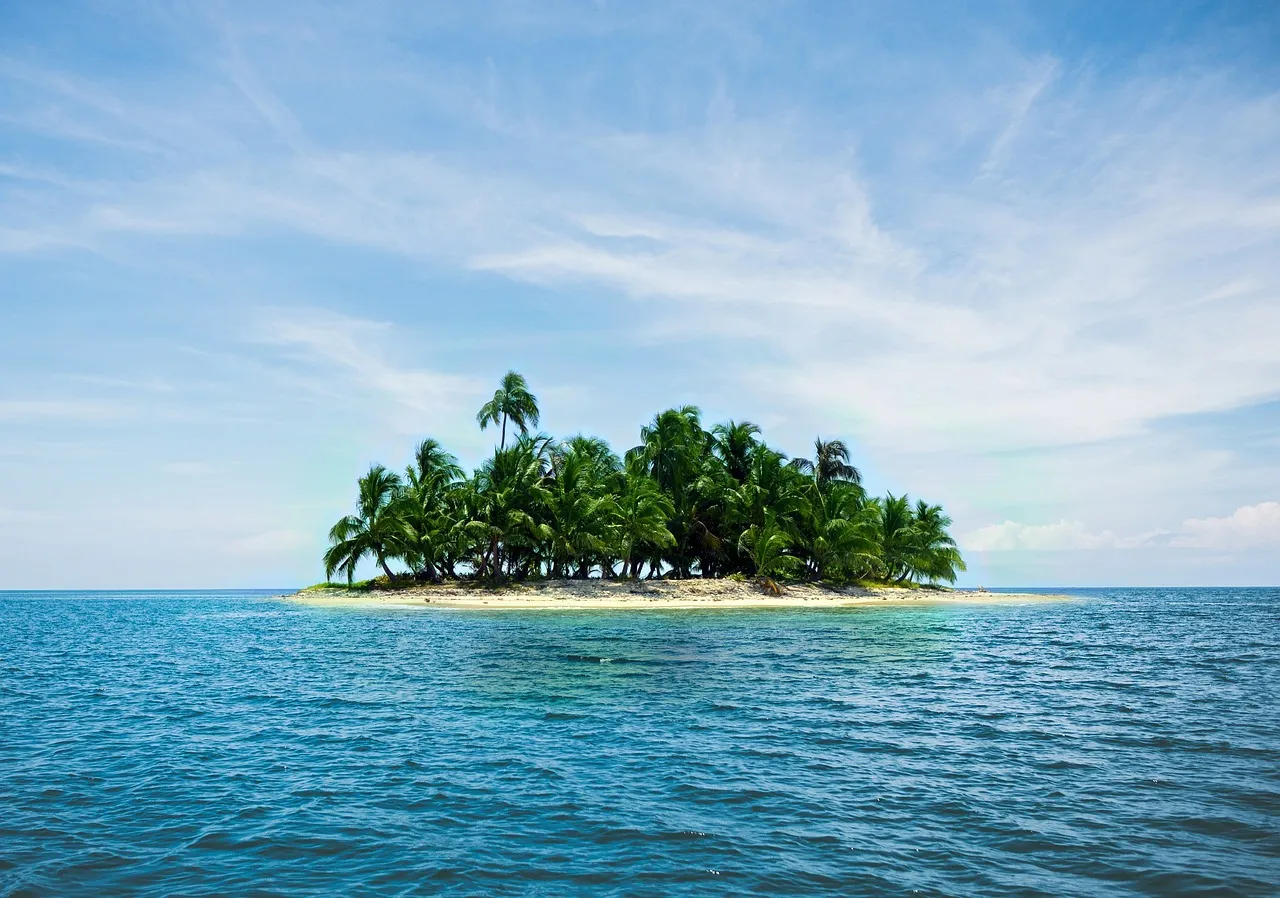
Enjoy international travel vibes, from Caribbean islands to Pacific paradises, without lengthy visa processes. That framing captures something real. These places have their own distinct identities – languages, cuisines, histories, and rhythms that don’t feel anything like the American mainland.
Puerto Rico moves to salsa rhythms and speaks Spanish in daily life. Guam carries a proud Chamorro culture thousands of years old. The Northern Mariana Islands have a layered colonial history spanning Spanish, German, Japanese, and American influence. American Samoa’s islands are known for their stunning natural beauty and rich Polynesian culture, providing a truly unique travel experience.
There’s a difference between passport-free and identical. These territories offer genuine cultural depth, and approaching them with curiosity and respect – not just as convenient tropical stand-ins – makes for a far richer trip.
A Practical Note Before You Book
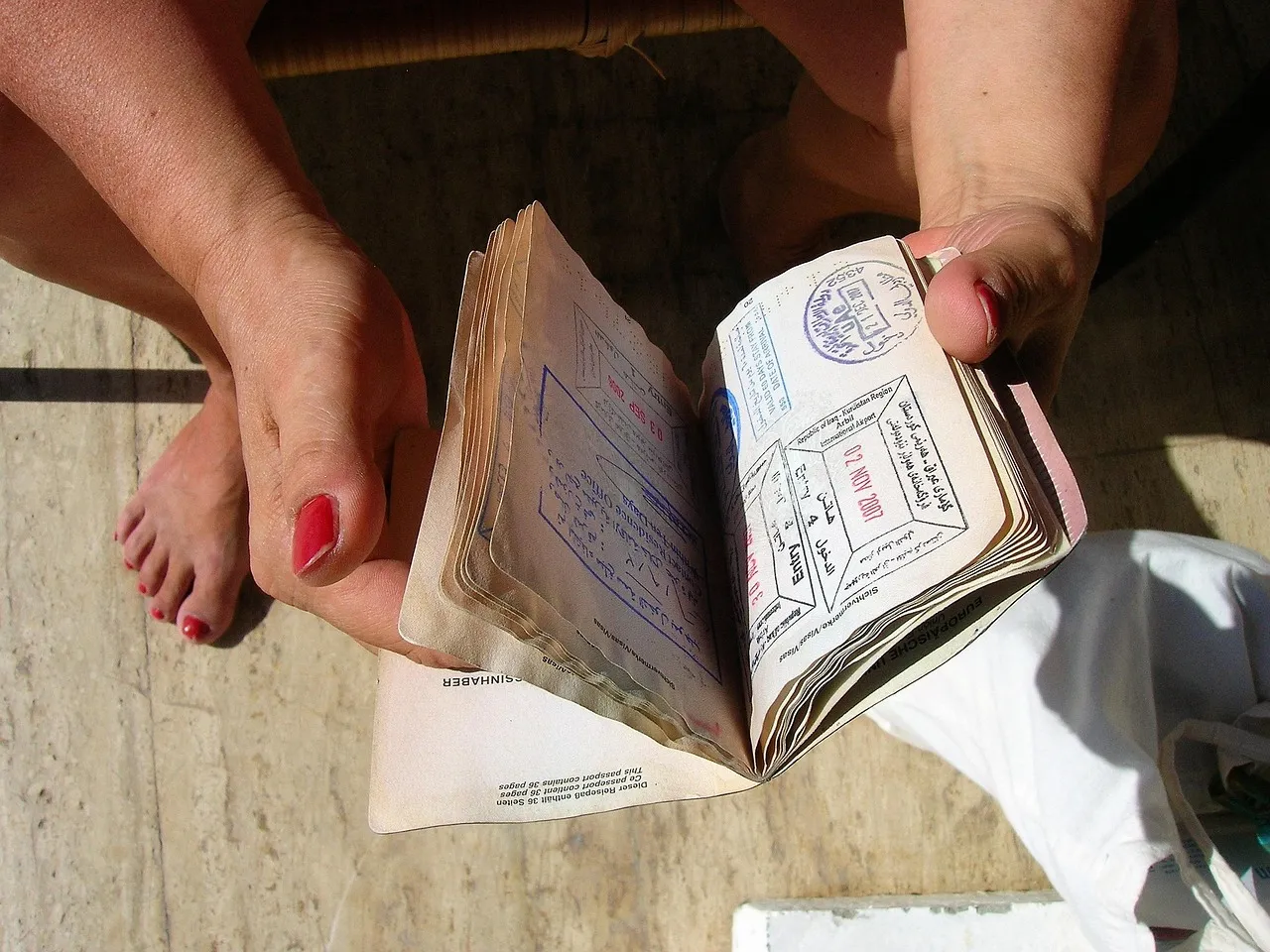
Your destination, route, airline, cruise line, and method of travel determine which documents you must carry. Even for territories that don’t require a passport, specific airlines and cruise operators may have their own documentation policies that go beyond the legal minimum. It’s always worth confirming directly with your carrier before travel day.
Even when a passport is not strictly required, it may be the most useful document to carry. A passport book gives you more options if a cruise or domestic itinerary changes unexpectedly. For travelers who have one available, bringing it along never hurts – especially on longer Pacific routes where a weather delay or mechanical issue might strand you somewhere that does require it.
The Takeaway
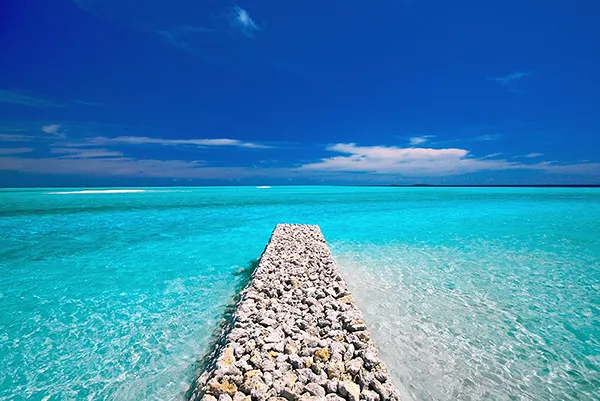
The US territories are one of American travel’s genuinely underappreciated assets. They offer real tropical experiences – diverse ecosystems, living cultures, and stunning coastlines – without the friction of international documentation. For families, spontaneous travelers, or anyone with a passport stuck in processing, they deserve far more consideration than they typically get.
The only territory to approach with extra care is American Samoa, which maintains its own border controls and effectively requires a passport from most mainland visitors. Every other territory on this list – Puerto Rico, the US Virgin Islands, Guam, and the Northern Mariana Islands – is accessible with a REAL ID-compliant license and, in some cases, a certified birth certificate. Plan ahead, check your ID, and the Pacific or Caribbean could be closer than you think.
AI Disclaimer: This article was created with the assistance of AI tools and reviewed by a human editor.