
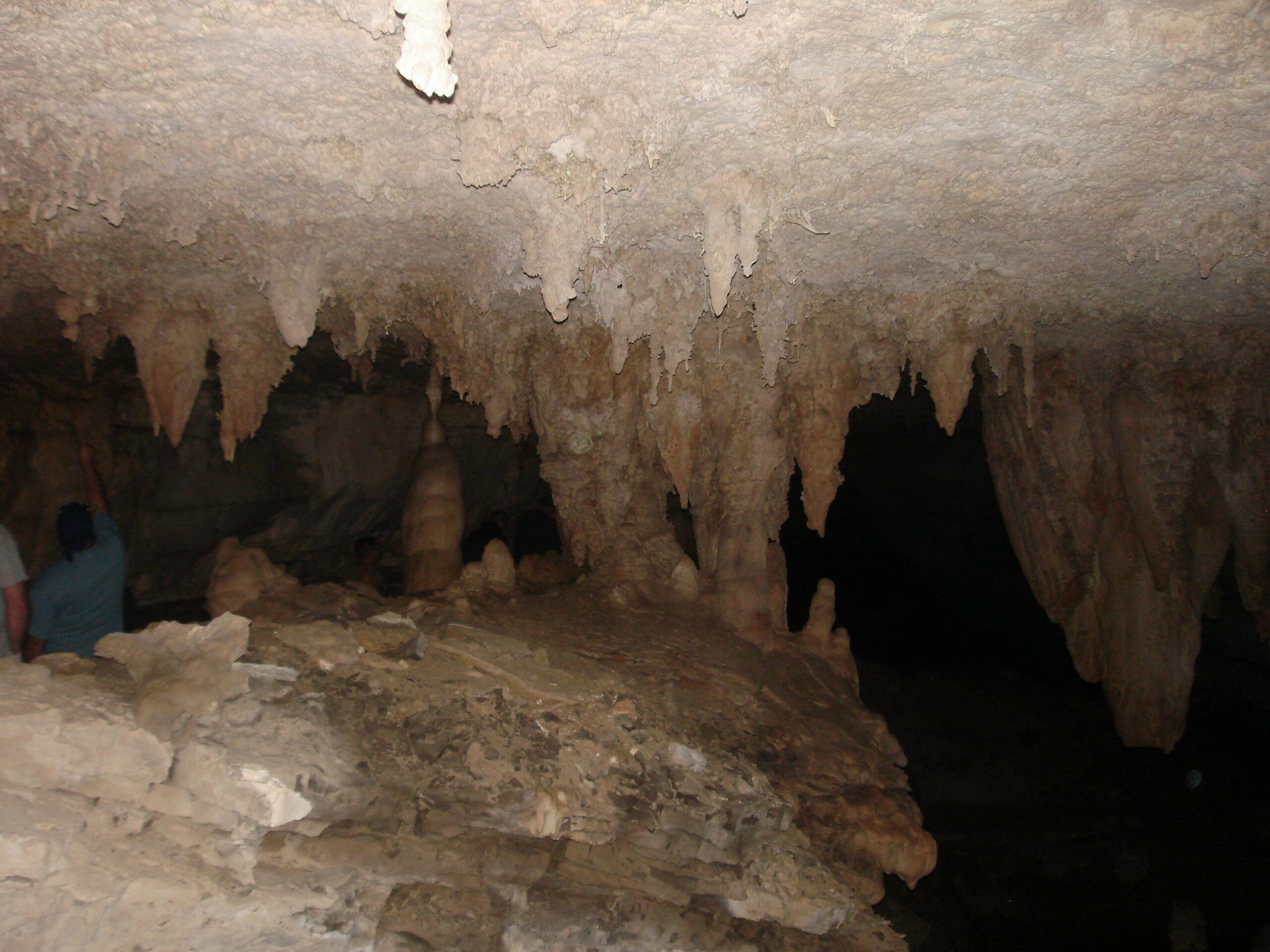

There’s a point, somewhere deep beneath the rolling hills of south-central Kentucky, where you lose all sense of the sky. No sound of wind, no signal, no daylight. Just stone, silence, and the knowledge that the passages stretching ahead of you could go on for hundreds of miles more. It’s a strange feeling for a cave visit – and it’s exactly the kind of scale that Mammoth Cave deals in.
Most people drive past Kentucky without a second thought, but beneath its limestone ridges lies something genuinely extraordinary. The numbers alone are hard to absorb, and the deeper you look, the more remarkable this place becomes.
A Record That Has No Real Rival
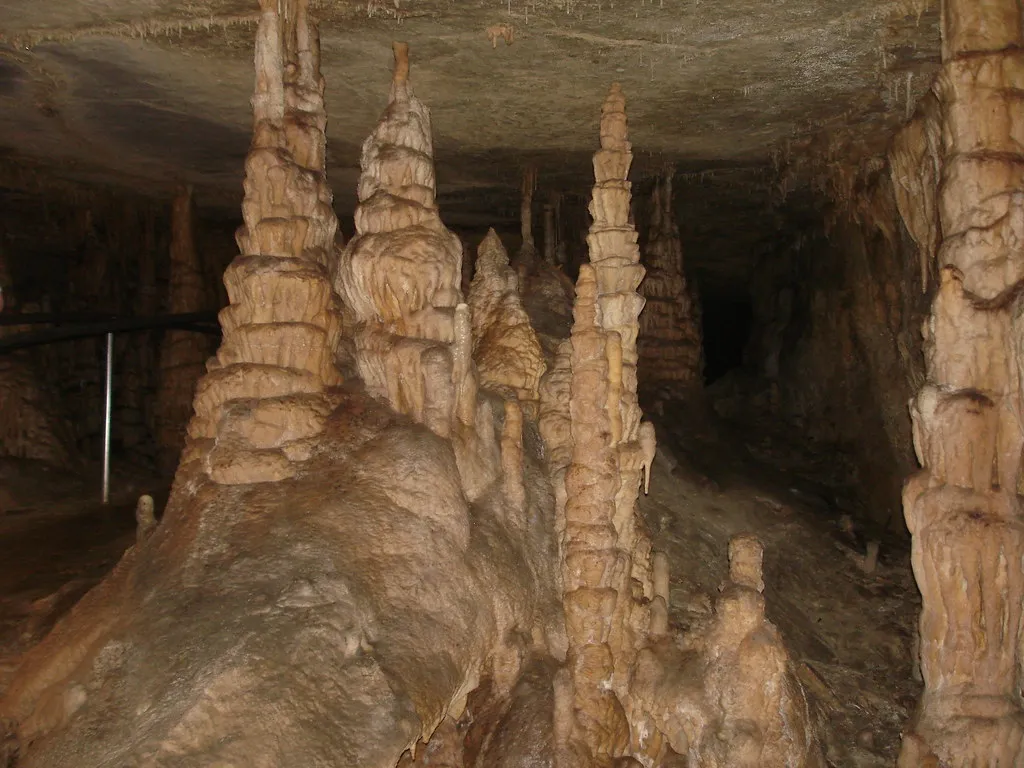
Mammoth Cave encompasses the longest known cave system in the world. As of 2025, more than 426 miles (686 km) of passageways had been surveyed – over one and a half times longer than the second-longest cave system, Mexico’s Ox Bel Ha underwater cave. That gap is not close. It’s not even a competition.
Survey teams kept pushing into new passages for five decades, and in September 2022 the park announced six newly mapped miles, bringing the official length to 426 miles. No other known cave on Earth comes close. What makes this even more striking is how much may still be out there, undiscovered.
The Mountain of Miles Yet to Come
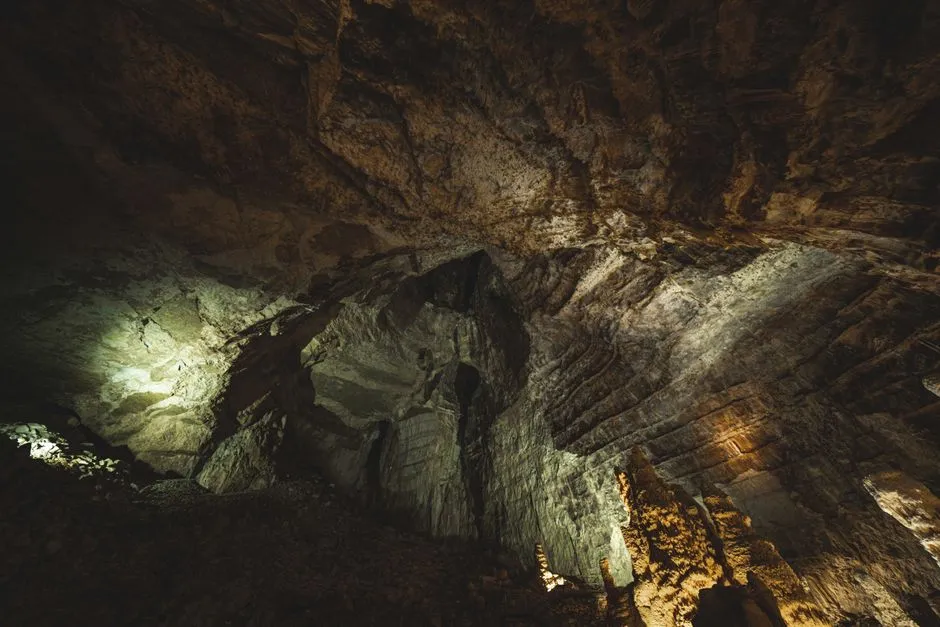
Park officials estimate there may be another 600 miles of cave passageways that have yet to be explored. In addition, more than 200 caves exist in the park that are disconnected from the larger system. That means what has been mapped so far could represent less than half of the full picture.
The cave is 118 metres (379 feet) deep, with five levels of passages. Mappers believe there are many more miles left to be explored. For a natural feature that humans have been exploring for centuries, that’s a humbling thought.
How Limestone and Water Built a Labyrinth
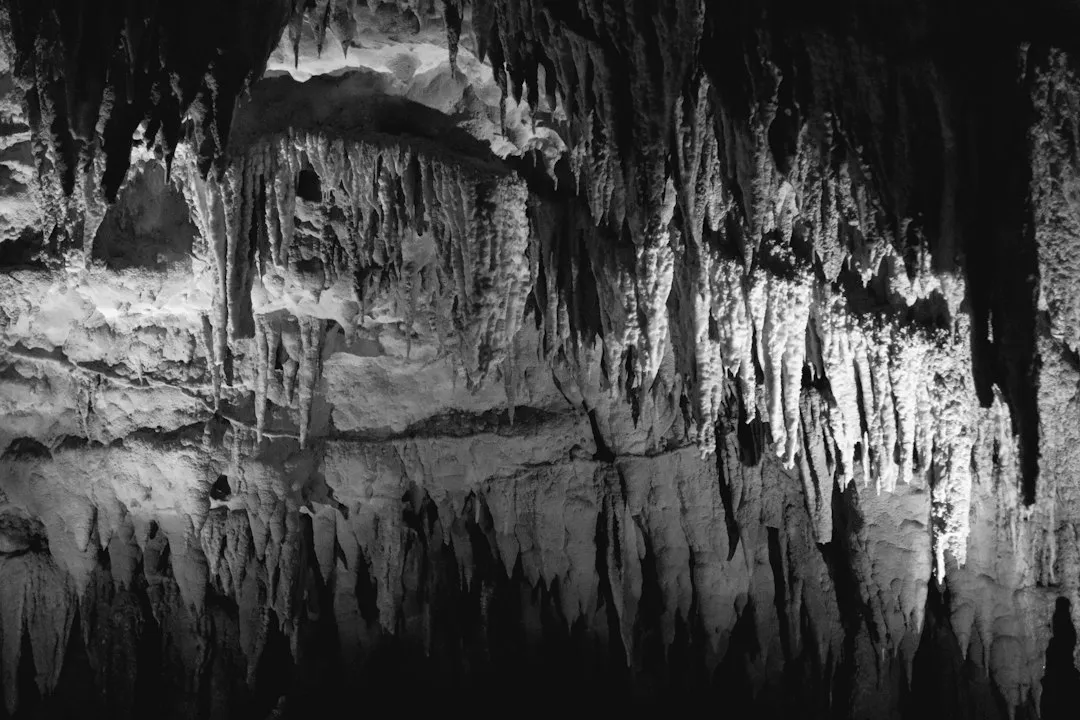
The caves were created naturally by the process of limestone erosion, known as “karst topography.” Rain and rivers slowly dissolve and shape soft limestone, which creates the vast underground network. It’s a slow, patient process – measured in geological time rather than human lifetimes.
In Mammoth Cave, the passages closest to the surface formed about 2 million years ago when the ice age stalled the progression. The water continued to seep farther down, creating the lower levels of the cave. The first four levels are fossil levels, while the lowest level is more than 300 feet below the surface and called the modern river level.
Native Americans Were the First Explorers
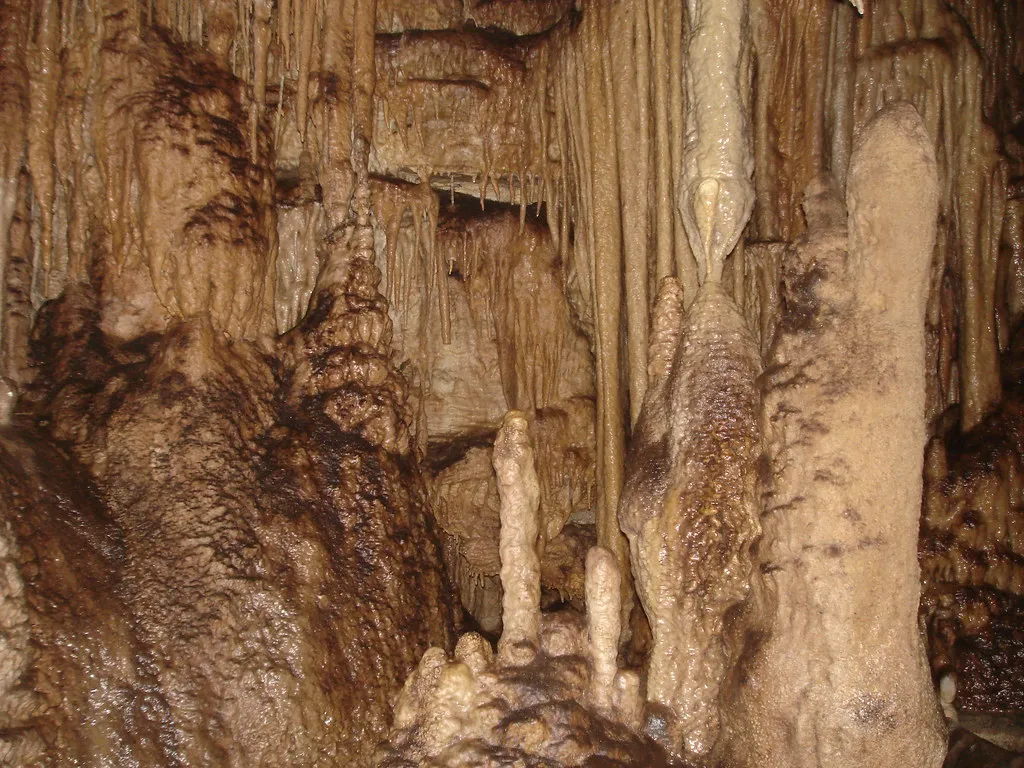
Humans have known about Mammoth Cave since at least 5000 to 2000 B.C., when Native Americans became its first explorers. They mined about 16 miles of the cave for minerals – such as epsomite, gypsum, mirabilite, and selenite – and left behind artifacts, such as torches made out of cane reeds.
The caves act as a time capsule that preserve over 5,000 years of human history. Thanks to the cave system’s atmosphere and natural protection from any kind of human disturbance, the archaeological sites have been left in great shape. Several sets of Native American remains have been recovered, providing fascinating evidence of pre-Columbian funerary practices.
The 1972 Breakthrough That Changed Everything
The connection between the Mammoth Cave system and the Flint Ridge system was discovered on September 9, 1972 by CRF cavers who traveled underground for over fourteen hours. This connection would bring the total mileage of the Mammoth Cave system to 144 miles. That single underground journey rewrote the record books overnight.
Since then, additional CRF surveys have added mileage to the Mammoth Cave system, including the discovery of connections between it and smaller caves, such as Proctor Cave, Roppel Cave, and Morrison Cave, according to the NPS. Each connection expanded what was once thought to be a series of separate, unrelated systems.
The Volunteers Who Map the Dark
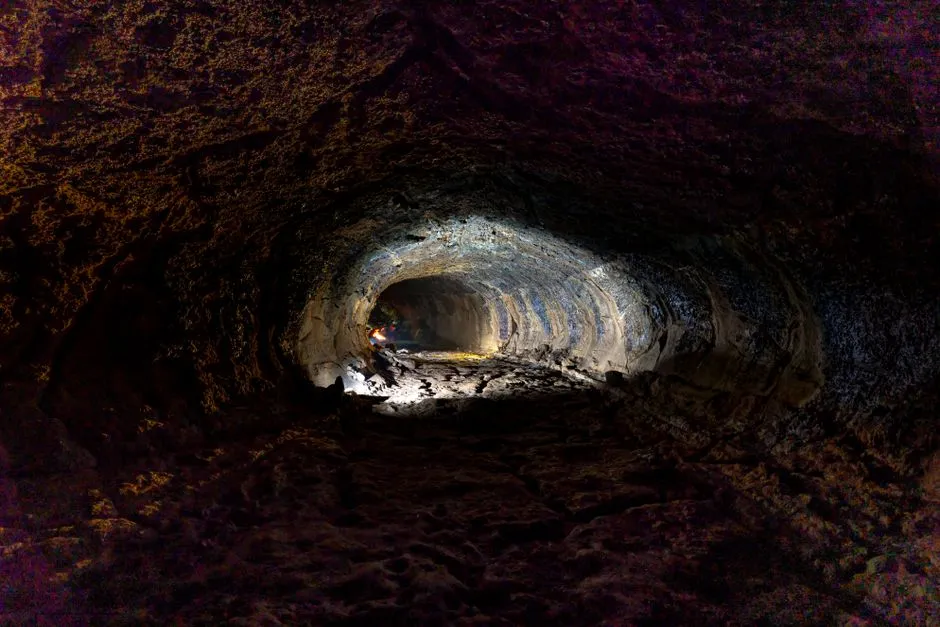
The Cave Research Foundation (CRF) is a local, non-profit group founded in 1957. Members of the CRF spend hours crawling, climbing, and rappelling through cave passageways, following leads through sometimes very tight openings to document and map Mammoth Cave. Comprised exclusively of volunteers, the group has assisted the park with cave survey work for over 60 years and has provided thousands of hours of volunteer work.
Without CRF exploration and mapping, Mammoth Cave would potentially still be a 44-mile-long cave system. The scale of what volunteers have contributed here is genuinely difficult to overstate – they turned a regional attraction into a world record.
Life in Permanent Darkness
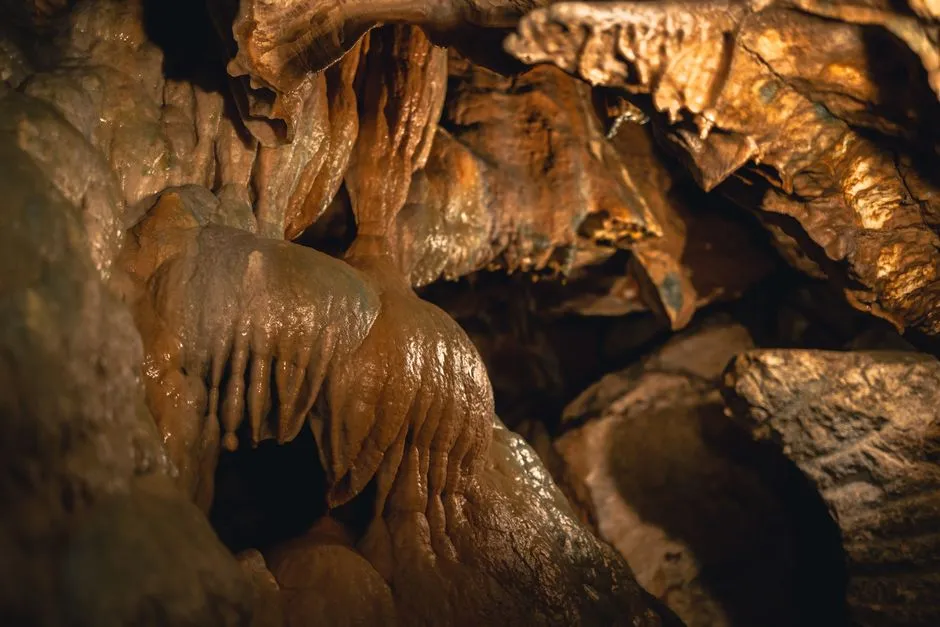
Mammoth Cave is home to a variety of animals known as troglobites – wildlife species that are specially adapted to live in a cave environment. These residents include eyeless fish, cave salamanders, and an endangered albino cave shrimp. These creatures have evolved over immense stretches of time in conditions most animals would find impossible.
Below ground live some 160 species, ranging from cave crickets to pale, eyeless fish, to translucent crayfish, to salamanders. Home to over 130 species of wildlife and almost every type of cave formation, it’s also the world’s most diverse series of caverns. The biological richness here rivals anything found in above-ground ecosystems.
UNESCO Recognition and Global Standing
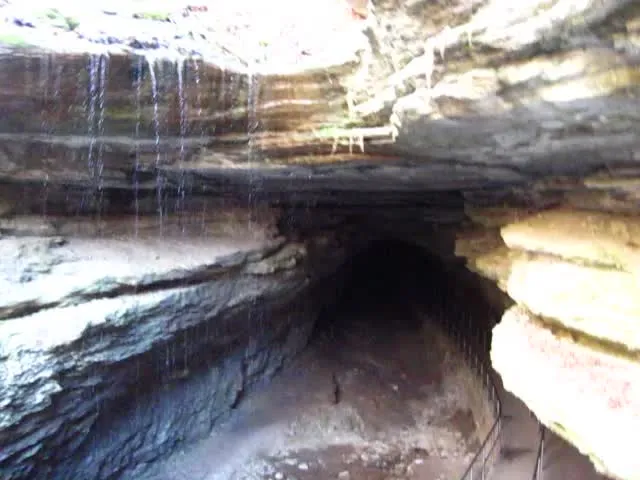
Mammoth Cave National Park was named a World Heritage Site on October 27, 1981; an international Biosphere Reserve on September 26, 1990; and an International Dark Sky Park on October 28, 2021. Few places on Earth carry all three of those designations at once.
Not only is Mammoth Cave a national treasure, acknowledged by its designation as a National Park, but it’s also been recognized internationally as the longest, most biologically diverse cave system in the world. As such, Mammoth Cave has been named a UNESCO World Heritage Site and Biosphere Reserve. These designations help protect and preserve the rich geologic and biologic diversity housed within Mammoth Cave for generations to come.
What Visitors Can Actually Experience
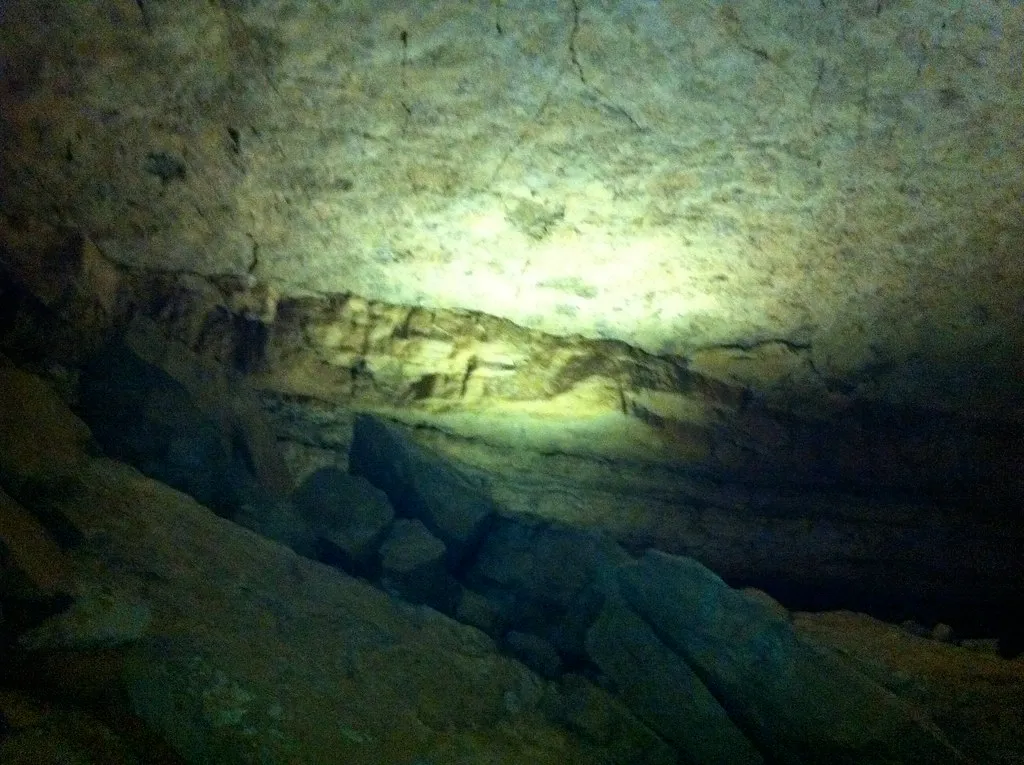
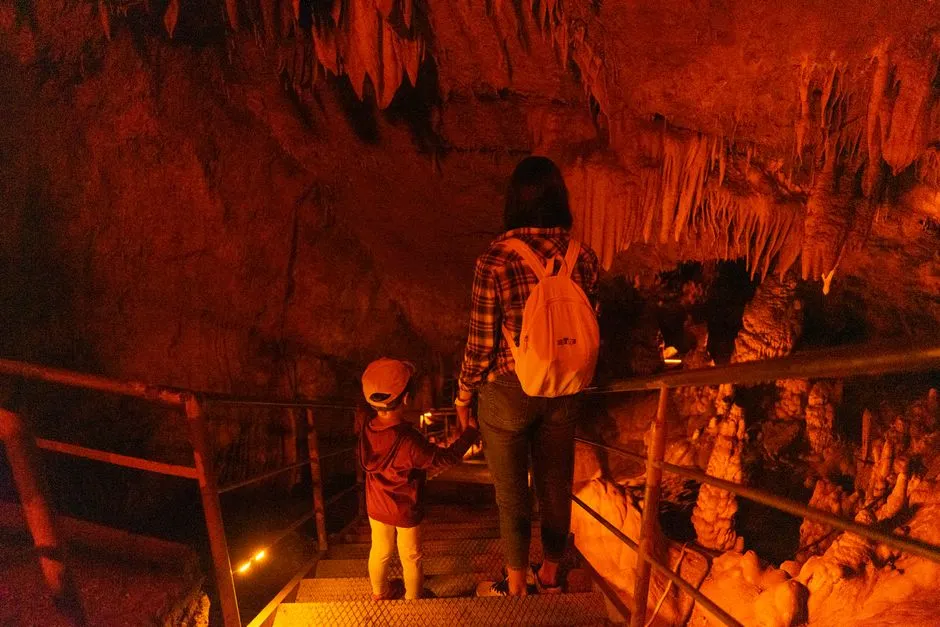
The park currently offers 18 very popular cave tours. Tours range from the easy, 2-hour Accessible Tour to the strenuous 6-hour Wild Cave Tour, where you get down and crawl through holes and squeeze between narrow passageway openings with names like “Fat Man’s Misery.” There’s a tour for almost every comfort level, which is part of what keeps visitors coming back.
Cave temperature is consistently 54°F (12°C) year-round. Tours have been fascinating visitors since they began in 1816. That makes Mammoth Cave one of the oldest continuously operating tourist attractions in the entire country – a fact that tends to surprise people.
Kentucky: The Unlikely Cave Capital of the World
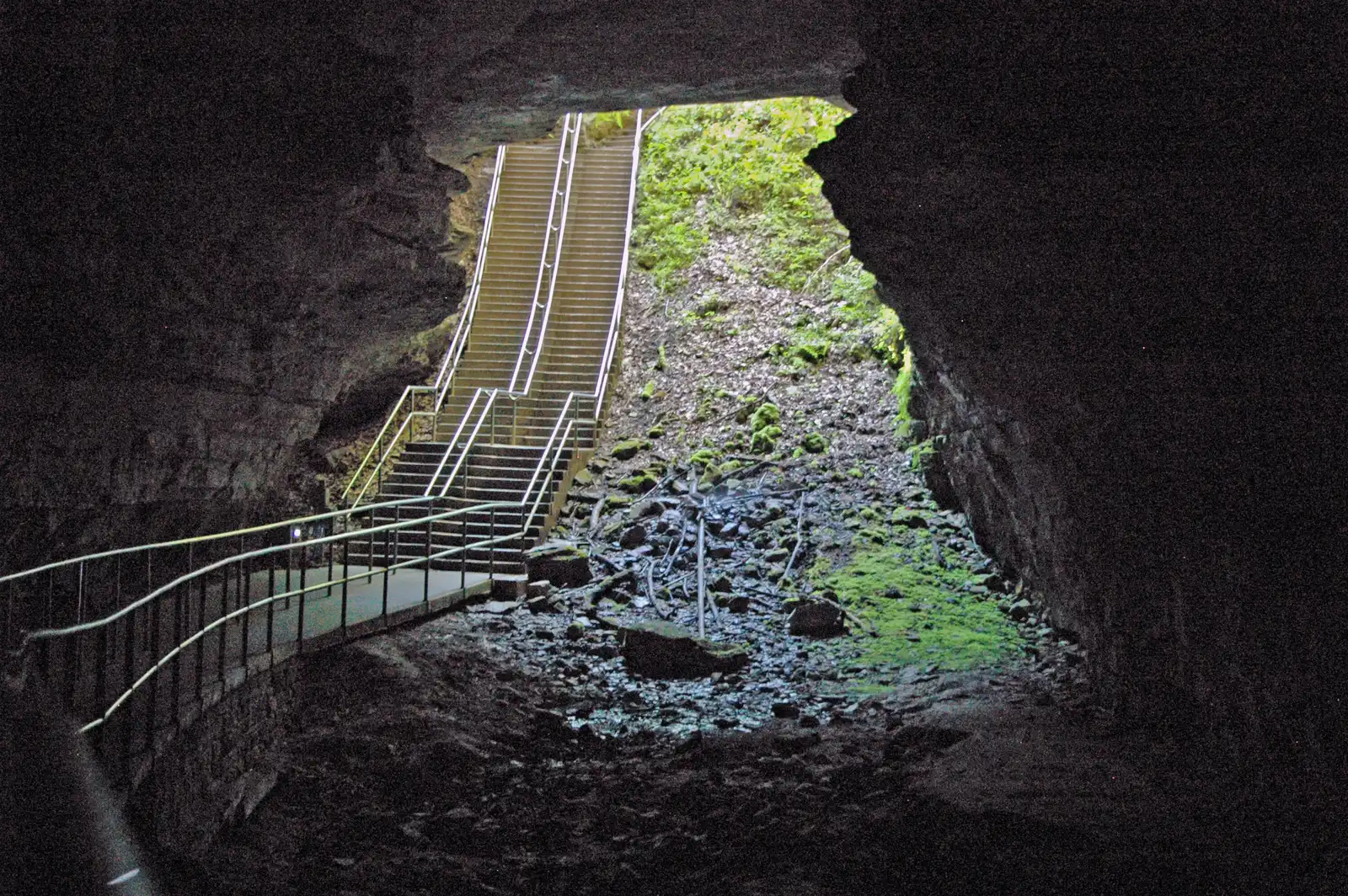
The highest concentrations of long caves in the world are found in the Pennyroyal Plateau of southern Kentucky, United States, in the Black Hills of South Dakota, and in the Yucatán Peninsula, Mexico. Kentucky’s geology, more than anywhere else, seems purpose-built for caves.
For all its magnitude, it should be remembered that Mammoth Cave is only one of many large caves in Kentucky. Kentucky is home to another 14 of the longest caves in the world. Mammoth Cave National Park alone covers 52,007 acres, with 747,042 visitors recorded in 2024. The cave draws people from around the globe, and yet it still feels like something the rest of the world hasn’t fully discovered.
A Wonder That Keeps Growing
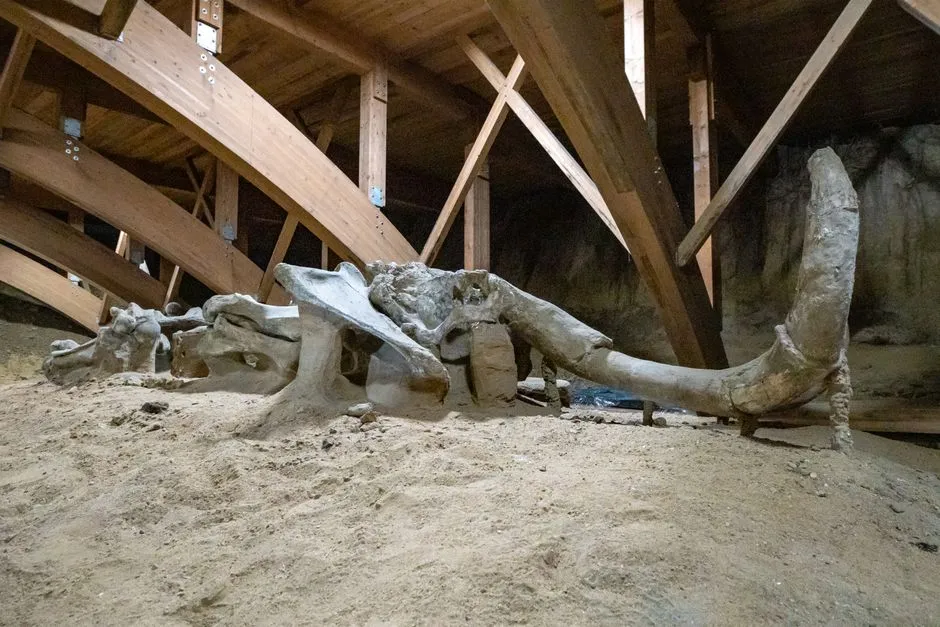
There’s something quietly remarkable about a natural wonder that literally gets longer over time. Not because it’s changing, but because we keep finding more of what was always there. Surveyors have mapped more than 426 miles of passages beneath Mammoth Cave National Park, and the explorers who keep pushing into the dark like to say there is no end in sight.
Mammoth Cave doesn’t ask you to be impressed. It simply exists, patient and vast, beneath a landscape that gives almost nothing away from the surface. The hills of Kentucky look ordinary enough. What lies underneath is anything but.
AI Disclaimer: This article was created with the assistance of AI tools and reviewed by a human editor.