


Pull up Google Maps anywhere in Europe, South America, or Asia and the distances roll by in neat, decimal-friendly kilometers. Do the same in the United States and you get miles, every time, without exception. It’s one of those small but persistent reminders that the US operates on a different measurement frequency from the rest of the world, and the reasons for that gap run deeper than simple stubbornness.
The full story involves colonial inheritance, failed legislation, infrastructure economics, and a surprisingly stubborn streak of public sentiment. It’s worth understanding, because this isn’t just a quirk of road signs.
It Starts with the British

The United States uses miles instead of kilometers due to its historical ties to the British Imperial system of measurements, a practice that dates back to the colonial period when it adopted the British system as its own. There was nothing unusual about this at the time. Every colony of the British Empire measured distance in feet, yards, and miles, and those were the units written into land deeds, legal contracts, and maps.
The reliance on the mile was a direct byproduct of English common law and colonial administration. Every land deed, boundary line, and nautical chart produced before 1776 utilized the British units of inches, feet, and miles. When the United States declared independence, it inherited a fully functioning measurement infrastructure. Discarding it overnight wasn’t a realistic option for a young country with more pressing concerns.
France Went Metric – America Didn’t
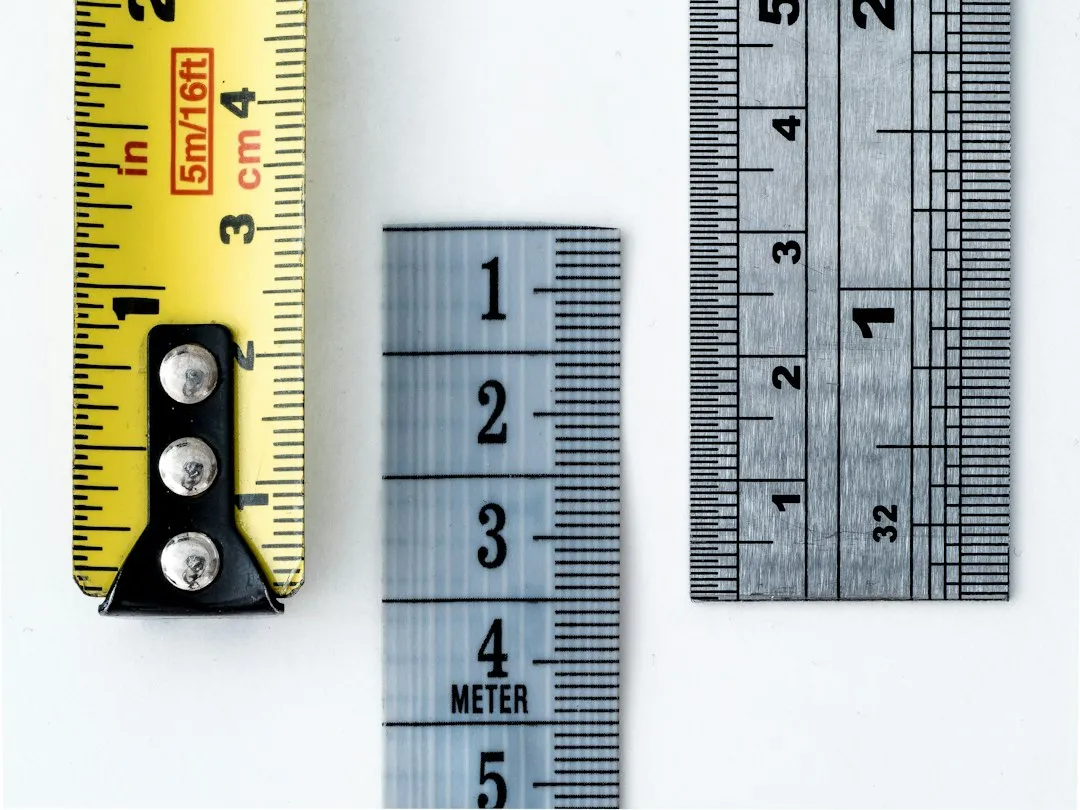
France introduced the metric system after the French Revolution during the late 1700s. It was based on scientific standards such as the meter and kilogram. During the 19th and 20th centuries, most countries adopted this simpler international system. The United States watched this global shift happen and largely passed on joining it, at least for everyday public life.
Thomas Jefferson actually proposed a decimal-based measurement system in the early republic. He proposed dividing America’s coins into tenths, hundredths, and thousandths, making him something of the father of American metrication. Congress approved his plan, and the United States became the first country in the world to adopt a decimal currency. The spirit of decimalization applied to money but never fully crossed over to distance and speed.
Metric Was Actually Made Legal in 1866
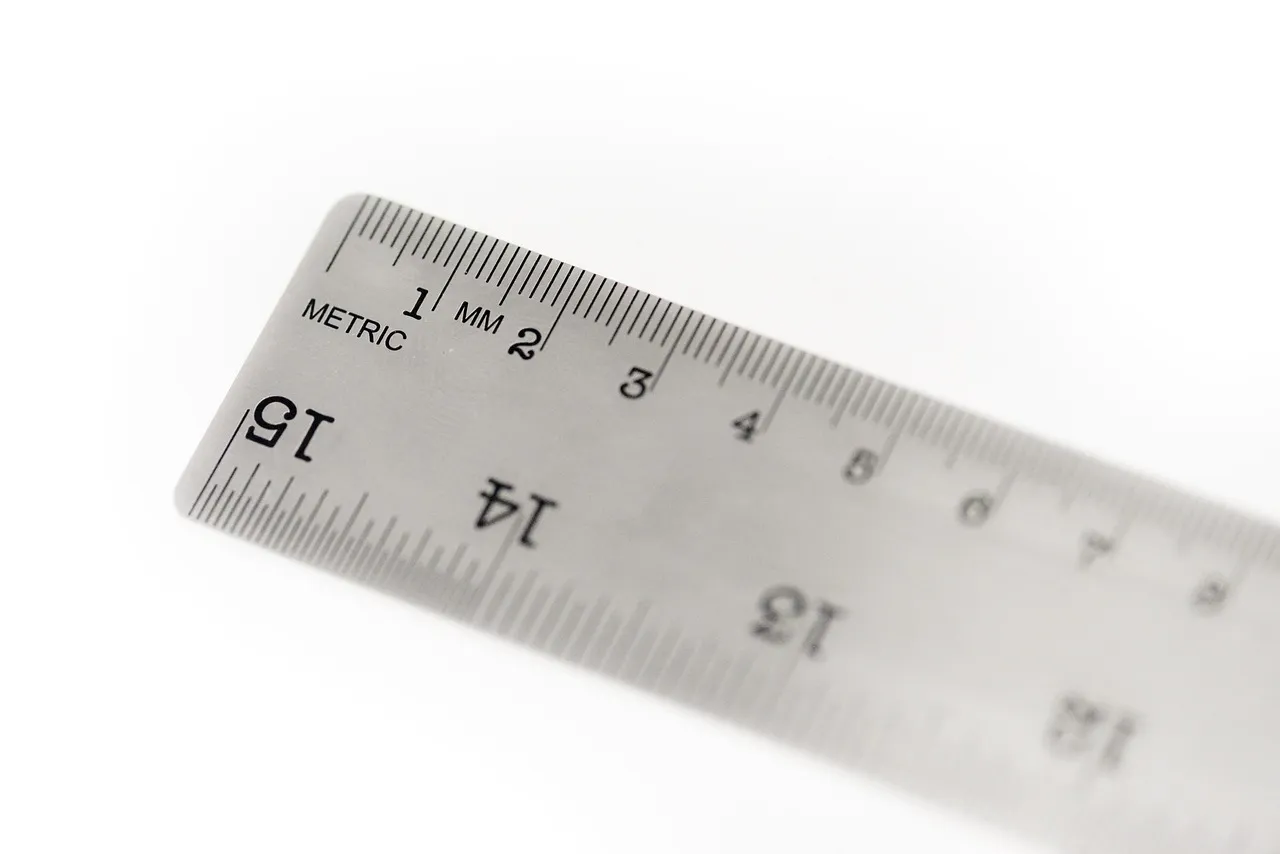
It’s been legal to use the metric system in the United States since 1866, according to Elizabeth Benham, program leader of the federal metric program at the National Institute of Standards and Technology, the federal agency in charge of standard weights and measures. That fact surprises most Americans. The country didn’t reject the metric system outright – it simply never required anyone to use it.
In July 1866, Congress passed legislation making it legal to use the metric system in US trade and commerce. In 1875, the United States was one of the 17 countries that signed the Treaty of the Meter. These were genuine steps forward, but legal permission and actual adoption are very different things. Without any mandate, daily life stayed firmly rooted in miles and inches.
The Metric Conversion Act of 1975: A Well-Meaning Near Miss
The Metric Conversion Act is an Act of Congress that President Gerald Ford signed into law on December 23, 1975. It declared the metric system “the preferred system of weights and measures for United States trade and commerce,” but permitted the use of United States customary units in all activities. All conversion was to be “completely voluntary.”
The critical word buried in the legislation was “voluntary.” No industry was required to switch. No deadline was set. No penalties existed for non-compliance. That combination proved fatal to the effort. Public resistance and the Board’s lack of authority stalled the effort, and it was abolished in 1982.
America’s One Metric Highway
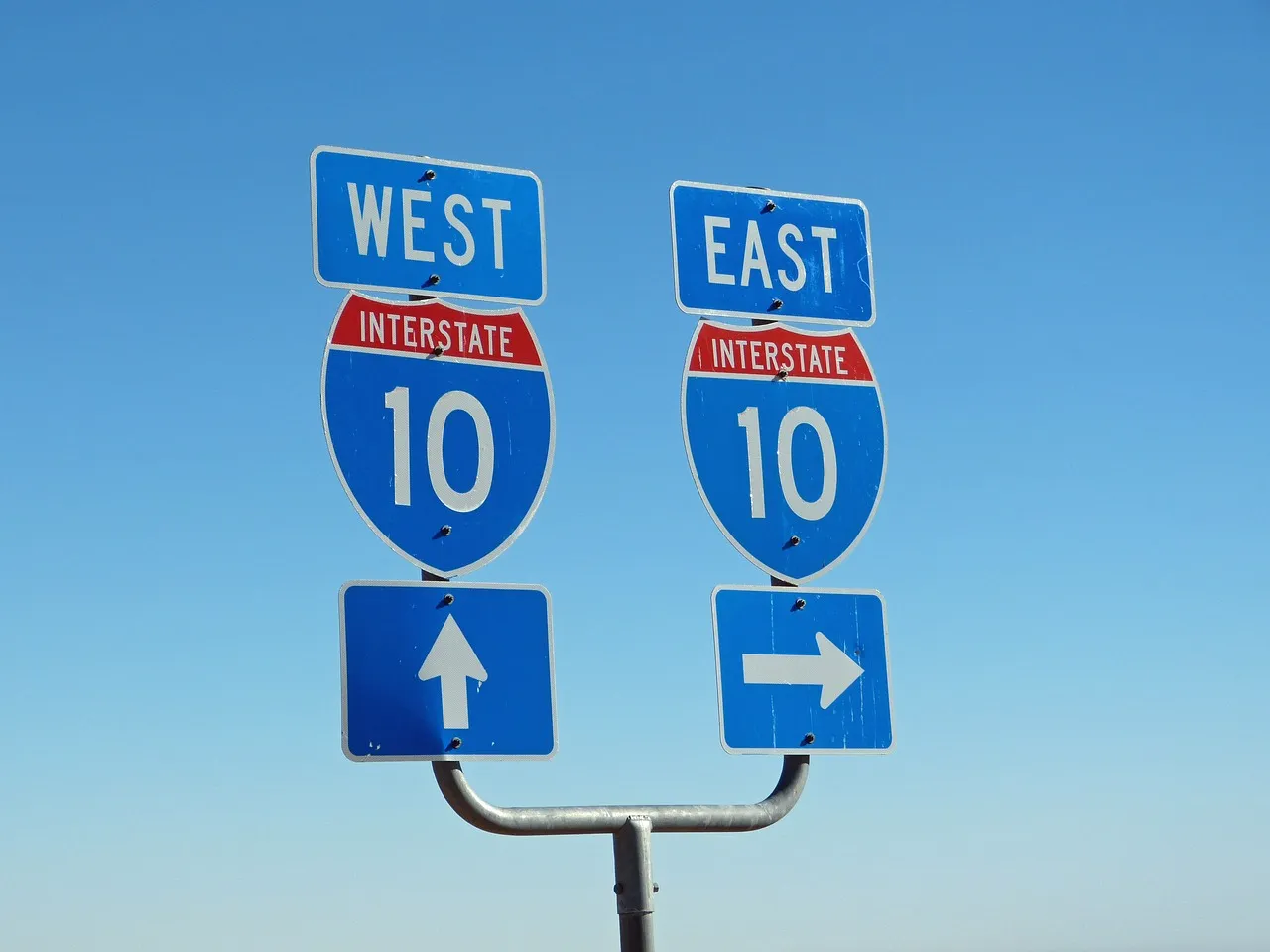
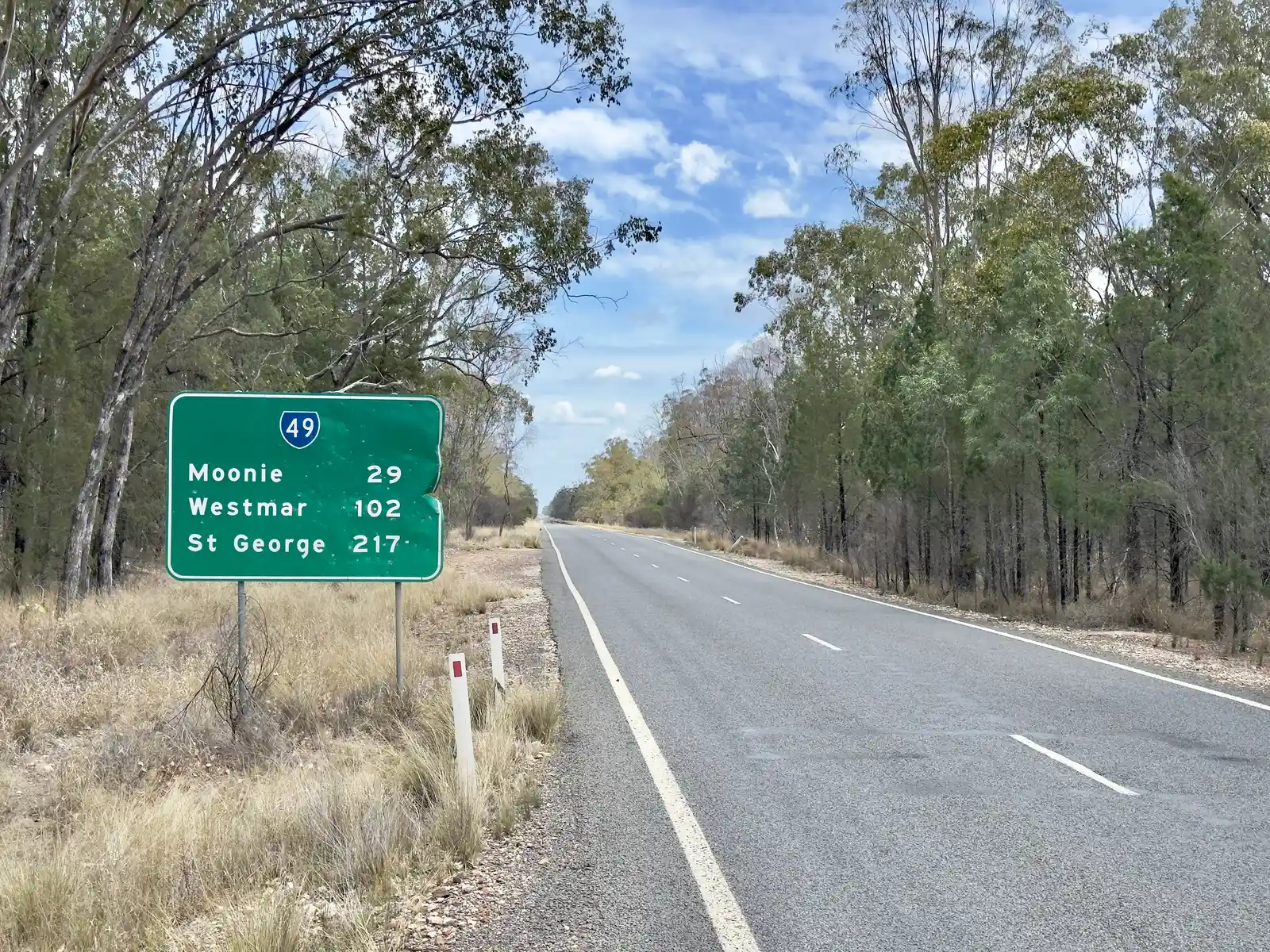
America began testing road signs in kilometers under President Jimmy Carter, who supported efforts to go metric. Interstate 19, which connects Tucson, Arizona, to Mexico, was one of them and today remains the only highway in America with distances posted solely in kilometers. It’s a small but genuine historical artifact of what could have been.
Though federal officials attempted to turn that new interstate in Arizona into a metric poster child in the wake of the Metric Conversion Act, even giving it kilometer markers instead of mileposts, transportation officials never extended metric-only signage to the remainder of the federal highway system. Interstate 19 remains a curiosity rather than a precedent, a road that accidentally became a living experiment in what American metrication might have looked like.
The Interstate System Locked Miles In
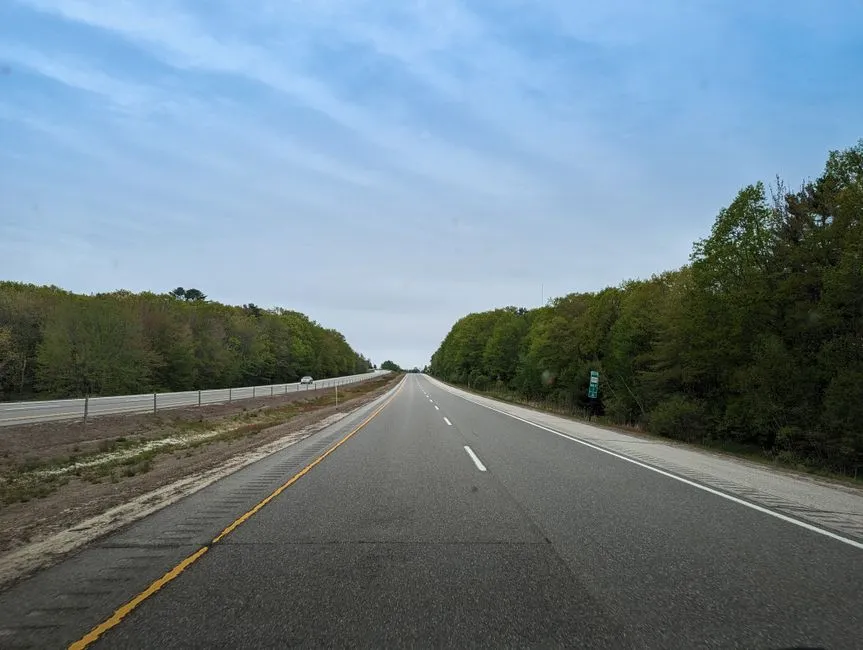
The vast scale of the Interstate Highway System represents one of the greatest engineering feats in human history. Completed largely during the mid-20th century, this network was designed entirely around the statute mile. Unlike many other countries, the US cemented its infrastructure before global standardization became a priority. Every exit, bridge height, and distance calculation is baked into the very concrete of the nation.
Road signs, highways, maps, speedometers, and legal documents were already based on miles. By the time global pressure to go metric peaked in the 1970s, the country had already built tens of thousands of miles of roads calibrated entirely to the imperial system. Changing the signage was only the visible part of a much larger and more expensive problem.
The Real Price Tag of Switching

The number of Canadian signs converted during Canada’s metric transition was a fraction of the Federal Highway Administration’s estimate that roughly 6 million signs on the nation’s state and local roads would need to be changed. Using Canada’s cost data, the United States conversion could cost around $334 million.
No comprehensive national estimate of the costs to convert US highway signs to metric units has been developed, and most states have not developed anything beyond very preliminary estimates. One exception, Alabama, developed an average conversion cost of about $70 per sign in February 1995. If Alabama’s estimate is accurate, the cost of converting the approximately 6 million signs on the nation’s state and local roads could amount to about $420 million. That figure, adjusted for today’s inflation, would be considerably higher.
Congress Tried Again in 1988 – and Still Came Up Short
Congress tried again with the Omnibus Trade and Competitiveness Act of 1988, which re-declared metric the preferred system for federal government trade and directed federal agencies to use metric units in procurement, grants, and business activities. Federal agencies were given until 1992 to comply. Most did not. No enforcement followed. The pattern was identical to 1975: a statement of preference with no consequence for ignoring it.
All of the measures passed by the government have been voluntary. Even states and counties have the right to use either measurement system as they please. Without enforcement teeth, the legislation functioned more as an aspiration than a directive. The pattern held for decades.
Where Metric Already Quietly Operates in the US

Although America uses metric units in science and many industries, miles remain the standard for everyday life. This creates a genuinely split system, where a pharmaceutical researcher and a highway driver live in two different units of measurement within the same country.
Though imperial units are commonly used in the US, the metric system is actually the nation’s preferred system of measurement in an official, legal sense. The gap between what the law says and what actually appears on a road sign is one of the more peculiar aspects of this ongoing story. Medicine, military operations, science, and most manufacturing sectors have quietly adopted metric for decades, all while the roads stayed in miles.
Where Things Stand in 2026

A full transition to the metric system won’t be possible until individuals take the plunge and decide to use it in their daily lives, according to Elizabeth Benham of the National Institute of Standards and Technology. There is no active federal push to convert road signs as of 2026. The political will simply isn’t there, and no legislation with enforcement mechanisms is currently moving through Congress.
The United States uses miles instead of kilometers primarily due to a combination of historical British influence, the high financial cost of infrastructure conversion, and a failed attempt at national metrication in the 1970s. While most of the world transitioned to the metric system for standardization, America’s deep-rooted industrial and cultural ties to customary units have created a significant barrier to change. That barrier hasn’t softened much since.
The Takeaway
The mile on American road signs isn’t an oversight or a sign of ignorance about the metric system. It’s the accumulated result of colonial inheritance, failed voluntary legislation, infrastructure economics, and public attachment to familiar units. The US has known about the metric system since before the republic existed.
The more interesting question isn’t whether Americans know kilometers exist. It’s whether the political, financial, and cultural conditions will ever align enough to make the change feel worth it. History suggests that alignment is harder to achieve than it might seem from a distance, and distance, in this case, is still measured in miles.
AI Disclaimer: This article was created with the assistance of AI tools and reviewed by a human editor.