
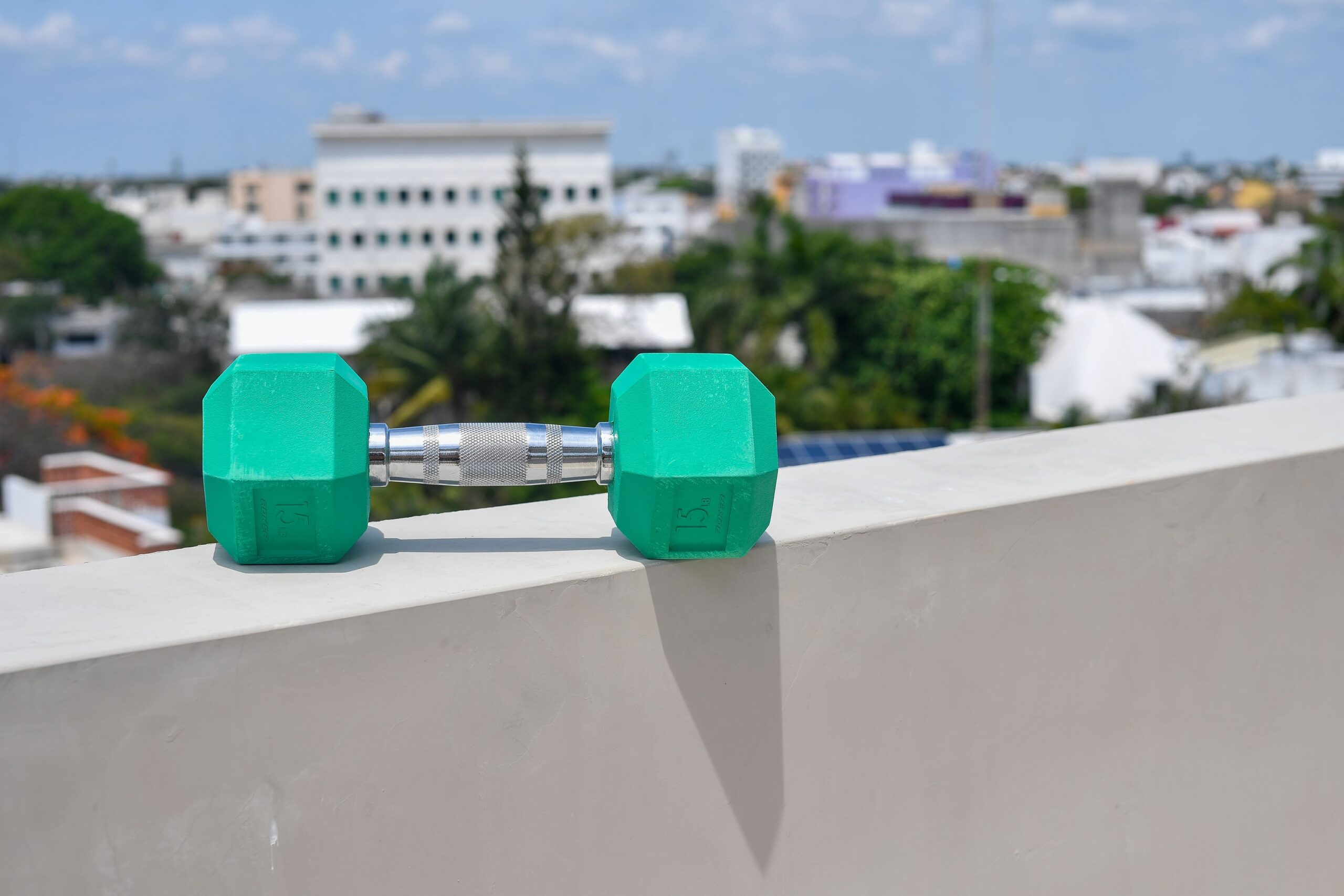
Hotel gyms have quietly transformed. What used to be a cramped room with a single treadmill and a set of dusty dumbbells is now a serious wellness amenity that guests genuinely plan their stays around. The global wellness tourism market expanded to $894 billion in 2024, up from $655 billion before the pandemic, and is projected to keep growing at a compound annual rate of around nine percent through 2029. That growth is showing up directly in how hotels design, staff, and regulate their fitness spaces.
With more travelers using hotel gyms than ever before, the question of how to behave in one becomes genuinely important, not just for your own experience, but for everyone sharing that small space. Most guests skim the posted rules on the wall and assume they’ve covered their bases. They haven’t. What follows are the ten etiquette rules that most hotel gym users consistently overlook.
The Fitness Center Is for In-House Guests Only
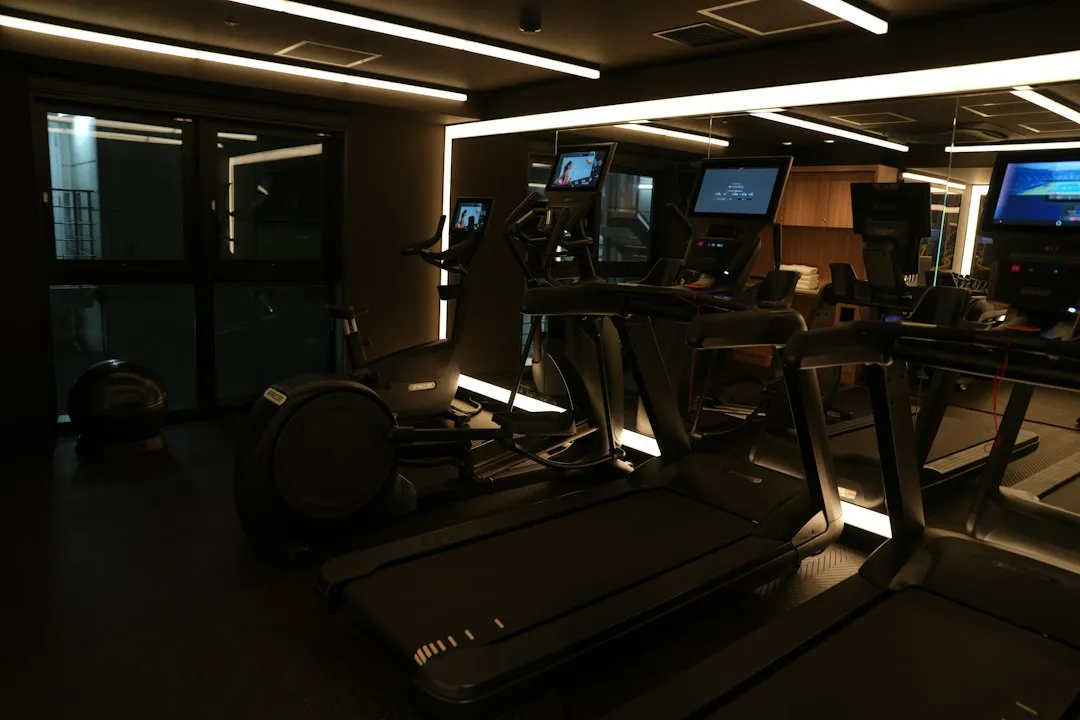
The fitness center at most hotels is intended for the exclusive use of in-house guests. That sounds obvious, but it’s frequently ignored. Friends visiting a hotel guest, local residents without memberships, and even people from neighboring properties occasionally wander in, and it creates real friction for paying guests who find the space unexpectedly crowded.
If you’re the actual guest, it’s worth knowing that bringing an outside visitor to the gym often violates the hotel’s posted terms. From a management perspective, gym rules exist for safety and liability reasons, and common policies include age limits, proper attire, equipment usage, and hygiene standards. The guest-only policy is one of those liability provisions, and it’s enforced more strictly at properties that have invested in premium equipment.
Wipe Down Every Surface, Not Just the Obvious Ones
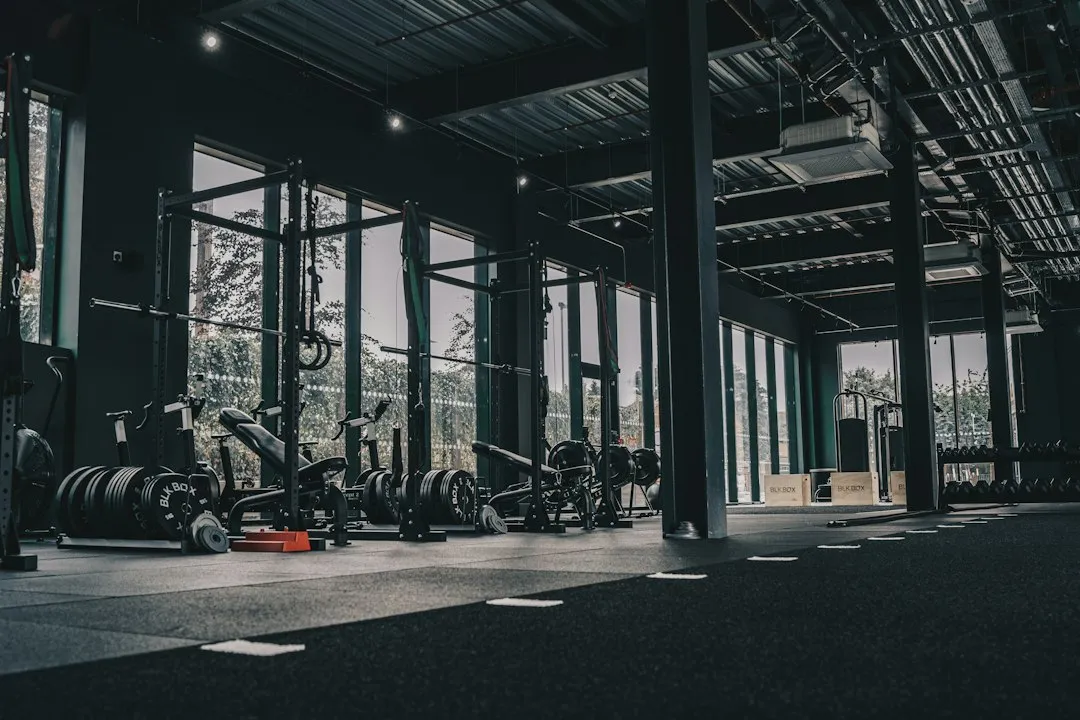
Cleanliness is one of the most important parts of fitness center etiquette and one of the easiest to get right. At a basic level, you should clean up after yourself and be mindful of how your body and germs affect shared spaces. Most guests wipe the treadmill handles after use, which is good, but handles are only part of the story. Bench surfaces, cable grips, weight collars, and even the floor mat beneath your feet all carry bacteria.
The CDC’s guidance on athletic facilities specifically addresses shared equipment in gyms and health clubs, emphasizing cleaning after use as a core prevention measure for infections like MRSA. Always carry a towel or use the disinfectant sprays and wipes provided to clean benches, handles, and machines after use. In a hotel gym where the cleaning crew may only come through once a day, this responsibility falls almost entirely on the guests themselves.
Time Limits on Cardio Equipment Are Real Policies
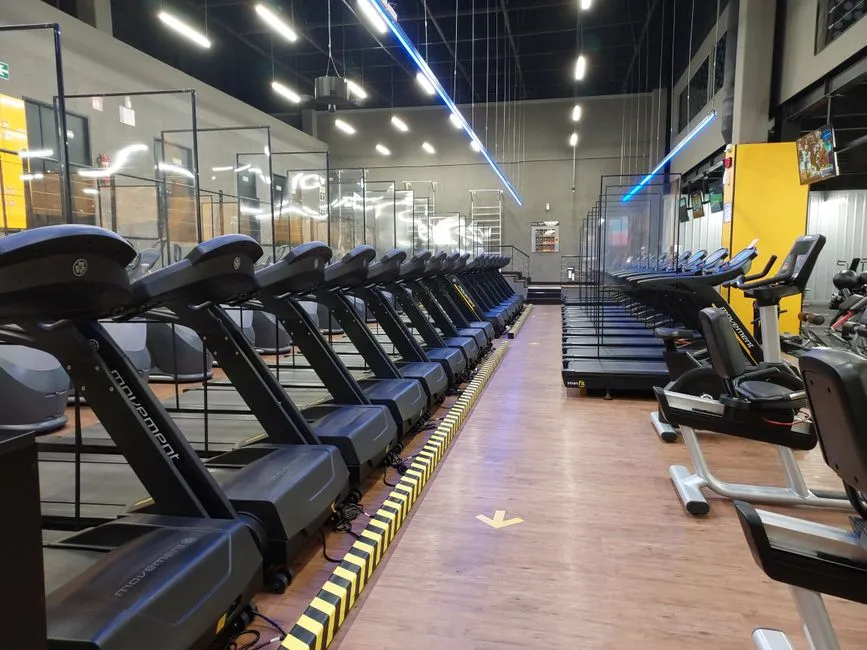
Many hotels post usage restrictions on pool and gym equipment, and following posted time limits is part of responsible shared-space behavior. Cardio machines in particular, treadmills especially, often carry a thirty-minute limit during peak hours. The sign is usually taped to the console or posted on the wall nearby, and a surprising number of guests treat it as optional.
Avoiding monopolizing equipment during peak hours is a key rule in shared fitness spaces, as most gym policies specify a time limit for treadmills and other machines, and respecting those time slots ensures everyone gets a fair chance. In a hotel gym that might have only two or three treadmills serving an entire floor of guests, one person running for ninety minutes can genuinely affect the morning routine of multiple travelers.
Don’t Use Multiple Machines Simultaneously
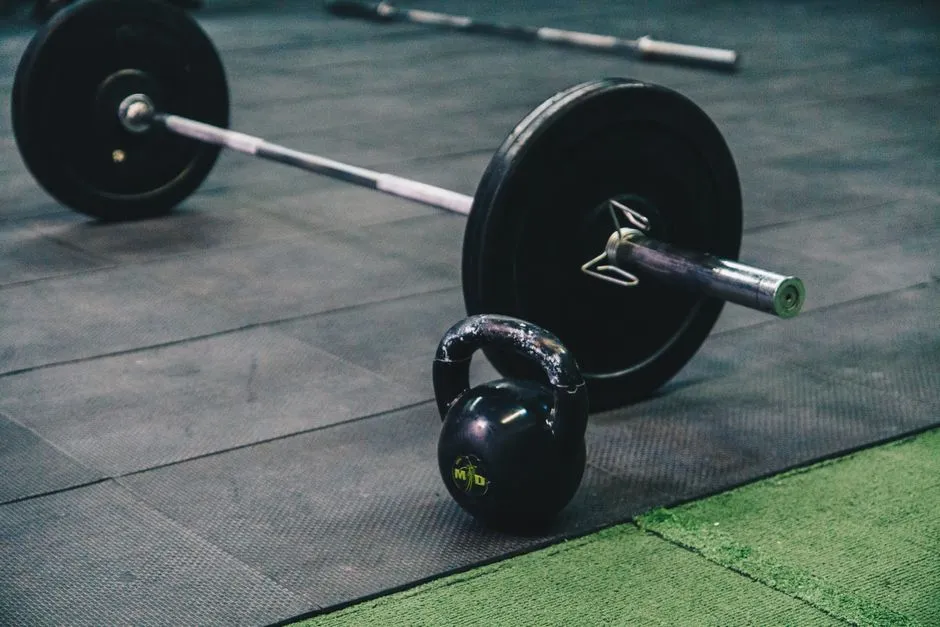
If you have an entire hotel gym at your disposal you can use equipment freely, but be considerate to others if you’re in a crowded gym. Don’t use a few pairs of dumbbells and several machines simultaneously. Instead, use one piece of equipment, do a few sets, then move on to something else. Circuit training is effective, but executing it in a compact hotel gym during busy morning hours is genuinely inconsiderate.
Hotel gyms are smaller by design. Many hotels still view their gyms as simple amenities rather than potential profit centers, which often means they invest in fewer machines total. When the space is tight, claiming three stations at once creates a bottleneck that affects every other guest trying to squeeze in a workout before checkout.
Noise Levels Matter More Than You’d Think
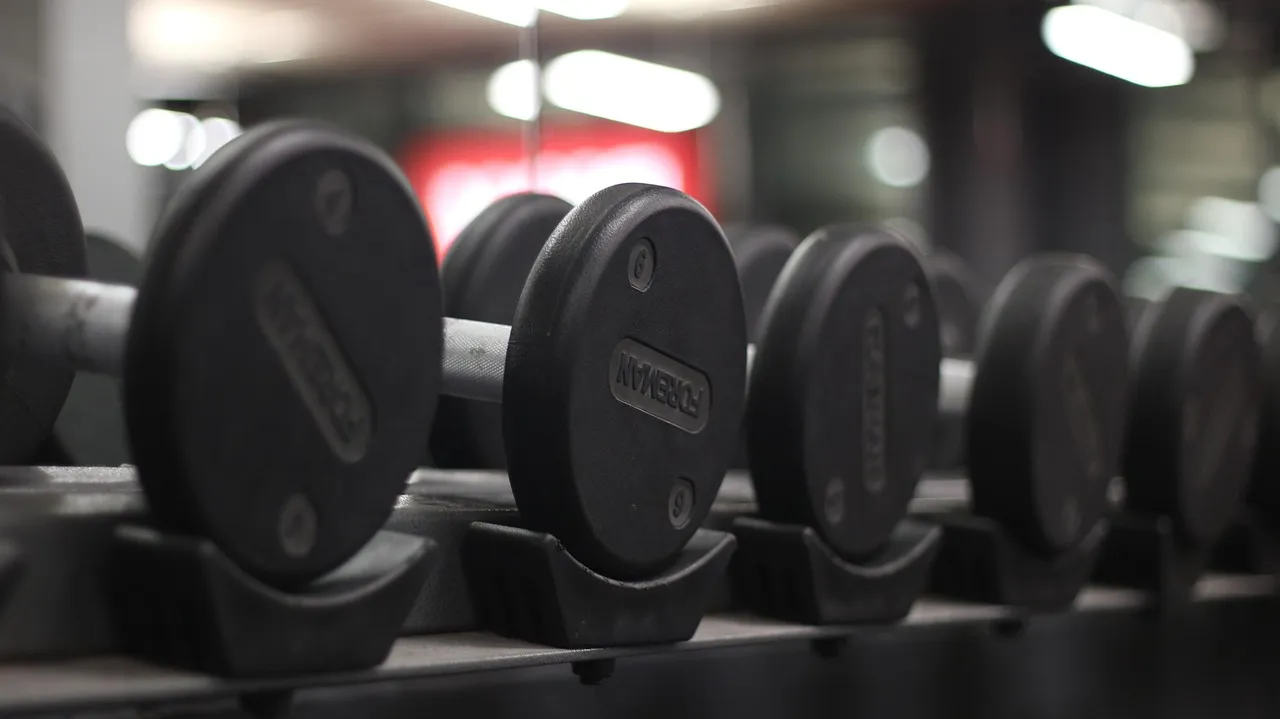
Hotel fitness centers ask guests to keep noise to a minimum to maintain a respectful environment, and personal audio devices should be used with headphones. This applies to phone calls too. Taking a speakerphone call while on the elliptical is far more common than it should be, and it disrupts the focus of everyone else in the room.
Refraining from loud conversations or playing music without headphones is one of the top gym etiquette rules, as maintaining a quiet environment helps others focus on their workouts. Weight dropping falls into this category as well. Dropping weights can damage equipment and disturb others, so handling weights responsibly is part of gym etiquette. In a hotel gym that shares walls with sleeping guests, this matters even more than it would in a standalone facility.
Don’t Interrupt Someone Mid-Set
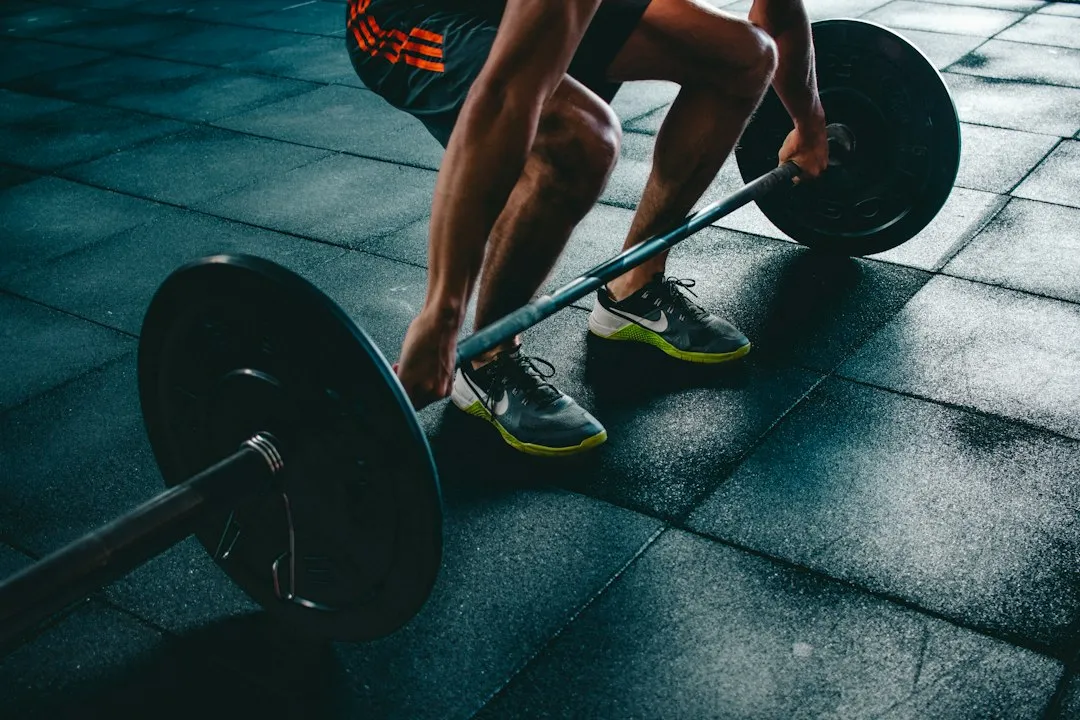
Never interrupt people during a set, especially if they look focused, train with dedication, and listen to music. Instead, wait for them to finish what they are doing and respectfully engage them. This rule feels invisible to people who don’t lift regularly, but to anyone working through a focused strength session, a mid-rep interruption is both distracting and potentially unsafe.
The same logic applies to asking about equipment. A 2025 gym etiquette guide in The Guardian makes the point clearly: ask before taking plates from someone’s machine, and don’t ask while they’re in the middle of a lift. Wait until their set is over. A quick, patient pause is all it takes to make the exchange smooth and safe for both parties.
Filming Yourself Requires Consent from Everyone in Frame

A Vox report from April 2025 specifically addressed the growing issue of people filming themselves in gyms, including the use of tripods, equipment blocking, and consent violations, which have generated significant public backlash. In a hotel gym where guests are often in various states of workout attire and may not expect to appear in someone else’s social content, this issue carries extra weight.
Hotel gym policies ask guests to respect the personal space and privacy of other gym-goers, which explicitly includes refraining from taking photos or videos of others without their consent. Setting up a tripod across from the cable machine and filming your sets effectively commandeers shared space and records people who never agreed to be filmed. It’s worth asking staff about the property’s specific filming policy if you need workout footage during your stay.
Return Everything to Its Original Place
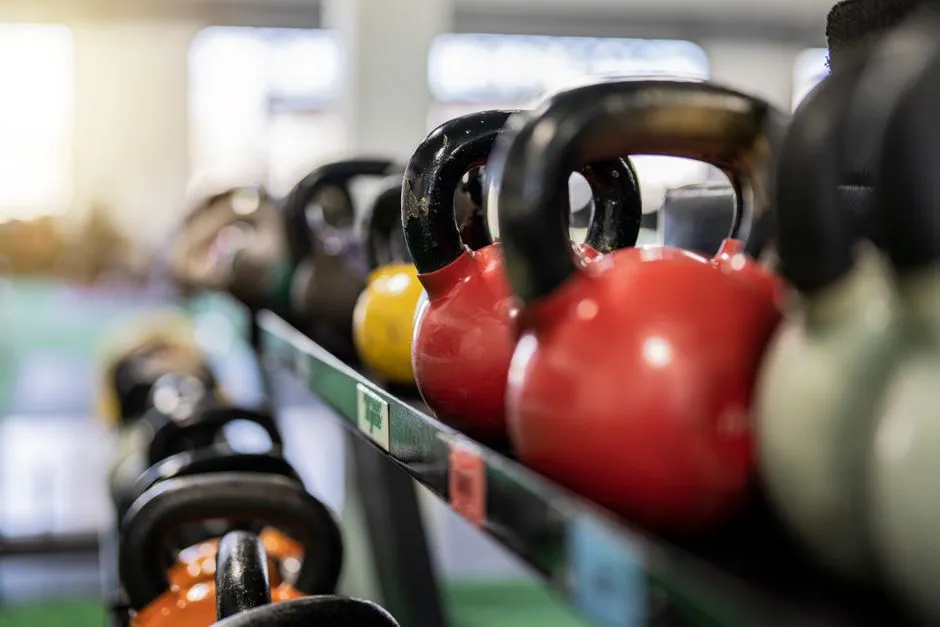
Returning everything you’ve used to its proper place is a foundational gym rule. Keeping everything organized helps maintain a tidy gym and makes it easier for the next person to set up for their workout. In a hotel gym, there’s often no dedicated staff member on the floor to reorganize equipment between guests. The 5 AM guest who leaves dumbbells scattered across the floor creates a real obstacle for whoever arrives at 6 AM.
It’s considered rude to put your belongings on a piece of equipment to reserve it while you’re still using another. Leaving a water bottle on a bench to “hold” it while you use the cable machine is the gym equivalent of placing a towel on a sun lounger. It doesn’t go unnoticed, and it creates unnecessary tension in a space that’s meant to be shared.
Proper Footwear and Attire Are Not Suggestions
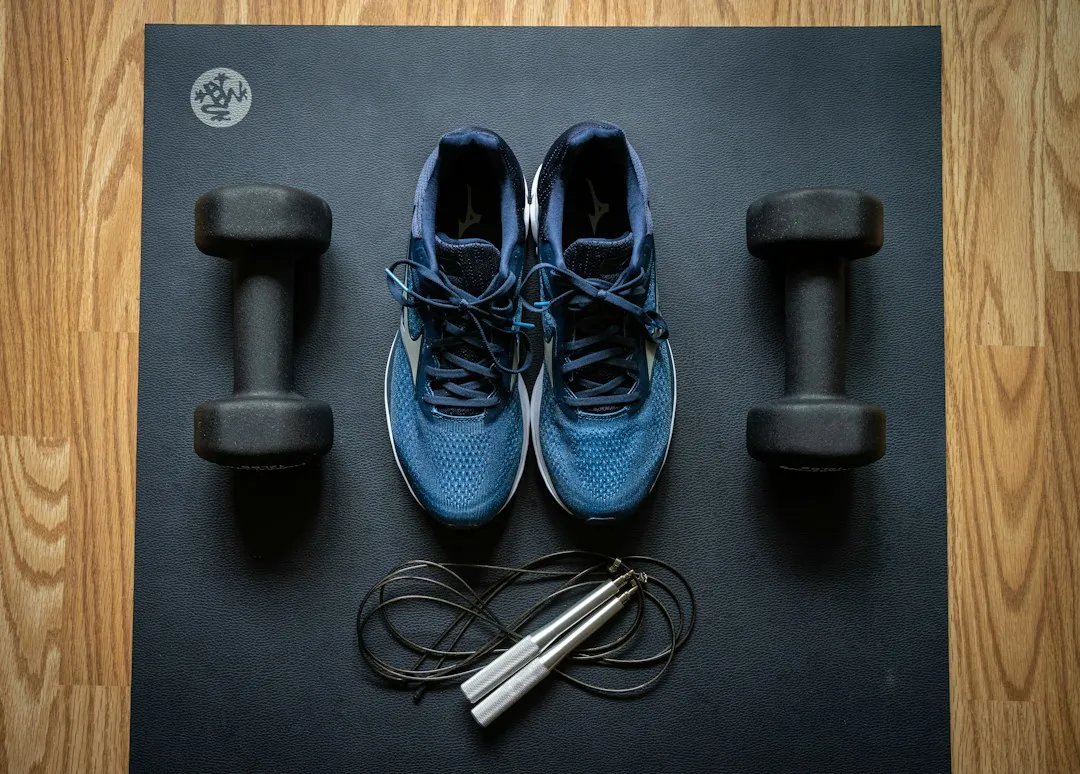
Common hotel gym policies include requirements around proper attire alongside equipment usage and hygiene standards. Showing up in sandals, bare feet, or dress shoes is more common than hotels would like. Footwear rules exist for a simple reason: dropped weights are a genuine injury risk, and open-toed shoes offer no protection.
Wearing proper workout attire and non-marking shoes ensures both hygiene and safety. The right clothing also supports your fitness goals and keeps the facility in better condition. Some properties also restrict street clothes from benches and upholstered equipment for hygiene reasons. If you’re unsure about what’s permitted at a specific property, a quick check of the posted rules near the entrance will answer most questions before you even begin.
Personal Hygiene Is a Courtesy, Not Just a Personal Choice
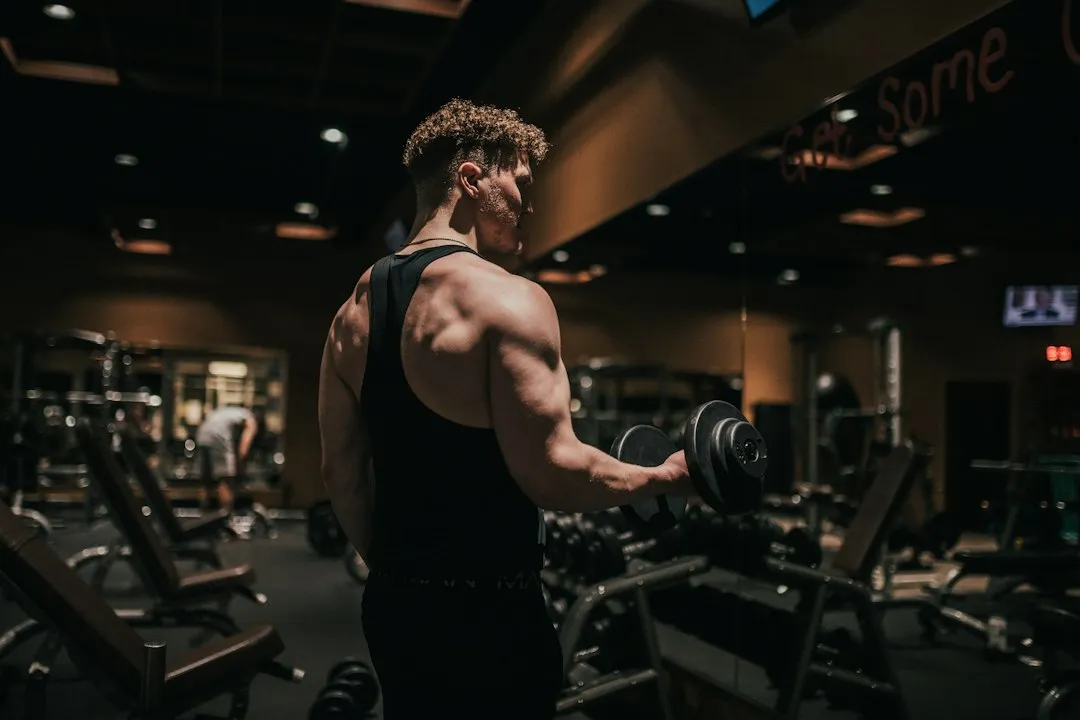
Practicing good personal hygiene in the gym includes wearing deodorant, keeping gym clothes clean, showering regularly, and skipping heavy perfumes or colognes. Both ends of the spectrum cause problems. Arriving without deodorant after a long travel day is uncomfortable for the people around you. Arriving drenched in fragrance causes a different but equally disruptive issue, particularly for guests with sensitivities.
The American Academy of Dermatology advises disinfecting equipment, using towel barriers, maintaining hand hygiene, and showering after workouts as key practices to prevent common skin infections in gym settings. These aren’t formalities. Shared surfaces in a hotel gym serve dozens of guests over the course of a single day, and basic hygiene practices protect everyone who uses that space.
The Takeaway
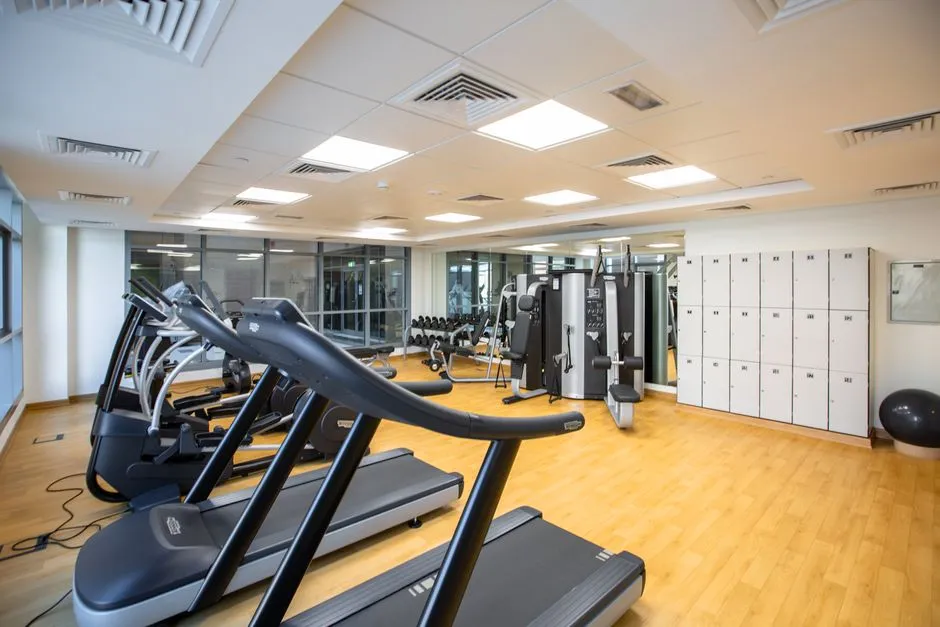
Hotel gyms have earned a more serious place in the travel experience. Today’s travelers increasingly view a hotel’s fitness center not as a mere amenity, but as an integral part of their overall stay. That shift in attitude is a good thing, but it brings with it a genuine responsibility to use the space thoughtfully.
A 2022 Skift survey found that nearly four in five travelers are more likely to book a hotel that offers wellness services, which tells you just how seriously guests take fitness access. The etiquette that surrounds those spaces deserves the same level of care. Most of these rules aren’t complicated. They simply ask you to remember that you’re sharing a small, high-demand space with other travelers who are also trying to take care of themselves, often before a flight, after a red-eye, or on a tight schedule. A little awareness goes a long way.
AI Disclaimer: This article was created with the assistance of AI tools and reviewed by a human editor.