
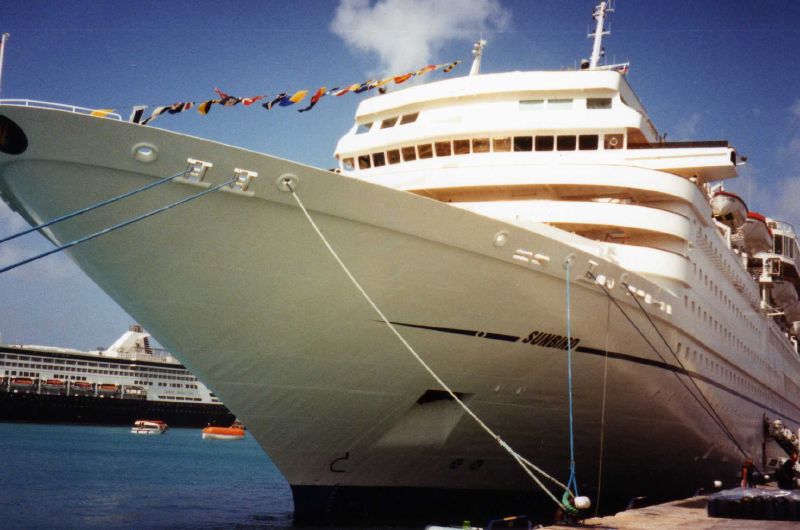

Weather Is the Most Common Culprit, and It’s Non-Negotiable
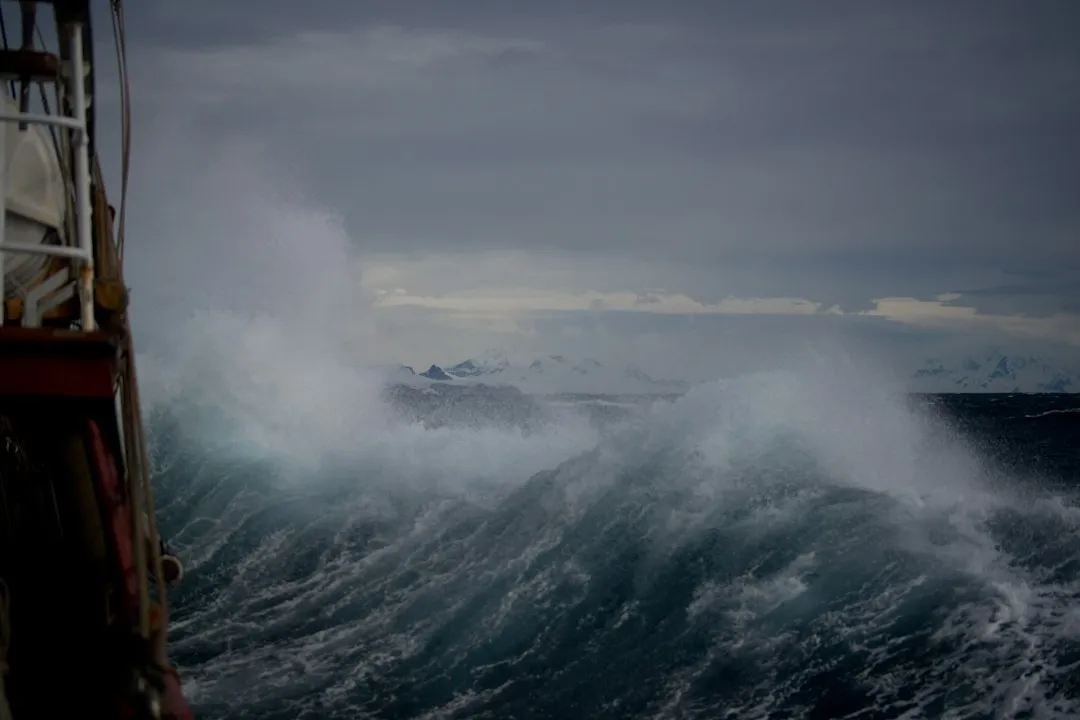
The most common reason a cruise ship skips a port is bad weather. High winds, rough seas, or heavy fog can make it unsafe for the ship to dock or tender passengers ashore. This isn’t a judgment call made lightly. If bad weather is approaching, cruise lines will take steps to avoid it, which may include rerouting the ship, skipping certain ports, or extending the cruise at sea.
Sometimes high winds are the culprit even on a beautiful sunny day, making it difficult for a giant cruise ship to dock safely without doing damage to a pier. Hurricane season often leads to disruption in plans, resulting in reroutes, cancellations, or itinerary extensions. Passengers are sometimes surprised that conditions can look fine from a ship’s deck while the harbor itself remains too dangerous to enter.
The Bridge Team Works Fast Before Any Announcement Is Made
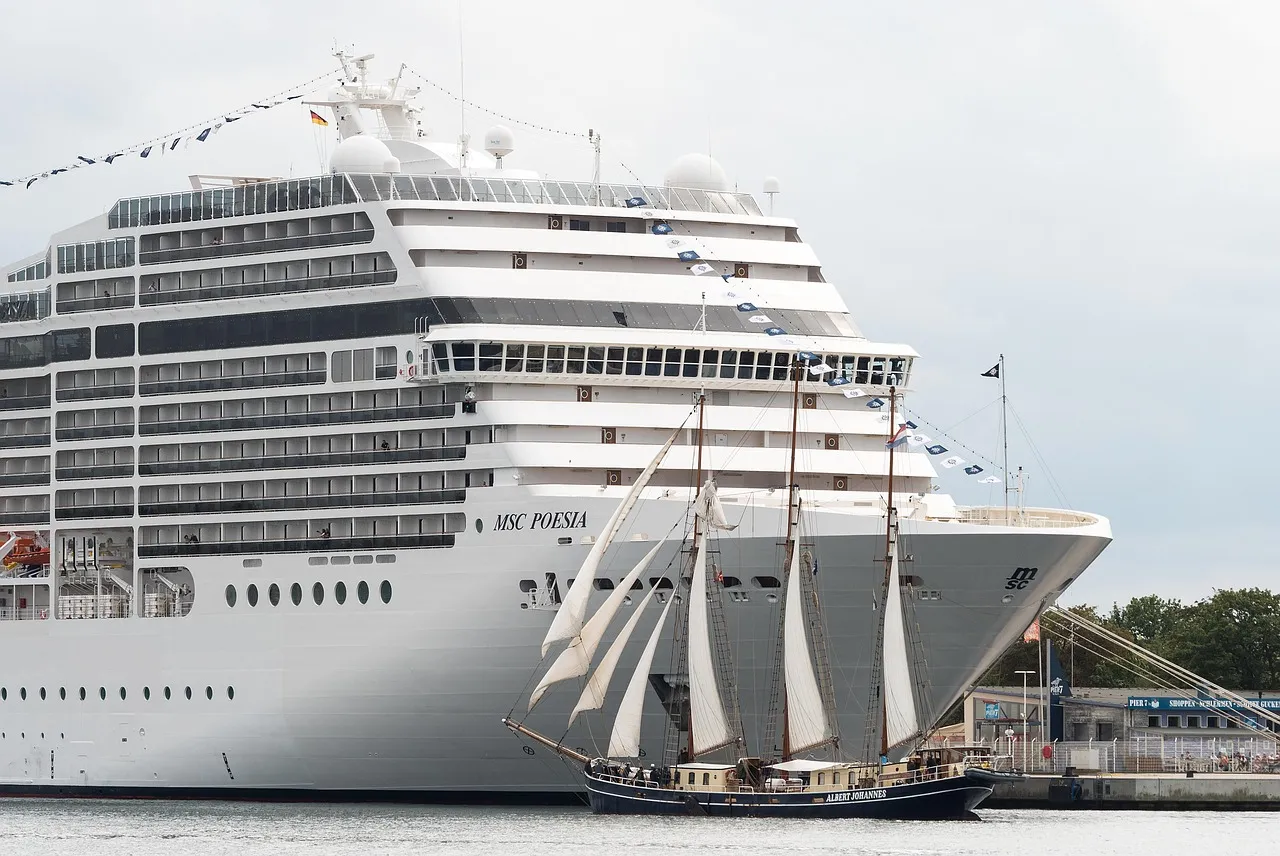
Before any announcement is made, the ship’s bridge team, often in coordination with the cruise line’s head office, will have worked hard behind the scenes to find an alternative port. This isn’t always possible, especially in remote regions with limited infrastructure or tight schedules, or when bad weather extends beyond the missed port. In these cases, the ship may spend an additional day at sea.
Once a decision is made, cruise directors and entertainment teams spring into action. Passengers can usually expect extra activities such as additional guest lectures or trivia competitions, and extended dining options to help fill the unexpected sea day and keep spirits high. The speed of this internal response is something most guests never see or consider.
Port Infrastructure Failures Can Ground a Whole Season’s Itineraries
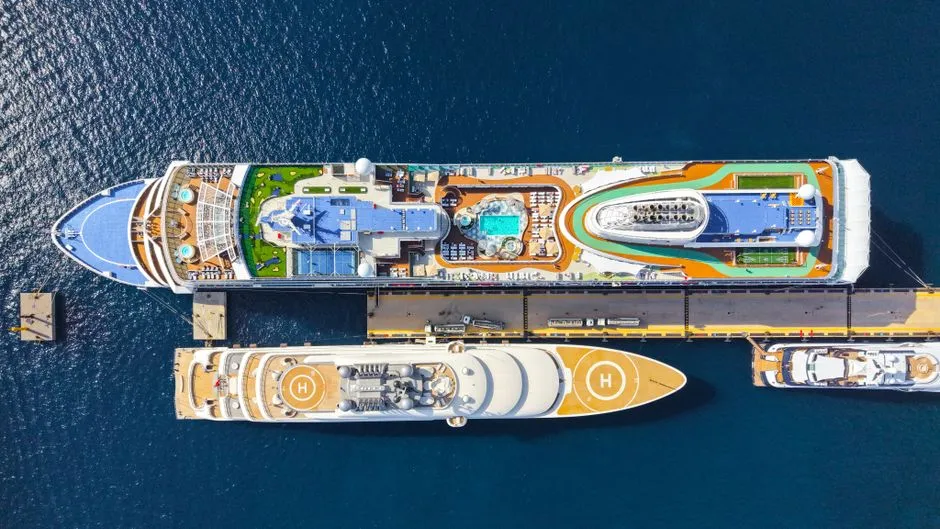
There are situations where a pier or other infrastructure is damaged unexpectedly by a cruise ship or weather and has to turn vessels away until repairs can be made. San Juan’s Pier 3, for example, was out of commission from November 2024 until July 2025 after MSC Cruises’ MSC Meraviglia accidentally damaged its dolphin mooring structure.
As this was the only pier in San Juan that could accommodate larger mega-ships, such as Royal Caribbean’s Oasis-class ships, many port calls had to be cancelled during the months-long closure. A buildup of sediment can also make water levels too shallow to navigate a certain area, which is what barred Princess Cruises’ Island Princess from visiting Puerto Chiapas, Mexico, in September 2025. These are the kinds of logistical realities that rarely make it into cruise brochures.
Security Concerns and Political Tensions Can Force Reroutes
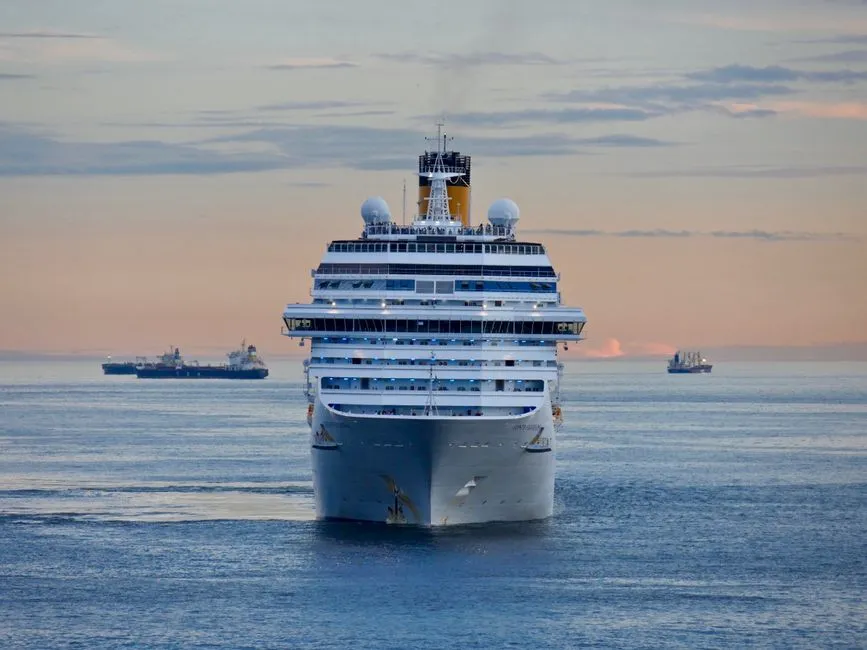
Beyond weather, there can also be mechanical problems, medical emergencies, unavailable berths, labor issues, government restrictions, and security concerns that force a ship to alter course. These decisions tend to be made at the cruise line’s corporate level, not by the captain alone.
Earlier this year, several cruise lines temporarily stopped calling at Puerto Vallarta following security concerns in Mexico. Carnival, Holland America, and Princess were among the lines that rerouted ships after violence in the region prompted heightened concerns. Port agents at those affected stops are often the first to receive word and the last to finish managing the fallout.
Port Fees and Financial Motivations Play a Role Too
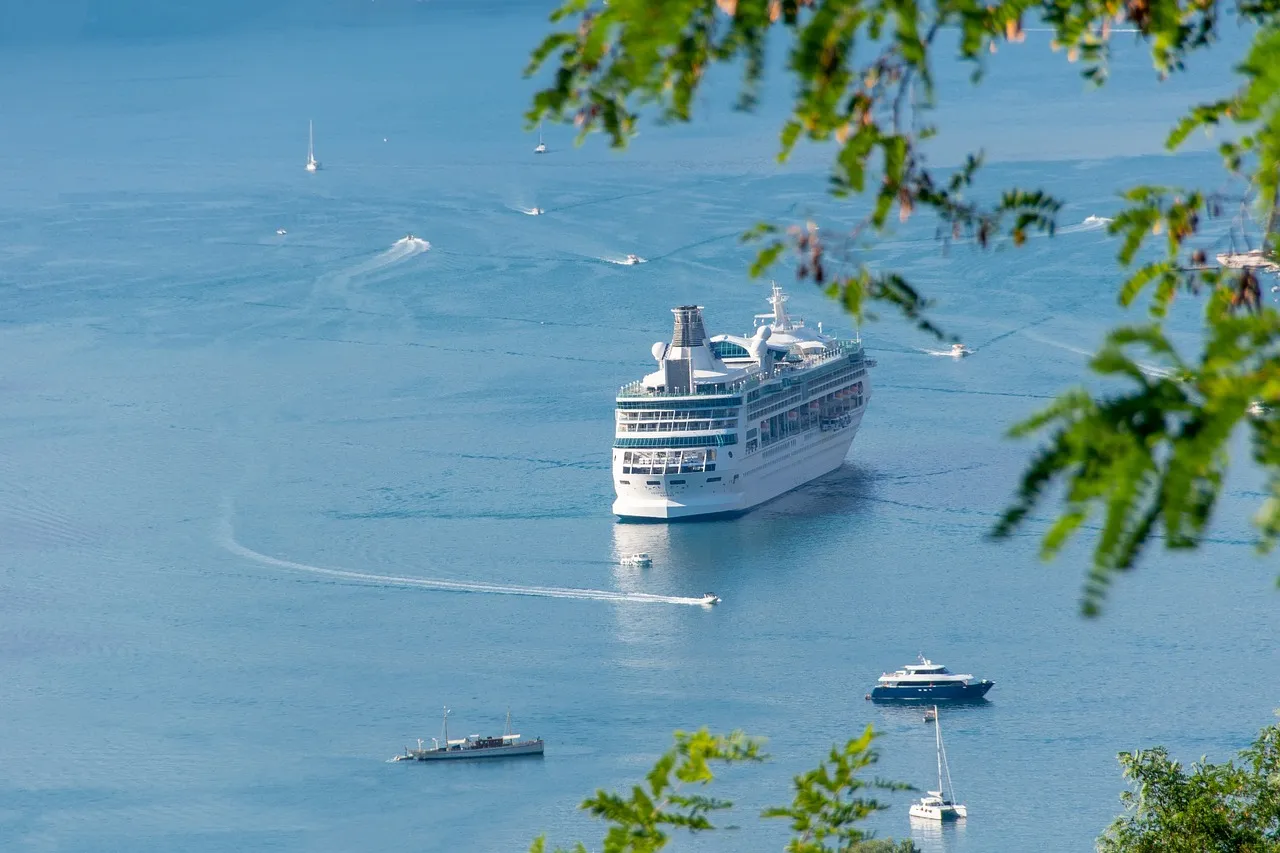
Some port of call cancellations can also be financially motivated. If a port has recently increased taxes and fees on cruise ships, the cruise line may opt to skip the port rather than absorb those additional costs. It’s a side of the industry rarely discussed openly with passengers.
Cruise lines negotiate exclusive arrangements with ports, including preferred berthing rates, preferred port calls, and sometimes exclusive vendor contracts. Once a cruise line has an established relationship with a port, it’s often cheaper to keep using that port than to develop relationships with new ports. The economic logic is conservative. Passengers booking based on a dream destination may not realize just how commercially driven some itinerary decisions are.
Port Agents Are the Unsung First Responders on Shore
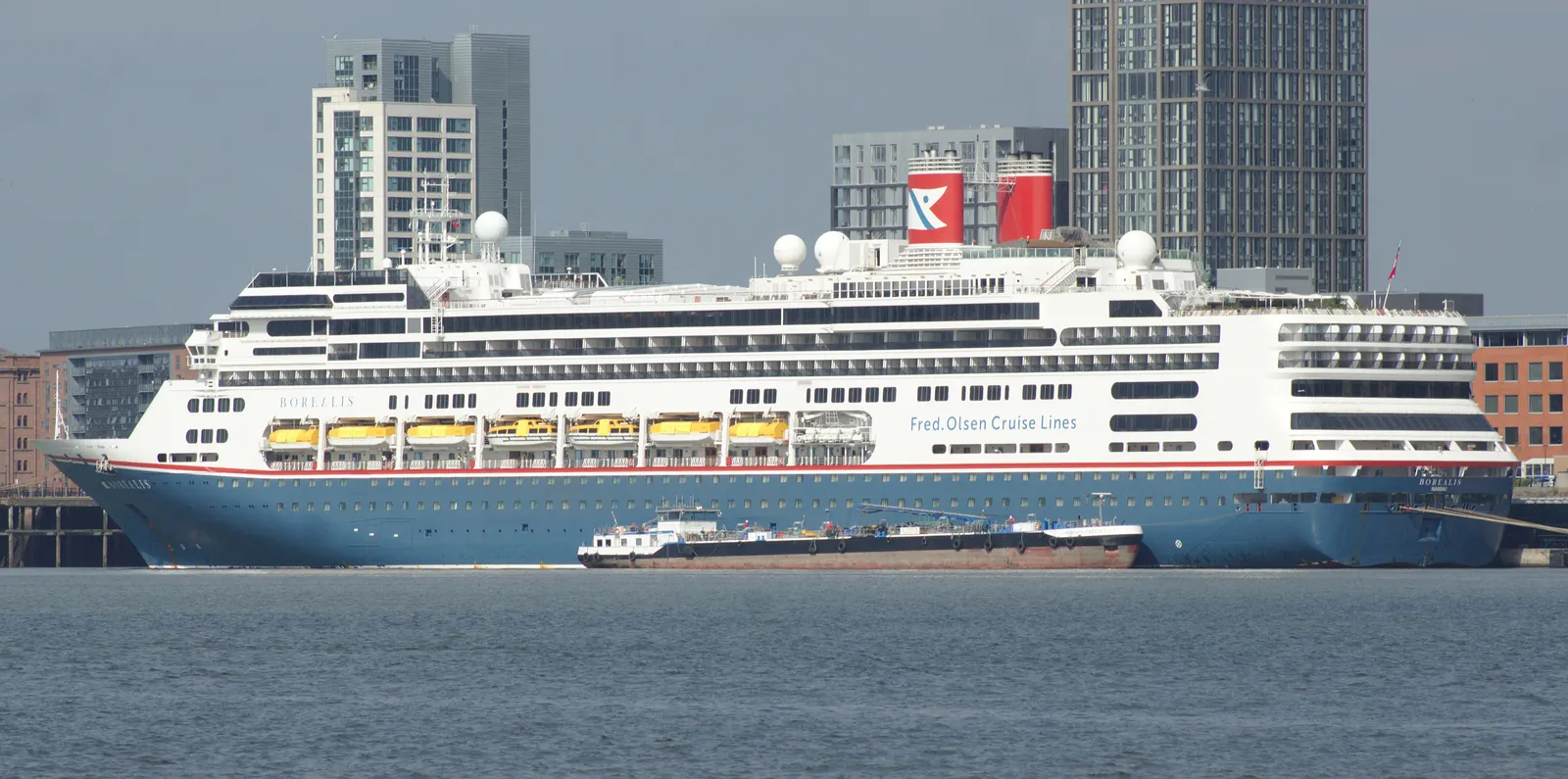
Cruise lines work with port agents wherever the ship docks, who act as points of contact on shore since cruise lines don’t maintain their own offices in every port. Every cruise line has a port agent stationed at every stop, and this person acts as the liaison between the ship and the shore.
The port agent is a local representative who works with the cruise line and the port. If you miss the ship, this person may help you contact the cruise line, understand your next steps, coordinate with local officials, or figure out how to rejoin the ship if that is possible. Most cruise lines have port agents stationed in the port area to assist if your ship has left without you. In cases when cruisers are late returning to the vessel, the ship’s crew will often remove the passengers’ essential items, including passports, cell phones, and medication, from the ship to leave with the port agents.
When a Ship Skips a Port, Passengers Left Ashore Face a Unique Challenge
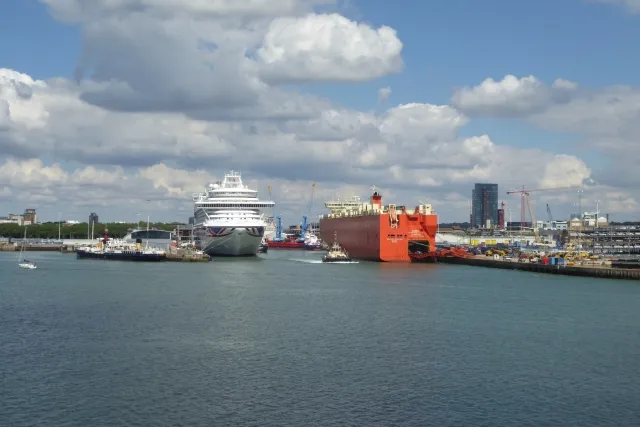
If you are running late getting back to the ship or have an emergency and cannot return to the ship, the local port agent can liaise with the onboard crew to determine whether departure can be delayed. That coordination window is typically very short. Cruise ships operate on fixed schedules with dozens of port stops, crew contracts, and maritime regulations coordinating their movements. The all-aboard time is real. When it passes, the gangway comes up and the ship departs, with or without every passenger accounted for.
If you booked a cruise line-sponsored excursion, the ship will wait for you in most cases. The ship won’t wait if you’re late on an independent excursion. If the ship’s next stop is a nearby island or city, you might be able to fly or take a ferry to meet it. The port agent can help figure out the logistics, but you will likely have to book and pay for the travel yourself.
Compensation Policies Are Narrower Than Most Passengers Expect
Per the terms of the cruise contract to which you consent before sailing, cruise lines do not owe you compensation if they alter your itinerary. If changes are made, you will be refunded for any shore excursions you booked through the cruise line that were to take place in the ports you’re skipping. Third-party excursions are a different matter entirely.
If you booked independently with a local operator, the cruise line is not involved, and you are covered only by that operator’s own cancellation terms. Holland America Line and Princess Cruises are two mainstream cruise lines that no longer refund port taxes and fees if a call is skipped and no substitution is made. If plans do get shaken up, cruise lines will often compensate passengers with onboard credits or discounts, although passengers should not count on it.
Travel Insurance Is the Safety Net Most Passengers Underestimate

Some travel insurance policies may offer cruise itinerary change compensation, also known as “missed port cover.” If you choose insurance that offers this option, you will be reimbursed a certain amount for any port stops that are cancelled or changed, up to a predetermined limit.
Contact your travel insurance as soon as you call the cruise line. If you have trip interruption or missed departure coverage, your insurance may cover the flight and additional hotel costs. Any costs associated with rejoining the ship fall on you unless you have travel insurance. The gap between what cruise contracts promise and what passengers assume they’re owed is wide, and insurance is the most practical way to bridge it.
What the Fine Print in Your Cruise Contract Actually Says

It is written into almost all cruise contracts that the cruise line reserves the right to change the itinerary at any time. It’s not common, but it’s possible for a cruise line to make changes to your sailing after you’ve booked or even after you’ve set sail. Because itinerary changes often involve time, money, and a big logistical and customer service challenge, cruise lines will do all they can to avoid making alterations on a whim. If major tweaks are necessary due to foreseen events, they’re usually made well in advance, allowing passengers to change their plans if they wish.
In those cases, passengers can expect to receive notice through their travel agents or via correspondence from the cruise line. In cases where last-minute changes are necessary, passengers will either be notified through one of those methods or through public address announcements or in-cabin letters if the sailing is already underway. Knowing this beforehand shifts the experience from a shock to something you can navigate with a clear head.
The Takeaway
A skipped port is never just a simple cancellation. It sets off a chain of decisions that travel from the ship’s bridge through corporate offices, across the docks, and straight into the hands of port agents who rarely get any credit for what they manage. The system is more layered than most passengers realize, and the protections available to travelers are more limited than they’d like.
The clearest thing port agents and cruise insiders agree on is this: preparation matters more than reaction. Know your all-aboard time. Carry the port agent’s contact details. Book through the cruise line when a particular excursion matters deeply to you. Travel insurance with missed port and trip interruption coverage gives you real options when the itinerary changes unexpectedly, which, as any experienced cruiser will tell you, it sometimes will.
AI Disclaimer: This article was created with the assistance of AI tools and reviewed by a human editor.