

The Old Standard Driver’s License Is Now the Problem Card
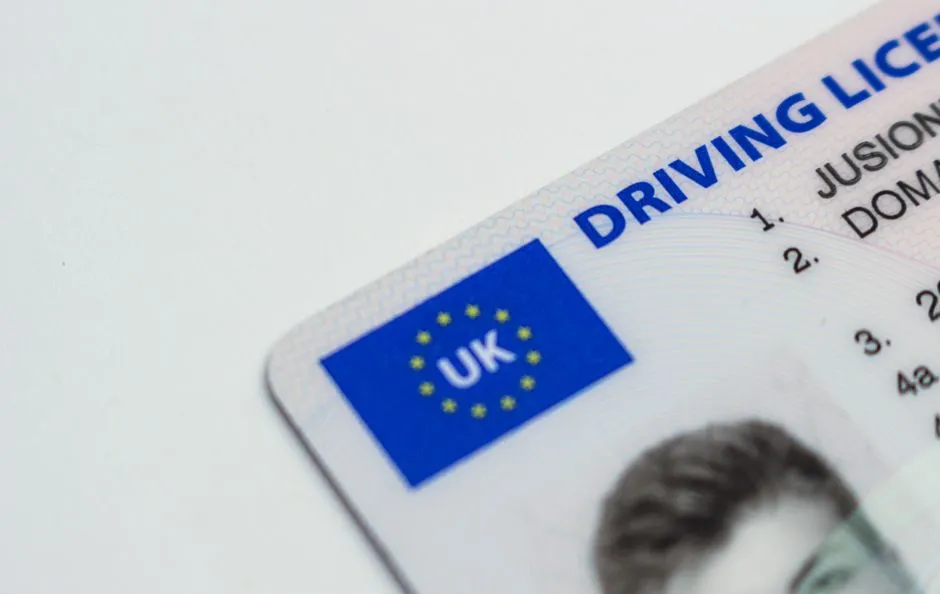
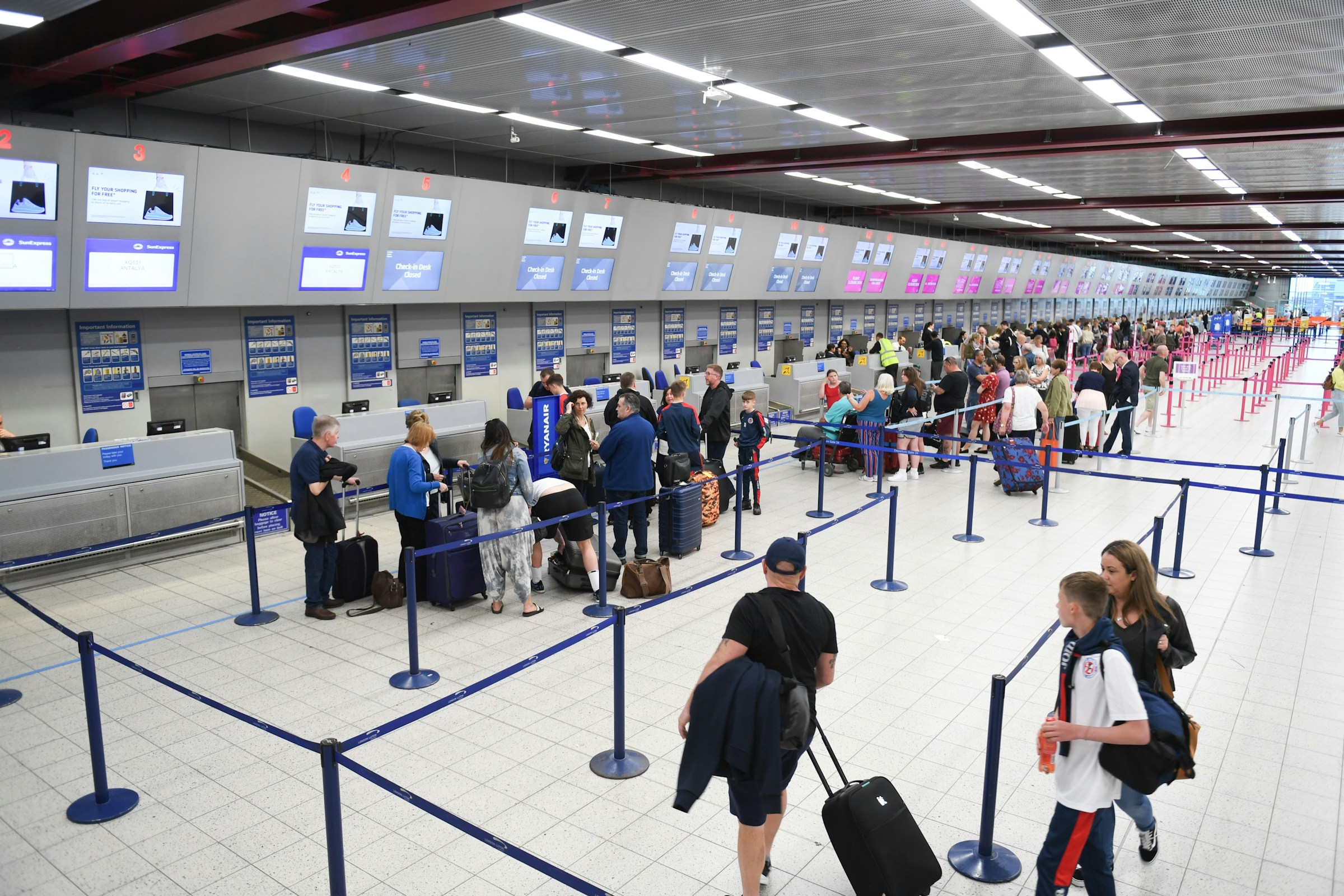
The ID in question is the plain, non-REAL ID-compliant state driver’s license or state identification card – the same card that most Americans have carried in their wallets for decades. On May 7, 2025, TSA stopped accepting state-issued identifications that are not REAL ID-compliant at TSA security checkpoints. That means a driver’s license without the required markings is now effectively useless at the airport security line.
Standard state-issued IDs that do not meet REAL ID requirements are no longer accepted for boarding domestic flights. Without a REAL ID, travelers need to provide an alternative form of identification, such as a valid passport or military ID, to avoid being turned away at the security checkpoint.
What the REAL ID Act Actually Is – and Why It Took So Long
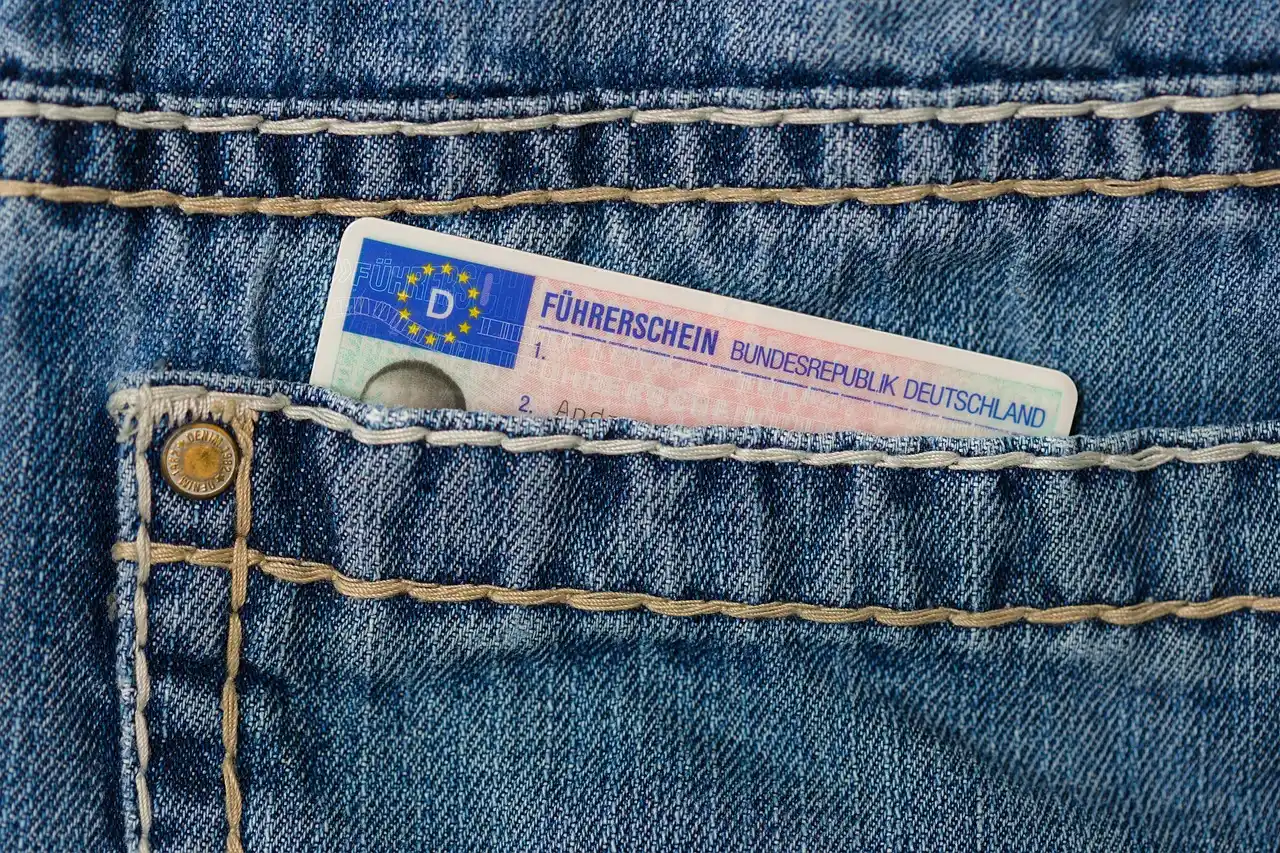
The REAL ID Act was passed by Congress in 2005 and enacted the 9/11 Commission’s recommendation that the federal government enhance security standards for identification. That’s more than two decades ago, yet most Americans only began to feel its effects recently.
Various roadblocks and the COVID-19 pandemic meant it took the federal government nearly 20 years to implement the act fully. The original date of compliance was October 1, 2020, which was delayed due to the pandemic to October 1, 2021, then to May 3, 2023, and finally to May 7, 2025. The repeated delays gave many travelers a false sense of security that the deadline would simply keep shifting.
How to Tell If Your ID Passes the Test
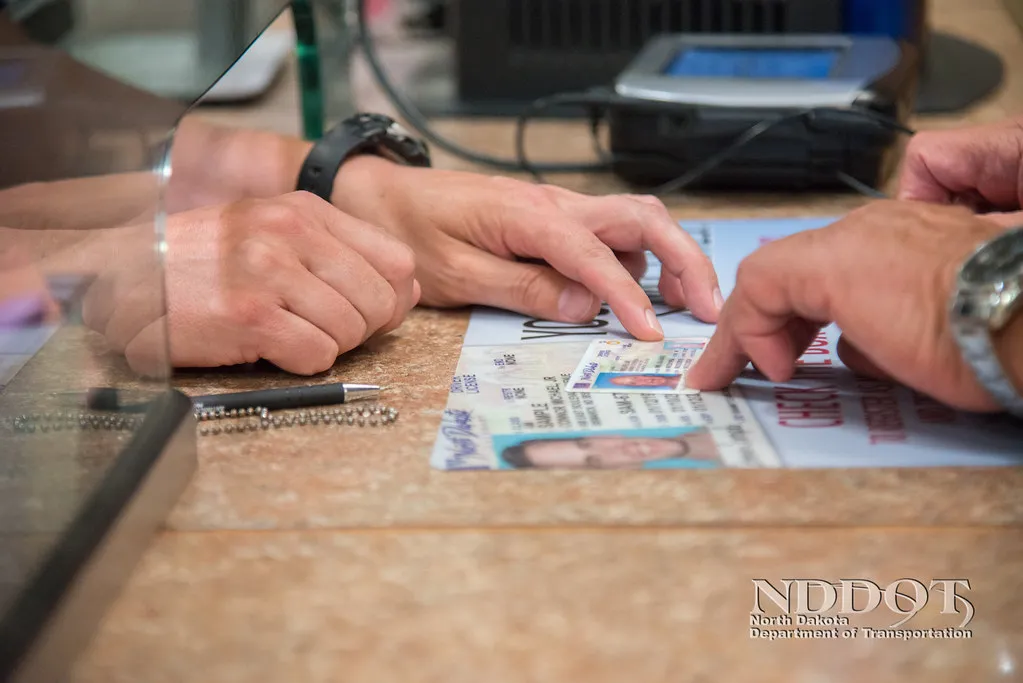
Every air traveler 18 years of age and older needs to have a REAL ID-compliant state-issued driver’s license, instruction permit, or identification card to board a U.S. commercial aircraft. To determine if a driver’s license or identification card is REAL ID-compliant, look for a gold star in the upper right-hand corner. The presence of this star indicates the credential is REAL ID-compliant.
No star, no smooth passage. It really is that straightforward. To get a REAL ID-compliant license, travelers must physically go to a DMV office. States will not send a REAL ID-compliant license automatically if you renew your license online. That’s a detail that has caught many people off guard.
How Compliance Varied Wildly State by State

Not all states arrived at the May 2025 deadline equally prepared, and the gap in compliance rates was striking. Georgia and Florida had more than 99% of their residents’ driver’s licenses or ID cards REAL ID compliant. Alabama, however, had only roughly one third REAL ID compliance. North Carolina’s REAL ID compliance, meanwhile, was at just over half.
Those gaps translated directly into airport disruptions. Signs about the REAL ID requirements were posted at airports, and TSA representatives at some airports were ushering people without REAL IDs to separate lines for enhanced screening. At a state DMV in downtown Chicago, a line on the enforcement morning to get into a walk-in supercenter dedicated to issuing REAL IDs wrapped around a city block.
What Happens at the Checkpoint If You Don’t Have One
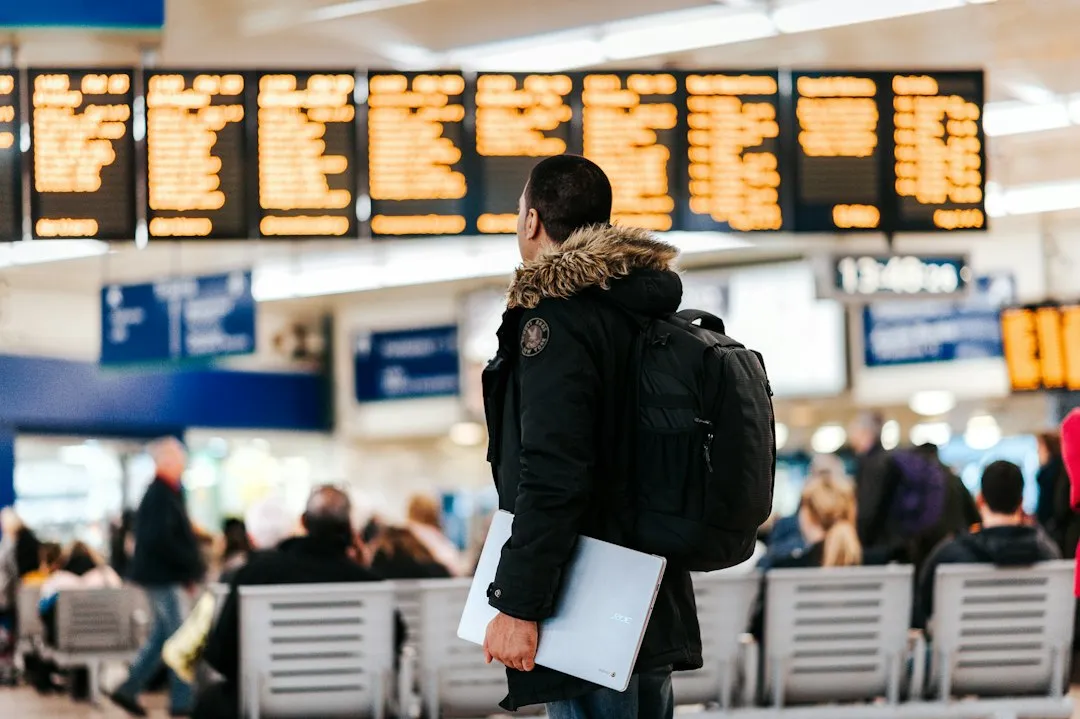
Passengers who present a state-issued identification that is not REAL ID-compliant at TSA checkpoints and who do not have another acceptable alternative form of ID will be notified of their non-compliance and may be directed to a separate area to receive additional screening. This does slow things down considerably, both for the traveler and for those in line behind them.
Travelers who do not have a REAL ID-compliant state-issued credential or another acceptable form of ID can expect delays when they arrive at the TSA security checkpoint. The length of the delay is determined by the number of other travelers who do not have a REAL ID-compliant credential or another form of identification accepted. During busy travel periods, that uncertainty alone is a strong reason to get compliant before your next trip.
The $45 Fee That Now Applies to Non-Compliant Travelers
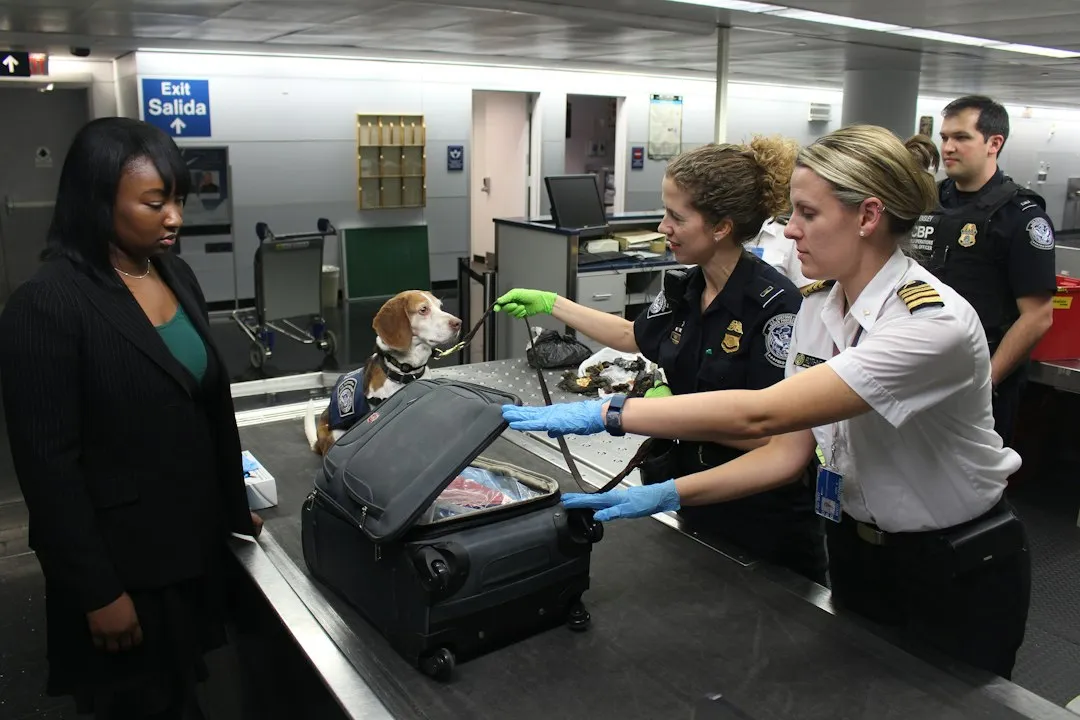
The situation escalated further in 2026. TSA announced that it would refer all passengers who do not present an acceptable form of ID and still want to fly an option to pay a $45 fee to use a modernized alternative identity verification system, TSA ConfirmID, to establish identity at security checkpoints beginning on February 1, 2026.
All airline travelers who use TSA ConfirmID are subject to additional ID verification, screening measures, and potential delays. Travelers who appear at the TSA checkpoint without a REAL ID or other acceptable form of ID and have not already paid the TSA ConfirmID fee are subject to additional delays which may result in a missed flight. The $45 cost is not a fine per se, but in practice it functions as a real financial consequence for being unprepared.
How the TSA ConfirmID Process Actually Works
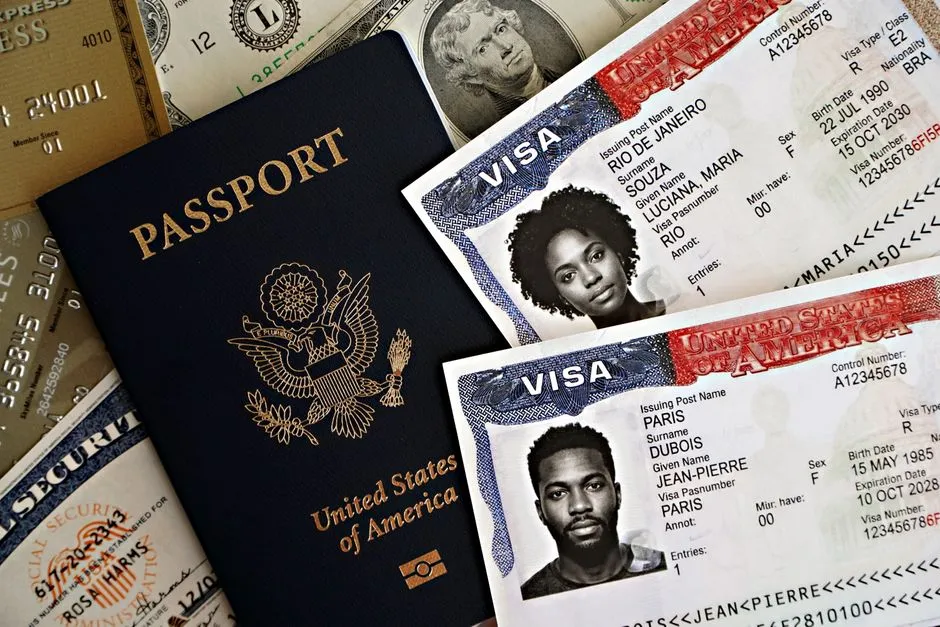
ConfirmID uses digital identity verification, including biometric matching and government database checks, to attempt to confirm who you are. As of February 1, 2026, ConfirmID costs $45 per use, adds approximately 15 to 20 minutes to your TSA processing time, and is not guaranteed to work. That last point is worth pausing on: even after paying, there is no certainty you will be cleared.
If you are unable to provide a required acceptable ID such as a passport or REAL ID, you can pay the $45 fee to use TSA ConfirmID. TSA will then attempt to verify your identity so you can go through security; however, there is no guarantee TSA can do so. Using TSA ConfirmID is optional. If you choose not to use it and don’t have an acceptable ID, you may not be allowed through security and may miss your flight.
What IDs Are Still Fully Accepted at Airport Security

The REAL ID-compliant driver’s license is not the only valid option. Some examples of alternate forms of acceptable identification include a U.S. passport, U.S. passport card, a foreign government passport, Department of Homeland Security Trusted Traveler cards including Global Entry or NEXUS cards, active duty and retired military ID including IDs issued to dependents and retirees, and the Transportation Worker Identification Credential.
Travelers only need one acceptable form of identification for domestic air travel. If you already have a valid U.S. passport, you don’t need to obtain a REAL ID-compliant driver’s license for air travel purposes. A REAL ID may, however, be more convenient for domestic trips where a passport isn’t needed for other purposes. Digital IDs are also entering the picture: TSA accepts digital or mobile IDs that meet REAL ID standards, and Apple, Google, and CLEAR also offer digital passport options that are currently accepted.
How Many Travelers Are Still Caught Off Guard
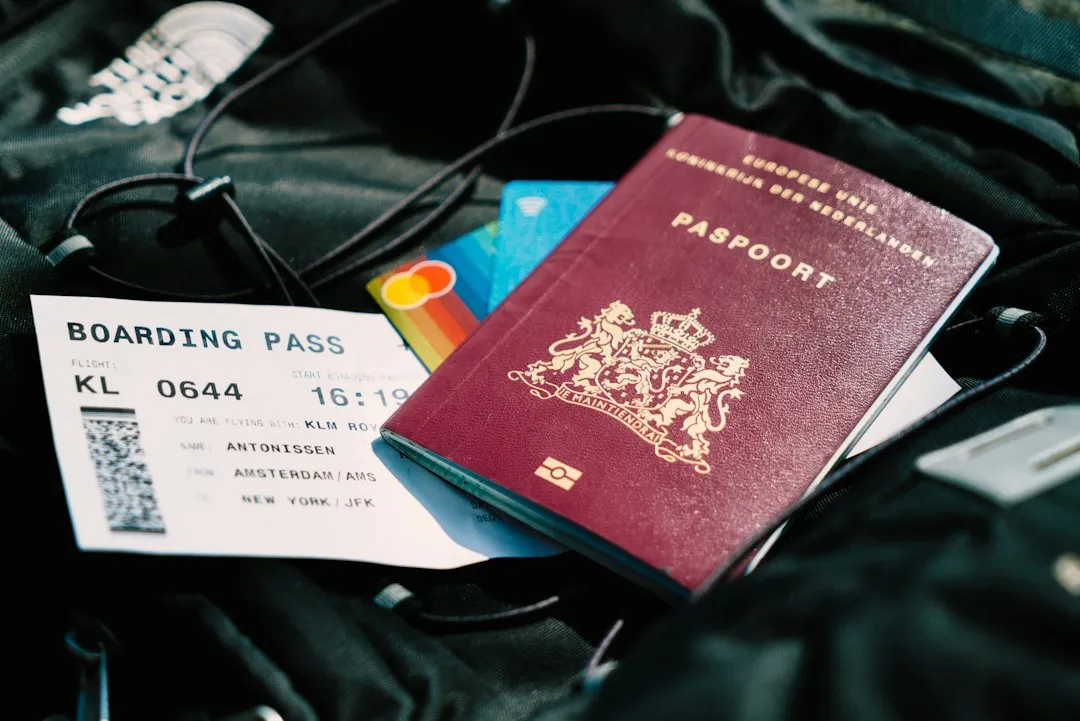
When full enforcement began on May 7, 2025, most travelers didn’t even notice a difference because roughly four out of five travelers were already REAL ID compliant. That figure has since grown. Currently, more than 94% of passengers already use their REAL ID or other acceptable forms of identification.
Still, that remaining share represents a significant number of people. Roughly 6% of travelers don’t have a REAL ID or other acceptable form of identification, according to TSA figures published in December 2025. Across hundreds of millions of annual air travelers, that translates to many thousands of people facing delays, fees, or missed flights every single day.
What to Do If You’re Still Carrying a Non-Compliant ID

TSA urges all air travelers to check their ID before heading to the airport to confirm they have a REAL ID or other acceptable form of ID, such as a passport. If your current license lacks the gold star, a visit to your local DMV to upgrade is the most straightforward solution.
REAL ID requirements have been communicated for years, but many travelers still use driver’s licenses that lack the required security features. Obtaining a REAL ID-compliant card from a state motor vehicle agency or carrying a passport eliminates the need for ConfirmID entirely. The process of upgrading your license typically requires an in-person DMV visit with documents such as proof of identity, Social Security number, and proof of residency – so it’s worth checking your state’s specific requirements in advance.
The Bigger Picture Behind the Change
The REAL ID Act was enacted pursuant to a 9/11 Commission recommendation and established minimum security standards for state-issued drivers’ licenses and identification cards that federal agencies may accept for purposes of boarding federally regulated commercial aircraft. The idea was always about creating a consistent, tamper-resistant national standard, not just a bureaucratic update.
Security standards include incorporating anti-counterfeiting technology, preventing insider fraud, and using documentary evidence and record checks to ensure a person is who they claim to be. For most travelers, the change is a one-time trip to the DMV. For those who keep putting it off, the costs – in time, money, and travel stress – keep growing.
The Bottom Line for Travelers in 2026

The familiar old driver’s license, the one that sailed through checkpoints for years without a second glance, has a new role: it’s now a conversation starter with a TSA officer, and not a pleasant one. The rules are no longer upcoming or proposed. They are in full effect, and the financial consequences for ignoring them are real and recurring.
The simplest travel advice right now is also the most honest: check your wallet before your next flight. If your state ID doesn’t have a gold star, treat upgrading it the same way you’d treat renewing your passport before an international trip – something done well ahead of time, not at the airport. The standard license served travelers well for a long time. For domestic air travel in the United States, it simply no longer does the job.
AI Disclaimer: This article was created with the assistance of AI tools and reviewed by a human editor.