

It All Starts With Ancient Ships and a Steering Oar
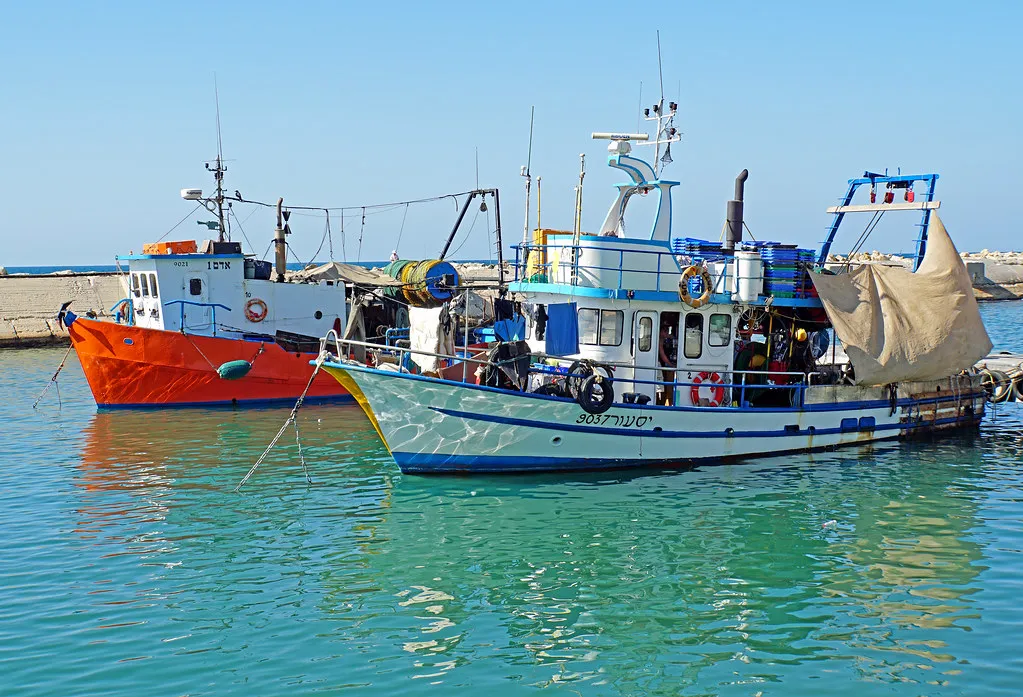
The practice dates back to before planes even existed, when ships ruled the seas. Vessels always docked on the left side because the steering oar was on the right, leaving that port side free for passengers and cargo.
Before centreline rudders became the standard steering method, ships used a large steering oar mounted off the side of the hull. Since most sailors were right-handed, this oar sat on the right side. That meant the ship had to dock on the other side, which became the left. This left side became known as the port side.
The term “starboard,” meanwhile, is a corruption of “steering board” side, meaning the rudder side. It’s a linguistic relic still baked into every flight you take today.
Port and Starboard: Terms That Crossed Into the Sky
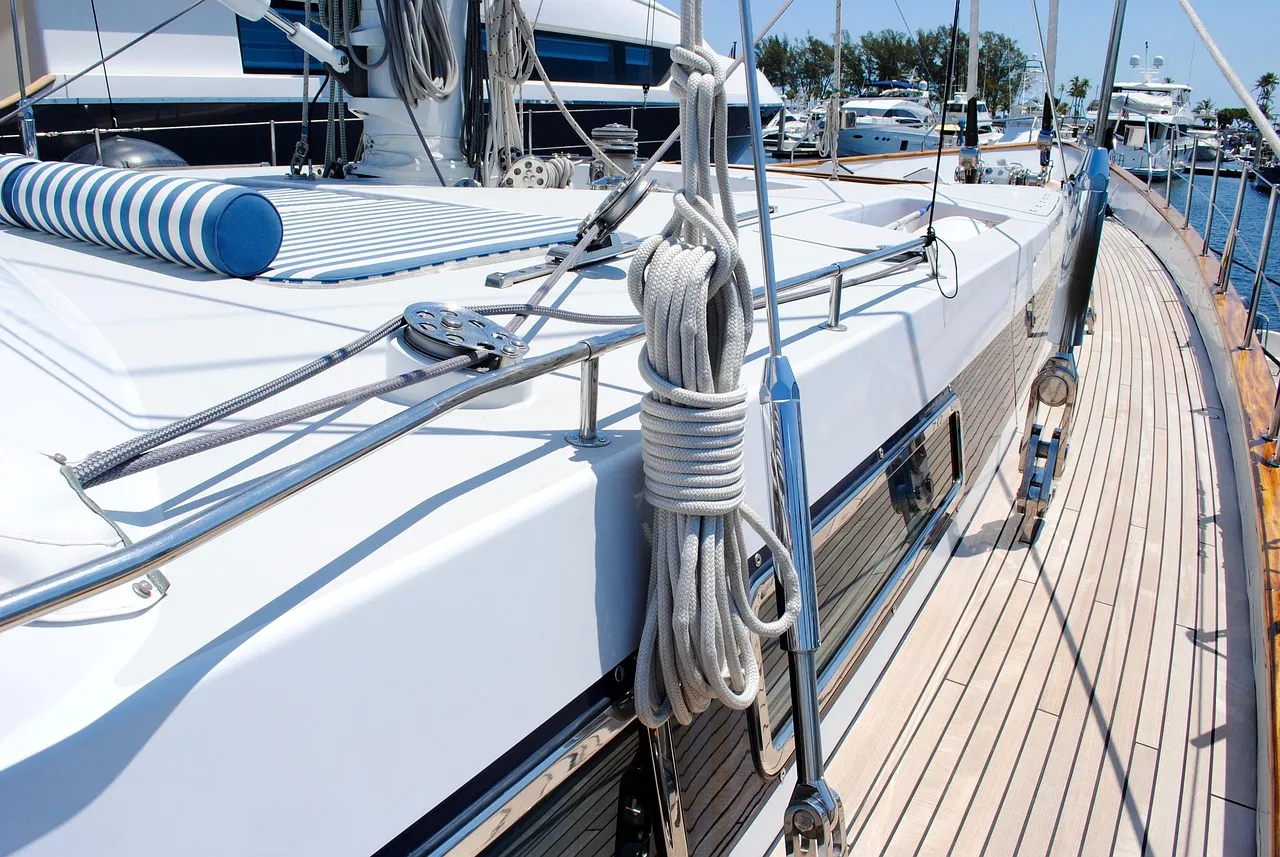
Port and starboard are nautical terms for watercraft, aircraft, and even spacecraft, referring to the left and right sides of the vessel when aboard and facing the bow.
When sitting in your seat on an aircraft, the left side is called port and the right side is called starboard – another set of nautical terms carried directly into aviation.
Many of the words and customs used on planes are derived from ships. These include calling the pilot in command a “Captain” who wears a four-lined rank insignia, referring to the passenger compartment as the “cabin,” and calling flight attendants the “crew.” All of these are ship conventions brought directly to the plane.
How Maritime Tradition Became Aviation Convention

The answer to why we board on the left lies in a combination of historical traditions and operational efficiency. According to Michael Oakley, managing editor of The Aviation Historian, it is one of the many aviation practices that goes back beyond aviation itself to the traditions of ships.
Using the port side for loading and unloading simplified logistics, allowing ships to travel globally and ensure the correct equipment was always on the appropriate side, regardless of which port they entered.
Ships always tied up with their left sides secured to the dock. This way, no matter what port you sailed into, everyone was on the same page as to how docking, loading, and unloading would go. When the first commercial aircraft designers sat down to think about passenger access, they had centuries of that shared logic to draw from.
The Early Days of Commercial Aviation Were Less Consistent
In the early days of commercial aviation, it didn’t matter too much which side passengers boarded. That was because passengers would always embark and disembark down steps on the tarmac.
Bob van der Linden, a curator at the National Air and Space Museum in Washington, D.C., noted that in the 1930s, the Boeing 247 – considered the first modern airliner – actually had the passenger door open on the right, as was customary with United Airlines at the time.
Over time, as the industry grew and airports became increasingly busy, the left-hand door became the preferred arrangement so that airport operations could be streamlined and standardized. What started as a habit gradually hardened into a rule.
The Captain Sits on the Left – and That Matters
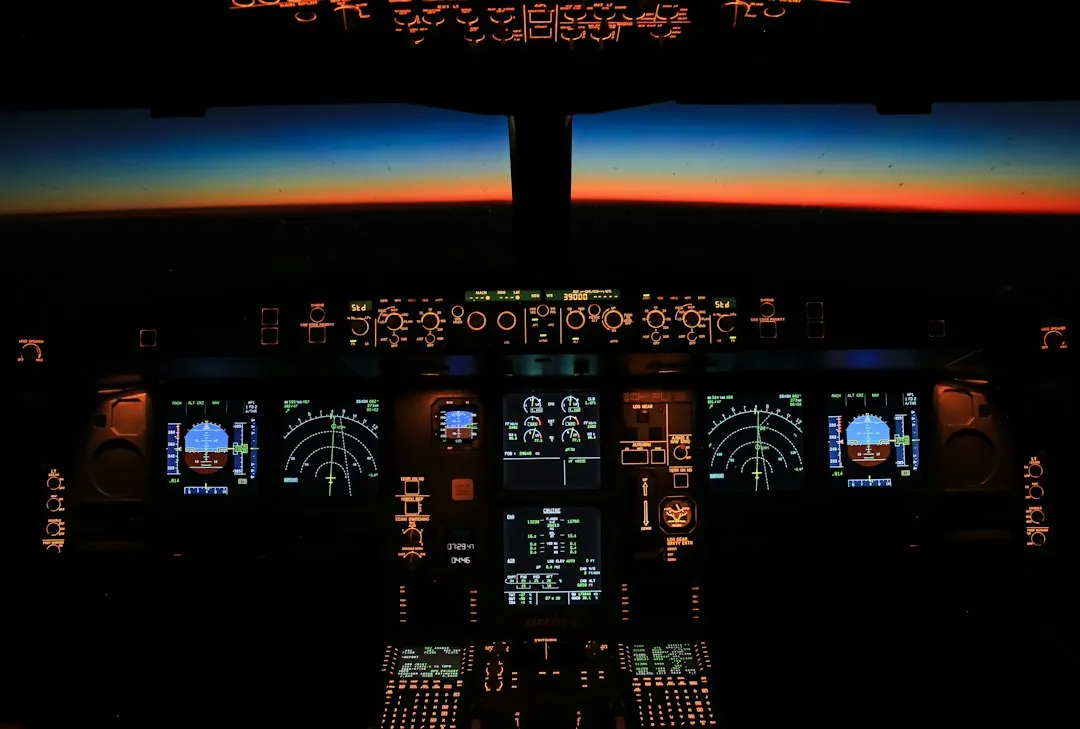
The captain traditionally sits in the left seat of the cockpit. By approaching the terminal with the left side facing the gate, the captain can see the jet bridge or stairs clearly, making it easier to park precisely at the stand.
When parking alongside an airbridge, it makes more sense to have it on the side that the commander of the aircraft can see. Most aircraft parking aids around the world are set up this way. Laser and sensor guiding systems that help pilots park are typically configured for the commander in the left-hand seat.
This is a practical advantage that reinforces the tradition rather than creating it – but it has made the convention even stickier over time. Once airports built their infrastructure around the captain’s line of sight, reversing the standard became essentially impossible.
Door 1L: The Passenger Gateway With a Name
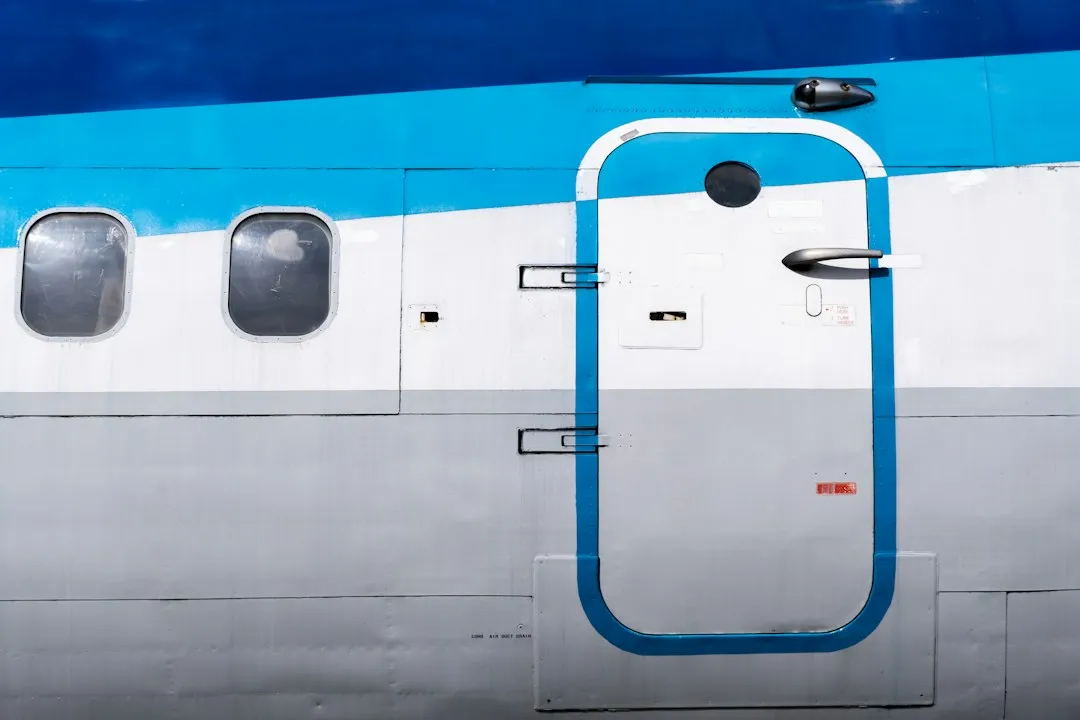
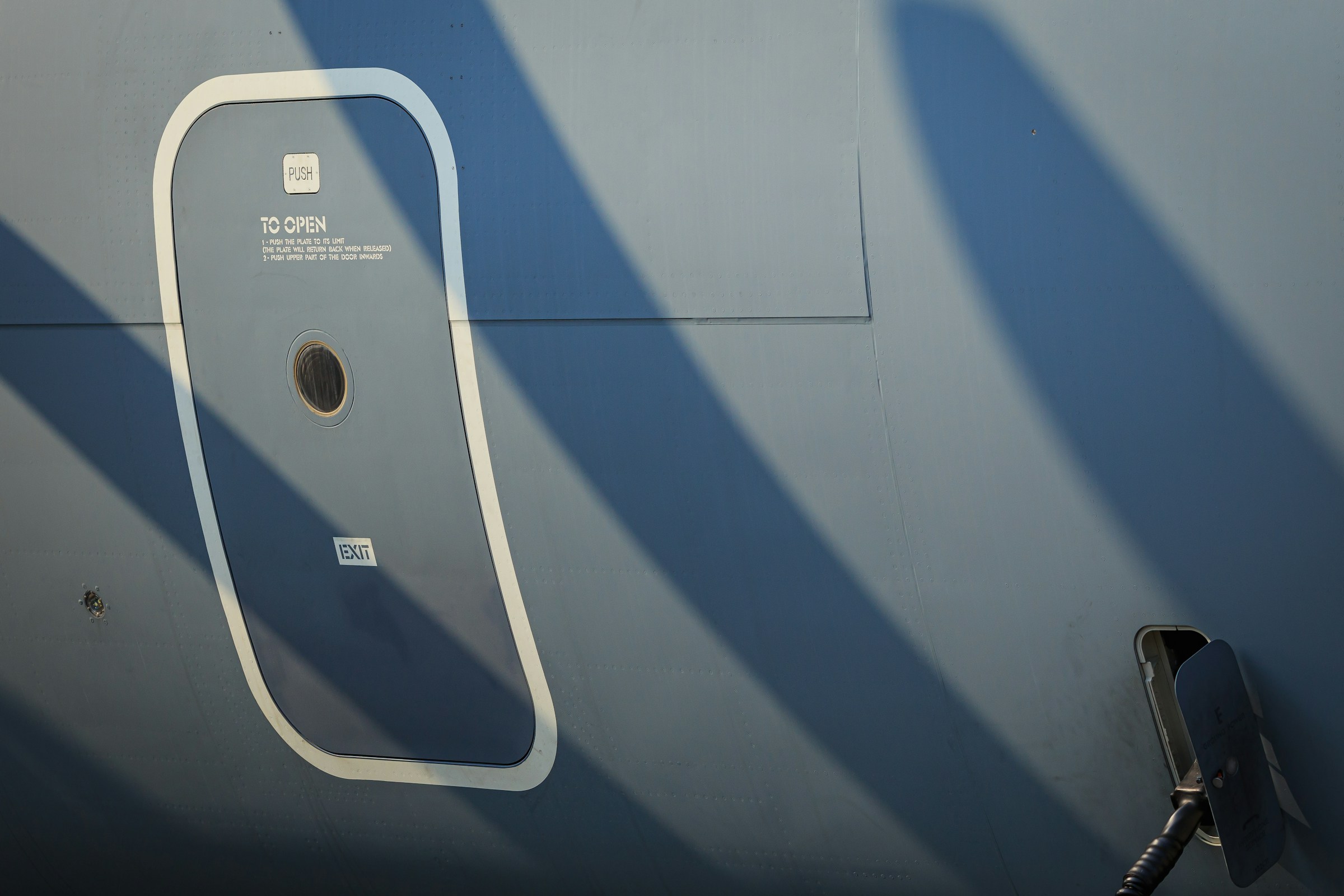
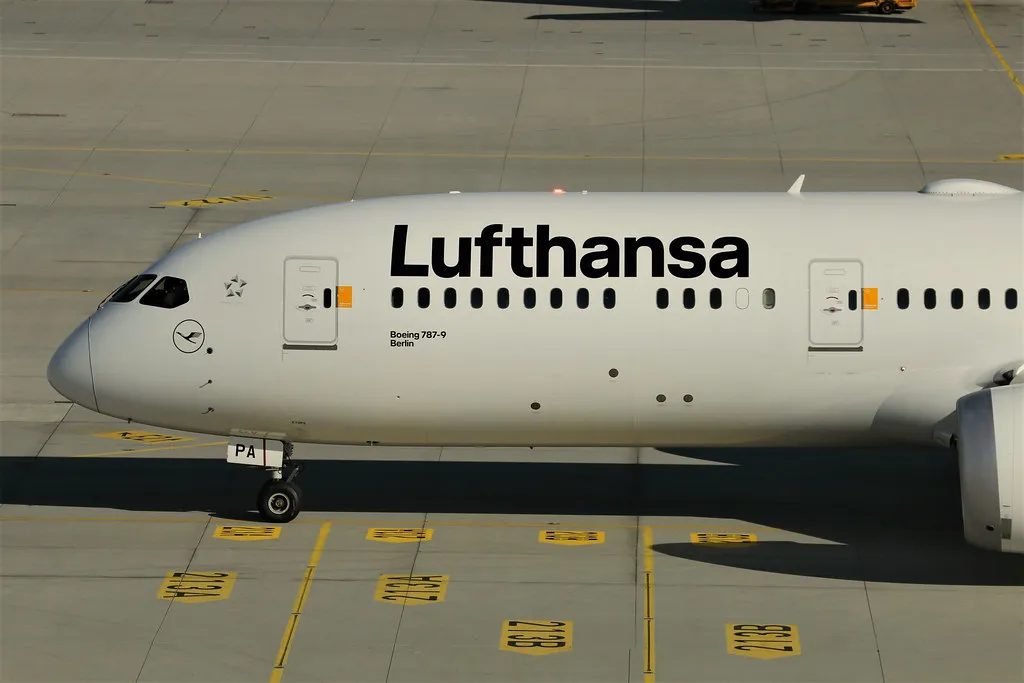
The main passenger boarding door is the forward-left door, known in industry shorthand as “1L.” The “1” refers to the most-forward door position, and the “L” means left when facing the cockpit. The matching forward-right door, “1R,” is generally called the service door.
A door is installed on the right side of the plane as well, as cabin crews demonstrate during pre-takeoff safety briefings, but the left-side door is always used by passengers for getting on and off.
This naming system is consistent across aircraft types and airlines worldwide. It removes any ambiguity on the ramp, which is exactly the kind of clarity that keeps busy airports running safely.
The Right Side Is Busy With Everything Else
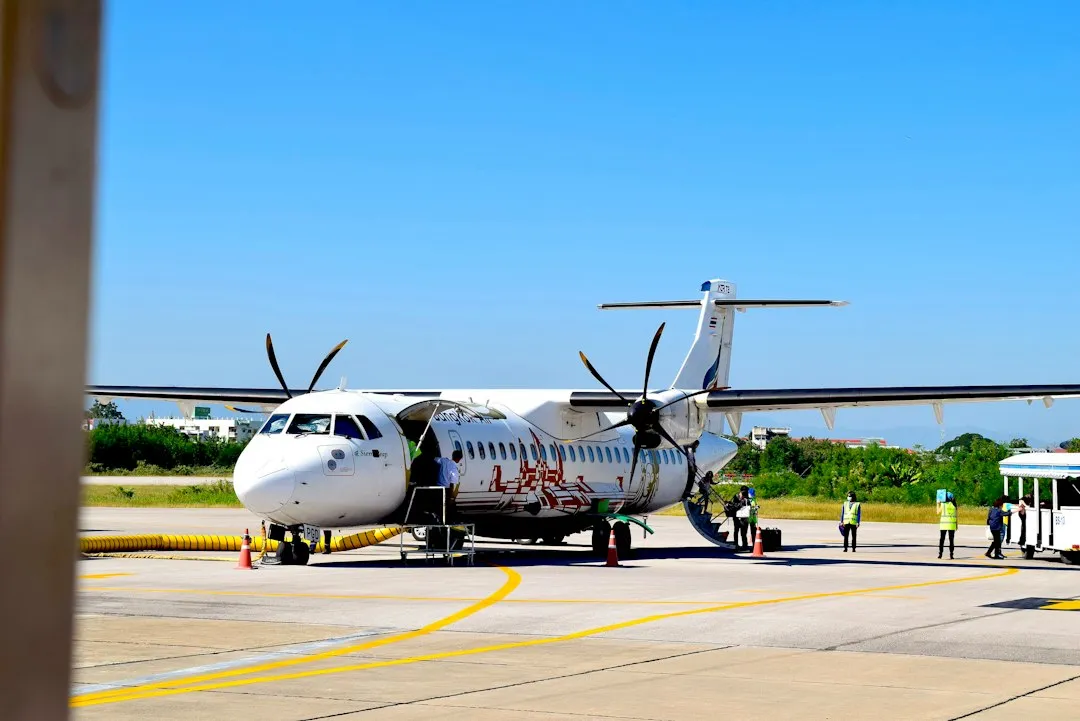
The right side of the aircraft is where employees handle refueling, catering, and baggage loading. While passengers stream through door 1L on the left, a completely separate choreography is happening on the other side of the fuselage.
Passenger disembarkation and embarkation can take place simultaneously with cargo loading and unloading, because the jet bridge engages on the left side of the aircraft while cargo loaders work on the right side. These two ramp operations don’t interfere with each other.
Cargo, fueling, and servicing are largely done from the right side of most aircraft. Keeping passengers boarding and deplaning on the left avoids conflicts with ground equipment and reduces risk. Emergency vehicles and catering trucks also have standardized positions based on this layout, keeping the ramp choreography consistent worldwide.
Standardization: The Real Reason It Stuck
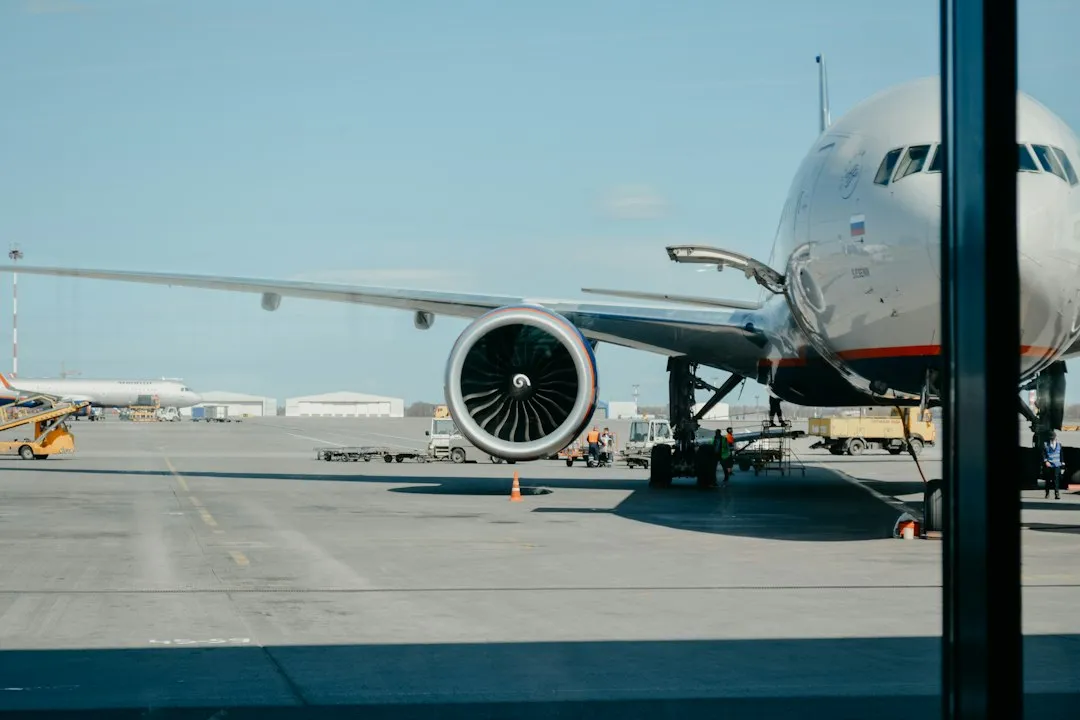
It doesn’t actually matter which side planes board from – but all planes need to board from the same side so that airports get configured consistently and equipment gets set up consistently.
Using the port side for loading and unloading simplified logistics globally, ensuring the correct equipment was always on the appropriate side regardless of location. It made building airports easier because everyone agreed that the left-hand side was where loading and unloading happened. This maritime tradition transitioned seamlessly into aviation as the industry developed.
Once a global standard takes root in infrastructure – in the shape of jet bridges, the placement of parking sensors, the training of ground crews – it becomes self-reinforcing. Changing it would require rebuilding airports and retraining the entire industry simultaneously.
Are There Exceptions?
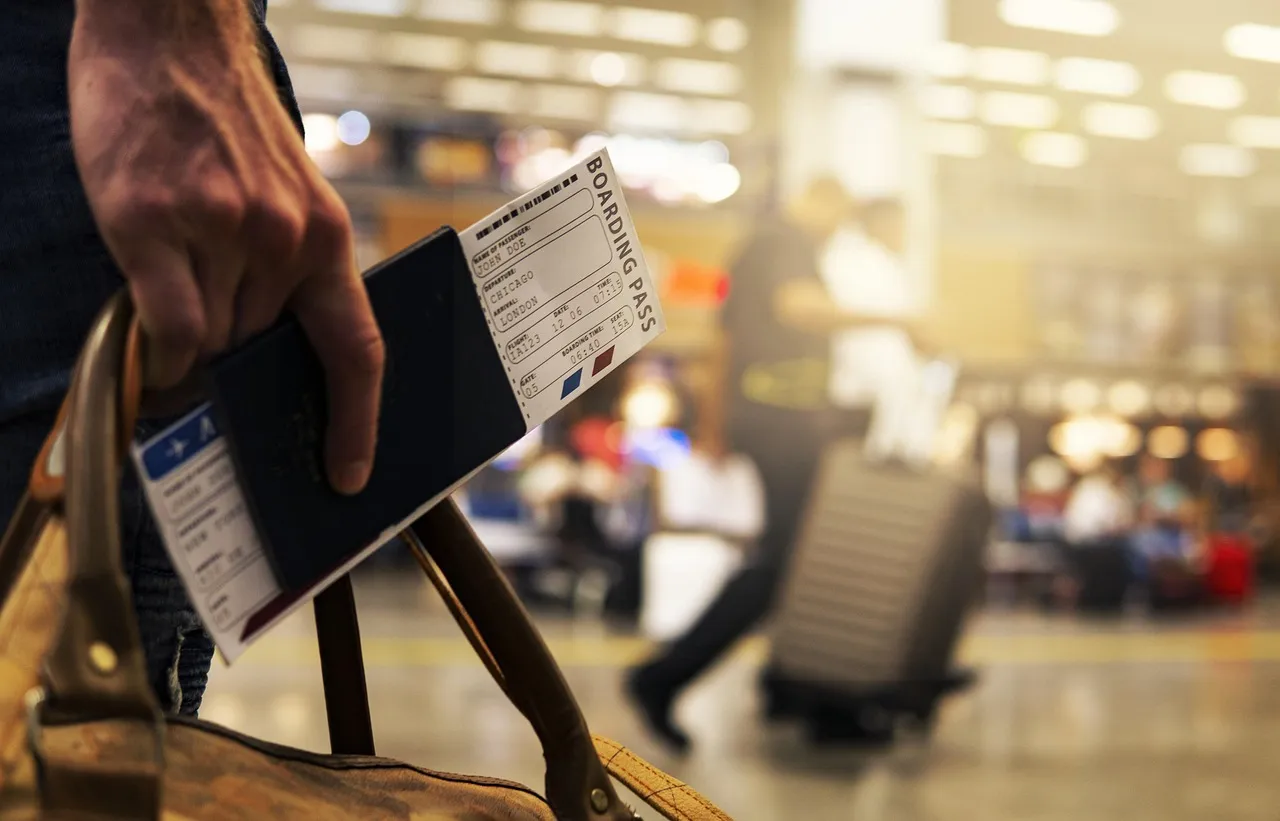
While boarding from the left side is essentially universal, there are times when passengers board from the right. On smaller regional jets such as the Mooney M-20, passengers may board from the right due to the aircraft’s design. These planes are typically built for efficiency and simplicity, and door placement often depends on internal layout and access to controls or cargo space.
Broadly speaking, you board a plane on the left-hand side because Anglo-Saxon mariners steered their ships from the right-hand side over a thousand years ago – but the smaller corners of aviation have always made room for practical exceptions.
Remote stands, small propeller aircraft, and certain military configurations all present scenarios where a different door is used. The left-side rule is a near-universal standard, not an absolute law written into regulation.
Aviation Borrowed More From the Sea Than You Think
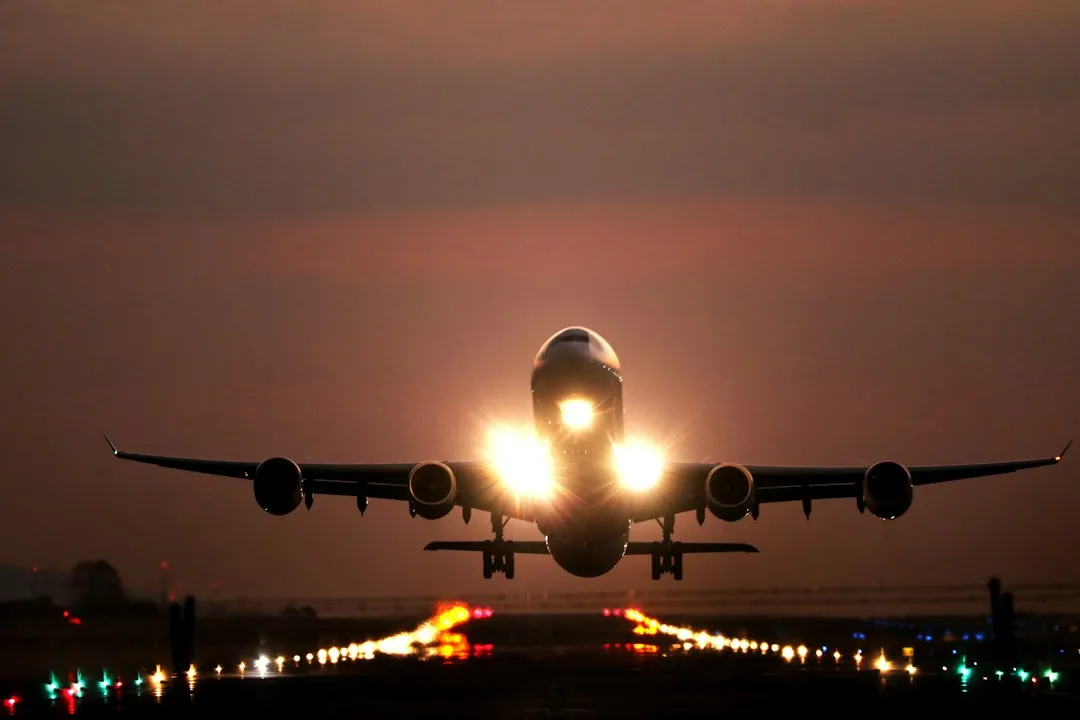
Other terms carried over from the maritime industry include the word “airport” itself, which contains the word “port.” In aviation, it is customary to call a plane a “ship” and refer to the aircraft number as the “ship number.” Ship navigation terms also crossed over, with distances measured in nautical miles and speeds measured in knots.
On planes, a red lamp is used on the left wing tip and a green lamp on the right, following the regulations for ships, which require a red navigation light on the left side and a green navigation light on the right. You can see this on any aircraft at night – a direct echo of the sea.
Aviation didn’t invent itself from scratch. It borrowed a working framework from centuries of maritime experience and adapted it to the sky. The left-side boarding tradition is one of the most visible reminders of that inheritance.
The Takeaway
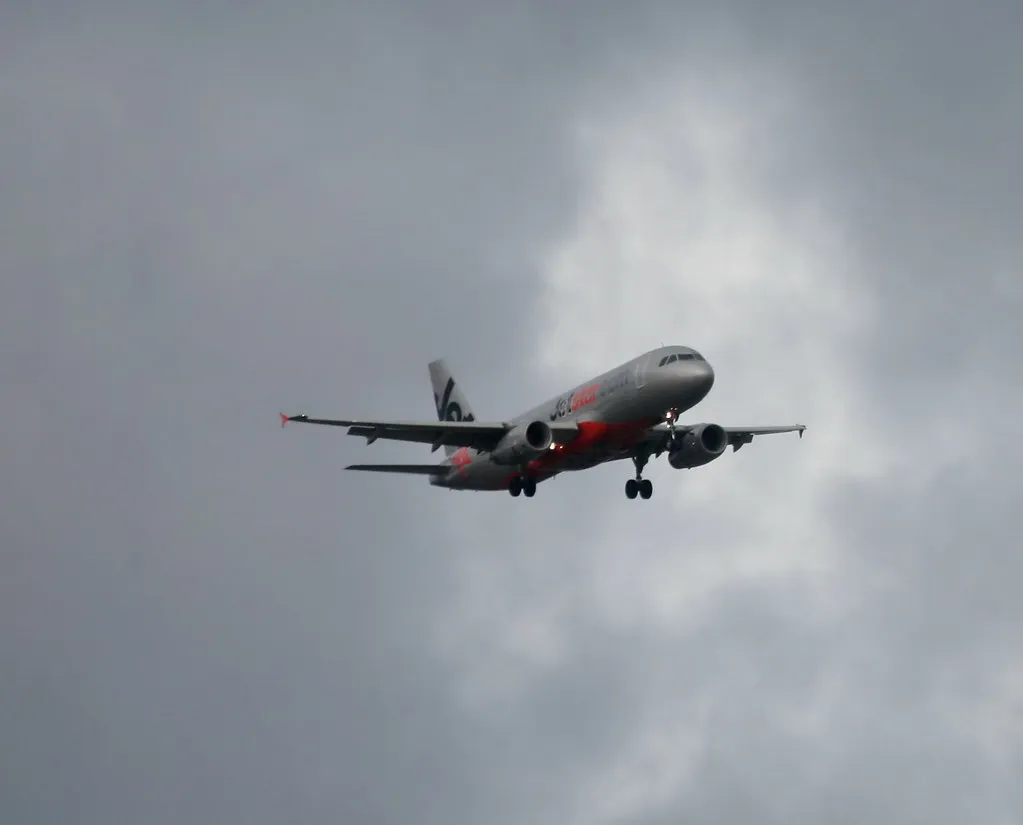
The next time you shuffle down a jet bridge and step through that left-side door, you’re participating in a tradition that began long before the Wright brothers – before commercial flight, before airports, before the jet age. It started with a steering oar on the right side of a wooden hull and the simple logic of leaving the other side clear for people.
What makes it remarkable isn’t the tradition itself, but how thoroughly it was carried forward. From the positioning of cockpit sensors to the design of airport gates on six continents, an ancient maritime habit quietly became the invisible backbone of global air travel.
Some things persist not because they’re enforced, but because they simply work – and everybody agrees.
AI Disclaimer: This article was created with the assistance of AI tools and reviewed by a human editor.