

Most travelers who see fire trucks lined up on the tarmac assume something has gone wrong. The lights, the hulking vehicles, the arcing streams of water – it looks urgent. In reality, it’s one of aviation’s most quietly moving traditions, and it has nothing to do with emergencies.
The water cannon salute is a ceremony steeped in genuine respect, and the people who carry it out – airport firefighters, ground crews, and air traffic controllers – treat it with real care. Here’s what they know about it that most passengers never do.
It Comes Straight From the Sea
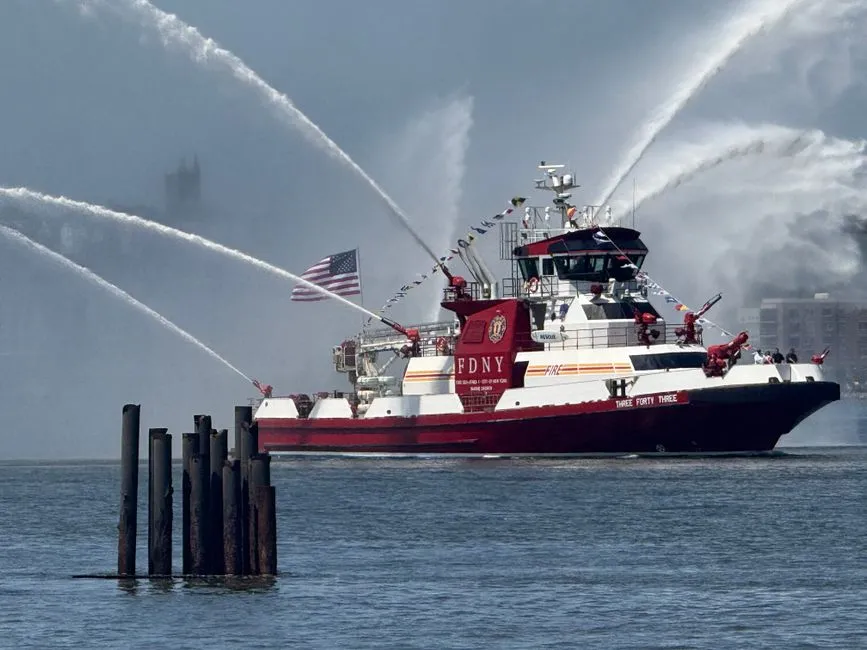
The tradition of the water cannon salute can be traced back to the 19th century maritime industry, when ships were launched on maiden voyages and fireboats would recognize the occasion with an arc of water from their on-board cannons. It was a way for those on shore to mark something significant – a beginning, a safe arrival, a moment worth pausing for.
The tradition is said to have originated during the golden age of transatlantic shipping, when colossal vessels reached port and were welcomed with water arches from fireboats to mark their happy and safe arrival. From sea to sky, the symbolism carried over almost perfectly.
Aviation Adopted It Later Than You’d Think
There’s an account, though unverified, that the tradition crossed into aviation as recently as the 1990s, when a Delta Air Lines captain landed at Salt Lake City on his final flight before retirement. That airport’s firefighting unit began spraying water over the plane in acknowledgment of a fine career, and from there the practice spread through the aviation industry.
By the late 20th century, the practice had evolved into a more formalized airport ceremony, with documented early widespread adoption in the 1990s. For a tradition that feels timeless, it’s surprisingly recent in the world of commercial aviation.
A Retiring Pilot’s Final Touchdown
The water salute is a time-honored tradition symbolizing respect and recognition for a pilot’s career and contributions to aviation. It marks the end of an era and gives the pilot a moment to reflect on decades of service. For many pilots, it arrives as a genuine surprise – something arranged by colleagues without them knowing.
Water cannon salutes are a mark of respect in both the civilian aviation industry and the military aviation enterprise when a senior pilot retires, an aircraft retires, a new aircraft arrives, or when a flight makes its final departure from an airport. The retiring pilot is the most common reason passengers at the gate suddenly see fire trucks rolling out onto the apron.
New Routes and Inaugural Flights Also Earn the Honor
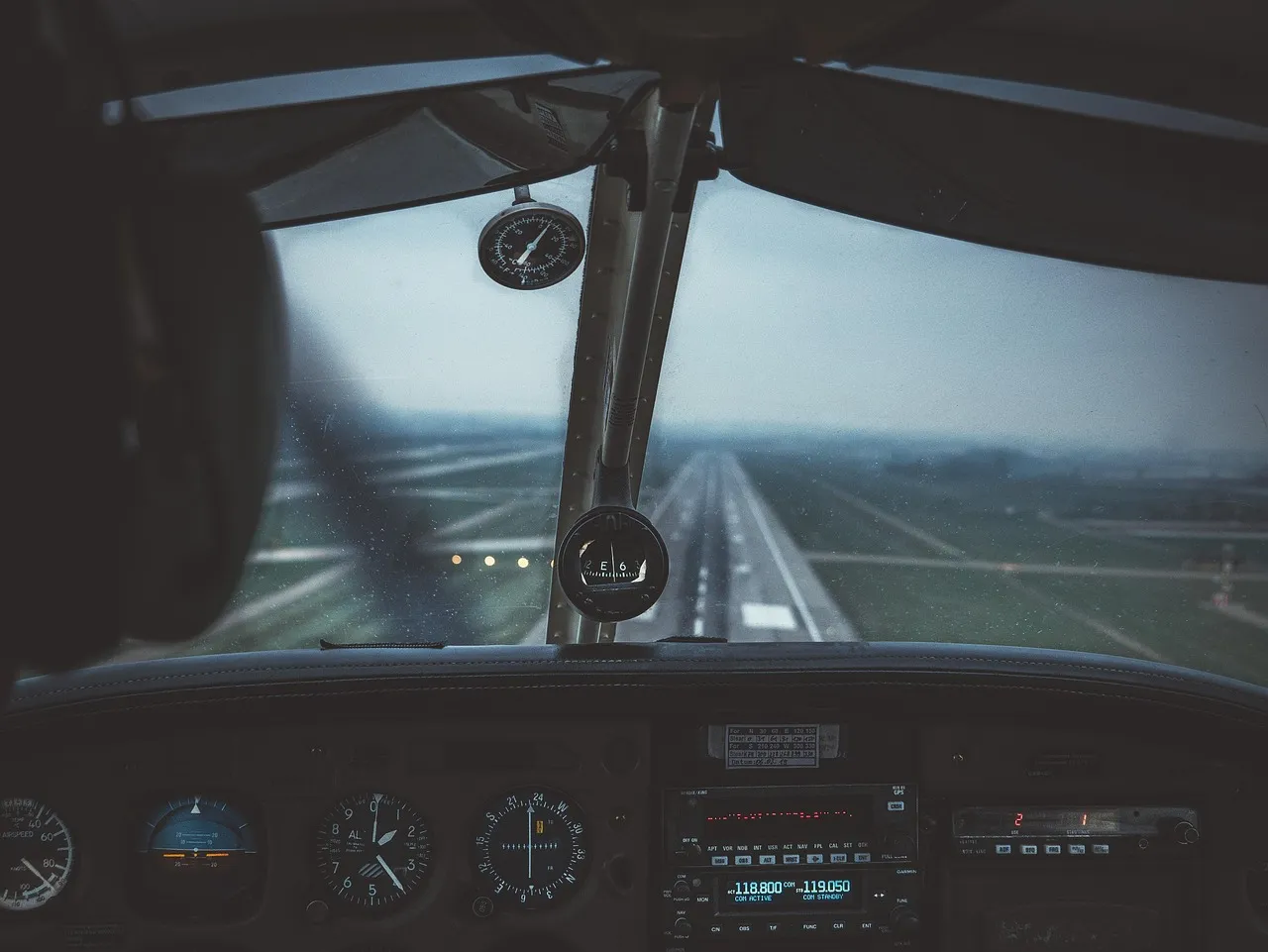
One of the most common occasions for a water cannon salute is celebrating a significant milestone at the airport. For many airports, attracting a new airline or a new route from an existing carrier is an important event worth celebrating in spectacular fashion. It signals economic confidence and community pride just as much as it signals ceremony.
At Amsterdam’s Schiphol Airport, water salutes are used to mark special occasions – anything from the inaugural flight of a new airline or the arrival of a new type of plane, to an Olympic team returning home. The range of occasions gives you a sense of how flexible the tradition has become.
Aircraft Retirements Get the Same Send-Off
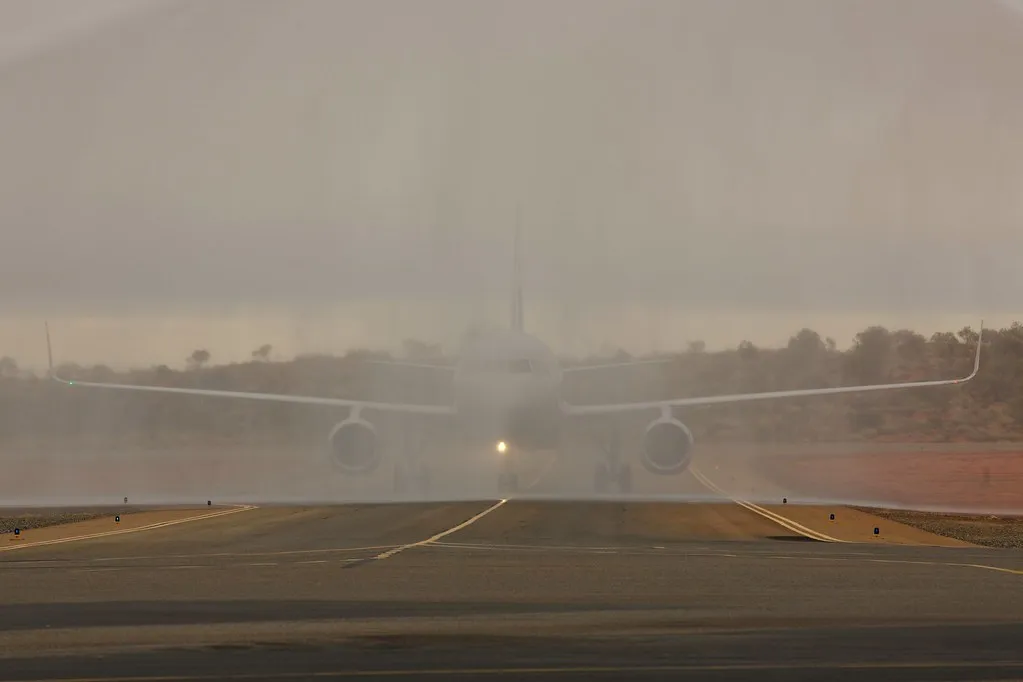
Water cannon salutes are also often used to celebrate the life of an aircraft that is being retired by an airline. It is a fitting tribute to a long service career and commitment to the carrier. Passengers who happen to be on that final flight sometimes don’t realize the journey itself is historic.
When Concorde flew its last flight in 2003 from John F. Kennedy International Airport, red, white, and blue colored plumes were used. When the British Airways Concorde made its final commercial flight out of New York JFK in October 2003, it was saluted by red, white, and blue water plumes. The color coordination was deliberate – a nod to national identity as much as to the aircraft itself.
Veterans and Dignitaries Can Receive the Salute Too
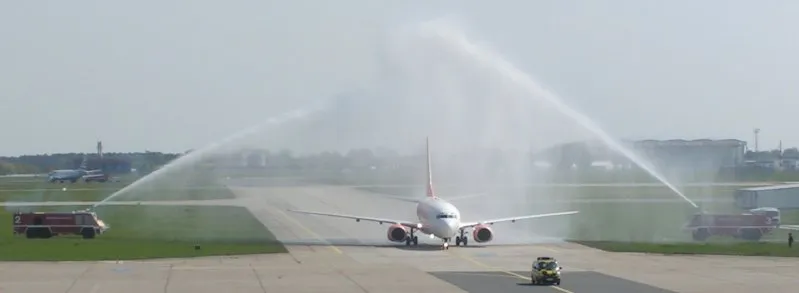
Honor flights bringing thousands of veterans from World War II, the Korean War, the Vietnam War, and terminally ill veterans from any era to Washington, D.C., arrive with great fanfare – including a full water cannon salute by the airport fire department and a triumphant celebration once they exit the plane and enter the terminal building. For many of the passengers on board, it’s an overwhelming moment.
The water salute is a tradition that has been followed to honor military veterans, foreign dignitaries, and new airline services. The gesture translates across contexts because the underlying meaning stays the same: you matter, and this moment matters.
The Mechanics Behind the Arch
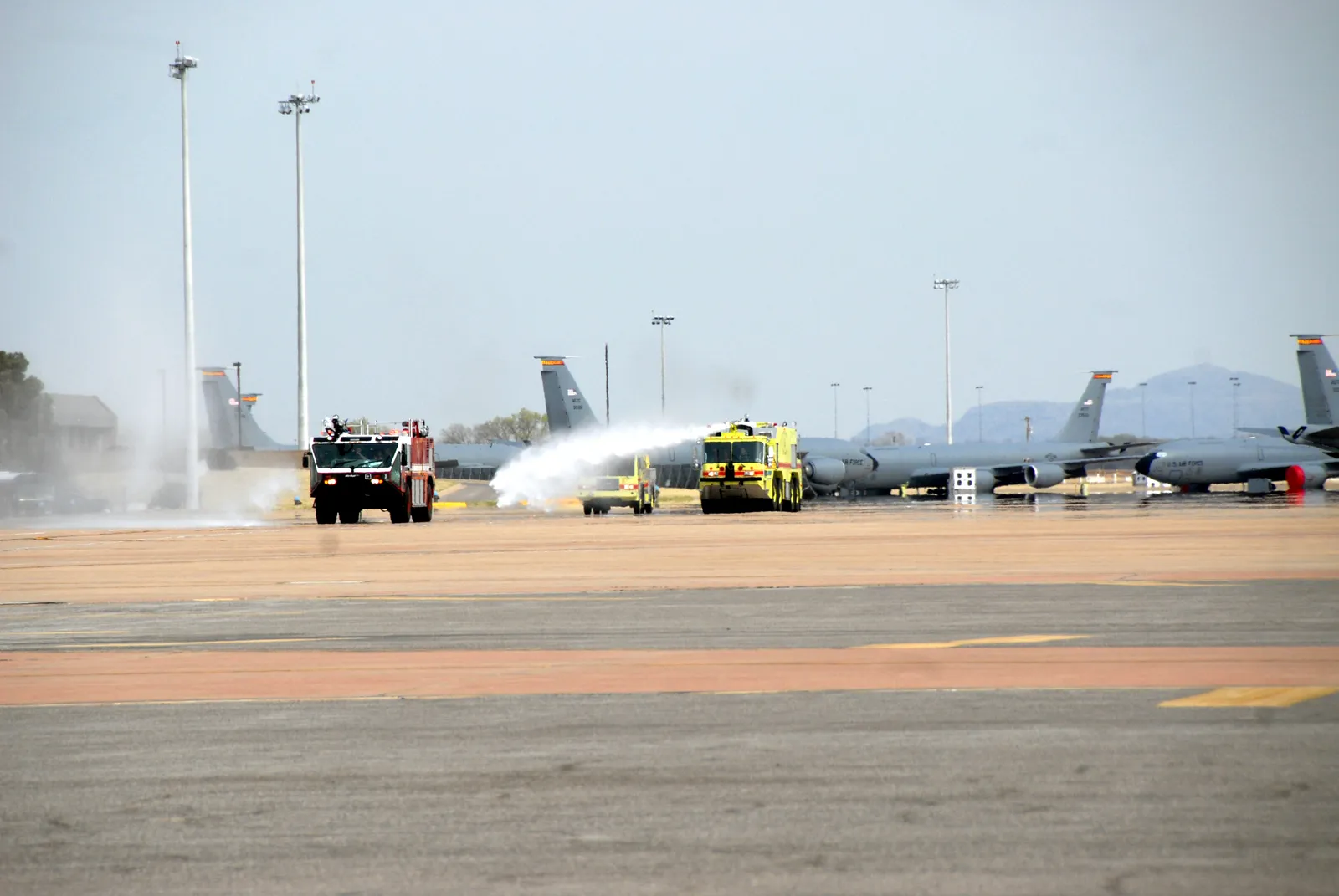
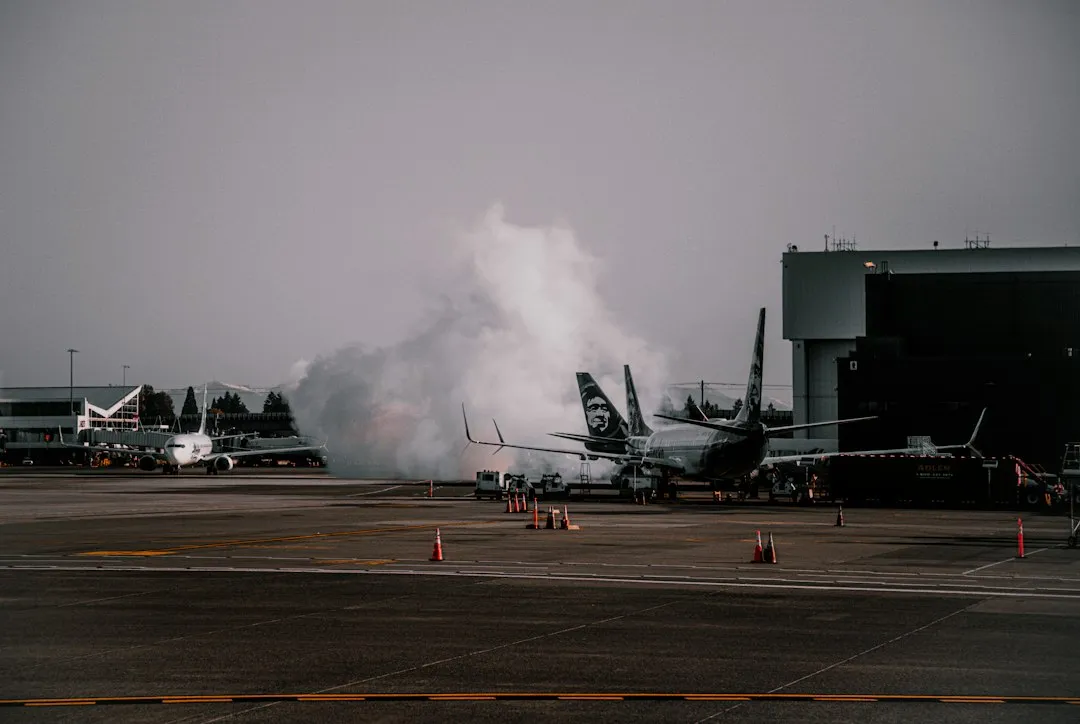
At an airport, typically an even number of airport crash tender firefighting vehicles arrange themselves perpendicularly along the sides of a taxiway or apron and emit coordinated plumes of water which form an arch as the aircraft passes. The positioning is precise, not improvised.
A single ARFF vehicle typically uses around 3,000 gallons, or roughly 11,300 liters, of water for a single water cannon salute in about two minutes. The procedure requires coordination to maintain vehicle stability and avoid hydraulic hazards, with pumps delivering pressurized water at rates up to 1,000 gallons per minute per truck. It’s a display that looks effortless but demands real operational care.
Air Traffic Control Is Always Part of the Plan
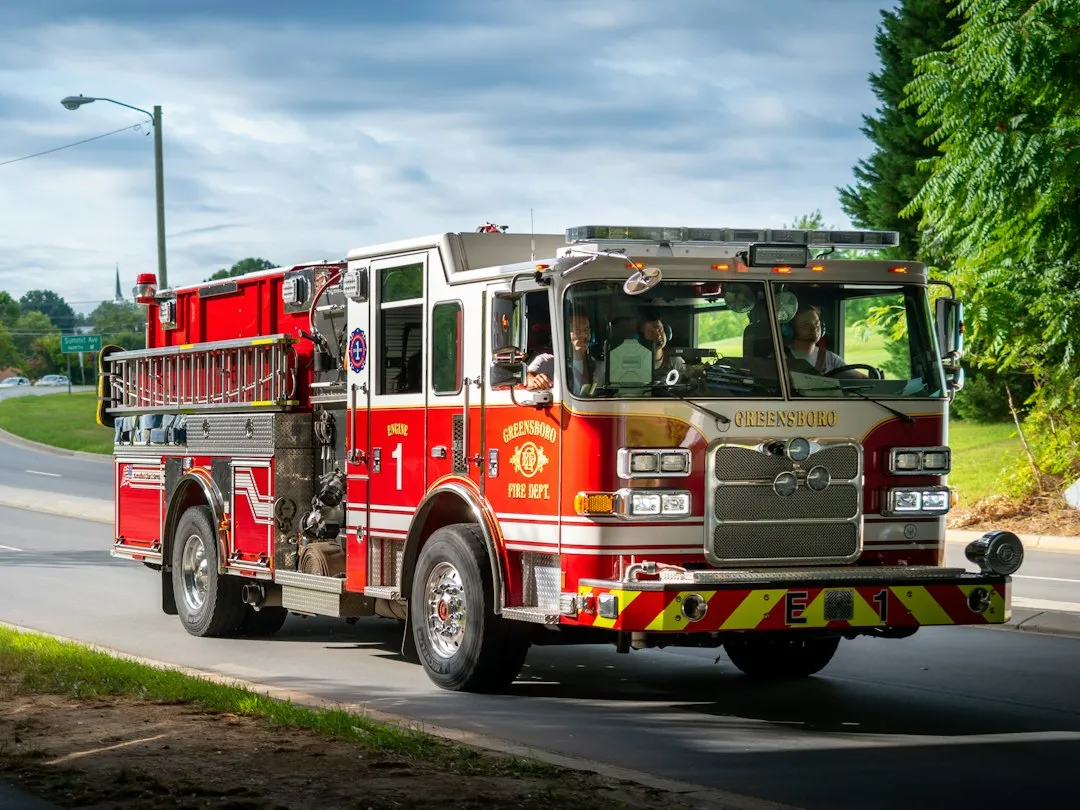
It’s not simply a matter of sending out two fire engines and turning on the water cannons – the engines need to be positioned carefully in safe locations, allowing enough space for the plane to pass through. Wind direction must also be taken into account, and the process must be coordinated together with Air Traffic Control. It’s also important for the pilot to announce the water salute to passengers on board, because otherwise the sight of fire engines and flashing lights just after landing might cause a panic.
Water salutes aren’t everyday occurrences at airports. They’re typically reserved for special events and require prior approval from airport authorities to ensure safety and proper coordination. That approval process is what keeps the ceremony both meaningful and safe.
Safety Is Never Compromised for the Show
During each water salute, the firefighters make sure that there’s enough water left in the tanks should they actually need their water cannons to put out a fire. Safety always comes first. That detail is a good reminder that these are working professionals performing a ceremony – not a performance team.
Unlike emergency situations where firefighters would approach the aircraft directly, these ceremonial sprays occur at a safe distance while the plane moves slowly along the taxiway. The aircraft itself is never at risk, and the water doesn’t affect its systems in any meaningful way.
When Things Go Wrong
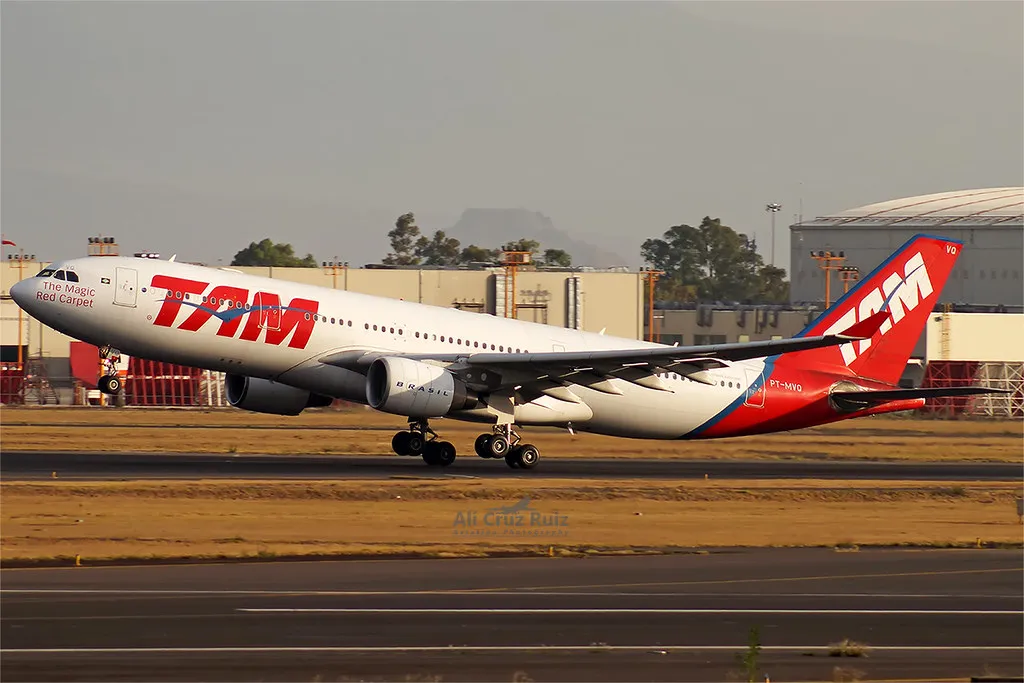
While a water cannon salute should be a relatively straightforward procedure, there have been some instances when it has gone wrong. In 2015, a Virgin Atlantic Airbus A330 service from Atlanta to Manchester had its engines clogged when firefighters’ foam was used instead of water. That incident, caused by pressing the wrong button, forced the return flight to be canceled.
A United Airlines Boeing 777 also received a water cannon salute at Washington Dulles Airport to honor a retiring pilot, and due to a mishap, foam was sprayed instead of water, leading to engine damage and the aircraft being taken out of service for inspection. These rare incidents are a reminder of how much precision the ceremony requires, even when it looks simple from a terminal window.
The Rainbow Nobody Expects
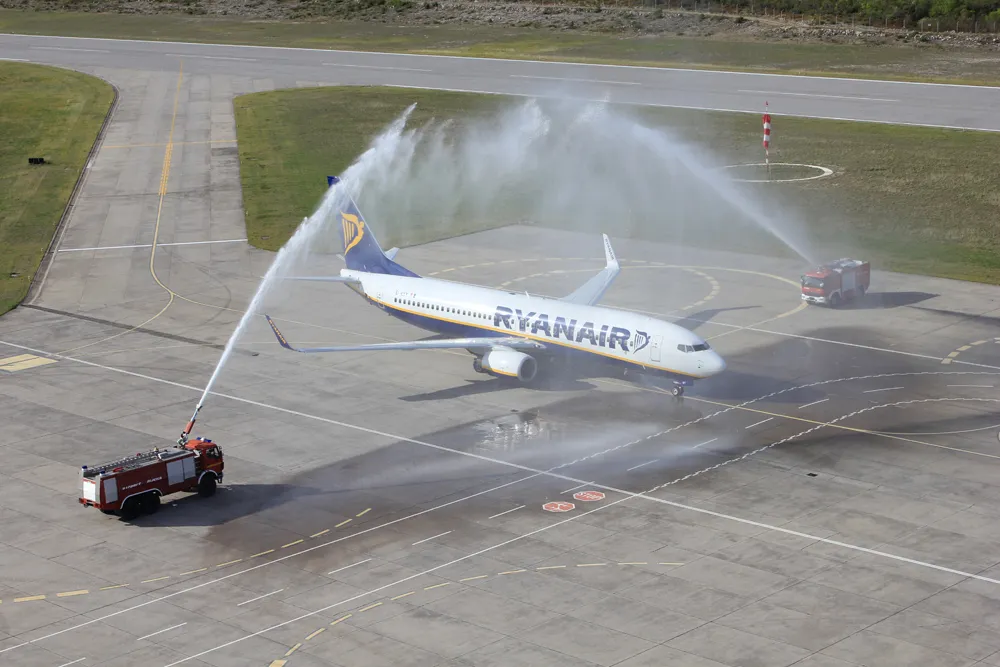
Thanks to the prism effect of the water droplets, a mini-rainbow can often be seen in water cannon salutes. It’s an accidental but fitting flourish – color appearing from nowhere, briefly, before the moment passes. Two fire engines parked on either side of the runway use their water cannons to create a giant arc above a plane as it taxis to its gate, and with a little luck and a ray of sunshine, a rainbow appears.
Symbolically, the ceremony is similar to a bridal party walking under a wedding arch, or the saber arch formed to honor infantry or navy officers. That’s a lot of weight carried by something that lasts barely two minutes and leaves nothing behind but a wet taxiway and a pilot who may need a moment to collect themselves.
The Takeaway
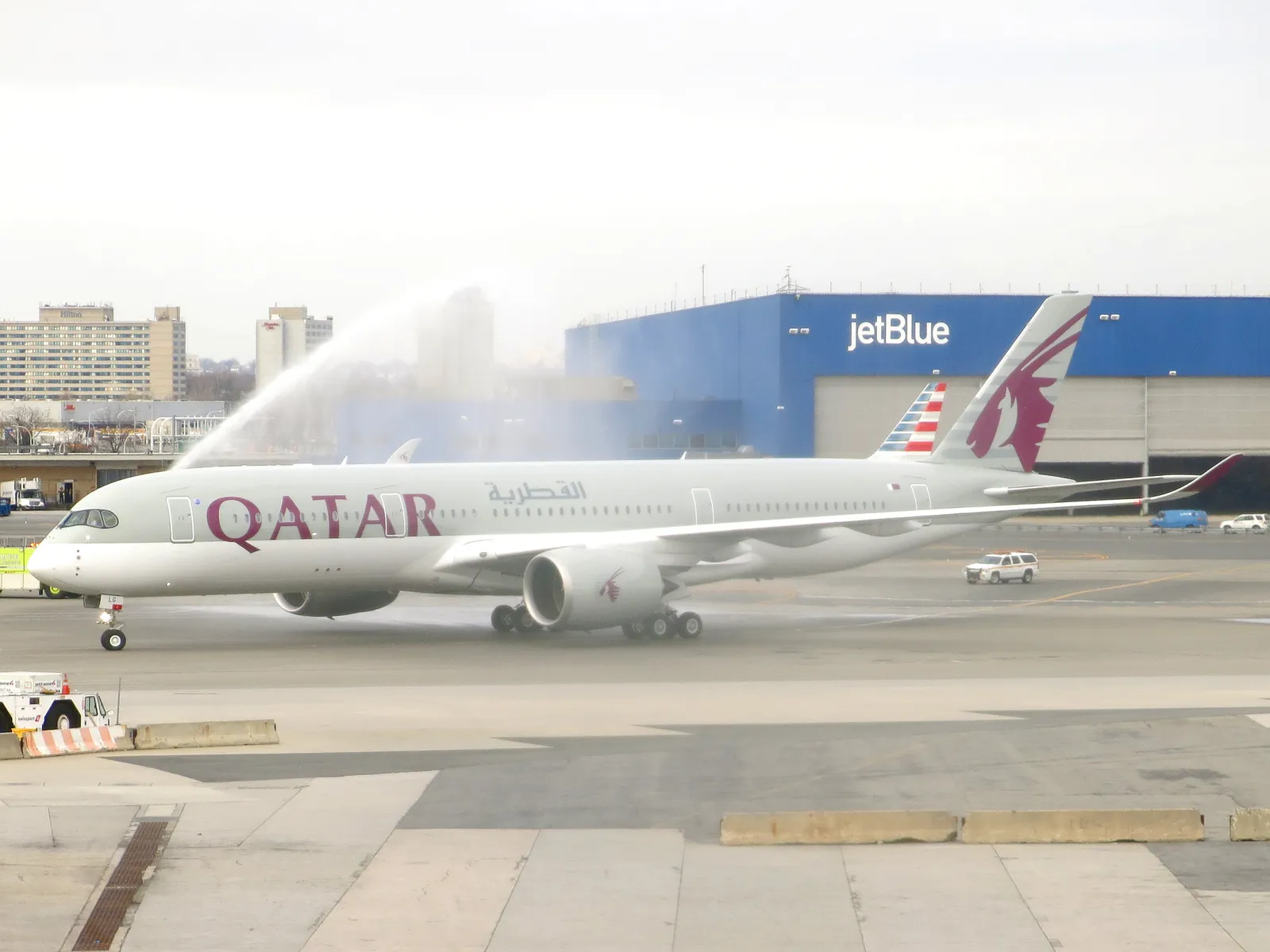
The water cannon salute is one of those rituals that reveals something about the people who practice it. Ground crews and airport firefighters spend most of their working lives in the background, invisible to passengers. This is one of the few moments where they step into plain view – not to respond to a crisis, but to mark something worth remembering.
Behind every arch of water is a carefully coordinated effort involving firefighters, air traffic controllers, airline staff, and pilots. It’s a professional community saying, in the only language available to them on a tarmac, that this particular moment counts. That’s a harder thing to engineer than it looks, and it’s why the tradition has lasted.
AI Disclaimer: This article was created with the assistance of AI tools and reviewed by a human editor.