
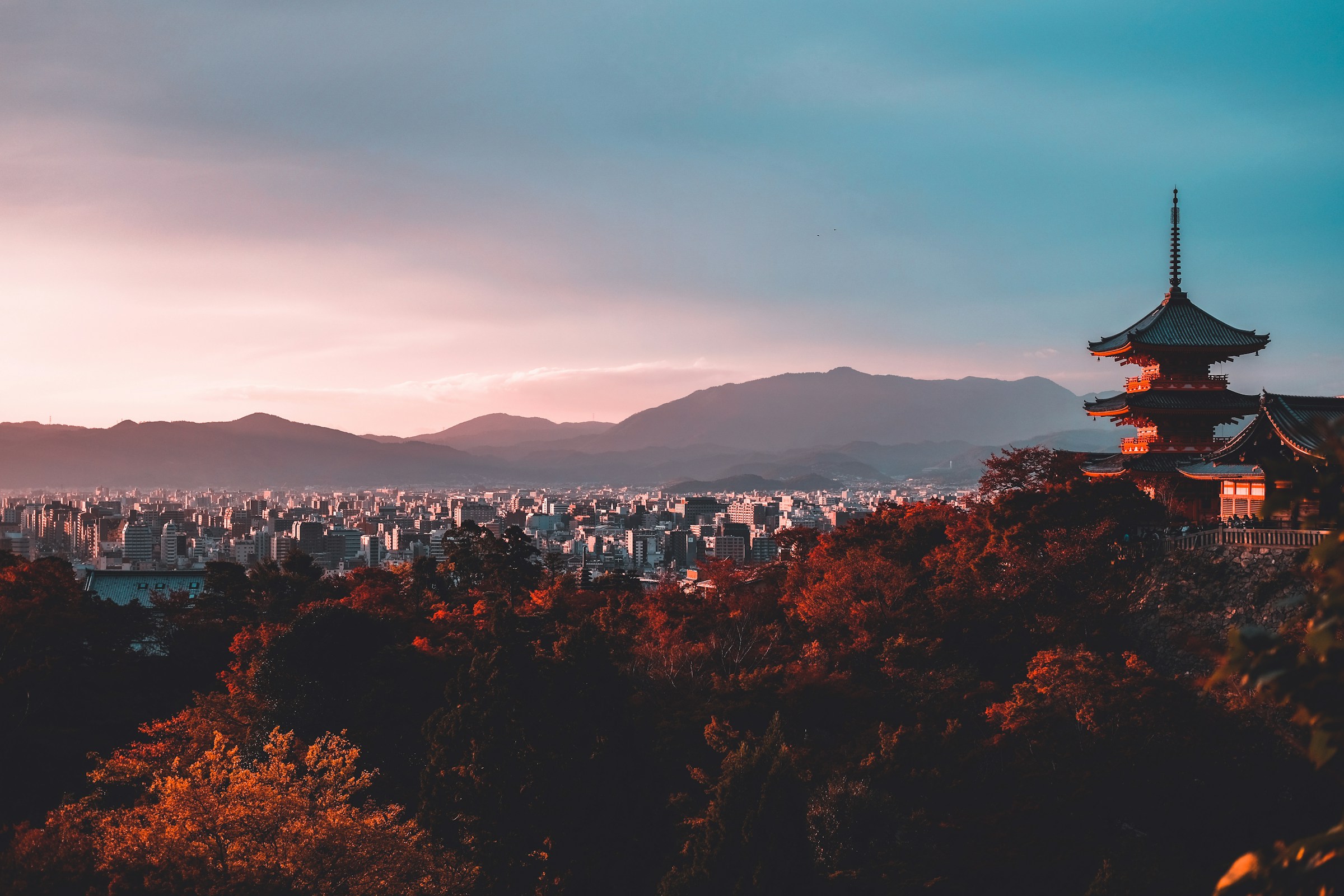

1. Sleeping in a Ryokan
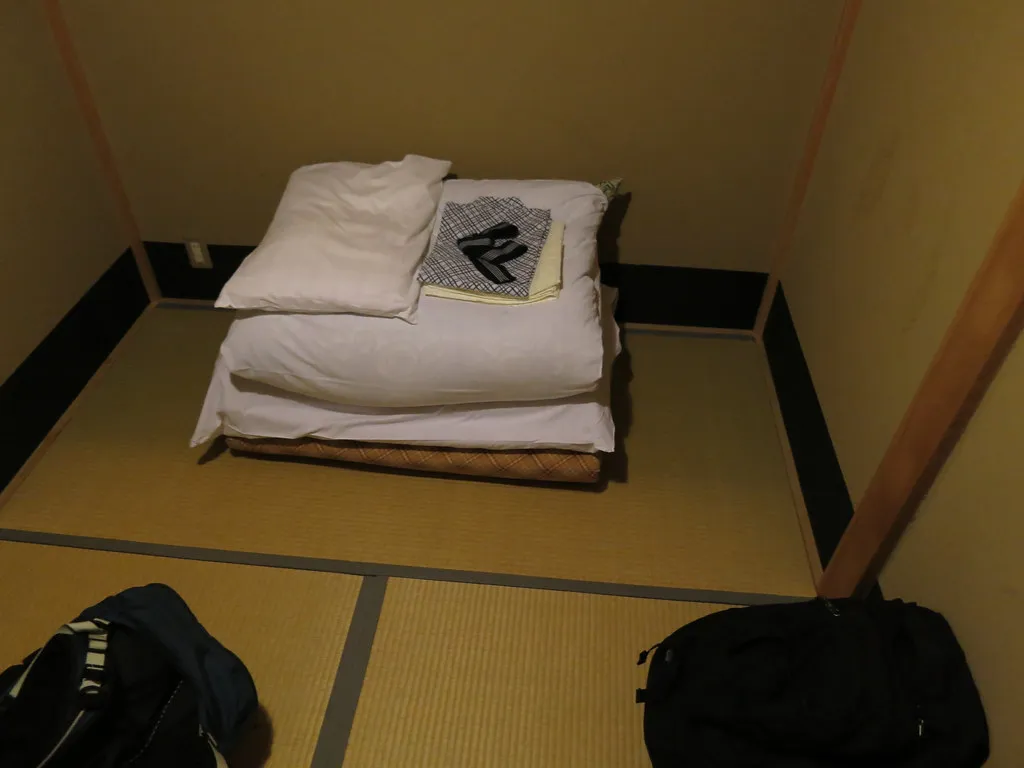
This one sounds simple on paper, but the reality runs much deeper than a hotel with sliding doors. Common elements of an authentic ryokan include tatami flooring, futon bedding, private baths, yukata robes, sumptuous multi-course kaiseki dinners, and a traditional Japanese breakfast. For many visitors, a stay at an authentic ryokan, offering genuine omotenashi hospitality, becomes the most anticipated highlight of their entire trip.
Staying in a ryokan is more than just a cozy night’s sleep. It’s an invitation to immerse yourself in Japanese culture, with the onsen, or hot spring bath, being one of the central highlights. The rhythm of a ryokan stay is unlike anything in Western hospitality: bath before dinner, dinner in your room, breakfast laid out before you wake fully.
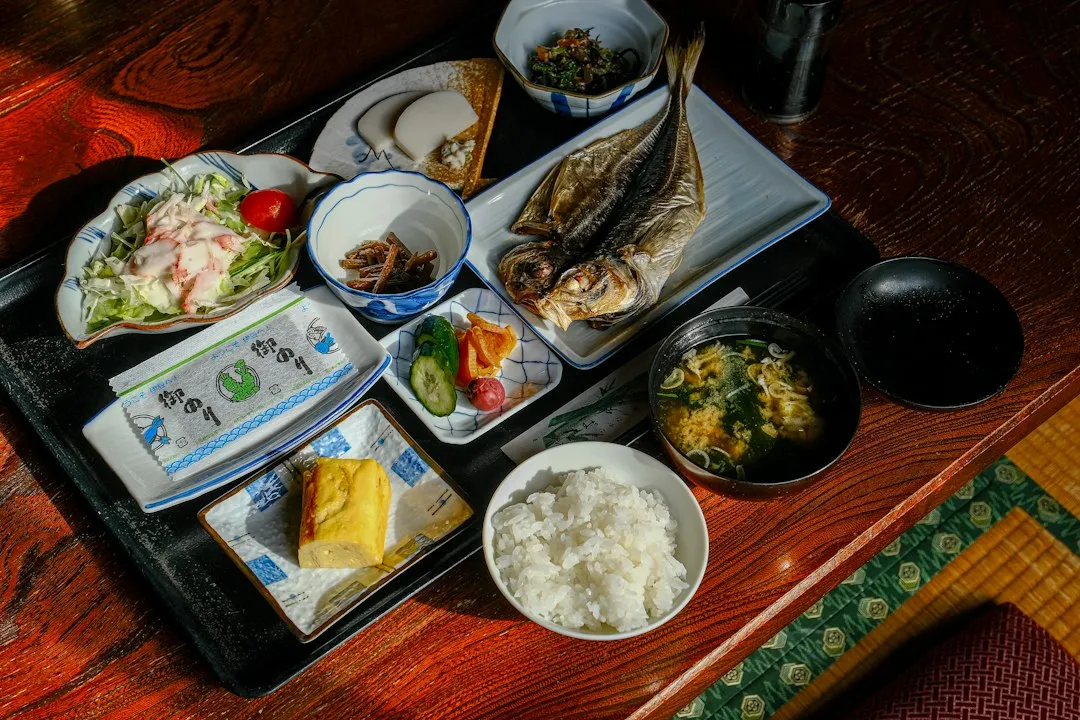
A ryokan stay typically includes a kaiseki multi-course dinner and a traditional Japanese breakfast the next morning, with meals cooked using local, seasonal ingredients. It’s not uncommon to leave feeling genuinely rested in a way a hotel simply doesn’t achieve.
2. Soaking in an Onsen
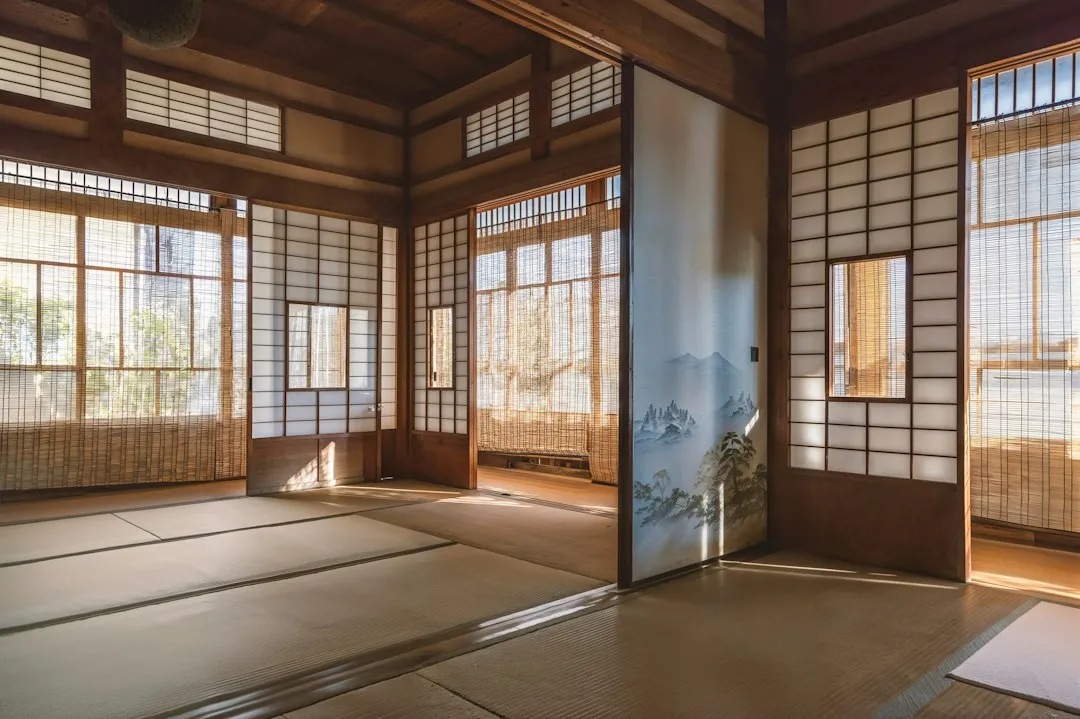
Bathing is deeply rooted in Japanese culture, and onsen hot springs resorts remain some of the country’s most beloved travel experiences. Japan sits on one of the most volcanically active zones on the planet, which means naturally heated mineral waters are accessible from Hokkaido in the far north all the way down to Kyushu in the south.
Kinosaki Onsen, said to be the birthplace of hot spring hopping, has seven hot springs each with their own character. Since ancient times, the people of Kinosaki have thought of the town as one large ryokan, with the inns as guest rooms and the streets as the hallways. That communal philosophy is still very much alive.
The onsen experience is rejuvenating both physically and mentally, and offers a genuine glimpse into the Japanese way of life. When you visit an onsen, a few simple etiquette rules apply: rinse off before entering the communal bath, keep your towel out of the water, and remain mindful of those around you. Understanding that etiquette is itself part of the experience.
3. Witnessing Sakura Season
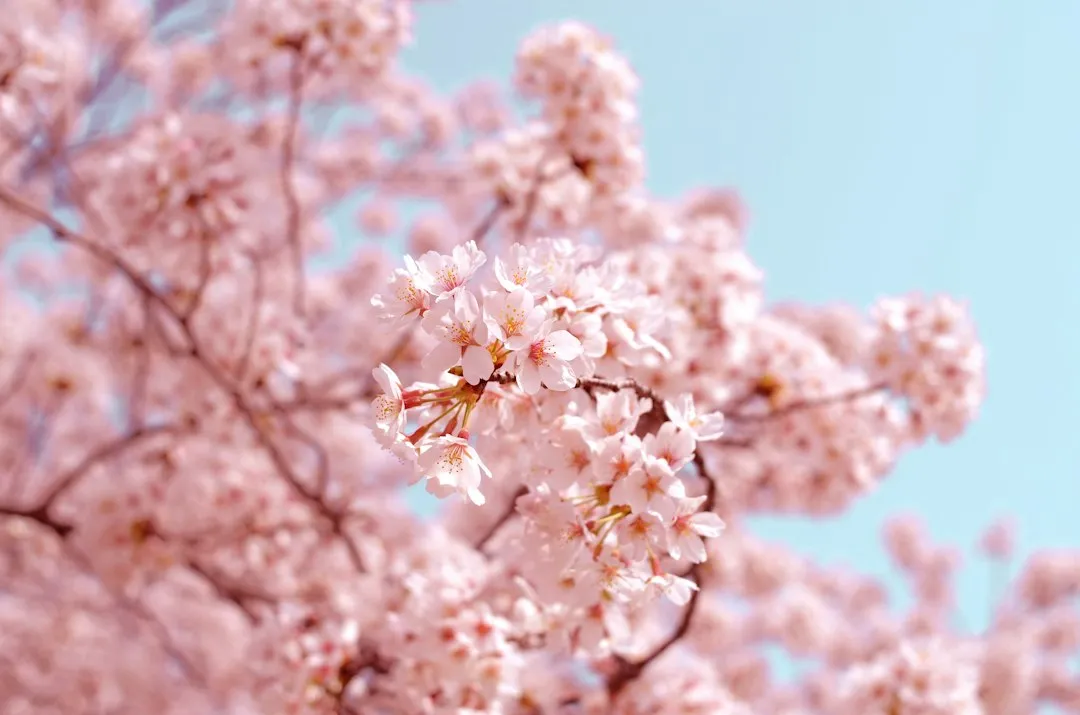
Spring means cherry blossom season in Japan, and the romance is fleeting, lasting only a week or two. That brevity is precisely what gives it weight. The Japanese concept of mono no aware, an awareness of impermanence tied to beauty, finds no better expression than in the sakura bloom. It isn’t a tourist gimmick. It’s a genuine national event.
In Tokyo’s Shinjuku Gyoen alone, over 1,000 cherry trees of diverse varieties guarantee blooms for approximately a week after the peak period. Timing a visit well matters, though the geography of Japan actually works in a traveler’s favor. Being the northernmost region of the country, Hokkaido’s sakura season is the latest in Japan. In some areas, cherry blossoms start to bloom as late as mid-May.
In spring, some ryokan offer hanami-buro: open-air baths with views of cherry blossoms in full bloom, available only during this fleeting season. Watching the petals drift above a steaming outdoor bath as snow-capped mountains hold the background is the kind of moment that stays with a person for a long time.
4. Riding the Shinkansen

There are trains, and then there is Japan’s rail network. The shinkansen, or bullet train, is technically impressive enough on its own. Speeds routinely exceed 300 kilometers per hour, yet the ride is extraordinarily smooth and quiet. Travelers who ride Japan’s trains often fall passionately in love with the experience, and the rail network is one of the most comprehensive ways to move across the country.
The system’s precision is something travelers consistently find genuinely surprising. Trains depart and arrive to the minute, sometimes to the second. The network connects not just the major cities but reaches deep into rural prefectures and mountain towns that would otherwise feel entirely out of reach on a standard itinerary.
A Japan Rail Pass, purchased before departure, opens up enormous flexibility to move between Tokyo, Kyoto, Osaka, Hiroshima, and beyond without buying individual tickets. It reframes the whole country as navigable, even on a first visit.
5. Exploring Immersive Digital Art

Japan has produced some of the most ambitious interactive art experiences in the world, and teamLab sits at the center of that conversation. Their unique digital art museums are immersive experiences where visitors interact with vivid displays of light and sound, with two exhibitions in Tokyo, including teamLab Planets, which involves walking in water and a floating orchid garden, currently open until the end of 2027.
TeamLab Borderless closed for a period before reopening in a new permanent location in February 2024. It’s smaller and doesn’t involve water, but it contains some genuinely stunning exhibits. The appetite for these experiences keeps growing.
Japan’s newest and largest teamLab experience, teamLab Biovortex Kyoto, opened in October 2025, featuring new artworks that draw on themes from the natural world. That Japan continues expanding these offerings rather than resting on established ones tells you something about the country’s relationship with creative innovation.
6. Eating Like a Local Across Every City
Japan’s food culture is genuinely world-class, and not only in the expensive, formal sense. Tokyo holds more Michelin stars than any other city on earth, yet some of the most memorable meals happen at ramen counters, covered food markets, and izakayas where a plate of yakitori costs almost nothing. The range is extraordinary.
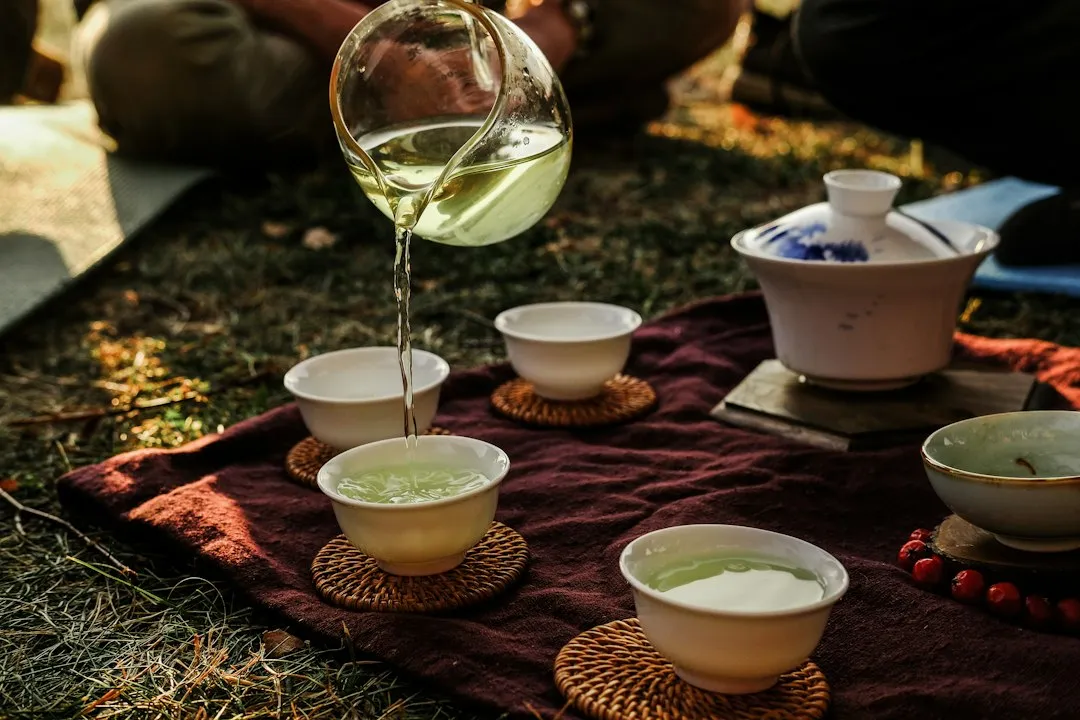
There has been a stronger and stronger focus on authentic local food experiences among international visitors. Cultural tours that include experiences like traditional tea ceremonies were among the most popular offerings in 2024, with the vast majority of customers requesting to include one or more of these cultural experiences in their itinerary.
The Japanese tea ceremony, or chanoyu, is a meditative practice that embodies the principles of harmony, respect, purity, and tranquility. Even a brief introduction to it reframes how one thinks about preparation, hospitality, and attention. That shift in perspective is part of what food and drink in Japan quietly offer, not just flavor, but a different way of relating to what you consume and who made it for you.
The Takeaway
International visitors spent an average of roughly 227,000 yen per person in 2024, a significant increase compared to 2019. That figure reflects something real: people are staying longer, spending more intentionally, and choosing experiences over mere sightseeing. Japan rewards that kind of traveler generously.
The long flight has a way of receding in memory. What stays is the ryokan breakfast laid out in silence, the cherry petals caught mid-fall, the train arriving exactly when it said it would. Japan doesn’t need to be oversold. It simply needs to be experienced.
AI Disclaimer: This article was created with the assistance of AI tools and reviewed by a human editor.