
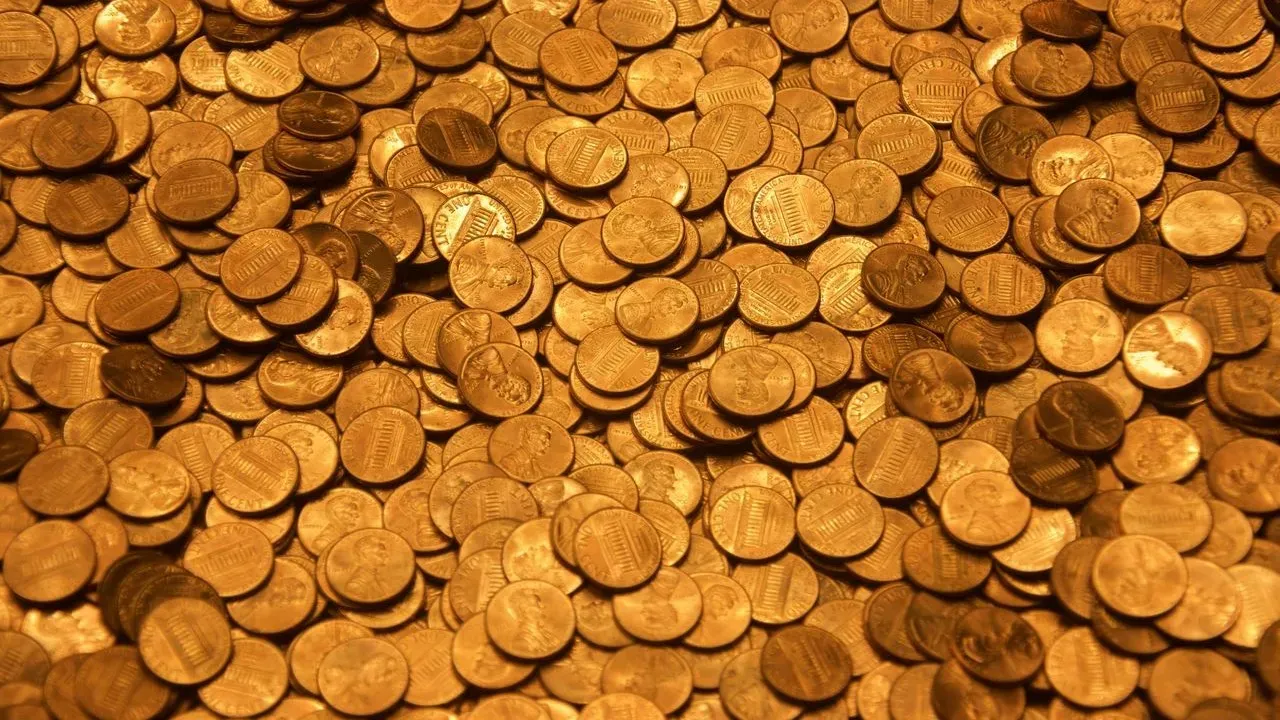

The Senate has cleared the Common Cents Act and sent it to the president’s desk, setting the stage for the formal end of penny production for everyday use. ([1]) If signed, the measure would also let businesses round cash purchases to the nearest nickel and open the door to a less costly nickel coin. Travelers who still rely on cash at roadside stands, farmers markets, and small-town shops would notice the shift most directly.
From Shortage to Legislation
Penny shortages have already forced many retailers into awkward workarounds over the past year. Some round totals informally, while others hand out gift cards or promos to clear excess change. The new bill aims to replace those patchwork solutions with a single national rule.
Both the House and Senate advanced versions of the Common Cents Act this year, culminating in Monday’s unanimous Senate passage. The measure now awaits a signature before it can take effect.
What Happens to the Penny
Production of pennies for circulation would stop, though the Treasury could still mint one-cent coins for collectors. Existing pennies would remain legal tender for any debt or tax payment.
The change formalizes a reality that began last fall, when the Mint halted new pennies for general use. Collectors received special 250th-anniversary editions this year, but everyday circulation minting has already paused.
Rounding Cash Purchases
Businesses would gain clear permission to round cash totals to the nearest five cents. This step would resolve conflicts in states or localities that currently ban the practice.
Retail and convenience-store groups have welcomed the clarity, noting it would simplify transactions when pennies are scarce. The rule would apply only to cash; electronic payments would continue unchanged.
A Possible New Nickel
The legislation also lets the Treasury test cheaper compositions for the nickel, which currently costs more than 13 cents to produce. A zinc core with a nickel coating is one option under consideration.
Any redesign would need to work in existing vending machines and coin counters. Past attempts to alter coin metals have faced technical hurdles, so changes would likely unfold gradually.
Practical Notes for Travelers
Those who pay cash on the road would see the biggest day-to-day difference. A $4.17 purchase might round to $4.15 or $4.20 depending on the nearest nickel.
- Farmers markets and produce stands often operate on cash only.
- Small-town diners and roadside stands may adjust totals at the register.
- Tips left in cash could follow the same rounding convention.
- Toll booths and parking meters that accept coins would continue to function normally.
The bill has not yet become law, so these adjustments remain prospective. Travelers carrying cash can continue using pennies until any final rules take effect.
AI Disclaimer: This article was created with the assistance of AI tools and reviewed by a human editor.